The pairing · pick a flower
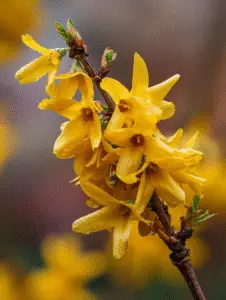 Forsythia+
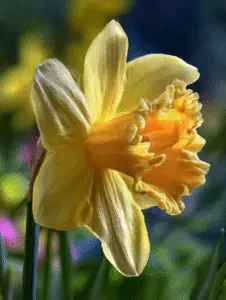 DaffodilPartial
Daffodils open with or just before forsythia, underplant the still-bare canes while the shrub is leafless, and their fading foliage disappears under forsythia's own leaf-out.
Forsythia+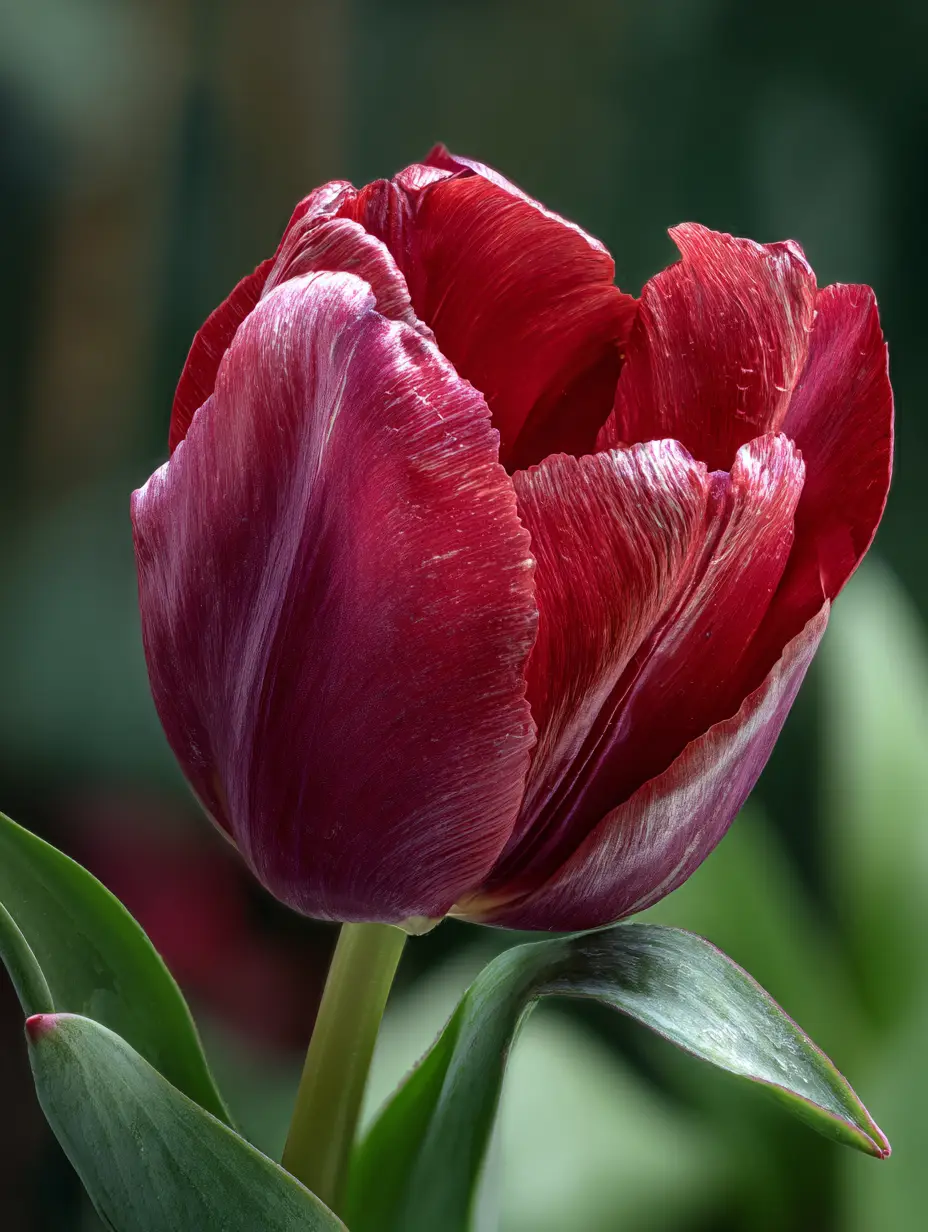 TulipPartial
Tulips bloom in the same early window and want the same full sun and sharp drainage forsythia does, so a bed of red or purple tulips reads as a deliberate color echo under the yellow canes.
Forsythia+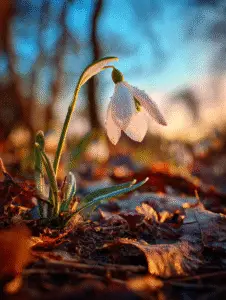 SnowdropPartial
Snowdrops open even earlier than forsythia, so a naturalized drift starts the succession before the yellow canes take over and needs nothing from the soil forsythia is not already giving it.
Forsythia+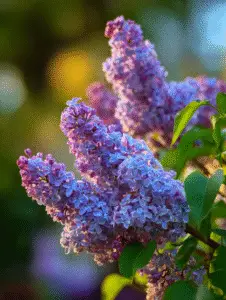 LilacPartial
Lilac's purple trusses open right as forsythia's yellow fades, want the identical full sun and adaptable soil, and give the bed a second wave instead of a hard stop.
Forsythia+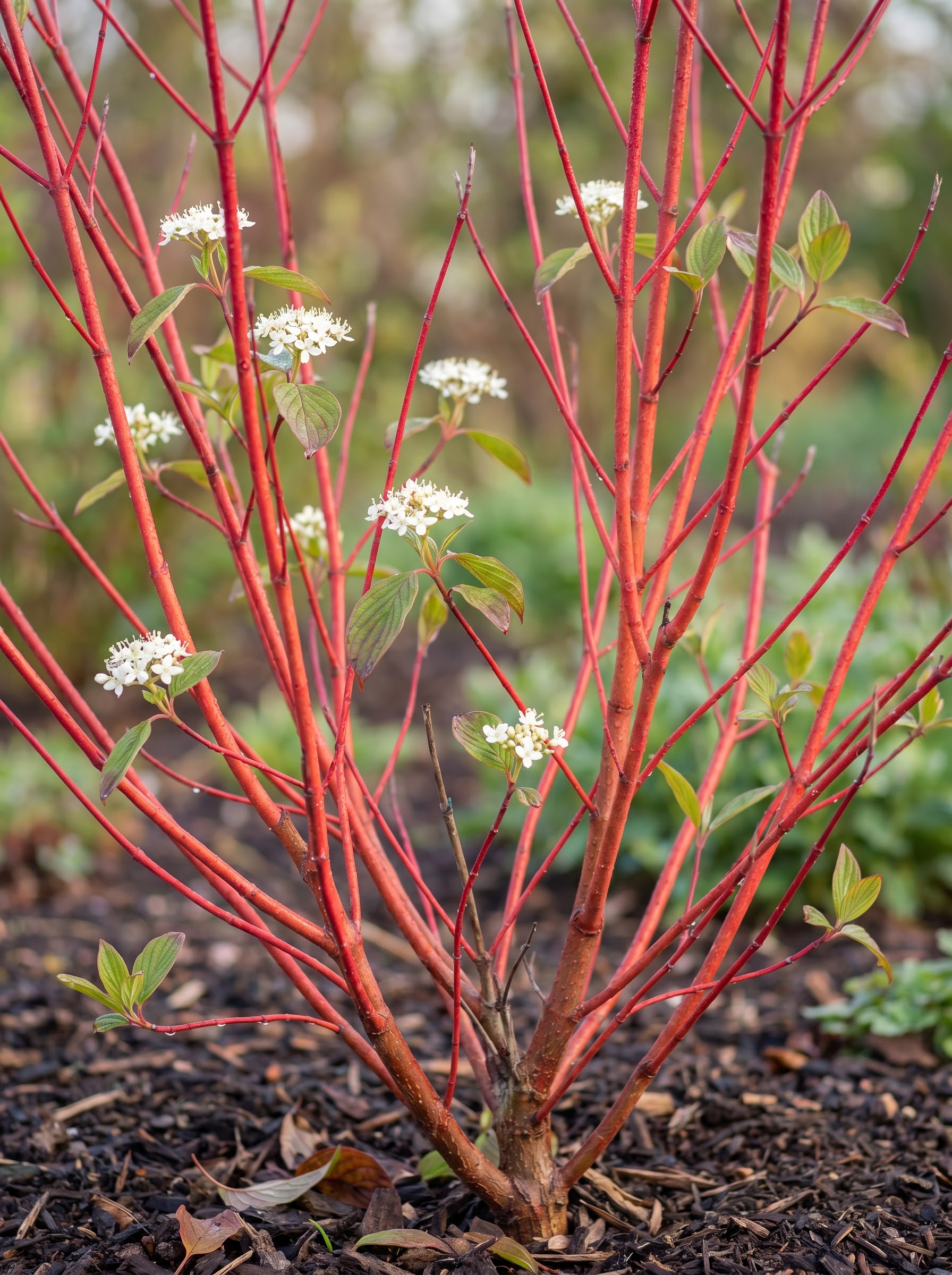 Red twigPartial
Its bare red stems give the bed color before forsythia even blooms, then its foliage and berries carry interest through summer and fall while forsythia sits plain and green.
Forsythia+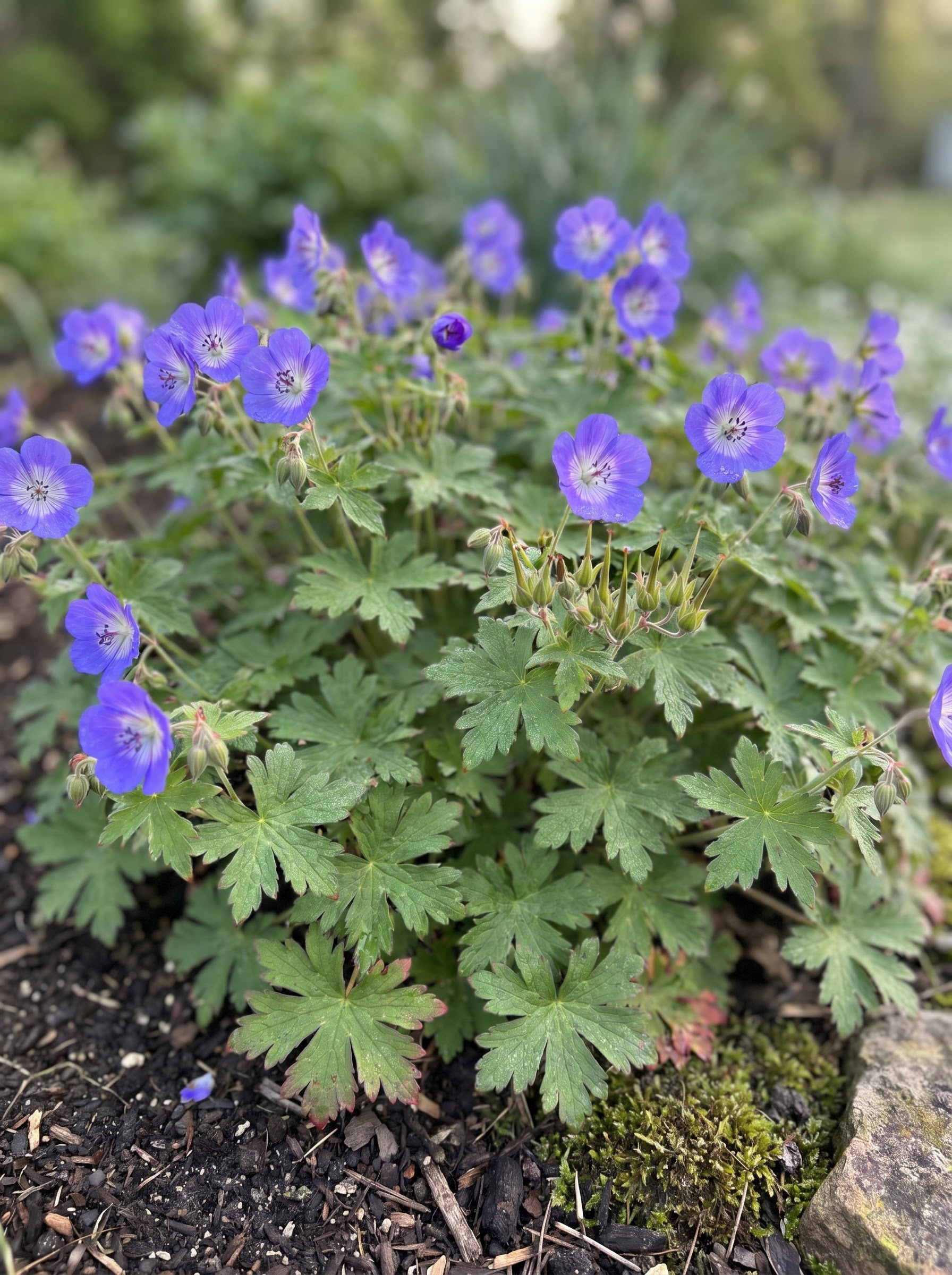 Hardy geraniumPartial
A dense, weed-smothering mat right at the skirt answers the number one 'what do I plant at the base' question and keeps blooming long after forsythia has gone quiet for the summer.
Forsythia+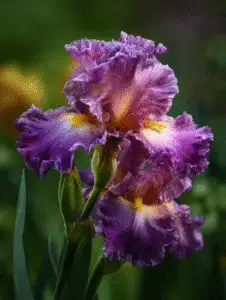 Bearded irisPartial
Iris opens right as forsythia's bloom ends, tolerates nearly the same broad range of soils, and needs no special conditions to sit comfortably at the shrub's sunny edge.
Forsythia+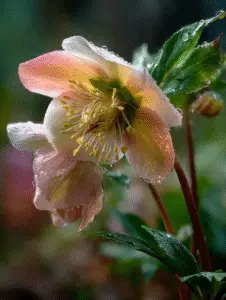 Lenten rosePartial
It opens ahead of forsythia in late winter and, once the shrub leafs out, benefits from the light dappled shade cast at the canopy's outer edge, not its dense center.
Forsythia+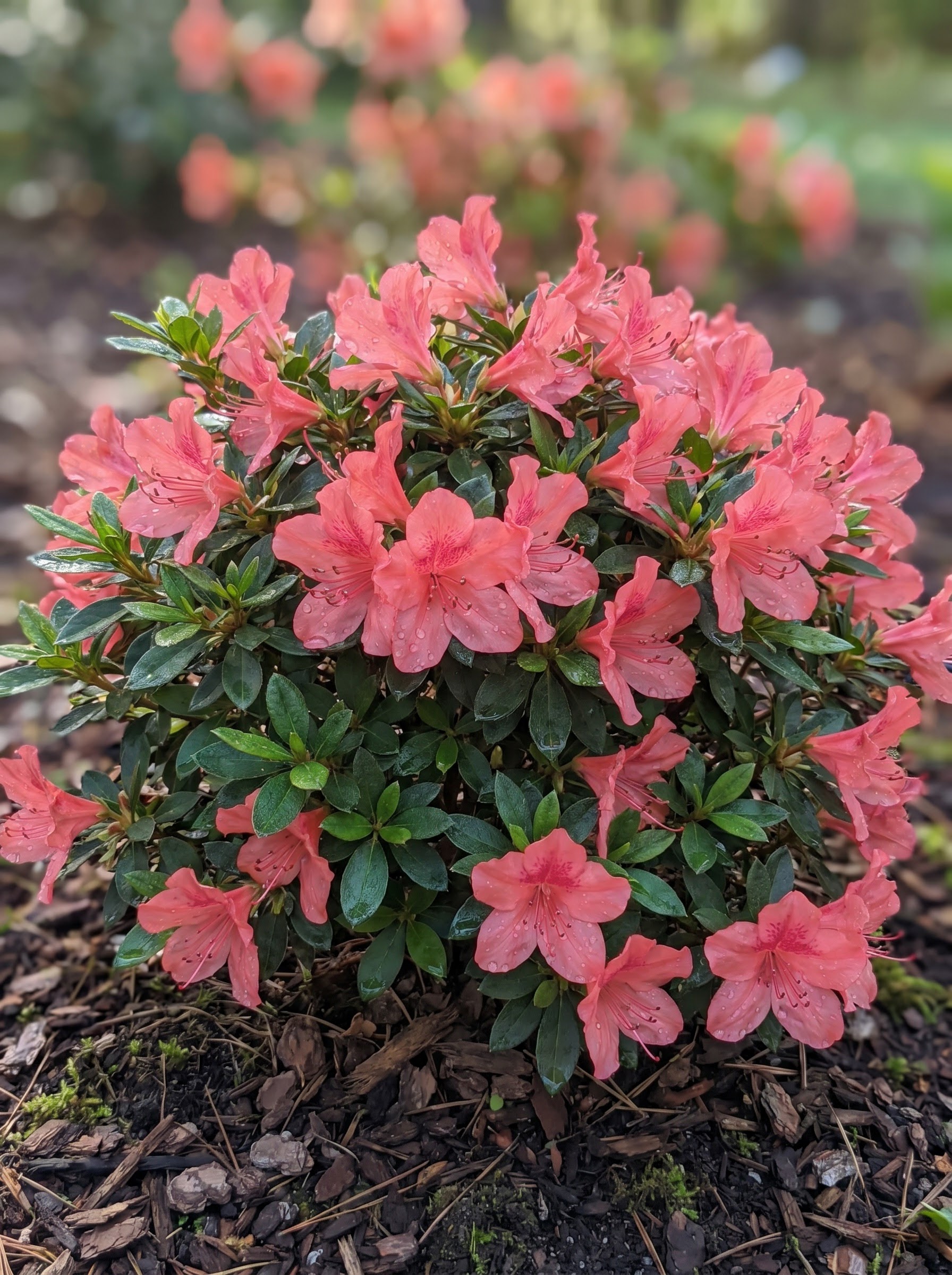 Deciduous azaleaPartial
A classic spring color partner, but azalea leans toward acid soil and part shade while forsythia demands full sun, so the pairing works best sited at the shrub's dappled edge rather than its sunniest face.
Forsythia+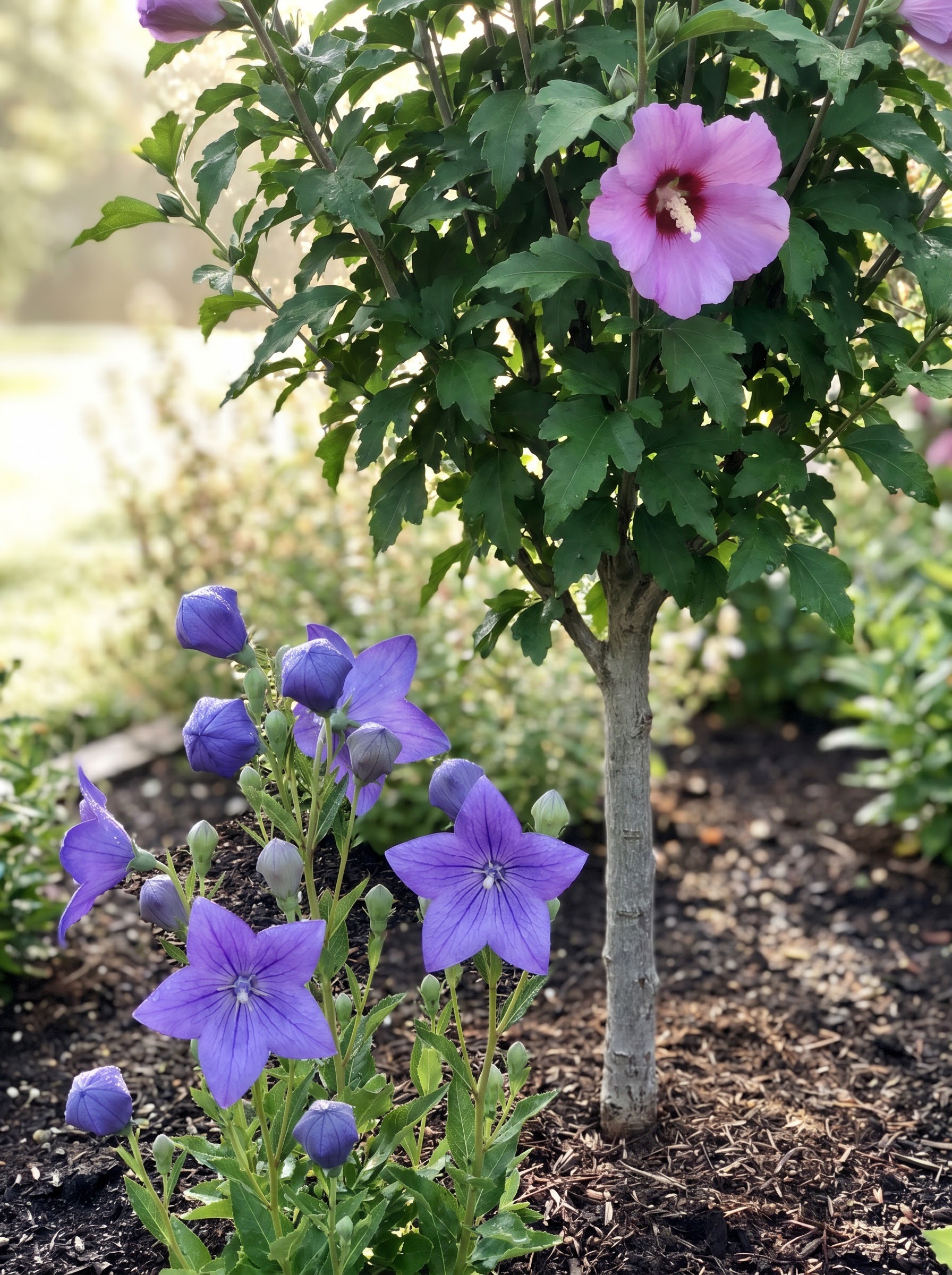 Rose ofPartial
It starts blooming just as forsythia's plain green summer foliage sets in and keeps going into fall, directly answering the season-extension problem that drives most forsythia searches.
Forsythia+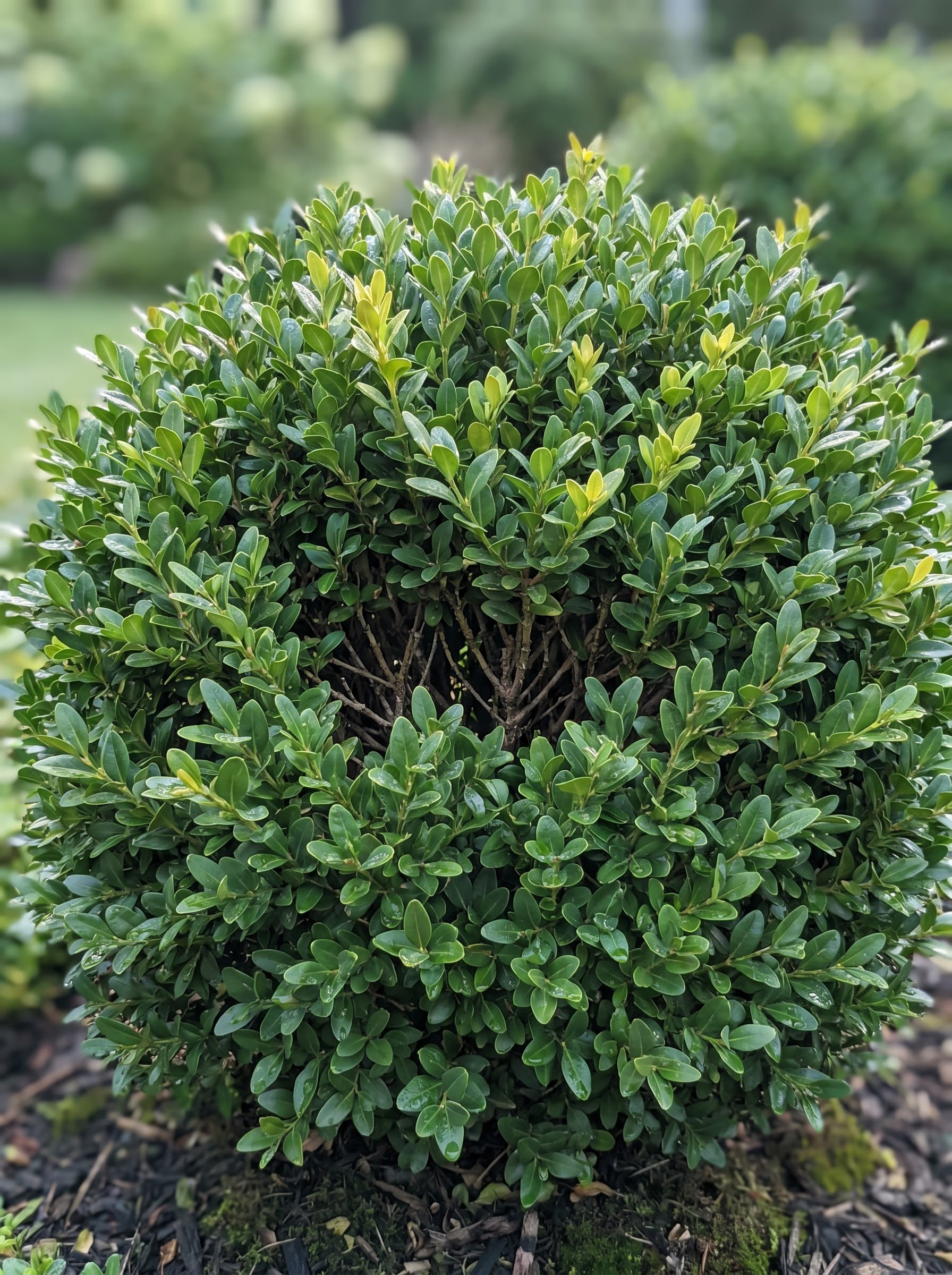 BoxwoodPartial
Evergreen structure solves forsythia's biggest weakness, a long stretch with little ornamental value, and it is typically sited as its own hedge or edge rather than interplanted, so root competition stays minimal.
Forsythia+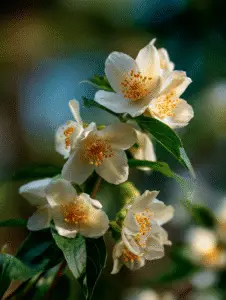 Mock orangeProven
It flowers just after forsythia in the same full sun and shares an unusual bonus: both are named by Penn State Extension among the ornamentals that tolerate juglone, the black walnut toxin, so both are safe bets near a walnut tree.
Forsythia+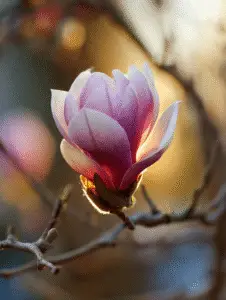 MagnoliaFolklore
Both are old-fashioned early spring bloomers valued for exactly the same short, spectacular show, and pairing them stretches one dramatic week into a longer sequence of large-scale spring color.
Forsythia+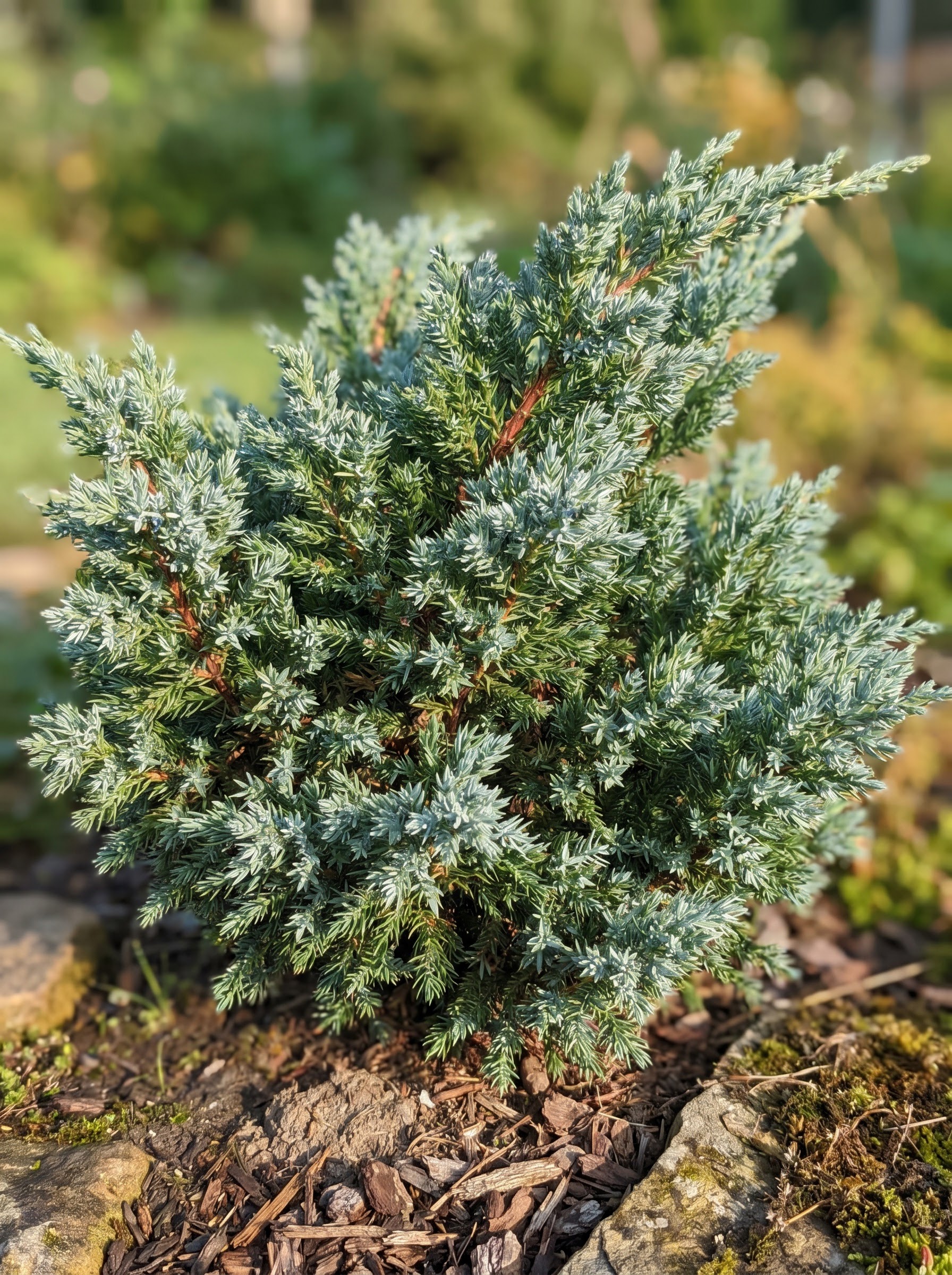 JuniperFolklore
Another evergreen fix for forsythia's long plain season, tolerant of full sun and a wide soil range, valued mainly for the blue-green texture it adds once the yellow bloom is over.
Forsythia+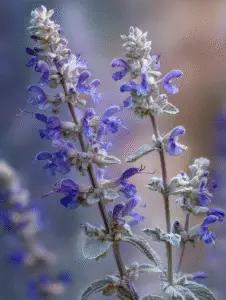 Russian sagePartial
An airy haze of late-summer blue that opens long after forsythia has gone quiet, sharing the same full sun and forgiving, well-drained soil without competing for space at ground level.
Forsythia+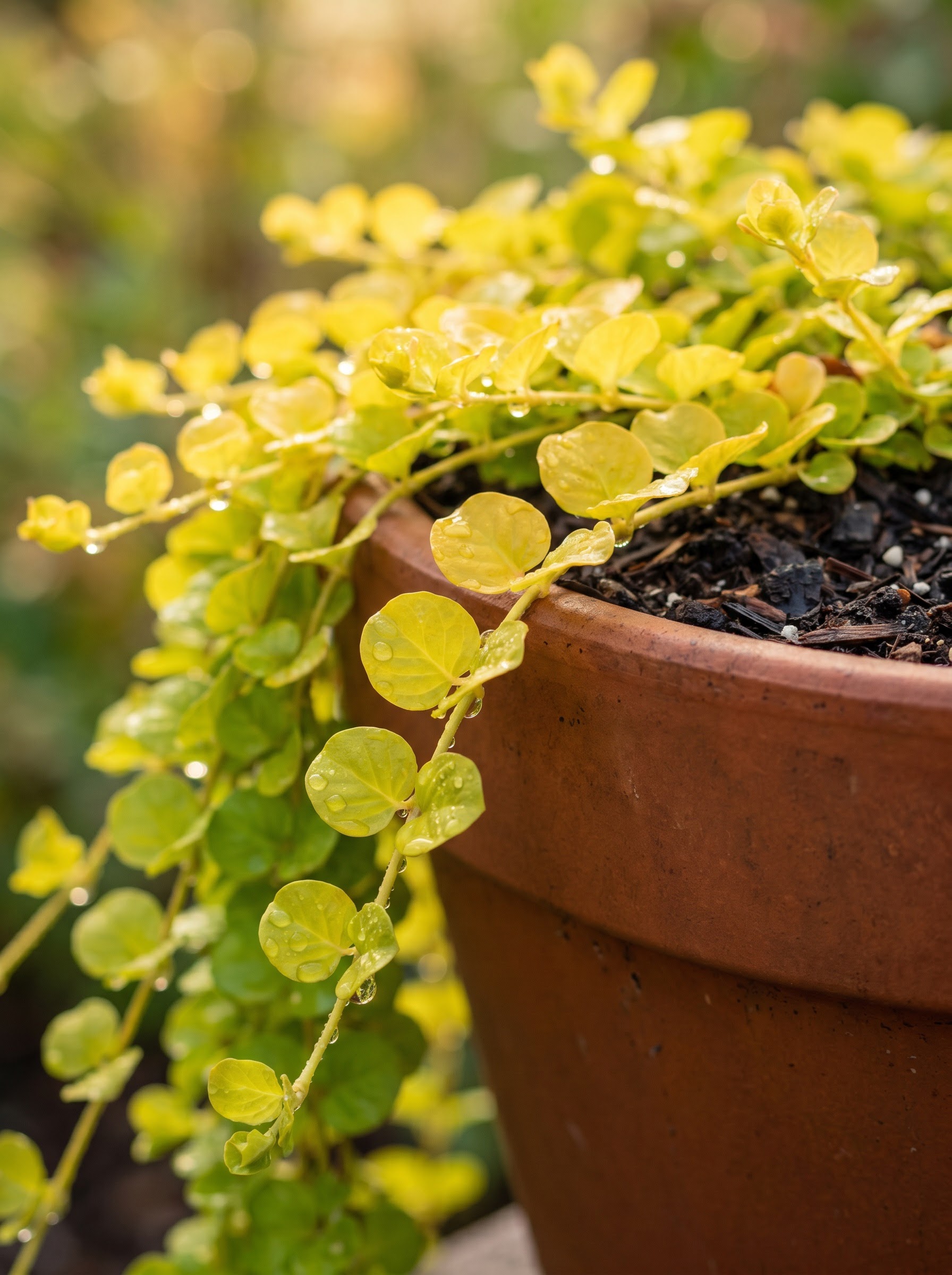 Creeping JennyFolklore
For a container-grown dwarf forsythia, a trailing edge plant softens the pot's rim and adds motion; it wants more consistent moisture than forsythia does, so it belongs at the pot's damp shaded rim, not the shrub's dry root zone.
All forsythia companions
16 flower companions, best match first
What not to plant near forsythia
Most bad neighbours are not evil, they just want the opposite light, water or root run. Here is what to keep away, and what to do instead.
Deep-shade obligate plants (hosta in dense shade, astilbe, most ferns)
Forsythia demands full sun for good bloom, and once it leafs out in late spring its own canopy casts real shade over anything tucked directly underneath, so a true shade lover both conflicts with the host's needs and gets shaded out by the host itself.
Wetland and bog plants (cattails, marsh marigold, flag iris, waterlilies)
Forsythia cannot tolerate waterlogged or seasonally flooded soil, so pairing it with a plant that needs standing or constantly saturated water means one of the two is being watered wrong on purpose.
True xeric and desert plants (cacti, succulents, yucca, paddle cactus)
Forsythia is drought-tolerant once established but still wants moist, well-drained soil, not lean desert-dry conditions, so true xeric companions end up over-watered next to it or forsythia ends up under-watered next to them.
Delicate groundcovers planted tight against the trunk
Forsythia self-layers wherever a low branch touches soil and produces vigorous basal suckers, so its clumps slowly increase in size and grow beyond their intended boundaries; anything small and delicate planted right at the crown risks getting physically crowded or out-competed as the shrub spreads.
Anything sited to be 'protected' from forsythia's supposed allelopathic chemicals
One popular gardening blog calls forsythia flatly allelopathic, but the real study behind that claim tested concentrated leaf extract from Forsythia suspensa, a related but different species, against three weed and grass species in a lab bioassay, explicitly framed by the researchers as a potential herbicide made from pruning waste, not as evidence that a living, garden-planted forsythia harms its ornamental neighbors.
The best companions for forsythia, explained
Forsythia’s whole companion problem comes down to one structural fact: it blooms for ten to fourteen days on bare wood in earliest spring, then spends the rest of the year as a plain, dense green shrub with, as more than one extension source puts it, little other ornamental value. Iowa State University Extension frames it plainly, recommending that forsythia sit in the middle or back of the border so it can take center stage early in the season, then serve as a green backdrop for everything else the rest of the year. That single fact should organize every planting decision here. This is not a shared-conditions puzzle the way it is for a plant with a narrow tolerance window; forsythia takes almost any sun-loving companion happily. It is a timing puzzle, and the best plantings work in three overlapping waves.
The first wave opens before or with the forsythia itself. Early bulbs are the single most repeated companion category across every source, and for good reason: daffodils, snowdrops, crocus and grape hyacinth bloom at ground level while the canes are still bare, ask for exactly the same sun and drainage forsythia wants, and their fading foliage vanishes once the shrub leafs out and shades the ground beneath it. The second wave hands off the color as forsythia’s yellow fades. Lilac is the classic partner here, its purple trusses opening right as the last forsythia flowers drop, sharing the same adaptable soil and full-sun preference so the two can sit as neighboring specimens without either one struggling. Flowering quince works the same timing trick with a sharper color contrast, its coral or magenta blooms opening on bare wood alongside forsythia’s yellow rather than after it. The third wave is the one most listicles skip: real summer and fall color that keeps the bed interesting once forsythia has gone fully green and stayed that way for months. Rose of Sharon and Russian sage both start their bloom just as forsythia’s own show becomes a memory, and both tolerate the same full sun and forgiving, well-drained soil forsythia itself wants, a match confirmed independently by Great Garden Plants for the shrub pairing and Wisconsin Horticulture Extension for Russian sage’s own growing needs. Evergreen structure, boxwood or juniper sited as a separate hedge line rather than interplanted at the base, solves the same problem from a different angle: it gives the eye something besides green foliage to land on during forsythia’s long quiet stretch, without competing directly for root space.
What not to plant near forsythia
The honest avoid list here is shorter and milder than for a shade-loving shrub, because forsythia is unusually forgiving on soil chemistry and texture. Its two hard requirements are full sun and drainage that never stays waterlogged, and nearly every real avoid mechanism traces back to one of those two lines. University of Minnesota Extension and Wisconsin Horticulture Extension both confirm plants grown in shade flower poorly and grow straggly, which cuts two ways: a true shade-obligate plant conflicts with forsythia’s own sun demand, and anything tucked directly under a mature, fully leafed-out forsythia canopy in summer can end up shaded by the shrub itself. Wisconsin Extension is equally direct on the water side, stating flatly that forsythia cannot tolerate wet soils, which is why cattails, marsh marigold, flag iris and waterlilies (all named specifically by Plant Addicts as poor matches) are a genuine mismatch rather than a folklore caution. The opposite extreme matters too, if less urgently: true desert plants like cacti, succulents and yucca still leave forsythia wanting more moisture than they will tolerate being given.
The subtler avoid concerns physical crowding rather than chemistry. Forsythia self-layers wherever a low branch touches soil, rooting into a new plant, and produces vigorous basal suckers, which is exactly why Wisconsin Extension notes its clumps slowly increase in size and often grow beyond their intended boundaries. That is not a chemical threat to whatever sits next to it, it is a spatial one: a small, delicate groundcover planted tight against the crown risks getting physically overrun as the shrub spreads outward, especially if the gardener skips the annual post-bloom pruning that keeps forsythia’s shape in check. The fix is simple standoff space, twelve to eighteen inches from the trunk, not a hard exclusion.
One claim deserves a direct correction rather than a quiet omission. A gardening blog making the rounds online calls forsythia flatly allelopathic, as if it chemically poisons whatever grows near it. The actual science behind that claim is a 2024 peer-reviewed study that tested concentrated leaf extract, soaked and reduced under lab conditions, from Forsythia suspensa, a related but genuinely different species from the border forsythia (Forsythia x intermedia) covered here. The extract inhibited germination in three specific weed and grass species in a bioassay, and the researchers framed their own findings as a possible eco-friendly herbicide made from pruning waste, explicitly aimed at weed control rather than as any observation of a living forsythia harming its ornamental neighbors in a garden bed. There is no evidence in that study, or anywhere else turned up in this research, that a planted forsythia’s roots or fallen leaves damage nearby perennials or shrubs at real garden concentrations. Do not let that overclaim talk you out of a pairing that otherwise fits.
Do they like the same conditions?
Test any candidate against the forsythia plant’s actual profile and most companions clear the bar easily. Light is the one place where forsythia flips the usual companion logic found elsewhere on this site: it is a sun-first host, needing six or more hours of direct light for a strong bloom, where light shade costs flowers and produces straggly growth and deep shade compromises flowering severely. That is the opposite of a shade shrub like hydrangea, where the host itself prefers the shade, so a reader coming from those pages should not assume the same under-canopy playbook applies here. Water tells a cleaner, more forgiving story: forsythia wants moist, well-drained soil and tolerates real drought once established, with the single hard line being waterlogged or seasonally flooded ground.
Soil chemistry is close to a non-issue, and it is worth saying so plainly rather than adding a worry that is not real. University of Minnesota Extension states forsythia’s pH tolerance runs from about 5.0 to 8.0, one of the widest ranges of any commonly grown flowering shrub, and it adapts to sand, loam or clay with equal ease. Unlike hydrangea, where pH shifts bloom color, or azalea, which is acid-obligate, forsythia simply does not care much what the soil chemistry is doing, which means companion pH-matching almost never rules a plant out here. The genuine limiter, instead, is the shrub’s own size and habit: mature specimens reach eight to ten feet tall and can spread ten to twelve feet wide if left unpruned, so companions need real physical standoff space, not a chemical accommodation. Hardiness carries one honest caveat worth flagging for colder gardens: forsythia’s flower buds are less cold-hardy than the plant itself in many cultivars, so a gardener in zone five or colder may see a shrub that survives winter fine but blooms only on the lower stems that snow insulated, a real and well-documented phenomenon distinct from anything a companion plant can fix.
How to plant them together
Layer the bed by bloom timing more than by height, since the whole point is a handoff rather than a single simultaneous display. Bulbs go in the fall, tucked at the canopy’s outer edge where sun still reaches before the shrub leafs out, spaced three to six inches apart in natural-looking drifts rather than a straight row. Shrub partners like lilac, quince, rose of Sharon or mock orange want real distance, generally six to eight feet from forsythia and from each other, because both plants get large and neither performs well pruned into a corner. Give any low groundcover or perennial destined for the base a twelve to eighteen inch gap from the trunk itself; that space respects both forsythia’s self-layering habit and the airflow every dense planting benefits from.
Forsythia also has a genuine container life, which most companion guides skip entirely. Dwarf and miniature cultivars stay compact for years in an eighteen-inch or larger pot, and a trailing plant like creeping Jenny or English ivy tucked at the rim softens the container’s edge without competing for the shrub’s main root mass, since the trailer wants steadier moisture than the shrub’s own root zone typically gets. Spring bulbs treated as annuals work the same way in a pot as they do in the ground, planted shallow around the shrub’s base for one clean season of color before being pulled. In every setting, the one maintenance habit that keeps every companion pairing working long-term is pruning forsythia immediately after it finishes blooming each spring, which both University of Minnesota Extension and Wisconsin Horticulture Extension recommend for bloom health anyway, and which happens to be the same habit that keeps the shrub’s self-layering and suckering from ever crowding a neighbor in the first place.
Does companion planting actually work for forsythia?
Some of it, yes, provably. The timing match between forsythia and early bulbs is not a design opinion, it is basic bloom-calendar overlap that university extensions confirm happens in the same window even where they stop short of naming the pairing outright, and Plant Addicts spells out directly for daffodils, tulips and snowdrops, and the shared full-sun, well-drained preference across nearly every recommended partner is equally verifiable rather than aesthetic guesswork. The juglone-tolerance fact is a genuine, citable positive: Penn State Extension names forsythia itself, alongside mock orange, among the ornamentals that tolerate the black walnut toxin, a useful and specific answer for anyone gardening near a walnut tree rather than a vague reassurance. The avoid mechanisms hold up the same way, sun-shade physiology and waterlogged-soil intolerance are both stated independently by multiple university extensions, not inferred from a single blog post.
Some of it is real but softer than the confident tone of most listicles suggests. Specific pairings like forsythia with magnolia or forsythia with juniper are genuinely popular and conditions-compatible, but the case for them rests on shared bloom season or year-round texture rather than any documented mechanism, which is why they carry an honest Folklore label here rather than a false Proven one. And one claim needs correcting outright rather than softening: the idea that forsythia is allelopathic toward its garden neighbors traces to a lab study on a different Forsythia species testing concentrated leaf extract against weeds, framed by its own authors as herbicide research, not a documented case of garden toxicity. If an AI summary or a quick search tells you to avoid pairing anything with forsythia because it poisons its neighbors, that claim does not survive contact with the actual study behind it.
Frequently asked questions
What can I plant at the base of a forsythia?
Low, sun-tolerant groundcovers like hardy geranium work well, kept twelve to eighteen inches from the trunk rather than tight against it, since forsythia self-layers and suckers outward as it matures. Spring bulbs planted at the canopy’s outer edge are the other classic base planting, opening before the shrub leafs out and disappearing once it does.
What should you not plant near forsythia?
True shade-obligate plants, anything needing constantly wet or boggy soil, and true desert plants all mismatch one of forsythia’s two hard requirements, full sun and drainage that never stays waterlogged. Delicate groundcovers planted with zero standoff space from the trunk are a milder, physical rather than chemical concern.
Is forsythia invasive?
No, it does not appear on state or national invasive species lists in the way barberry or burning bush do. It does self-layer and sucker aggressively enough that an unpruned specimen will expand its own footprint over time, which is a real spreading habit worth managing with annual pruning, distinct from ecological invasiveness.
Is forsythia allelopathic to nearby plants?
Not in any way supported by real evidence for garden use. The one study behind that claim tested lab-concentrated leaf extract from a different Forsythia species against weeds and grasses, explicitly as potential herbicide research, not as proof that a living forsythia harms its ornamental neighbors.
What blooms at the same time as forsythia?
Daffodils, tulips, crocus, grape hyacinth and snowdrop all overlap forsythia’s earliest spring window, along with flowering quince and, slightly later, lilac as forsythia’s own bloom winds down.
Can I plant forsythia near a black walnut tree?
Yes, and this is one of forsythia’s better-kept secrets. Penn State Extension lists forsythia among the ornamentals tolerant of juglone, the toxin black walnut roots and leaves release, alongside mock orange, oaks and hawthorn, making it one of the safer flowering shrubs for that specific site.
Sources
- Forsythia growing guide (University of Minnesota Extension)
- Forsythia, Forsythia spp. (Wisconsin Horticulture Extension)
- Growing forsythias in the home garden (Iowa State University Extension)
- How to grow forsythia (Royal Horticultural Society)
- Allelopathy in the home garden (Penn State Extension)
- Isolation and identification of allelopathic substances from Forsythia suspensa leaves (Kato-Noguchi et al., Plants, MDPI, via PubMed Central)
- Using insectary plants to attract pest predators (UF/IFAS Extension)
More About Forsythia
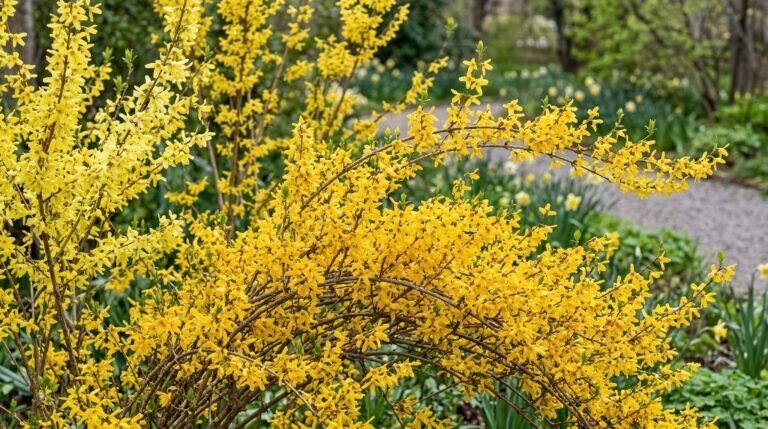
Dwarf forsythia varieties for small gardens that still deliver big spring color
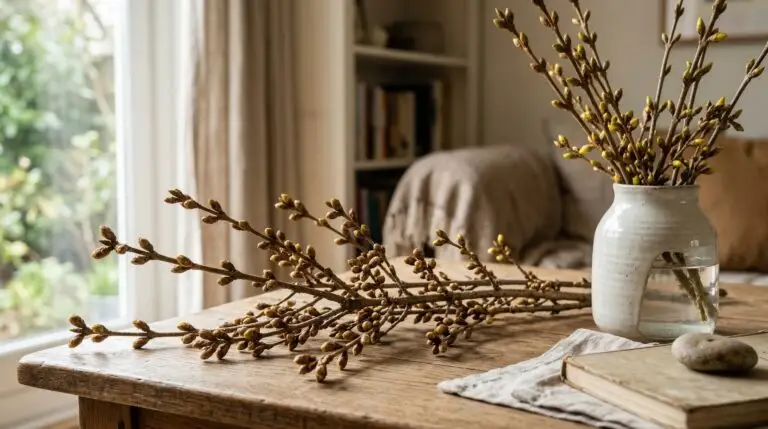
Forcing forsythia branches indoors for early spring sunshine on your kitchen table
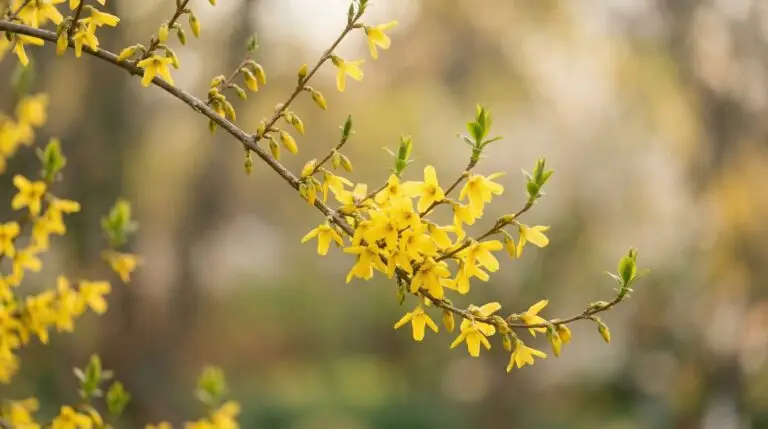
Forsythia flower meaning and why this golden shrub signals winter is finally over
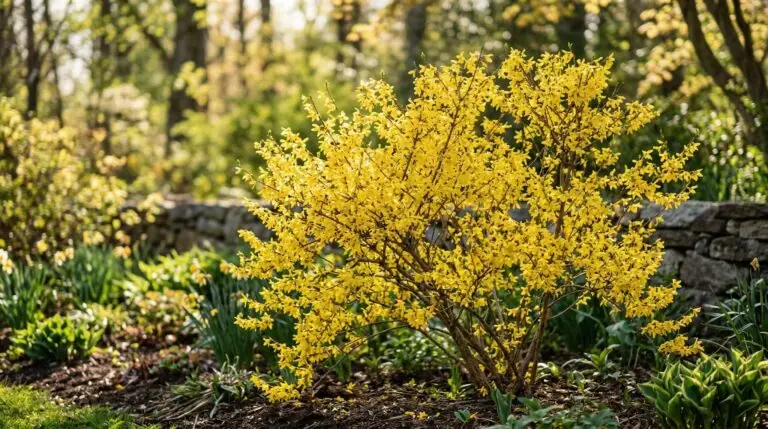
How to grow forsythia for an explosion of golden yellow blooms in early spring
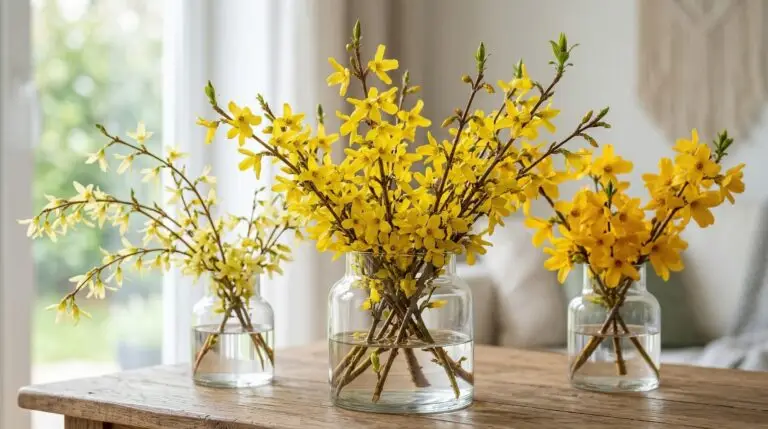
Best forsythia varieties from compact Show Off to weeping Arnold Dwarf
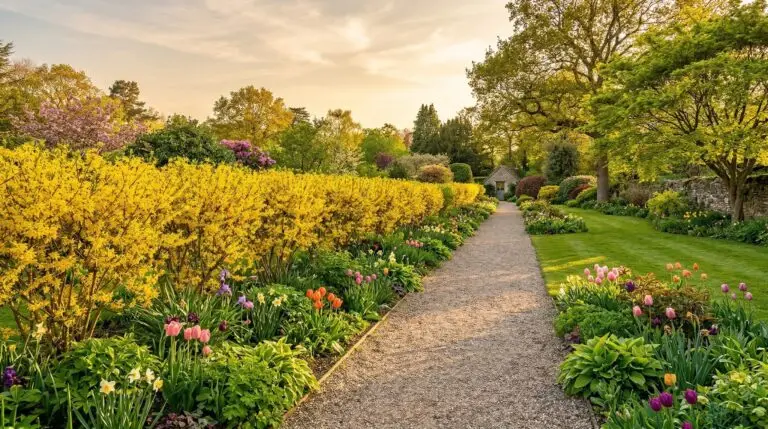
Using forsythia as a fast-growing privacy hedge that lights up spring
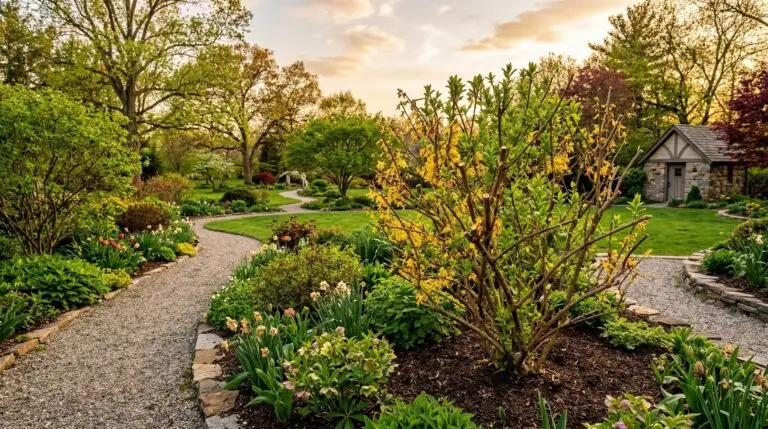
When and how to prune forsythia without accidentally cutting off next year’s flowers
Why your forsythia blooms only on the bottom and how to fix bare leggy branches
How to propagate forsythia from cuttings and tip layering for free new plants