Contents 6 sections
Timing the cut for indoor blooms
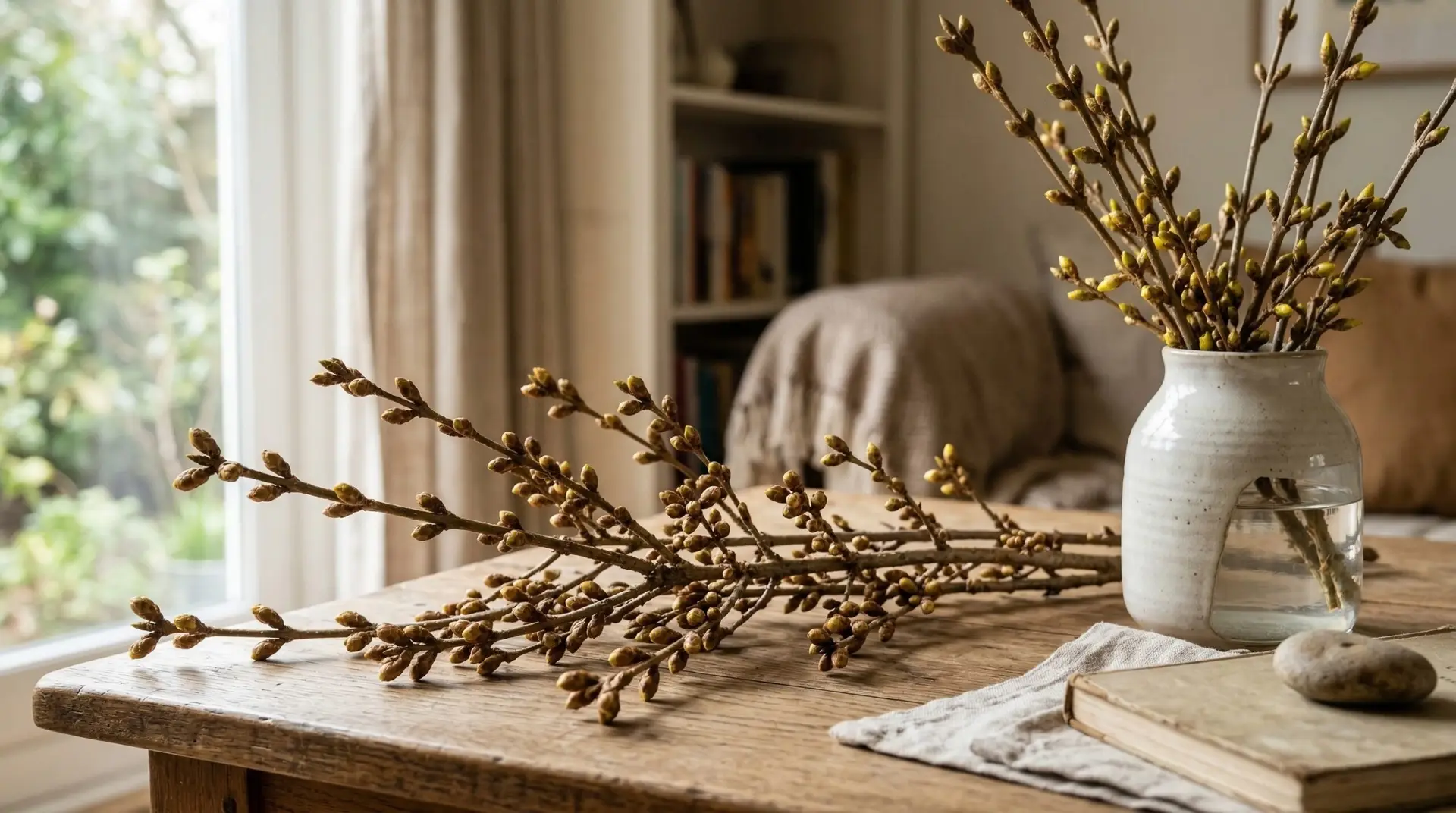
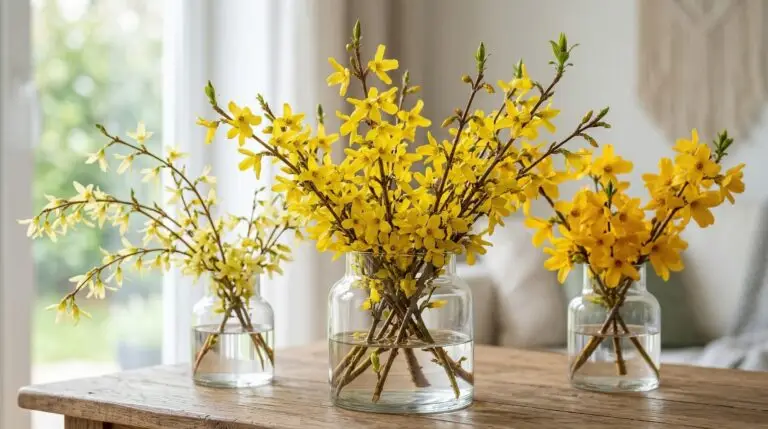
One of the first things gardeners ask when they start growing forsythia is exactly when they can bring those bright yellow blooms inside to break up the winter gloom. The urge to see some color usually hits right around late January, which happens to be the perfect time to start looking at your shrubs. You might wonder how early is too early to start cutting branches for indoor displays. The answer comes down to a biological process called dormancy, where the plant requires a specific number of chilling hours below freezing before the flower buds will wake up. If you try to cut branches in November or December, the buds will stubbornly remain closed and eventually dry out in your warm house. By late January or early February, the shrub has experienced enough cold weather to satisfy this requirement. You can tell the branches are ready when the tiny buds along the stems look slightly swollen rather than flat and hard against the wood.
Preparing branches for the vase
Once you know the timing is right, the next thing you will probably wonder is how to harvest and prepare the wood for forcing forsythia indoors. You want to select branches that have plenty of plump buds and cut them with clean, sharp bypass pruners. It helps to cut branches of varying lengths to give your final arrangement a more natural, wild shape. This leads to something many growers wonder about regarding water uptake in woody stems. You might have heard old garden advice suggesting you should smash the bottom of woody branches with a hammer to help them drink water. By the way, this is a practice you should definitely avoid because crushing the stem actually destroys the vascular tissue the plant uses to draw up moisture. Instead, simply make a fresh angled cut at the base of the stem and use your pruners to create a one-inch vertical slit up the middle of the cut end.
Managing light and temperature during the wait
After placing your branches in water, the immediate question is how long it will take for the flowers to actually open and provide that burst of color. The timeline depends entirely on how close the shrub was to its natural outdoor blooming period when you made your cuts. Branches harvested in late January might take three weeks to bloom, while those cut in early March might pop open in just a few days. The natural follow-up question is where you should keep your vase while you wait for the magic to happen. Most people assume they need to place the vase in a hot, sunny window to mimic spring conditions. The truth is that placing them in direct sunlight or near a heating vent will cause the buds to dry out and drop off before they ever open. You will get much better results by keeping your forsythia branches indoors in a cool room with bright, indirect light until the yellow petals begin to emerge.
Keeping the water fresh for healthy blooms
While you are waiting for the buds to open, you might start thinking about vase maintenance and water quality. Woody branches are notorious for turning vase water cloudy and foul-smelling very quickly. This bacterial growth clogs the stems and prevents the buds from getting the moisture they need to swell and open. Unlike soft-stemmed spring flowers such as daffodils that might tolerate the same water for a few days without issue, woody stems require a bit more vigilance. You should dump out the old water, rinse the vase, and refill it with fresh lukewarm water every two to three days. Every time you change the water, it helps to trim another quarter inch off the bottom of the stems to expose fresh vascular tissue. Adding a standard floral preservative to the water can also help keep bacteria at bay and provide a little extra energy for the developing blooms.
Mixing early bloomers in your spring display
As your forsythia in vase starts to show color, you might wonder what other branches you can force alongside them to create a mixed arrangement. Forsythia pairs beautifully with other early spring bloomers that share similar forcing requirements. Pussy willow branches are a classic companion because their soft, silvery catkins provide a beautiful textural contrast to the bright yellow forsythia petals. Flowering quince is another excellent choice that brings a pop of coral or pink to the display, though its thorny branches require careful handling. If you are willing to wait a little later in the season, you can even try forcing early lilac branches for a fragrant addition to the mix. Building an arrangement with these different woody stems creates a wild, architectural look that brings the feeling of an awakening spring garden right onto your kitchen table. Just remember that different shrubs will open at slightly different rates, so you might need to start your forsythia a week before your pussy willows to get them to peak at the exact same time.
What happens to the branches after the flowers fade
This brings us to a question many people never consider until their indoor display is completely finished. You will eventually notice the yellow flowers shriveling and dropping off, but you might also see bright green leaves beginning to unfurl along the stems. The natural curiosity here is whether these branches are still alive and if they can be planted out in the garden. Because forsythia is an incredibly vigorous shrub, branches left in water for several weeks will often develop small, white root nodules along the submerged portions of the stem. If you keep changing the water and wait for those roots to grow a few inches long, you have essentially propagated a brand new shrub. You can pot these rooted cuttings in soil and keep them watered until the danger of frost has passed outside. It is a satisfying way to turn a temporary winter floral arrangement into a permanent addition to your backyard landscape.
More About Forsythia

Companion plants for forsythia: what to grow, what to avoid
Dwarf forsythia varieties for small gardens that still deliver big spring color
Forsythia flower meaning and why this golden shrub signals winter is finally over
How to grow forsythia for an explosion of golden yellow blooms in early spring
Best forsythia varieties from compact Show Off to weeping Arnold Dwarf

Using forsythia as a fast-growing privacy hedge that lights up spring

When and how to prune forsythia without accidentally cutting off next year’s flowers
Why your forsythia blooms only on the bottom and how to fix bare leggy branches
How to propagate forsythia from cuttings and tip layering for free new plants
Enjoying our flower guides? Add YourFlowersGuide as a preferred source on Google. It helps more readers find us.
Add to Preferred Sources