The pairing · pick a flower
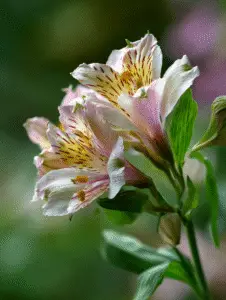 Alstroemeria+
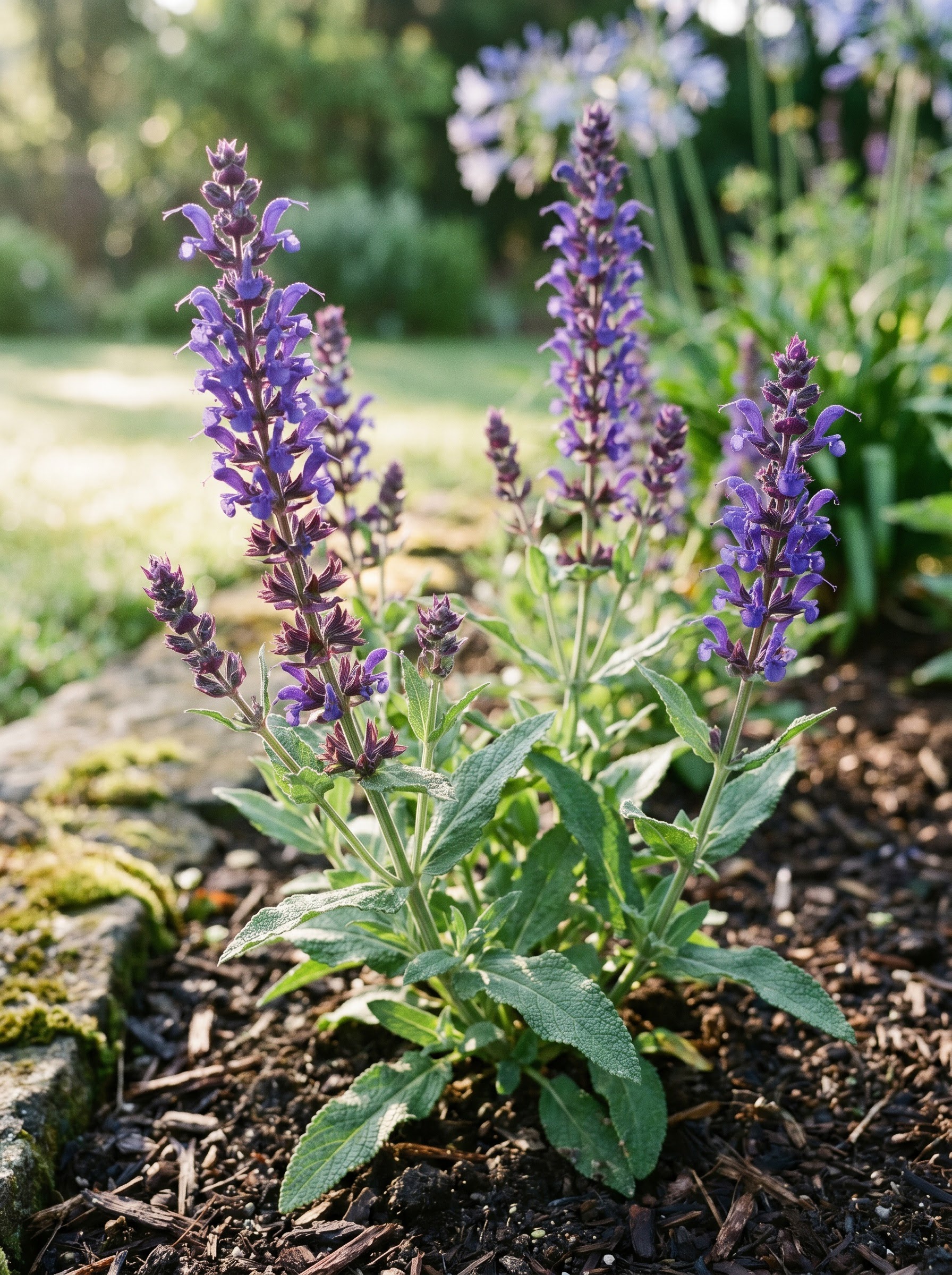 Ornamental sageProven
Upright violet-blue spikes are the clearest form contrast available to alstroemeria's rounded umbels, and NC State Extension lists the same full sun to part shade range and average, well-drained moisture for both.
Alstroemeria+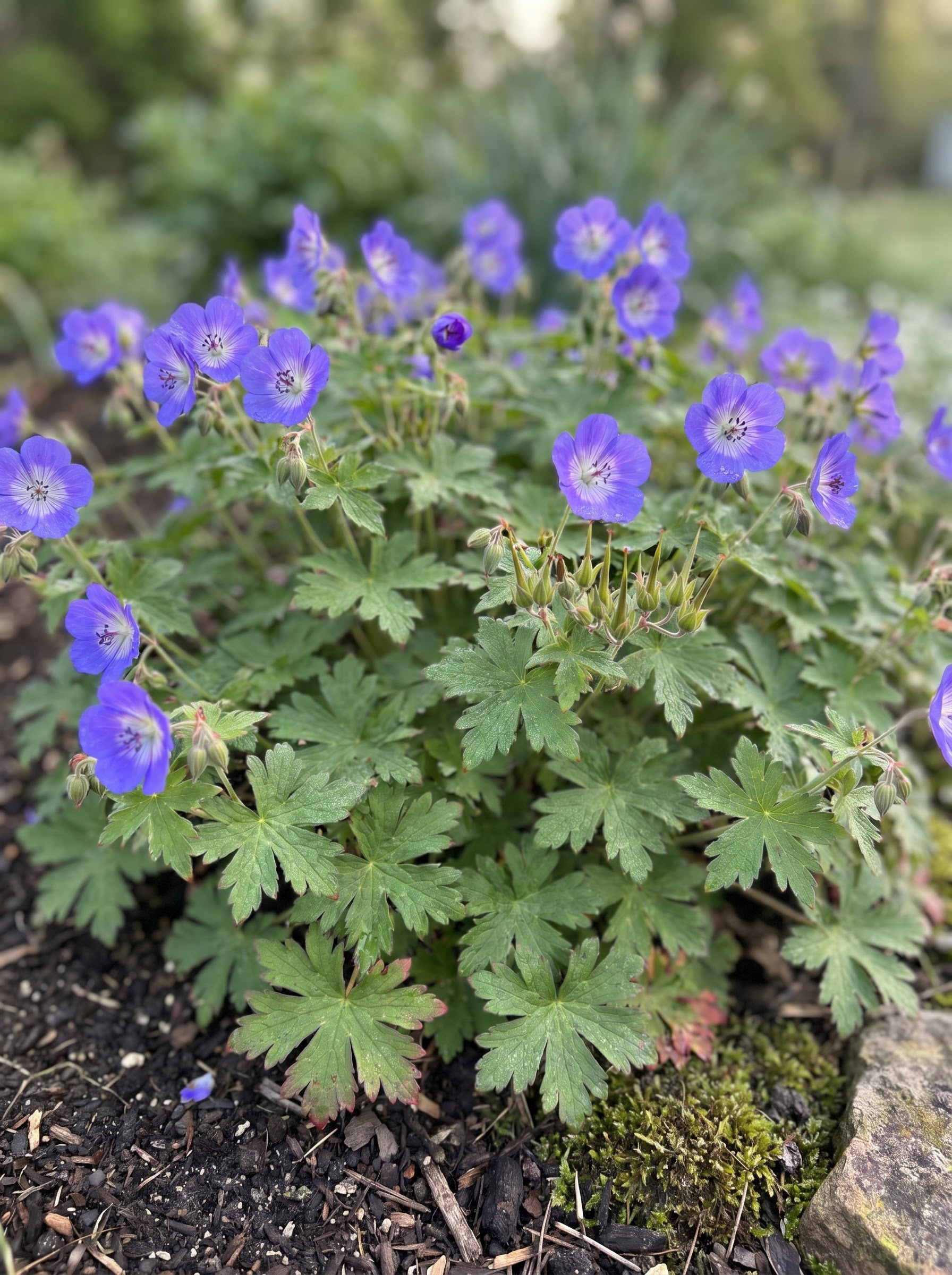 Hardy geraniumPartial
A low, spreading mound that covers alstroemeria's often-yellowing lower stems, matches its light range, and lets you echo the throat color of the bloom in the geranium's own petals, a genuinely specific design trick, not a generic pairing.
Alstroemeria+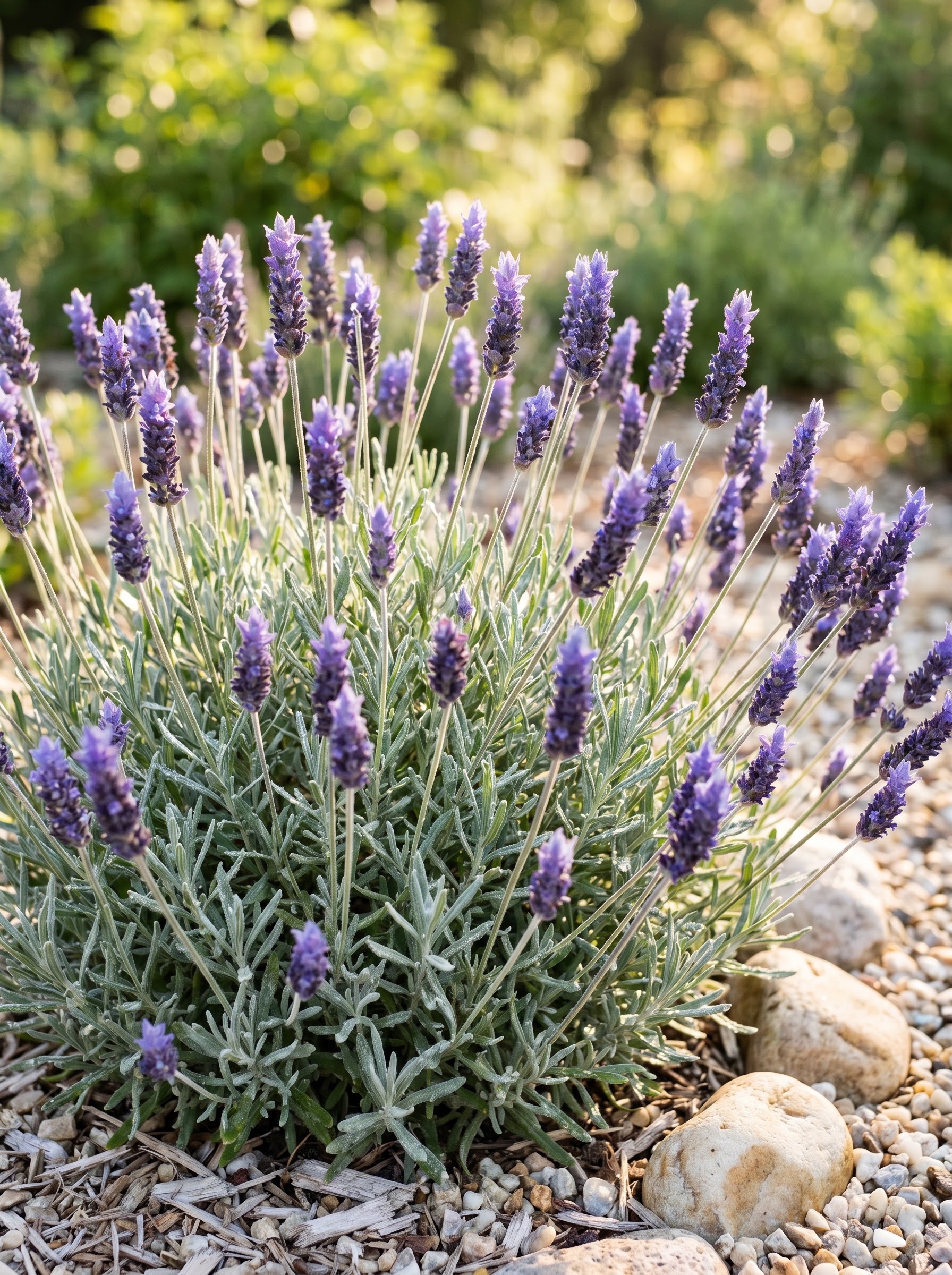 English lavenderProven
Both want full sun, but lavender needs the soil to dry out between waterings while alstroemeria wants it kept evenly moist, so this is a real design win only if lavender sits in its own leaner, faster-draining pocket.
Alstroemeria+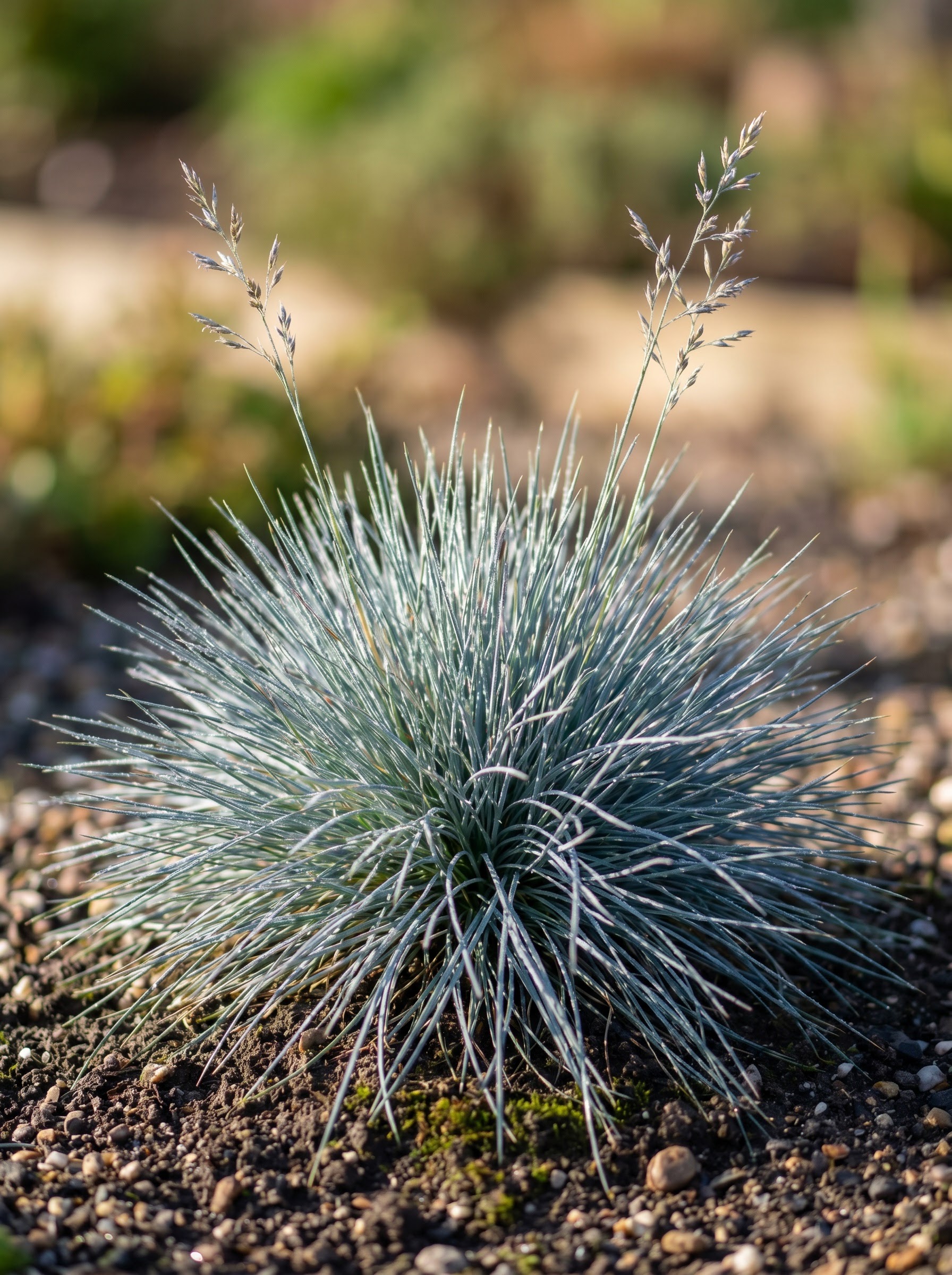 Ornamental grassesProven
Fine, airy blades are the strongest texture contrast to alstroemeria's strap leaves and dense umbels; University of Arkansas Cooperative Extension confirms Mexican feathergrass wants the same full sun and well-drained soil, and NC State Extension notes switchgrass tolerates moist to occasionally wet ground, so either fine-textured type can match alstroemeria's own moisture range depending on which one you pick.
Alstroemeria+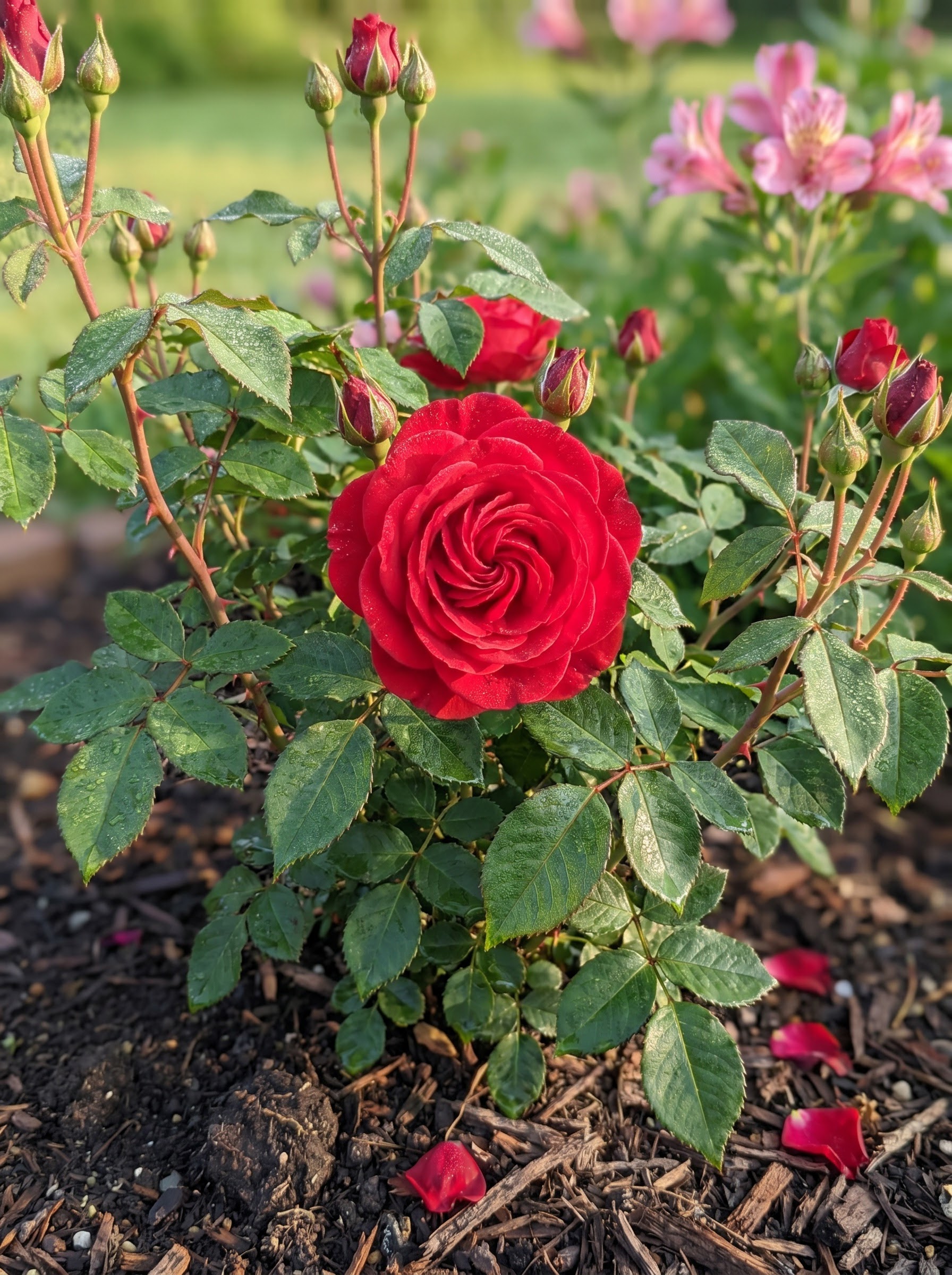 Shrub rosesProven
Both want full sun and organically rich, well-drained soil, and NC State Extension confirms that same profile for roses generally, so a solid-colored rose backdrop gives the eye a resting point next to alstroemeria's busy speckled umbels, the same visual-relief logic used across mixed borders.
Alstroemeria+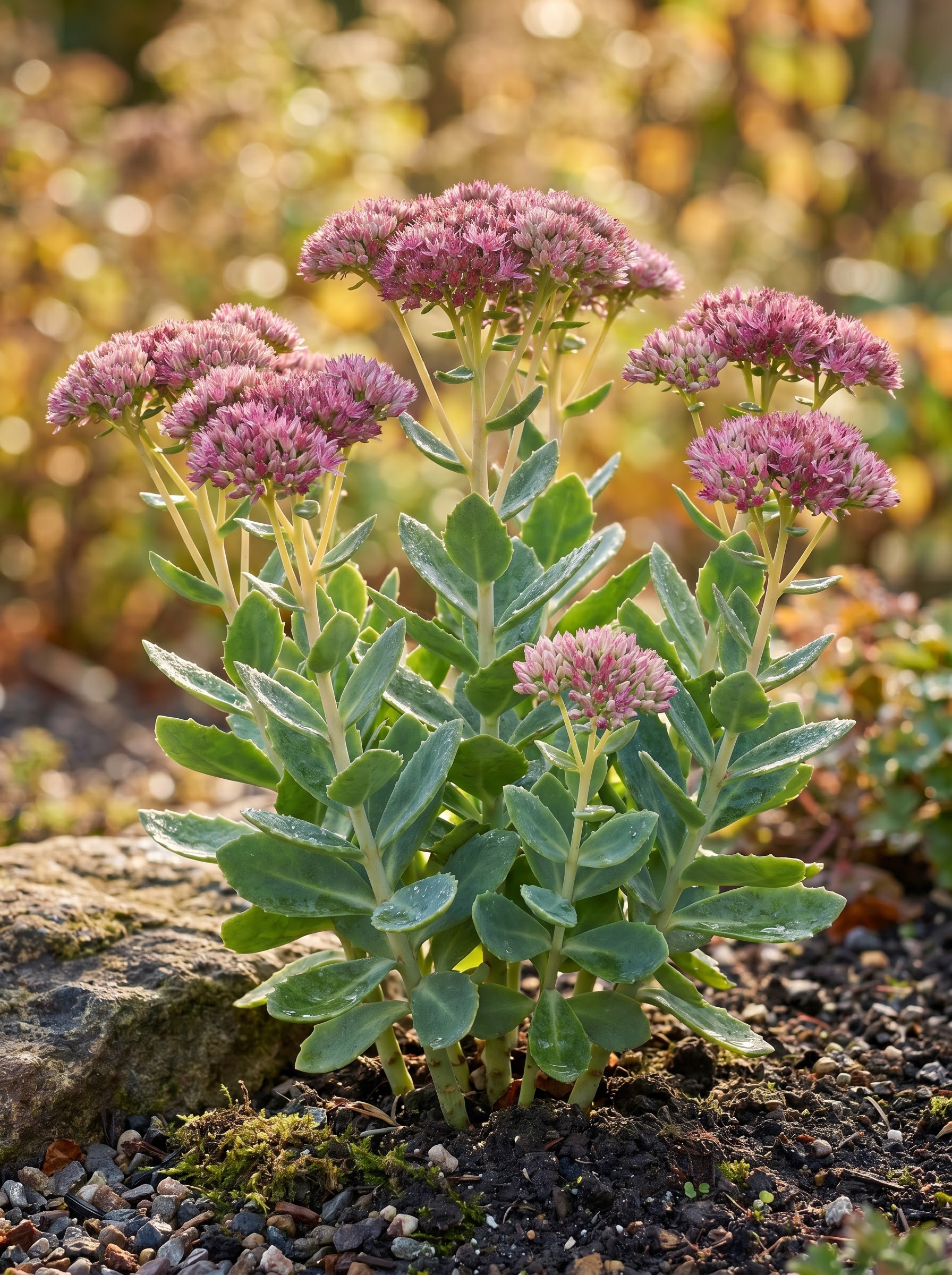 SedumProven
Succulent foliage and starry late-season flower heads read as a strong seasonal and textural contrast, but NC State Extension notes this plant can suffer in overly moist or fertile soil, so it wants the same drier-edge treatment as lavender.
Alstroemeria+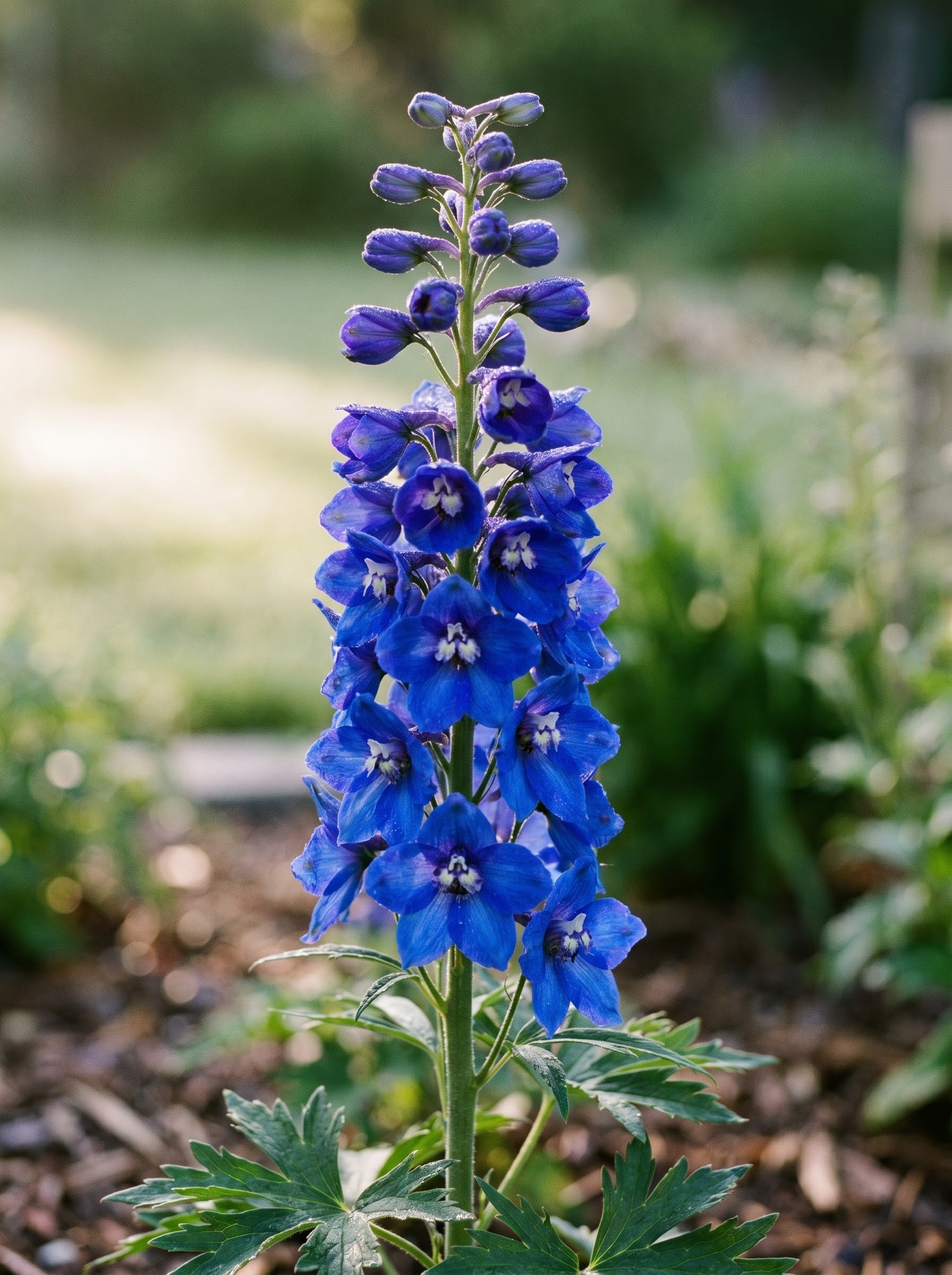 DelphiniumProven
Tall spires behind alstroemeria's mounding habit add real height and drama, and both like full sun, but NC State Extension describes delphinium as a demanding plant needing frequent feeding and alkaline soil above pH 8, a meaningfully richer, more fussy regime than alstroemeria's near-neutral needs.
Alstroemeria+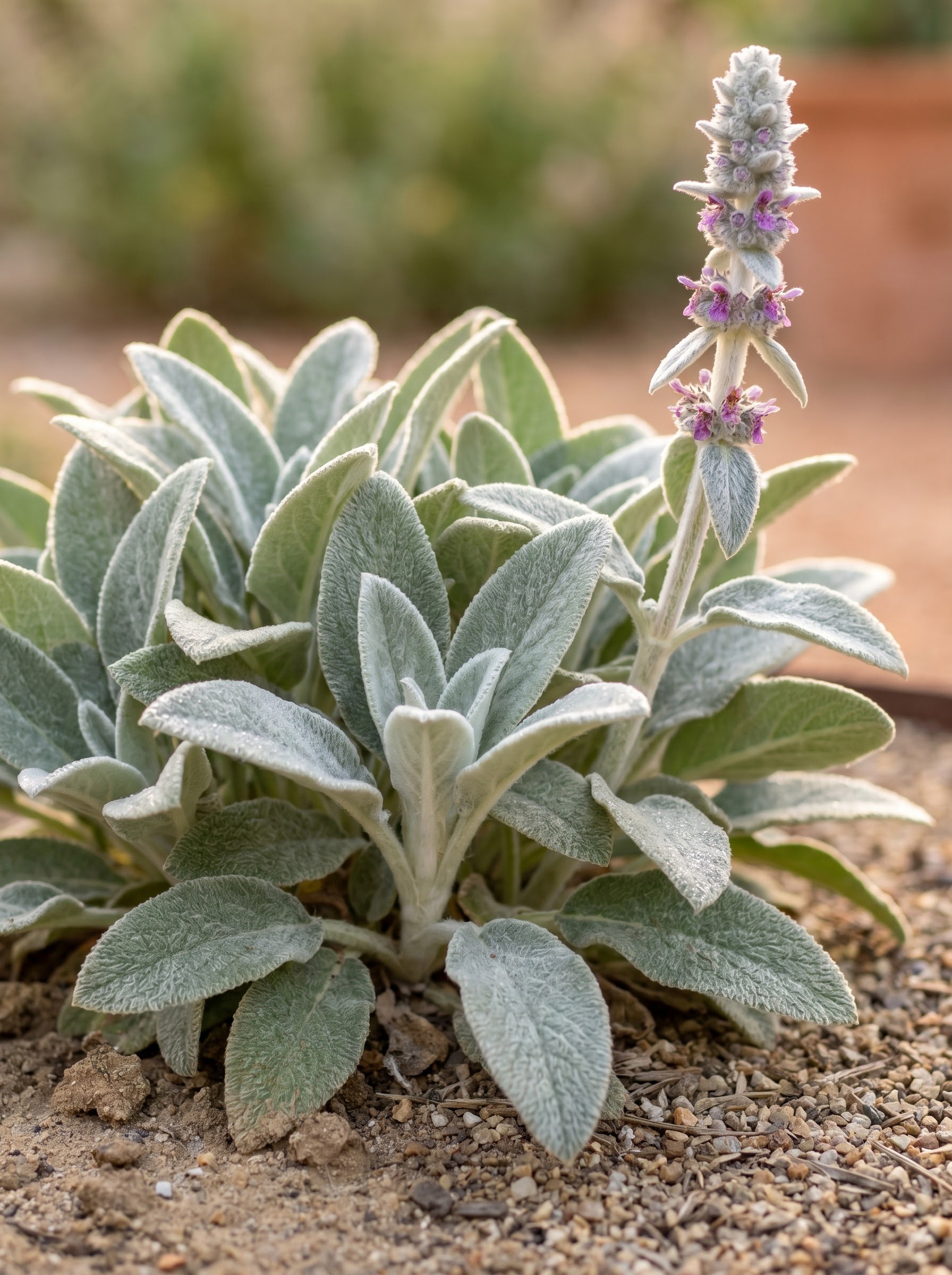 Lamb's earProven
Fuzzy silver foliage is the clearest foliage-only contrast to alstroemeria's smooth, glossy strap leaves, and lamb's ear shares the same full-sun, well-drained preference per NC State Extension, provided humid summers don't sit wet on the leaves.
Alstroemeria+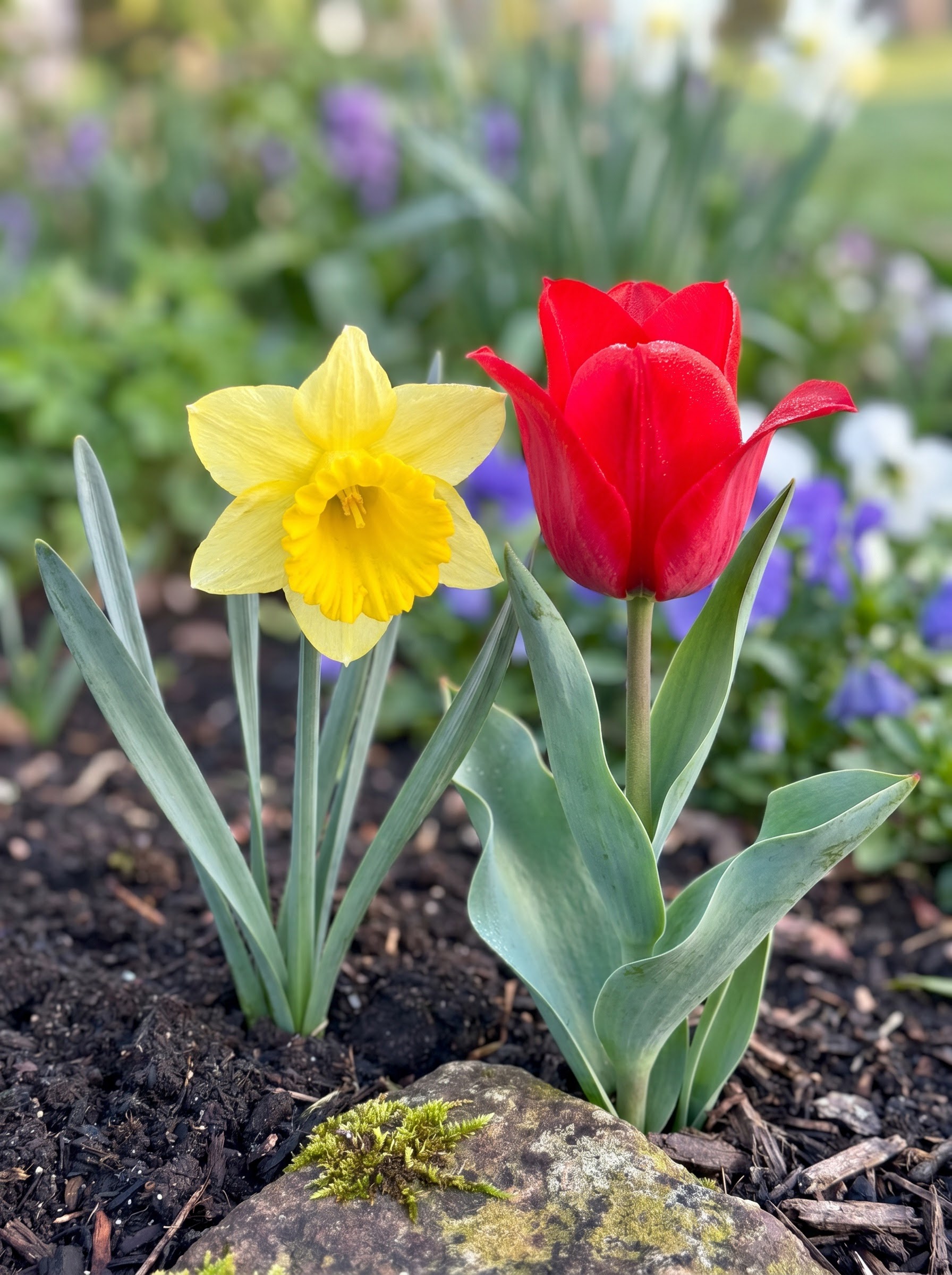 Daffodils andPartial
Spring bulbs bloom and fade before alstroemeria's own foliage fully expands, covering the gap left by its complete winter dieback, and Clemson's own bulb guide recommends interplanting bulbs with perennials for exactly this kind of camouflage once the bulb foliage starts to yellow.
All Alstroemeria companions
9 flower companions, best match first
What not to plant near Alstroemeria
Most bad neighbours are not evil, they just want the opposite light, water or root run. Here is what to keep away, and what to do instead.
Mint, oregano and other running spreaders
Mint spreads by underground runners that root wherever they touch soil, University of Maryland Extension's own growing guide recommends container confinement for exactly this reason, and alstroemeria's brittle, shallow, colonizing roots are a bad match for anything that competes hard in that same zone.
Black walnut and other juglone-producing trees
Juglone, the compound released by black walnut roots and leaf litter, is one of the best-documented allelopathic chemicals in ornamental gardening and suppresses growth in a long list of sensitive perennials; alstroemeria does not appear on Iowa State Extension's list of juglone-tolerant plants.
Fennel
Fennel's anethole and fenchone compounds have shown allelopathic inhibition of germination and root growth in lab and pot trials, though Ask Extension's own horticulturists note the field evidence for real garden conditions is thin, so treat this as a real but unsettled risk rather than a hard rule.
Large hostas planted too close
Alstroemeria wants full sun to part shade and blooms less in denser shade, and a big hosta variety planted right against it will eventually overshadow the clump; this is ordinary light competition, not a hosta-specific conflict.
Zinnia, bee balm and garden phlox in still, humid air
All three are well-documented powdery mildew hosts in humid, low-airflow conditions per University of Minnesota and University of Maryland Extension, and crowding them against any neighbor in a humid bed raises everyone's mildew risk, alstroemeria included.
Alstroemeria earns its spot in a cutting garden almost by accident of chemistry: the flower stems keep drinking and opening for two weeks in a vase, longer than nearly anything else you can grow yourself, which is why florists lean on it so heavily and why home gardeners plant it once and then find room for more. What it does not arrive with is an obvious partner. The umbels are busy on their own, each funnel-shaped bloom freckled and streaked in two or three colors at once, so the plant that goes next to it needs a job: calm the pattern down, cover the stems once they start to look thin, or step into the space alstroemeria leaves completely bare every winter. None of that is folklore. It is ordinary bed design applied honestly, plus a short, real list of neighbors that compete for the same shallow roots or the same damp air.
The best companions for alstroemeria, explained
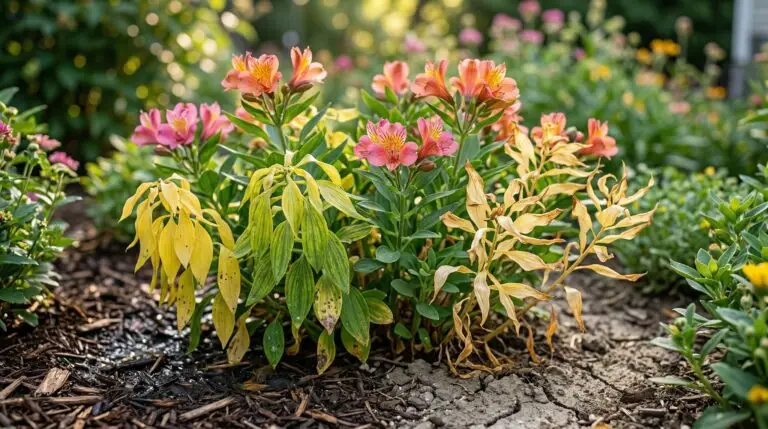
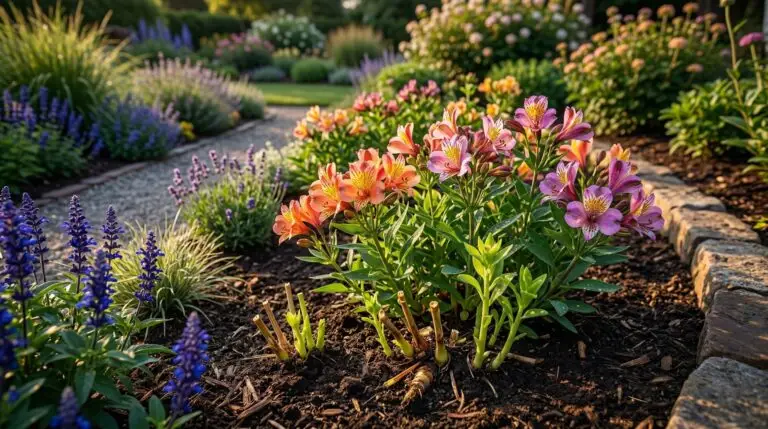
Salvia earns the top spot for a simple reason: NC State Extension lists the same full sun to partial shade range and the same average, well-drained moisture that alstroemeria wants, so the shared-conditions math checks out before the design math even starts. What salvia adds on top is pure contrast, upright violet-blue spikes standing against alstroemeria’s rounded, speckled umbels, the clearest form pairing available in this bed. Hardy geranium works a different angle: a low, spreading mound that hides the lower stems, which NC State’s own alstroemeria page notes can yellow if watering is inconsistent, and its long May-through-October bloom overlaps alstroemeria’s entire season rather than fading out early. The genuinely clever move here, borrowed from the strongest garden-design writing on this pairing, is color-echoing a geranium cultivar to the throat markings inside an alstroemeria bloom, which reads as intentional in a way that random proximity never does.
Height and texture do the rest of the work. Ornamental grasses, the fine-bladed clumping kinds like Stipa or switchgrass, give alstroemeria’s strap leaves and dense flower heads something airy to contrast against, and University of Arkansas Cooperative Extension confirms the same full-sun, well-drained preference that keeps the pairing honest rather than decorative. Silver foliage, whether Artemisia’s cut leaves or lamb’s ear’s fuzzy mats, does the same job with texture instead of height, cooling alstroemeria’s warm oranges and pinks the way NC State’s lamb’s ear listing describes for any full-sun perennial border. Delphinium supplies real drama behind the mid-border mounds, tall spires in blue, purple or white, but it is worth knowing before you commit a whole row to it that NC State calls delphinium a demanding plant needing frequent feeding in soil more alkaline than alstroemeria naturally wants, so treat it as a background player on its own feeding schedule, not a plant you can ignore once it is in the ground.
What not to plant near alstroemeria
The honest version of this list is short, because alstroemeria is genuinely easy once established, deer-resistant, and largely untroubled by pests unless watering goes wrong. The real risks are underground and airborne, not chemical warfare from the plant itself; nothing in the research suggests alstroemeria harms its neighbors. The fear runs one direction only. Mint and other running spreaders top the list for a mechanical reason: alstroemeria’s own roots are shallow, brittle and colonizing, and University of Maryland Extension’s mint guide recommends physical containment for exactly the kind of underground runners that would invade that same zone. Correcting an established mint invasion means digging near roots that alstroemeria explicitly dislikes having disturbed, so this is worse than an average garden mismatch, not a folklore worry.
Black walnut is the one confirmed chemical threat, and it is a real one. Juglone, released from the tree’s roots and leaf litter, is Iowa State University Extension’s best-documented allelopathic compound in ornamental gardening, and alstroemeria does not appear on any extension’s list of juglone-tolerant perennials, so the standard 50 to 60 ft canopy buffer applies here as it does for most sensitive border plants. Fennel sits one tier down in confidence: its compounds have shown allelopathic inhibition in controlled trials, but Ask Extension’s own horticulturists are candid that the field evidence for real garden beds is thin, so this reads as a genuine caution worth respecting rather than a settled rule worth repeating as fact. A large hosta crowded too close is a simpler story, plain light competition, since alstroemeria wants at minimum partial shade and will bloom less under a bigger neighbor’s canopy. And in humid, still gardens, zinnia, bee balm and garden phlox raise the whole bed’s mildew pressure together, a shared vulnerability University of Minnesota Extension documents clearly for all three, so give them their full mature spacing rather than packing them tight.
Do they like the same conditions?
Alstroemeria’s real profile, pulled directly from its NC State Extension listing, is more forgiving than most flowers in this pipeline: full sun to partial shade, meaning it tolerates real shade better than a typical sun lover, evenly moist and well-drained soil that should never dry out for long nor sit soggy, and a near-neutral pH in soil rich with organic matter. The one place people get it wrong is treating "full sun" and "drought-tolerant" as the same test. They are not. Lavender and sedum both want the sun alstroemeria wants, but both are genuinely happier dry, and forcing them into alstroemeria’s evenly moist zone risks the crown rot that undoes lavender and the soggy collapse NC State’s own sedum listing warns against. That is not a reason to skip them; it is a reason to give them their own leaner, faster-draining pocket at the bed’s edge instead of tucking them in at the same watering schedule as everything else.
The zone question matters more here than it does for most companion pairings on this site. NC State rates alstroemeria hardy in zones 7a through 10b, a warmer range than roses, hydrangea or lavender typically get planted in as permanent perennials, and colder-zone gardeners usually grow it as a dig-and-store bulb or a container plant instead. Any companion list built around cooler-zone classics needs that caveat stated plainly rather than assumed away, because a plant that reads as an easy full-sun match on paper can still be a seasonal, not permanent, neighbor depending on where the garden actually sits.
How to plant them together
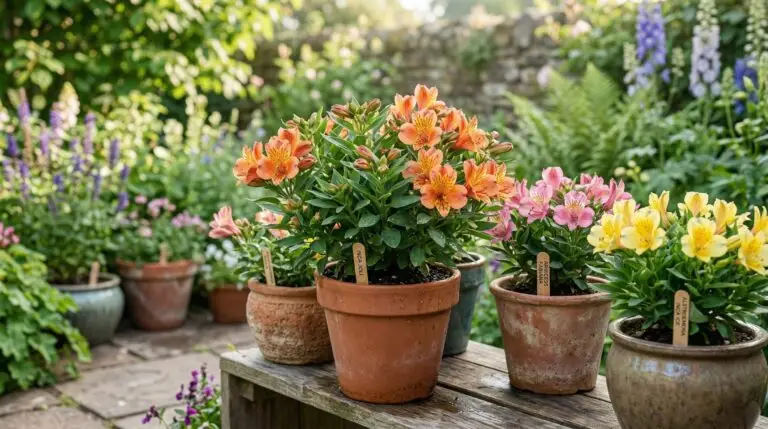
Give alstroemeria’s own brittle roots real space before worrying about anyone else’s: 12 to 18 in from the crown to any close companion, more for anything that will eventually reach real size, like ornamental grasses or a shrub rose. Layer by height the way any mixed border works, delphinium or a rose at the back, alstroemeria itself doing the mid-border work, and low fillers like hardy geranium, lamb’s ear or catmint at the front where they can hide the base once it starts to thin. Spring bulbs go in before any of that: daffodils and tulips planted 4 to 6 in from the alstroemeria crown bloom and fade weeks before its own foliage expands, which answers the gap directly, since alstroemeria does not just look untidy over winter, it disappears completely, no woody stems left standing the way a shrub would leave behind. Containers work the same logic at a smaller scale; NC State lists container growing as a valid landscape use for alstroemeria, so a single upright companion like salvia or a trailing edge plant like sweet alyssum can share a large pot as long as the soil stays evenly moist rather than baked dry between waterings.
Does companion planting actually work for alstroemeria?
Some of this is genuinely proven, and some of it is closer to good design instinct dressed up as horticulture, and the honest page says which is which rather than blending them together. The shared-conditions matches, salvia, hardy geranium, ornamental grasses and lamb’s ear all confirmed against NC State’s own cultural listings, are as close to settled as garden advice gets. The avoid list splits the same way: mint’s root competition and the mildew risk shared by zinnia, bee balm and phlox are documented mechanisms with real extension sourcing behind them, while fennel’s allelopathy and any claim that ornamental allium’s sulfur compounds specifically suppress alstroemeria sit on thinner, contested ground and deserve to be treated that way rather than repeated as fact. What is folklore, plainly, is the idea that any companion actively repels a pest or disease for alstroemeria specifically; nothing in the extension literature supports that for this plant, which is unsurprising given how few pest and disease issues alstroemeria has in the first place. What works is spacing, moisture matching and honest design, not magic neighbors.
FAQ
What can I plant in front of alstroemeria to hide bare stems?
Hardy geranium and lamb’s ear both work well as a low front skirt, since both stay under 18 in, spread wider than tall, and share alstroemeria’s preference for full sun to part shade with well-drained soil.
What should you not plant near alstroemeria?
Mint and other running spreaders are the clearest avoid, since they compete directly with alstroemeria’s own shallow, brittle roots; black walnut is the one confirmed chemical risk through juglone, and fennel is a real but less certain allelopathy caution.
Does alstroemeria spread and take over the garden?
It colonizes gradually below ground through the same finger-like roots that make it dislike being divided, but it is not classified as invasive in North America; give it room from aggressive neighbors rather than assuming it will out-compete them.
Can I grow alstroemeria companions in a container?
Yes. NC State Extension lists containers as a standard landscape use for alstroemeria, so a single upright partner like salvia can share a large pot as long as watering stays even rather than letting the soil dry out between waterings.
Is alstroemeria safe to plant near pets?
It carries tulipalin A, which can cause contact skin irritation in people who handle the stems, and NC State Extension itself lists the plant as non-toxic to cats, dogs and horses, a gentler profile than the kidney damage true lilies cause; it is a minor honesty note, not a reason to avoid any particular companion.
Sources
- NC State Extension Gardener Plant Toolbox: Alstroemeria
- NC State Extension Gardener Plant Toolbox: Salvia nemorosa
- NC State Extension Gardener Plant Toolbox: Delphinium elatum
- NC State Extension Gardener Plant Toolbox: Lamb’s ear
- NC State Extension Gardener Plant Toolbox: Sedum ‘Autumn Joy’
- NC State Extension Gardener Plant Toolbox: Rosa
- Iowa State University Extension: Juglone-sensitive plants
- University of Maryland Extension: Growing mint
- University of Minnesota Extension: Powdery mildew in the flower garden
- Utah State University Extension: English lavender
More About Alstroemeria
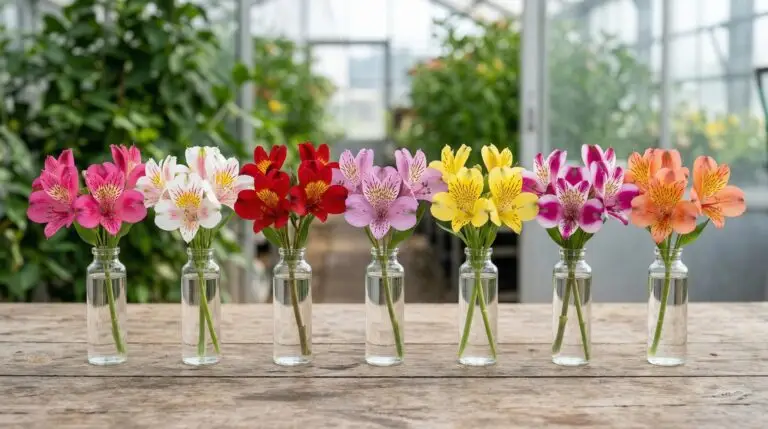
Best alstroemeria varieties for cutting gardens that bloom all summer long
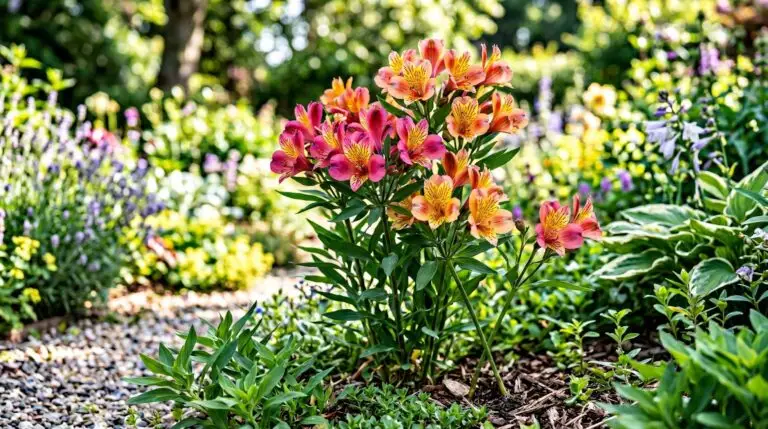
How to make alstroemeria last longer in a vase than almost any other cut flower
Alstroemeria flower meaning and why it is the perfect friendship bouquet
Stunning alstroemeria color combinations for mixed flower arrangements
Growing alstroemeria from tubers in your garden for endless summer blooms
Alstroemeria wedding flowers and why florists love working with them
Why alstroemeria leaves turn yellow and how to bring your plant back to health
How to deadhead and pull alstroemeria stems the right way for more flowers
How to grow alstroemeria in containers on a balcony or small patio