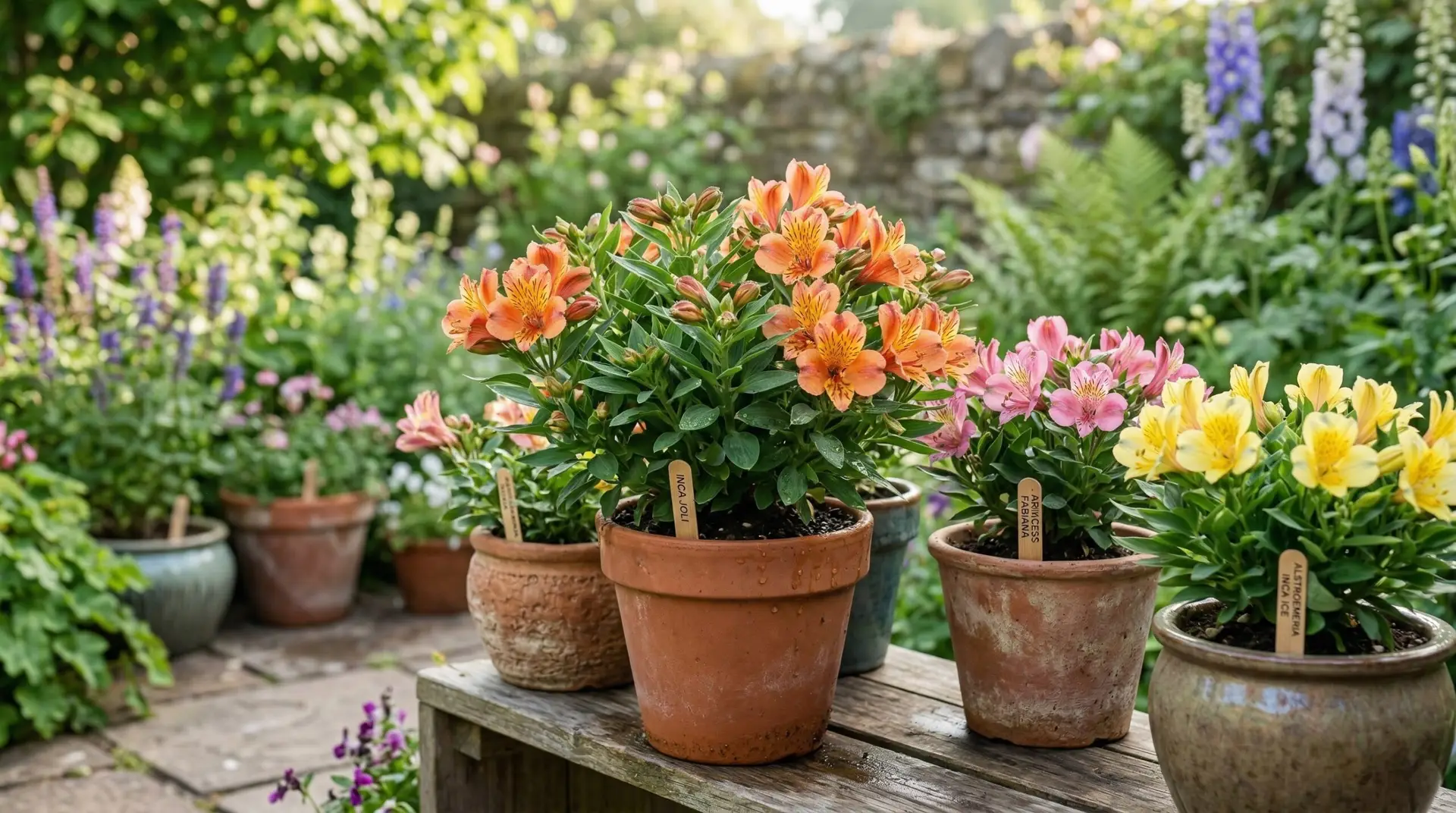
Before you buy a single plant for your balcony, you need to evaluate the specific conditions of your outdoor space. Growing alstroemeria in pots requires a different approach than planting them directly in a garden bed. You must consider the microclimate of your small patio or balcony, which often experiences amplified heat, stronger winds, and faster moisture loss than a traditional yard. Assess how many hours of direct sunlight your space receives, as alstroemeria needs at least six hours of morning sun to produce consistent blooms. If your balcony faces south or west, the intense afternoon sun combined with reflected heat from building walls might require you to plan for afternoon shade. Understanding these environmental factors helps you decide if your space can support alstroemeria container growing before you invest time and money into the project.
Contents 4 sections
Choosing the right containers and soil for the balcony
The foundation of your project begins with selecting the appropriate container and soil combination. Alstroemeria develops thick, fleshy tuberous roots that require ample space to expand, meaning a small decorative pot will restrict growth and reduce flowering. You should budget for a container that is at least fourteen inches wide and equally deep, with multiple drainage holes at the bottom. Material choice matters heavily for balcony gardening, as terracotta pots dry out rapidly in the wind and add significant weight to your structure. Resin or high-quality plastic containers offer a better solution, providing durability while remaining light enough to move when severe weather approaches. For the planting medium, avoid cheap topsoil and invest in a premium potting mix designed for containers, adding a few handfuls of perlite to ensure water drains quickly away from the sensitive tubers.
Selecting compact alstroemeria varieties
Many standard alstroemeria plants grow up to three feet tall and will quickly become top-heavy and unmanageable in a container. Your planning must focus on sourcing dwarf or compact varieties specifically bred for pot cultivation, which typically stay under fifteen inches in height. You can usually find these compact types at local nurseries beginning in late spring, though ordering bare-root tubers online in late winter offers the most variety and often costs less. If you start with bare-root tubers, expect the first year to be about root establishment, with full flowering arriving in year two. Purchasing established plants in nursery pots provides immediate gratification, allowing four to six weeks from repotting to the first significant flush of blooms. Take the time to secure the right compact variety rather than settling for a tall garden type that will inevitably snap in the wind on a high-rise balcony.
Managing balcony challenges and ongoing maintenance
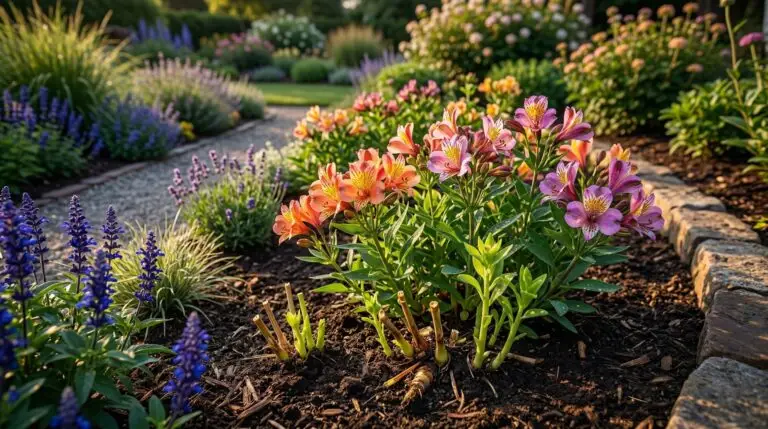
The maintenance commitment for potted alstroemeria is moderate but requires consistent attention during the active growing season. Balconies often act like wind tunnels, and the continuous airflow strips moisture from the leaves and the soil surface at a rapid pace. You will need to check the soil moisture daily during the summer months, watering deeply whenever the top two inches of the potting mix feel dry to the touch. Unlike a drought-tolerant geranium that can survive missed waterings, alstroemeria will drop its buds and cease flowering if the roots dry out completely. To fuel continuous blooming, you must apply a liquid fertilizer high in potassium every two weeks from spring through late summer. The plants also require regular deadheading, which involves pulling the entire flower stem cleanly from the base rather than cutting it, as this pulling action stimulates the tuber to produce new shoots.
Overwintering your potted alstroemeria
As autumn approaches, your planning must shift toward protecting the dormant tubers from freezing temperatures. Containers offer no insulation, leaving the roots highly vulnerable to frost damage if left exposed on an open balcony. Before the first hard freeze, you need to cut the remaining foliage down to the soil line and move the pots into a protected, frost-free location like an unheated garage or a cool basement. During this dormant period, the plants require almost no maintenance, and you should only water them sparingly once a month to prevent the soil from becoming completely dust-dry. If you lack indoor storage space, you can group the pots against the warmest wall of your balcony and wrap the containers thickly with bubble wrap or burlap. When spring arrives and the danger of frost passes, you can move the pots back into the sun and resume your regular watering schedule alongside other seasonal favorites like a petunia or calibrachoa.
To get started this week, take a tape measure out to your balcony and identify the exact spot where your container will sit. Track the sunlight in that specific location for one full day to confirm it receives the necessary morning light and afternoon protection. Once you verify the light conditions, visit your local garden center to price out a fourteen-inch resin container and a bag of high-quality potting soil. Having your supplies ready and your location mapped out ensures you are fully prepared when the compact alstroemeria varieties arrive at the nursery. Taking these steps now prevents the common mistake of buying a plant on impulse without having the right environment or equipment to keep it alive.
More About Alstroemeria
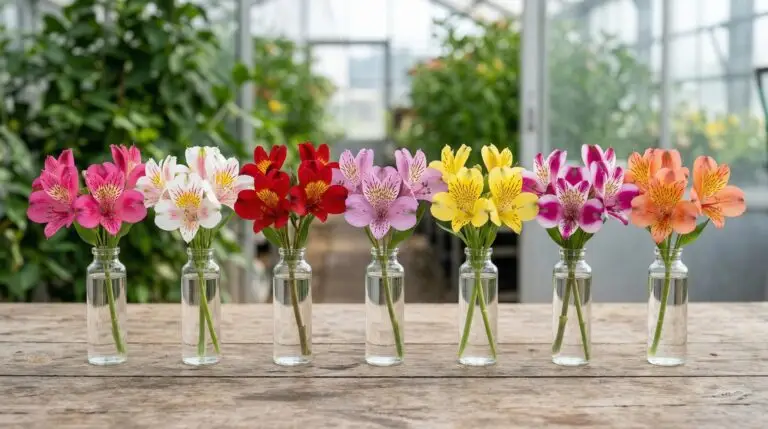
Best alstroemeria varieties for cutting gardens that bloom all summer long
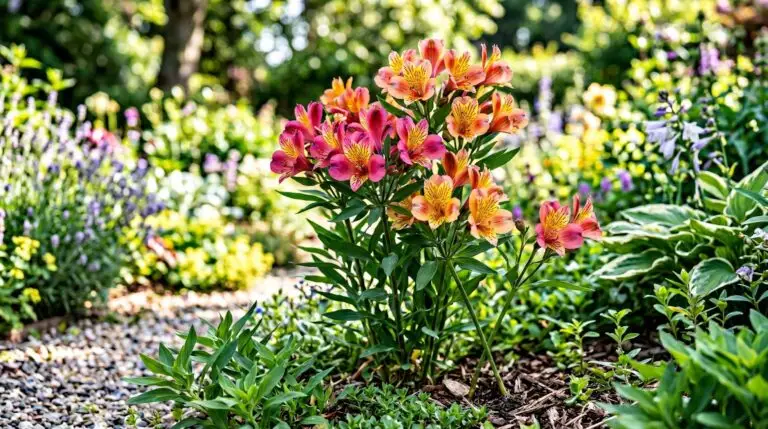
How to make alstroemeria last longer in a vase than almost any other cut flower
Alstroemeria flower meaning and why it is the perfect friendship bouquet
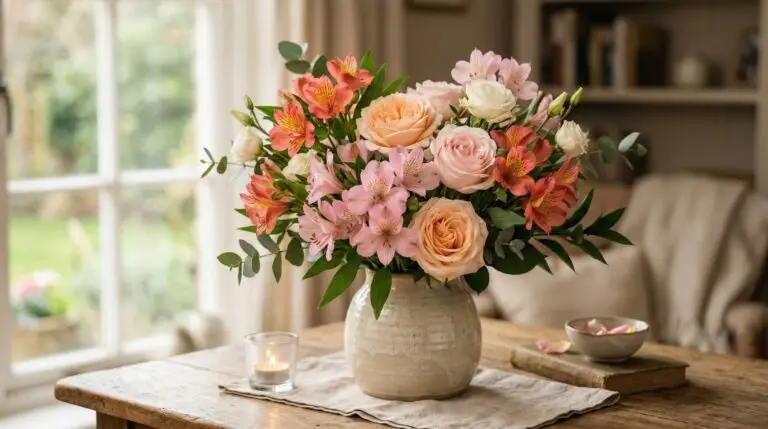
Stunning alstroemeria color combinations for mixed flower arrangements
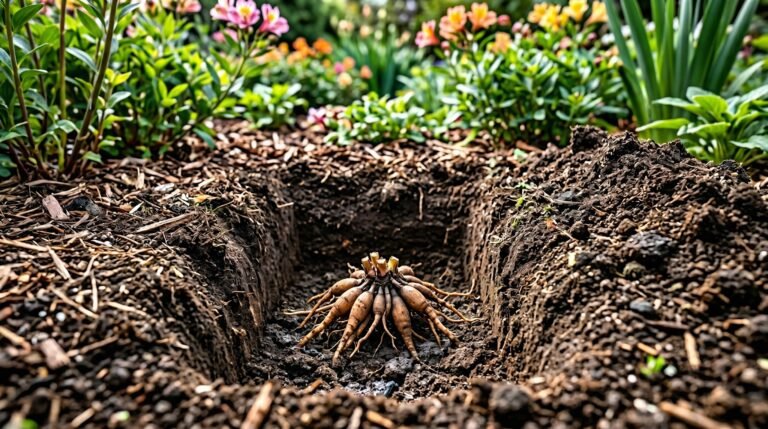
Growing alstroemeria from tubers in your garden for endless summer blooms
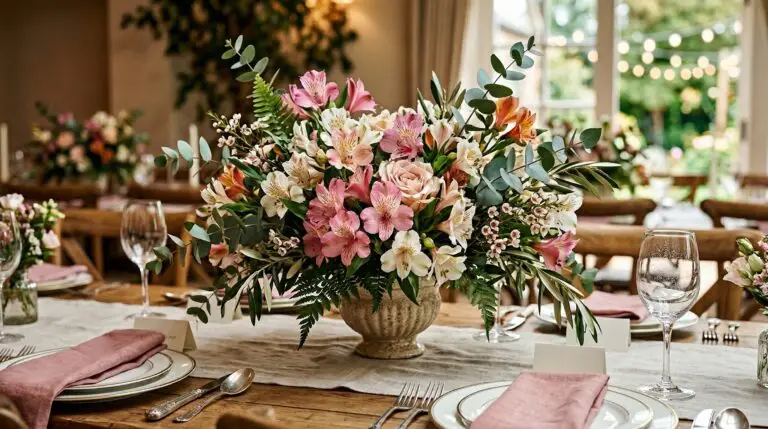
Alstroemeria wedding flowers and why florists love working with them
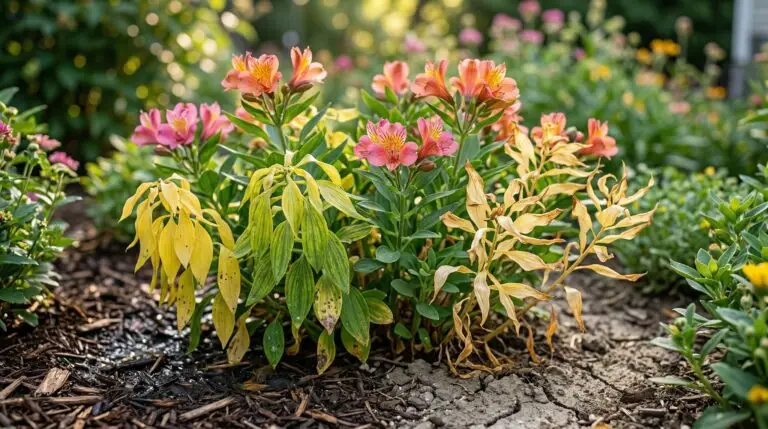
Why alstroemeria leaves turn yellow and how to bring your plant back to health
How to deadhead and pull alstroemeria stems the right way for more flowers
Alstroemeria companions: what to grow and what to avoid
Enjoying our flower guides? Add YourFlowersGuide as a preferred source on Google. It helps more readers find us.
Add to Preferred Sources