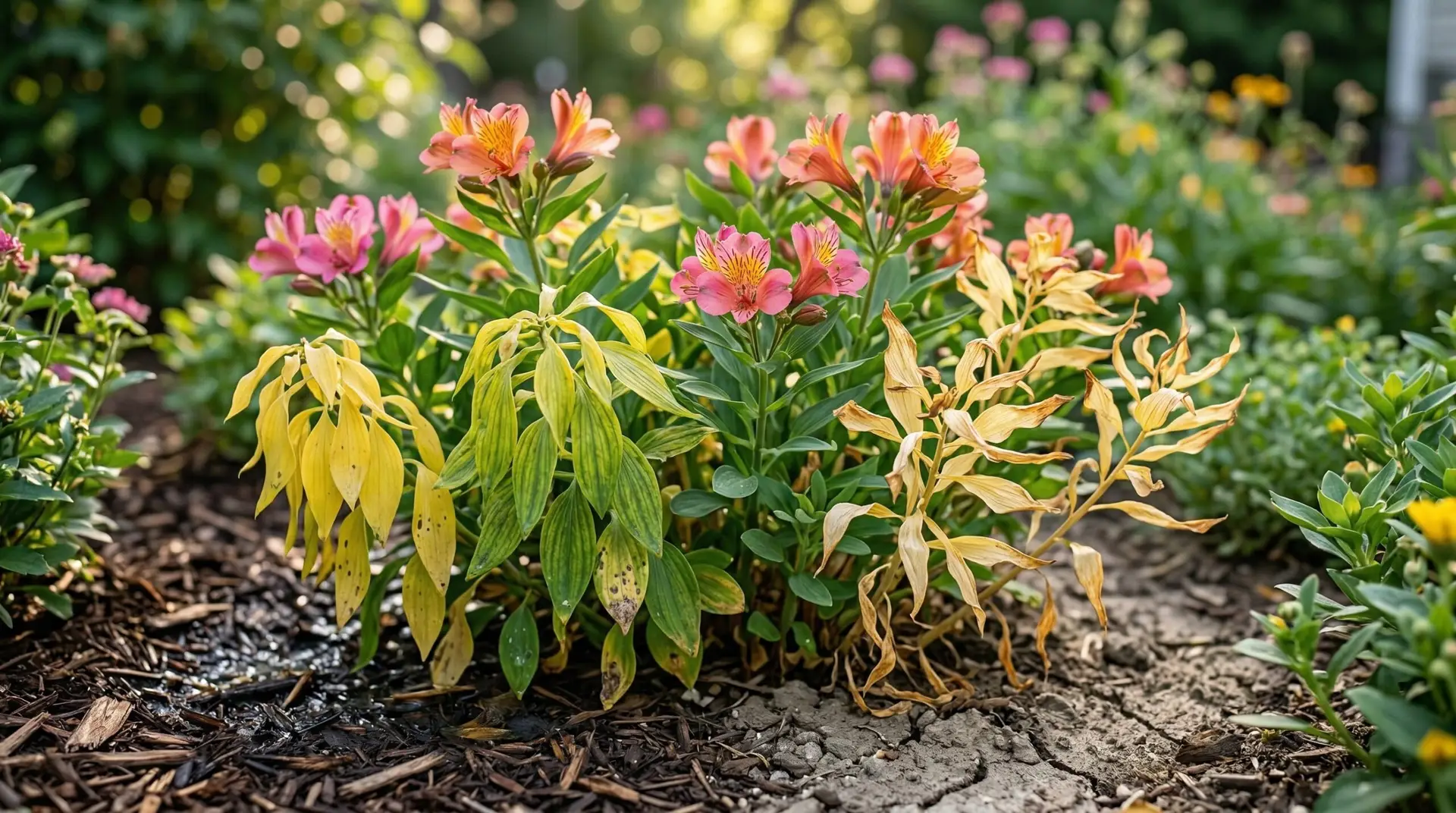
People constantly ask me why their supposedly foolproof alstroemeria plants look like they are dying, usually pointing to a mess of yellowing leaves at the base of the stems. You buy these plants because they have a reputation for blooming relentlessly all summer, so watching the foliage turn pale and drop off is frustrating. The truth is that yellow leaves are simply the way an alstroemeria communicates that something in its environment is out of balance. Instead of panicking and throwing random fertilizers at the soil, you need to look closely at the pattern of the yellowing to figure out exactly what is going wrong. Once you identify whether the issue is water, food, or pests, fixing alstroemeria problems is usually straightforward. These plants grow from thick underground storage structures called rhizomes, which means they have a massive reserve of energy to bounce back once you correct their growing conditions.
Contents 4 sections
Reading the water signals on yellowing leaves
When a gardener tells me their alstroemeria leaves turn yellow, the very first thing I check is the moisture level in the soil. Overwatering is by far the most common killer of these plants, and it creates a specific pattern of damage that you can spot easily. If the yellow leaves are soft, limp, and concentrated near the bottom of the stems, your plant is likely drowning. Alstroemeria roots need oxygen to function, and sitting in heavy, waterlogged soil suffocates them while inviting fungal pathogens to attack the rhizome. When root rot sets in, the plant can no longer pull up water or nutrients, which ironically makes it look like it is dying of thirst. The fix here is to pull back on your watering schedule immediately and check the drainage situation around the roots. If you have the plant in a container, ensure the drainage holes are completely clear and the potting mix is not sitting in a saucer of standing water.
On the opposite end of the spectrum, underwatering will also cause alstroemeria leaves to lose their green color, but the texture of the damaged foliage will be completely different. When an alstroemeria is too dry, the yellowing leaves will feel crispy, dry, and brittle, often curling inward at the edges before dropping off entirely. The yellowing will usually happen all over the plant rather than just at the base, and the flower stems will droop noticeably during the hottest part of the day. You might notice similar drought responses if you grow a lily nearby, as both plants rely on steady moisture to support their tall stems and heavy blooms. The solution is to water deeply and thoroughly until moisture reaches the bottom of the root zone, rather than giving the plant frequent shallow sips. You want the soil to feel like a wrung-out sponge, consistently damp but never soggy, which usually means watering deeply once or twice a week depending on your climate.
Soil nutrition and the signs of starvation
If your watering habits are perfectly dialed in but your alstroemeria leaves are still turning yellow, you need to look at the soil fertility. These plants produce an enormous amount of foliage and flowers over a long growing season, which means they burn through soil nutrients very quickly. When an alstroemeria runs out of nitrogen, the older leaves at the bottom of the plant will turn a uniform pale yellow as the plant desperately moves its remaining nutrients up to support the new growth at the top. If the leaves are turning yellow but the veins remain dark green, you are looking at an iron or magnesium deficiency, which often happens when the soil pH is too high. You can correct these nutrient deficiencies by applying a balanced, slow-release granular fertilizer around the base of the plant in early spring. During the peak blooming months, supplementing with a liquid fertilizer every few weeks will keep the foliage dark green and the flower production steady.
Hidden pests and environmental stress
Sometimes the yellowing foliage is a secondary symptom of a pest problem that is quietly destroying the plant from the ground up. Slugs and snails are notoriously attracted to young alstroemeria shoots, and they will chew through the stems near the soil line under the cover of darkness. When a stem is partially severed by slug damage, it can no longer transport water and nutrients properly, causing the leaves on that specific stem to turn yellow and collapse. You have to inspect the base of the yellowing stems closely for chew marks or the telltale shiny slime trails left behind by these pests. Much like dealing with pest damage on a begonia, you need to clear away any dead leaves and debris around the base of the plant where slugs like to hide during the day. Setting up physical barriers, applying iron phosphate slug bait, or going out at night to manually remove the pests will stop the damage and let the plant recover.
Environmental stress, particularly extreme heat, will also trigger a yellowing response that confuses many home gardeners. Alstroemeria plants prefer mild temperatures, and when the summer heat becomes intense, the plant goes into survival mode to protect its underground rhizomes. The plant will deliberately sacrifice its older foliage, turning it yellow and dropping it to conserve water and energy during severe heat waves. This is a natural defense mechanism rather than a sign of disease, and trying to force the plant to stay green by overwatering or over-fertilizing during a heatwave will only cause root rot. If you live in a hot climate, providing some afternoon shade will help keep the soil cool and minimize this stress-induced yellowing. Once the temperatures drop in the late summer or early fall, the plant will push out a fresh flush of healthy green growth.
How to pull an alstroemeria back from the brink
Bringing a sick alstroemeria back to health requires you to act decisively once you figure out what is causing the yellow leaves. Start by grabbing the yellowed stems firmly near the base and pulling them straight up with a sharp tug. This pulling technique is actually better than cutting because it snaps the stem cleanly off the underground rhizome, which stimulates the plant to push up entirely new shoots. Do not be afraid to pull out every single yellow or dying stem, even if it leaves the plant looking bare for a few weeks. The single most useful piece of advice I give gardeners dealing with alstroemeria problems is to trust the resilience of the rhizome. If you fix the soil moisture, provide the right nutrients, and clear away the dead material, those thick underground roots will do exactly what they evolved to do and rebuild the plant from scratch.
More About Alstroemeria
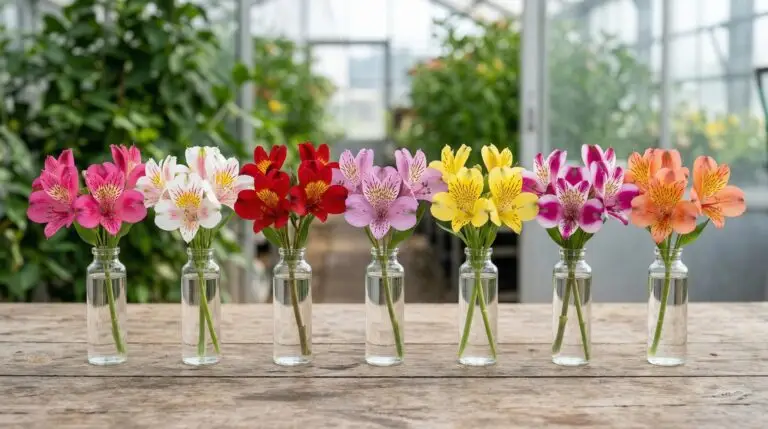
Best alstroemeria varieties for cutting gardens that bloom all summer long
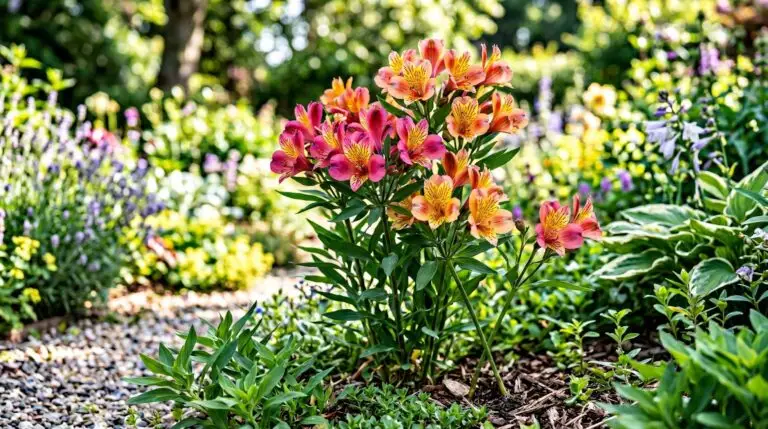
How to make alstroemeria last longer in a vase than almost any other cut flower
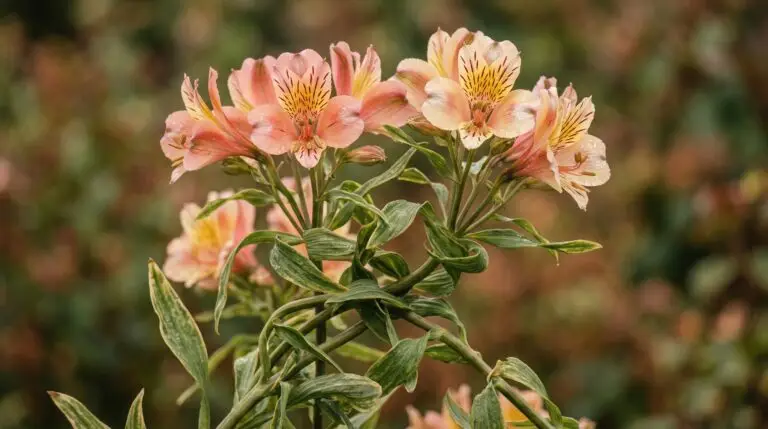
Alstroemeria flower meaning and why it is the perfect friendship bouquet
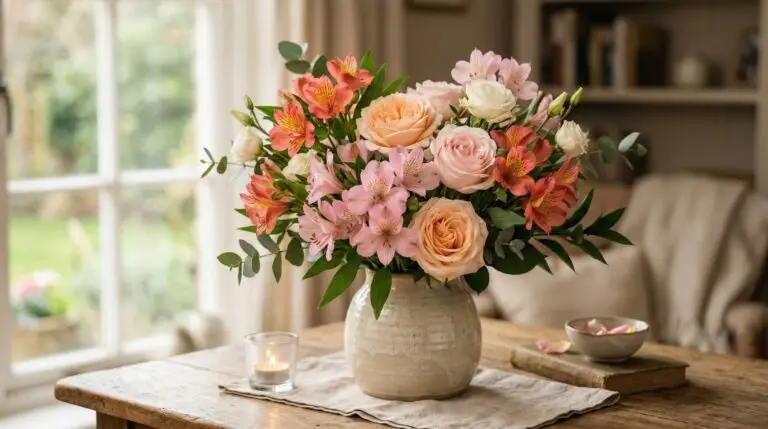
Stunning alstroemeria color combinations for mixed flower arrangements
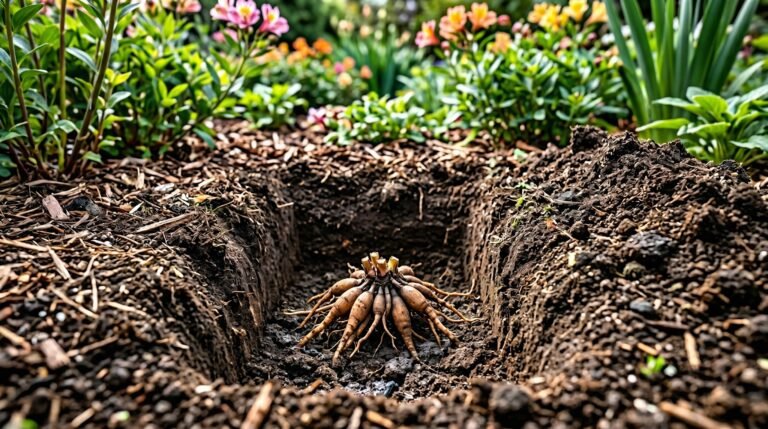
Growing alstroemeria from tubers in your garden for endless summer blooms
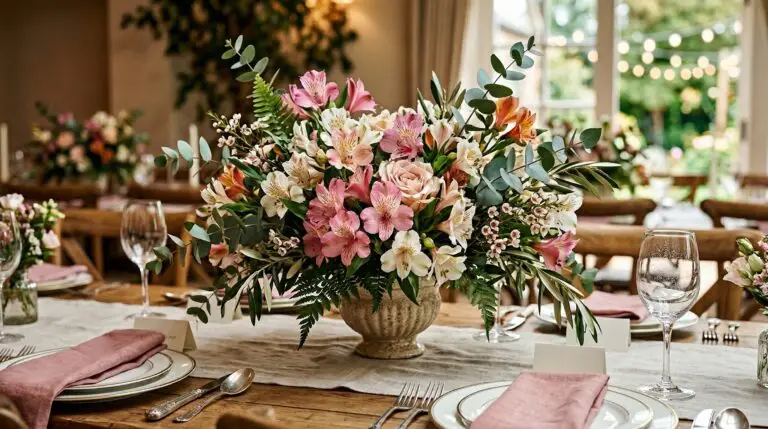
Alstroemeria wedding flowers and why florists love working with them
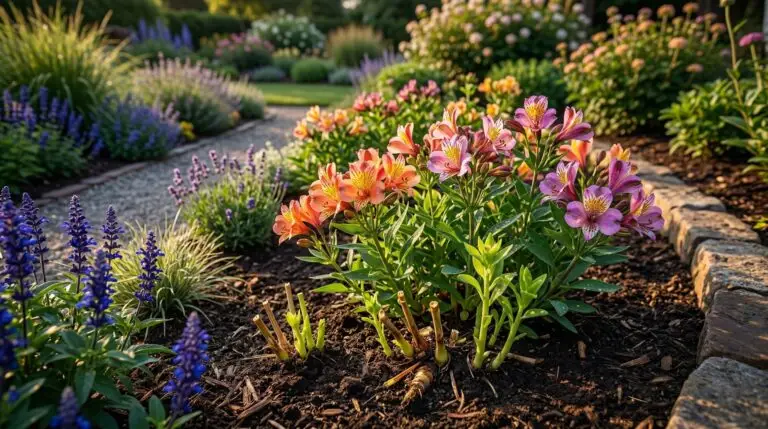
How to deadhead and pull alstroemeria stems the right way for more flowers
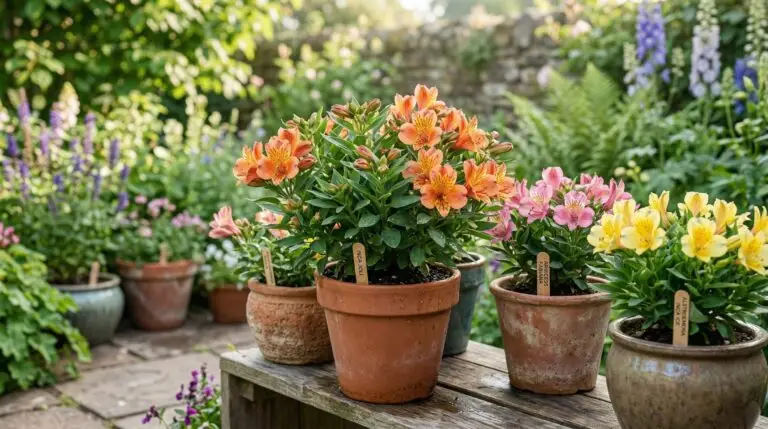
How to grow alstroemeria in containers on a balcony or small patio
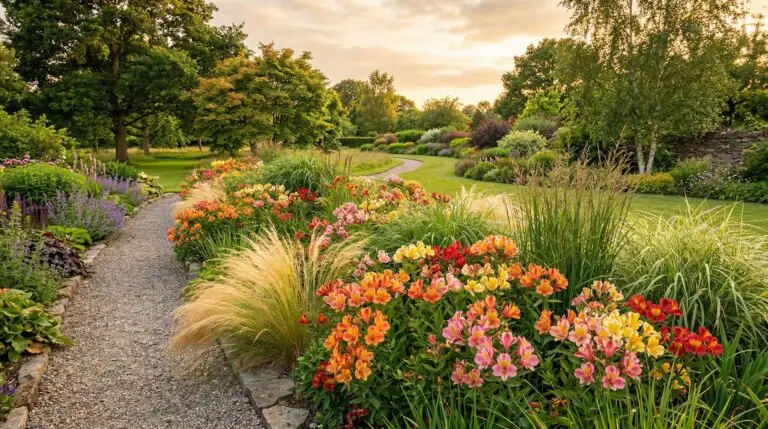
Alstroemeria companions: what to grow and what to avoid
Enjoying our flower guides? Add YourFlowersGuide as a preferred source on Google. It helps more readers find us.
Add to Preferred Sources