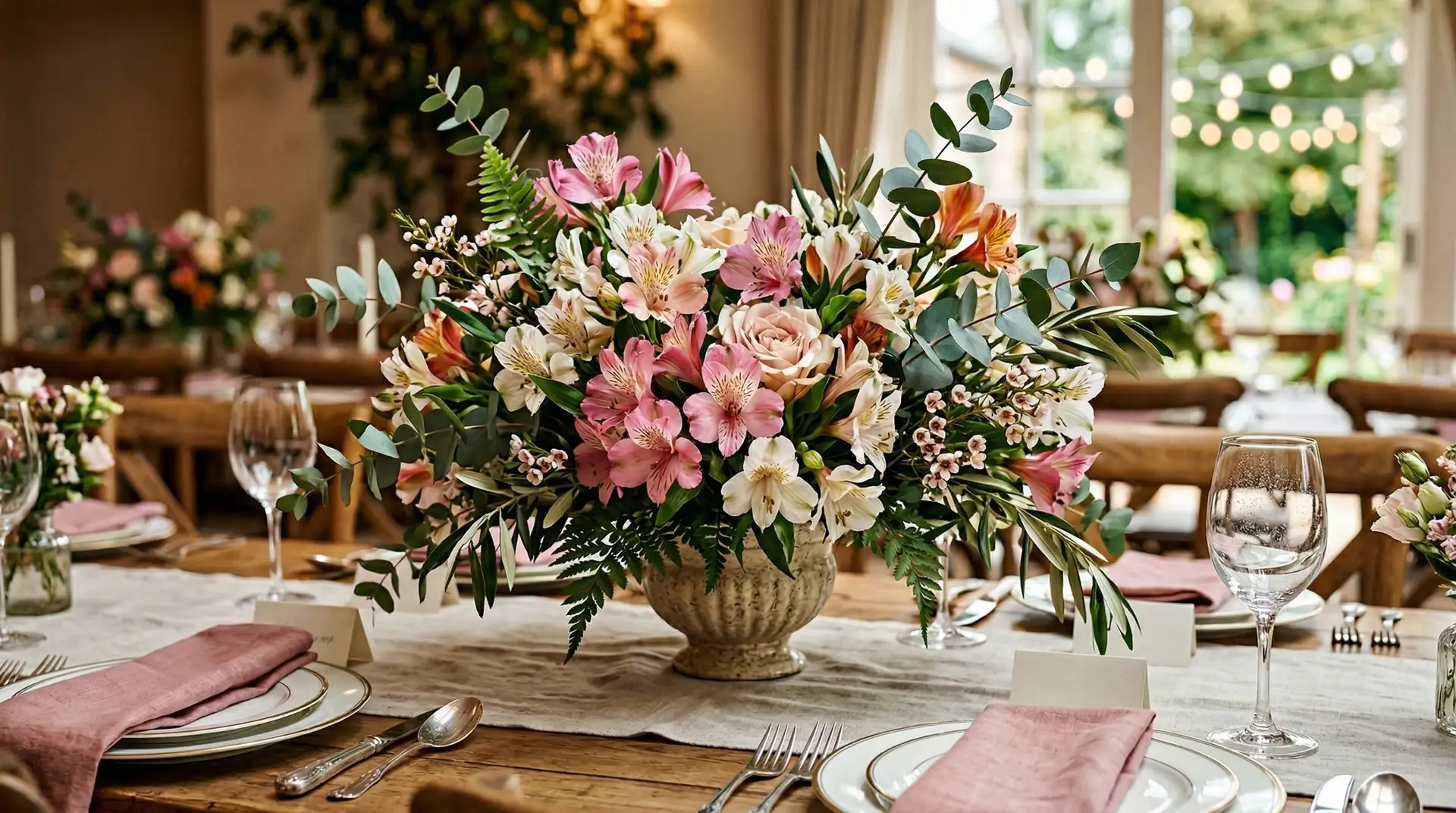
In the mid-eighteenth century, a Swedish baron named Claus von Alströmer took a ship across the Atlantic and found himself wandering the cool, high-altitude regions of South America. He collected seeds from a peculiar, speckled flower that seemed to thrive in the crisp mountain air, sending them back to his friend Carl Linnaeus in Europe. Linnaeus named the plant after his friend, and the alstroemeria began its long quiet life in European greenhouses and eventually American gardens. Today, florists arrive at wholesale markets before dawn and walk past buckets of these same blooms, often passing them over for the loud, expensive showstoppers. Yet the florists who truly know their craft understand the secret power held within those clustered stems. They know that when the pressure of a summer celebration mounts, this humble bloom will outlast almost everything else in the room.
An alstroemeria wedding is built on the quiet strength of a flower that refuses to wilt under pressure. The stems arrive at the design studio tightly closed, looking like small green painted arrows pointing in every direction. Over the course of a few days in fresh water, those green arrows slowly unfurl into trumpet shapes, revealing dark freckles and streaks on their inner petals. A single stem can hold up to eight individual blossoms, creating a canopy of color that fills the empty spaces between larger focal flowers. Florists appreciate this generous nature when building an alstroemeria bridal bouquet, because a few stems can do the heavy lifting of a dozen more demanding blooms. The plant remembers its origins in the Andes, bringing that tough, mountainous resilience straight into the heated rush of a bridal suite.
Contents 3 sections
Surviving the long hours of celebration
The timeline of a wedding day asks a great deal of cut flowers, demanding they look fresh from the early morning photographs straight through to the midnight departure. While fragile blooms might begin to drop petals or bow their heads by the time the reception starts, alstroemeria holds its posture without complaint. When a florist hands over the bouquet at nine in the morning, the stems have already been out of water for an hour, yet the petals remain crisp and fully open. Throughout the afternoon ceremony in the sun, while the delicate stephanotis might start to show brown edges, the Peruvian lily looks exactly as it did in the cooler. It survives being set down on tables, passed between bridesmaids, and squeezed during nervous moments before the walk down the aisle. This endurance is why event designers sleep a little easier when they know they have incorporated these resilient stems into their installations.
As the sun sets and the reception moves into the evening, the true value of a Peruvian lily wedding becomes apparent to anyone paying attention. Centerpieces often sit under hot venue lights or near drafty doorways, conditions that cause many premium flowers to surrender long before the cake is cut. The alstroemeria simply absorbs the environment, its freckled petals catching the candlelight while maintaining their structural integrity. Florists often use them in tall, sprawling arrangements where water access might be limited, knowing the blooms will not protest the harsh conditions. Even the boutonnieres pinned to lapels, which endure constant hugging and dancing, survive the night when crafted from these sturdy blossoms. The flower asks for very little, needing only a clean cut and a drink of water to give a full day of flawless performance.
Stretching the budget with color
Every couple enters a florist shop with a specific vision of color, and often, a strict boundary on what they can spend to achieve it. Premium blooms command high prices, and filling an entire venue with them can quickly drain a floral budget before the centerpieces are even designed. Alstroemeria offers a solution that does not require compromising on the visual weight or the color palette of the event. Because breeders have spent decades cultivating this plant, it now grows in almost every shade imaginable, from deep saturated burgundies to the palest blush pinks. A designer can match the exact coral tone of a bridesmaid dress or find the precise buttery yellow needed to brighten a dark reception hall. They weave these stems deep into the base of the arrangements, creating a rich background that pushes the more expensive, focal flowers forward.
The financial relief provided by these blooms allows florists to allocate the budget toward the highly requested, romantic flowers that couples dream about. A designer might use a base of white and cream alstroemeria to build the volume of a bridal bouquet, saving the remaining funds for a few perfect peonies to place right at the center. The speckled petals of the Peruvian lily blend naturally with the ruffled edges of a classic garden rose, making the entire arrangement look lush and abundant. Guests rarely dissect the individual components of a centerpiece, instead taking in the overall impression of color, texture, and fullness. By trusting the alstroemeria to carry the bulk of the arrangement, the couple gets the extravagant look they want without the financial strain. It is a quiet partnership between the extravagant and the practical, working together to create something beautiful.
A life beyond the wedding day
The story of these flowers does not end when the venue is swept clean and the rented linens are packed away in bags. Guests often take the centerpieces home, carrying the glass vases out to their cars at the end of the night. Over the next few days, the expensive focal flowers will naturally fade, dropping their heavy petals onto the kitchen counter one by one. The alstroemeria, however, will keep drinking water and opening the smaller buds that were still tightly closed on the wedding day. People are often surprised to find these speckled blooms still looking bright and fresh a full two weeks after the celebration has ended. They pull the wilted stems from the vase, leaving only the Peruvian lilies to sit on the windowsill, a lingering reminder of the party.
There is a specific kind of comfort in a flower that stays with you long after the music stops and the guests go home. When you see an alstroemeria growing in a garden or sitting in a bucket at the grocery store, you might remember the way it looked on the tables of a celebration. It does not demand the immediate, breathless attention of the rarer blooms, but it earns something much deeper through its quiet persistence. It reminds us that endurance is its own kind of beauty, one that reveals itself slowly over time rather than all at once. The next time you hold a bouquet, look past the large blooms in the center and find the freckled, open faces holding everything together from the background. You will see exactly why those who work with flowers every day hold this humble mountain native in such high regard.
More About Alstroemeria
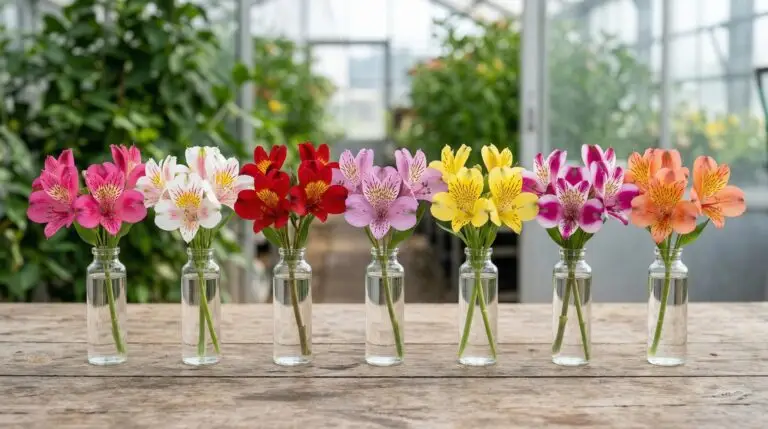
Best alstroemeria varieties for cutting gardens that bloom all summer long
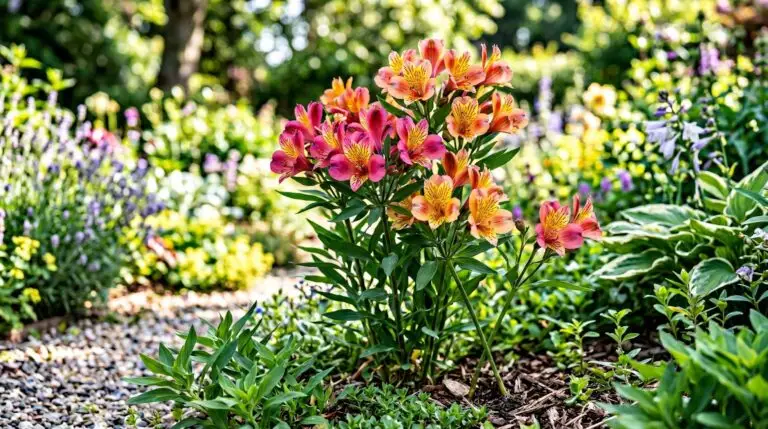
How to make alstroemeria last longer in a vase than almost any other cut flower
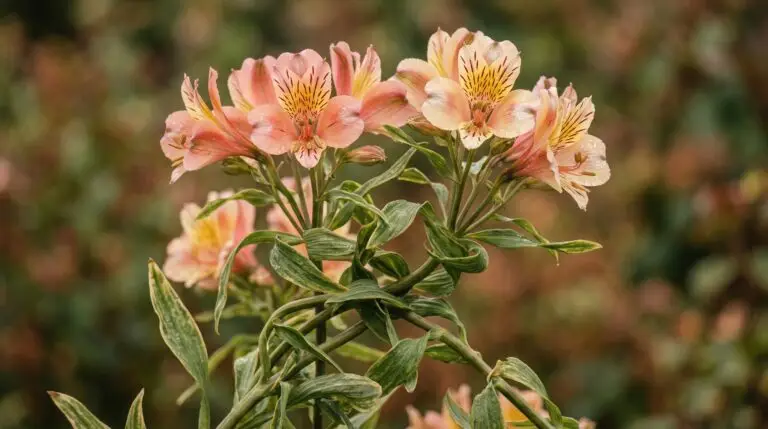
Alstroemeria flower meaning and why it is the perfect friendship bouquet
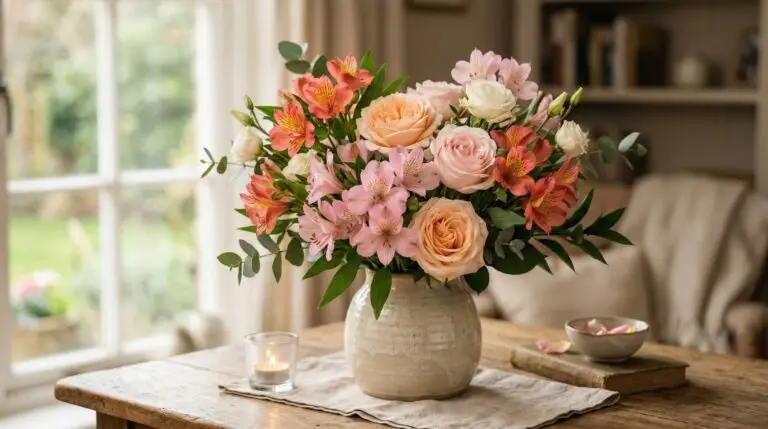
Stunning alstroemeria color combinations for mixed flower arrangements
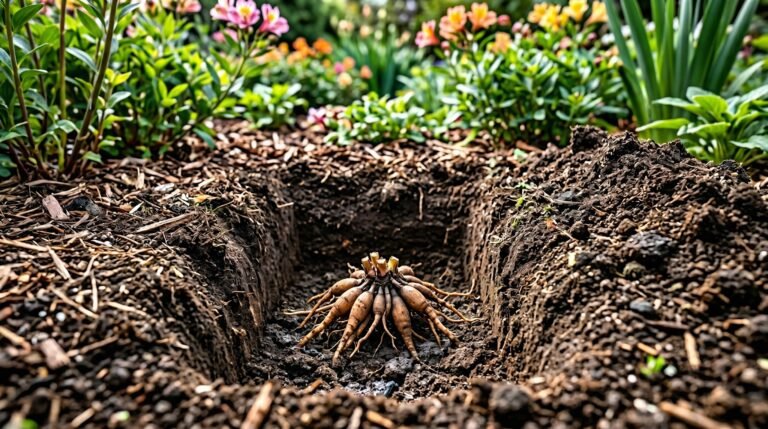
Growing alstroemeria from tubers in your garden for endless summer blooms
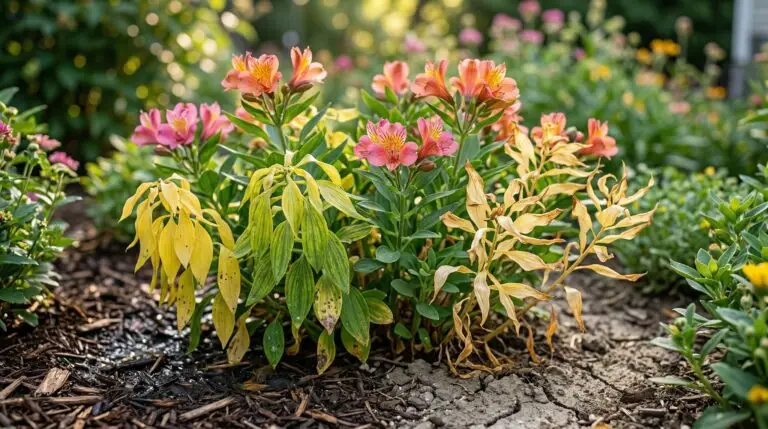
Why alstroemeria leaves turn yellow and how to bring your plant back to health
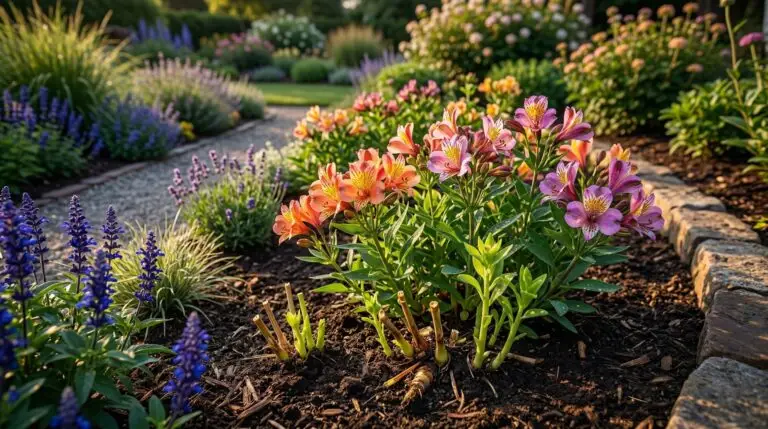
How to deadhead and pull alstroemeria stems the right way for more flowers
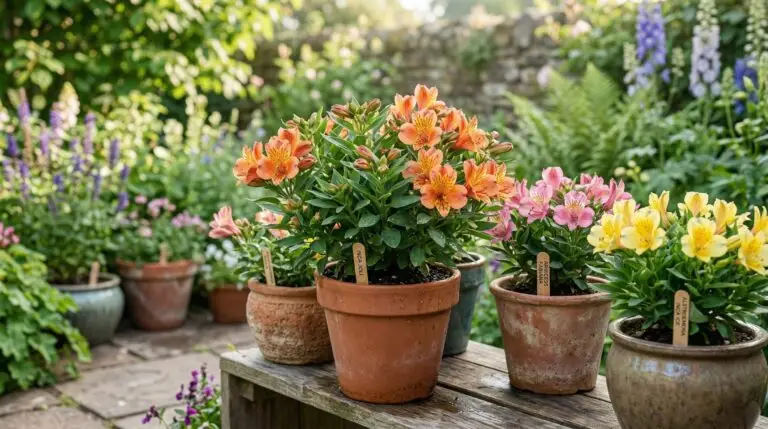
How to grow alstroemeria in containers on a balcony or small patio
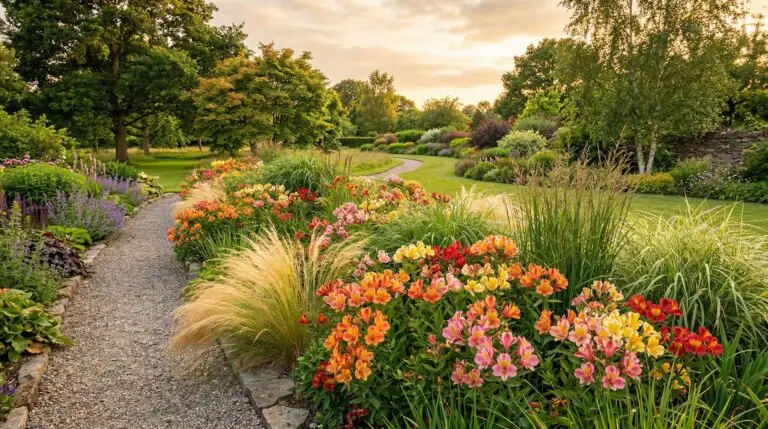
Alstroemeria companions: what to grow and what to avoid
Enjoying our flower guides? Add YourFlowersGuide as a preferred source on Google. It helps more readers find us.
Add to Preferred Sources