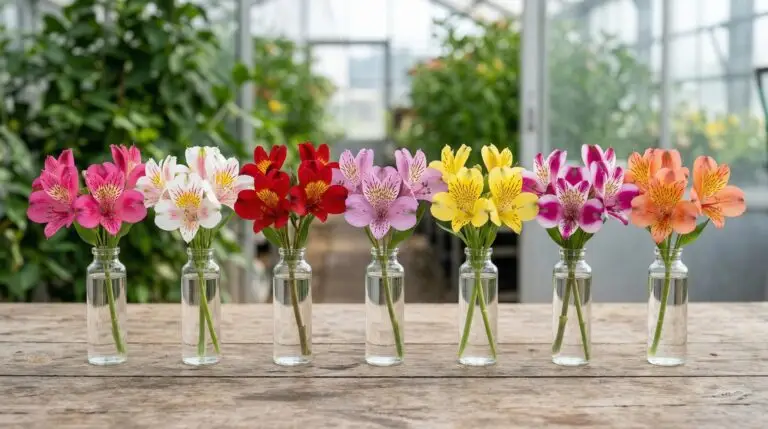
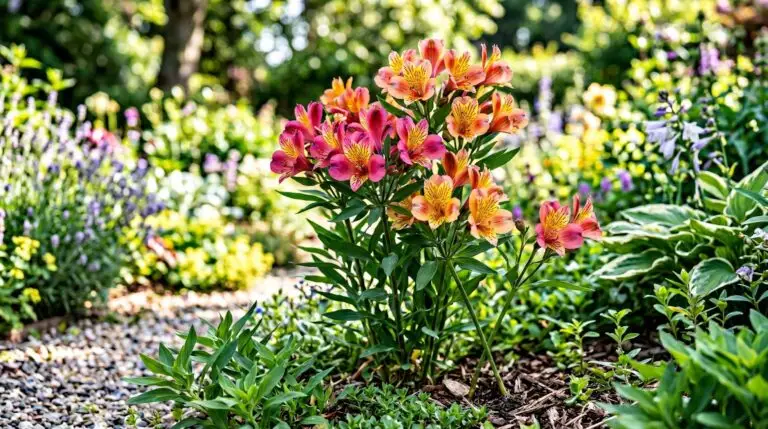
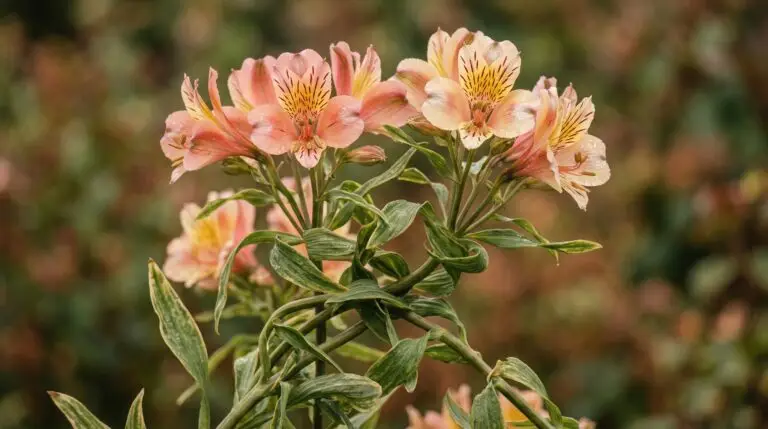
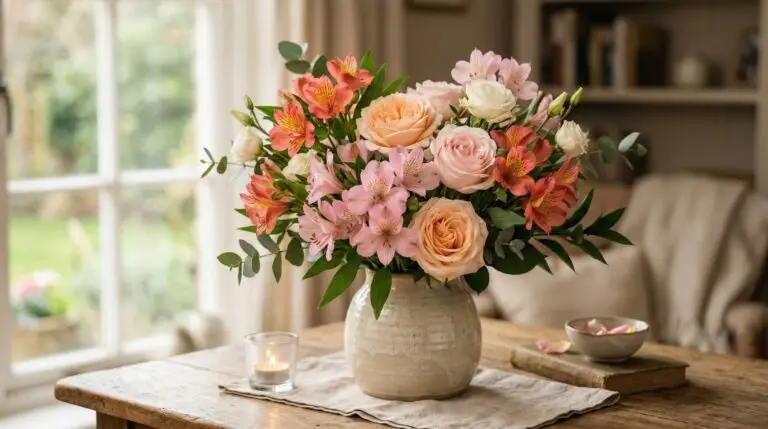
Taxonomy and origin
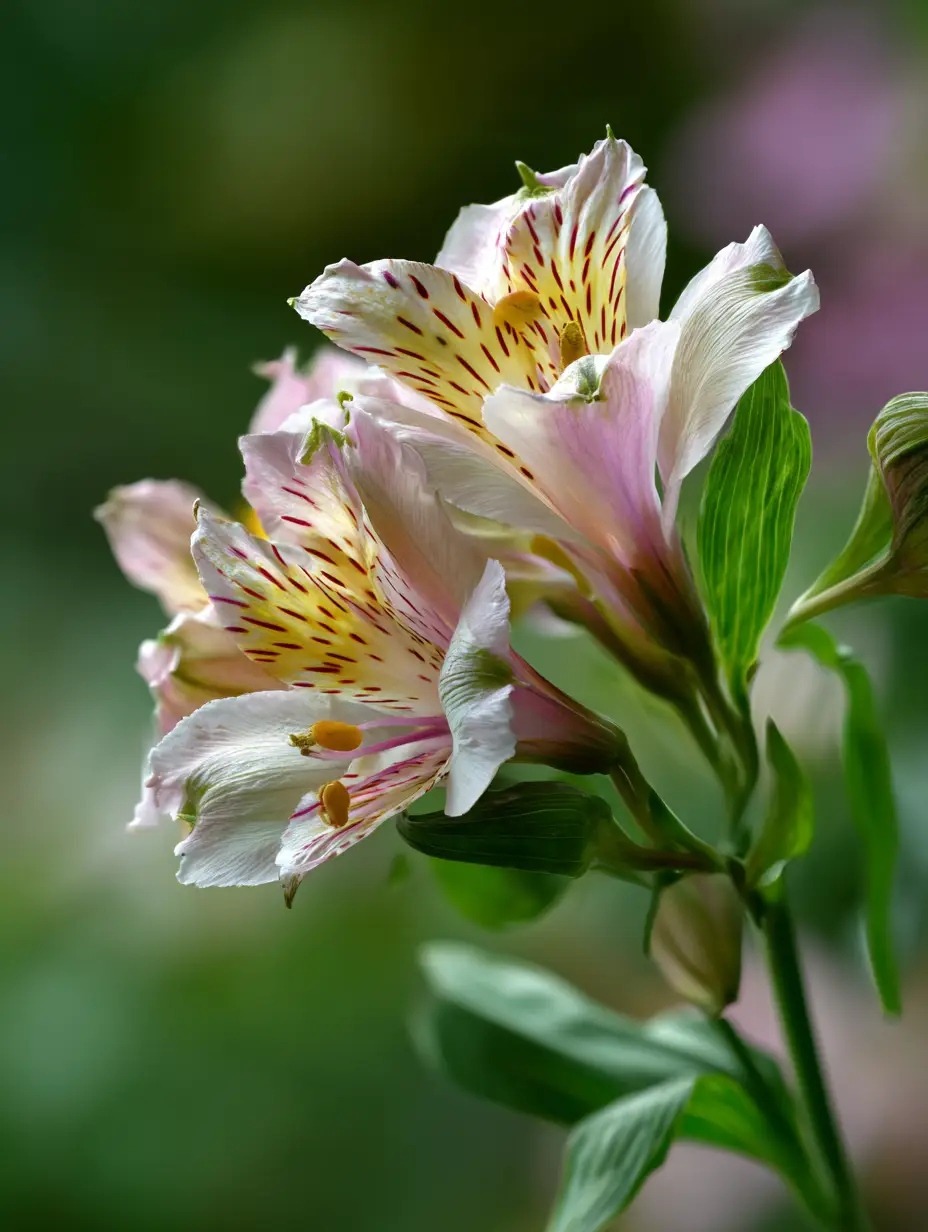
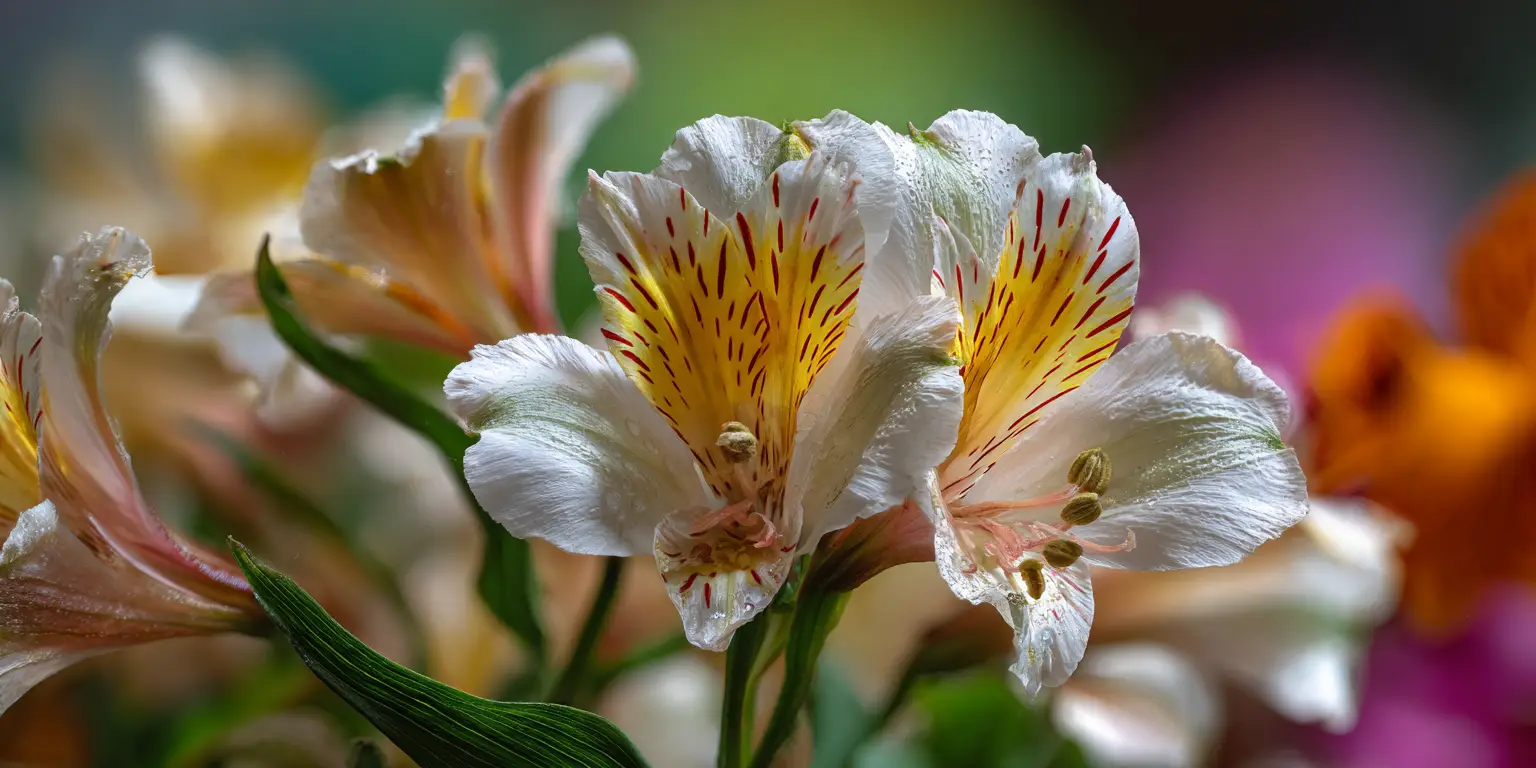
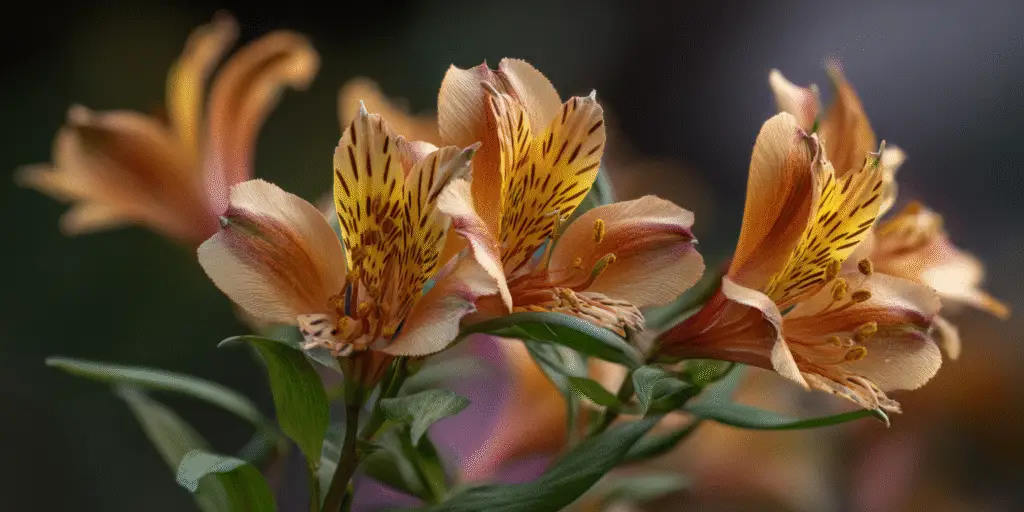
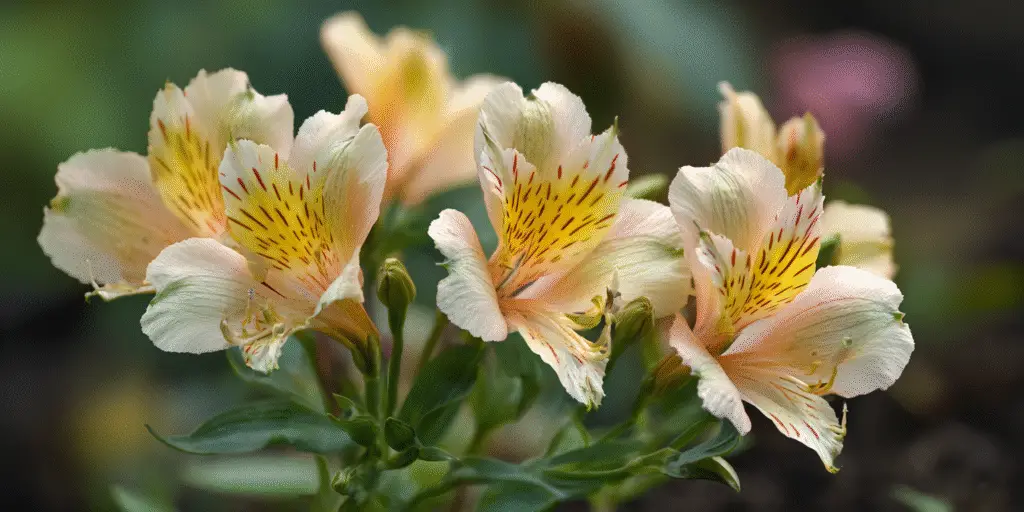
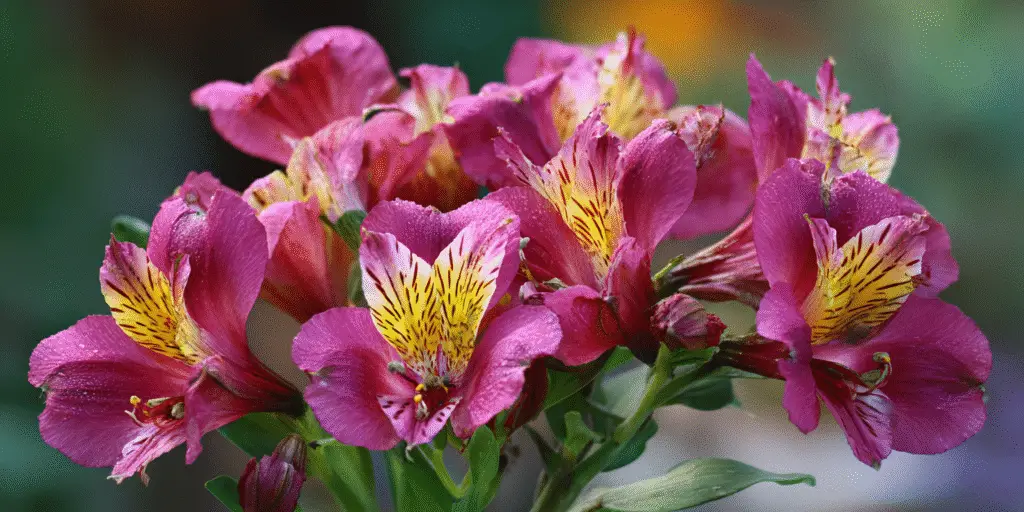
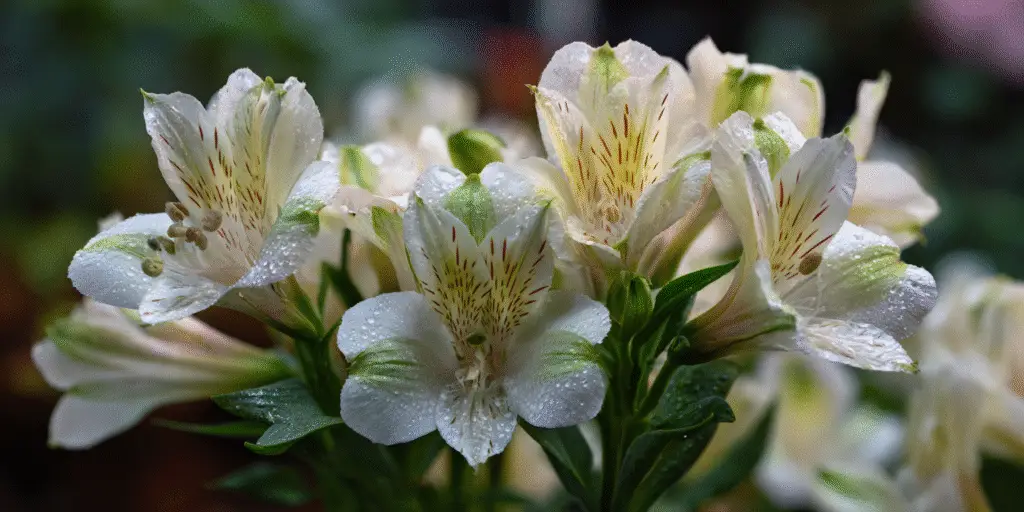
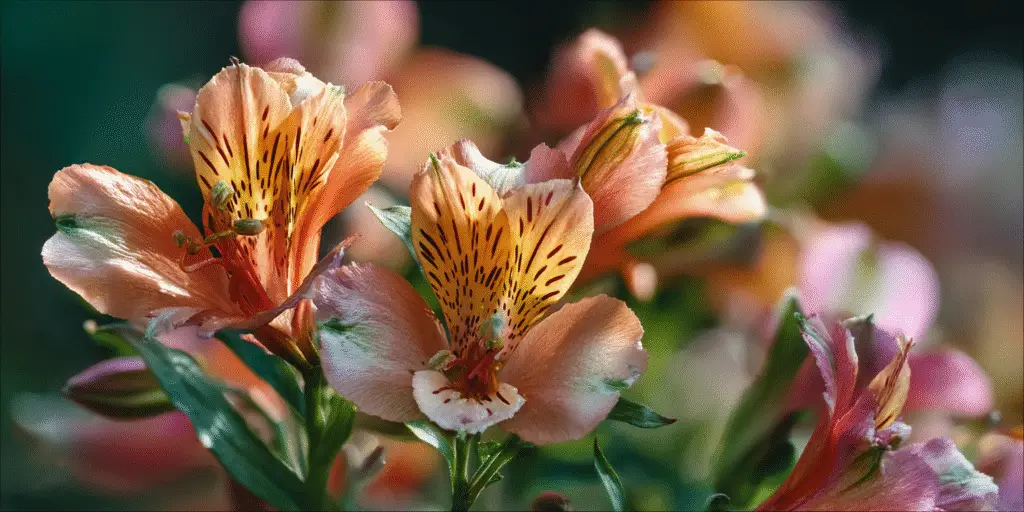
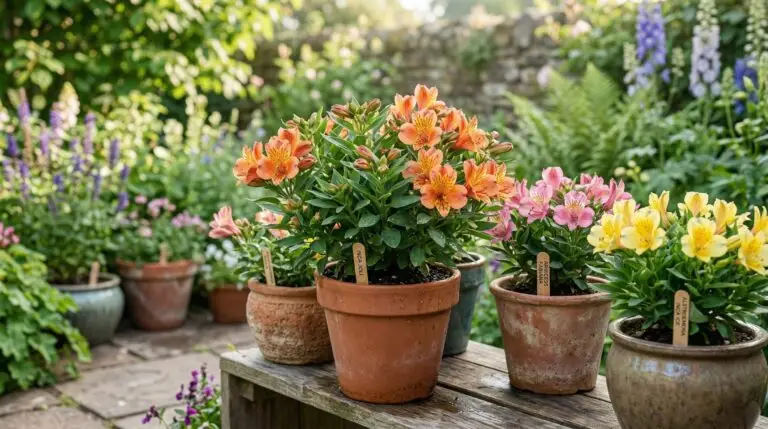
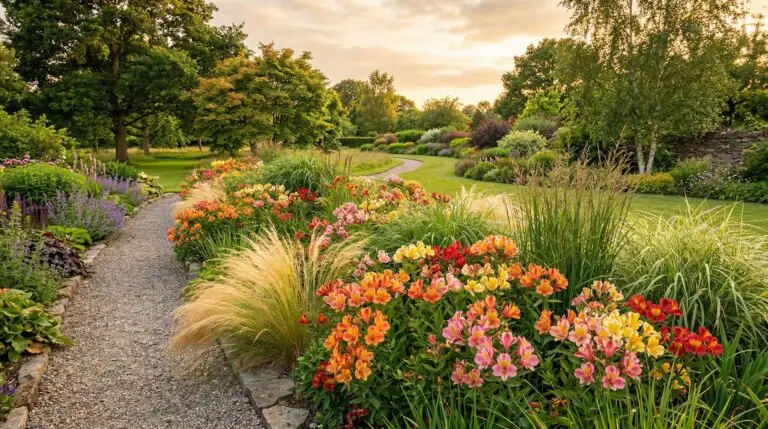
Alstroemeria belongs to the family Alstroemeriaceae and is not a true lily, despite the common names Peruvian lily and lily of the Incas. Carl Linnaeus named the genus in 1762 after his friend Baron Clas Alströmer, a Swedish naturalist who sent him seed. The genus holds around eighty wild species, all native to South America, concentrated in two centers: the cool, wet Andean slopes of Chile and the warmer regions of Brazil, with others scattered through Peru and Argentina. That split origin explains why some cultivars shrug off heat while others prefer cool summers, and why breeders have crossed the two groups to get the strong stems and long vase life sold today. The clearest field mark is the leaf. Alstroemeria foliage is resupinate, twisting near the base so the morphological underside points skyward, the quirk that gives the plant its loose, inverted look and tells it apart from genuine lilies in the genus Lilium at a glance. Modern garden and florist plants are almost all hybrids selected for stem strength, repeat bloom, and a color range that covers nearly everything except a genuine true blue. For more on that gap, the blue flowers hub explains why real blue stays so rare across most genera.
Two breeding programmes, sold through two different doors
Modern alstroemeria is almost entirely the product of named Dutch and English breeding companies rather than university programmes, so the companies are the primary record and the tier of each claim is stated with it. The split that matters to a buyer is what each group was bred to do, and the verdict under each photo is the wording of the source named in it.
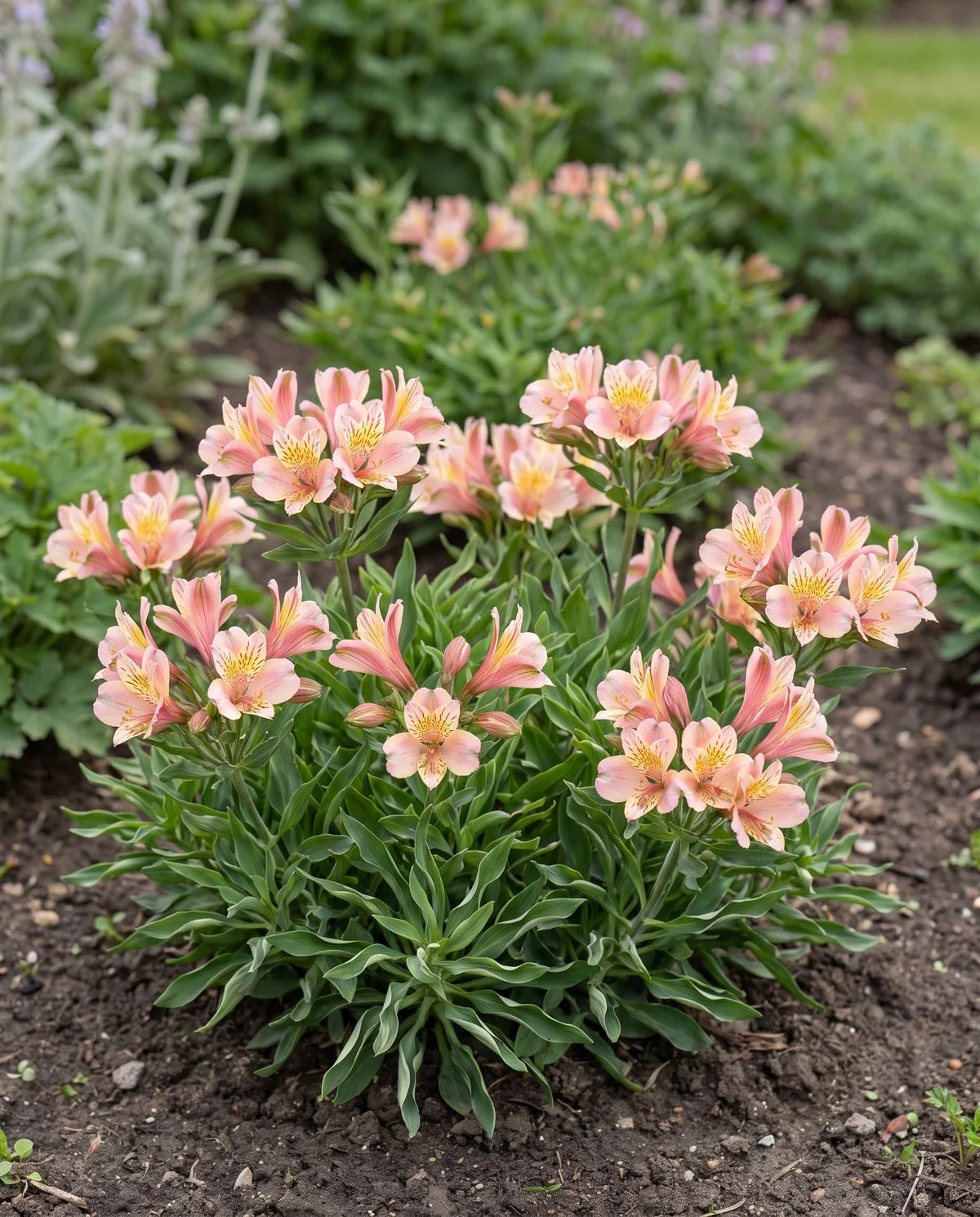
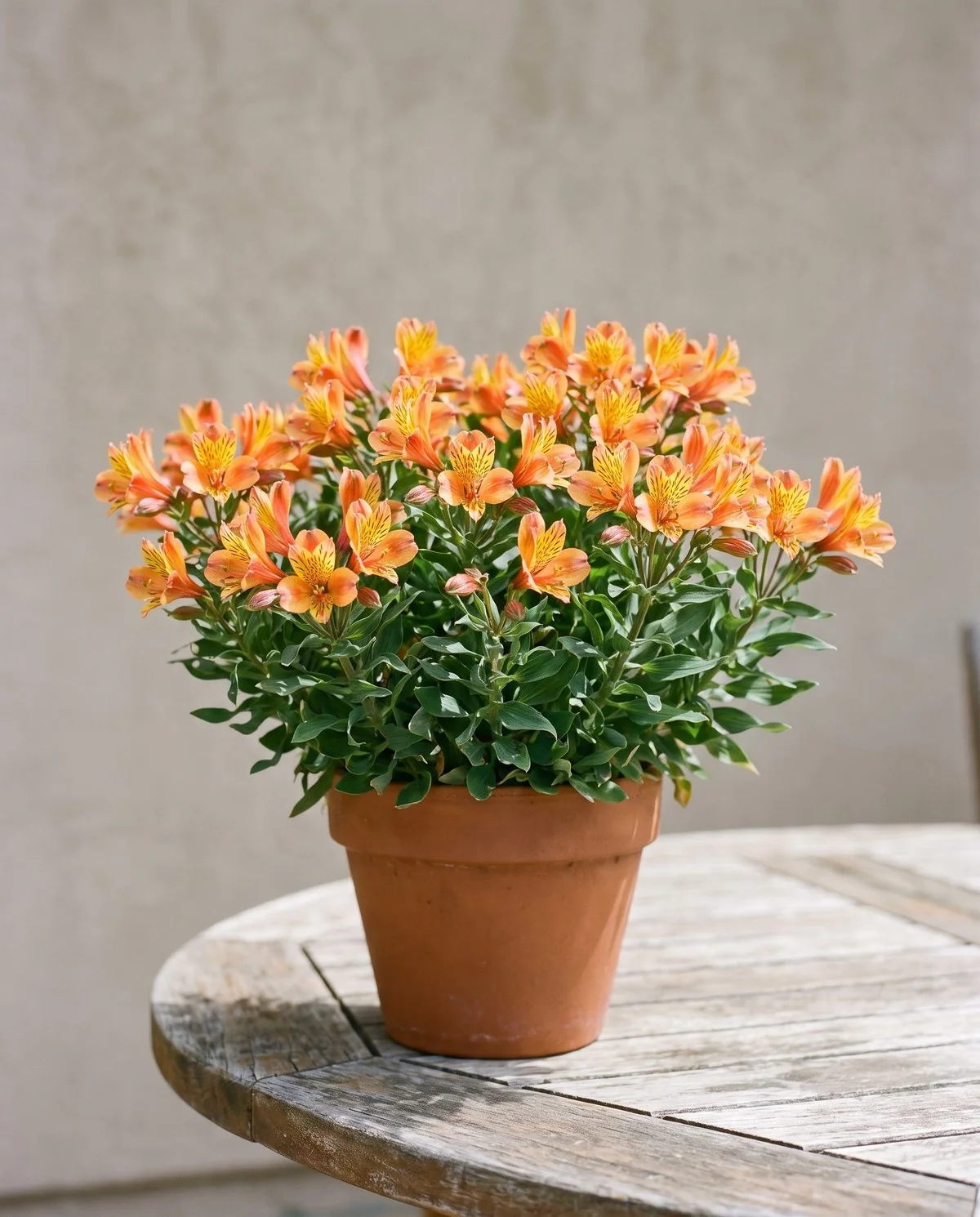
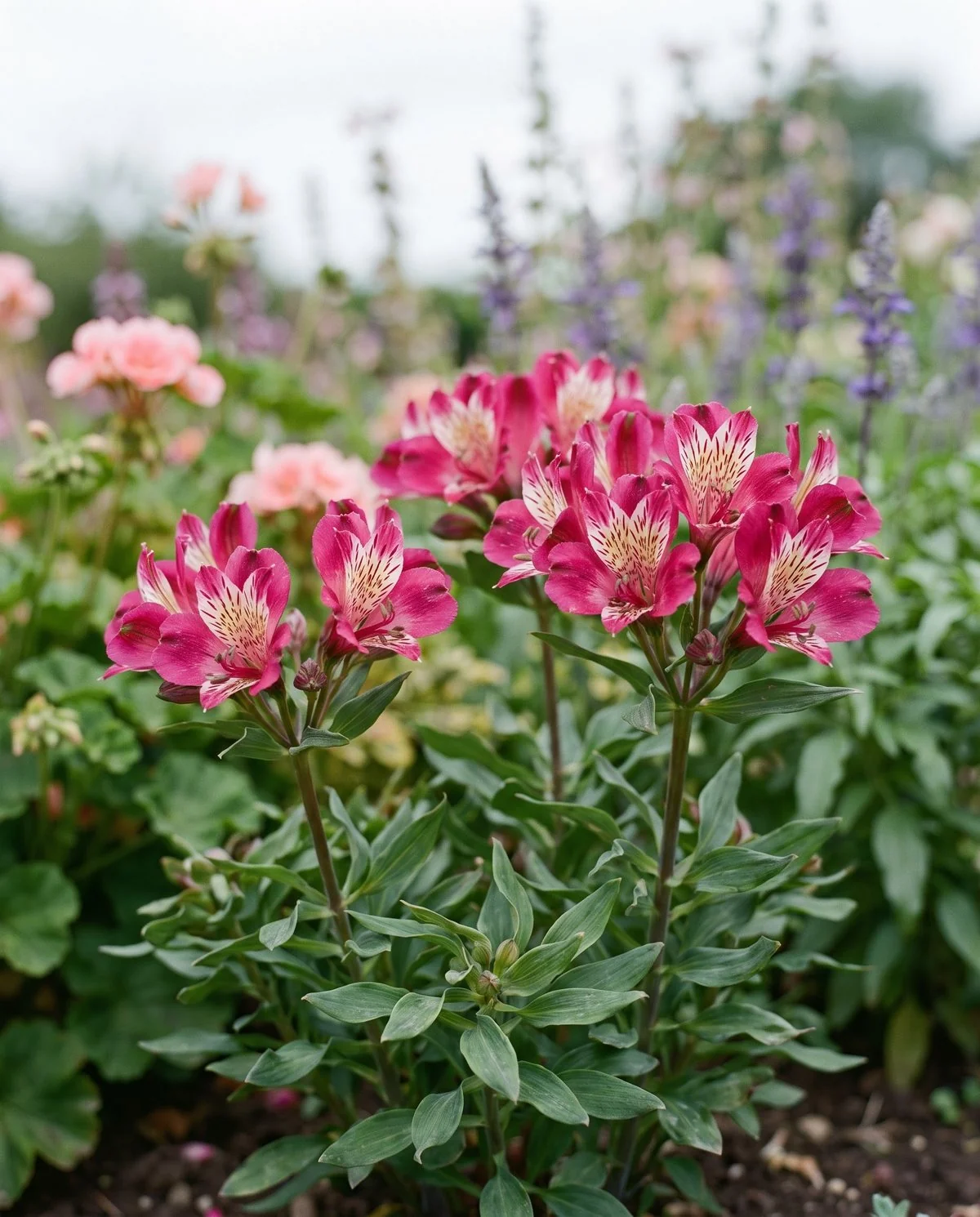
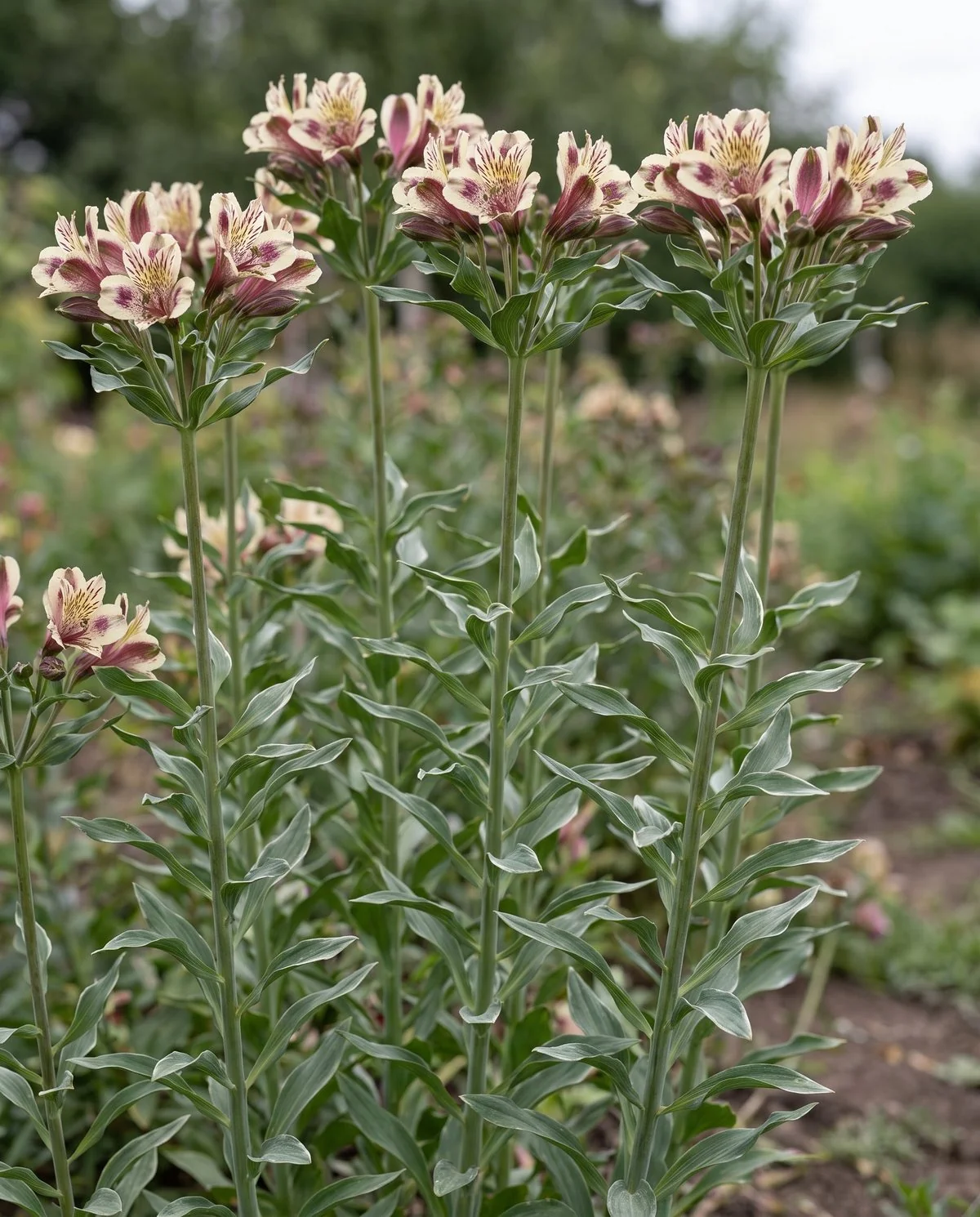
Two facts sit behind the shopping problem this grid describes. Retail nurseries stock the compact pot and garden series far more often than the tall types, because the compact series were bred for pot-culture retail sale, while the tall types move through florist supply chains, which is why a gardener hunting bouquet-length stems finds only dwarf pot cultivars at a garden centre. And the pipeline is slow: trade press puts roughly 8 years between a new cross and the variety reaching florists, an industry-stated figure rather than an independently verified one. Chilean and Brazilian hybrid crosses in the cut-flower lineage were informally called the Butterfly type for their flower shape. What no source settles is a hardiness comparison between the compact and tall groups, which are described within the same general range without a group-level breakdown.
Bloom time
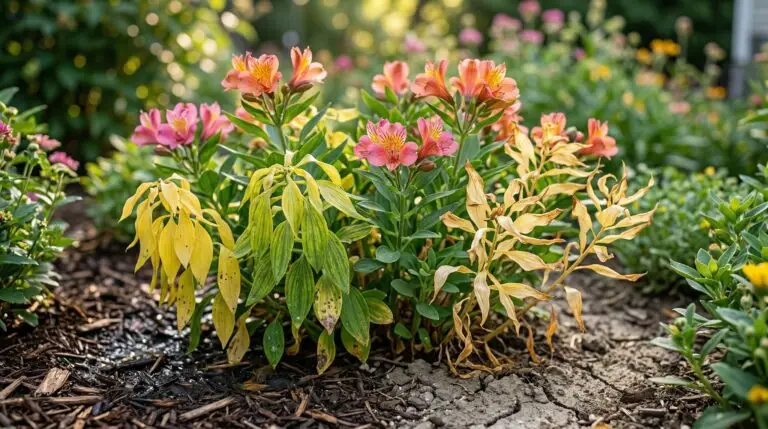
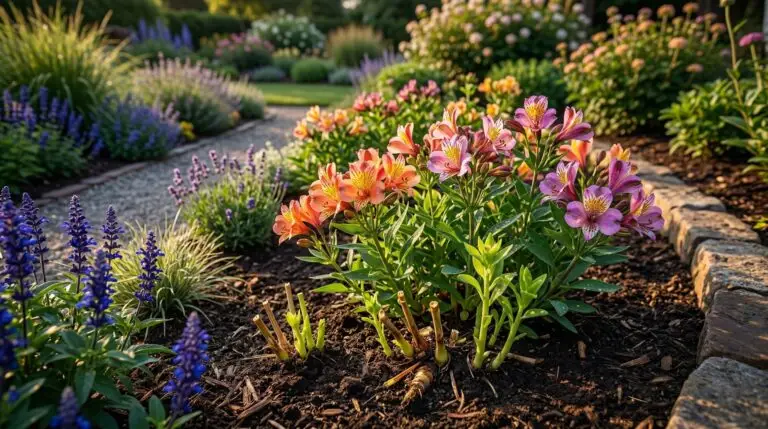
In most of the United States alstroemeria flowers from late spring into summer, and in mild-winter areas it can start earlier and carry into fall. The plant blooms in flushes rather than one burst, so removing spent stems and keeping the soil evenly moist pushes it to send up fresh shoots and a second or third wave. Heat is the main brake: when summer temperatures climb past comfortable, many varieties pause, sometimes letting their foliage yellow, then resume once nights cool. Flowering also strengthens with age, intensifying noticeably in the second year as the root system thickens and the clump fills out, which is why a sparse first season is normal rather than a sign of trouble.
What the years look like, and which timeline is not the gardener's
The strongest statement available for the first season is a consumer synthesis rather than a trial, and the tier is worth reading along with the claim: GardeningKnowHow puts continuous blooming from summer through fall at the second year with diligent care, which places the establishing work in year one. What changes the picture more than the year does is which group went in the ground. The compact pot series were bred for continuous pot-culture bloom, and their own sources describe Inticancha-type dwarf cultivars flowering 9 to 12 months of the year where winters stay mild, which is a different growth rhythm from a seasonal garden perennial rather than a better version of the same one. Tall garden types build clump vigour and spreading habit over a few years instead, and in a warm climate that can turn into an actively self-seeding presence by the second or third season: one gardener in zone 10b described alstroemeria coming up in an overlooked corner of the garden and looking messy, the multi-year habit arriving as an unwelcome surprise rather than a planned outcome. One timeline in this plant's story belongs to nobody's garden and is worth knowing anyway, because it explains the shopping problem: trade press puts roughly 8 years between a new cross and that variety reaching florists, which is why new alstroemeria colours and forms appear on the market only gradually. What no source supplies is a decline curve. Nothing found in this research states how many years an established clump stays vigorous before it needs dividing or replacing, and that gap is left open rather than filled by analogy with another plant's numbers.
Height and spread
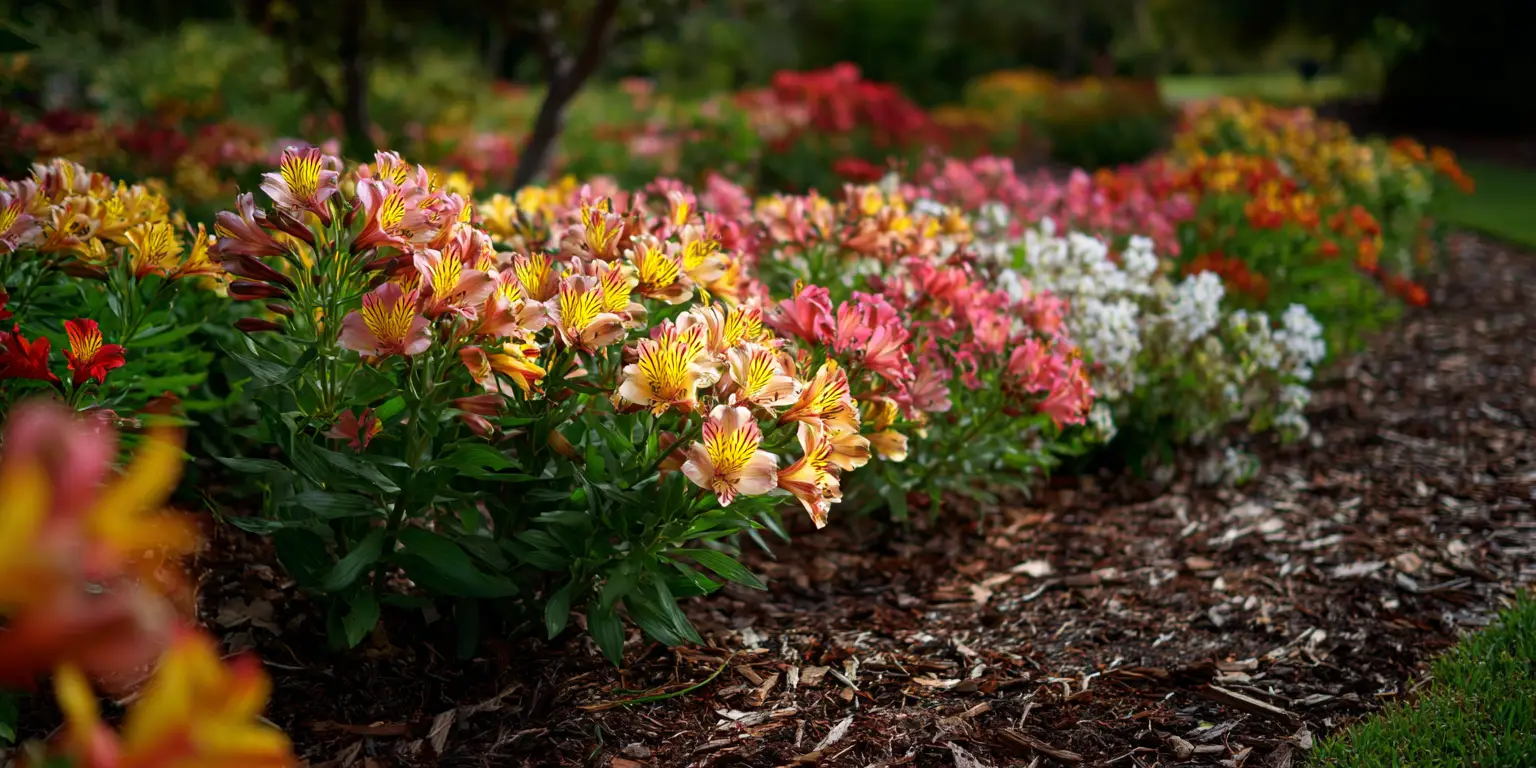
Standard garden varieties reach 2 to 3 feet tall with a 1 to 2 foot spread, while dwarf and patio types stay around 8 to 18 inches, which suits containers and the front of a border. Growth comes from the fleshy tuberous roots, which expand outward year over year into progressively larger clumps without running aggressively. Spacing plants 12 to 18 inches apart gives each stem room and keeps air moving through the foliage, which lowers the risk of the fungal problems that crowding invites. Taller cultivars carry their flowers on long, cut-flower-grade stems, so a little support in windy spots keeps them upright and harvest-ready.
Light
Alstroemeria flowers best in full sun, meaning roughly six or more hours of direct light a day, which produces the stockiest plants and the heaviest bloom. In hot regions, light afternoon shade is an advantage rather than a compromise, since it eases heat stress and stretches how long each flush lasts. Too little light is the usual reason a plant grows lush and leafy but throws few stems, and the reason for tall, weak, leaning growth that flops. When blooming disappoints in otherwise good soil, moving the plant or thinning whatever shades it is the first fix to try before reaching for fertilizer.
Water
Even, consistent moisture without waterlogging gives the steadiest flowering. Water when the top inch of soil feels dry, and soak deeply enough to reach the lower roots rather than wetting only the surface. Established clumps tolerate short dry spells and become noticeably drought resistant once their roots run deep, but regular water during active growth keeps the flushes coming. A layer of mulch holds moisture, keeps the roots cool through summer heat, and cuts how often watering is needed. Apply water at soil level with a wand or drip line wherever possible, since dry foliage is far less prone to the leaf diseases that overhead watering encourages.
Soil and pH
Well-draining soil enriched with organic matter is the foundation, because the fleshy roots rot quickly in ground that stays wet. Heavy clay benefits from generous compost and slight mounding or a raised bed to move water away from the crown. A slightly acidic to neutral pH suits the plant well, so soil in the rough range most garden perennials prefer is usually fine. Working compost in at planting and topping it up each spring usually supplies enough fertility, and when a plant struggles despite good light and water, a basic soil test is the quickest way to rule out a pH swing or a hidden nutrient gap before guessing at amendments.
USDA hardiness
Most alstroemeria are reliably perennial in USDA Zones 7 to 10, where the roots overwinter underground and re-sprout each spring. Zone 7 gardeners should mound thick winter mulch over the crowns for insurance, and some hybrids push into Zone 6 with protection, though success there depends heavily on the cultivar and the severity of the winter. In colder zones the plant is either grown as an annual or lifted after the first hard frost and stored as dormant roots in a cool, dry place, then replanted after the last spring freeze. In frost-free, not-too-hot climates the foliage can stay evergreen and the plant blooms for much of the year.
The planting figures, and how far apart the sources are
This is the one place where honest reporting means showing the disagreement rather than resolving it. Alstroemeria has thinner institutional coverage than most garden perennials, and no extension page addressing it directly was retrieved in this research, so every figure below carries its source and its tier.
Propagation and longevity
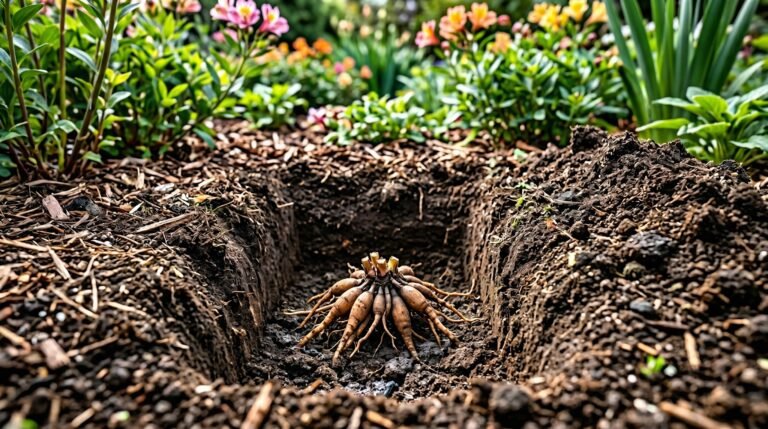
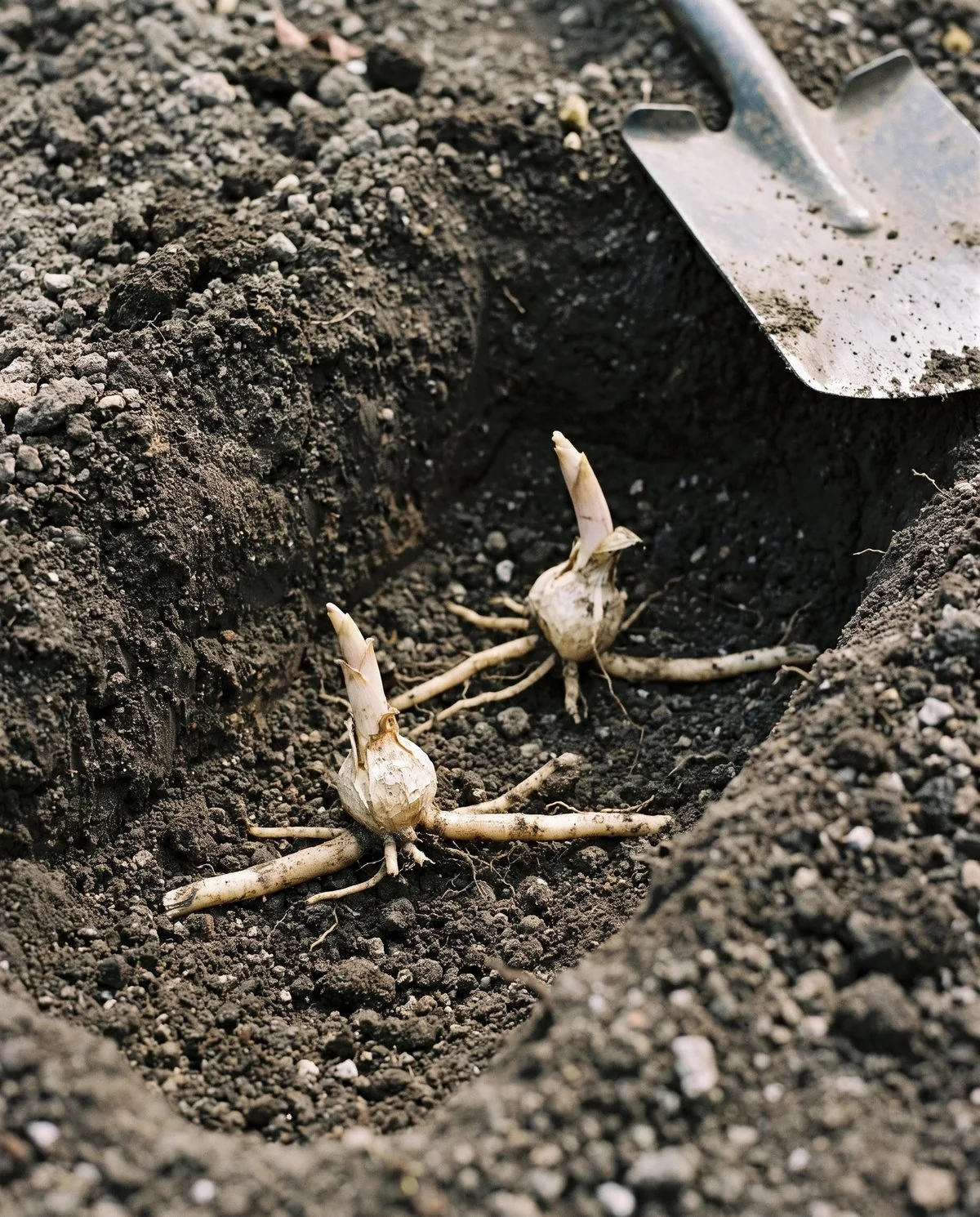
Division is the only practical way to multiply alstroemeria, and the single most useful habit for both blooms and new plants is to pull stems rather than cut them. Reaching to the base and tugging a stem free, with a slight twist, removes the whole stem from the rhizome and signals the plant to push fresh basal shoots, so a pulled clump blooms more than one that is repeatedly snipped at the top. To divide, lift a mature clump in early spring or fall and gently tease the brittle roots into sections, keeping growth buds on each piece. The roots snap easily, so they need to be handled like glass; even small divisions recover, though they often need a season before they bloom hard. Stem cuttings do not work because the stems will not root, and seed is slow and unpredictable, which leaves division as the dependable route. On feeding, alstroemeria rewards moderate, balanced nutrition: a slow-release feed in spring plus compost keeps stems coming, while heavy high-nitrogen fertilizer drives leaves at the expense of flowers. Established clumps live for many years and simply need dividing when the center crowds and bloom thins. Gardeners weighing alstroemeria against other long-lived cut-garden staples can compare it with peonies and roses , both of which pair with it well in mixed bouquets.
Fragrance
Alstroemeria has little to no scent, which is part of its appeal as a cut flower. The lack of fragrance means it mixes into arrangements purely for color, form, and longevity without competing with scented partners, and it is a safe choice for hospitals, offices, and anyone sensitive to perfumed blooms. Gardeners who want aroma in the same bed can plant it near scented companions such as lavender for the perfume the flower itself does not provide.
Toxicity and pet safety
The clearest hazard with alstroemeria is to skin, not stomachs. The sap contains a compound that can trigger contact dermatitis after repeated handling, an occupational rash among florists documented well enough to carry the nickname Peruvian lily dermatitis, with symptoms that range from itching and crusting to small blisters and fissured skin. Wearing gloves while cutting, pulling, or dividing is sensible for anyone who handles the stems often. On pets, the ASPCA lists alstroemeria as non-toxic to cats, dogs, and horses, which is a real point in its favor, since true lilies in the genus Lilium are deadly to cats and alstroemeria is not a true lily. Eating a large amount of any plant can still cause mild stomach upset such as vomiting or loose stool, so the practical advice is to keep arrangements out of reach of pets that nibble greenery and to wash hands after handling the cut stems. For households building displays around animals, the guide to flowers safe for cats and dogs covers the safer choices in depth.
Three claims, and what the primary sources actually say
The myth: It is called a Peruvian lily, so it carries a true lily's danger to cats.
The reality: The ASPCA's own dedicated Peruvian Lily page classifies alstroemeria non-toxic to dogs, non-toxic to cats and non-toxic to horses, with no clinical-signs section because none applies. Its separate article on which lilies are toxic to pets discusses alstroemeria by name: it may cause stomach upset but is not expected to cause life-threatening injury to any organs. The contrast drawn in that same article is with true Lilium species and daylilies, Hemerocallis, where all parts of the plant are toxic and small amounts can cause severe injury to the kidneys, often fatal if veterinary treatment is delayed more than about 18 hours. The families are genuinely separate lineages: alstroemeria sits in Alstroemeriaceae, not in Liliaceae.
The myth: The sap is harmless. It is only a pretty cut flower.
The reality: Peer-reviewed occupational-health literature documents alstroemeria as a genuine cause of allergic contact dermatitis, through the compound tuliposide A and its active form tulipalin A, the same allergen family found in tulips, which is why the florist trade nicknamed the condition tulip fingers and why a patient reacting to one commonly cross-reacts to the other. Two things are worth stating precisely. The evidence is real and small: one paper reports two florists with fingertip dermatitis confirmed by patch testing, and another studied 8 female nursery workers handling Alstroemeria ligtu cultivars, of whom 6 were confirmed allergic, with tuliposide A measured at 1 to 2 percent in plant tissue and tulipalin A up to 18 percent in ether extracts of flower petals. The much larger, more precise-sounding prevalence percentages that circulate attached to that second paper are not in it, checked directly against the abstract for this research. And the glove material decides the exposure: the allergen readily penetrates vinyl and is blocked by nitrile.
The myth: Alstroemeria is invasive wherever it is grown.
The reality: Regionally true of one wild species rather than of the genus. Alstroemeria aurea naturalized in New Zealand around 1945 and is now widespread on both the North and South Islands, often regarded as a pest plant for its rapid spread, and the same species is established as an environmental weed in southeastern Australia, named specifically in the Dandenong Ranges, on Mount Macedon and near Falls Creek across Victoria, New South Wales and South Australia. The mechanism is a dense rhizome mat plus fine fleshy roots, worst in grassland, riparian and upland habitat. That is one wild species behaving as a garden escapee in mild, moist climates, and it is not a description of the compact and tall hybrids sold to gardeners, which are bred commercial selections rather than the wild plant.
Vase life
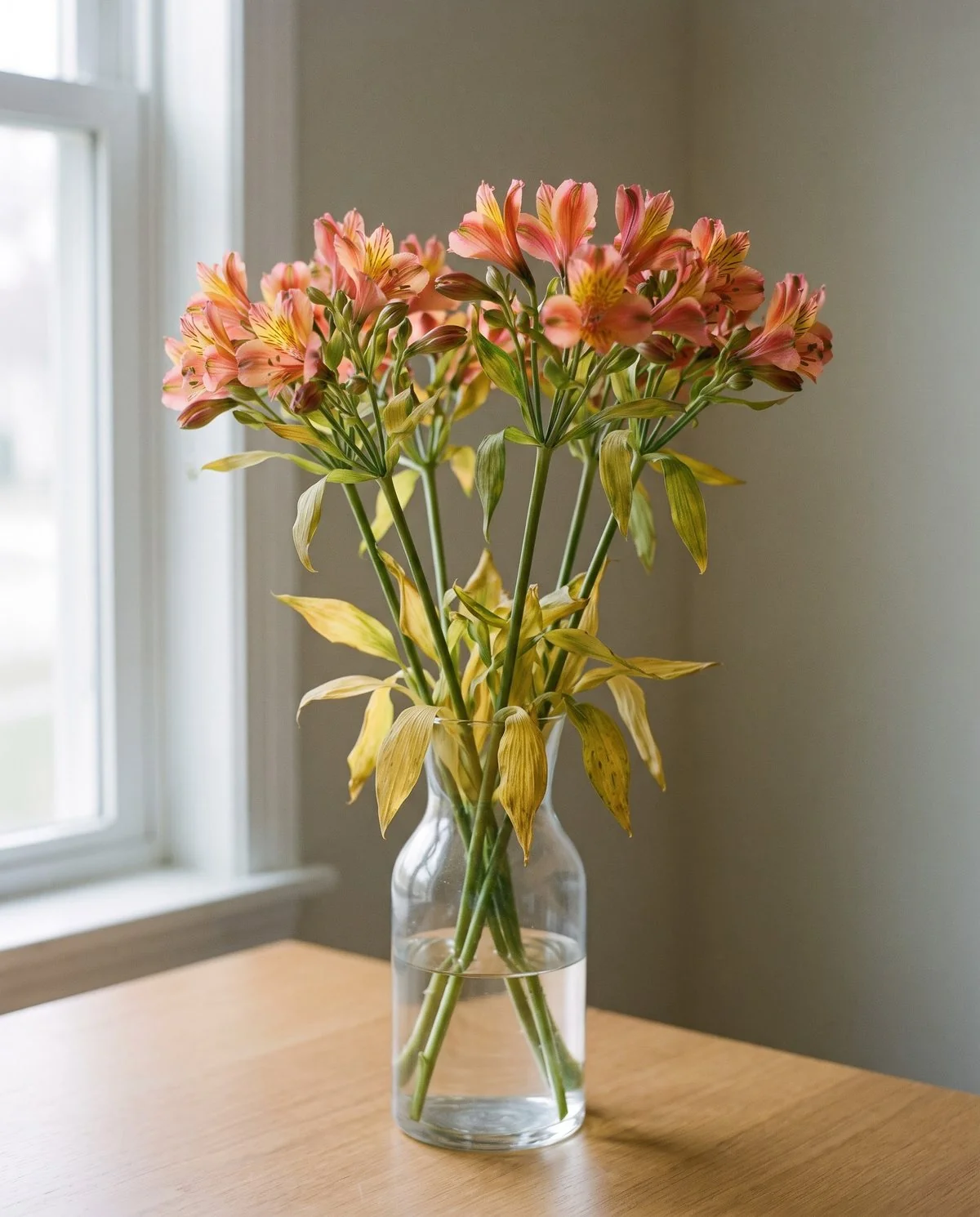
Alstroemeria is a workhorse cut flower, holding one to two weeks in a vase and often outlasting the roses or peonies it is arranged with, which is exactly why it shows up in so many mixed bouquets. A received bouquet keeps longest with a few quick steps on arrival. The table below separates what the plant needs in the garden from what cut stems need in the vase, since the two jobs are different.
| Garden care | Cut-flower and bouquet care |
|---|---|
| Full sun, 6+ hours | Bright room, out of direct sun and away from heat |
| Even soil moisture | Clean water, refreshed every two days |
| Pull whole stems to harvest | Recut stem ends about an inch at an angle before placing |
| Mulch to keep roots cool | Strip leaves below the waterline so the water stays clear |
| Feed lightly in spring | Add flower food, or a pinch of sugar with a drop of bleach |
| Deadhead for more flushes | Pinch off individual spent florets to keep clusters tidy |
Harvest from the garden when the first floret in a cluster is just opening and the rest stay in bud, so the stem opens fully in the vase. Keep bouquets clear of ripening fruit, which gives off ethylene gas and shortens their life, and out of drafts and direct sun. Because the buds keep opening after cutting, a fresh alstroemeria stem often looks better on day three than on day one.
Measured vase life, and the part that gives out first
The numbers here come from postharvest-physiology research rather than florist marketing copy, and where a figure comes from a trial the trial conditions are stated with it. The full texts were not retrieved, so each figure is reported only at the level of detail its abstract supports.
The 20-day research figures apply to a vase on a kitchen table.
They do not. Those came from melatonin, putrescine, salicylic-acid and sucrose treatments under trial conditions. The honest domestic figure is the control group's, 12 to 15 days untreated.
Wilting is what ends an alstroemeria's vase life.
Usually not. It ends in clean petal drop, and the foliage yellows well before the secondary florets are anywhere near finished, which is why an arrangement can look tired while its flowers are still good.
A penny, an aspirin or a splash of vodka helps, the way people say for tulips.
Nothing in this research ties any of those to alstroemeria. No alstroemeria-specific home remedy was found to test, and borrowing the penny debunk from another flower's research would be a debunk of nothing.
Pests and diseases
Garden alstroemeria is largely left alone by deer, which makes it useful where browsing is a problem, but it is not pest free. Aphids, spider mites, and thrips are the common insects, with thrips especially active in hot, dry spells, while slugs and snails go after tender young shoots in spring. The main disease risks come from water: root rot in soggy, poorly drained soil and gray mold, or botrytis, on crowded plants during wet, humid weather. Mosaic viruses occasionally cause streaked, distorted leaves, and infected plants are best pulled and discarded to protect their neighbors. The table below pairs the most common problems with the fix that resolves them.
| Problem | Likely cause | Fix |
|---|---|---|
| Leafy plant, few flowers | Too little light or too much nitrogen | Move to full sun, switch to a balanced spring feed |
| Mushy roots, wilting | Root rot from wet soil | Improve drainage, raise the bed, water less |
| Gray fuzzy mold on flowers | Botrytis in crowded, damp plantings | Space plants, water at soil level, remove affected stems |
| Speckled, stippled leaves | Spider mites or thrips in heat | Rinse foliage, treat with insecticidal soap |
| Streaked, distorted growth | Mosaic virus | Remove and destroy the plant, control aphids |
| Chewed young shoots | Slugs and snails | Use barriers or bait around emerging growth |
What actually goes wrong, by frequency
Hand-tallied from the full title and body of 38 usable posts, pulled by title from r/gardening and r/plantclinic through the Arctic Shift Reddit archive. Thirty-nine came back, one returned truncated with no usable text and is excluded, and one drooping-stems story was cross-posted to both subreddits and is counted once. Thirty-eight posts is a small sample and it is worth saying so plainly rather than dressing it up. Four further themes appear once each, at 2.6 percent apiece and not listed below: browning leaves, mycelium under the mulch, a petal colour turning white, and winter care for a potted plant. Themes overlap, so the shares do not sum to 100.
Whether that stem has already flowered. Three of these four posts carry near-identical titles, yellowing leaves on alstroemeria, yellow alstroemeria leaves, and yellow leaves on my alstroemeria, all with their bodies deleted. Three near-duplicate titles in a 38-post sample is itself the demand signal.
Whether the plant is in the ground yet. The category splits cleanly in two: freshly bought nursery pots not yet planted, against clumps established for years and ratty for months.
Nothing, from text alone. Cannot seem to do anything right, developed very suddenly, what is happening: the same undiagnosable-without-the-photo pattern every one of these samples produces.
Whether there are insects on it at all, before treating for a disease.
Whether the tissue is firm. Roots exposed and washed after the stems died back in one case, a described root rescue mission in the other.
Which group it was bred in. Gardeners wanting the tall bouquet type find only dwarf pot varieties at nurseries, or buy a compact one and wonder why it is not growing up. This is unprompted real-world confirmation of the two breeding programmes above.
That series' general profile first. A Little Miss Zoe needing rescue and an Indian Summer greenhouse plant wilting: real demand for cultivar-level troubleshooting rather than generic advice.
How unusual the cold was. The single case was a plant established for 10 years, left outside through an unusual cold snap.
The climate. The one report came from zone 10b, describing volunteers in an overlooked corner of the garden.
Nothing, and that is why it is here. This is the one post showing the pull-not-cut technique reaching a home gardener rather than a commercial grower, described bare-handed, which is also the exposure route the occupational literature flags.
Nothing in this sample asked it. Not one post here complains about a plant that will not bloom, which is reported as a fact about these 38 posts rather than as proof the demand does not exist: GardeningKnowHow's own reader archive carries lots of healthy greenery but no flowers as a recurring alstroemeria question.
Nothing, and the absence is the finding. Peer-reviewed occupational-health literature documents allergic contact dermatitis from alstroemeria in florists and nursery workers, and this hobbyist sample contains no mention of it at all, because the population most affected by it is not on these forums.
The order to check, for the two biggest complaints
Yellowing leaves and drooping stems were exactly the same size in the forum sample and constantly entangled, with single posts carrying both. Each has an order, and in both the weather, the pot and the drainage come before any disease, because that is where most of these cases actually end.
Five calls that look like one problem and are not
Each card carries the one visual detail that separates the pair. Two of them are the largest complaint categories in the forum sample, yellowing leaves and drooping stems, and both split into a non-problem and a real problem along a single visible line.
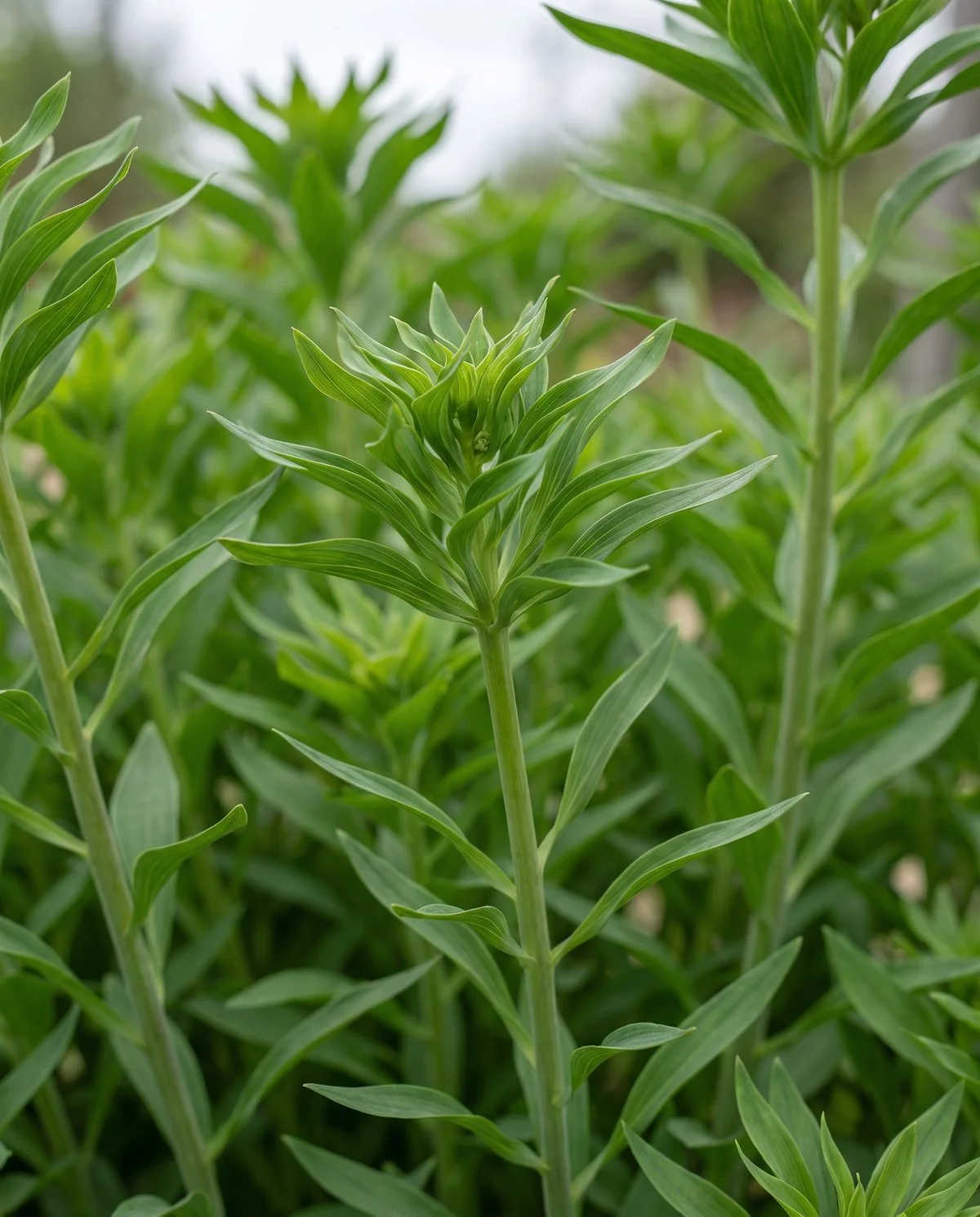
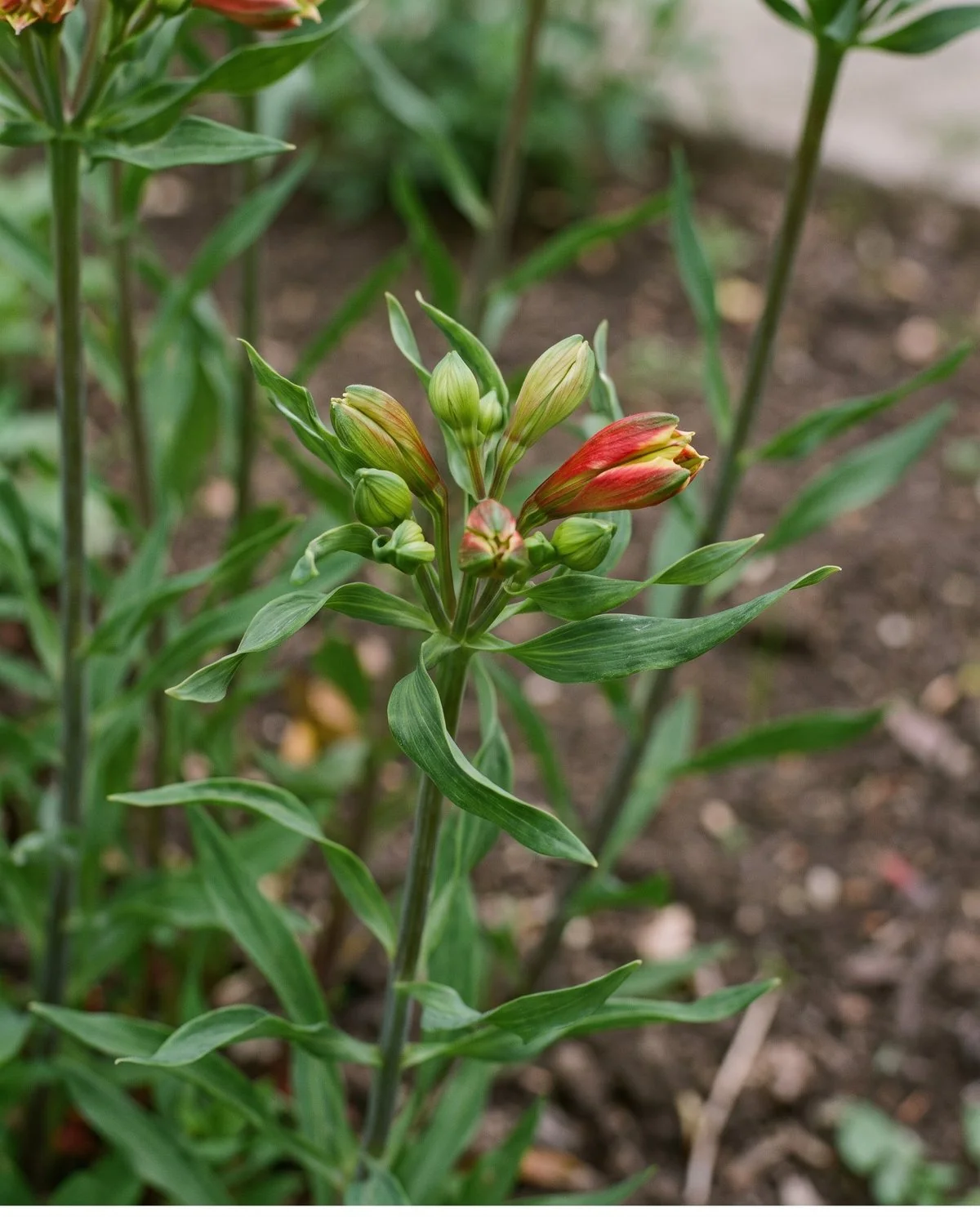
Alstroemeria pushes a mix of stems from the same rhizome clump, some vegetative only and some carrying flower buds, as part of how it grows rather than as a sign that the blank stems have gone wrong. The tell is at the tip: a flowering stem carries a developing cluster of buds at the top, a vegetative stem simply ends in leaves, and a healthy clump keeps producing both through the season.
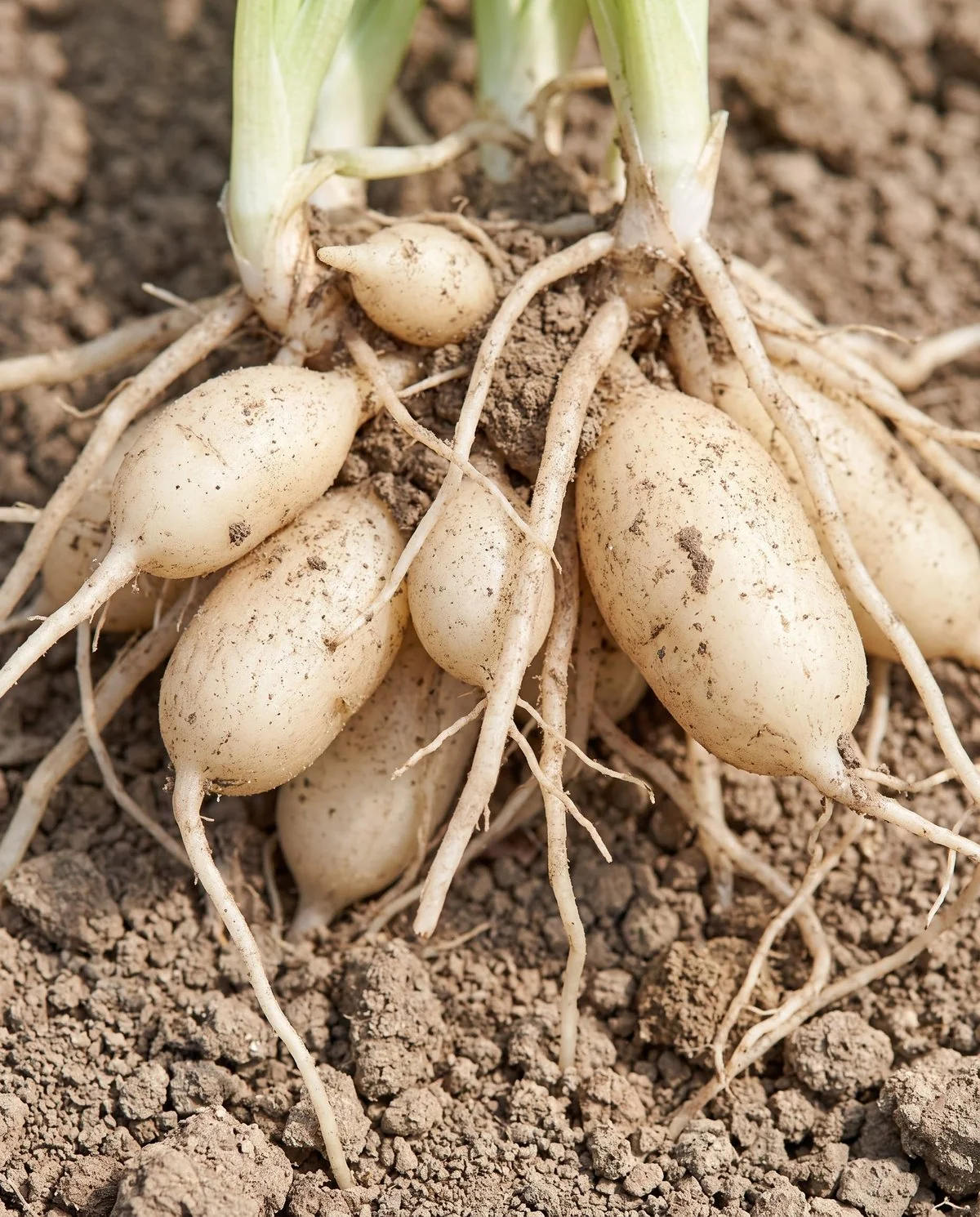
Documented Alberta research on alstroemeria root rot names two fungi behind it, Rhizoctonia solani and Pythium ultimum, and the presentation is dark brown stripes along the leaf margins, leaf chlorosis, wilting, and browning or rotting of the basal stem, the rhizome, and both the storage and the fibrous roots. General extension literature on the two fungi supplies the differentiator inside the disease: Rhizoctonia-infected roots keep their outer cortex intact even as lesions form, while Pythium-infected roots lose that outer layer, which dissolves and sloughs off, leaving blackened decay. Healthy tissue is firm, pale and fleshy, with no discoloration and no odour. The rot itself is not illustrated here, because that cortex distinction is exactly the sort of detail a generated photo could get wrong.
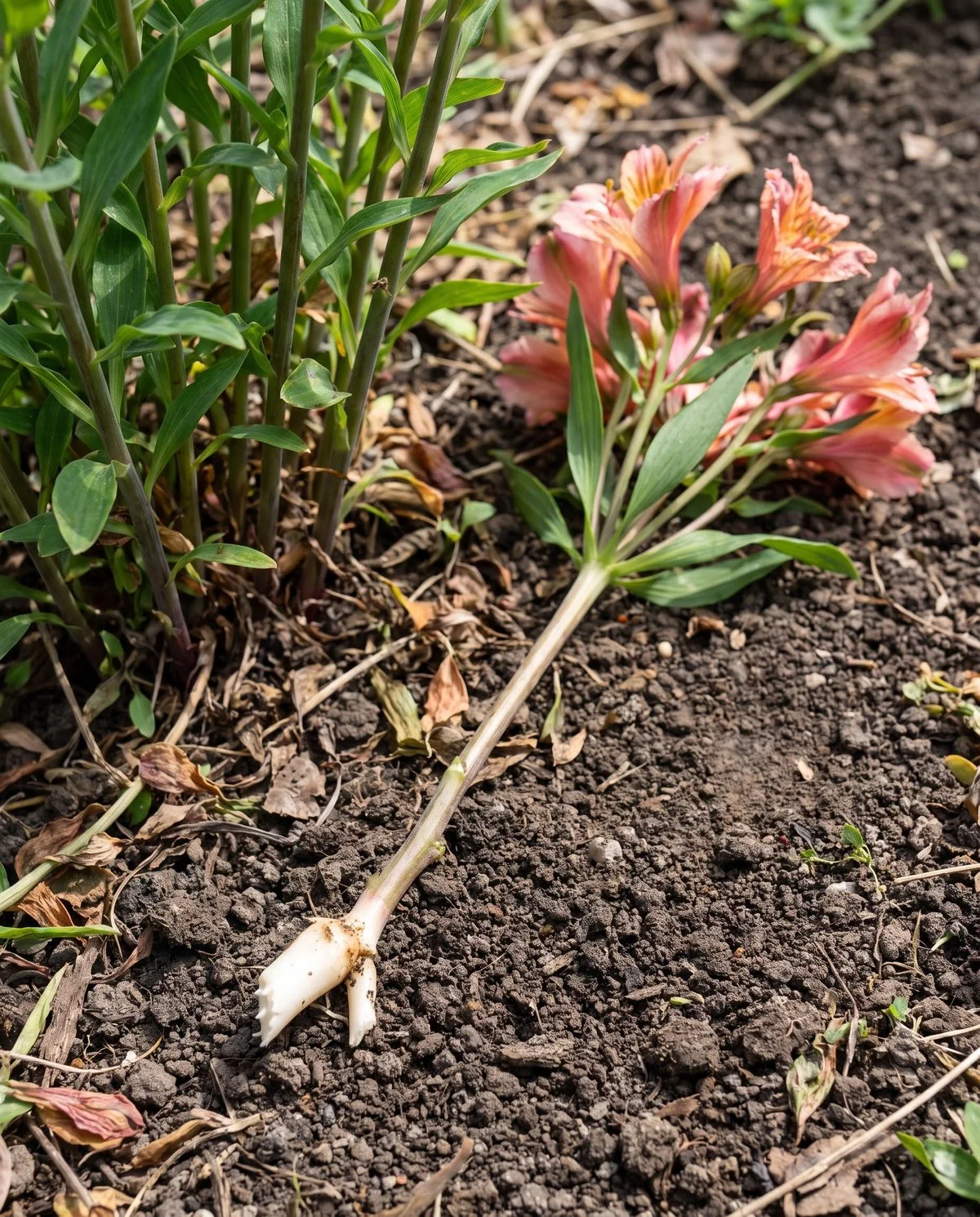
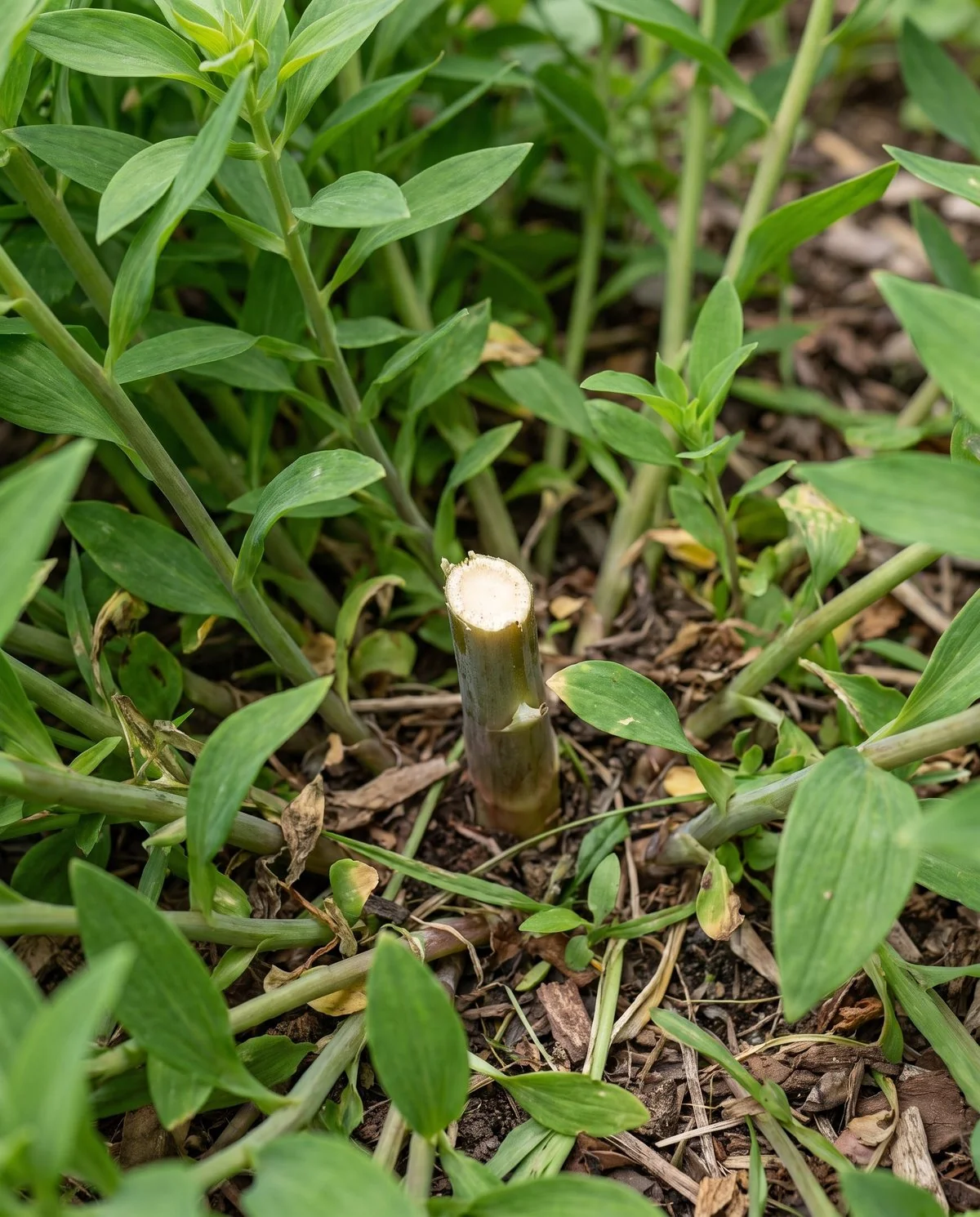
A stem pulled from the base separates cleanly from the crown and typically takes a small piece of rhizome or root tissue with it, and that is what re-invigorates the clump, stimulating new shoot production from that point. A cut stem leaves a stub instead of a clean separation, and the sourced material describes that as discouraging continued flowering from that position. The named authority is Warren Roberts, Superintendent Emeritus of the UC Davis Arboretum, quoted in the Garden Basics newsletter: pull, gently pull, and twist the stem out of the ground, because if you cut it, it discourages continual flowering.
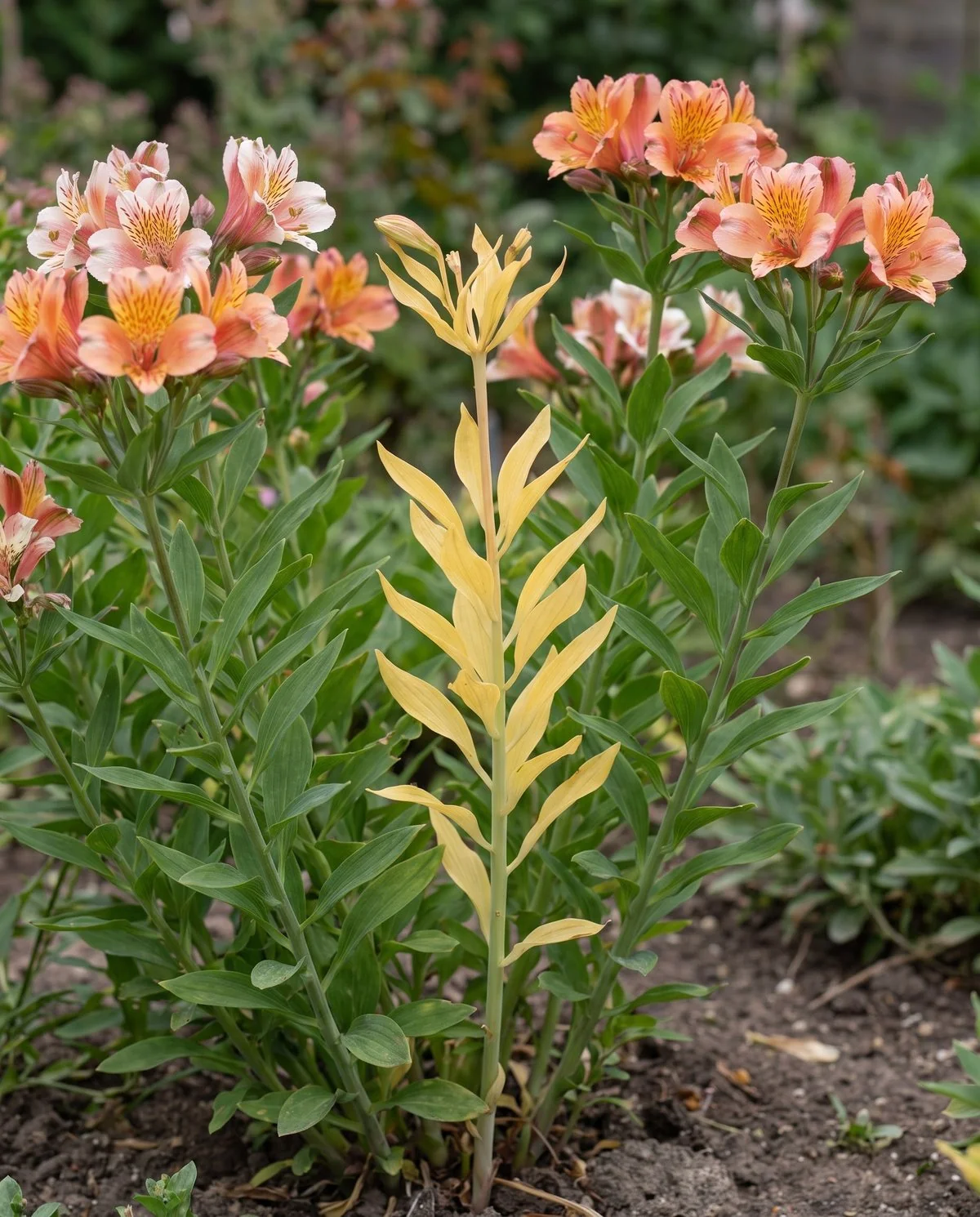
A spent stem's leaves yellow and fade together as its bloom cycle ends, with no spots, no lesions and no rotting base. The disease pattern differs on three counts: it arrives early, it is patchy, with some stems affected while their neighbours in the same clump stay fine, and it comes paired with the leaf-margin striping or the basal rot above. Evenness and timing are what separate them, and that is the same fork behind a real post describing a clump all yellowing in the middle and drooping.
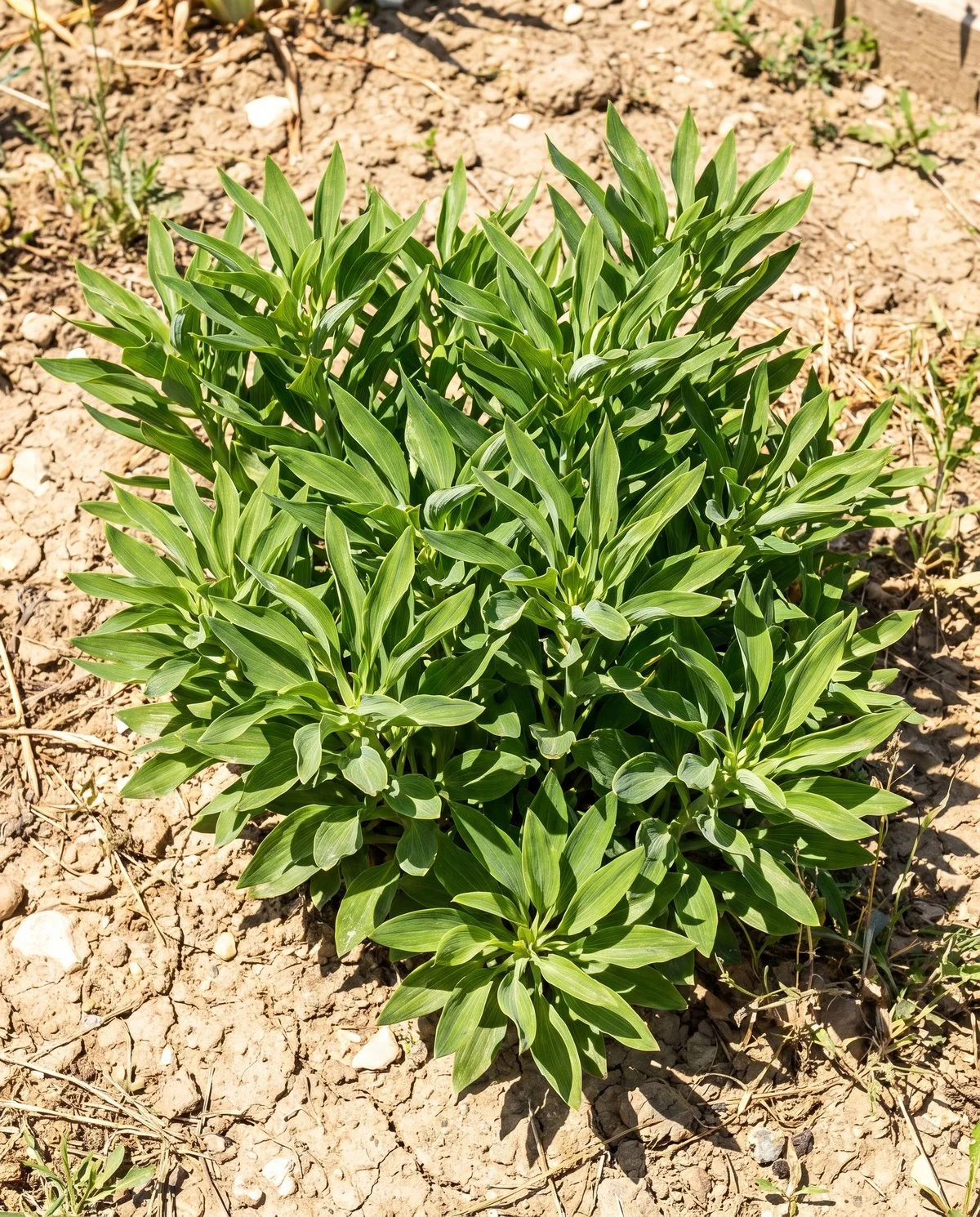
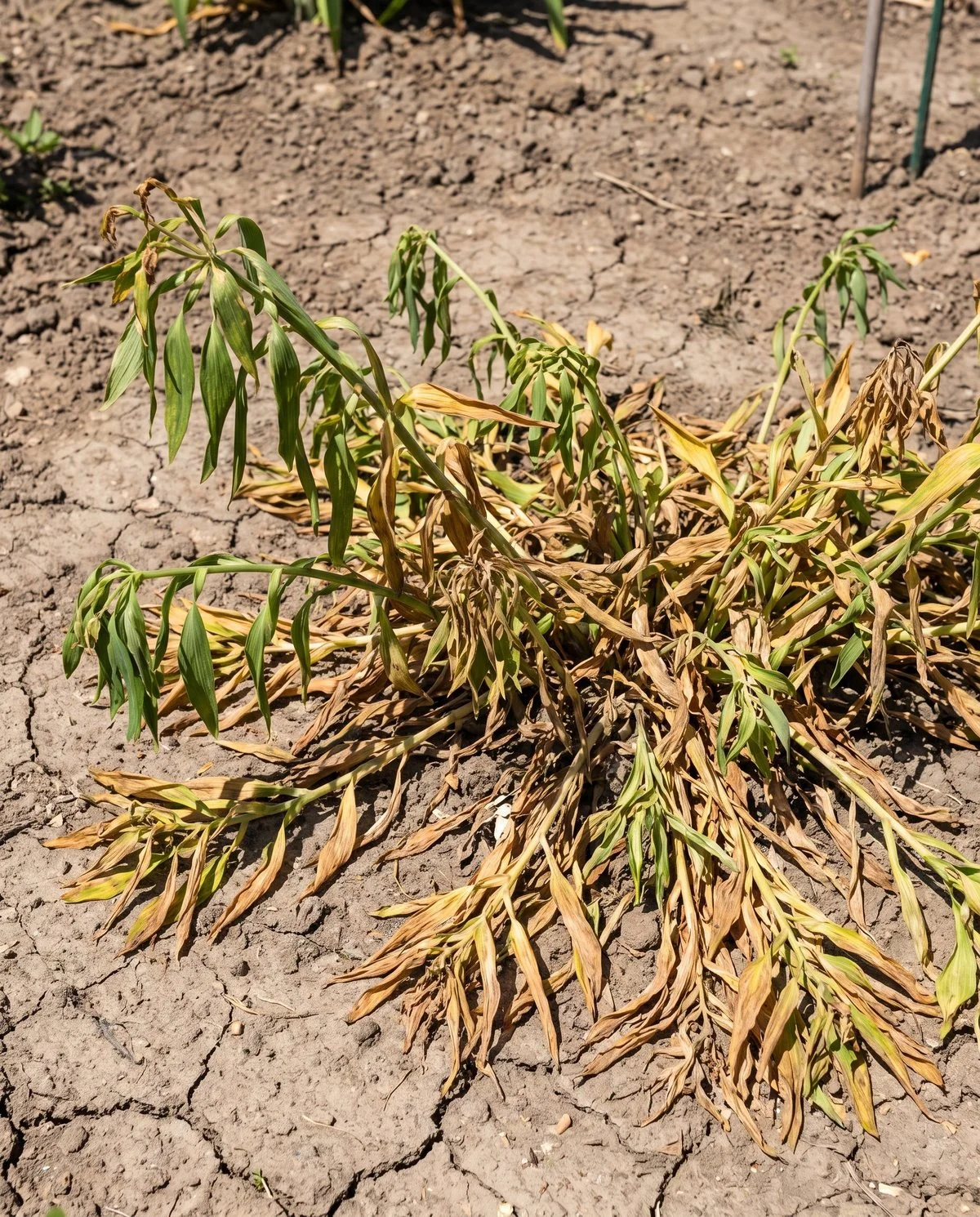
In the pause, flowering slows or stops while the foliage stays green and the plant otherwise looks healthy, and flowering resumes as fall temperatures drop. True decline shows in the foliage itself, yellowing, browning or dying back significantly through the same hot spell rather than only pausing bud production, and it often arrives with the root-rot signs above, because heat stress and overwatering-driven rot are the two things gardeners in this sample most often mistook for each other.
Flower photos
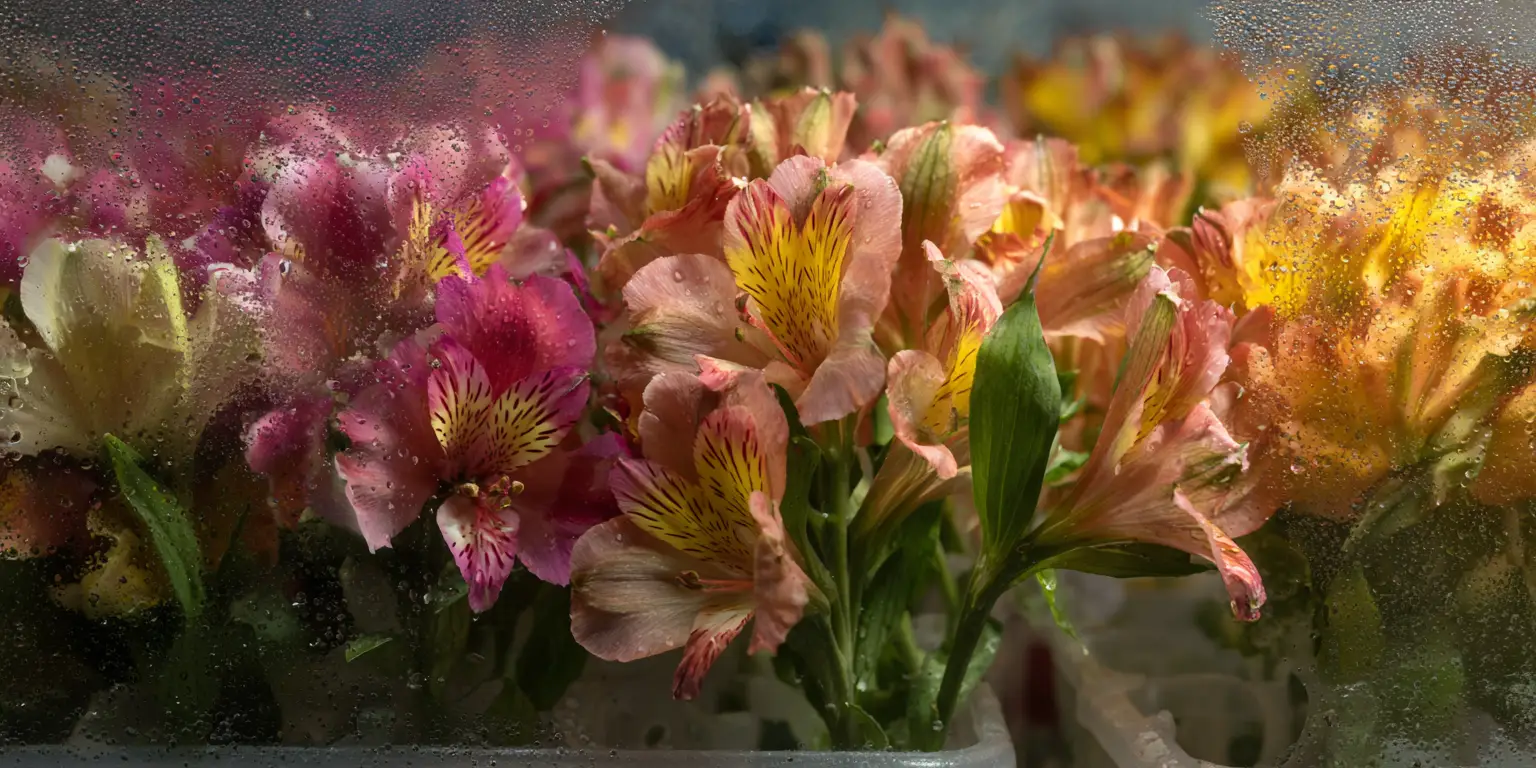
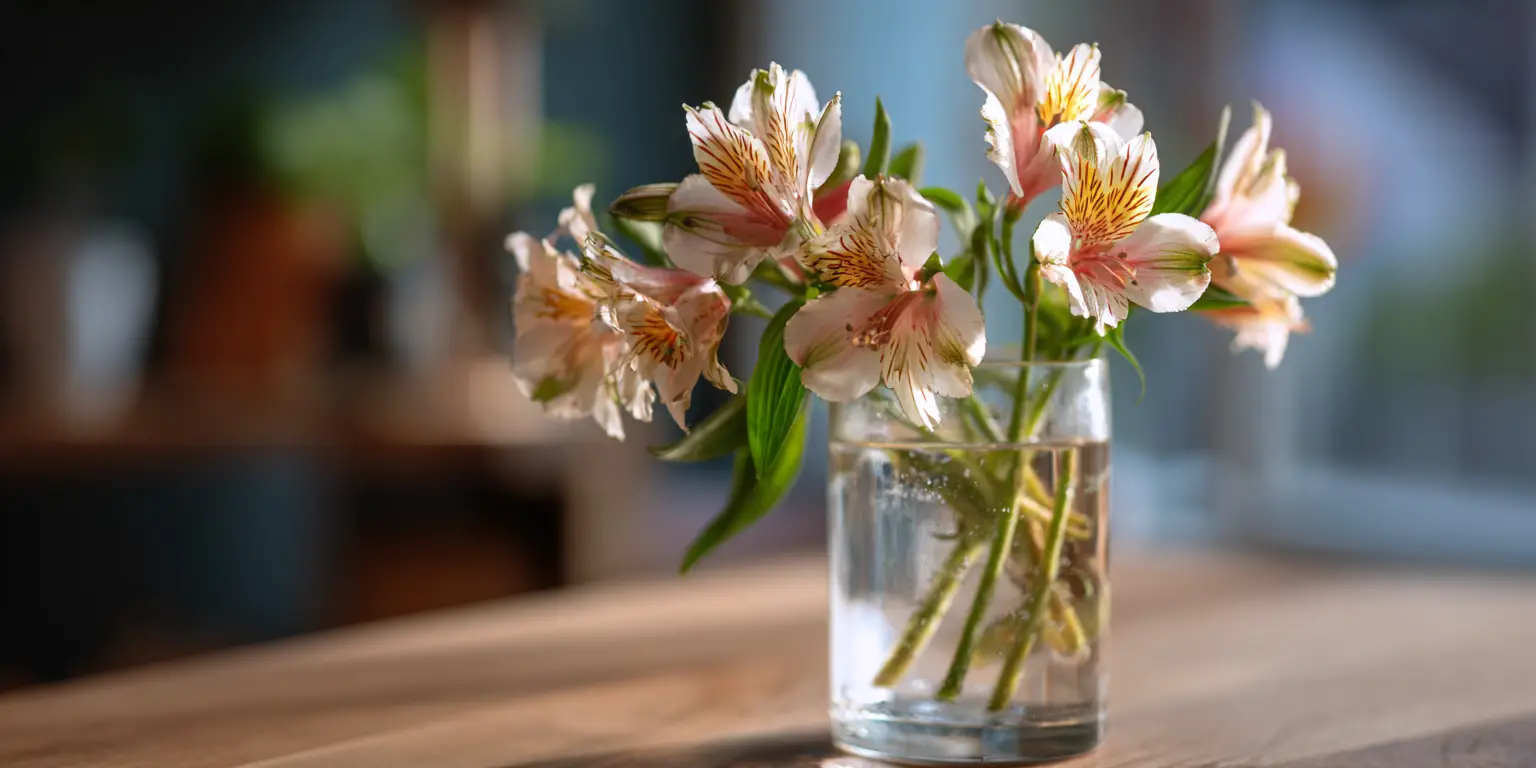
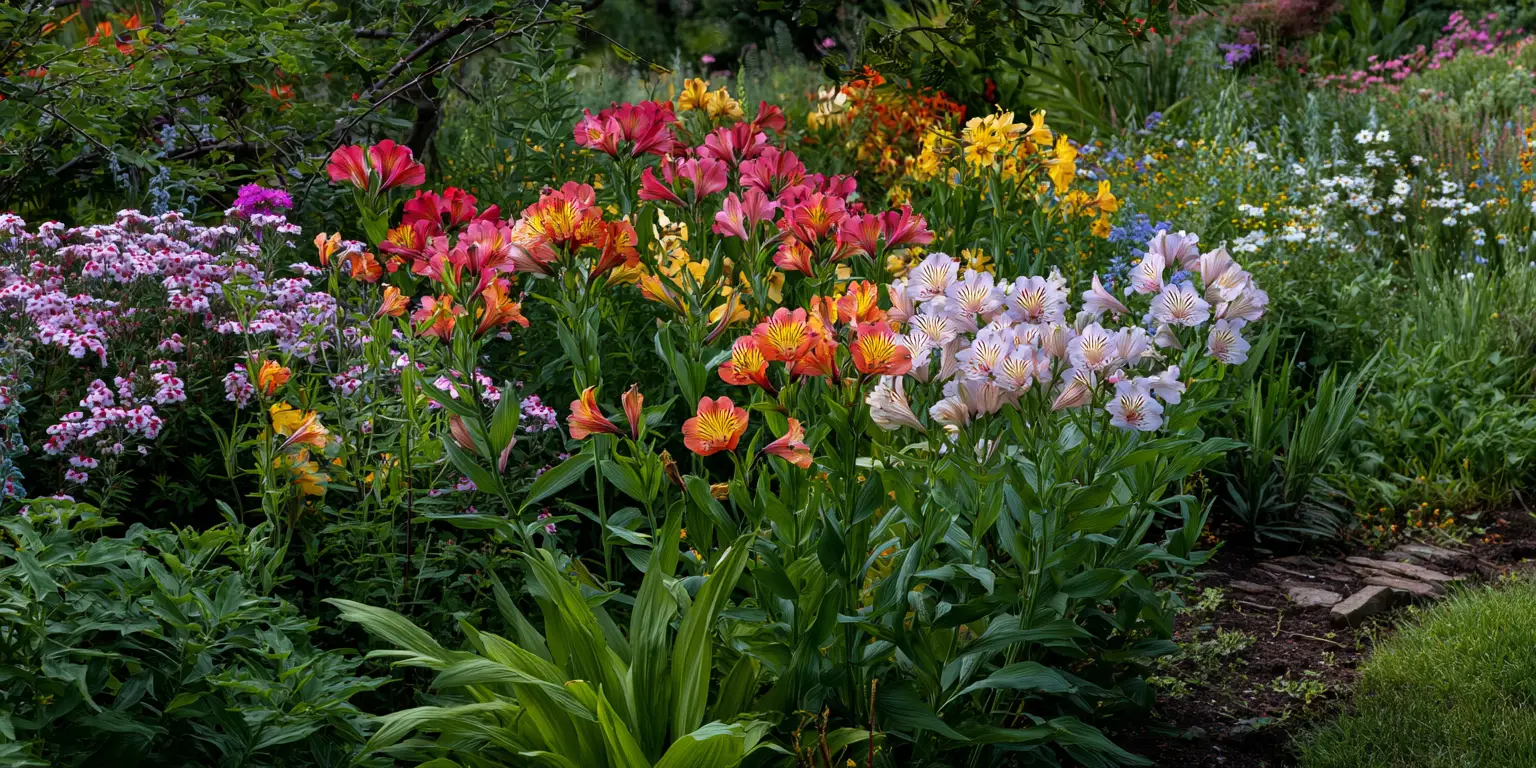
FAQ
Do Alstroemeria come back every year?
Yes, alstroemeria are perennial in regions with mild winters. In USDA Zones 7 to 10 the roots survive underground and re-sprout each spring, blooming year after year, with the heaviest flowering arriving from the second season once the clump matures. Colder zones cannot reliably overwinter the plant outdoors, so gardeners there either lift and store the roots or grow it as an annual.
Are alstroemeria safe for cats and dogs?
Yes. The ASPCA lists alstroemeria as non-toxic to cats, dogs, and horses, and because it is not a true lily it avoids the severe kidney danger true lilies pose to cats. A pet that eats a large amount may still get a mild, passing stomach upset, and the sap can irritate human skin, so keeping arrangements out of reach and washing hands after handling the stems is sensible.
Do alstroemeria spread or become invasive?
They spread slowly and stay non-invasive in most gardens. The roots multiply over time into wider clumps with more stems each year, but the growth stays close to the planting spot and self-seeding is sparse, so volunteer seedlings are rarely a nuisance. Lifting and dividing a clump every few years keeps its size in check and refreshes its bloom.
Do alstroemeria prefer sun or shade?
Full sun, around six or more hours of direct light, produces the strongest plants and the most flowers. In very hot climates a little afternoon shade reduces stress and helps each flush last, so the ideal in those regions is morning and early-afternoon sun with relief from the harshest late-day heat. Deep shade leads to few flowers and leggy, light-seeking stems.
Can I grow alstroemeria in pots?
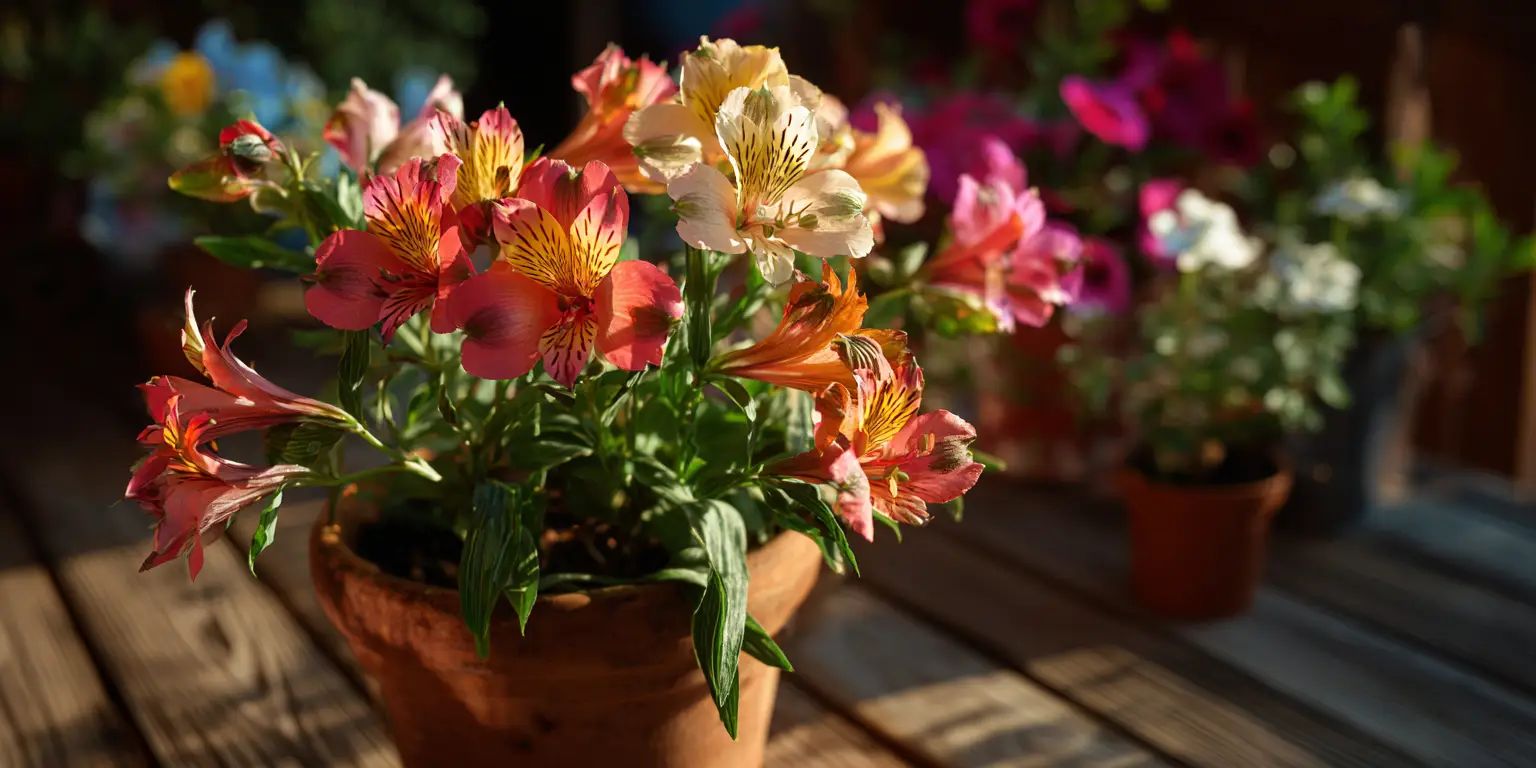
Yes, with a large container at least 12 inches deep and wide to hold the roots, drainage holes, and a quality potting mix that holds moisture while still draining. Potted plants dry out faster than garden soil and need more frequent watering, though they should never sit waterlogged. Dwarf varieties suit patios and balconies, and a pot can be moved to a frost-free spot for winter in cold regions.
Can I propagate Alstroemeria from cuttings?
No. Unlike many shrubs, alstroemeria stems will not root, so cuttings fail. The reliable method is tuber division: lift an established clump and split it into sections, each with growth buds. Seed is possible but slow and unpredictable, so most gardeners simply wait until a clump is large, then divide it.
Are alstroemeria good for weddings?
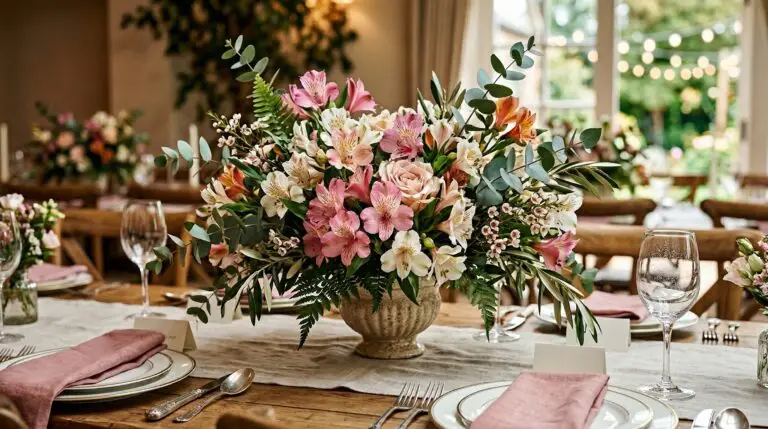
Very much so. The wide color range fits any palette from soft pastels to deep jewel tones, the long vase life keeps arrangements fresh through the day, and the lack of scent suits guests who dislike strong perfume. Florists also use alstroemeria to stretch a budget, filling out designs around focal blooms. For pulling a full palette together, the wedding flowers guide walks through how to combine them.
Do alstroemeria attract pollinators?
To a degree. The bright, nectar-bearing flowers draw bees, butterflies, and hummingbirds, with hummingbirds favoring red, orange, and pink forms. It is not the strongest pollinator magnet compared with dedicated natives, but it adds useful mid-season nectar, and planting it among other nectar-rich flowers raises the visits it gets.
Where can I get the Peruvian lilies that are tall like the ones they sell in bouquets? All the ones I have seen at local nurseries are the short kinds.
Retail nurseries stock the compact pot and garden series, Little Miss, Inticancha, Summer Paradise and their relatives, far more often than the tall hybrids, because those compact series were bred specifically for pot-culture retail sale. The tall types come from the Dutch cut-flower breeding line and move mainly through florist supply chains, so the place to look is a specialty perennial nursery or a mail-order tuber supplier rather than a big-box garden centre.
Is this alstroemeria a ground cover version? It's not growing up.
Likely yes. The compact and dwarf series are bred to stay low and spreading rather than tall and upright, and are sometimes grown and marketed as functional groundcover. If it came home unlabelled or as a budget nursery plant, checking its habit against the named compact series is the fastest way to confirm which one it is.
Why is my new Inca lily turning yellow?
Most often transplant shock in a newly acquired plant. The standard answer given to readers asking this is consistent watering and a half-strength fertilizer while the plant re-establishes, rather than assuming disease straight away. The signs that move it out of that category are patchiness, an early arrival before the stem has flowered, and a base that has started to brown or rot.
Alstroemeria has died down to nothing. Is it gone?
Not necessarily. It is a genuine perennial in its hardy range and can die back significantly between bloom cycles, but a complete collapse to nothing is more often overwatering-driven rot than the plant's normal rhythm. The check settles it: a tuber that is mushy or blackened needs replacing, and a tuber still firm needs patience through the next growth cycle.
Why does mine have lots of healthy green growth but no flowers?
The consumer-source consensus fix is less nitrogen and more phosphorus, with bone meal commonly suggested, on the reasoning that excess nitrogen favours leaf growth over bloom. The honest part is the sourcing: no extension or university source addressing alstroemeria's non-flowering causes was found in this research, and no equivalent extension ticket for this plant exists to borrow from, so that fix is retail consensus rather than an institutional finding.
Interesting tips
Patience pays in the first year, because alstroemeria spends that first season building roots and flowers little before the dramatic increase arrives in year two once the tubers are established. The pull-don’t-cut habit is worth repeating at harvest time for a reason beyond bloom count: pulled stems come away longer and cleaner than snipped ones, which gives a better cut flower as well as more of them. If growth slows and foliage yellows in peak summer heat, there is no need to panic, since some varieties go semi-dormant as protection and bounce back when nights cool, so keeping the soil lightly moist and trimming spent foliage carries them through. For season-long color, pair it with earlier bloomers such as lilacs that flower before it peaks, and let alstroemeria carry the summer show.
Related Guides & Flowers
Lily (Lilium)
classic lily look for comparison with Peruvian lily.
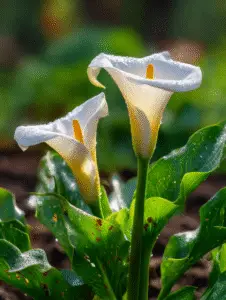
Calla Lily
elegant stems used widely in bouquets.
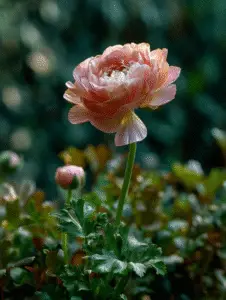
Ranunculus
ruffled spring cut flower with long vase life.
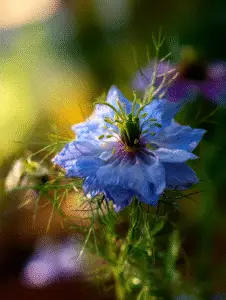
Love-in-a-Mist (Nigella)
light, lacy cut flower and seed pods for texture.
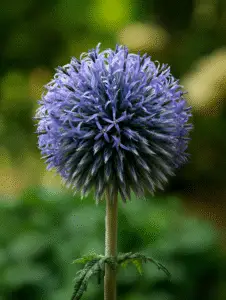
Globe Thistle (Echinops)
sculptural, long-lasting spheres for modern bouquets.
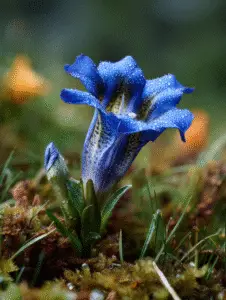
Gentian
saturated blues for cool-tone palettes.
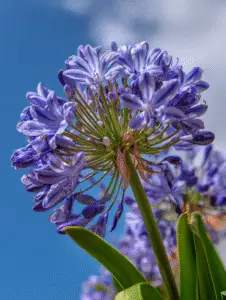
Agapanthus
umbels of blue or white that echo Alstroemeria’s clustered effect.
References
Enjoying our flower guides? Add YourFlowersGuide as a preferred source on Google. It helps more readers find us.
Add to Preferred Sources