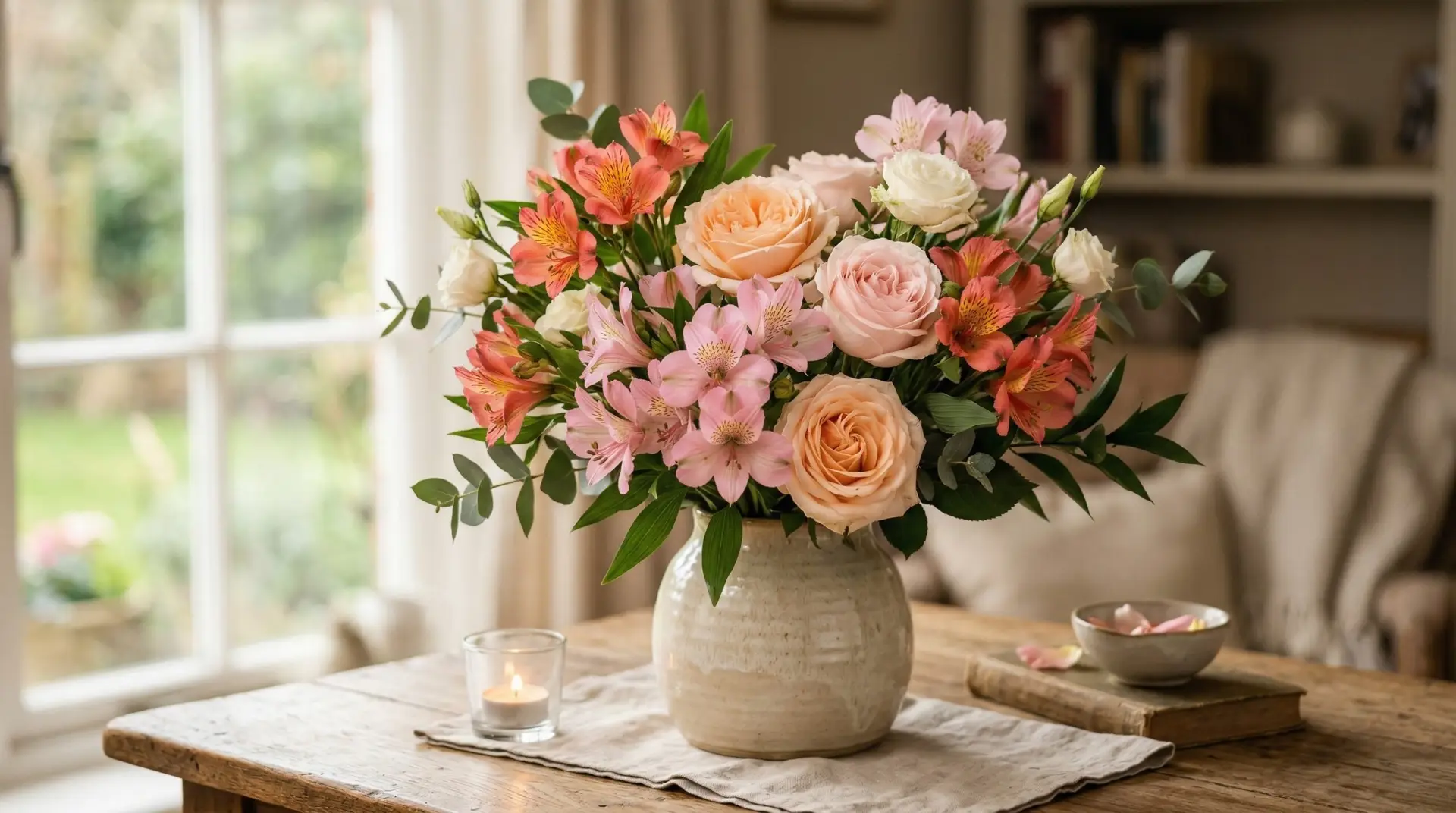
A ceramic pitcher sits on a wooden table, catching the early morning light. Inside, the speckled throats of Peruvian lilies, known botanically as alstroemeria, open wide to reveal their delicate markings. These blossoms have a quiet endurance that outlasts almost everything else in the cutting garden. Their stems are crisp and easy to handle, slipping effortlessly into the water. Most gardeners discover that the true magic of these flowers lies in their varied, watercolor hues. They offer a painterly palette that ranges from soft peach to deep magenta. Understanding how to mix these colors transforms a simple bunch of stems into a thoughtful composition.
The secret to working with these blooms is recognizing their dual nature. Each petal carries a base color, while the inner petals wear contrasting dashes and flecks. This internal contrast gives you a natural starting point for building a broader arrangement. You can pull the dark burgundy from the throat of a pale pink bloom and match it to a darker companion flower. This method creates a visual bridge that ties the entire vase together.
Contents 4 sections
Building warmth with sunset shades
When the goal is capturing the feeling of late afternoon sun, the warm spectrum of alstroemeria offers endless possibilities. Salmon, coral, and golden yellow varieties create a glowing base for an arrangement. These shades pair beautifully with the classic, heavy-petaled structure of a traditional rose. The dense, velvety texture of the rose petals contrasts sharply with the papery, almost translucent quality of the alstroemeria. To build a cohesive look, choose a pale apricot alstroemeria to surround a deeply colored orange or red focal flower. The smaller blooms are a soft cushion, filling the empty spaces without competing for attention. The result is a rich, layered look that feels both abundant and intentional.
You can push this warm palette further by introducing bolder, more saturated tones. Mixing bright yellow alstroemeria with a cheerful, open-faced gerbera daisy brings a sense of casual energy to the design. The flat, wide disk of the daisy provides a solid block of color that grounds the fluttering, speckled petals surrounding it. This combination works exceptionally well in simple glass cylinders where the clean stems remain visible. The contrast in bloom shapes keeps the eye moving throughout the arrangement.
Exploring cool tones and crisp contrasts
Moving away from the heat of the sunset, the cooler side of the alstroemeria family provides a completely different mood. Crisp whites, pale lavenders, and deep, bruised purples offer a sophisticated, muted elegance. White varieties often feature striking green tips or dark brown inner markings, making them far from plain. These subtle details allow them to blend seamlessly with varied foliage, including silvery dusty miller and glossy camellia leaves. Surrounding a cluster of dark purple blooms with bright, lime-green lady’s mantle creates a sharp, modern contrast. The green foliage amplifies the depth of the purple, making the dark petals appear almost black in certain lighting. This approach relies on stark differences rather than gentle blending to make an impact.
Soft pink and lilac varieties require a gentler touch to prevent them from looking washed out. Pairing these pastel shades with silver or blue-toned greenery creates a frosty, delicate aesthetic. You can mix pale pink alstroemeria with sprigs of eucalyptus, allowing the dusty blue leaves to weave between the blooms. The rounded leaves of the foliage soften the pointed, star-like shape of the flowers. This creates a quiet, restful composition suited for a bedroom or a shaded porch table.
Balancing scale with statement flowers
Alstroemeria stems naturally branch out, producing multiple small blooms that form a loose canopy of color. This branching habit makes them ideal companions for large, commanding focal flowers that might otherwise look stiff or isolated. When paired with a large lily, the smaller blooms fill the awkward gaps between the massive, trumpet-shaped petals. The visual relationship between the two is harmonious because they share a similar botanical lineage and petal structure. A white oriental lily surrounded by pale yellow or green-tinged alstroemeria creates a lush, monochromatic display. The smaller flowers soften the rigid, upright posture of the larger stems, giving the arrangement a relaxed, garden-gathered appearance. The overall effect is one of effortless abundance.
Achieving this balance requires careful attention to the height and placement of each stem. The larger focal flowers should sit slightly lower in the vase, anchoring the design near the rim. The branching alstroemeria stems can then reach slightly higher, creating a dome of color that arcs over the heavier blooms. This staggered placement allows light to pass through the thinner petals, illuminating their internal markings. It gives the arrangement a sense of airiness and movement, preventing it from looking like a dense, solid block of color.
Adapting palettes for changing seasons
The availability of these flowers year-round makes them a reliable staple, but the way you mix their colors should shift as the seasons change. Spring arrangements call for fresh, awakening tones like crisp white, pale yellow, and soft pink, mixed with bright green maidenhair fern. As the heat of summer arrives, the palette can handle more intensity, welcoming hot magentas and fiery oranges paired with wild, foraging grasses. Autumn demands a shift toward earthy, grounded hues, where bronze and deep burgundy alstroemeria mix with dried seed pods and turning leaves. The speckled throats of the darker varieties echo the mottled patterns of fall foliage perfectly. Winter arrangements often benefit from a return to simplicity, using pure white blooms massed together with dark pine branches and red berries. Adapting the accompanying elements keeps the familiar flower feeling appropriate for the moment.
The true joy of arranging these resilient flowers comes from the quiet moments spent at the sink, stripping leaves and testing color combinations. You learn to read the subtle shifts in hue, noticing how a pale pink petal looks different next to a deep red rose compared to a white daisy. The process is a slow, tactile meditation on color and form. You place the final stem, step back, and watch as the individual flowers lose themselves in the collective shape of the arrangement. The vase sits on the table, holding a small, quiet reflection of the garden inside the house.
More About Alstroemeria
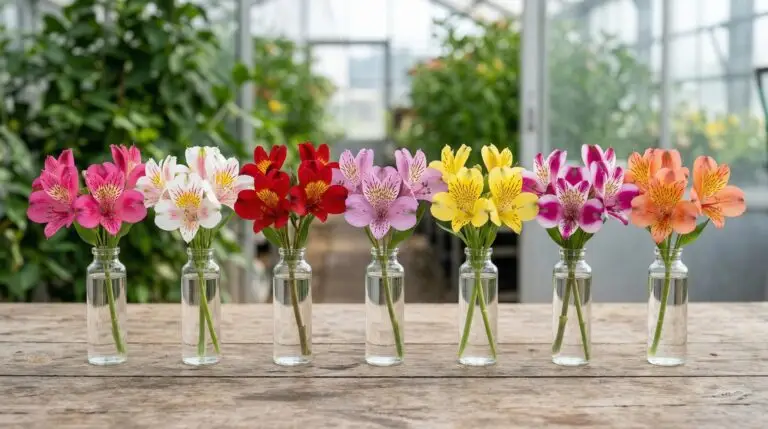
Best alstroemeria varieties for cutting gardens that bloom all summer long
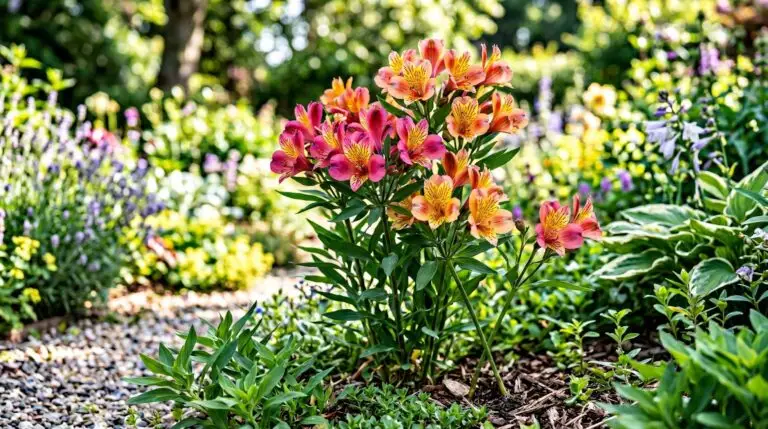
How to make alstroemeria last longer in a vase than almost any other cut flower
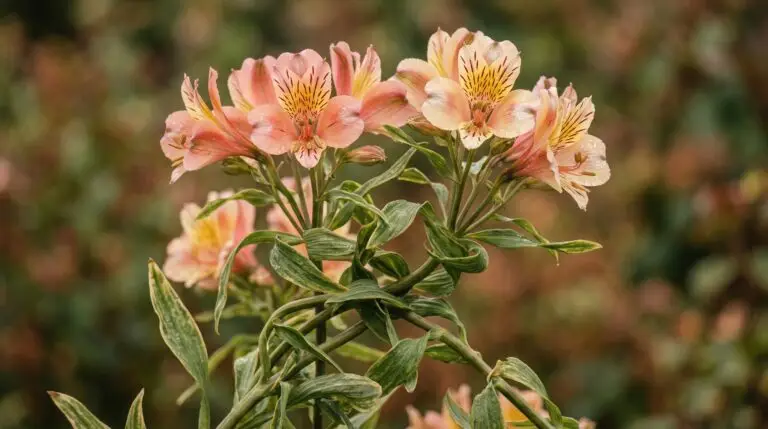
Alstroemeria flower meaning and why it is the perfect friendship bouquet
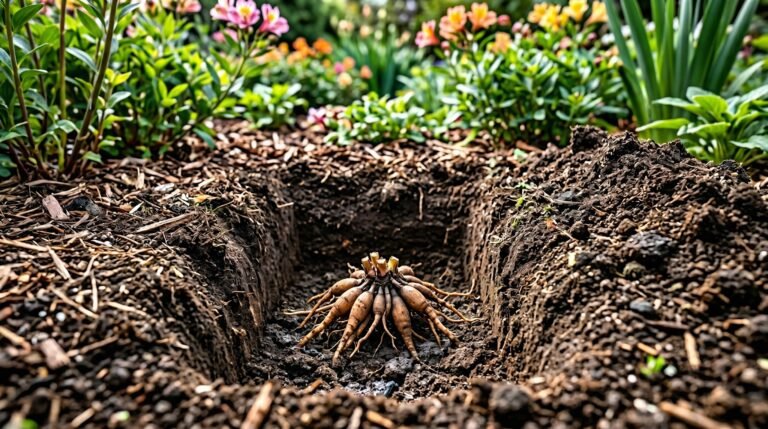
Growing alstroemeria from tubers in your garden for endless summer blooms
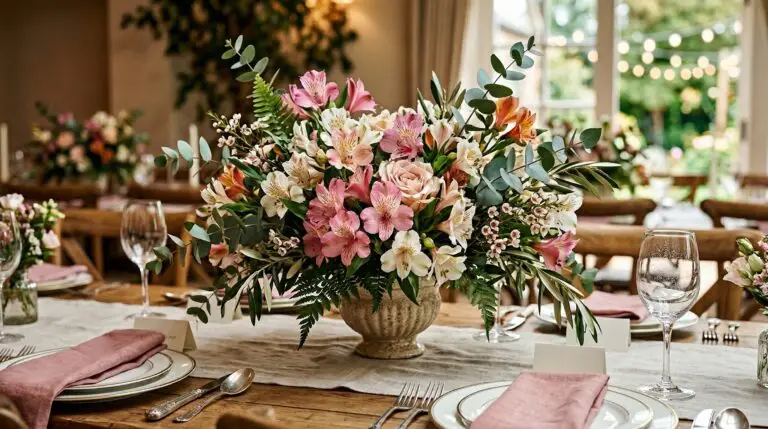
Alstroemeria wedding flowers and why florists love working with them
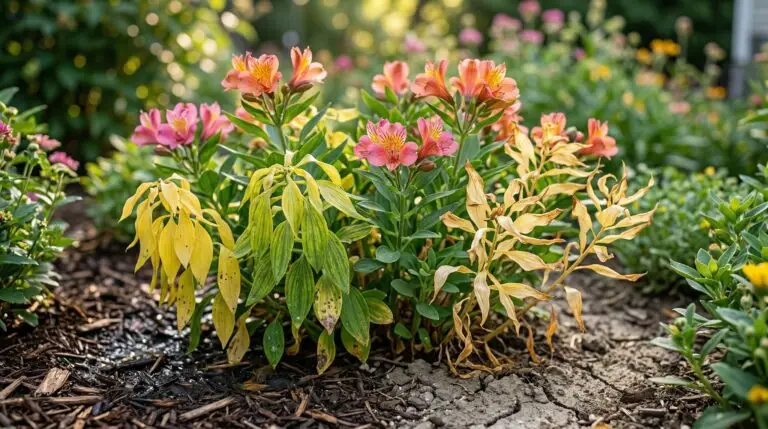
Why alstroemeria leaves turn yellow and how to bring your plant back to health
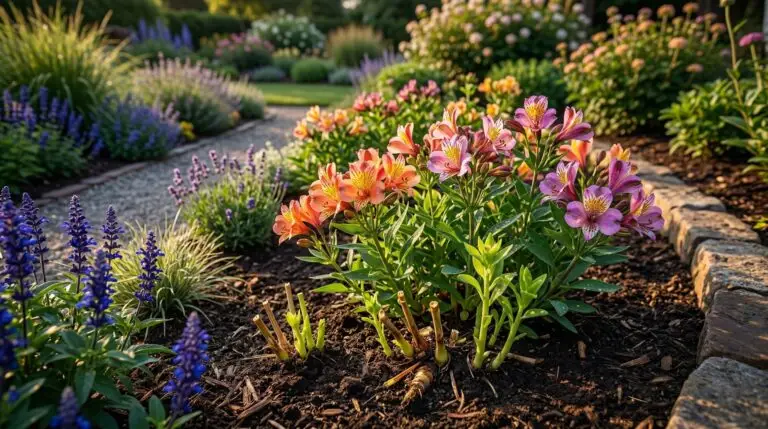
How to deadhead and pull alstroemeria stems the right way for more flowers
How to grow alstroemeria in containers on a balcony or small patio
Alstroemeria companions: what to grow and what to avoid
Enjoying our flower guides? Add YourFlowersGuide as a preferred source on Google. It helps more readers find us.
Add to Preferred Sources