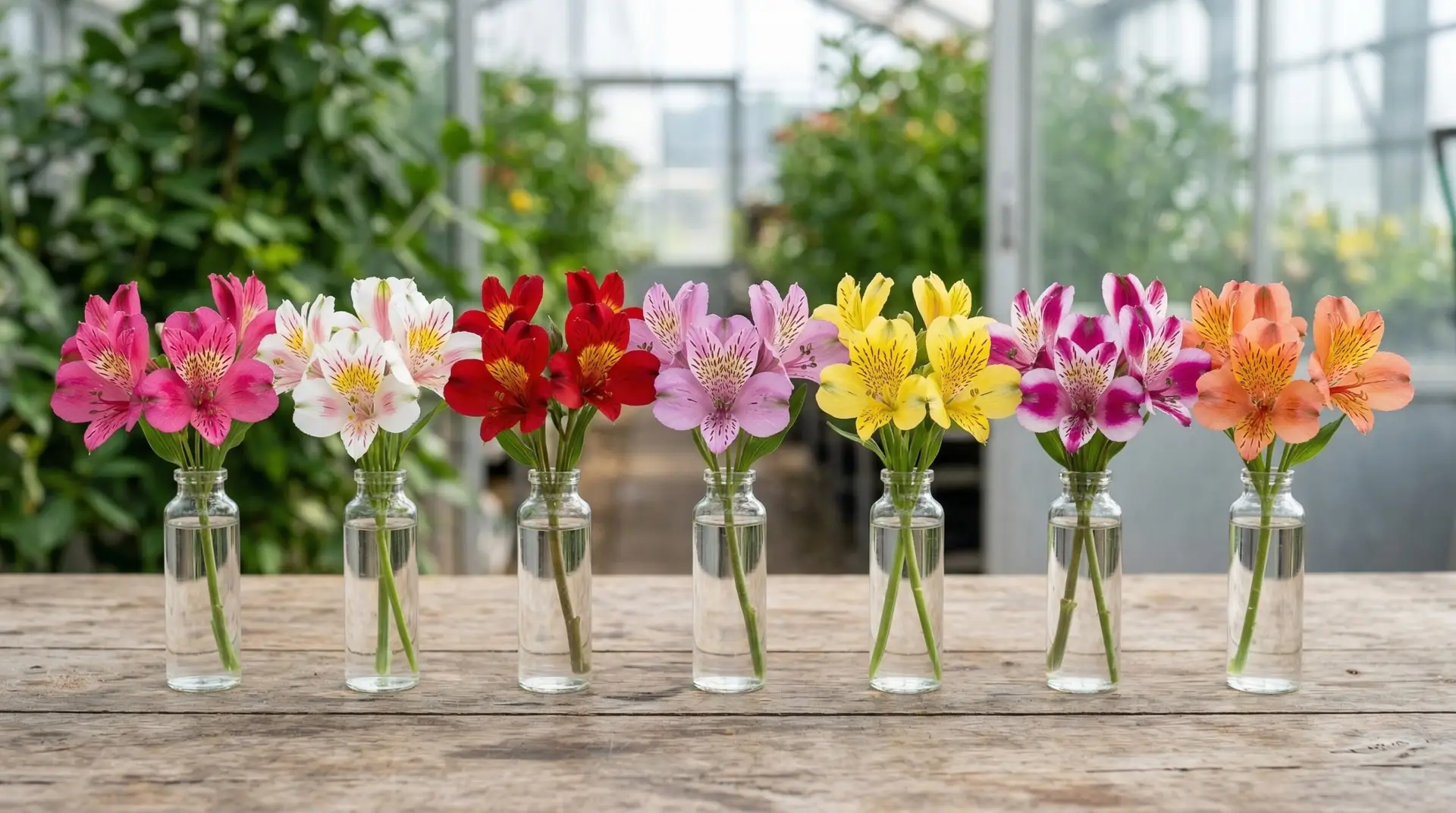
When evaluating flowers for a dedicated cutting space, gardeners often overlook alstroemeria because of its persistent association with inexpensive supermarket bouquets. This reputation obscures the reality that growing the right alstroemeria cultivars in your own soil produces stems of exceptional quality and longevity. The secret to success lies entirely in variety selection, as the market is flooded with dwarf plants bred for front-porch containers rather than floral design. A true cutting alstroemeria needs stems reaching at least twenty-four inches, a trait that eliminates more than half the plants sold at local nurseries. By focusing exclusively on tall, continuous-blooming varieties, you can secure a reliable source of cut flowers that will reliably produce from early summer straight through the first frost. Evaluating the best alstroemeria varieties requires looking past the garden center displays and seeking out genetics meant for the vase.
Contents 4 sections
Navigating the commercial series
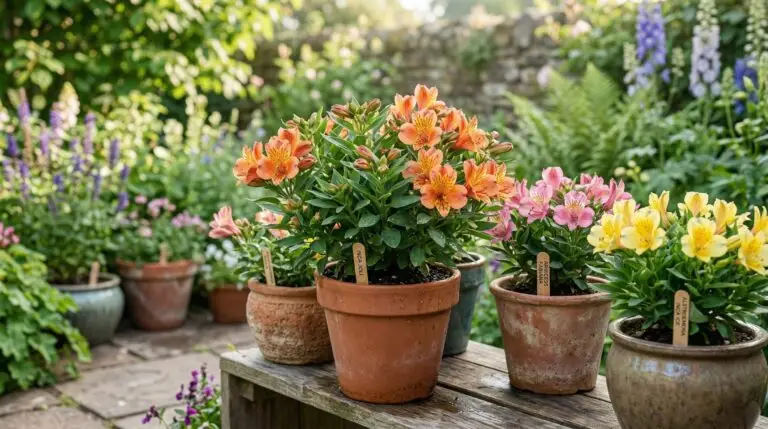
The nursery trade organizes most alstroemeria into branded series, which makes navigating the options predictable once you understand the breeding goals behind them. Many retail garden centers heavily stock the Princess series and the Colorita series because their compact, mounding habits look highly appealing in a plastic nursery pot. While these dwarf plants perform adequately in patio containers, their rigid eight-inch stems make them entirely useless for a cutting garden. If you want to build arrangements with standard vertical elements like a snapdragon, you need stems that can anchor a vase. Cut flower growers must bypass these dwarf introductions entirely and seek out the older, taller genetics that prioritize stem length over a tidy garden profile. Spending money on short container varieties is the most common mistake new cut flower growers make with this plant.
The Inca series is a middle ground that warrants careful consideration, though it requires selective purchasing. Breeders developed the Inca line to offer better disease resistance and a slightly more relaxed habit than the ultra-dwarf container plants. Some Inca varieties max out at sixteen inches, which limits their use to small bedside pitchers, while others stretch to twenty-four inches under optimal growing conditions. ‘Inca Ice’ is one of the few in this series worth planting for cut flowers, offering pale yellow petals flushed with soft pink and heavy burgundy speckling. It is an excellent bridge color in floral design, softening the transition between bright primary colors while producing stems just long enough for medium arrangements.
The case for dark foliage
When selecting plants for a cutting garden, the foliage often matters just as much as the petals. Most alstroemeria for cutting have standard medium-green leaves that tend to yellow quickly in the vase, requiring careful stripping before arranging. Breeders recently introduced several cultivars with deep bronze or purple-black foliage that solves this aesthetic problem while adding significant visual interest to the garden bed. These dark-leaved varieties tend to be vigorous growers that produce exceptionally long, sturdy stems reaching up to thirty-six inches tall. The contrast between the dark leaves and the bright blooms creates a ready-made floral arrangement on a single stem, reducing the need for additional filler greens in the vase.
Among these dark-leaved options, ‘Indian Summer’ is a superior choice for both garden performance and cut flower production. The plant pushes up thick, mahogany-colored stems topped with flowers in saturated shades of copper, orange, and golden yellow. Unlike older varieties that produce a single heavy flush of blooms in June and then shut down, ‘Indian Summer’ consistently generates new shoots from its underground rhizomes all season long. This aggressive renewal means you can harvest stems heavily in July and still have plenty of material to pair with a late-season dahlia in September. The dark foliage also holds its color well in water, remaining crisp and attractive long after standard green alstroemeria leaves degrade.
Prioritizing clear colors and stem length
The defining characteristic of a classic alstroemeria flower is the heavy, contrasting speckling on its inner petals. While these markings add detail when viewed up close, heavy speckling can make the flowers look muddy or visually confusing from a distance. For high-end floral design, varieties with clearer, less interrupted colors often prove more useful. ‘Apollo’ is an excellent example of a tall, clean-colored variety that produces pure white blooms with only the faintest suggestion of yellow and minimal brown spotting. White flowers are essential for cutting gardens, and ‘Apollo’ provides a cool, luminous presence that pairs beautifully with almost any other flower, from early summer roses to midsummer zinnia plantings.
Another older but highly reliable option for serious cutting is the Ligtu hybrid strain. Unlike the vegetatively propagated named cultivars, Ligtu hybrids are often grown from seed and offer an element of unpredictability in their color range. They generally produce massive, branching flower heads on stems that easily reach four feet tall, making them the undisputed champions of height in the alstroemeria world. The colors lean heavily toward soft pastels, including salmon, peach, pale pink, and cream, which blend effortlessly into romantic floral designs. While they take longer to establish than potted nursery plants, a mature clump of Ligtu hybrids will yield dozens of premium, florist-grade stems every week throughout the summer.
For growers who prefer solid, saturated colors over pastels, the Majestic series offers several outstanding cultivars bred specifically for tall stems and large flower heads. ‘Majestic Henri’ is particularly notable for its deep, velvety red petals that resist fading even under intense July sunlight. These plants consistently push stems over three feet tall, yielding lateral branches that can be separated into smaller boutonnieres or used whole in massive urn arrangements. The thick stems of the Majestic varieties are highly resistant to wind damage, a common problem for tall alstroemeria grown in open field conditions. Planting a red or deep purple cultivar from this series provides the deep, grounding colors needed to anchor bright summer bouquets.
The final selection
To maximize the vase life and continuous production of any tall alstroemeria, the method of harvest is just as critical as the variety chosen. Cut flower growers should never actually cut alstroemeria stems with shears or a knife. Instead, you must grasp the stem low to the ground and pull it cleanly away from the crown with a firm, twisting motion. This pulling action removes the entire stem from the underground rhizome and stimulates the plant’s basal meristem to immediately produce a replacement shoot. Varieties that respond best to this pulling technique are the vigorous, tall-growing types, which is another reason to strictly avoid the compact bedding plants.
If you have space for only one alstroemeria in your cutting garden, ‘Indian Summer’ remains the most compelling and productive choice available today. It perfectly bridges the gap between reliable garden performance and professional-grade cut flower production. The thirty-inch stems provide the necessary height for large arrangements, while the dark bronze foliage eliminates the need for supplementary greenery. Most importantly, its exceptional vigor ensures a continuous supply of copper and gold blooms from the first warm days of June until the autumn frosts arrive. By choosing this specific cultivar over the generic dwarf plants sold at most garden centers, you elevate the alstroemeria from a common filler flower to a premium focal point in your homegrown arrangements.
More About Alstroemeria
How to make alstroemeria last longer in a vase than almost any other cut flower
Alstroemeria flower meaning and why it is the perfect friendship bouquet
Stunning alstroemeria color combinations for mixed flower arrangements
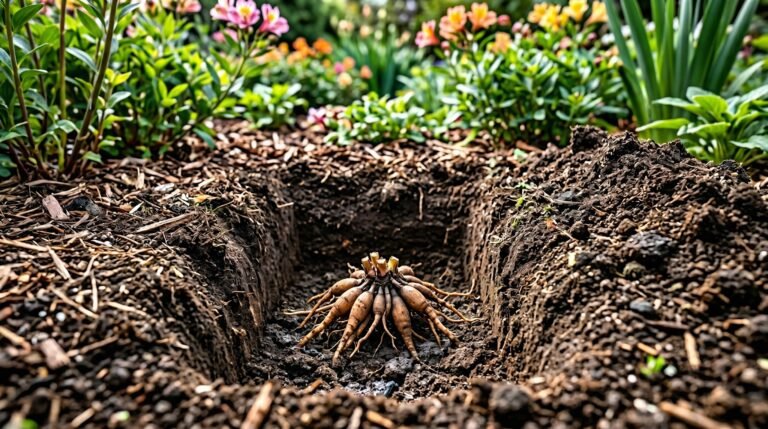
Growing alstroemeria from tubers in your garden for endless summer blooms
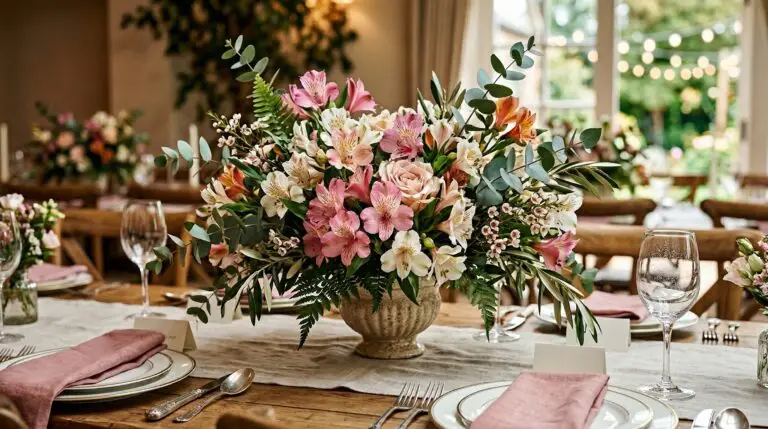
Alstroemeria wedding flowers and why florists love working with them
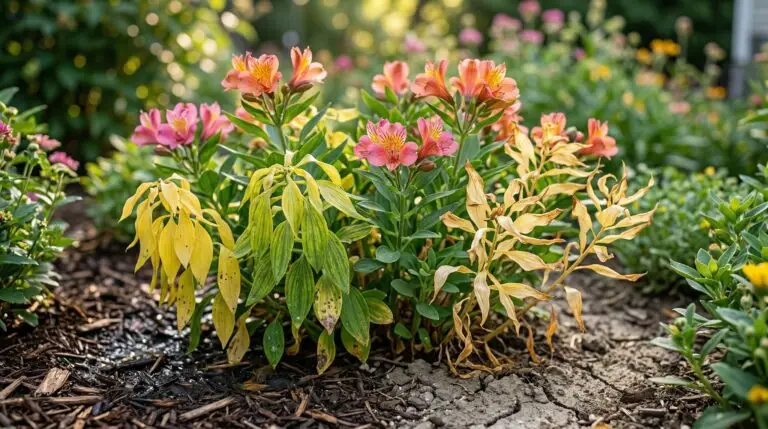
Why alstroemeria leaves turn yellow and how to bring your plant back to health
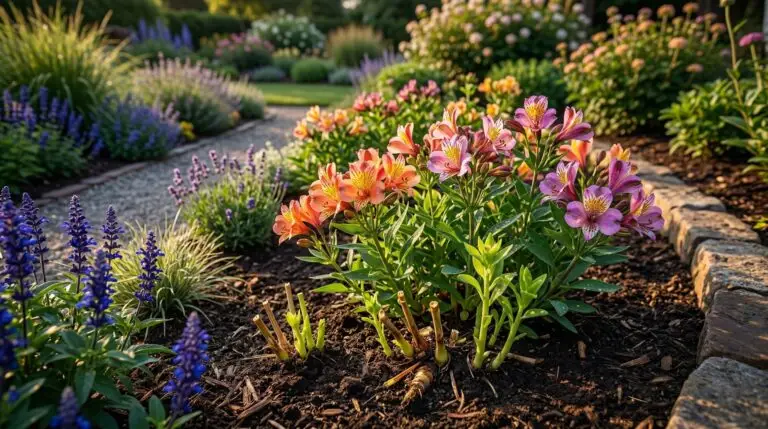
How to deadhead and pull alstroemeria stems the right way for more flowers
How to grow alstroemeria in containers on a balcony or small patio
Alstroemeria companions: what to grow and what to avoid
Enjoying our flower guides? Add YourFlowersGuide as a preferred source on Google. It helps more readers find us.
Add to Preferred Sources