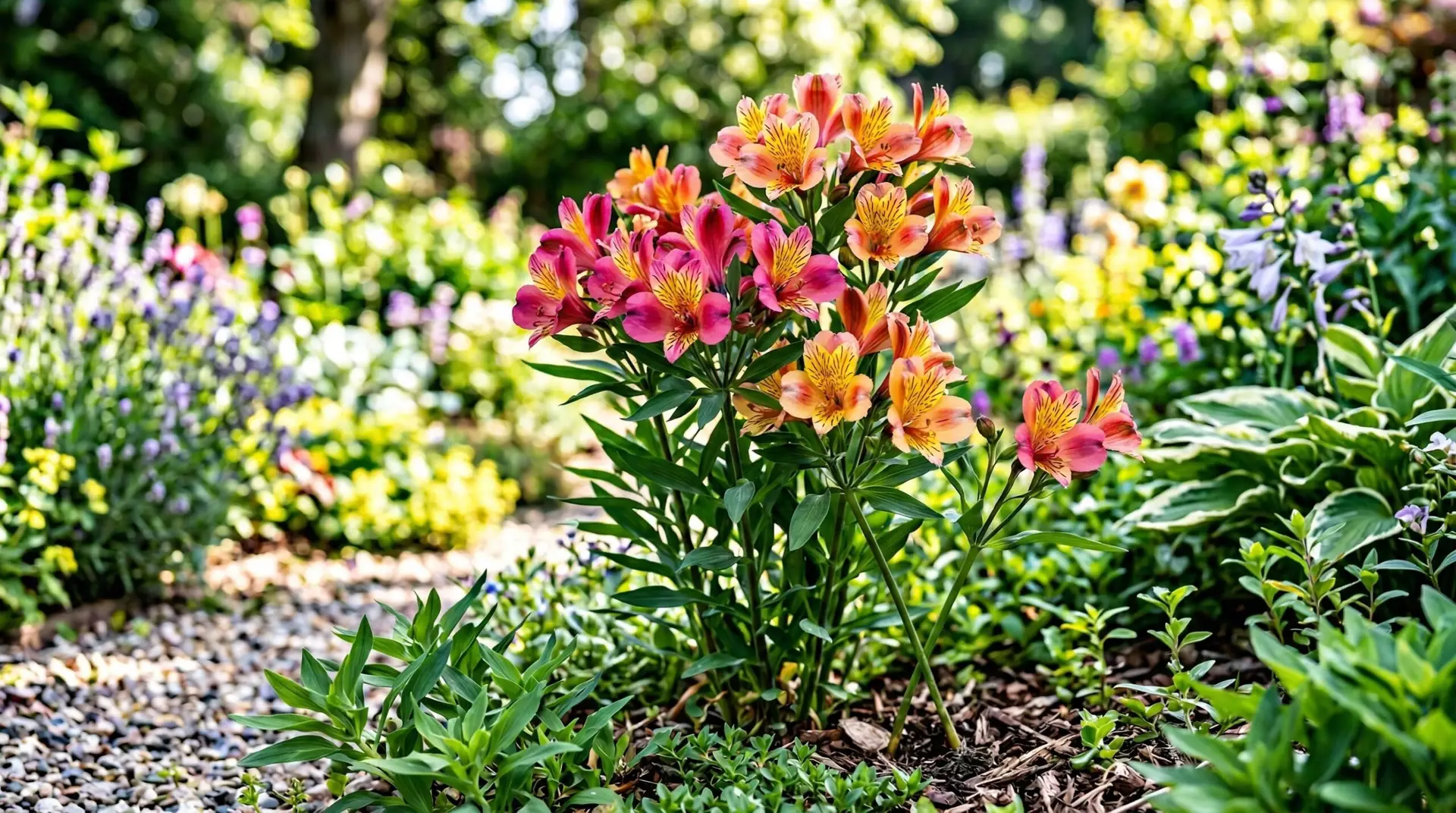
The secret to extending alstroemeria vase life is removing almost all of their foliage before they ever touch the water. The leaves on these stems yellow and rot days or even weeks before the actual blossoms begin to fade. Stripping the stems aggressively directs all the plant energy into opening the tight primary and secondary buds that cluster at the top of the stalk. When you buy or cut these flowers, you are essentially managing a biological delivery system designed to push water up to those developing buds. If you leave the foliage intact along the stem, the leaves consume the water, transpire it into the air, and eventually collapse into the vase to breed bacteria. Taking the time to clear the stems completely transforms how long do alstroemeria last, easily pushing their lifespan past the two-week mark in a standard home environment.
Contents 5 sections
Stem preparation and water chemistry
Alstroemeria cut flower care begins with a sharp, clean cut using a floral knife rather than standard household scissors. Scissors crush the vascular tissue at the base of the stem, effectively pinching shut the microscopic tubes that draw water upward to the heavy flower heads. Cut at least one inch off the bottom of each stem at a sharp forty-five degree angle to expose the maximum surface area for immediate hydration. Plunge the freshly cut stems immediately into a clean vase filled with cool water mixed with commercial floral preservative. Despite what many sources claim, you should never use warm water to force tight alstroemeria buds to open faster. Warm water accelerates bacterial growth in the vase, which plugs the stems and causes the flower heads to droop prematurely before the buds can color up. The commercial flower food provides the exact ratio of glucose needed to open the buds, an acidifier to lower the water pH, and a biocide to keep the water clear.
Managing foliage and ethylene sensitivity
Every single leaf that falls below the water line will decompose rapidly and ruin the water quality for the entire arrangement. You must strip off all lower foliage, but you should also remove most of the upper leaves right up to the base of the flower cluster. The foliage of this specific plant is highly sensitive to ethylene gas and will turn yellow while the petals remain perfectly firm and brightly colored. This yellowing creates the illusion that the flowers are dead, prompting many people to throw away stems that still have a week of life left in them. To prevent premature aging, keep your arrangement away from ripening fruit, wilting flowers, and direct exhaust from heating vents. If you are mixing them with other long-lasting blooms, you might pair them with a carnation or a chrysanthemum, as both share similar water requirements and extended lifespans. Removing the foliage entirely ensures the arrangement looks clean and focuses all visual attention on the patterned petals rather than decaying greenery.
Placement and environmental factors
Where you place the vase directly dictates how fast the stems consume their energy reserves and how long the petals hold their color. Direct sunlight hitting the glass vase heats the water, encouraging bacterial blooms that will choke the vascular system within forty-eight hours. The flowers themselves do not need sunlight to open once they are cut from the root system; they rely entirely on the sugar provided in the floral preservative. Position the arrangement in a cool room with ambient, indirect light to slow the respiration rate of the petals. Drafts from air conditioning units or open windows strip moisture from the delicate flower heads faster than the stems can draw it up from the vase. Keeping the ambient temperature consistent prevents the stems from going into shock and dropping their buds before they have a chance to unfurl. The cooler you keep the room, the longer the individual blossoms will last before the petals begin to curl and drop.
Daily maintenance for maximum longevity
A two-week vase life requires active intervention every three days to maintain optimal water chemistry and stem health. You must dump the old water completely, wash the vase with soap to remove the invisible biofilm on the glass, and refill it with a fresh mixture of water and flower food. Simply topping off the water level leaves bacteria behind to multiply and attack the freshly exposed tissue of the stems. When you change the water, cut another half inch off the bottom of each stem to bypass any tissue that has begun to seal over or decay. As the days pass, the primary blossoms in the cluster will eventually shed their petals and expose the swelling seed pod. Pinch or snip off these spent individual flowers carefully at their base to prevent the plant from directing energy into seed production. Removing the dead primary blooms allows the smaller secondary buds hidden deeper in the cluster to receive the water and sugar they need to open fully.
Reviving wilted stems
Occasionally an alstroemeria stem will droop drastically within the first twenty-four hours, looking entirely lifeless while the rest of the bunch remains upright. This sudden collapse is almost always caused by an air bubble trapped inside the vascular tissue, not by a diseased or defective flower. To break the air lock, remove the wilted stem from the vase and cut at least two inches off the bottom while holding the stem submerged underwater in a basin. Leave the stem floating in the deep water for an hour so the entire surface of the plant can absorb moisture and regain turgidity. Once the stem feels firm again, move it back to the main vase and ensure the cut end rests flat in the nutrient solution. Purchasing stems with tight, green buds that show just a sliver of color guarantees you get the entire blooming cycle in your home. Buying fully open flowers sacrifices the first week of their lifespan to the florist cooler, leaving you with only the final days of their display.
More About Alstroemeria
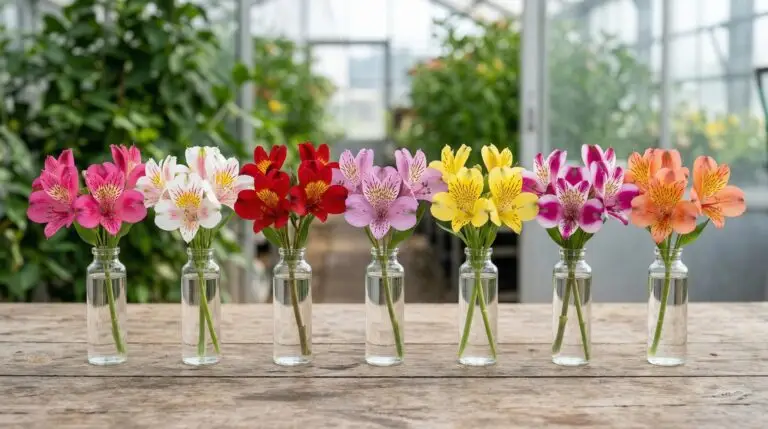
Best alstroemeria varieties for cutting gardens that bloom all summer long
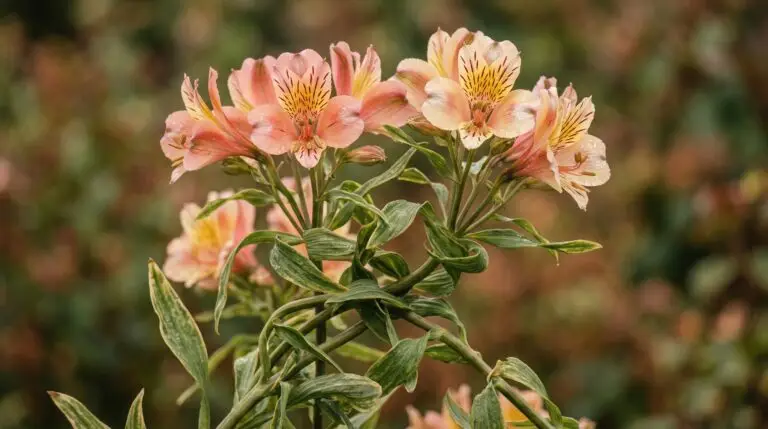
Alstroemeria flower meaning and why it is the perfect friendship bouquet
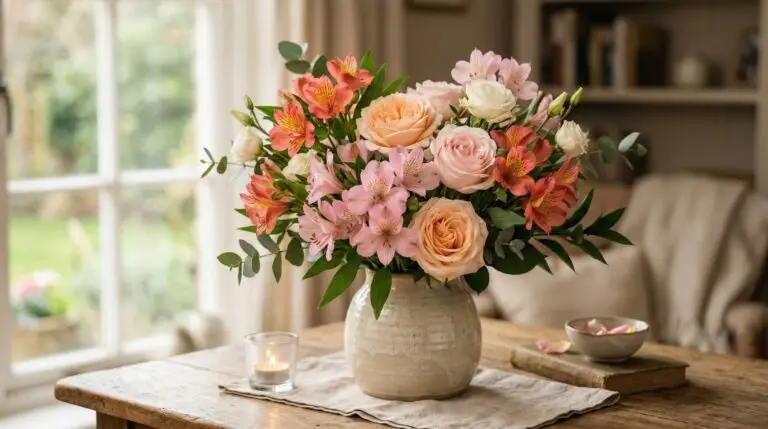
Stunning alstroemeria color combinations for mixed flower arrangements
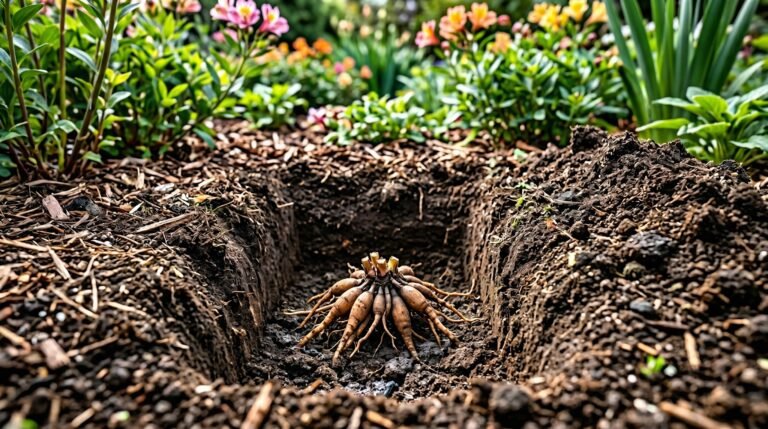
Growing alstroemeria from tubers in your garden for endless summer blooms
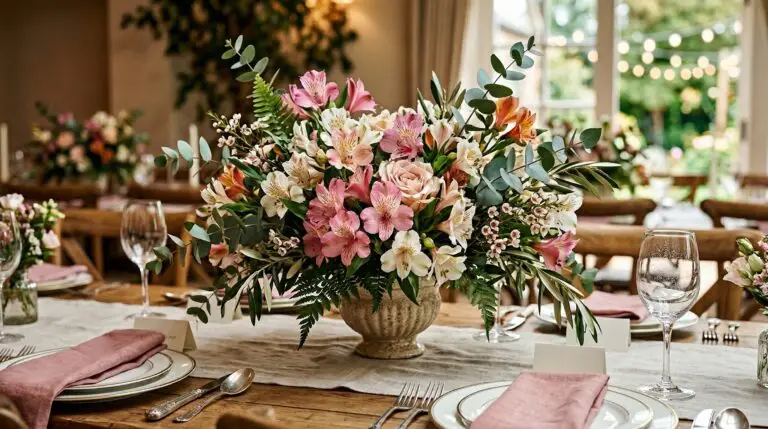
Alstroemeria wedding flowers and why florists love working with them
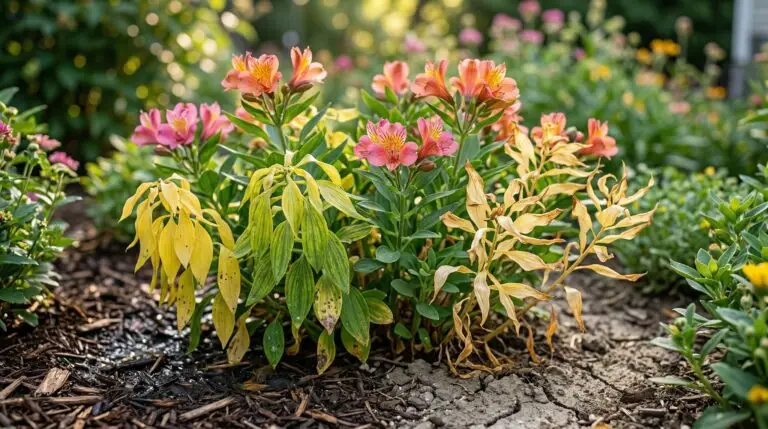
Why alstroemeria leaves turn yellow and how to bring your plant back to health
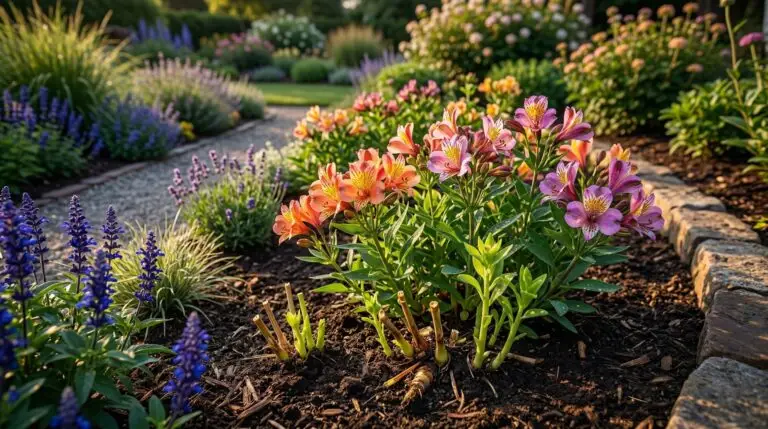
How to deadhead and pull alstroemeria stems the right way for more flowers
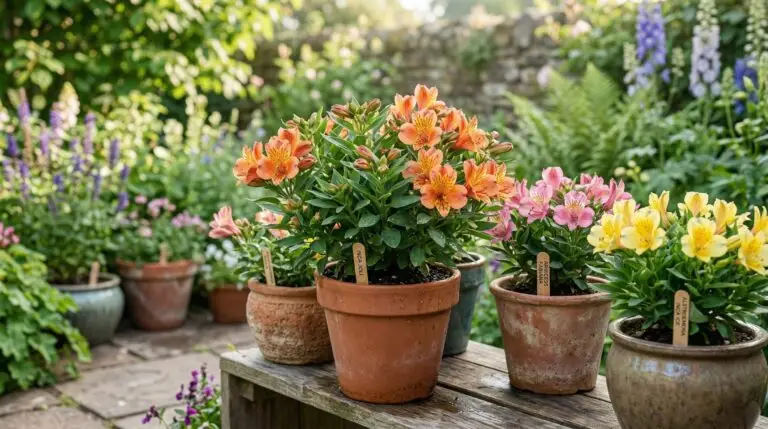
How to grow alstroemeria in containers on a balcony or small patio
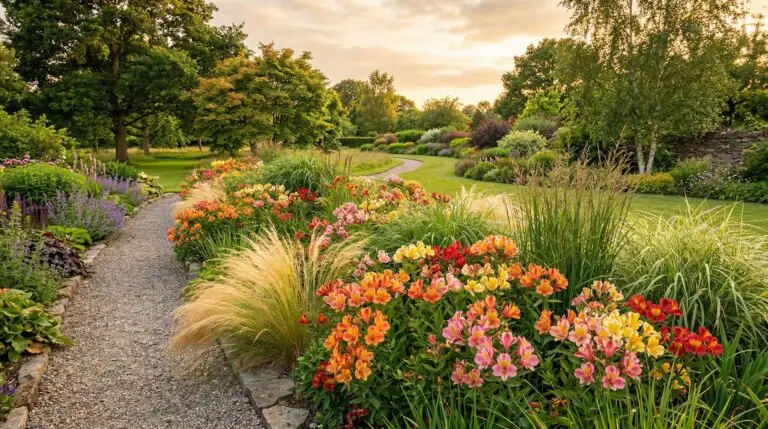
Alstroemeria companions: what to grow and what to avoid
Enjoying our flower guides? Add YourFlowersGuide as a preferred source on Google. It helps more readers find us.
Add to Preferred Sources