The pairing · pick a flower
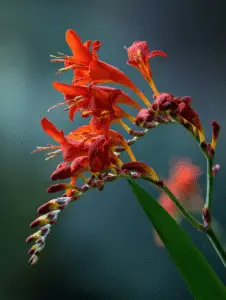 Crocosmia+
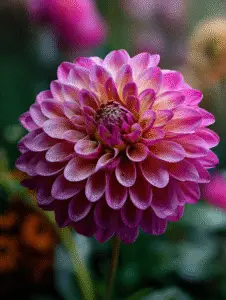 DahliaProven
Round, dense dahlia heads are the classic foil for crocosmia's sword leaves and arching sprays, and UF/IFAS Extension actually recommends planting the two on the same spring schedule, crocosmia set behind the shorter dahlias.
Crocosmia+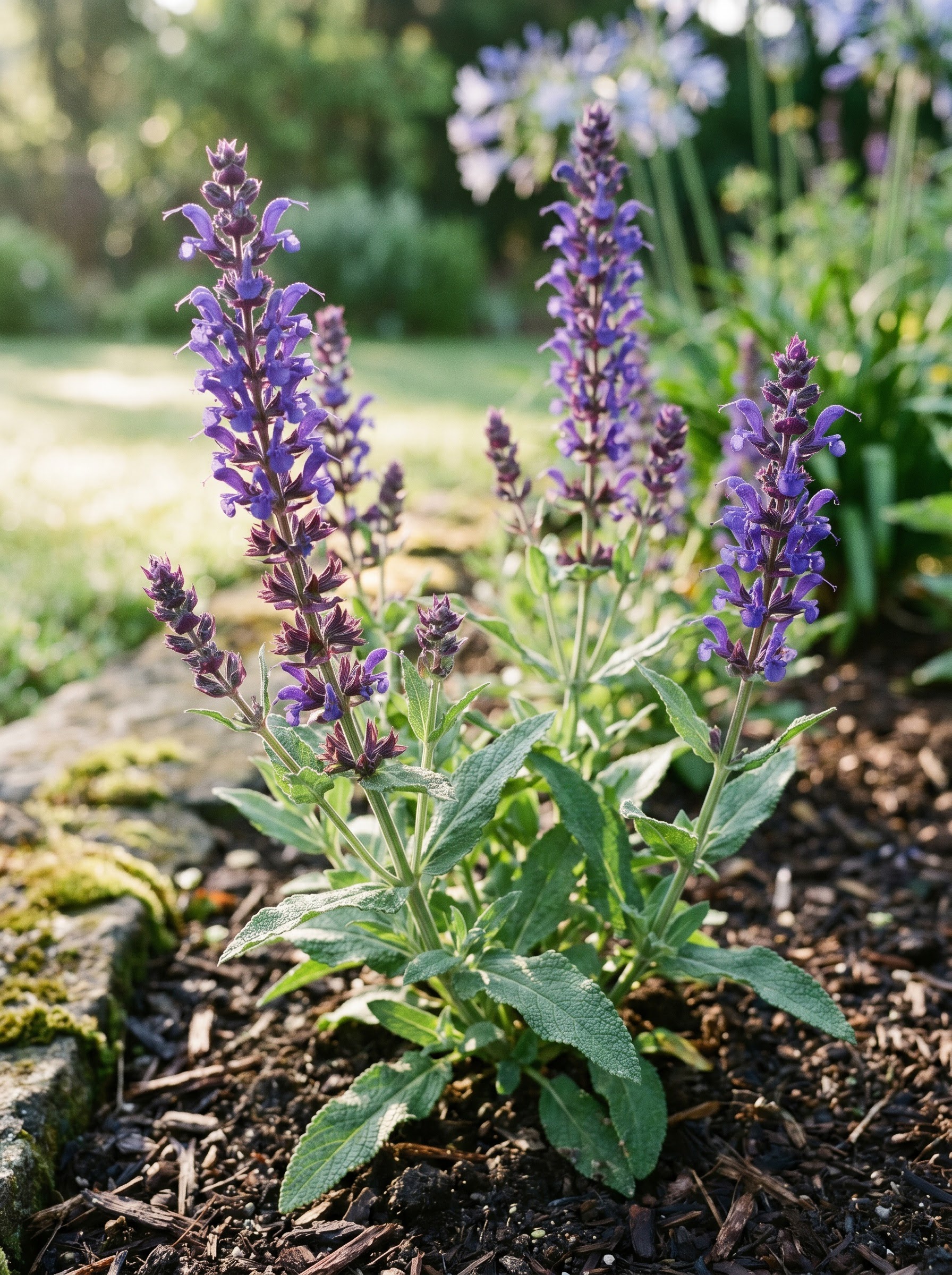 SalviaPartial
Blue and violet spikes are the single most repeated color-cooling partner for crocosmia's hot reds and oranges, and NC State lists Salvia nemorosa as tolerant of the same sandy, occasionally-dry, well-drained ground crocosmia wants.
Crocosmia+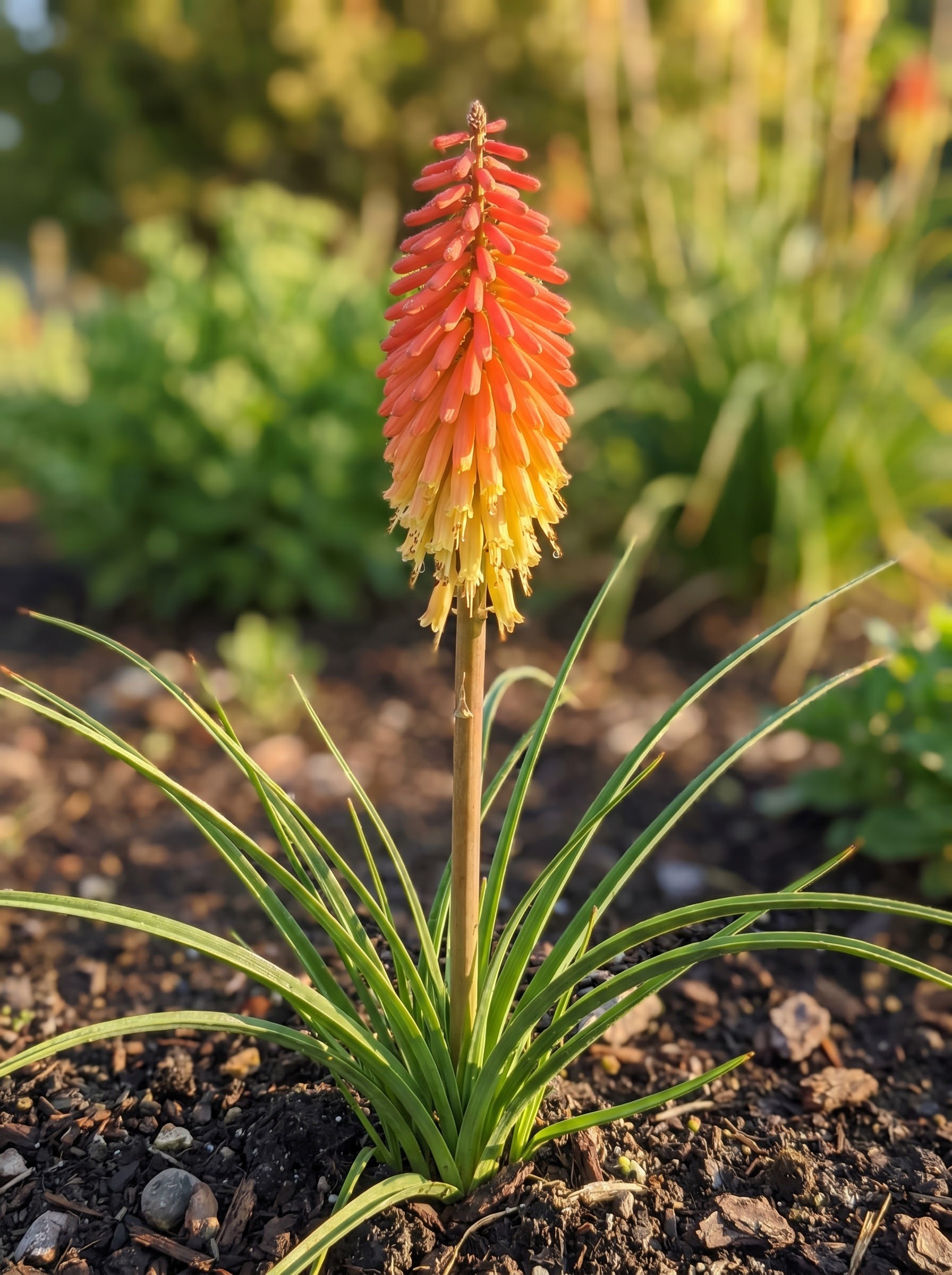 KniphofiaPartial
Grassy foliage and hot torch-shaped blooms echo crocosmia's own form and color family rather than contrast it, and it shares the same full-sun, well-drained requirement, though NC State notes it does not tolerate the clay crocosmia can handle.
Crocosmia+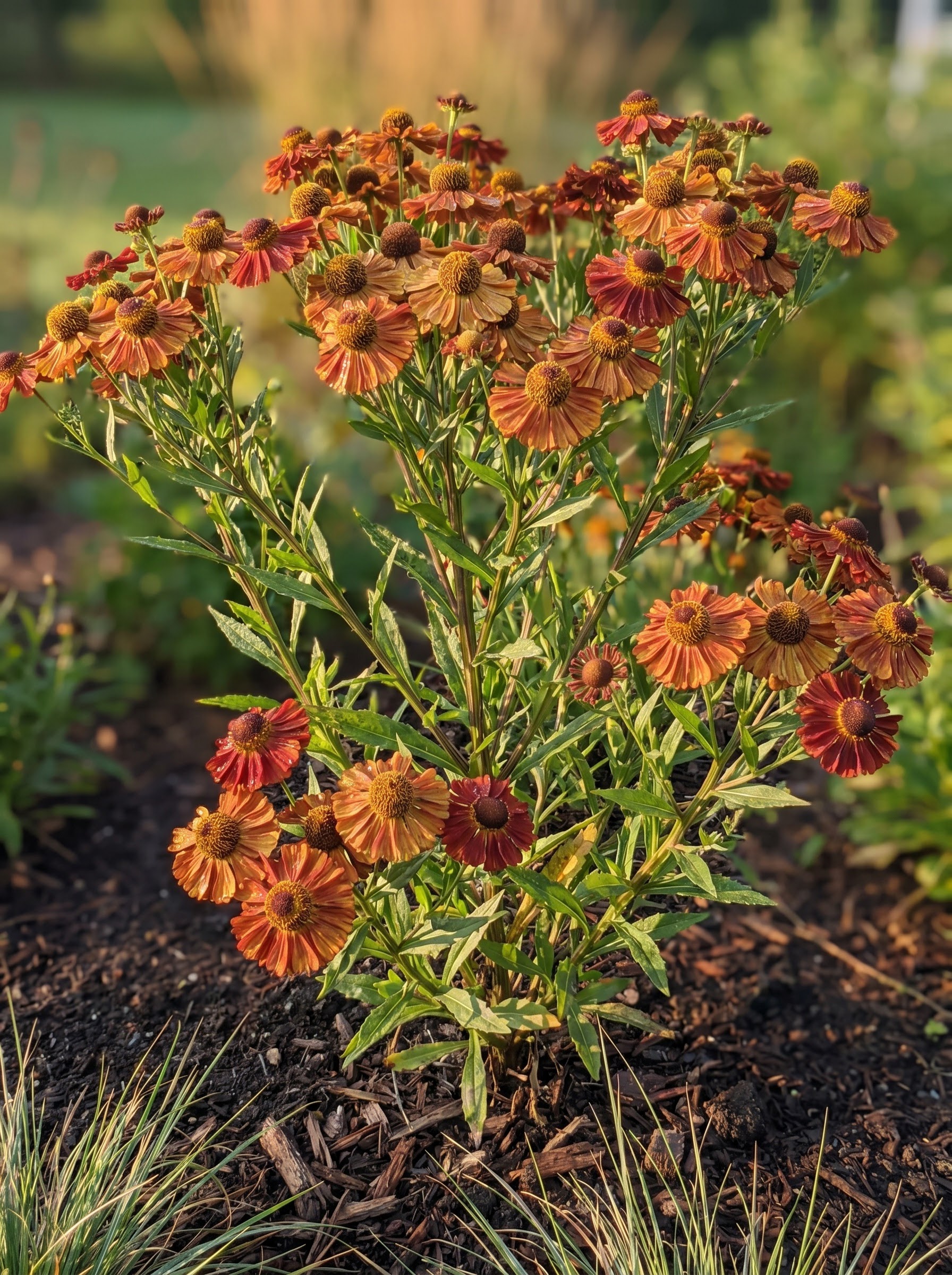 HeleniumPartial
Helenium's late-summer daisy clusters share crocosmia's exact bloom window and warm color family, and NC State confirms it shares crocosmia's full-sun, consistently moist preference, though helenium actually runs wetter, tolerating occasionally wet ground and even standing water where crocosmia wants good drainage, so this is a genuine succession pairing on bloom timing rather than an identical-conditions match.
Crocosmia+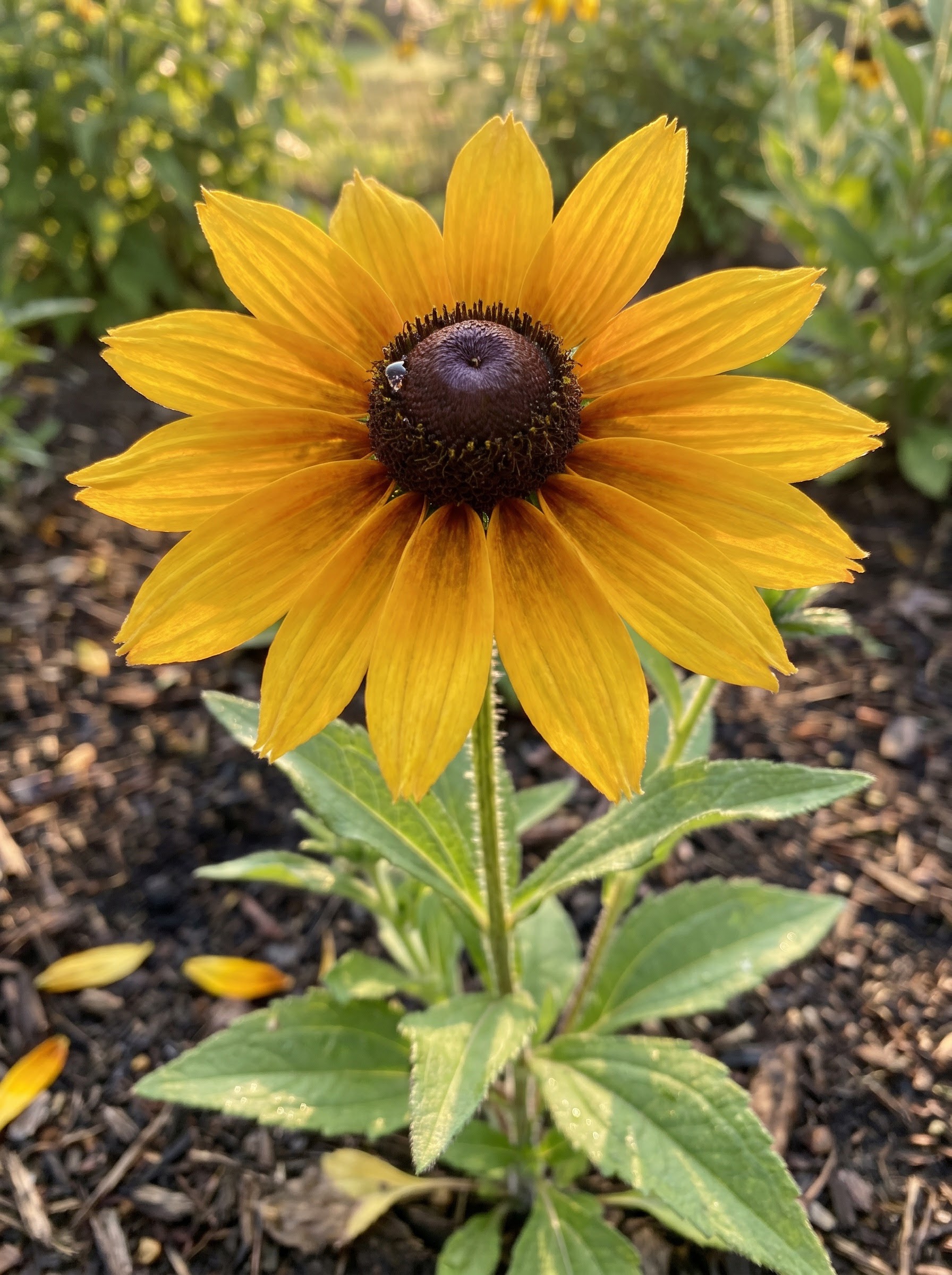 RudbeckiaProven
A horizontal golden daisy face is the most-cited softener for crocosmia's vertical sword leaves, and NC State confirms the same full-sun, clay-tolerant, moist-to-occasionally-dry profile, so the design pairing rests on a genuine conditions match.
Crocosmia+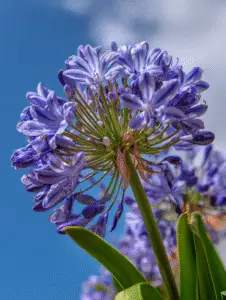 AgapanthusPartial
Rounded blue or white flower heads on strappy leaves cool crocosmia's color while echoing its own strap-leaf shape, but NC State pegs agapanthus to zones 8a to 11b, noticeably warmer than crocosmia's 5a to 9b range, so pair them in mild zones or containerize both together further north.
Crocosmia+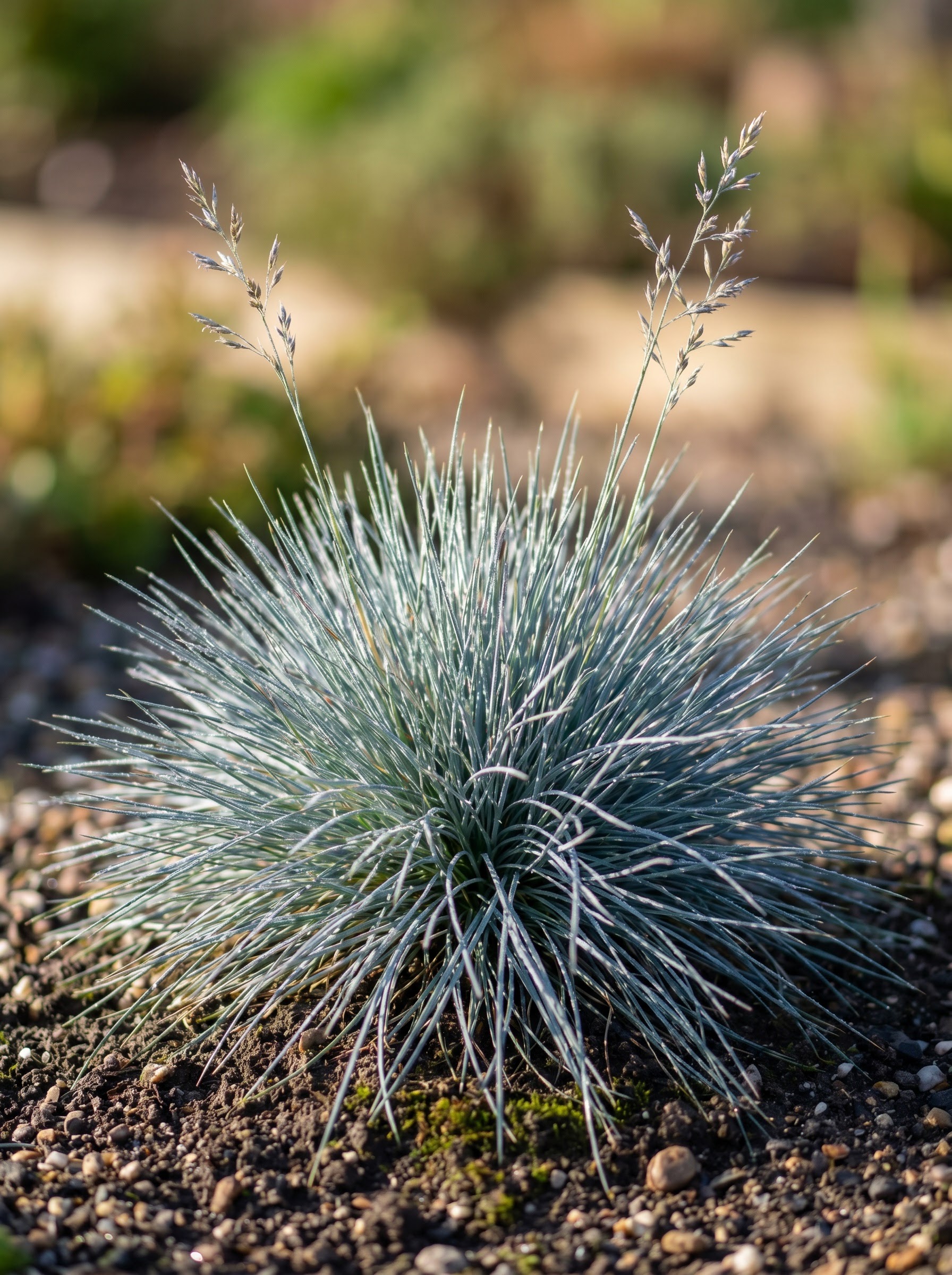 Ornamental grassesPartial
Fine, airy grasses are named across gardening guides as close to essential for softening crocosmia's sharp sword foliage and adding late-season movement once the flowers fade; treat this as a role to fill rather than one fixed species, since water needs vary a lot by grass type.
Crocosmia+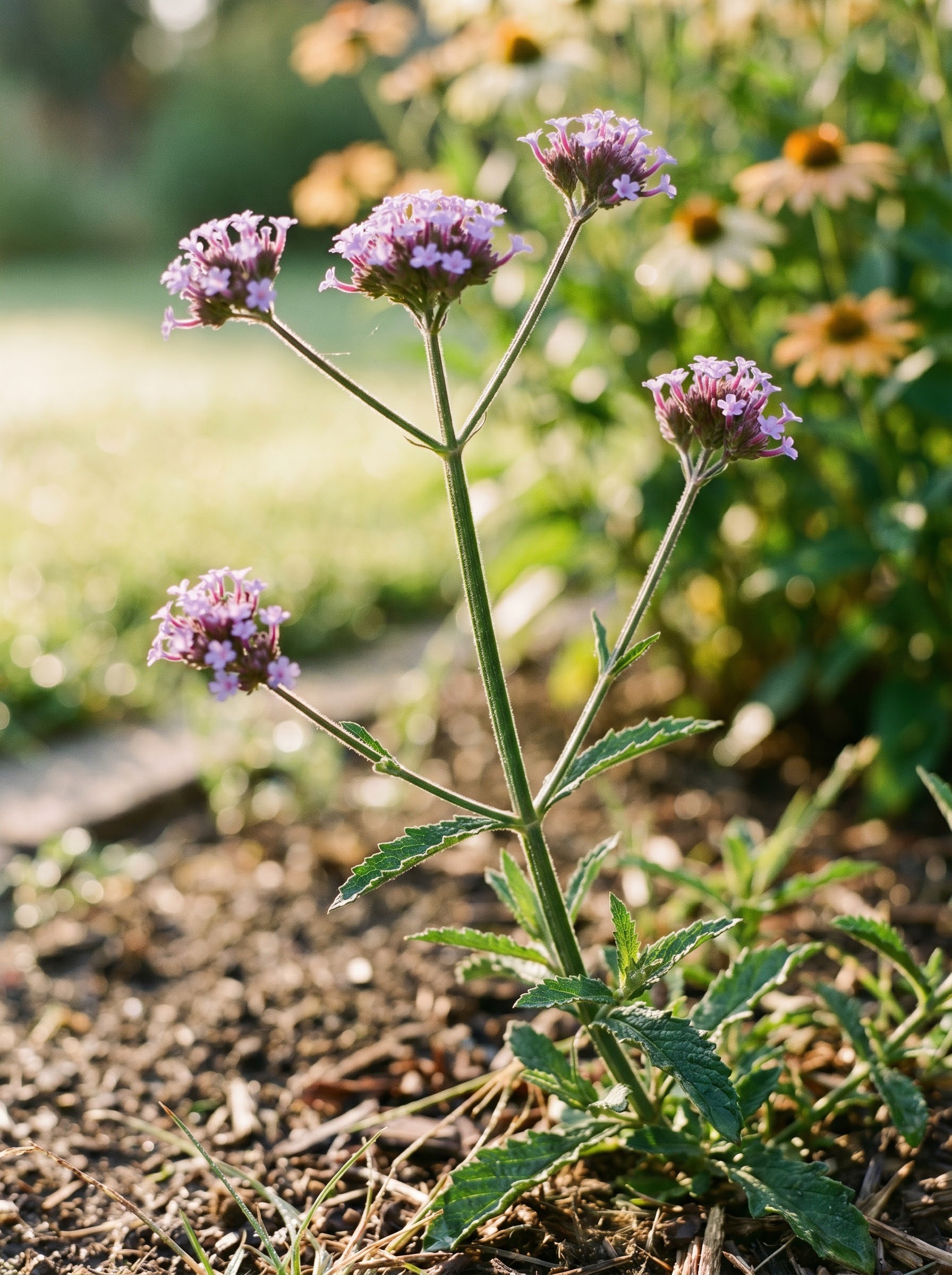 Verbena bonariensisPartial
Its thin, wiry, see-through stems float small purple clusters above crocosmia without ever touching or crowding the clump at ground level, which sidesteps crocosmia's own crowding problem, though NC State lists it as hardy zones 7 to 11 and tolerant of drier soil than crocosmia prefers.
All Crocosmia companions
8 flower companions, best match first
What not to plant near Crocosmia
Most bad neighbours are not evil, they just want the opposite light, water or root run. Here is what to keep away, and what to do instead.
Delicate, shallow, slow-spreading front-of-border plants (small alpines, small sedums, fine groundcovers) planted too close
Crocosmia grows from a stacking chain of corms that multiplies every year, and RHS is explicit that congested clumps need dividing every three to five years or flowering suffers; small, shallow neighbors planted right at the base simply get engulfed as the clump expands.
True xeriscape or drought-only plantings (lean succulents, plants that want baked-dry summer soil)
Crocosmia wants evenly moist soil through the growing season and both RHS and UF/IFAS warn against letting it dry out, which forces a genuine watering conflict with companions bred to reject regular moisture.
Boggy ground, unamended heavy clay pockets, or a wet-corner planting site
RHS warns against both waterlogged and very dry conditions for crocosmia, and corms sitting in cold, poorly-drained soil over winter are the most commonly cited cause of rot; a rain-garden-style wet corner assumes every moisture-loving plant wants standing water, which crocosmia does not.
Planting the straight species or unnamed pass-along montbretia near wild edges, streambanks, hedgerows, or undeveloped land
This is a siting rule, not a companion-plant pairing: Cal-IPC documents Crocosmia x crocosmiiflora as a competitor that excludes native plants by growing in dense patches along the California coast, and RHS confirms it is listed on Schedule 9 of the UK Wildlife and Countryside Act, making it an offence to plant it or let it grow in the wild. Named modern cultivars in a contained bed are a genuinely different, lower-risk case than unnamed montbretia loose near a garden edge.
Other aggressive spreaders planted alongside it (mint, bishop's weed/goutweed, and similar runners)
Two spreading plants sharing one bed compounds the maintenance problem, since both will need regular digging and dividing to stay in bounds, rather than causing any unique chemical or biological interaction with each other.
The best companions for crocosmia, explained
Crocosmia’s arching sprays of scarlet, orange, and yellow are loud enough to carry a border on their own, which is exactly why the strongest companions counter the color instead of repeating it. Blue and violet salvia sit at the top of nearly every source pulled for this plant, and the logic holds up: crocosmia has no true blue of its own, so a spike of Salvia nemorosa or the smoky haze of Russian sage supplies the one note the flower structurally cannot. Dahlia earns its place for a sturdier reason than looks alone. UF/IFAS Extension actually recommends planting crocosmia at the same time you plant dahlias or begonias, once spring frost danger has passed, tucking the taller crocosmia in behind shorter dahlia varieties, so the pairing rests on matched planting schedules and rounded dahlia blooms breaking up crocosmia’s sword-shaped foliage, not just a magazine photo.
Black-eyed Susan does a similar job from a different angle, and NC State’s plant database confirms it shares crocosmia’s exact full-sun, moist-but-drained soil preference, plus the same late-summer-into-fall bloom window, so pairing the two isn’t decoration layered onto an otherwise unrelated plant, it’s a real succession match where one flower’s peak overlaps and extends the other’s. Helenium runs the same succession-timing logic but with an honest asterisk: it shares the bloom window and full sun, but NC State’s own tags show it actually wants wetter ground than crocosmia, tolerating occasionally wet soil and even standing water where crocosmia wants good drainage, so the color and timing pairing works while the moisture match is only partial. Kniphofia works almost the opposite way: instead of contrasting crocosmia, it echoes it, with the same grassy upright foliage and the same hot torch-colored blooms, so it reads as a same-family intensifier rather than a counterpoint. Agapanthus and Verbena bonariensis both cool the color scheme while sharing crocosmia’s love of full sun, though neither is quite as cold-hardy, so in zone 6 or colder the honest move is to grow them in pots you can bring in rather than assume they’ll survive the ground beside the crocosmia. Fine ornamental grasses round the whole planting out, softening crocosmia’s blade-like leaves and carrying interest well past its own bloom, though which grass you pick should follow your bed’s actual moisture rather than a generic "grasses go with everything" instinct.
What not to plant near crocosmia
Most flowers in this project need protecting from something planted too close. Crocosmia is the rarer, more honest case: the plant itself is what needs watching. Cal-IPC, the California Invasive Plant Council, formally profiles Crocosmia x crocosmiiflora as an invasive species along the coast and in the San Francisco Bay region, describing it as "a superior competitor for water, light and nutrients" that excludes native plants by growing in dense patches. RHS independently confirms the same behavior on the other side of the Atlantic. In the UK, Crocosmia x crocosmiiflora is listed on Schedule 9 of the Wildlife and Countryside Act, and it is an actual offence to plant it or let it grow in the wild, because it crowds out native species along streambanks and hedgerows. This is not a listicle exaggeration passed from one gardening blog to the next. It’s a documented regional classification from a government-recognized invasive plant council and the UK’s own horticultural authority, and it deserves to be said plainly rather than buried in a footnote.
The honest nuance is that this risk is not evenly distributed. It is worse in mild, damp climates and for the old unnamed pass-along montbretia that gardeners have shared for decades, and it is considerably less of a concern for named modern cultivars like ‘Lucifer’ grown in a contained bed in a colder or drier zone. Gardenia.net’s own guidance on choosing better-behaved varieties over unnamed common montbretia backs this reading up. The practical avoid list follows directly from this: keep any crocosmia away from garden edges bordering wild or undeveloped land, never compost surplus corms since even small fragments can establish, and choose named cultivars over unnamed montbretia if you have a choice. Once you accept crocosmia is staying in your own bed, the second-order avoid concern is companion crowding. Its corms stack and multiply every year, and RHS notes that congested clumps need dividing every three to five years or flowering drops off, so small, shallow, slow-spreading plants like alpines or fine groundcovers planted too close will simply get engulfed within a few seasons if you don’t give them real clearance. Finally, respect the moisture band on both ends: true drought-only xeriscape plants and boggy, poorly-drained clay pockets are both a genuine physiological mismatch, not just an aesthetic one, since crocosmia’s own extension sources warn against both waterlogged and bone-dry conditions.
Do they like the same conditions?
Crocosmia’s shared-conditions ruler is narrower than it first appears, and testing a companion against it honestly rules a surprising number of plants in or out. Light is the simplest filter: full sun, 6 or more hours a day, is the strong preference across every extension source, with partial shade of 2 to 6 hours tolerated, especially in hot climates, but flowering measurably drops in real shade. Water is where the honest myth-busting lives. RHS states plainly that crocosmia should avoid "waterlogged or very dry conditions," which sounds like ordinary advice until you realize how many popular garden plants sit at one extreme or the other. True xeriscape plants bred for baked-dry summer soil and true bog plants bred for standing water both fail this match, even though gardeners often lump "moisture-loving" plants together as if they all want the same wet ground.
Soil texture and pH are where sources genuinely disagree, and the honest answer is to treat pH as a low-priority filter rather than a hard number. NC State’s own plant database tags crocosmia tolerant of clay, sand, and high-organic-matter soil, and lists its pH range as acid, neutral, or alkaline. UF/IFAS separately describes it preferring "slightly acidic soil of average fertility." Read together, that’s not a contradiction so much as a genuinely wide, forgiving band, and good drainage matters far more than hitting an exact pH target. USDA hardiness sits at roughly zones 5a to 9b, with corms injured below 28°F and winter mulch recommended at the colder end of that range; this matters directly for companion choices like agapanthus and dahlia, which both run measurably warmer-zoned than crocosmia itself, so pairing them safely in a cold-winter garden usually means containers rather than open ground. Crocosmia’s bloom window, midsummer through fall, is later than most border perennials peak, which is its real functional job in a planting scheme: season-extension, not just color.
How to plant them together
Space companions 18 to 24 inches from the crocosmia clump itself, not from where it sits today but from where it will sit once it’s multiplied for a season or two. This single habit does double duty: it protects delicate neighbors from being crowded out, and it leaves you room to lift and divide the crocosmia every three to five years the way RHS recommends, which is also the point at which flowering starts to suffer if you skip it. Plant crocosmia corms 3 to 5 inches deep and roughly 6 to 8 inches apart within their own group, in clusters of a dozen or more for real visual impact, and time the planting for after your last spring frost, the same window UF/IFAS recommends for dahlias and begonias, which makes coordinating a mixed bed genuinely simple rather than a scheduling puzzle.
Layer by height and role rather than by a strict front-to-back rule: crocosmia’s own sword foliage and arching sprays carry the vertical structure, rounded forms like dahlia and daisy-form rudbeckia or helenium break that verticality up at similar or slightly lower height, and fine grasses or Verbena bonariensis’s wiry, see-through stems soften the whole planting without ever crowding the base. Containers solve two problems at once for this particular flower. NC State’s own database tags crocosmia as a classic "thriller" plant, the tall focal point in a thriller-filler-spiller container formula, and growing it in a large pot is also the most honest containment strategy for gardeners worried about the spreading concern covered above. If you go this route, use a genuinely large container, since crocosmia’s corm chain still needs room to multiply for a few seasons before dividing, and never tip surplus corms or spent potting soil into a compost pile that might end up spread on open ground.
Does companion planting actually work for crocosmia?
Some of it, yes, plainly. The shared-conditions overlap with dahlia, rudbeckia, salvia, and kniphofia is backed by extension-level sources describing the same sun, moisture, and drainage needs, and the bloom-window overlap with helenium and rudbeckia specifically is a real, dated horticultural fact, not a stylistic guess. Helenium is the one honest partial in that group: its bloom timing and color family genuinely overlap crocosmia’s, but NC State’s own soil-drainage tags show it prefers wetter ground than crocosmia does, so the pairing is a real succession match on timing, not an identical-conditions match. The claim that blue and violet flowers cool an orange-red color scheme is a genuine, widely practiced design convention, useful and real, but it’s a design mechanism, not an ecological one, and it earns a Partial rather than a Proven tier here because no source ties the specific benefit to crocosmia beyond general color theory. Canna lily and dark-leaved coral bells fall on the Folklore side of that same line: they look good with crocosmia, repeatedly and consistently across independent design sources, but no extension source documents any mechanism beyond visual contrast, so calling that "proven" would be dishonest.
The one place this flower breaks the usual companion-planting pattern entirely is the invasive-species finding, and it deserves to be named as its own verdict rather than folded into the avoid list. This is not folklore, and it is not a design opinion. Cal-IPC and RHS are independent, government-recognized, non-commercial sources documenting the same competitive behavior on two different continents, which is about as strong as evidence gets in this space. The honest overall verdict is that crocosmia rewards a gardener who treats it as two separate questions: which companions genuinely share its conditions and season, which several plants above clearly do, and whether the crocosmia itself is sited responsibly, which is a real, regional, cultivar-dependent question that most companion-planting advice for this flower skips entirely.
FAQ
What can I plant in front of crocosmia to hide its base?
Low, clumping perennials work better than spreading groundcovers here, since anything too shallow-rooted risks getting crowded by the expanding corm clump within a season or two. Salvia, coreopsis, or a low grass planted 18 to 24 inches out gives you a soft front edge without sitting close enough to compete.
What should you not plant near crocosmia?
Avoid true drought-only plants and boggy, unamended clay pockets, since crocosmia’s own extension sources warn against both waterlogged and bone-dry conditions. Also avoid planting the straight species or unnamed pass-along montbretia near wild edges, streambanks, or hedgerows, since Cal-IPC and RHS both document its ability to spread into and crowd out native habitat.
Is crocosmia actually invasive, or is that overstated?
It’s real, but regional and variety-dependent. Cal-IPC classifies it as invasive with limited distribution along coastal California, and it’s illegal to let it grow wild in the UK under the Wildlife and Countryside Act. The risk is worse in mild, damp climates and for old unnamed montbretia; named modern cultivars in a contained garden bed are a genuinely lower-risk case.
What plants pair well with Crocosmia ‘Lucifer’ specifically?
The same companions that work for crocosmia generally apply to ‘Lucifer’, since its growing needs match the wider species. Dahlia, helenium, and rudbeckia are especially well documented pairings, and blue salvia or agapanthus give ‘Lucifer’s’ scarlet spikes the cooling contrast gardeners search for by name.
Can I grow crocosmia in a pot instead of the ground?
Yes, and NC State’s own plant database tags it as a classic container "thriller" plant, the tall centerpiece in a thriller-filler-spiller arrangement. A large pot is also the most reliable way to keep an eye on its spreading corms if you’re gardening near a shared fence line or wild-adjacent property.
Does crocosmia need acidic soil to bloom well?
Sources genuinely disagree on the exact pH, with some calling for neutral soil and others slightly acidic, but crocosmia tolerates a fairly wide band in practice. Good drainage matters far more to bloom performance than hitting a precise pH number.
Sources
More About Crocosmia

Overwintering crocosmia corms in cold climates zones 5 and below
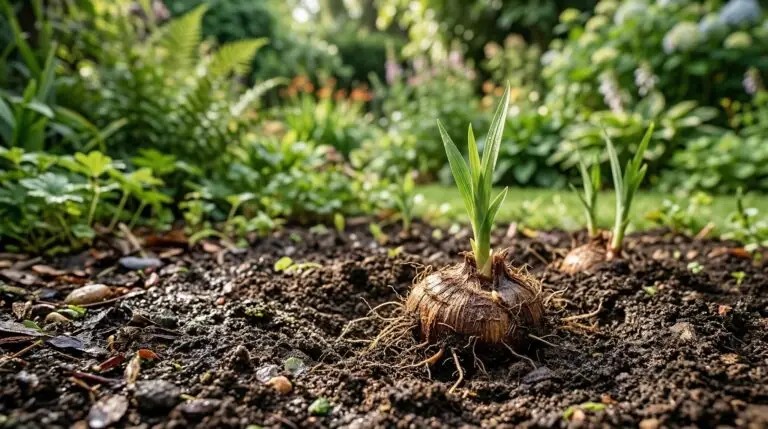
How to grow crocosmia for fiery arching sprays of color in midsummer gardens
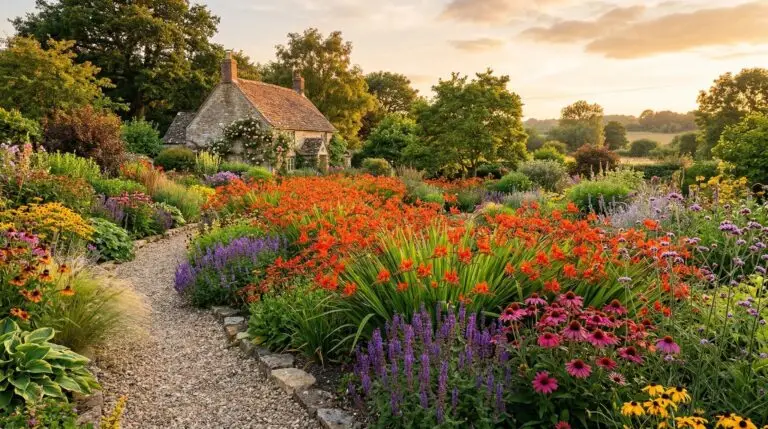
Designing a late summer garden with crocosmia that peaks when spring flowers are gone
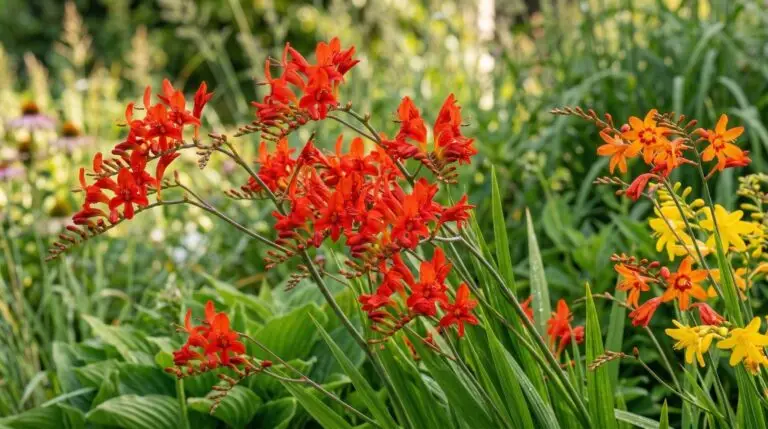
Best crocosmia varieties from fiery Lucifer to golden Emily McKenzie
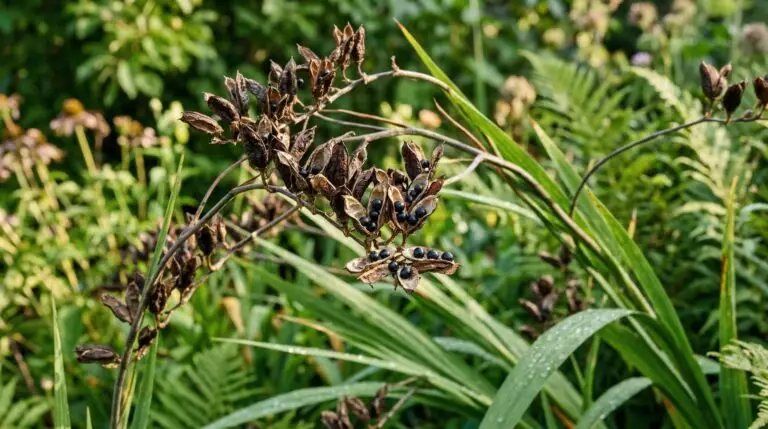
Crocosmia seed pods and how to propagate new plants from seed for unique varieties
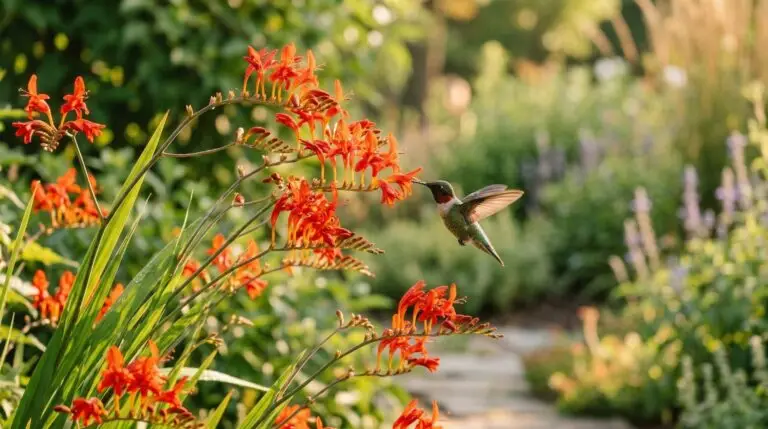
Crocosmia as a hummingbird magnet and why they prefer these tubular flowers
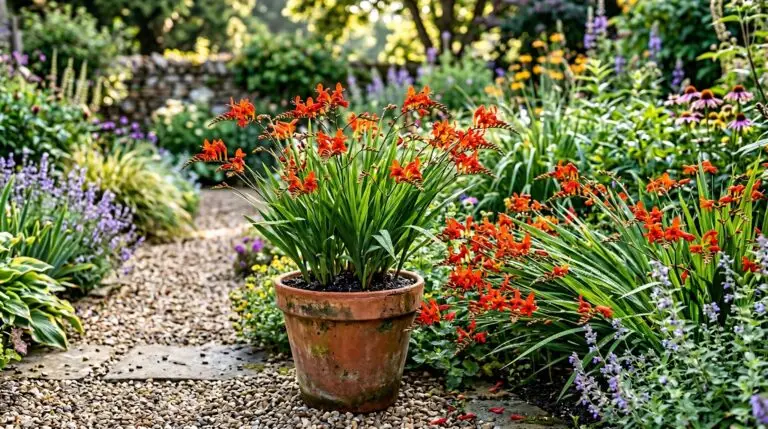
Growing crocosmia in containers for tropical-looking patio displays
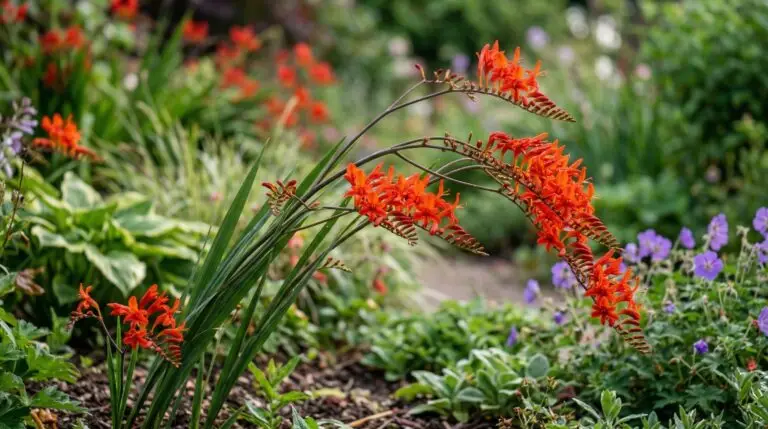
Crocosmia as dramatic cut flowers for fiery summer floral arrangements