The pairing · pick a flower
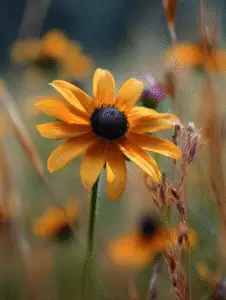 Black-eyed Susan+
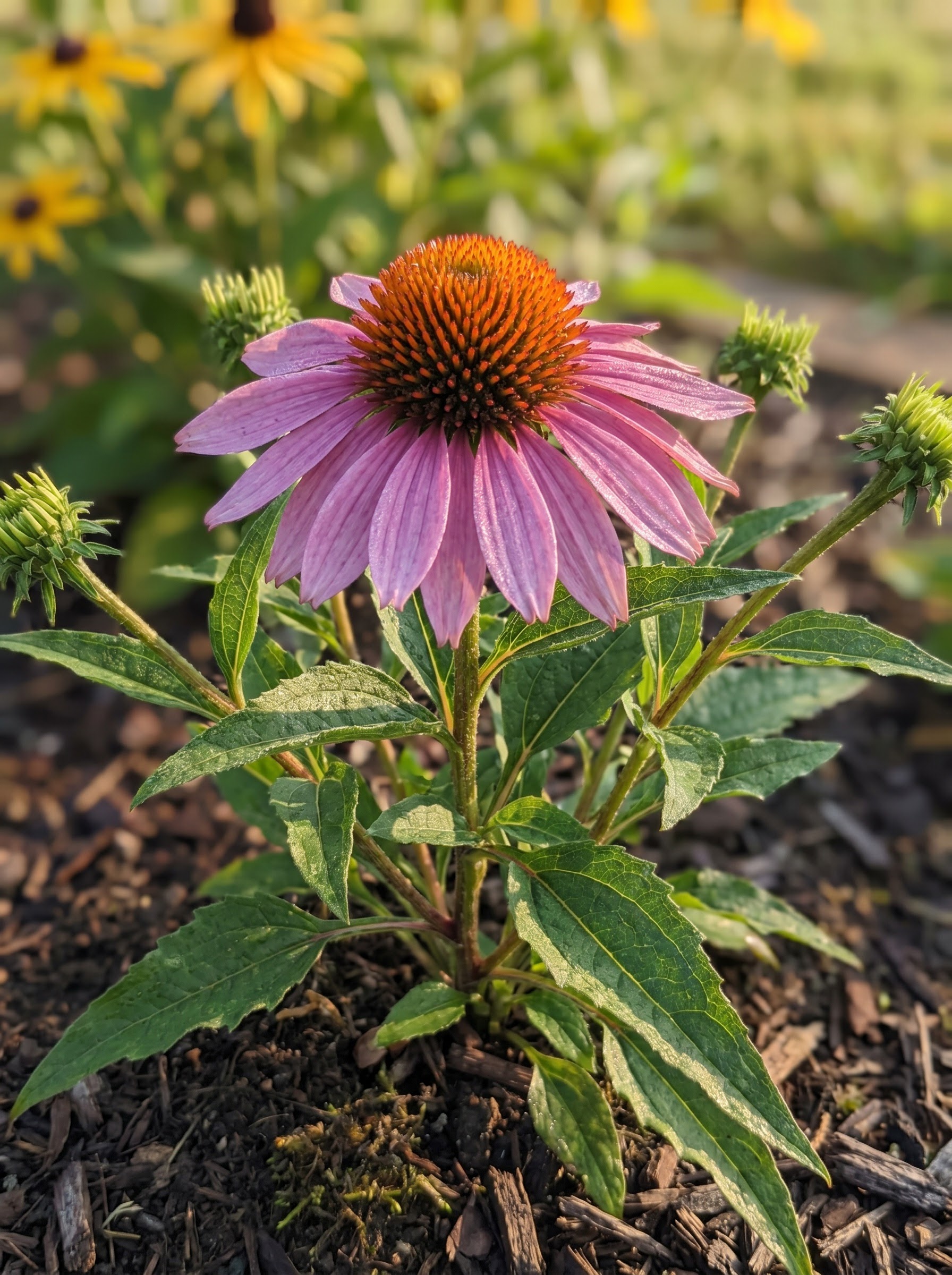 Purple coneflowerProven
Near-identical sun, drought, and soil needs plus overlapping bloom make this the textbook pairing, and the purple-pink against gold-orange is the classic prairie color contrast, the same purple-and-yellow combination pollinator planting guides point to for drawing in more insects.
Black-eyed Susan+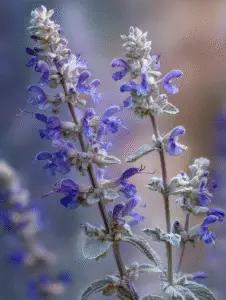 Russian sageProven
NC State confirms Russian sage flowers best and flops least in full sun with lean, well-drained soil, the same profile black-eyed Susan wants, and its airy purple-blue spikes are the structural foil to a coarse gold daisy.
Black-eyed Susan+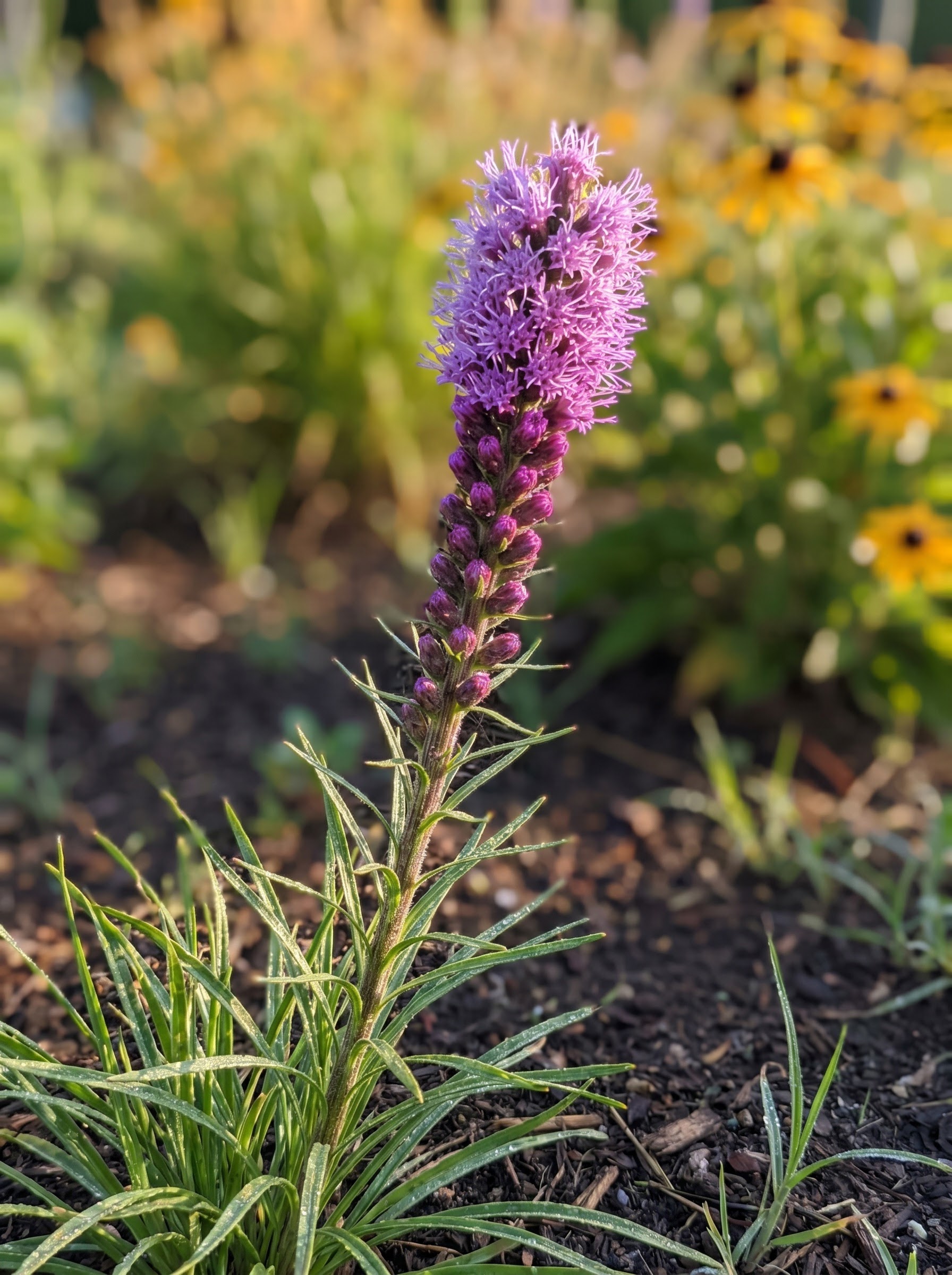 Blazing starProven
A true prairie companion: NC State lists the same full-sun, average-to-moist, wide-pH profile, and its vertical purple bottlebrush is the strongest structural contrast to black-eyed Susan's mounding form.
Black-eyed Susan+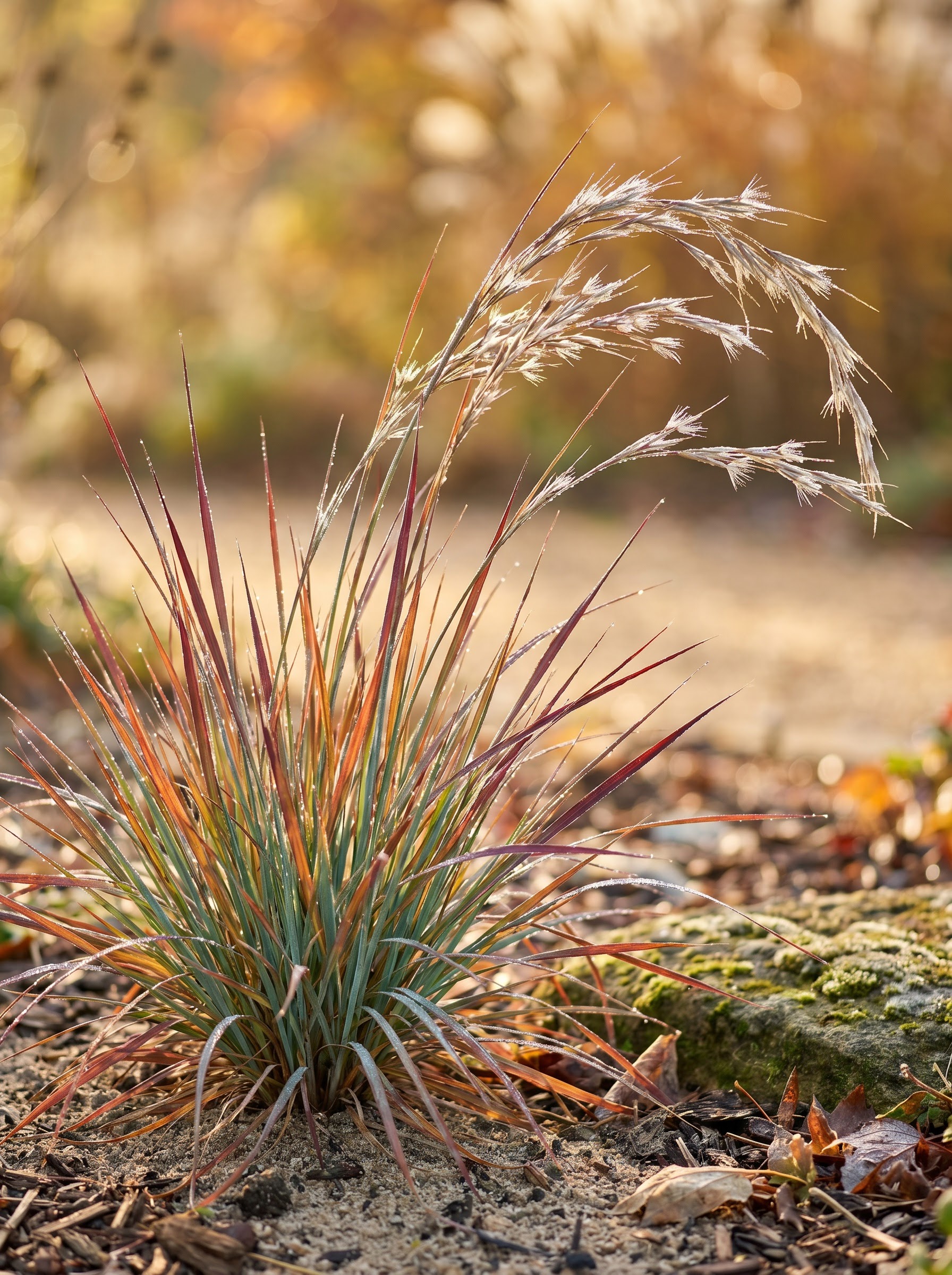 Little bluestemProven
A true tallgrass-prairie native sharing the same full-sun, drought-resistant, lean-soil profile; University of Wisconsin Extension names rudbeckias directly among its companion plants, giving the bed a naturalistic backdrop and winter structure after black-eyed Susan dies back.
Black-eyed Susan+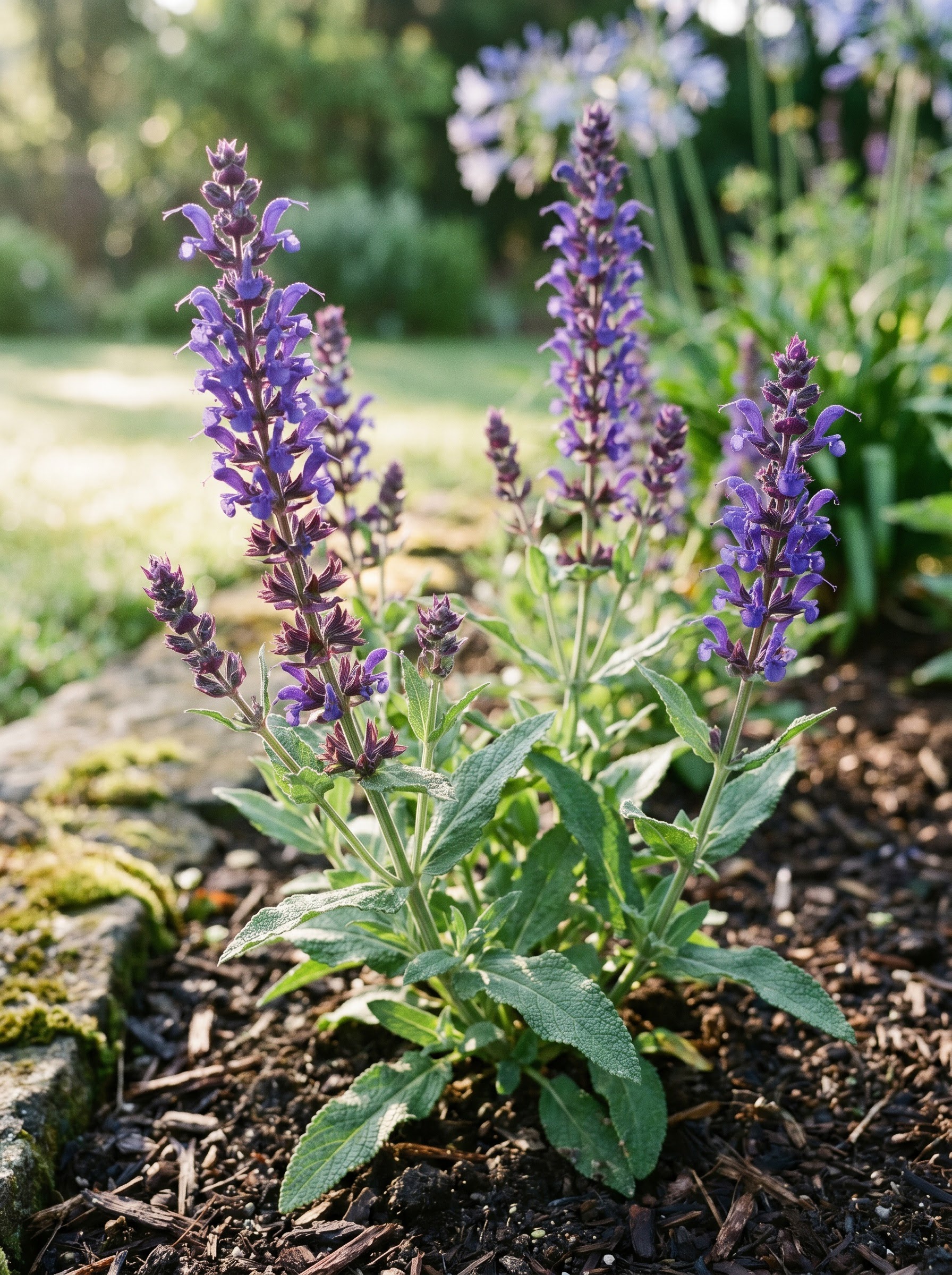 Meadow sageProven
RHS specifically names Salvia nemorosa in its purple-and-yellow pollinator planting plan, noting insects are drawn to the two colors together; sheared after the first flush, it repeat-blooms alongside black-eyed Susan's long season.
Black-eyed Susan+ AsterProven
Extension sources document aster as a late-summer-to-fall nectar source for bees and migrating butterflies right as black-eyed Susan's bloom fades, making it the honest succession pick rather than a head-on competitor.
Black-eyed Susan+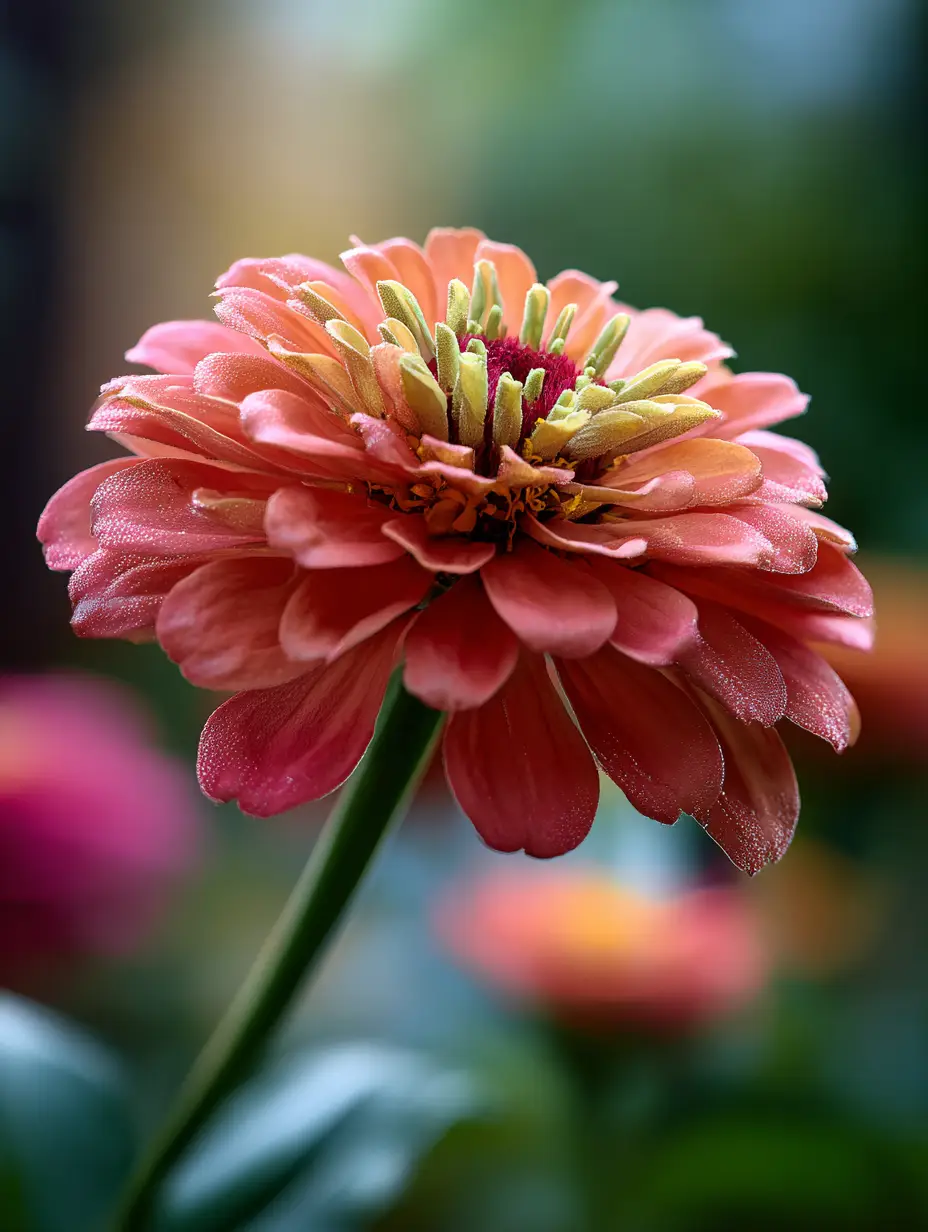 ZinniaProven
Both are famously forgiving, hot-sun, average-soil annuals in complementary golds and jewel tones, but both are documented as powdery mildew hosts, so this pairing needs real spacing, not crowding, to actually work.
Black-eyed Susan+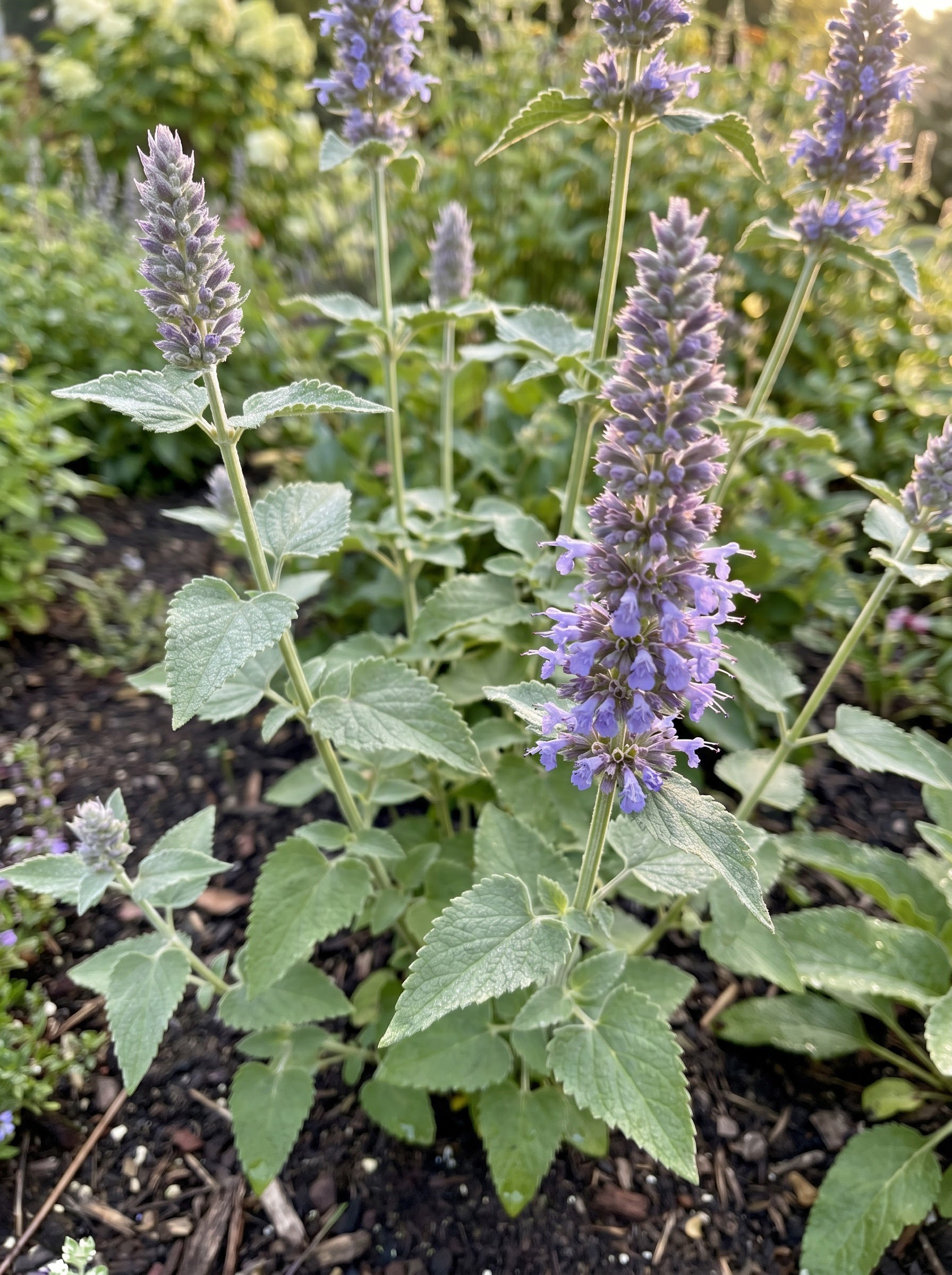 HyssopPartial
A drought-tolerant, full-sun spike-former that reads as the vertical backdrop plant in the same lean-soil conditions black-eyed Susan wants, though it is a less consistently cited pairing than coneflower, sage, or liatris.
All Black-eyed Susan companions
8 flower companions, best match first
What not to plant near Black-eyed Susan
Most bad neighbours are not evil, they just want the opposite light, water or root run. Here is what to keep away, and what to do instead.
Small, slow-establishing plants (alpine perennials, tiny groundcovers)
This is the flipped avoid case for black-eyed Susan: NC State's extension toolbox describes it self-seeding freely and usually persisting in the garden that way, so it is usually the plant doing the crowding, and small or slow neighbors are the ones that lose ground to an expanding colony of seedlings over 2 to 3 seasons.
Shade and bog plants (hosta, cardinal flower, hydrangea)
Black-eyed Susan needs full sun and moderate-to-dry soil; hosta scorches in that much direct light while it also wants steadier shade, and moisture-loving plants like cardinal flower or hydrangea either stay too wet for black-eyed Susan's drainage or go under-watered trying to match its lean, dry preference.
Aggressive rhizomatous spreaders (mint, bishop's weed, ribbon grass, chameleon plant)
These specific runners are documented as spreading by underground rhizome, a far more aggressive habit than black-eyed Susan's own self-seeding; extension sources note bishop's weed is invasive or restricted in several states because it out-competes nearly everything nearby, so pairing a true rhizome-runner next to a self-seeding colonizer guarantees a multi-year weeding fight, not a companion planting.
Other heavy self-seeders (nigella, California poppy, bachelor's buttons)
Not a direct antagonism, more a maintenance multiplier: pairing black-eyed Susan's own prolific self-seeding with another heavy self-seeder compounds the amount of unplanned volunteer seedlings you will be editing out each spring, since both plants land seed wherever wind and birds carry it.
Very tall sun-lovers planted in front (sunflowers, tall dahlias, hollyhocks)
These are not a toxicity or soil conflict, they share the same sun and soil needs, but placed in front of black-eyed Susan their height blocks the direct light it needs for a strong bloom; this is a placement problem, not a plant-pairing problem.
Roses planted tight against it
A popular claim online says black-eyed Susan catches black spot or powdery mildew from nearby roses, but the specific rose-to-Rudbeckia transmission traces to a single consumer blog, not an extension source. What extension sources do confirm is that black-eyed Susan is itself a documented powdery mildew host, so any crowded, humid, poor-airflow planting, roses included, raises real risk.
Black-eyed Susan is the rare flower whose companion question runs backward. Most guides on this site are about protecting a fussy host from bad neighbors: hydrangea from dry soil, roses from crowding. Rudbeckia hirta flips that. Extension research from North Carolina State describes it self-seeding freely and usually persisting in the garden that way, and the honest question a new gardener should ask is not just what will hurt my black-eyed Susan, but what my black-eyed Susan will hurt. That single fact reshapes every pairing on this page, from the purple companions that can hold their own beside it to the small, slow neighbors that quietly lose ground over a couple of seasons.
The best companions for black-eyed Susan, explained
The strategy here is toughness matching, not fragility matching. Black-eyed Susan wants full sun, six or more hours a day, and soil that drains between waterings, whether that soil is clay, loam, or sand; NC State’s extension toolbox lists it tolerant of acid, neutral, and alkaline pH alike, which makes it one of the least picky anchors in a sunny border. Once you accept that its companions need to be sturdy rather than delicate, the best pairings become obvious. Purple coneflower shares the same conditions almost exactly, blooms across the same mid-to-late-summer window, and delivers the single most repeated color mechanic in prairie planting: violet-purple against gold-orange, a pairing extension sources and the Royal Horticultural Society both point to as genuinely effective for drawing in pollinators, not just decorative. Russian sage does the same job with texture instead of a daisy face, its airy silver-grey spikes softening Rudbeckia’s coarse, mounding form while asking for the identical lean, dry, full-sun spot.
Beyond that pair, coneflower and blazing star round out the classic prairie trio. Liatris spicata is a true tallgrass-prairie native, its purple bottlebrush spikes rising vertically where black-eyed Susan mounds low and wide, and NC State’s plant toolbox confirms it shares black-eyed Susan’s exact sun and soil tolerances down to the wide pH range. For structure that lasts past frost, little bluestem earns its place: University of Wisconsin Extension names rudbeckias directly among its companion plants, and its blue-green blades turning copper in autumn give the bed a skeleton once the flowers are gone. Meadow sage, zinnia, and hyssop fill in behind those four, each bringing a genuine benefit, whether that is RHS-documented pollinator appeal for the purple-and-yellow color scheme, an easy beginner-friendly match in zinnia, or a vertical accent in hyssop, but each also carries a small caveat worth knowing rather than glossing over.
What not to plant near black-eyed Susan
This is where the flipped framing matters most. Black-eyed Susan is not the vulnerable party here; it is usually the one doing the crowding. The clearest documented mechanism is its own free self-seeding, which NC State’s extension toolbox describes as prolific enough that the plant usually persists in the garden this way alone, and that means small, slow-establishing plants, alpine types, tiny groundcovers, anything that takes a season or two to fill in, are the ones at risk of losing ground to an expanding colony of seedlings, not the other way around. The fix is not avoidance so much as sizing: pair it with plants that establish and spread at a comparable pace, like coneflower or Russian sage, and give anything delicate its own separated bed.
The second avoid category is a genuine physiological mismatch rather than a spread issue. Hosta, cardinal flower, and hydrangea all want either steadier shade or consistently moist soil, and black-eyed Susan wants neither. Iowa State University’s extension guide is direct about it: hostas grow best in full to part shade, and in a sunny, dry spot the leaves develop brown edges, bleached patches, and a ragged look by late season, which means forcing the pairing costs one plant its color and health no matter which way you compromise. Aggressive rhizomatous spreaders belong on the avoid list for a related but distinct reason: mint, bishop’s weed, ribbon grass, and chameleon plant spread by true underground rhizome, a faster and harder-to-contain habit than black-eyed Susan’s own self-seeding, and NC State’s extension toolbox notes bishop’s weed specifically is invasive or restricted in several states for exactly this reason. Pairing a running spreader next to a self-seeding colonizer does not create a companionship, it creates a multi-year turf war neither plant wins cleanly. Very tall sun-lovers like sunflowers, tall dahlias, and hollyhocks are not a true incompatibility at all, since they share the same light and soil needs; the actual problem is placement, because their height shades out black-eyed Susan if planted in front rather than behind. And one popular claim, that black-eyed Susan catches black spot or powdery mildew specifically from nearby roses, traces to a single consumer source rather than any extension citation; what is genuinely documented is that Rudbeckia is itself a powdery mildew host, so the honest advice is airflow and spacing around any mildew-prone neighbor, roses included, not a hard avoidance of roses by name.
Do they like the same conditions?
The shared-conditions ruler for black-eyed Susan is unusually forgiving, which is exactly why it gets recommended to beginners so often. Full sun is the headline: extension sources are consistent that six or more hours of direct light produces the sturdiest stems and heaviest bloom, though partial shade is tolerated at the cost of a leggier, less floriferous plant. Water is where the honesty matters most. Black-eyed Susan is genuinely drought-tolerant once established, a defining trait of its prairie-native origin, but it is not a plant that wants to be left bone-dry either; it performs best with moist, well-drained soil, which puts it in an unusually wide middle zone that bridges true xeric companions like Russian sage and average-moisture companions like coneflower without being a poor match for either.
Soil richness is the counterintuitive part. More fertile is not better here. NC State’s extension toolbox specifically warns against planting black-eyed Susan at the edge of a lawn, because fertilizer runoff over-feeds it with nitrogen, and the result is lush foliage at the expense of flowers, the opposite of what most gardeners assume when they think richer soil helps everything grow better. That single, documented caveat is the kind of honest myth-busting this page exists to carry: a companion that wants heavily amended, richly fed soil is quietly working against black-eyed Susan’s best bloom, even if the two plants otherwise tolerate the same light and drainage.
How to plant them together
Spacing on this page skews slightly wider than a typical companion guide, because black-eyed Susan is going to expand on its own regardless of what you plant next to it. Give true prairie companions like coneflower, Russian sage, and blazing star 18 to 24 inches of room; that distance lets root zones establish independently before the Rudbeckia colony creeps toward them, and it also keeps airflow open enough to matter for the mildew-prone members of this pairing list, zinnia especially, which wants a full 12 inches minimum and benefits from more. Layer by height with tall spires and grasses like little bluestem and hyssop toward the back or middle of the bed, never directly in front, since that is the one placement mistake that turns an otherwise sun-compatible neighbor into a shading problem.
In containers, black-eyed Susan works best with companions that share both its drainage needs and its tolerance for being slightly crowded in a pot, since its self-seeding habit is far less of a concern when there is no open soil nearby for volunteer seedlings to land in. Zinnia and dwarf Rudbeckia cultivars pair well in a large container for exactly that reason, though airflow between plants still matters even at pot scale. On the yellow flowers hub, black-eyed Susan sits alongside other gold-toned bloomers if you want to build the same warm palette in a different bed. Timing-wise, plant black-eyed Susan and its companions in spring for the strongest first-year establishment, and expect the Rudbeckia’s exact position in the bed to shift slightly year to year as it self-seeds, which is one more reason to choose companions that will not resent a colony arriving a few feet from where it started.
Does companion planting actually work for black-eyed Susan?
Some of it, yes, genuinely. The shared-conditions match between black-eyed Susan and coneflower, Russian sage, and blazing star is not decorative, it is documented across multiple extension sources as the same real sun, soil, and drought tolerance profile, and the resulting bloom-time overlap is a design fact, not folklore. The purple-and-gold color mechanic carries similar weight: RHS’s own purple-and-yellow pollinator planting guidance confirms insects are genuinely drawn to that combination, which means the aesthetic choice and the ecological benefit point the same direction rather than being two separate, unrelated claims dressed up as one.
Where the evidence gets thinner is the specific disease-transmission and pest-repellent claims that circulate in consumer gardening content. The rose black-spot claim is folklore, not proof, traced to one blog rather than any extension citation, even though the underlying mildew susceptibility of black-eyed Susan itself is real and well documented. Claims that any particular companion "repels" pests near Rudbeckia fall into the same unproven category; what actually works is spacing and airflow, full stop, regardless of which specific plant is nearby. The honest verdict: match the conditions, respect the spread, get the real pollinator and color benefits that are genuinely there, and treat anything more specific than that as a claim worth a second look before repeating it as fact.
Frequently asked questions
Does black-eyed Susan spread or take over a garden bed?
Yes, and this is the single most important thing to know before planting it near anything delicate. NC State’s extension toolbox confirms it self-seeds freely and usually persists in the garden this way, so plan for its colony to creep a few feet over a couple of seasons rather than staying fixed in its original spot.
Is black-eyed Susan an annual or a perennial?
Rudbeckia hirta is most accurately described as a short-lived perennial or biennial that is frequently sold and treated as an annual, since it blooms the first year from seed. What makes it feel perennial in the garden is not any one plant living for years, it is the self-seeding: new seedlings replace the parent plants, and the colony persists even as individual plants cycle through a two- to three-year lifespan.
What can I plant in front of black-eyed Susan?
Low, sun-loving companions that will not be shaded out work best at the front of the bed. Meadow sage and shorter Rudbeckia cultivars both work, since taller sun-lovers like sunflowers or hollyhocks belong behind it instead, where their height will not block the direct light black-eyed Susan needs for a strong bloom.
What should you not plant near black-eyed Susan?
Avoid true shade or consistently moist-soil plants like hosta and hydrangea, since their needs directly conflict with black-eyed Susan’s sun and drainage requirements. Also avoid true rhizomatous runners like mint or bishop’s weed, since pairing a below-ground spreader against black-eyed Susan’s own self-seeding colony turns into ongoing maintenance rather than a working companionship.
Do black-eyed Susan and purple coneflower actually make a good pairing, or is that just a popular look?
Both, genuinely. It is one of the most photographed prairie combinations because it looks striking, but the pairing also holds up on the conditions ruler: nearly identical sun, drought tolerance, and soil pH range, plus overlapping bloom time, which is why extension sources recommend it as a practical match, not only a decorative one.
Sources
- Rudbeckia hirta, North Carolina Extension Gardener Plant Toolbox
- Rudbeckia, Clemson Cooperative Extension Home & Garden Information Center
- Liatris spicata, North Carolina Extension Gardener Plant Toolbox
- Salvia yangii, North Carolina Extension Gardener Plant Toolbox
- Little Bluestem, University of Wisconsin-Madison Division of Extension
- Symphyotrichum, North Carolina Extension Gardener Plant Toolbox
- Purple and yellow pollinator plants, Royal Horticultural Society
- Agastache foeniculum, North Carolina Extension Gardener Plant Toolbox
- All about hostas, Iowa State University Extension
- Aegopodium podagraria, North Carolina Extension Gardener Plant Toolbox