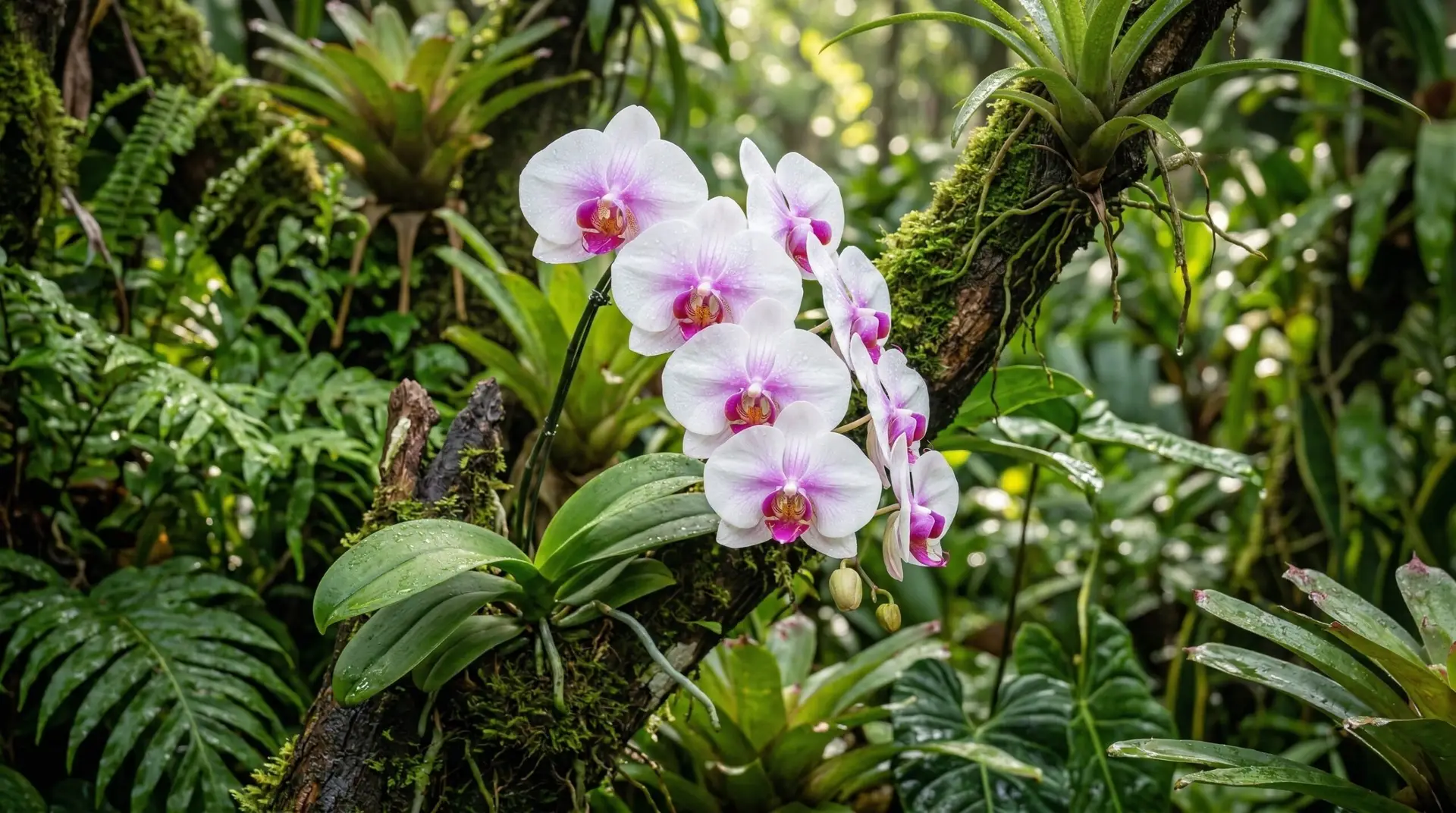
Early morning light filters through the frosted glass of the eastern window, catching the steam rising from the shower. Water droplets condense on the cool pane, pooling and slipping downward in erratic paths. Here on the narrow sill sits a moth orchid, its thick, silvery roots spilling over the edge of a terracotta pot. In the wild, these roots would grip the rough bark of a tropical tree, anchoring the plant high above the forest floor. In this domestic space, they reach out into the humid air, quietly drinking in the invisible moisture we leave behind. The bathroom might seem an unlikely place for a garden, but it holds a microclimate perfectly suited to plants that evolved to live on air and rain. It is a quiet convergence of human routine and botanical need.
Contents 4 sections
The forest canopy indoors
To understand a plant, you must first understand the place that made it. The Phalaenopsis orchid originates in the warm, humid forests of Southeast Asia, where it grows as an epiphyte under the protective shade of the canopy. It never touches the soil, relying instead on the frequent rains and the heavy, damp air to survive. When we bring these plants into our homes, we often place them in dry living rooms where the central heating slowly pulls the moisture from their leaves. The bathroom offers a sanctuary from this arid indoor climate. The daily ritual of bathing creates a reliable surge of orchid humidity that mimics the tropical dampness these plants crave. Other tropical species like the anthurium also respond well to this environment, unfolding new leaves when the air carries enough water.
The secret to the orchid’s survival lies in its remarkable root system. The thick, pale outer layer is called the velamen, a spongy tissue that acts like a sponge to absorb water rapidly when it rains. In a bathroom environment, these roots absorb the ambient steam, turning a deep, solid green as they hydrate. As the room clears and the exhaust fan pulls the dampness away, the roots begin to dry out, returning to their silvery dormant state. This cycle of sudden moisture followed by moving air is exactly how the plant experiences a passing rainstorm in the wild. If the roots stay wet constantly, they will suffocate and rot, making the drying phase just as vital as the watering phase. The shower provides this rhythm naturally, offering a brief, heavy humidity that dissipates over the course of the day.
Finding the right light
Moisture alone will not sustain an orchid if it cannot find the sun. Bathroom plants often struggle with the dim conditions of small, north-facing windows or rooms without natural light at all. A moth orchid needs bright, indirect light to gather the energy required to push out a long, arching flower spike. An eastern window is usually the ideal location, offering the cool, gentle rays of the morning sun without the harsh, burning heat of the afternoon. You can read the light levels by looking closely at the leaves. A healthy orchid receiving the right amount of sun will have firm, medium-green leaves, while dark, forest-green leaves indicate the plant is starving for light. If the leaves turn yellow or develop scorched patches, the sun is too strong and the plant needs to be pulled back from the glass.
The windowsill position offers another subtle advantage that encourages the plant to bloom. In their native habitat, moth orchids experience a slight drop in temperature as the sun sets and the night air cools. Placing the orchid near the window glass exposes it to a similar temperature fluctuation during the autumn and winter months. This chill is the biological signal that tells the plant it is time to reproduce, prompting the slow emergence of a new flower spike from the base of the leaves. Waiting for this spike requires a specific kind of patience, as the green tip grows only a fraction of an inch each day. It is a slow, deliberate process that cannot be rushed with extra water or fertilizer. You simply have to wait, watching the plant gather its strength over weeks and months.
Balancing moisture and air
Even in a humid room, the physical act of watering requires attention and care. The moss or bark in the pot will dry out much slower here than it would in a sunny kitchen, meaning you must check the roots before adding more water. It is easy to kill an orchid with kindness by watering it on a strict schedule rather than observing what it actually needs. Good air circulation is the best defense against mold and fungal infections, which can easily take hold in stagnant, damp air. Leaving the bathroom door open after a shower or running the exhaust fan mimics the gentle breezes of the forest canopy. Growing a gardenia indoors requires a similar careful balance of high humidity and moving air to prevent the leaves from dropping. When the environment is balanced, the plant settles into a steady rhythm of growth, producing one or two new leaves each year.
There is a distinct visual pleasure in keeping plants in the spaces where we wash and prepare for the day. A bathroom is typically a room of hard surfaces, filled with cold porcelain, glass, and metal fixtures. The addition of a living thing changes the texture of the room entirely, bringing a quiet, organic presence to an otherwise sterile space. The broad, fleshy leaves of the moth orchid offer a visual softness, while the tall flower spikes draw the eye upward. Even when the plant is not in bloom, the tangled, wandering roots have a wild, sculptural quality. Taking care of the plant becomes part of the morning routine, a small moment of attention given to another living organism before the demands of the day begin. It transforms a purely functional room into a place of quiet observation.
The slow rhythm of growth
An orchid in bloom is a long-lasting event, with the heavy, moth-like flowers sometimes holding their shape for months. Eventually, the petals will thin, wrinkle, and drop one by one onto the sill, leaving behind a bare, green stem. Many people discard the plant at this stage, mistaking the end of a blooming cycle for the end of the plant’s life. But this resting phase is when the real work of growing happens, as the plant directs its energy into pushing out new roots and leaves. Keeping the orchid through its dormancy teaches a valuable lesson about the cyclical nature of living things. We cannot demand constant flowers, just as we cannot demand constant summer. We watch the leaves, we feel the weight of the pot, and we wait for the season to turn, trusting that the wild rhythm of the forest is still alive in the quiet corner of the room.
More About Moth Orchid
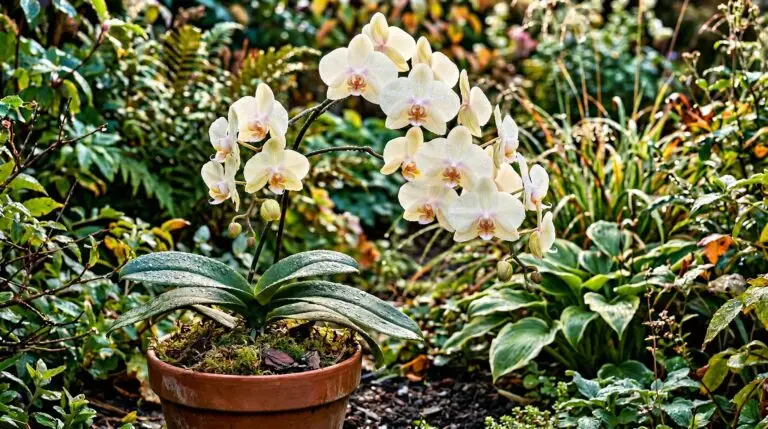
Why your orchid is not blooming and the simple temperature trick that triggers new flowers
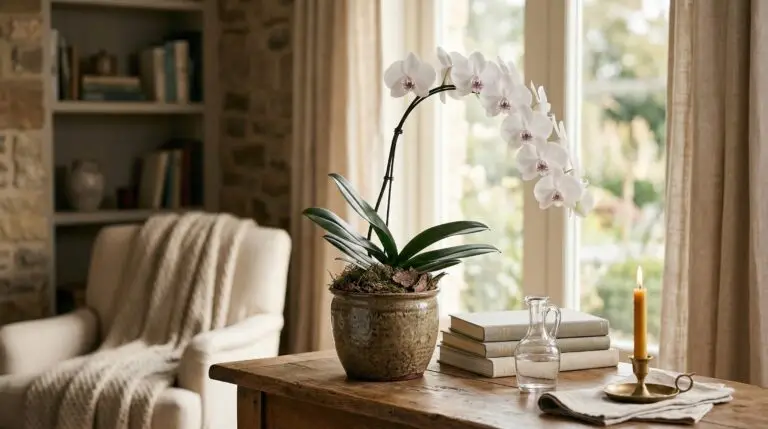
Orchid arrangements and centerpieces that make any room feel luxurious and elegant
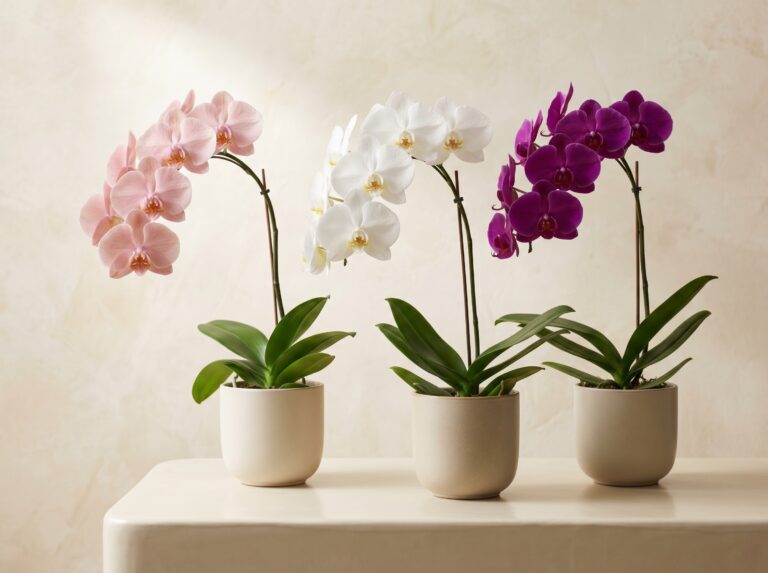
Orchid meaning, by colour and tradition, honestly explained
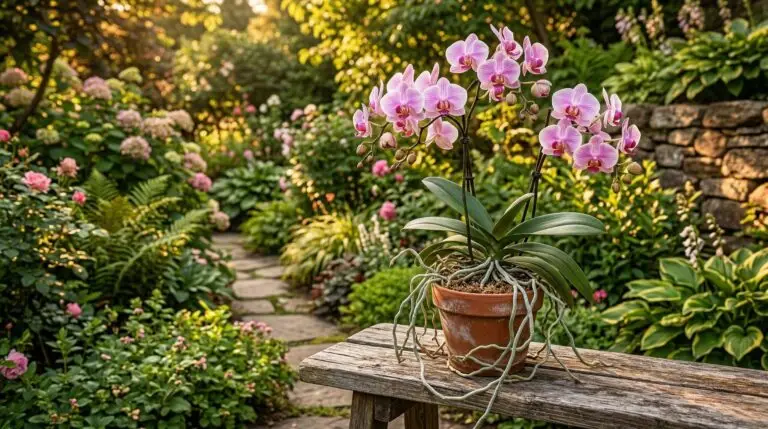
Repotting orchids step by step without killing the plant or damaging aerial roots
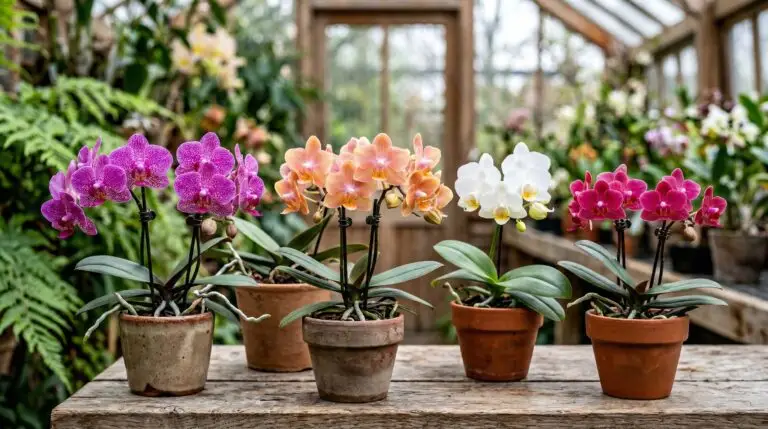
Best moth orchid varieties and the incredible range of phalaenopsis colors and patterns
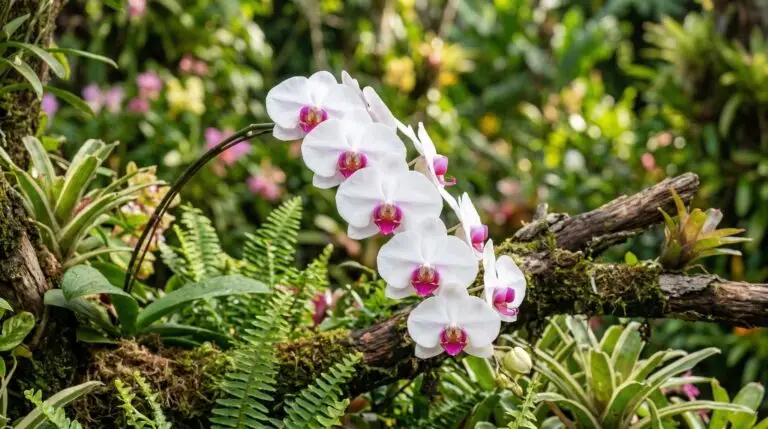
How to care for moth orchids so they bloom again and again for years
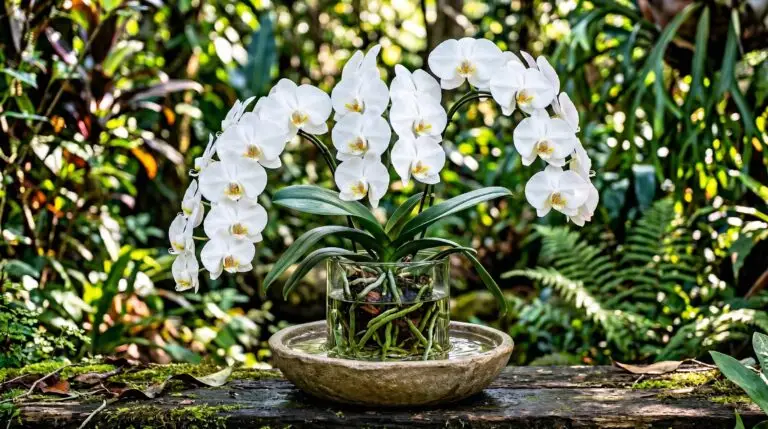
Watering orchids correctly and the ice cube myth versus what actually works
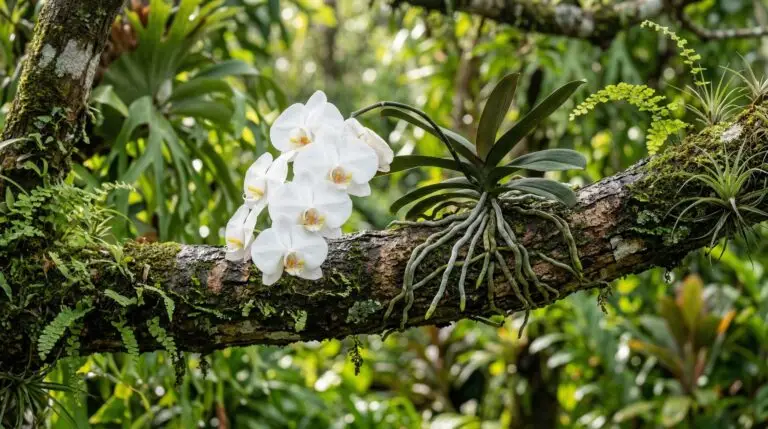
Orchid roots growing out of the pot and why aerial roots are a sign of a healthy plant
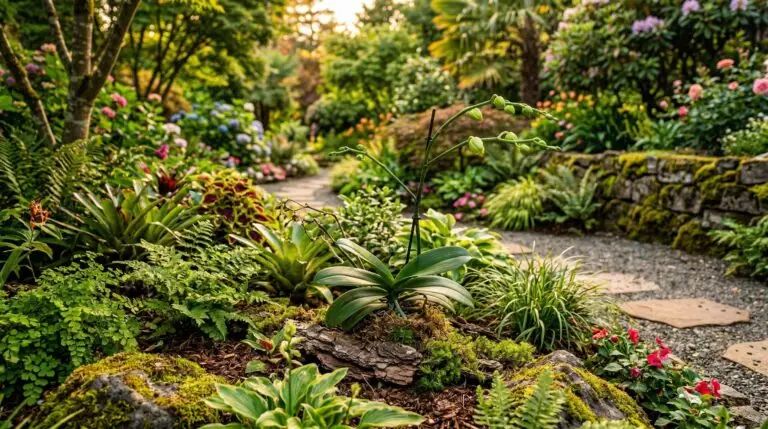
What to do when your orchid flower spike turns brown and whether to cut or keep it
Enjoying our flower guides? Add YourFlowersGuide as a preferred source on Google. It helps more readers find us.
Add to Preferred Sources