returns in
184
days
Bloom calendar
Carlton
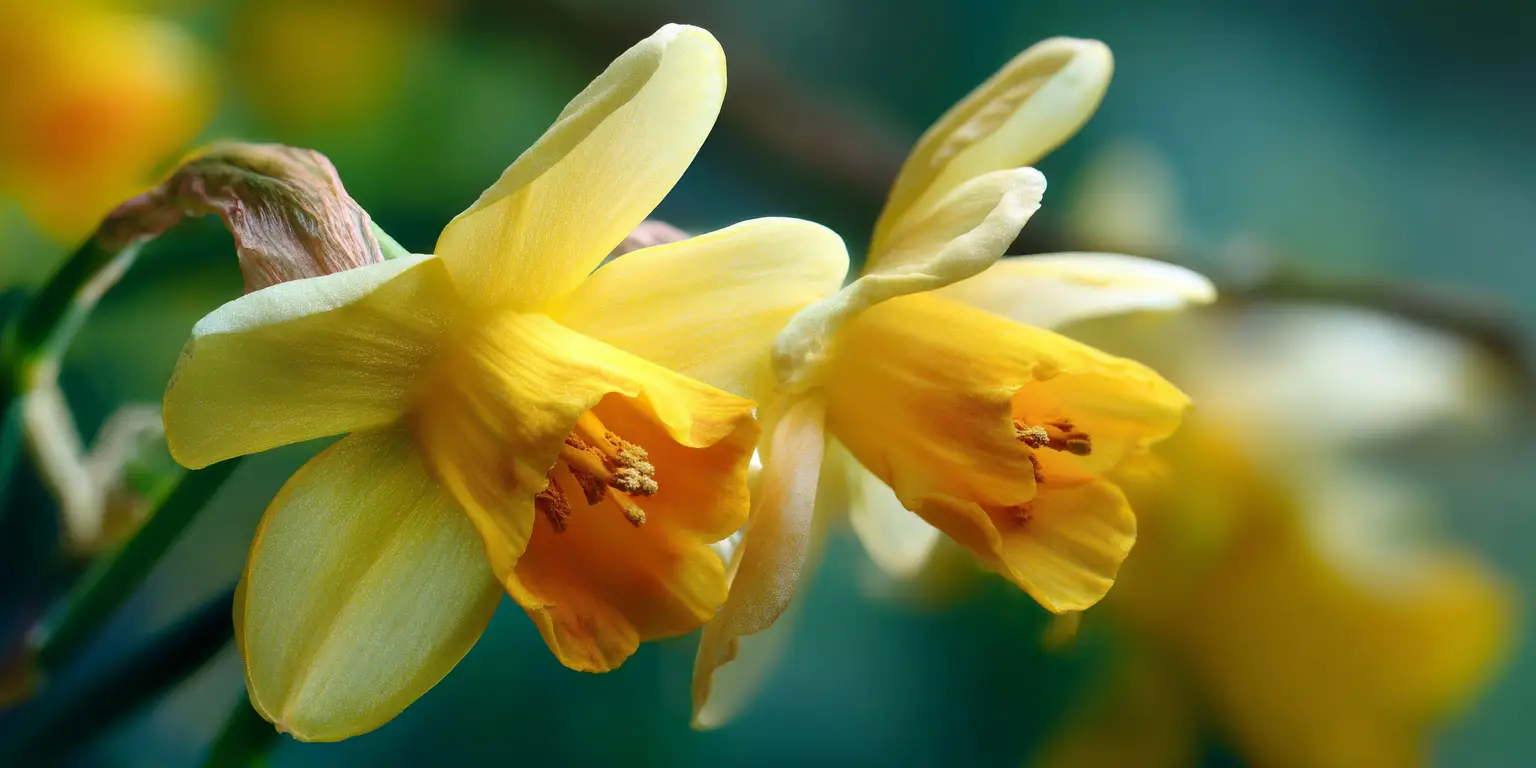
Division 2 (Large‑Cupped) · Percival D. Williams, 1927, England
At‑a‑glance
- Group/Class: Division 2 (Large‑Cupped)
- Height × spread: 18–24 in × 12–18 in (45–60 cm × 30–45 cm)
- Bloom window: early to mid spring
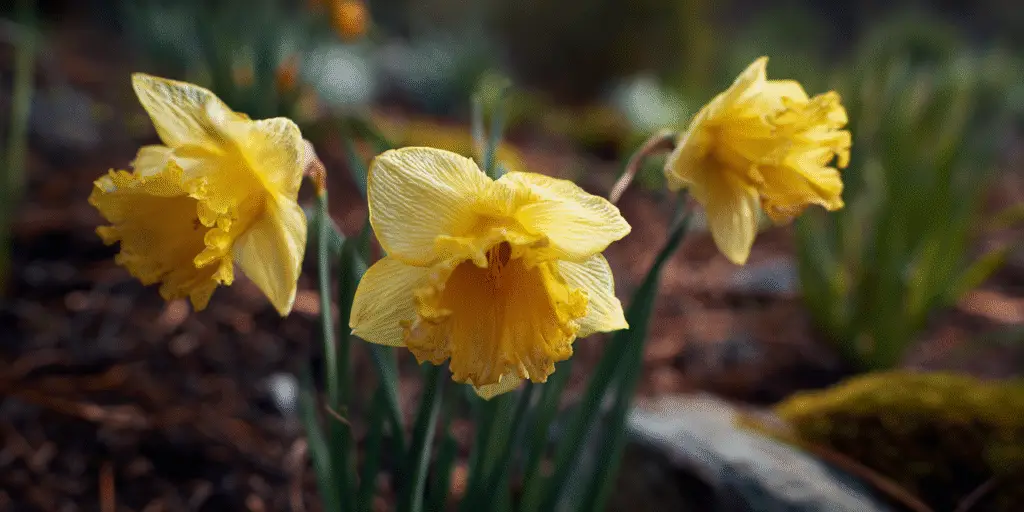
- Color & flower form: two‑tone to golden yellow perianth and large cup; one flower per stem
- Fragrance: 2 noticeable
- USDA hardiness: zones 3–8
- Breeder / Year / Origin: Percival D. Williams, 1927, England
- Awards/registration: Missouri Botanical Garden Plant of Merit
- Cut‑flower notes: stems strong; condition separately; vase life relatively short, varies by handling
- Pet safety: avoid
How it differs
- Large‑cupped form versus trumpet types on the pillar page.
- Noticeable fragrance compared with many daffodils.
- Vigorous clump former for naturalizing.
Strengths
- Proven workhorse for mass plantings.
- Dependable perennial return with basic care.
- Good stem strength for cutting.
Care in one minute
Plant bulbs 6–8 in deep (15–20 cm) in sunny, well‑drained sites.
Water during spring growth; avoid summer irrigation in dormant periods.
Let foliage mature for 6–8 weeks after bloom before removal.
Top‑dress with a balanced bulb fertilizer in fall if needed.
Divide congested clumps every few years to maintain bloom size.
Watch‑outs
- Blooms can be damaged by late hard freezes.
- Declines in waterlogged sites; ensure drainage.
Best uses (tags)
Provenance note
Raised by Cornish breeder Percival D. Williams and introduced in 1927. Long used in public landscapes and listed as a Plant of Merit by Missouri Botanical Garden.
References
- Missouri Botanical Garden – Narcissus ‘Carlton’ Plant Finder
- American Daffodil Society – Historic Daffodil List
- ASPCA – Narcissus toxicity for pets
- UC Davis Postharvest – Daffodil cut‑flower handling
Similar Flowers
Enjoying our flower guides? Add YourFlowersGuide as a preferred source on Google. It helps more readers find us.
Add to Preferred Sources