returns in
184
days
Bloom calendar
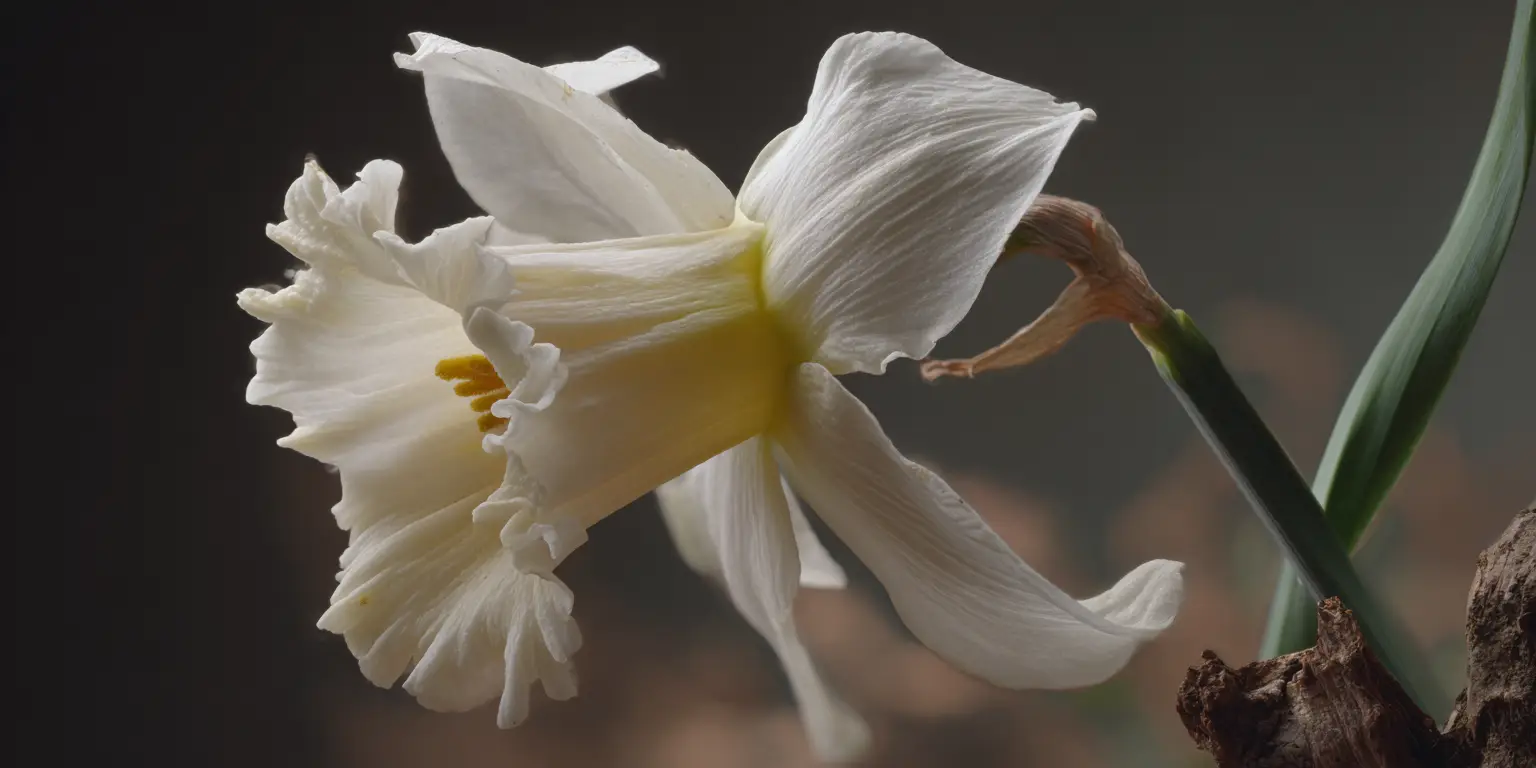
Mount Hood
Division 1 (Trumpet)
At‑a‑glance
- Group/Class: Division 1 (Trumpet)
- Height × spread: 16–20 in × 6–12 in (40–50 cm × 15–30 cm)
- Bloom window: mid spring
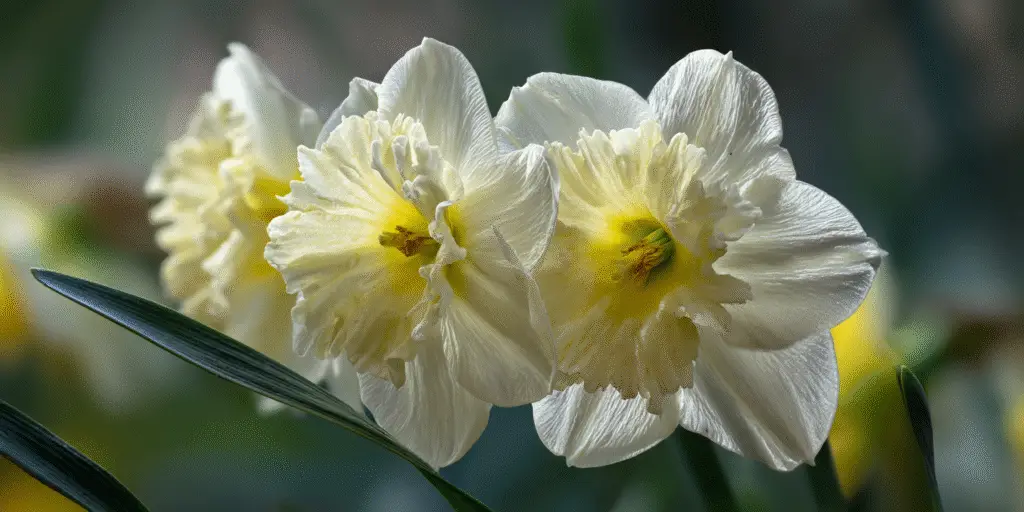
- Color & flower form: ivory white perianth; long trumpet maturing from pale cream to ivory; one flower per stem
- Fragrance: 1 trace
- USDA hardiness: zones 3–8
- Breeder / Year / Origin: unknown hybridizer, 1938, Netherlands
- Awards/registration: ADS Wister Award, 2018
- Cut‑flower notes: stems sturdy; condition separately; vase life relatively short, varies by handling
- Pet safety: avoid
How it differs
- All‑white trumpet compared with the typical yellow daffodil.
- Mid‑season bloom later than many early trumpets.
- Holds color without the yellowing seen in bicolors.
Strengths
- Strong landscape presence in white schemes.
- Good cut flower with firm stems.
- Reliable return in cold‑winter climates.
Care in one minute
Plant 6–8 in deep (15–20 cm) in full sun to light shade with well‑drained soil.
Keep evenly moist in spring; reduce water in summer dormancy.
Leave foliage to yellow naturally; avoid braiding or early removal.
Light fall feeding in poor soils supports next year’s bloom.
Divide congested clumps after foliage dies down.
Watch‑outs
- Flower color can burn in unseasonable heat.
- Needs division when clumps become crowded.
Best uses (tags)
Provenance note
An older Dutch white trumpet registered in 1938, recognized by the American Daffodil Society with the Wister Award for garden merit.
References
- Missouri Botanical Garden – Narcissus ‘Mount Hood’ Plant Finder
- ASPCA – Narcissus toxicity for pets
- UC Davis Postharvest – Daffodil cut‑flower handling
Similar Flowers
Enjoying our flower guides? Add YourFlowersGuide as a preferred source on Google. It helps more readers find us.
Add to Preferred Sources