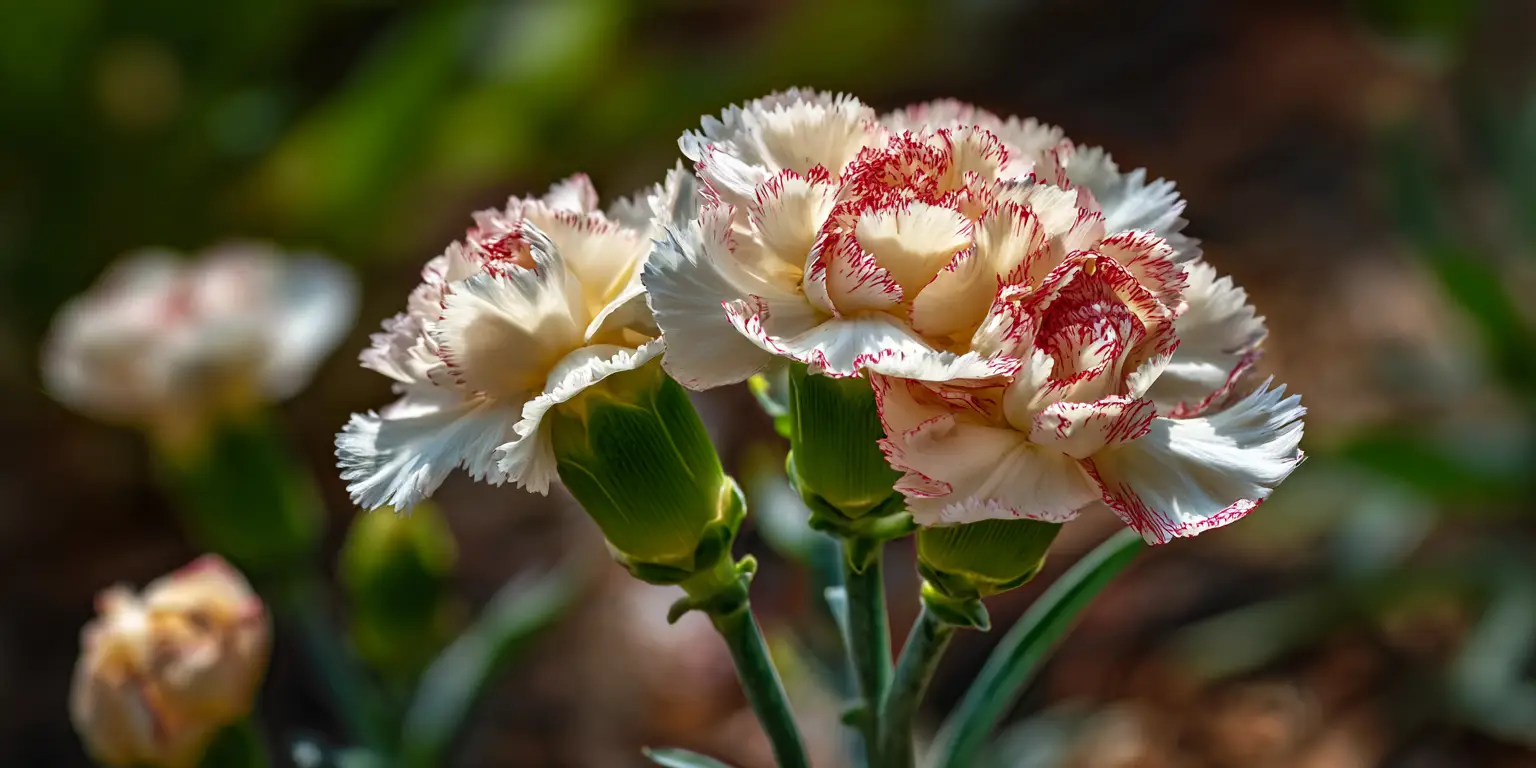
in bloom
now
through Aug
Bloom calendar
Border Carnation
Border (garden) carnation
At‑a‑glance
- Group/Class: Border (garden) carnation
- Height × spread: 1-2 ft (0.3-0.6 m) × 6-12 in (15-30 cm)
- Bloom window: summer, with extension possible by deadheading (varies by climate)
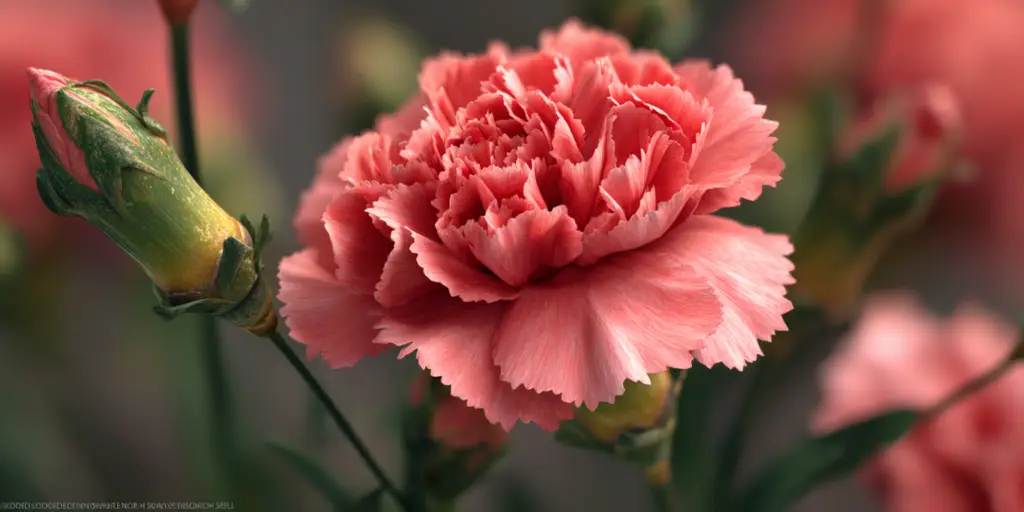
- Color & flower form: single to fully double; pinks, reds, whites, yellows, and bicolors
- Fragrance: 2 (often clove-scented, varies by cultivar)
- USDA hardiness: 6a-9b (often grown as an annual outside these zones)
- Breeder / Year / Origin: unknown / varies by cultivar; species origin Mediterranean region
- Cut-flower notes: can be a good cut flower, but stem length varies by selection
- Pet safety: avoid
How it differs
- Selected for outdoor border use rather than uniform florist stem grades.
- Often more scented than many modern commercial cut types.
- Typically shorter than tall florist selections.
- Better suited to regular deadheading and garden shaping.
Strengths
- Strong garden fragrance in many selections.
- Useful as a sunny border plant in cooler summer regions.
- Works in containers when drainage is excellent.
- Attractive to pollinators when flowers are accessible.
Care in one minute
Plant in full sun with airflow.
Use well-drained soil, and aim for neutral to alkaline pH.
Water deeply, then let the surface dry slightly between waterings.
Feed moderately, and avoid excessive nitrogen.
Deadhead to extend bloom, and trim lightly after flowering.
Overwinter only where winters are mild and drainage stays excellent.
Watch‑outs
- Poor drainage leads to crown rot and decline.
- Powdery mildew and rust can appear with humidity and crowding.
- Heat stress limits performance in hot southern summers.
- Slugs and aphids may damage tender growth.
Best uses (tags)
Provenance note
Horticultural references describe Dianthus caryophyllus as a key parent of many old and modern carnations, which is why “border carnation” is often used for garden strains derived from this species.
References
- Royal Horticultural Society. Dianthus caryophyllus details.
- NC State Extension Gardener Plant Toolbox. Dianthus caryophyllus.
- UC IPM. Managing Pests in Gardens: Carnation.
- ASPCA. Toxic and Non-Toxic Plants (Dianthus).
Similar Flowers
Enjoying our flower guides? Add YourFlowersGuide as a preferred source on Google. It helps more readers find us.
Add to Preferred Sources