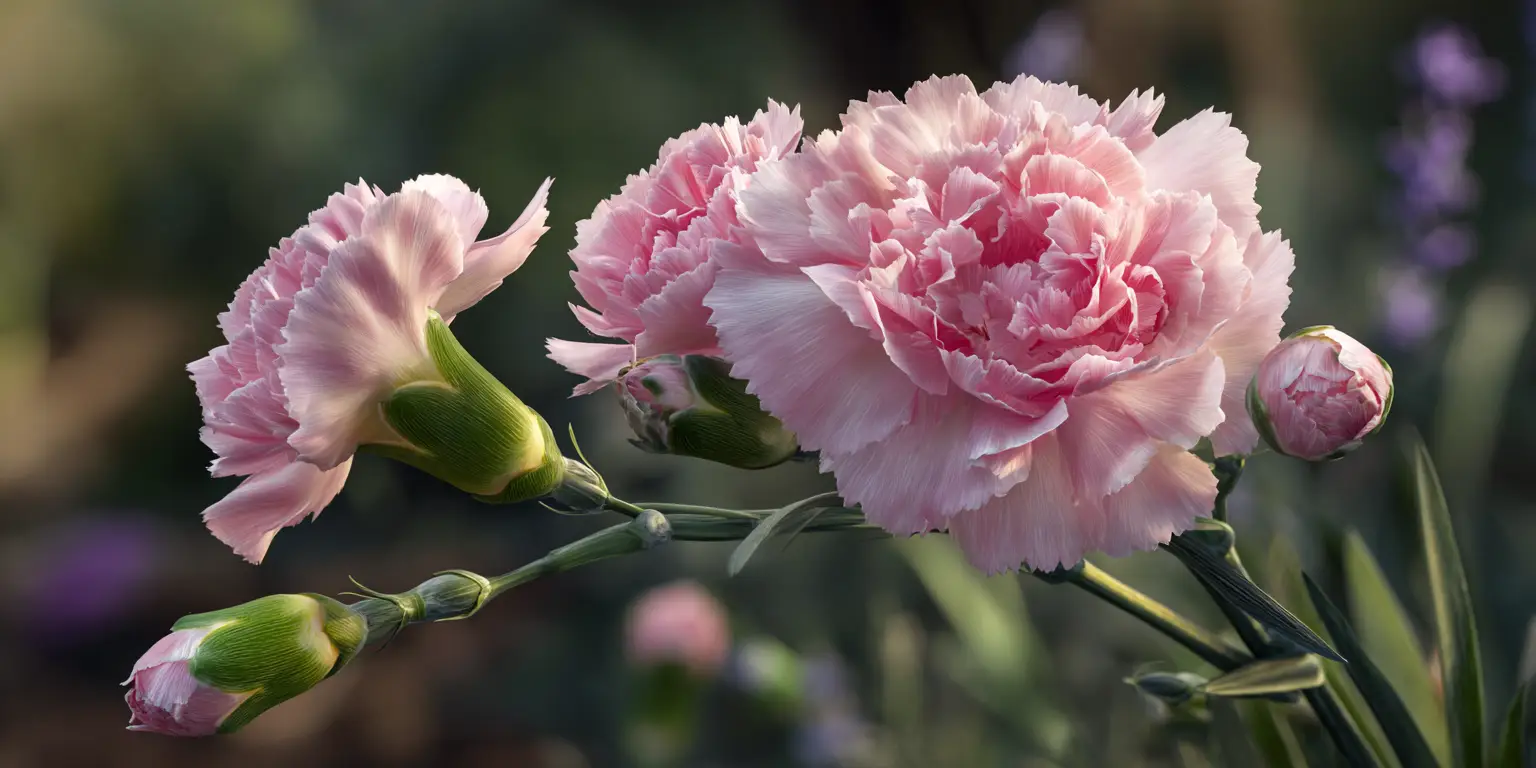
Malmaison Carnation
Malmaison carnation (historic greenhouse class)
At‑a‑glance
- Group/Class: Malmaison carnation (historic greenhouse class)
- Height × spread: 18-30 in (45-75 cm) × 6-12 in (15-30 cm)
- Bloom window: spring to summer (outdoors); extended under glass (varies by climate)
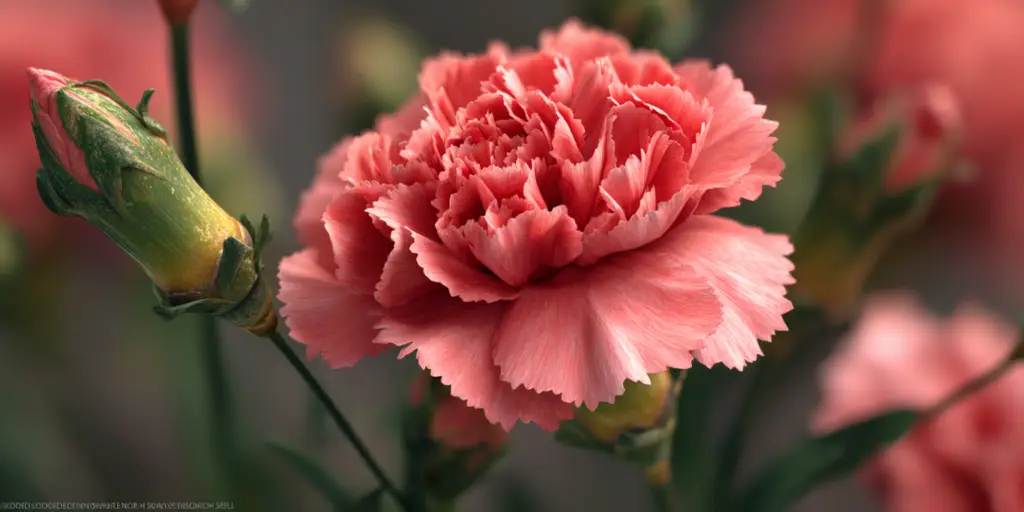
- Color & flower form: very double, often rose-like; whites, pinks, and bicolors reported
- Fragrance: 3 (strong, classically clove-like)
- USDA hardiness: grown as annual or under protection in much of North America (varies)
- Breeder / Year / Origin: unknown (historic European selections)
- Pet safety: avoid
How it differs
- Often treated as a protected-culture plant rather than a border perennial.
- Scent is usually a key selection trait for this class.
- Bloom form is extremely double compared with many garden strains.
- More sensitive to heat stress than many modern landscape dianthus.
Strengths
- Strong fragrance is a defining feature.
- Dense, showy blooms for specialty cutting.
- Suits cool greenhouses and bright, cool rooms.
- Distinct historic class for collectors and display.
Care in one minute
Give full sun or very bright light, and keep plants cooler when possible.
Use very well-drained soil, and aim for neutral to slightly alkaline pH.
Water deeply, then allow the surface to dry slightly before watering again.
Feed lightly during active growth and bud set.
Stake stems and deadhead promptly to reduce rot pressure.
Overwinter under protection in most regions, using a bright, cool space.
Watch‑outs
- Heat and humidity can deform blooms and shorten flowering.
- Dense petals trap moisture and raise botrytis risk.
- Plants often need staking to keep flowers clean and upright.
- Outdoor success is limited in hot summer climates.
Best uses (tags)
Provenance note
Older carnation cultivation manuals describe Malmaison carnations as a distinct class grown under glass for very double, highly scented flowers, rather than as a modern outdoor bedding strain.
References
- NC State Extension Gardener Plant Toolbox. Dianthus caryophyllus.
- ASPCA. Toxic and Non-Toxic Plants (Dianthus).
Similar Flowers
Enjoying our flower guides? Add YourFlowersGuide as a preferred source on Google. It helps more readers find us.
Add to Preferred Sources