returns in
222
days
Bloom calendar
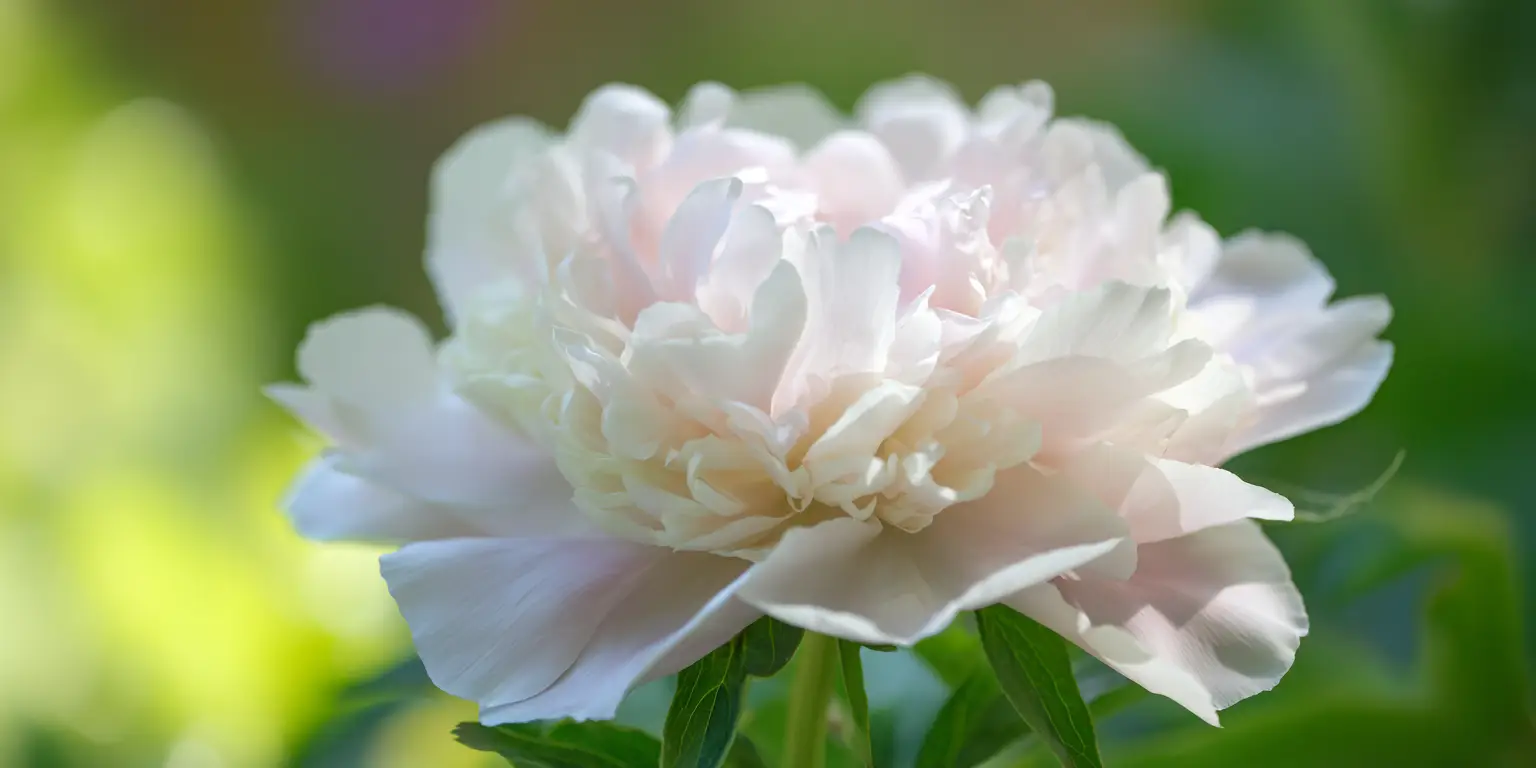
Paeonia lactiflora
Herbaceous peony
At‑a‑glance
- Group/Class: Herbaceous peony
- Height × spread: 20–30 in × 24–36 in (50–75 cm × 60–90 cm)
- Bloom window: mid to late spring
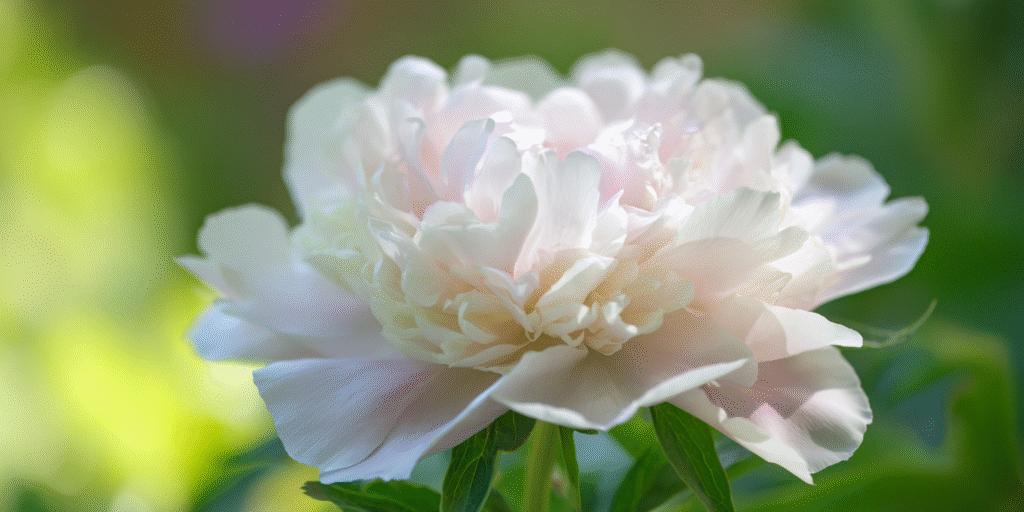
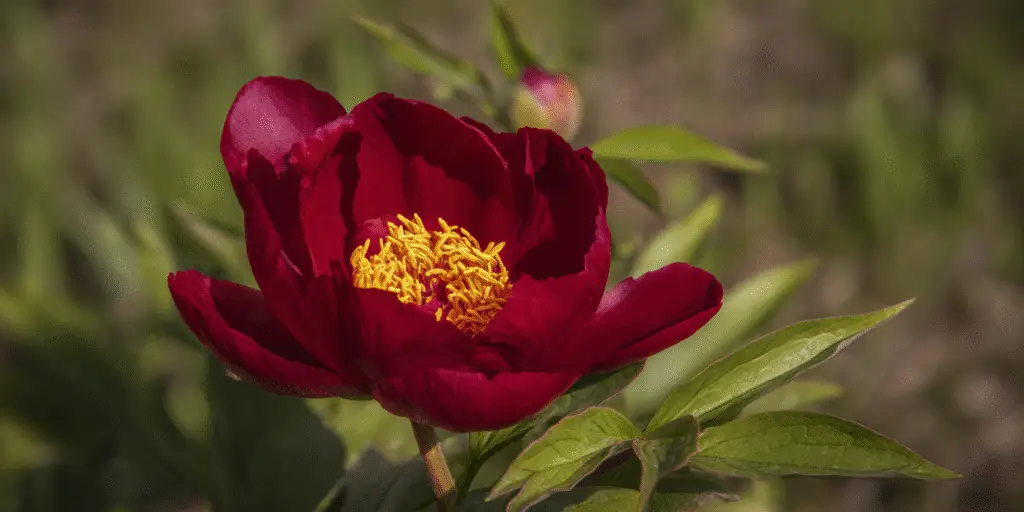
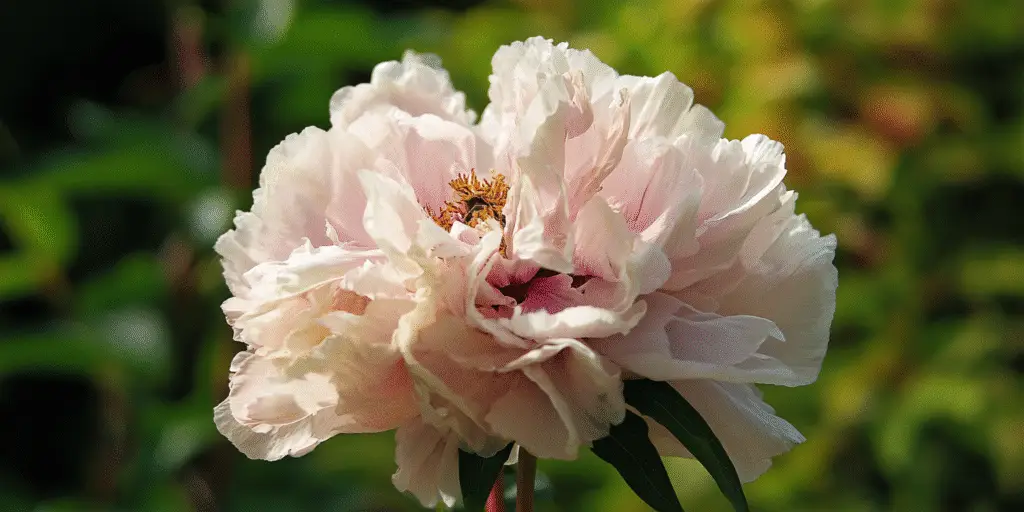
- Color & flower form: white to pink to red; single to double
- Fragrance: 2
- USDA hardiness: 3–8
- Origin: Asia
- Cut‑flower notes: harvest at soft bud; typical vase life 7–10 days
- Pet safety: avoid
How it differs
- Blooms later than tree peonies in most climates.
- Dies back to the ground each winter.
- Offers the broadest cultivar selection for color and form.
- Generally provides more usable cut stems than tree peonies.
Strengths
- Cold‑hardy and very long‑lived clumps.
- Reliable spring display in full sun sites.
- Many fragrant cultivars available.
- Excellent for cutting when harvested at the right bud stage.
Care in one minute
Site: full sun with wind protection in colder sites.
Soil: deep, fertile, well‑drained loam; slightly acidic to neutral pH.
Water: 1 inch per week in spring; avoid waterlogging.
Feeding: light compost in spring; avoid high‑nitrogen fertilizer.
Planting: set buds 1–2 in below soil in cold regions; shallower in warm zones.
After bloom: deadhead; cut foliage to ground after frost; keep mulch off the crown.
Watch‑outs
- Can develop botrytis in cool, wet springs.
- Heavy double blooms may flop without support.
- Needs winter chill to flower well.
- Planting too deep can reduce bloom.
Best uses (tags)
Provenance note
Native to central Asia and northern China and long cultivated for ornament and cut flowers.
References
- Missouri Botanical Garden: Paeonia lactiflora profile
- Iowa State University Extension: Growing Peonies
- ASPCA: Peony toxicity (Paeonia spp.)
Similar Flowers
Enjoying our flower guides? Add YourFlowersGuide as a preferred source on Google. It helps more readers find us.
Add to Preferred Sources