returns in
222
days
Bloom calendar
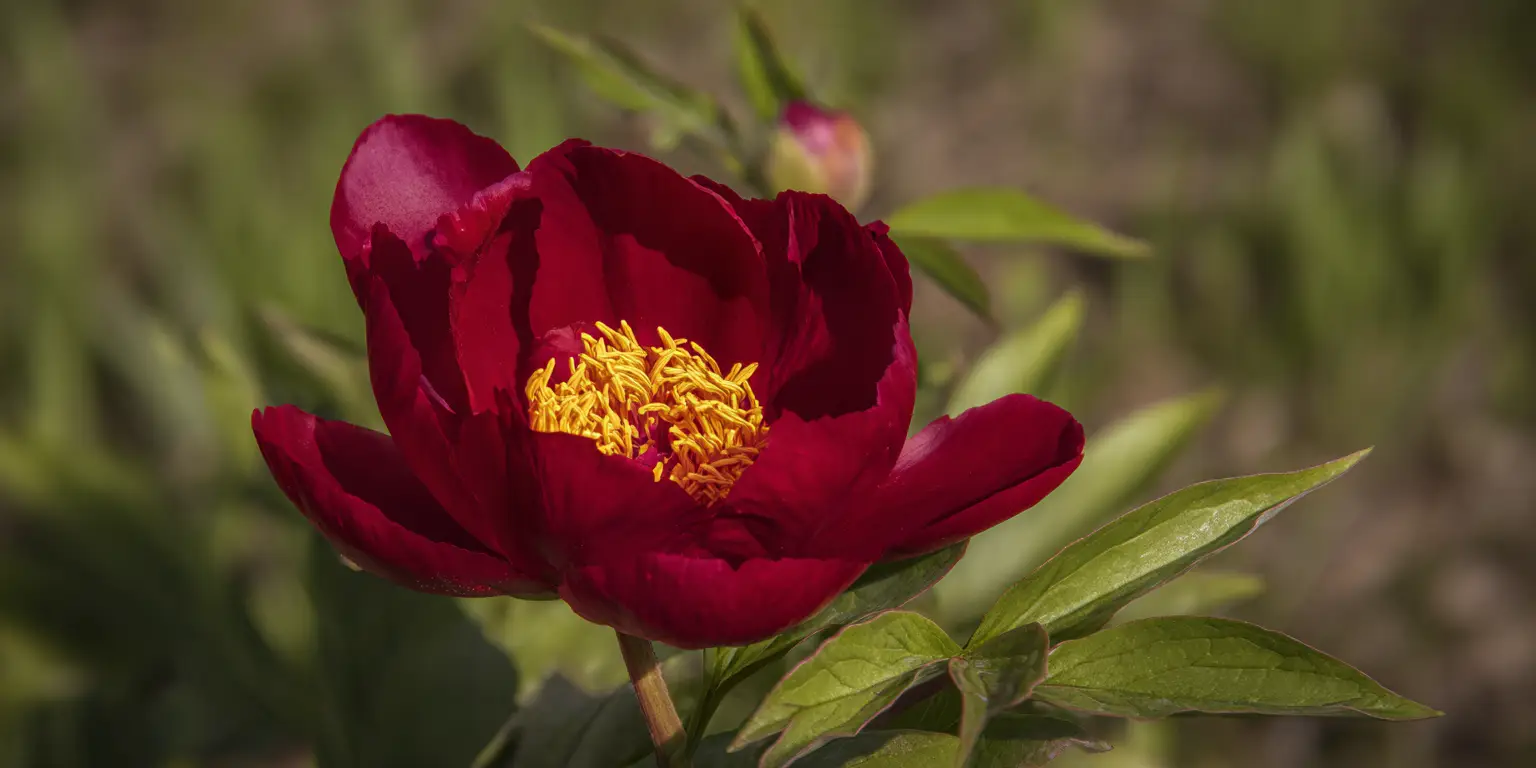
Paeonia officinalis
Herbaceous peony
At‑a‑glance
- Group/Class: Herbaceous peony
- Height × spread: 18–24 in × 18–24 in (45–60 cm × 45–60 cm)
- Bloom window: mid spring
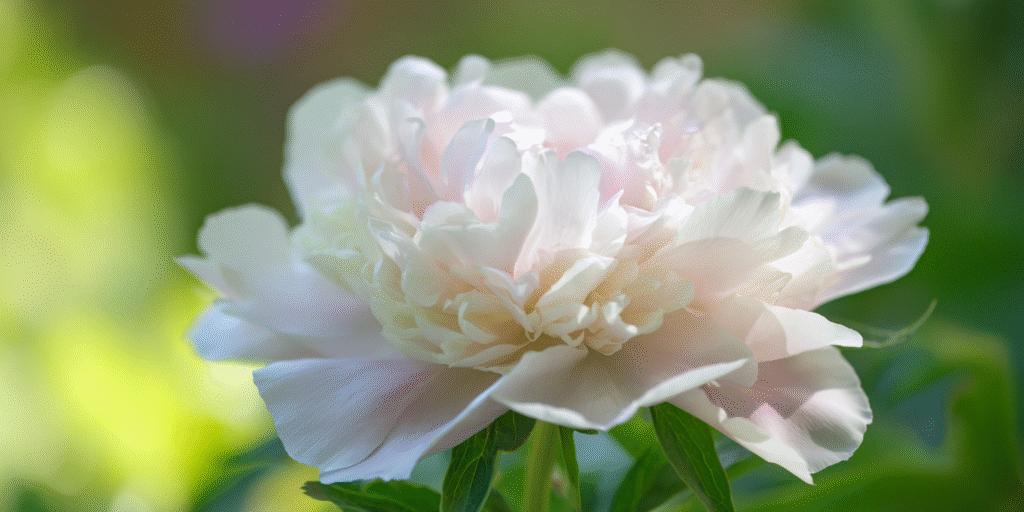
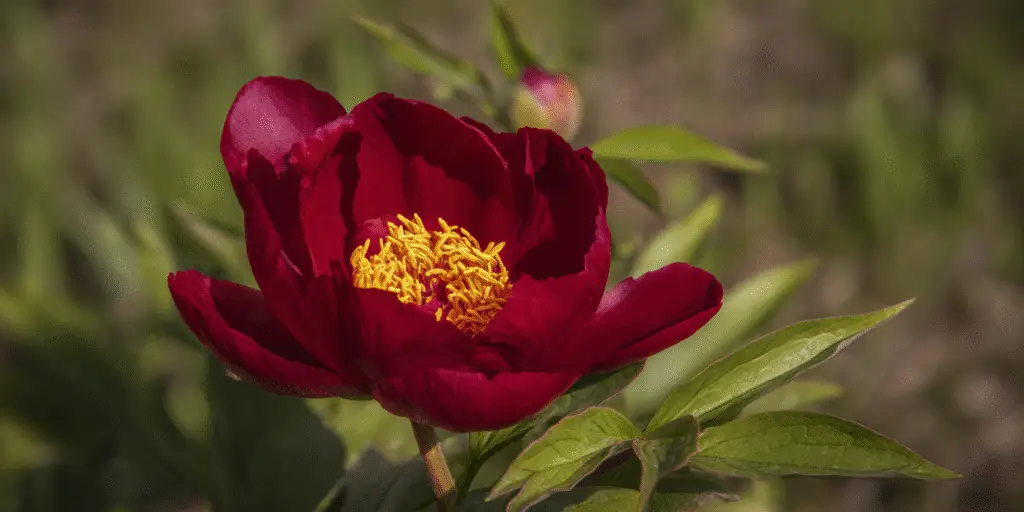
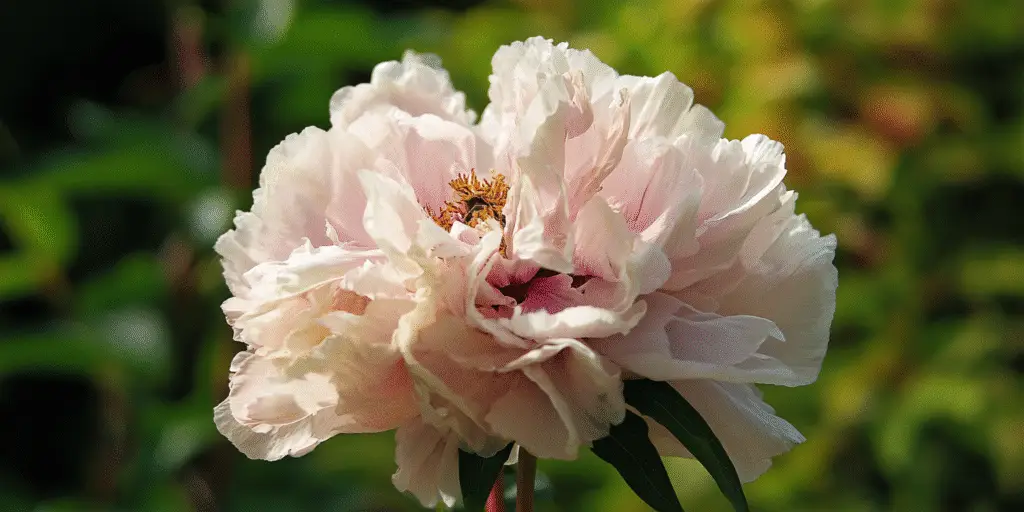
- Color & flower form: rose pink to crimson; single to double
- Fragrance: 2
- USDA hardiness: 3–8
- Origin: Southern Europe
- Cut‑flower notes: shorter stems than Chinese peonies; typical vase life about 7 days
- Pet safety: avoid
How it differs
- Blooms earlier than the typical Chinese peony.
- Forms a smaller, tighter clump.
- Color range leans to pink and red.
- Heavy doubles may flop more readily.
Strengths
- Dependable early color in cool climates.
- Compact habit fits small borders.
- Cold‑hardy and long‑lived.
Care in one minute
Site: full sun with good air movement.
Soil: fertile, well‑drained loam; neutral to slightly alkaline.
Water: regular spring moisture; avoid saturated soils.
Feeding: compost in spring; avoid heavy nitrogen.
Planting: set buds 1–2 in below soil; shallow planting promotes bloom.
After bloom: deadhead; remove foliage after frost; keep mulch away from crown.
Watch‑outs
- Botrytis can be an issue in wet springs.
- Needs winter chill to set buds well.
- Support may be needed for double forms.
Best uses (tags)
Provenance note
Native to southern Europe and cultivated for centuries in traditional gardens.
References
- Missouri Botanical Garden: Paeonia officinalis profile
- ASPCA: Peony toxicity (Paeonia spp.)
- Iowa State University Extension: Growing Peonies
Similar Flowers
Enjoying our flower guides? Add YourFlowersGuide as a preferred source on Google. It helps more readers find us.
Add to Preferred Sources