returns in
222
days
Bloom calendar
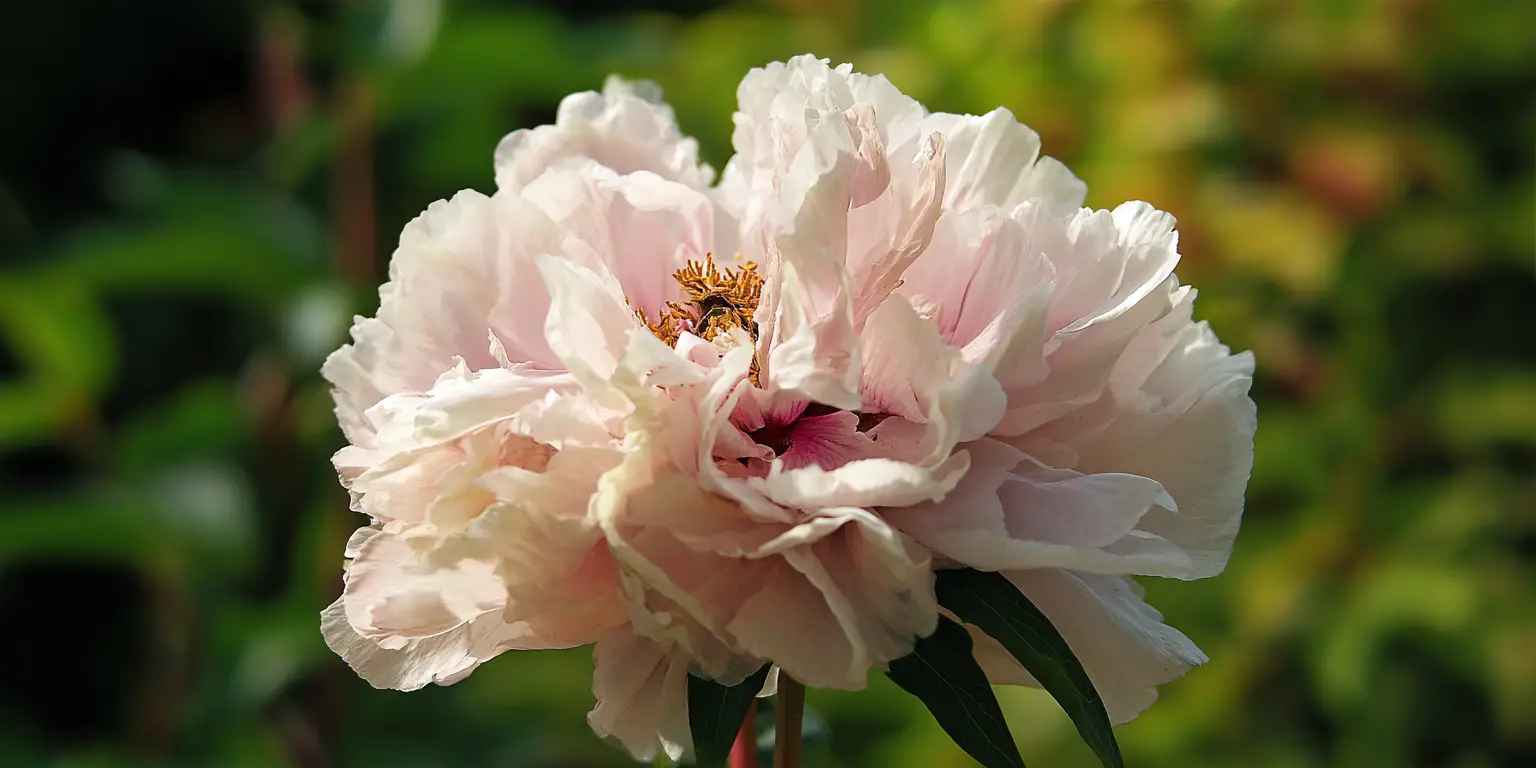
Paeonia suffruticosa
Tree peony (woody)
At‑a‑glance
- Group/Class: Tree peony (woody)
- Height × spread: 3–5 ft × 3–4 ft (0.9–1.5 m × 0.9–1.2 m)
- Bloom window: mid spring
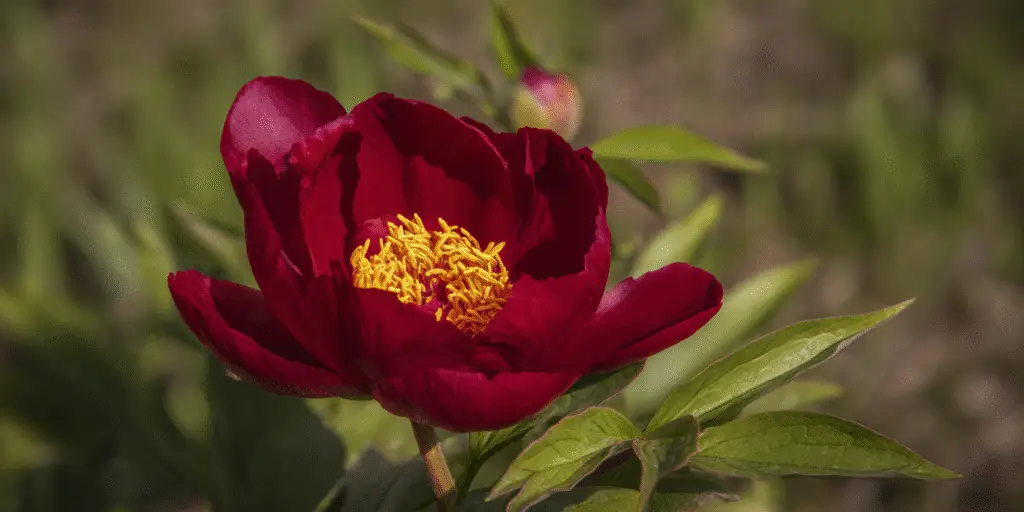
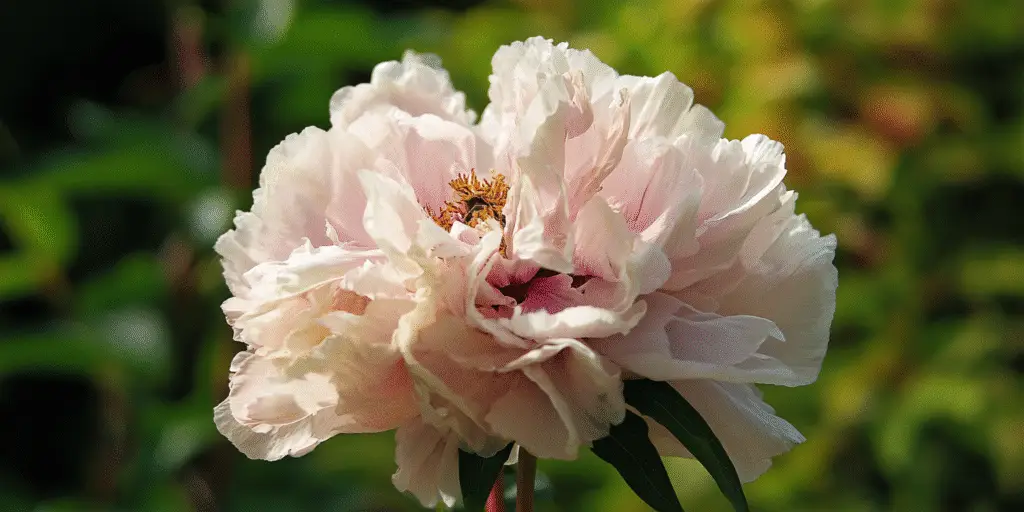
- Color & flower form: wide range; single to double
- Fragrance: 2
- USDA hardiness: 4–8
- Origin: China
- Pet safety: avoid
How it differs
- Blooms earlier than herbaceous peonies.
- Woody stems persist and should not be cut to ground.
- Flowers are typically larger and fewer per plant.
- Tolerates light shade better during hot afternoons.
Strengths
- Architectural form with long life.
- Spectacular spring display.
- Good cold tolerance for a woody shrub in zones 4 to 8.
Care in one minute
Site: morning sun to light afternoon shade; shelter from drying winds.
Soil: deep, fertile, well‑drained; neutral to slightly alkaline.
Water: steady spring moisture; reduce in midsummer once established.
Feeding: light compost in early spring.
Pruning: remove dead wood after bloom; avoid hard cutting.
Winter: mulch soil lightly; do not cut woody framework.
Watch‑outs
- Large blooms can be damaged by late frost or heavy rain.
- Requires well‑drained soil; dislikes waterlogged sites.
- Grafted plants may produce rootstock suckers that should be removed.
Best uses (tags)
Provenance note
Cultivated in China for centuries and introduced to Western gardens in the 18th–19th centuries as tree peony forms and hybrids.
References
- Missouri Botanical Garden: Paeonia suffruticosa (tree peony)
- ASPCA: Peony toxicity (Paeonia spp.)
Similar Flowers

Enjoying our flower guides? Add YourFlowersGuide as a preferred source on Google. It helps more readers find us.
Add to Preferred Sources