The pairing · pick a flower
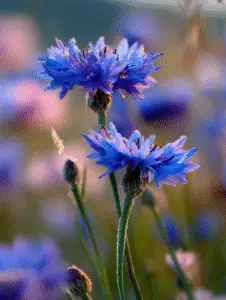 Cornflower+
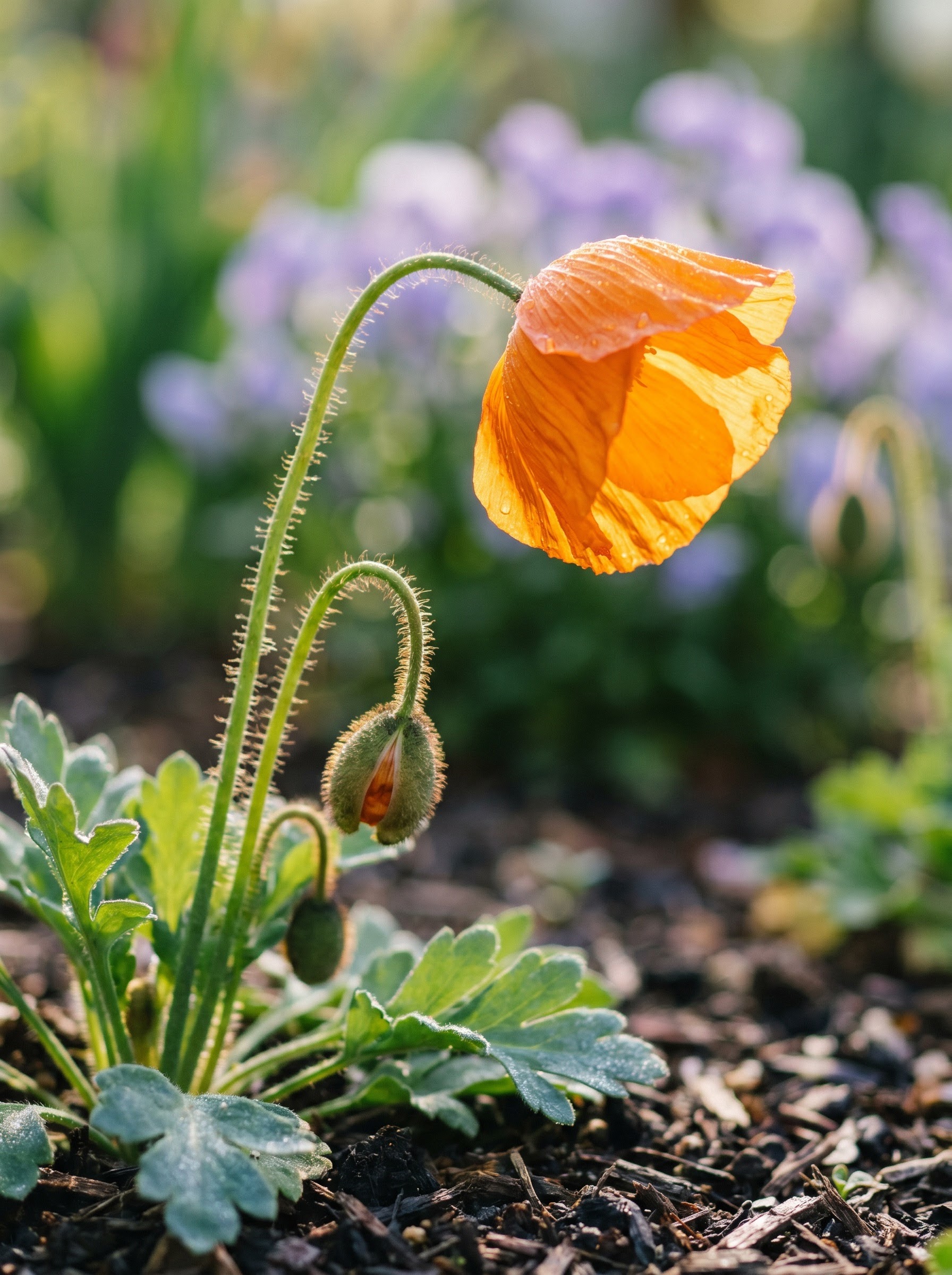 California poppyProven
The signature blue-and-red meadow pairing works because it is also the most honest soil match on this list: both are direct-sown, full-sun, poor-soil annuals that self-seed at the same pace.
Cornflower+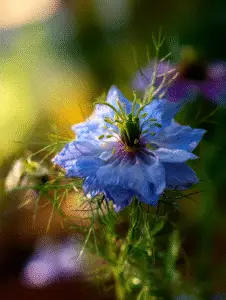 Love-in-a-mistProven
Same full-sun, well-drained, cool-season habit and the same self-seeding rhythm, so the two establish and decline on the same calendar without one crowding the other out.
Cornflower+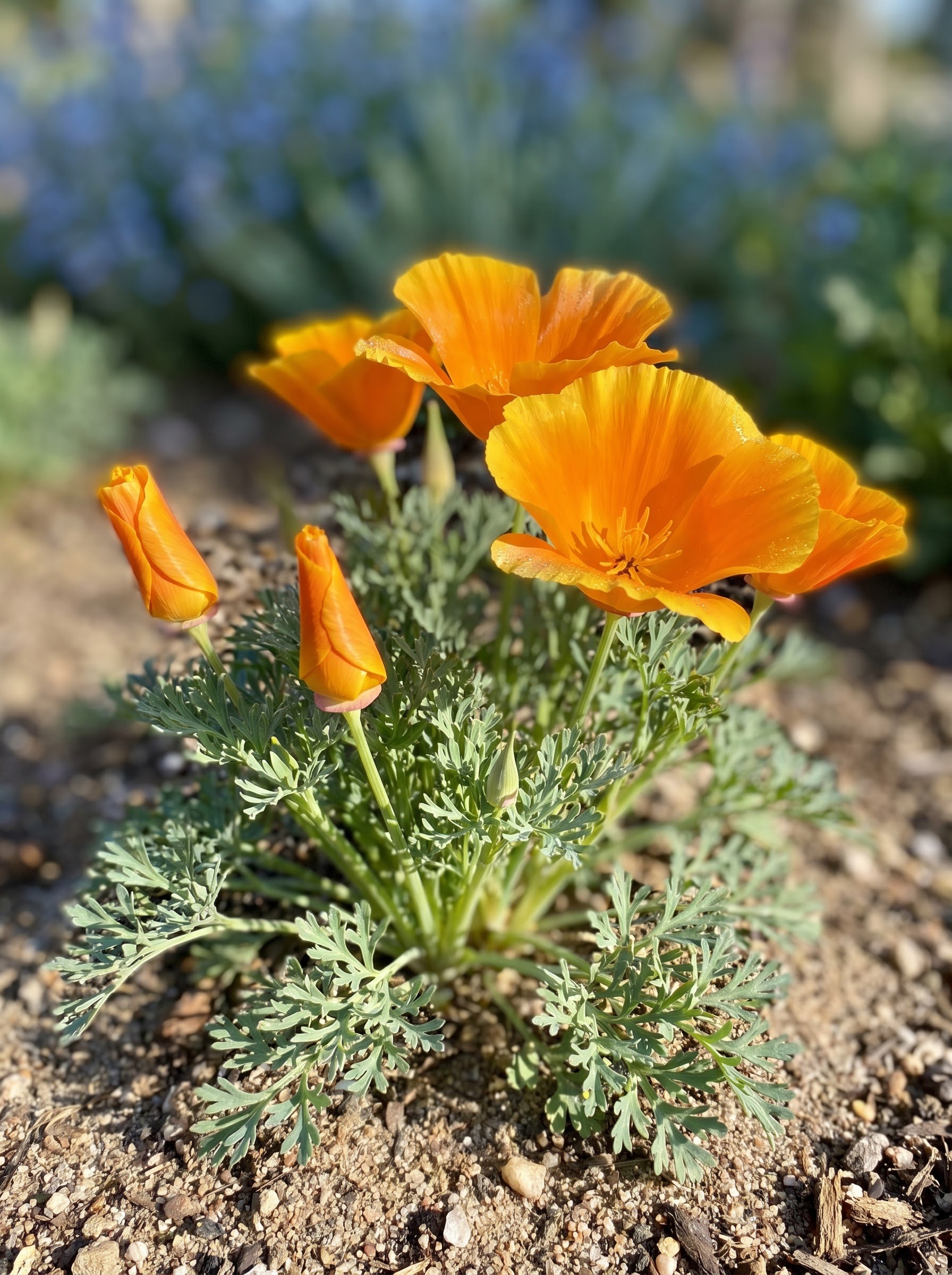 California poppyProven
Arguably the cleanest soil match available: California poppy actually performs worse in rich soil, so the two share the exact same lean, unfed, sharply drained bed with zero compromise on either side.
Cornflower+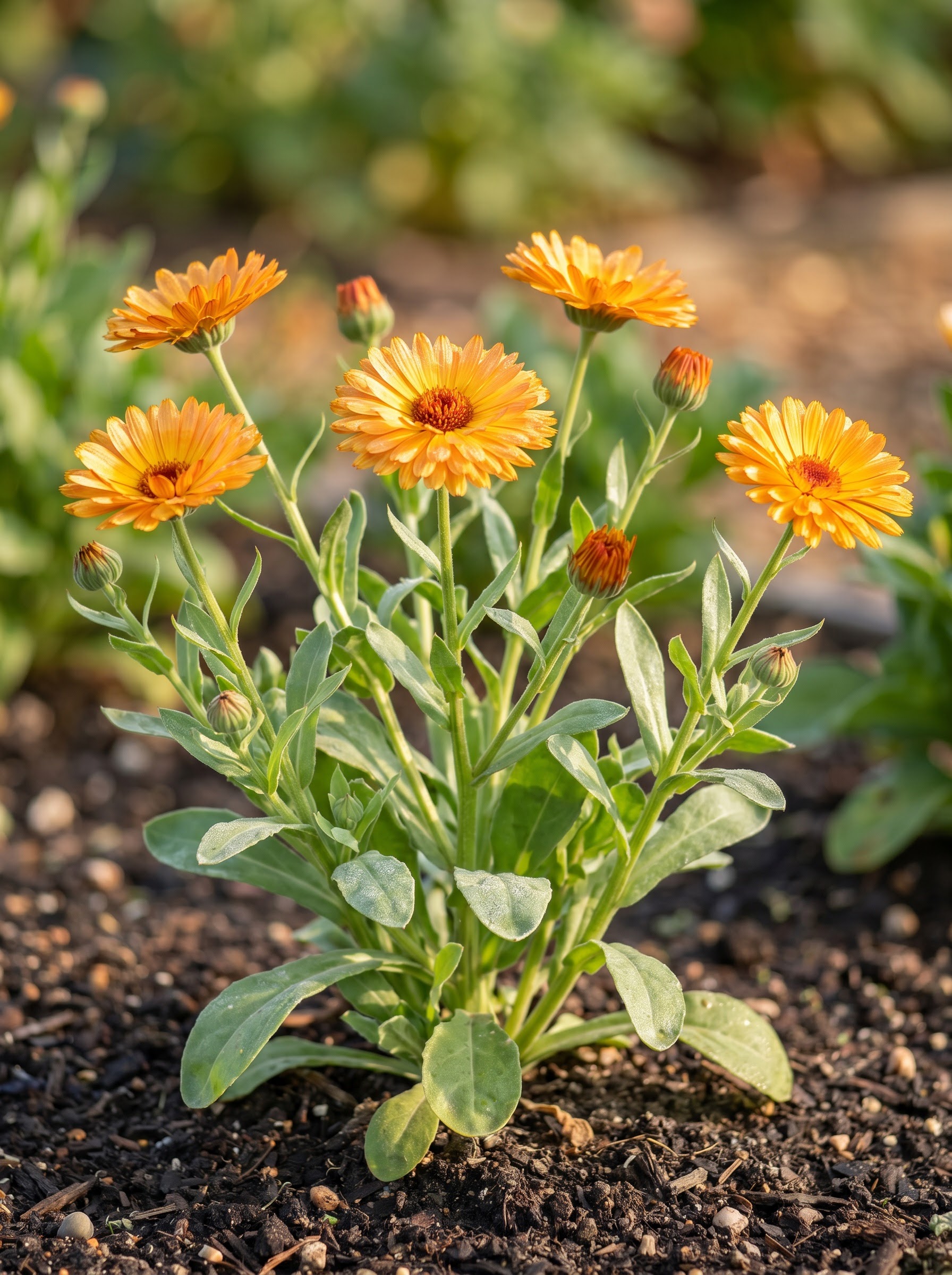 CalendulaProven
Shares cornflower's full sun and light, unfed soil almost exactly, and flowers best when it is not fertilized either, so the two ask the gardener for the same restraint.
Cornflower+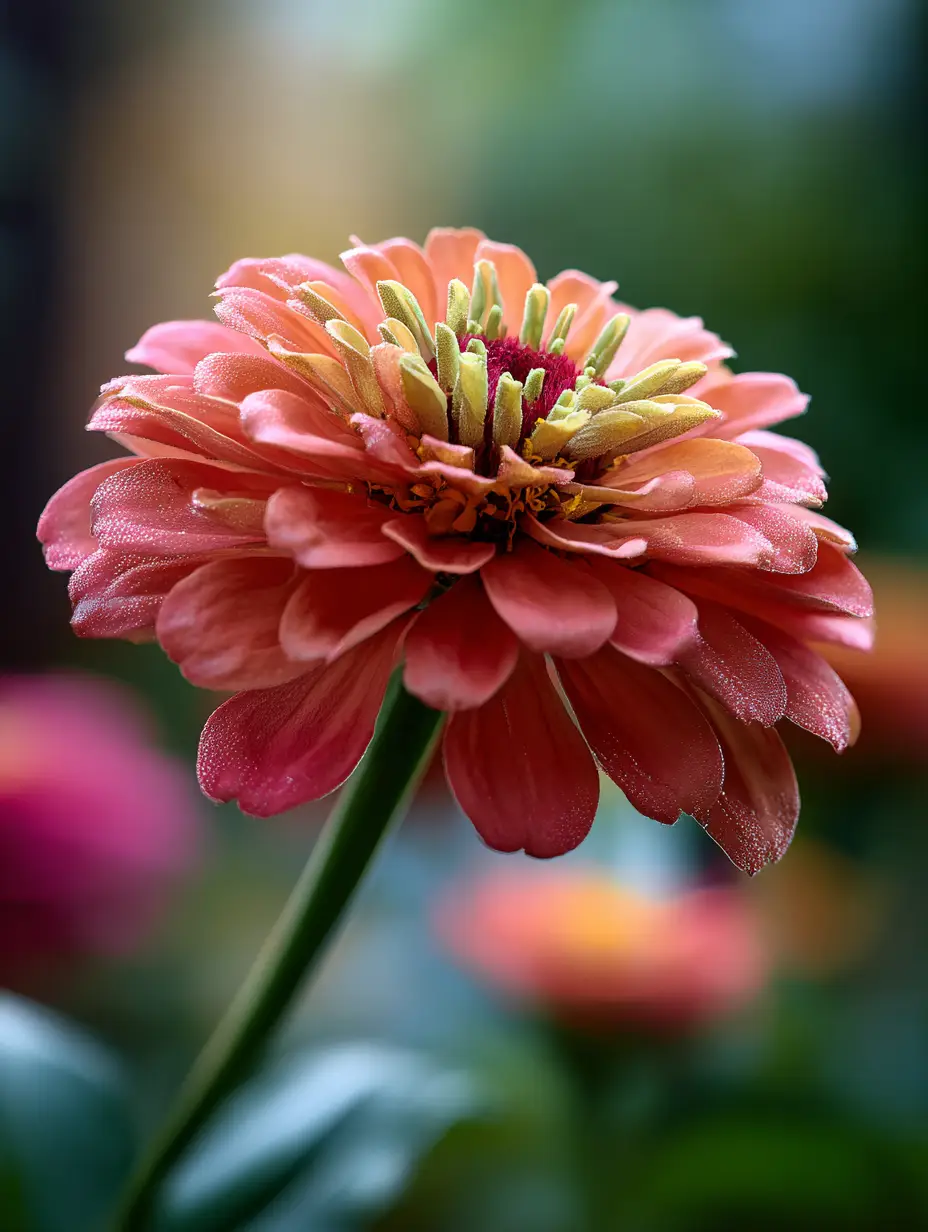 ZinniaPartial
A strong cutting-garden succession partner that picks up the bouquet once cornflower's spring flush fades, though zinnia prefers richer soil, so give it its own fed pocket rather than sharing cornflower's lean patch.
Cornflower+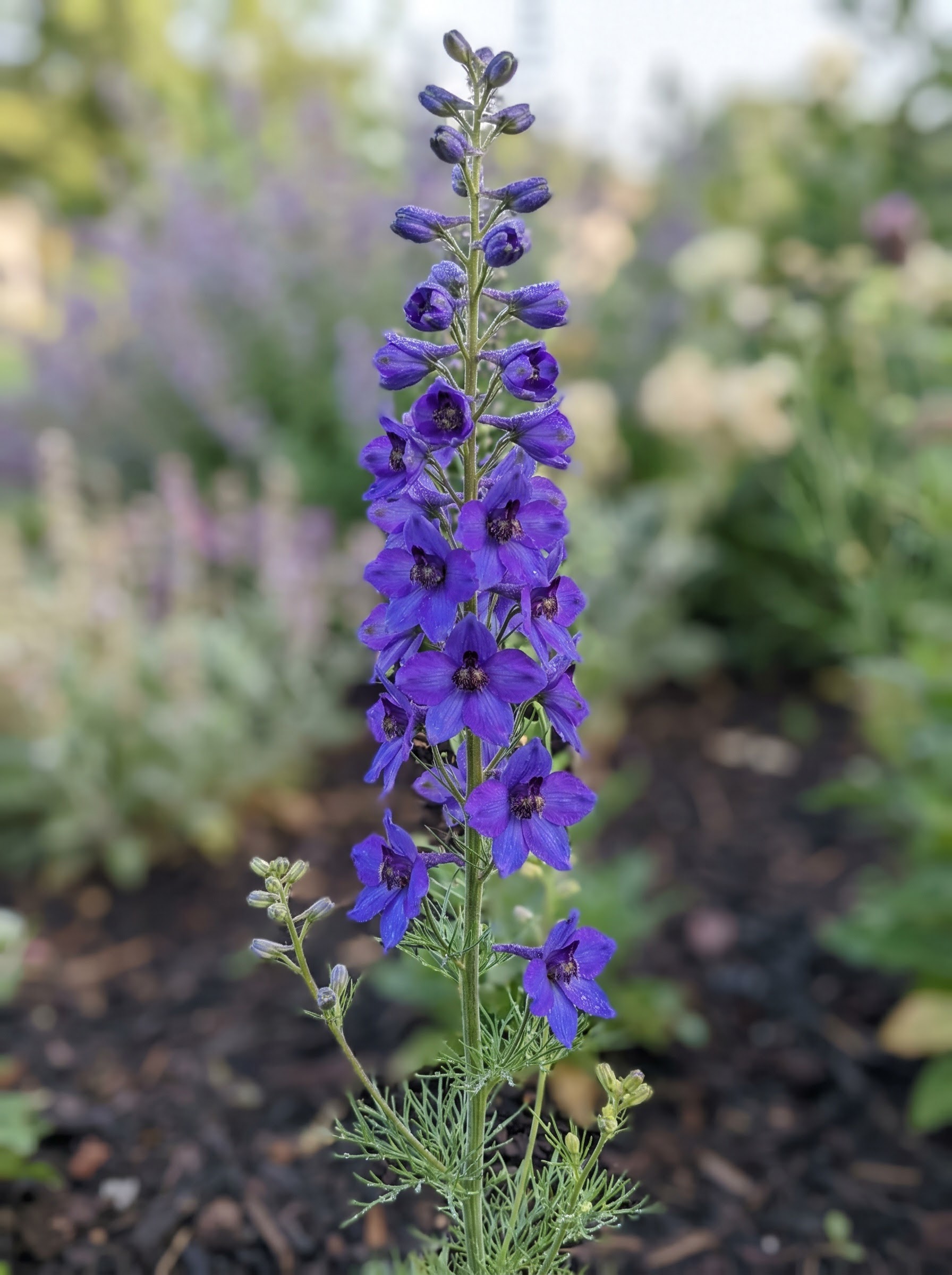 LarkspurPartial
Supplies the height and vertical spike form cornflower's own thin, swaying stems lack, and shares the same cool-season, direct-sow habit, though larkspur prefers its soil a touch richer.
Cornflower+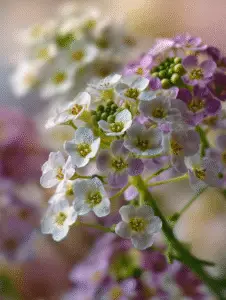 Sweet alyssumProven
Genuinely tolerant of the same poor, dry soil cornflower wants, and its low mounding habit answers a real structural gap since cornflower's own base is thin and offers no groundcover.
Cornflower+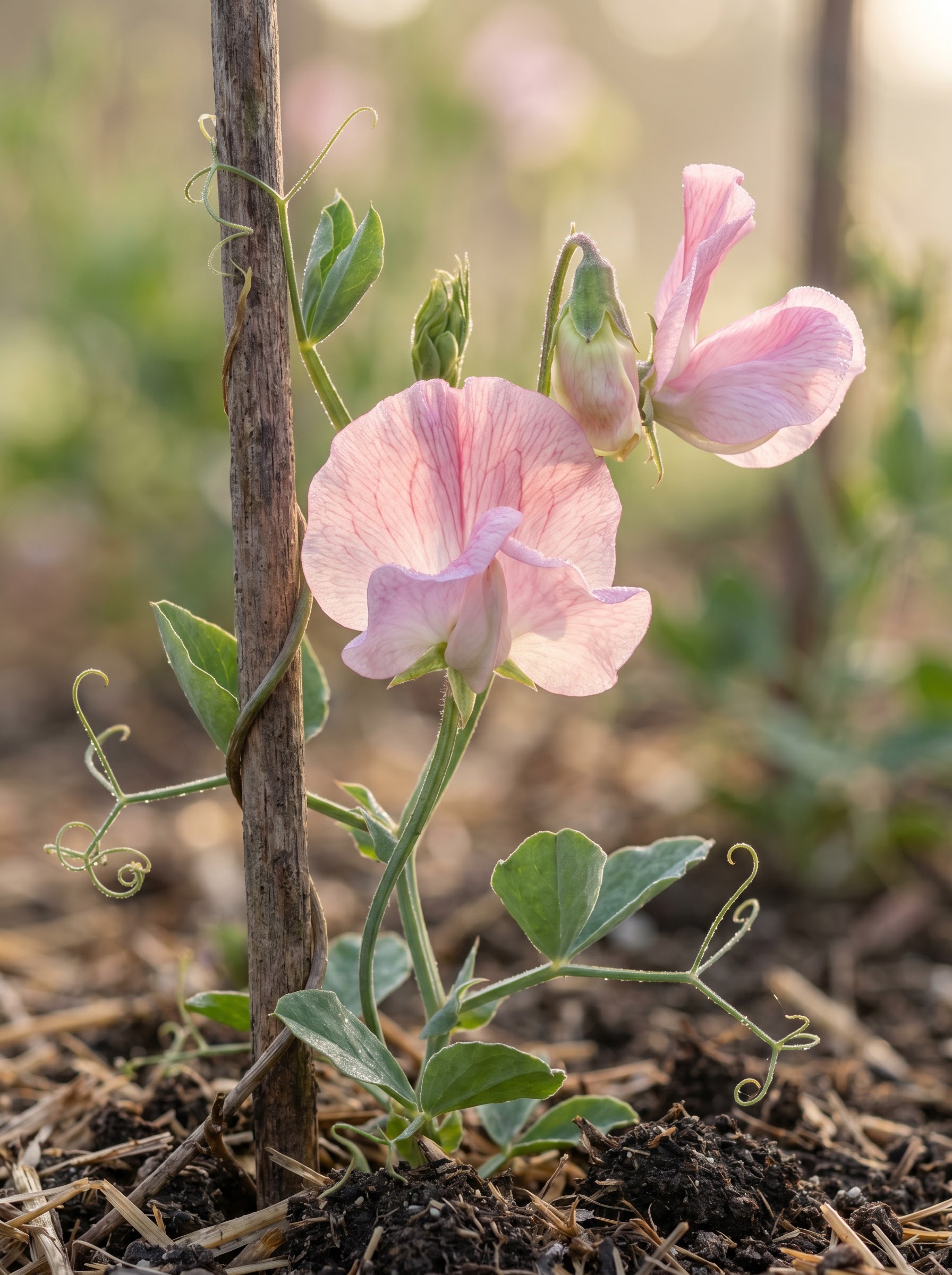 Sweet peasPartial
A lovely scent-and-structure pairing on a trellis, but sweet peas are heavy feeders wanting rich, moist soil, the opposite of cornflower's own preference, so feed and water that patch for the sweet peas, not the cornflower.
All Cornflower companions
8 flower companions, best match first
What not to plant near Cornflower
Most bad neighbours are not evil, they just want the opposite light, water or root run. Here is what to keep away, and what to do instead.
Tall sunflowers and other tall, canopy-forming plants
Cornflower needs full sun and stems visibly flop and flowering weakens once anything tall enough to canopy over it blocks the light, a straightforward sun-physiology mismatch rather than a subtle one.
Mint and other aggressive spreading perennials
Mint spreads through vigorous underground rhizomes that outcompete neighboring plants for water and nutrients in exactly the same lean soil cornflower relies on for itself.
Rich-soil, heavy-feeding companions generally (dahlias, richly fed roses, most modern bedding sweet peas)
Anything whose care routine calls for regular fertilizing and consistently amended, moist soil asks the gardener to treat cornflower's own patch in a way that works against it, and cornflower is documented to tolerate poor soils and no fertilization, so matching a heavy feeder's routine only adds leggier, floppier growth without any real benefit to the cornflower itself.
Overhead-watered, densely packed companions in humid climates
Packing cornflower shoulder to shoulder with other bushy, humidity-trapping plants and watering overhead keeps its foliage wet longer, and centaurea is listed among the flowering annuals and perennials commonly troubled by powdery mildew when air circulation is poor.
Bog and moisture-loving ornamentals (astilbe-type plants) in a shared bed
Consistently wet, muddy soil is the real risk for cornflower's own roots, so anything planted close enough to demand regular soaking works directly against the dry, well-drained ground it needs.
The best companions for cornflowers, explained
Cornflower is an unusual case among cottage-garden annuals: most of the classic companion logic gets built around feeding and watering a needy plant, and cornflower is the opposite. Centaurea cyanus does best in lean, well-drained, even poor soil, and it tolerates poor soils and no fertilization, according to Missouri Botanical Garden, while rich, heavily fertilized beds push it toward the floppier, disease-prone growth the plant does best without. That single trait reshapes the whole companion question. The strongest pairings here are not the ones that merely look good together, they are the ones that also want to be starved and left dry in the same patch of ground. Field poppy tops that list for a reason beyond its famous blue-and-red contrast with cornflower: both are direct-sown, full-sun, self-seeding annuals that genuinely thrive in poor soil, making the pairing a real conditions match rather than a color trick alone. Love-in-a-mist and California poppy earn the same honest praise, the latter arguably more so, since California poppy actually performs worse in fertile soil, making its lean-soil preference an even tighter fit with cornflower’s own. Calendula rounds out that tier cleanly: it flowers best unfertilized, in the same light, unfed ground cornflower already wants, which is a rare thing to be able to say about two different flowers at once. Sweet alyssum earns its place through genuine structural usefulness rather than a shared bloom season: its low mounding habit answers cornflower’s own thin, leggy base, something the flower cannot do for itself since it produces no real skirt of foliage. Zinnia and larkspur are honest good matches rather than perfect ones: both share cornflower’s love of full sun, but each prefers its soil a shade richer, so the fair way to combine them is to let cornflower keep its lean corner while the richer feeder gets its own slightly better-fed pocket of the same bed. That is the throughline for nearly every pairing on this page: cornflower is forgiving of neighbors, but the honest companion is the one that does not ask the gardener to treat cornflower’s own soil like everyone else’s.
What not to plant near cornflowers
The clearest avoid on this page is also the most mechanically obvious one: anything tall enough to canopy over cornflower and cut its light. Full sun is a hard requirement, and cornflower’s wiry stems visibly flop while flowering weakens once shade creeps in for more than a couple of hours a day, a plain matter of sun physiology documented by the North Carolina Extension Gardener Plant Toolbox. A tall sunflower planted directly south of a cornflower patch, or any dense shrub that leafs out and shades the bed mid-season, will quietly starve it of the one thing it cannot do without. Mint and other aggressive, rhizome-spreading perennials are a second, equally uncomplicated avoid: mint spreads through vigorous underground roots that outcompete neighboring plants for water and nutrients, according to Utah State University Extension, and it will do that competing in exactly the same lean soil cornflower is trying to use sparingly for itself. The subtler avoid is really a category rather than a single plant: rich-soil, heavy-feeding companions in general, dahlias, richly fed roses, most modern bedding sweet peas, whose care instructions call for regular fertilizing and consistently moist, amended soil. Planting these directly alongside cornflower means treating its own patch the way the heavy feeder wants to be treated, and Missouri Botanical Garden notes that cornflower is very adaptable and tolerates poor soils and no fertilization, so matching a heavy feeder’s routine adds nothing but leggier growth. None of this is a hard rule against combining them visually, gardeners do it constantly and it looks lovely, the honest fix is simply to give the heavy feeder its own fertilized, well-watered zone rather than sharing cornflower’s lean corner of the bed. A final, lower-drama avoid is really a spacing note: packing cornflower shoulder to shoulder with other bushy, humidity-trapping plants and watering overhead invites the powdery mildew that University of Maryland Extension lists centaurea among the flowering plants commonly troubled by, so airflow deserves the same attention as soil.
Do they like the same conditions?
Every honest companion recommendation on this page gets tested against the same simple ruler: full sun, low to medium water with genuine drought tolerance once established, and soil on the lean, well-drained, even poor end of the spectrum, tolerant of a wide pH range rather than fussy about it. That ruler runs backward compared to most cottage annuals people expect to pair with cornflower. Sweet peas are the clearest case in point. The current instinct to grow them together on a trellis behind a bed of cornflowers is aesthetically sound, and the scent and vertical structure genuinely earn their keep, but sweet peas are heavy feeders that want rich, well-amended, consistently moist soil, according to North Carolina State Extension, which sits at the opposite end of cornflower’s own preference. The honest way to read that pairing is that the watering can and the fertilizer bag are working for the sweet peas there rather than for the cornflower, and cornflower will tolerate that arrangement rather than actually benefit from it. The reverse mismatch matters just as much and gets discussed far less: overwatering or overfeeding cornflower out of habit or kindness is arguably the single biggest risk to the plant itself, since consistently wet, muddy soil invites root rot and produces the same floppy, waterlogged stems that excess shade does. Field poppy, love-in-a-mist, California poppy, and calendula pass this ruler cleanly in both directions, sharing cornflower’s actual preferences rather than merely tolerating them, which is exactly why they lead the companion list above rather than sweet peas or dahlias.
How to plant them together
Direct-sow cornflower alongside field poppy, love-in-a-mist, and California poppy at the same time in early spring or, in mild-winter climates, in fall, since all four are cool-season annuals that dislike root disturbance and germinate on a similar timeline. Scatter them at roughly 8 to 12 inches apart for a genuinely meadow-like effect rather than rows, letting the seedlings sort themselves into a natural drift as they come up. Calendula and sweet alyssum can go in at the same spacing, with alyssum tucked specifically at the front edge of the bed or wherever cornflower’s own bare lower stems need covering, since it is the one plant on this list doing real structural work rather than simply sharing a bloom season. Larkspur and any trellised sweet peas belong behind the cornflowers, both for the height contrast and because both need their own support or staking that would otherwise crowd the shorter plants in front. Keep zinnias and any richer-soil companion at least 12 inches away and, where practical, give them a slightly amended pocket of soil rather than blending the beds completely, watering that zone more generously without carrying the extra moisture over to the cornflowers. In containers, cornflower does best paired with the same lean-soil group, California poppy and sweet alyssum in particular travel well into pots without demanding the extra feeding a container planting of sweet peas or zinnias would need. Whatever the combination, leave real space between plants rather than packing them solid, since airflow is what keeps the powdery mildew risk down once the bed fills in by midsummer.
Does companion planting actually work for cornflowers?
Some of this is genuinely proven and some of it is simply popular. The shared-conditions logic behind field poppy, love-in-a-mist, California poppy, and calendula is as solid as this category gets: each one is independently documented by a university extension or botanical garden source as preferring the same full sun and lean, unfed soil cornflower needs, so grouping them is not folklore dressed up as science, it is a real conditions match. Cornflower’s own contribution to a pollinator or organic pest-control bed is similarly well documented rather than a garden myth: its leaves release nectar even when the flowers are not blooming, which the Rodale Institute notes is attractive to ladybeetles, lacewings, and wasps, making it a genuine insectary plant rather than just a pretty face in a pollinator mix. Where the evidence gets thinner is anywhere a specific herb or plant is claimed to actively repel a named pest simply by proximity, those claims are popular but not well supported and should be treated as folklore rather than horticultural fact. The self-seeding question deserves an honest answer too: cornflower reseeds readily and some regional plant atlases flag it for that habit, but it is not a listed noxious weed in states that have specifically evaluated it, and the fix for a gardener who wants to keep it contained is simply deadheading, not avoiding the flower.
FAQ
What can I plant in front of cornflowers?
Sweet alyssum is the strongest choice, its low mounding habit hides cornflower’s bare, leggy lower stems and it tolerates the same poor, dry soil, so it never competes hard for water or nutrients.
What should you not plant near cornflowers?
Avoid anything tall enough to shade the bed, like a full-sized sunflower planted too close, and keep mint and other aggressive spreading perennials well away, since both mechanisms, shade and root competition, work directly against a plant that needs full sun and lean soil to stay compact.
Can I plant cornflowers with sweet peas?
Yes, visually it is a classic pairing, but be honest about the soil trade-off: sweet peas want rich, fed, consistently moist ground that cornflower does not need, so treat any fertilizing and extra watering as being for the sweet peas rather than expecting it to help the cornflowers.
Is cornflower invasive, or will it take over my garden?
It self-seeds readily and a few regional watch lists note that habit, but it is one of the most commonly sold wildflower seeds in the world and is not classified as a noxious weed in states that have specifically reviewed it; deadheading spent blooms is the honest way to keep it inside the bed you planted.
What grows well with cornflowers in a cutting garden?
Zinnia is the strongest cutting-garden succession partner, picking up the bouquet once cornflower’s own spring flush winds down, though it prefers slightly richer soil, so give it its own fed pocket of the bed rather than cornflower’s lean corner.
Sources
- Missouri Botanical Garden: Centaurea cyanus
- North Carolina Extension Gardener Plant Toolbox: Centaurea cyanus
- RHS: Papaver rhoeas growing guide
- Missouri Botanical Garden: Nigella damascena
- Missouri Botanical Garden: Eschscholzia californica
- Wisconsin Horticulture Extension: Calendula officinalis
- Clemson HGIC: How to grow zinnias
- Missouri Botanical Garden: Consolida ajacis
- North Carolina Extension Gardener Plant Toolbox: Lobularia maritima
- North Carolina Extension Gardener Plant Toolbox: Lathyrus odoratus
More About Cornflowers
Cornflower meaning and the bachelor button tradition behind the name
Cornflowers for wildlife gardens attracting bees goldfinches and beneficial insects
Growing cornflowers in containers for a wildflower look on balconies and patios
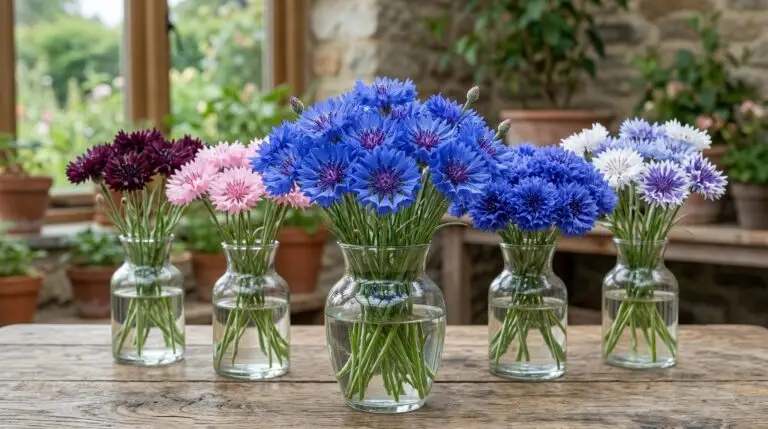
Best cornflower color varieties from classic blue to black and pink for cutting gardens
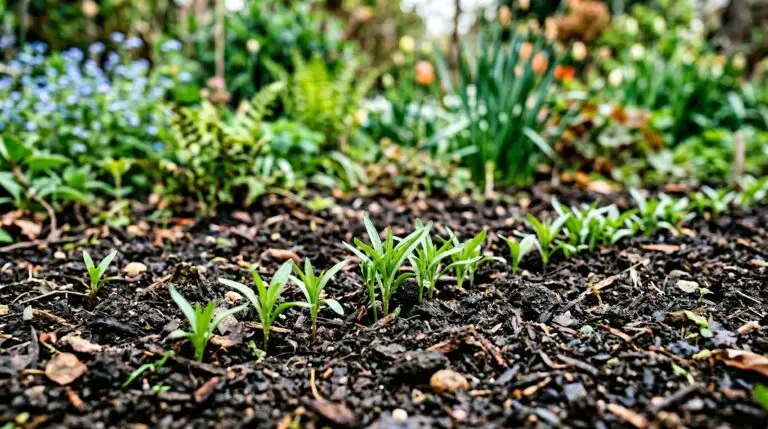
How to grow cornflowers from seed for a wildflower meadow that reseeds every year
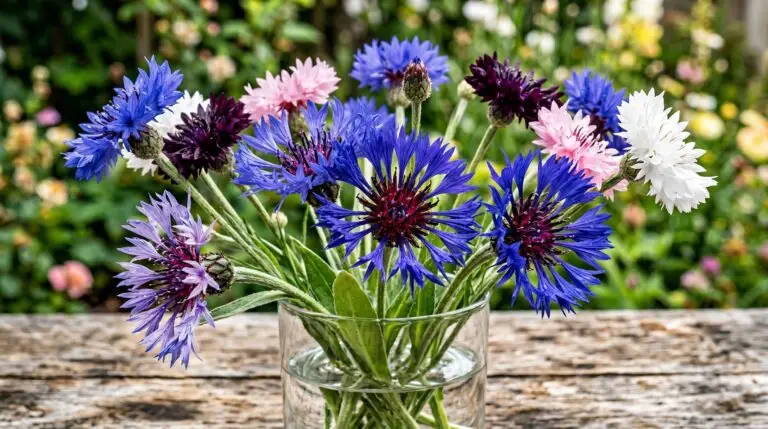
Perennial cornflower species that come back year after year unlike the annual bachelor button
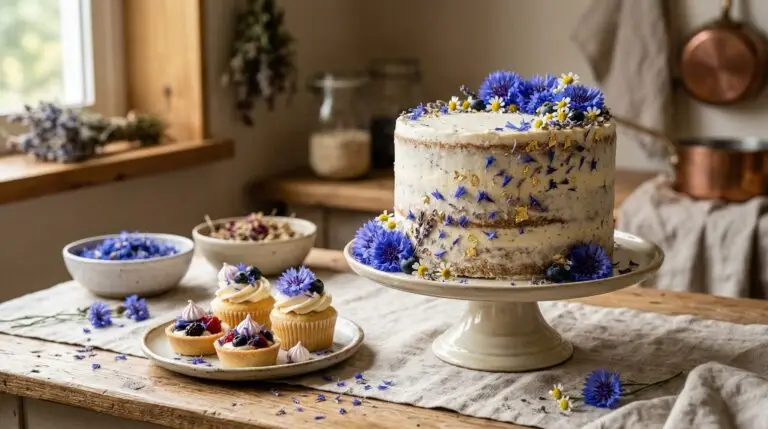
Edible cornflowers for cake decorating cocktails and salad garnishes
Growing cornflowers as cut flowers for charming cottage-style bouquets all summer
How to dry cornflowers for everlasting arrangements and craft projects