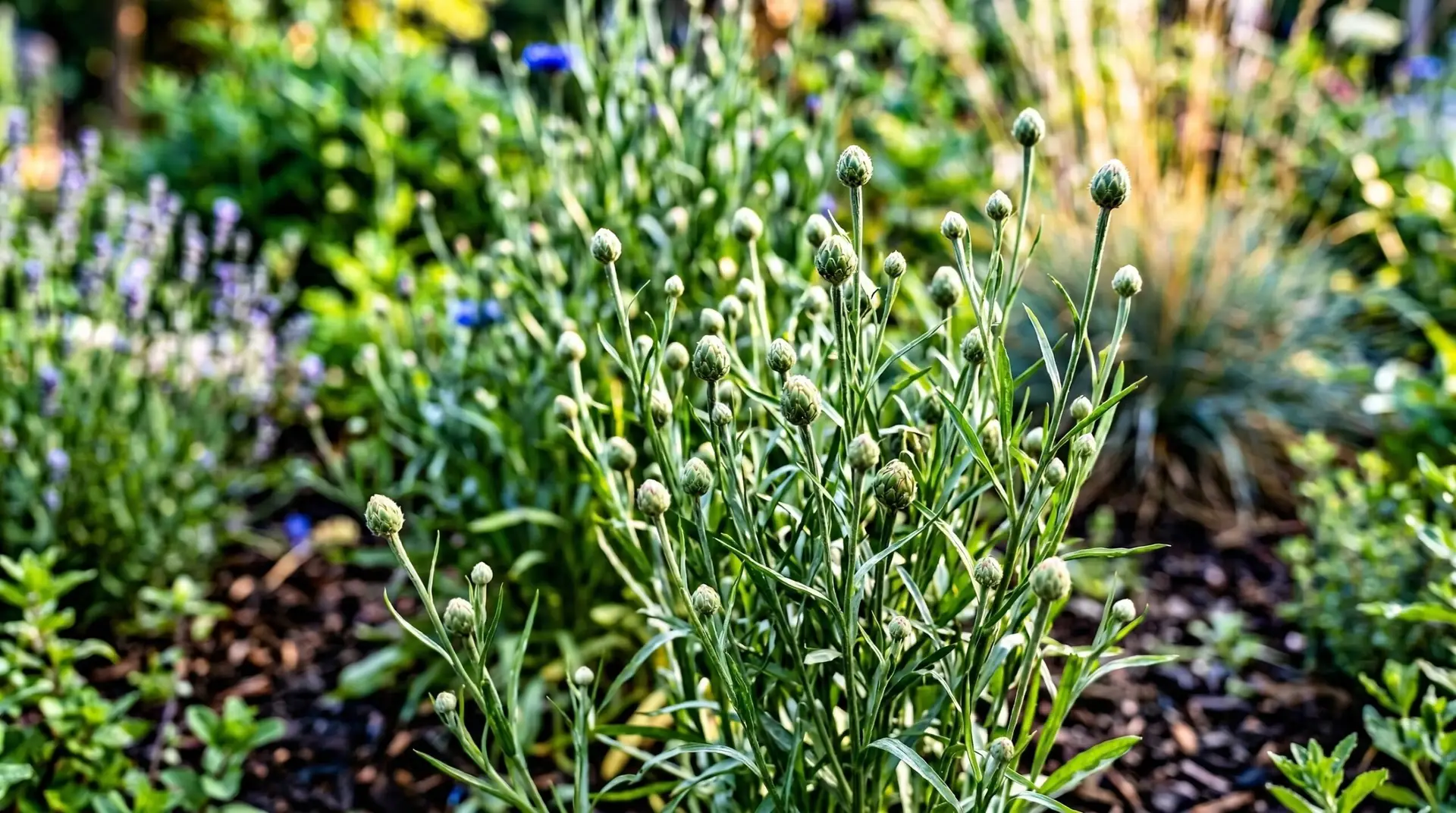
Early morning light in the garden reveals colors that wash out completely by noon. The dew settles on slender, silvery-green stalks and collects in the ruffled petals of the blooming cornflowers. These vivid blue blossoms look almost artificial in their intensity against the soft morning shadows. Gardeners have grown these cheerful annuals for generations, tucking them into vegetable borders and dedicated cutting rows alike. When brought indoors, a cornflower cut flower retains that striking pigment, bringing a piece of the wild summer meadow straight to the kitchen table. The delicate structure of the petals catches the breeze through an open window, nodding gently in the vase. Cultivating these blooms specifically for cutting requires little more than a sunny patch of soil and a pair of sharp snips.
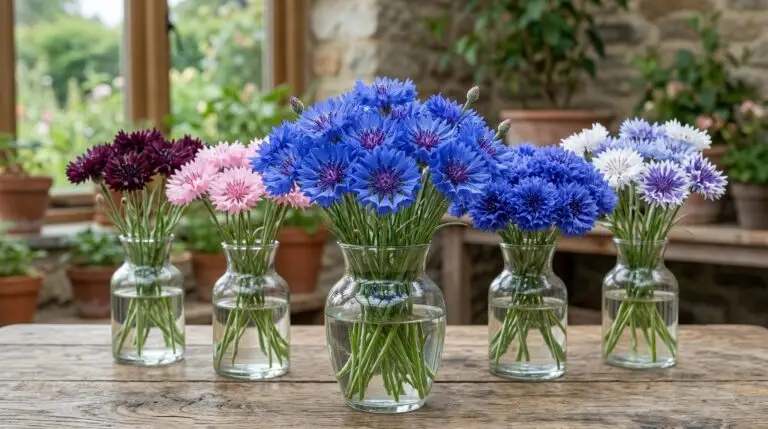
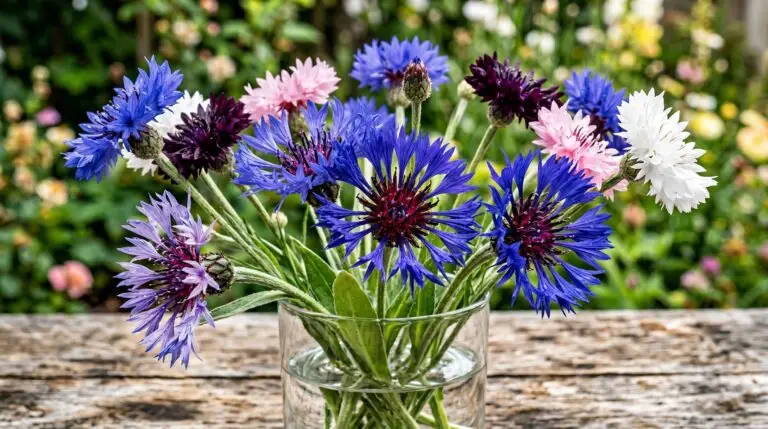
Most gardeners discover that a single packet of seeds yields an astonishing number of blooms. The plants grow quickly from early spring sowings, pushing up wiry stems that beg to be gathered into loose, casual arrangements. Their wild appearance fits perfectly into a relaxed, country aesthetic indoors. While true blue is their signature shade, modern varieties offer deep maroon, soft pink, and pure white options for the cutting garden.
Contents 4 sections
Sowing and growing for the vase
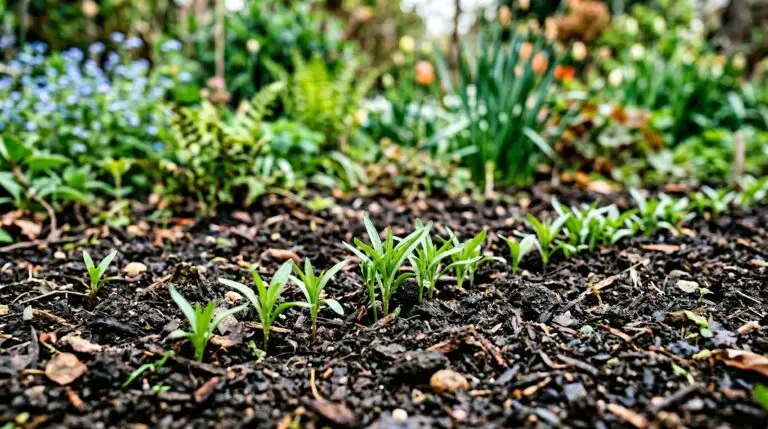
The secret to long, straight stems suitable for cutting lies in how closely the seeds are spaced. Sowing seeds directly into the garden bed about six inches apart encourages the plants to reach upward for the sun rather than sprawling across the dirt. They thrive in cooler weather, meaning seeds can go into the ground weeks before the last frost date. The soil needs to be well-draining, but these resilient plants do not demand heavy fertilization or perfect loam. Too much nitrogen actually produces an abundance of leafy foliage at the expense of those sought-after blooms. By late spring, the first tight, scaly buds begin to form at the tips of the branching stems. Supporting the growing plants with a simple grid of twine keeps them upright during heavy spring rainstorms.
Succession planting is the most reliable way to ensure a steady supply of fresh flowers all summer long. Sowing a new row of seeds every three weeks extends the harvest window well into the late summer months. When the early sowings begin to look exhausted and slow their production, the newer plants step in to fill the gap. This continuous cycle provides an unbroken line of fresh material for the vase.
Thinning the seedlings is a task that many gardeners find difficult but necessary. Pulling up perfectly healthy little plants feels wrong, yet the remaining cornflowers need that physical space to develop strong root systems. Crowded plants compete aggressively for moisture and nutrients, resulting in weak, spindly stems that cannot hold up a heavy flower head. A properly spaced row rewards the grower with thick, sturdy stalks that slide easily into any vase.
Harvesting at the perfect moment
Timing the harvest correctly makes an enormous difference in how long the flowers survive indoors. The ideal time to cut is just as the buds begin to show color, before the petals have fully unfurled. At this stage, the center of the flower remains tight and slightly indented, resembling a small, colorful crown. Cutting them early ensures the longest possible bachelor button vase life, often lasting a full week or more in clean water. If left on the plant until the center puffs out and resembles a small thistle, the flower will drop its petals within a day or two of being brought inside. Snipping the stems deeply into the plant encourages even more side shoots to develop and produce new buds. Plunging the freshly cut stems immediately into a bucket of cool water prevents the thin necks from drooping before they reach the kitchen counter.
Stripping the lower foliage from the stems is a necessary chore before arranging. The narrow, silvery leaves decay rapidly if they sit below the water line, clouding the vase and shortening the life of the blooms. A clean stem draws up water efficiently and keeps the entire arrangement looking fresh. Changing the vase water every other day further extends the display and maintains the crispness of the bright petals.
Designing the cottage garden bouquet
A proper cornflower bouquet relies on texture and movement rather than stiff formality. These wiry stems mix beautifully with other traditional cottage garden favorites that share their relaxed nature. Combining them with the tall, spiky spires of a snapdragon creates an appealing contrast of shapes in a simple glass pitcher. The ruffled, delicate blooms of sweet peas add a layer of fragrance and softness that balances the slightly papery texture of the cornflower petals. Adding the airy, daisy-like faces of cosmos brings a sense of wildness and volume to the arrangement. The resulting aesthetic feels entirely unstudied, as if the flowers were gathered hastily during a morning walk through a country lane.
Building the arrangement directly in the hand allows you to control the placement of each wandering stem. The cornflowers should sit at varying heights, with some tucked low near the rim of the vase and others floating above the heavier blooms. A collar of fragrant sweet alyssum around the base of the container softens the transition between the glass and the stems. This loose, airy style celebrates the natural growth habits of the plants rather than forcing them into rigid geometric shapes.
Color coordination plays a large role in how the final arrangement feels in a room. The classic blue cornflowers pop sharply against warm tones like pale yellow, apricot, and soft peach. The darker maroon varieties look rich and moody when paired with deep purple foliage or creamy white filler flowers. Mixing different shades of the cornflowers together in a single jar creates a cheerful, confetti-like effect that brightens up a kitchen island or a bedside table.
Drying for everlasting arrangements
The usefulness of these charming blooms extends far beyond their fresh lifespan in summer water. Cornflowers have paper-thin petals that hold their vivid coloration beautifully when dried. Harvesting for preservation requires a different approach than cutting for fresh arrangements. The flowers should be gathered when they are completely open and dry to the touch, ideally mid-morning after the dew has entirely evaporated. Small bundles of ten to fifteen stems, tied tightly with string, hang easily upside down in a dark, warm, and well-ventilated room. The darkness prevents the sun from bleaching the intense blue, pink, and burgundy pigments out of the petals.
Within two to three weeks, the stems will feel brittle and the flowers will rustle like dry leaves. These preserved stems bring a welcome spark of summer color to winter wreaths and dried floral displays. They mix easily with dried strawflowers, lavender, and ornamental grasses for a rustic, textural composition. There is something satisfying about seeing that familiar, piercing blue resting on the mantelpiece while snow falls outside the window.
More About Cornflowers
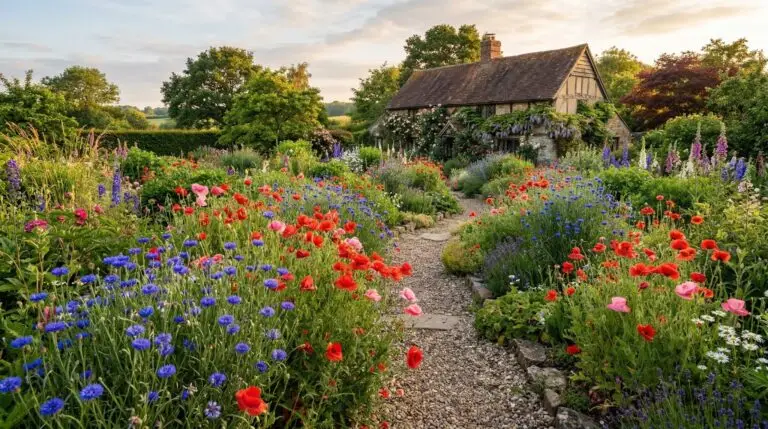
Cornflower companion plants: what to grow, and what to avoid

Cornflower meaning and the bachelor button tradition behind the name
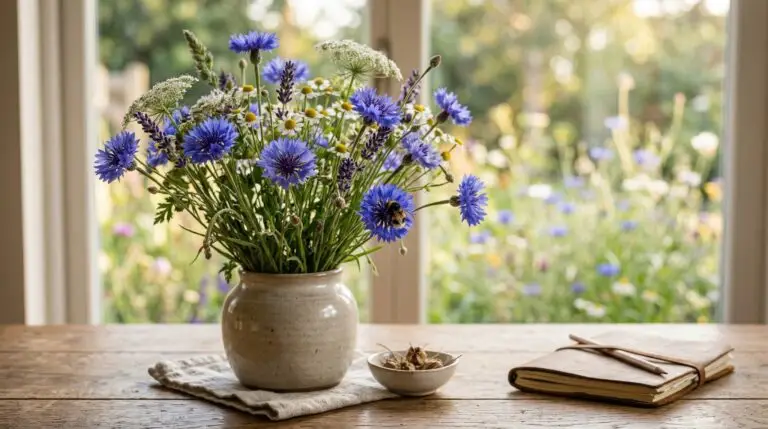
Cornflowers for wildlife gardens attracting bees goldfinches and beneficial insects
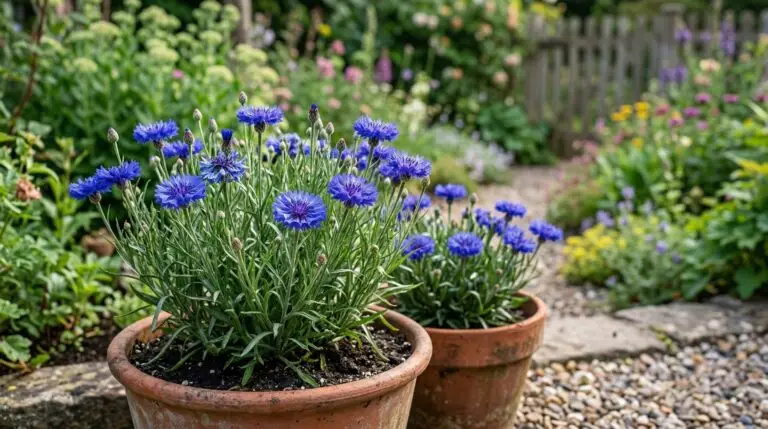
Growing cornflowers in containers for a wildflower look on balconies and patios
Best cornflower color varieties from classic blue to black and pink for cutting gardens
How to grow cornflowers from seed for a wildflower meadow that reseeds every year
Perennial cornflower species that come back year after year unlike the annual bachelor button
Edible cornflowers for cake decorating cocktails and salad garnishes
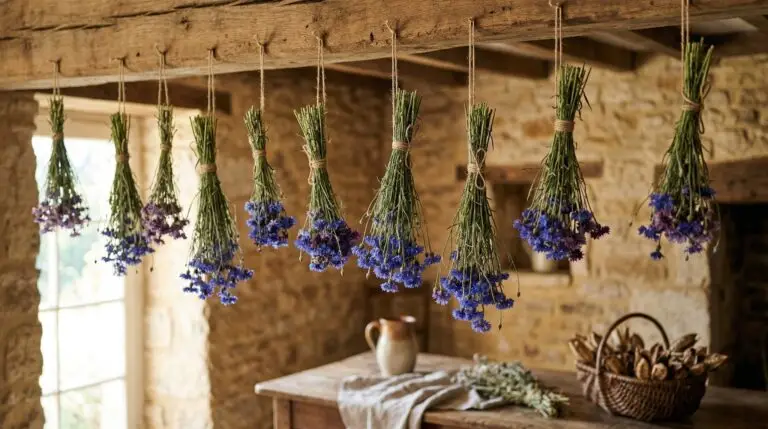
How to dry cornflowers for everlasting arrangements and craft projects
Enjoying our flower guides? Add YourFlowersGuide as a preferred source on Google. It helps more readers find us.
Add to Preferred Sources