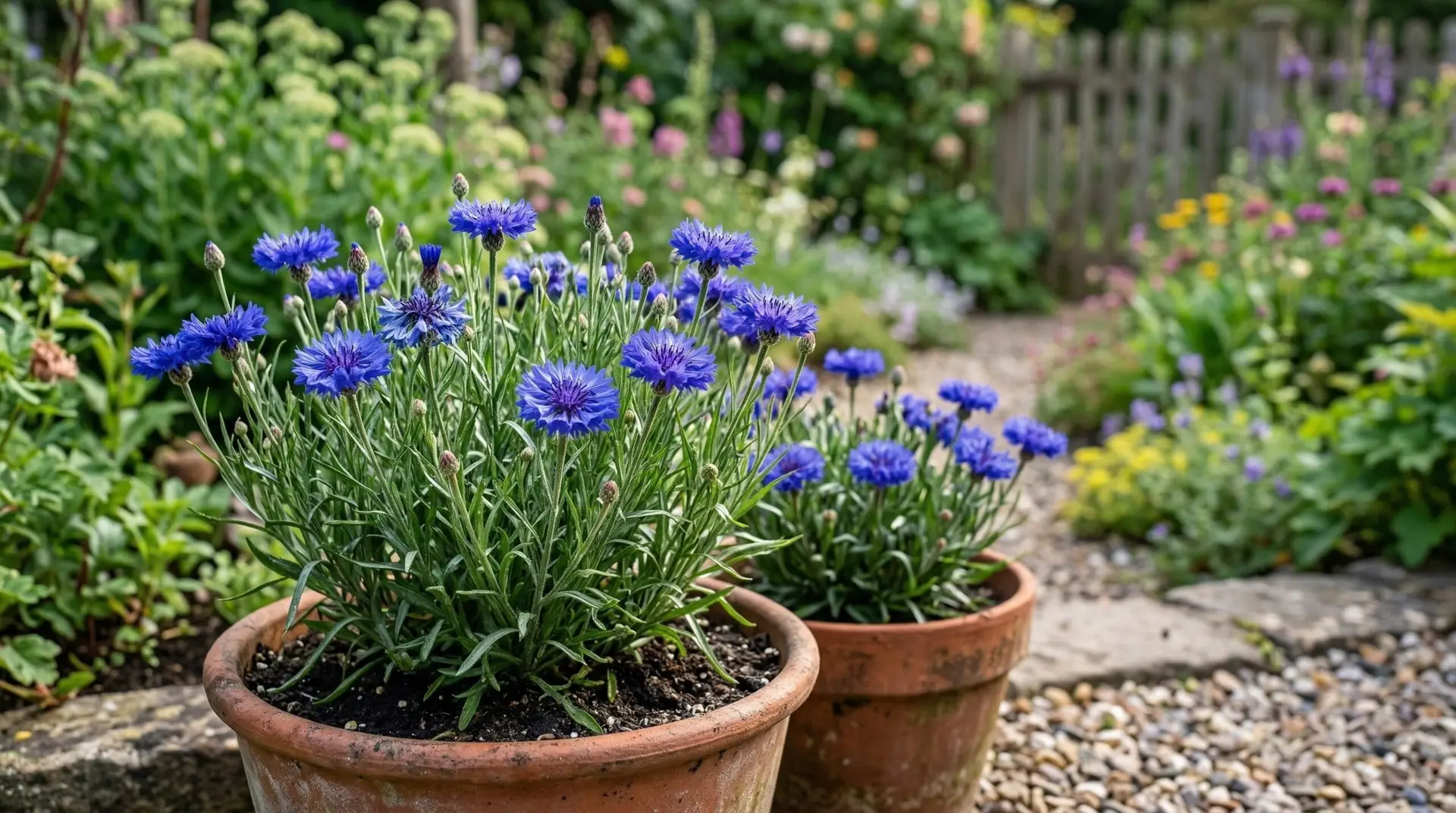
Spring arrives with seed catalogs full of sprawling wildflower meadows that look entirely out of reach for anyone working with a small concrete slab. The desire for that untamed, breezy look is strong, but translating a prairie into a few pots takes a bit of strategy. Growing a cornflower balcony garden is one of the easiest ways to bring that rustic charm right up to the back door. These tough little plants, often sold as bachelor buttons, tolerate a surprising amount of neglect once established in their containers. They bring a brilliant, clear blue color that is genuinely hard to find in the standard garden center flats. Best of all, they cost pennies to grow from seed and do not require heavy ceramic pots or specialized potting mixes.
The reality of growing a bachelor button container garden is that the plants are unfussy, but they do have specific preferences to thrive in a confined space. Seedlings have a habit of looking incredibly fragile and floppy for the first few weeks after sprouting. Many new gardeners panic and pull them up, assuming the stems have rotted or failed to take root. They are not dead, and patience is the only tool needed at this stage of the process. Give them time to anchor their roots, and those spindly threads will soon thicken into sturdy, silver-green stalks. The transformation from a messy sprout to a blooming plant happens fast, usually within eight weeks of the seeds hitting the dirt.
Contents 4 sections
Choosing the right seeds for container growing
Standard field cornflowers easily shoot up to three feet tall and will quickly flop over the edge of a pot after the first heavy summer rain. After trying to stake tall varieties in shallow pots for several years, the method that consistently works is simply buying dwarf seeds. Varieties labeled as dwarf or compact stay under fifteen inches and form neat, bushy mounds that hold their shape perfectly in a container. These shorter types produce the exact same size and quantity of flowers as their towering cousins. Seed packets clearly mark the expected height, so checking the back of the envelope saves a lot of frustration later in the season. Southern gardeners might want to look for heat-tolerant dwarf varieties, as high summer humidity can cause the foliage to mildew if the plants are crowded.
Container selection matters just as much as the seed variety when setting up the patio for the summer. A pot that is too shallow will dry out before noon on a hot July day, leaving the plants crispy and stressed. A standard twelve-inch plastic or terra cotta pot holds enough soil volume to keep the roots cool and support three or four dwarf plants comfortably. Drainage holes are completely non-negotiable for these plants, as they will rot at the crown if left sitting in a puddle of water. You do not need expensive designer containers to get a good result on a balcony. Simple plastic buckets from the hardware store work beautifully once a few holes are drilled in the bottom, and the foliage quickly grows dense enough to hide the rim anyway.
The dirt on planting and early care
Starting cornflowers indoors under lights is a common practice, but direct sowing them right into their permanent pots is far more successful. These plants have sensitive taproots that deeply resent being disturbed or exposed to air during transplanting. Fill the pots with a basic, affordable potting soil, leaving about an inch of space at the top for watering. Scatter the seeds thinly across the surface and cover them with a very light dusting of soil, as they need a bit of darkness to trigger germination. Water the pot gently with a watering can or a hose nozzle set to a fine mist so the seeds do not wash into a clump on one side. The sprouts usually appear in about seven to ten days, depending on how warm the spring weather is.
Thinning the seedlings is the hardest chore for anyone who hates pulling up healthy little plants. Leaving every single sprout in the pot guarantees a crowded, tangled mess that will eventually succumb to powdery mildew from a lack of airflow. Once the seedlings have two sets of true leaves, ruthlessly pinch or snip out the weakest ones until only the strongest three or four remain in a twelve-inch pot. Using scissors to cut the rejects at the soil line prevents accidentally uprooting the keepers you want to save. Northern gardeners can usually start this process outside right around the last frost date, as the seeds actually prefer cool soil to wake up. Gardeners in the Deep South will have better luck sowing in late autumn or very early spring before the brutal summer heat arrives.
Keeping the blooms coming all season
A single planting of cornflower in pots will bloom heavily for about a month before the plants start looking exhausted and stringy. The secret to keeping a patio full of blue flowers all summer is succession planting. Instead of sowing every pot on the exact same day, plant one container every two or three weeks through the first half of the season. As the first batch of plants fades and goes to seed, the next pot will just be hitting its peak bloom. When a pot is completely finished blooming, simply pull the spent plants, add a handful of fresh compost, and plant something else for the late summer shift. This rotating method prevents the dreaded mid-summer slump where the entire balcony looks brown and tired.
Deadheading is the other necessary chore to squeeze every possible flower out of a bachelor button container. The plant’s primary goal is to produce seeds, and once it manages to do that, it stops making new buds. Snapping off the faded flowers right above the next set of leaves forces the plant to try again. The seed heads are hard and prickly, so using a cheap pair of garden snips is much easier on the fingers than pinching them off by hand. You will inevitably miss a few old blooms, and the plant will eventually slow down no matter how diligent you are with the scissors. Accept that these are short-lived annuals, enjoy the intense flush of color while it lasts, and do not feel guilty when it is time to pull them out.
Mixing and matching with other container plants
Growing a single pot of blue flowers is nice, but mixing them with other easy annuals creates that true wildflower meadow effect on a small scale. You want companions that share the same need for full sun and moderate water. Tucking a few Sweet Alyssum seeds around the edges of the pot creates a spilling cloud of white that smells like honey and hides the bare lower stems of the taller plants. The alyssum acts as a living mulch, keeping the soil cool and suppressing weeds that might blow into the container on a windy day. It is a very cheap way to make a simple plastic pot look lush and established within a matter of weeks.
For a slightly larger container, pairing blue bachelor buttons with pink or white daisies creates a classic cottage garden contrast. A compact variety of Cosmos works beautifully in a half-barrel planter alongside the cornflowers. The feathery foliage of both plants blends together seamlessly, and the flat, open daisy shapes provide a nice visual break from the thistle-like blue blooms. Just be sure to give the container a dose of basic liquid fertilizer every few weeks, as two vigorous annuals sharing the same soil will drain the nutrients quickly. Avoid high-nitrogen fertilizers, which will produce a massive bush of green leaves with hardly any flowers on top.
If the goal is maximum color with minimal effort, trailing plants are the best way to fill out the bottom of a mixed arrangement. A standard Petunia planted near the rim will cascade down the side of the pot while the cornflowers shoot straight up the middle. This combination is practically indestructible in full sun as long as the pot receives a deep watering whenever the top inch of soil feels dry to the touch. The sticky leaves of the trailing plants also seem to deter some of the aphids that occasionally bother the taller stems. Gardening in pots is always a bit of an experiment, and learning which combinations thrive on your specific patio is half the fun. Start with cheap seeds, use decent dirt, and give the plants plenty of sun to figure out what works best in your own backyard.
More About Cornflowers
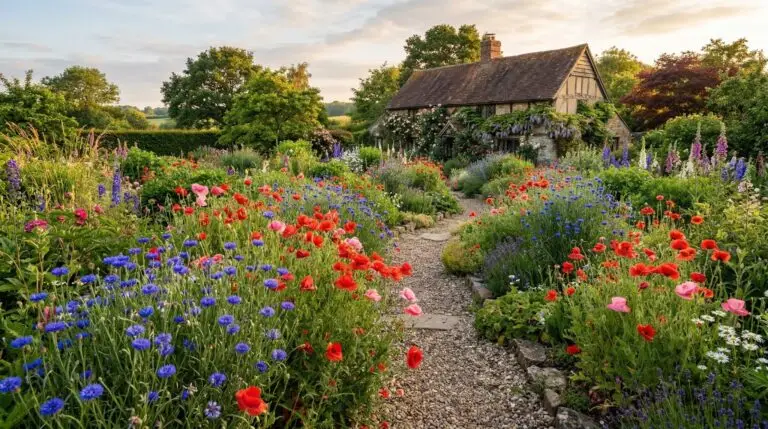
Cornflower companion plants: what to grow, and what to avoid
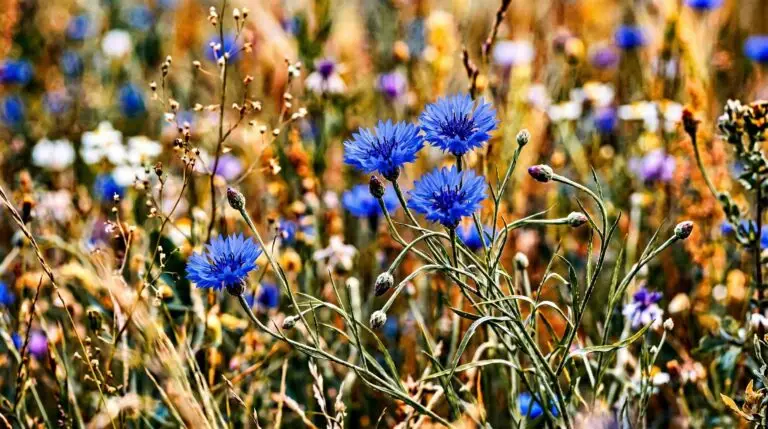
Cornflower meaning and the bachelor button tradition behind the name
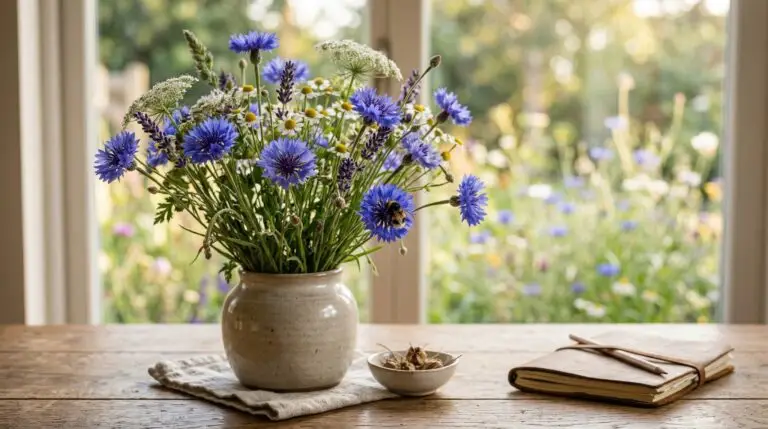
Cornflowers for wildlife gardens attracting bees goldfinches and beneficial insects
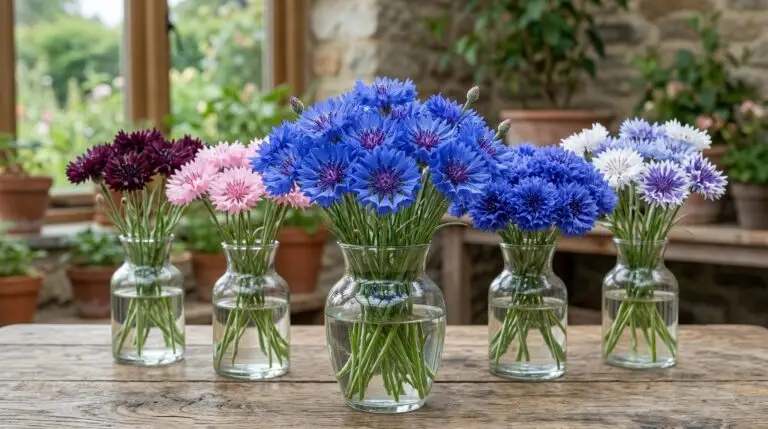
Best cornflower color varieties from classic blue to black and pink for cutting gardens
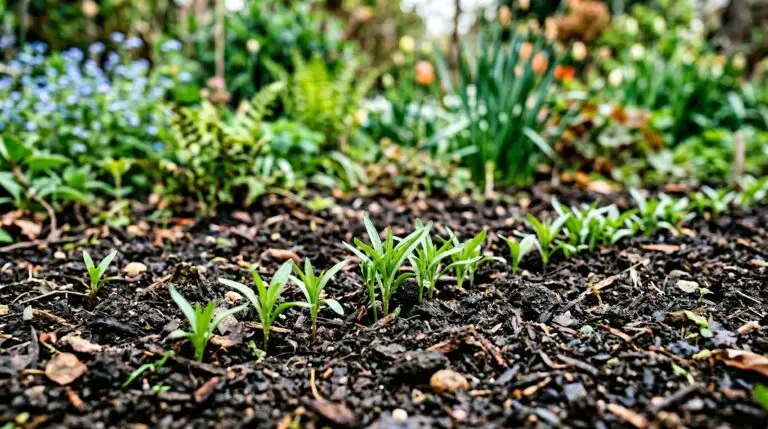
How to grow cornflowers from seed for a wildflower meadow that reseeds every year
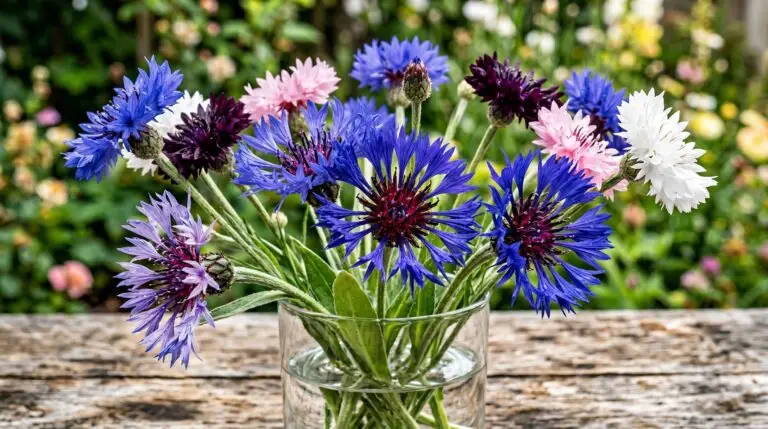
Perennial cornflower species that come back year after year unlike the annual bachelor button
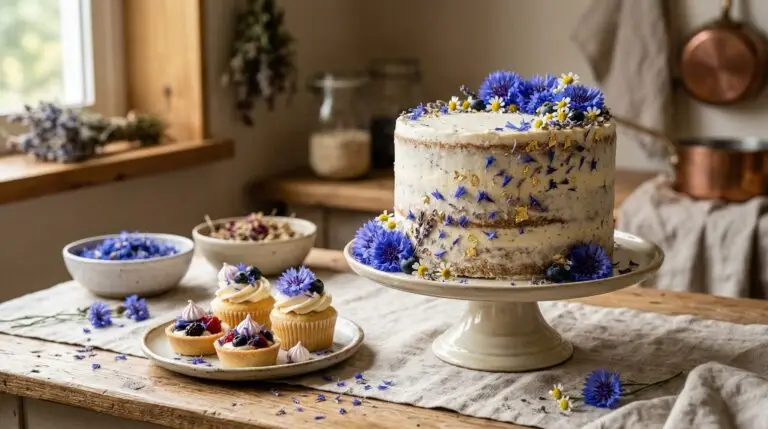
Edible cornflowers for cake decorating cocktails and salad garnishes
Growing cornflowers as cut flowers for charming cottage-style bouquets all summer
How to dry cornflowers for everlasting arrangements and craft projects
Enjoying our flower guides? Add YourFlowersGuide as a preferred source on Google. It helps more readers find us.
Add to Preferred Sources