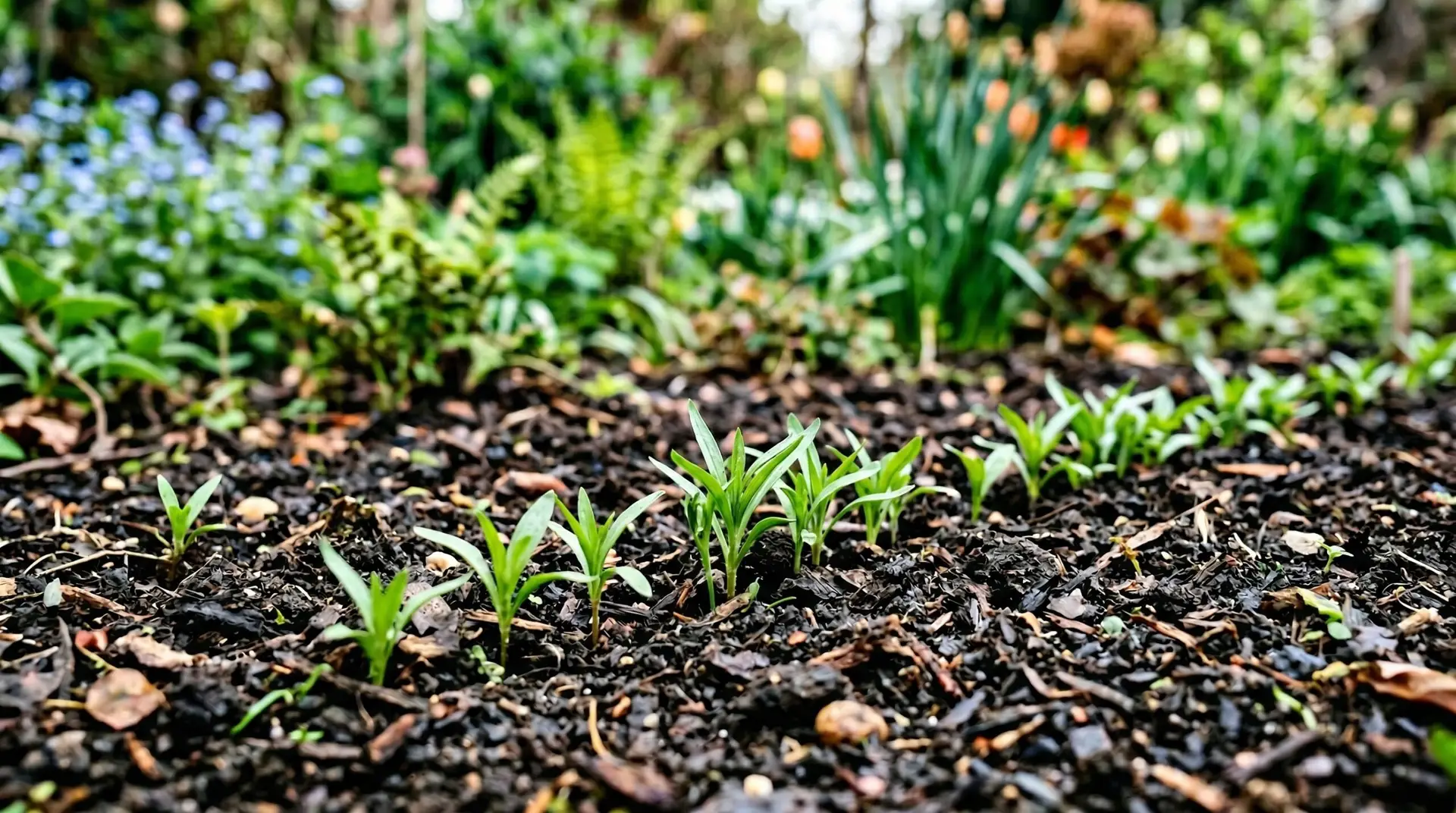
Growing a cornflower wildflower meadow is a deliberate process of establishing a self-sustaining patch of color that returns year after year. These resilient plants, also known as bachelor buttons, thrive on neglect and readily drop their seeds to create future generations without your intervention. Starting cornflower from seed is the most reliable method because they develop taproots that resent being transplanted from nursery pots. When you sow them directly into the earth, they establish deep root systems that help them withstand dry spells later in the summer. You need to understand their natural lifecycle to successfully manage a patch that reseeds itself. The goal is to mimic how they grow in the wild, scattering their seeds on bare soil and letting the weather prompt their germination.
Contents 4 sections
Choosing and preparing the right meadow site
Your first task is selecting a location that receives at least six to eight hours of direct sunlight each day. Cornflowers require full sun to develop strong stems that can support their blooms, and plants grown in shade will become leggy and flop over at the first sign of rain. The soil must drain well, which you can test by digging a hole about a foot deep and filling it with water. If the water drains away completely within an hour, your drainage is adequate for growing bachelor buttons. If water sits in the hole for several hours, the roots will suffocate in the saturated earth, leading to stunted growth or fungal diseases. You need to prepare the seedbed thoroughly by removing existing grass, weeds, and large rocks using a sturdy garden fork and a metal bow rake. Seeds need direct contact with bare soil to absorb moisture and sprout, so clearing away dense thatch or competing vegetation gives your meadow the necessary foundation. Working the top few inches of soil with your rake creates a loose surface that allows delicate new roots to penetrate easily.
Sowing cornflower seeds for optimal germination
The timing of your sowing depends entirely on your local climate and winter temperatures. In regions with mild winters, you should scatter your seeds in the late fall so they can experience the cold, moist conditions that naturally break their dormancy. If you live in an area with harsh, freezing winters, wait until early spring when the soil thaws enough to be worked with a rake, even if the last frost has not yet passed. To distribute the seeds evenly across your prepared site, pour them into a bucket and mix them with a few handfuls of dry play sand. The sand acts as a visual marker so you can see exactly where you have broadcast the seed mixture across the bare dirt. Toss the sand and seed mixture in sweeping motions as you walk backward across the site. Once the seeds are on the ground, drag the back of your rake lightly over the surface to cover them with no more than a quarter inch of soil. Burying them any deeper deprives them of the light they need to trigger germination.
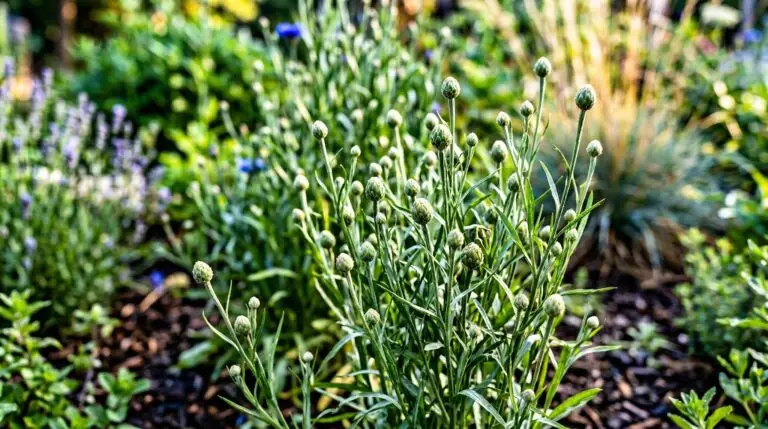
After raking, you must press the seeds firmly into the earth to ensure they do not wash away or dry out in the wind. You can simply walk over the entire planted area with flat-soled shoes, using your body weight to compress the soil slightly. Water the area immediately using a hose with a gentle shower wand, taking care not to create puddles that might float the seeds into clumps. The soil needs to remain consistently moist until you see the first green shoots emerge, which usually takes between seven and fourteen days depending on the soil temperature. At this point you might notice tiny weeds sprouting alongside your desired plants. That is normal and means your soil is fertile, but you will need to carefully pluck out the obvious weeds while the plants are still small. The cornflower seedlings will appear with narrow, slightly fuzzy, silvery-green leaves that help you distinguish them from common broadleaf weeds. Keeping the bed weeded during this early stage prevents faster-growing plants from shading out your developing meadow.
Managing young seedlings and companion plants
As the seedlings grow to about three inches tall, you will likely notice areas where they have sprouted too closely together. You must thin the plants so they stand about eight to twelve inches apart, which allows air to circulate freely through the mature foliage. Poor airflow traps humidity around the lower leaves and creates the perfect environment for powdery mildew, a white fungal growth that weakens the plants. Pull the excess seedlings gently by their bases, or snip them off at the soil line with scissors if pulling threatens to uproot the neighboring plants you want to keep. This thinning process might feel wasteful, but giving each plant adequate room results in significantly more flowers and sturdier stems. You can easily grow these alongside other early-sowing meadow flowers like poppies, which share the same preference for cool weather germination and well-drained soil. Another excellent companion is Love-in-a-Mist, as its feathery foliage provides a contrasting texture while requiring the exact same broadcast sowing method. Watering the thinned patch deeply once a week encourages the remaining plants to send their taproots further into the subsoil.
Encouraging the self-seeding cycle
Once daytime temperatures consistently stay above sixty degrees Fahrenheit, your plants will begin producing their distinctive fringed blooms. During the peak flowering season, you can cut some stems for indoor arrangements, which encourages the plant to produce side shoots and additional buds. However, to establish a permanent cornflower wildflower meadow, you must stop cutting the flowers as late summer approaches. You need to leave the final flush of blooms on the stems so they can mature, fade, and develop into dry seed heads. The base of the flower will swell and eventually turn a papery brown, indicating that the seeds inside are fully ripe and ready to drop. Wind and rain will naturally shake the stems, scattering the next generation of seeds onto the soil below. You might want to introduce later-blooming plants like cosmos to keep the meadow colorful while your bachelor buttons are finishing their lifecycle. The drying cornflower stalks provide architectural interest and give foraging birds a natural food source late in the season.
When the plants turn completely brown and brittle in the autumn, you can manage the site to prepare for the following year. Instead of pulling the dead plants out by their roots, cut them down near the soil level and leave the roots to decompose and add organic matter to the earth. You can lay the cut stalks on the ground for a week or two to allow any remaining seeds to fall out, then gather the debris and move it to your compost pile. Do not till or turn the soil in this area, as burying the freshly dropped seeds too deeply will prevent them from germinating next season. You only need to keep the area clear of aggressive perennial weeds that might try to take over the bare ground during the dormant months. When early spring arrives, you will see a dense carpet of fuzzy gray-green seedlings emerging all on their own. This reliable return is the true reward of your initial labor, giving you a self-sustaining patch of bright color that requires little more than occasional thinning and watering. Watching that new generation emerge proves that you have successfully established a living, renewing meadow system.
More About Cornflowers
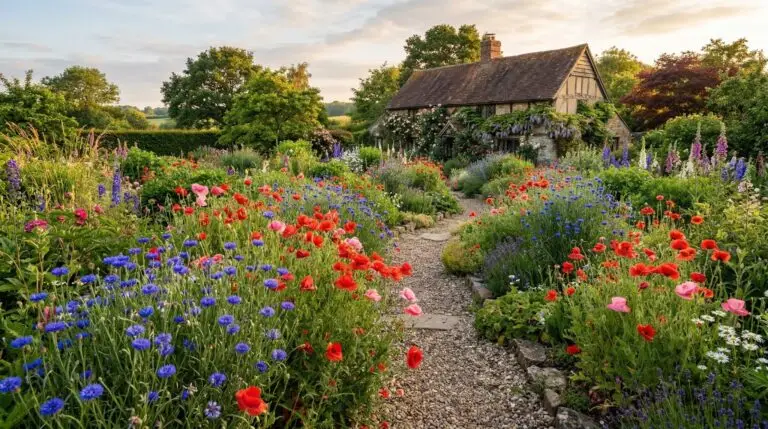
Cornflower companion plants: what to grow, and what to avoid
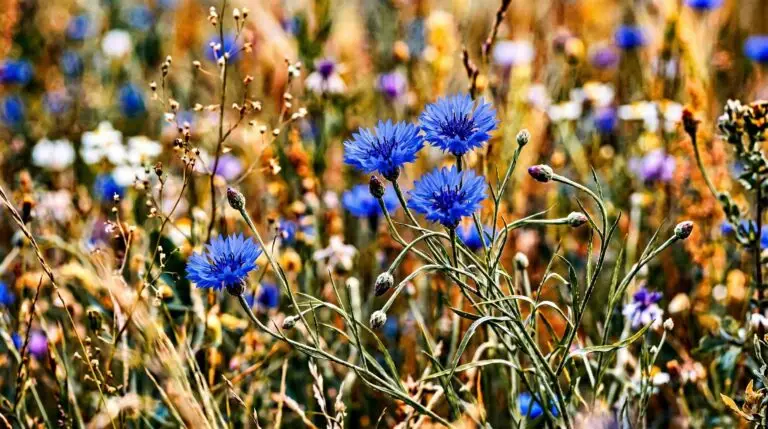
Cornflower meaning and the bachelor button tradition behind the name
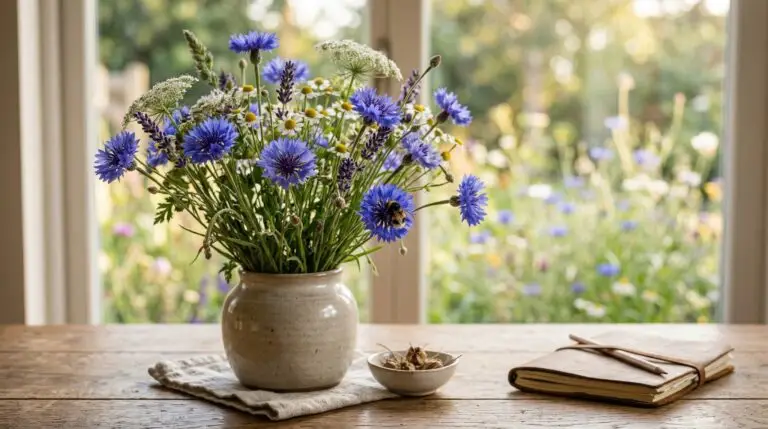
Cornflowers for wildlife gardens attracting bees goldfinches and beneficial insects
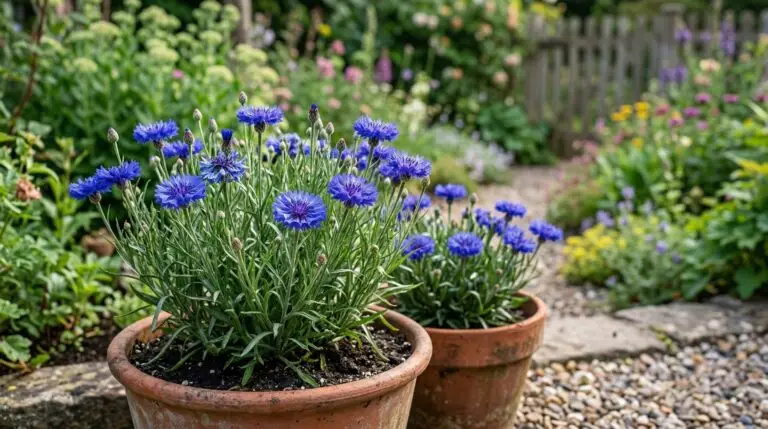
Growing cornflowers in containers for a wildflower look on balconies and patios
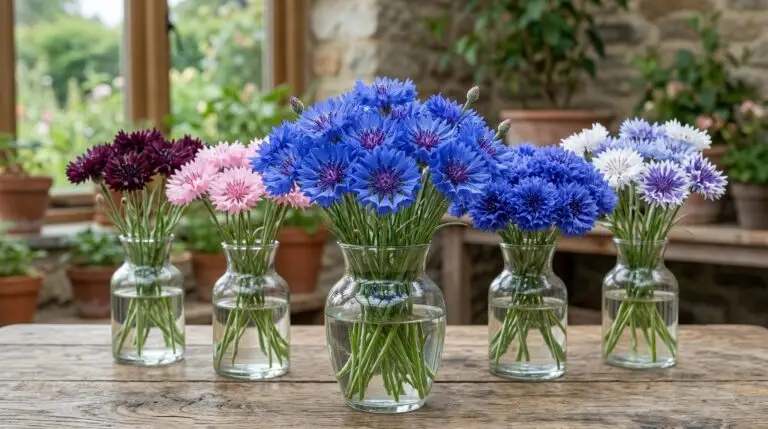
Best cornflower color varieties from classic blue to black and pink for cutting gardens
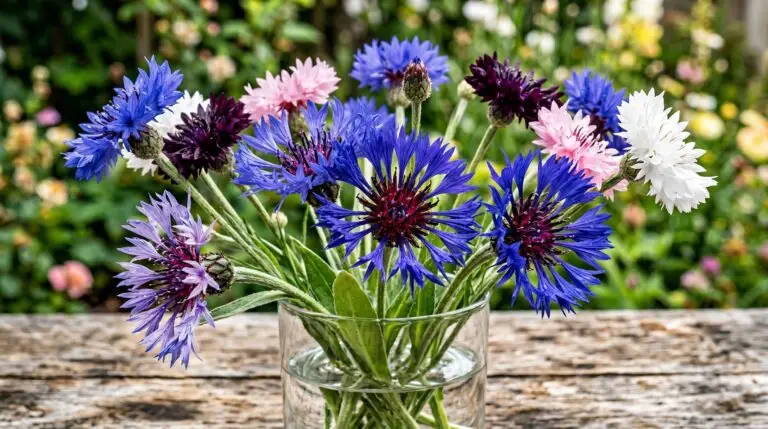
Perennial cornflower species that come back year after year unlike the annual bachelor button
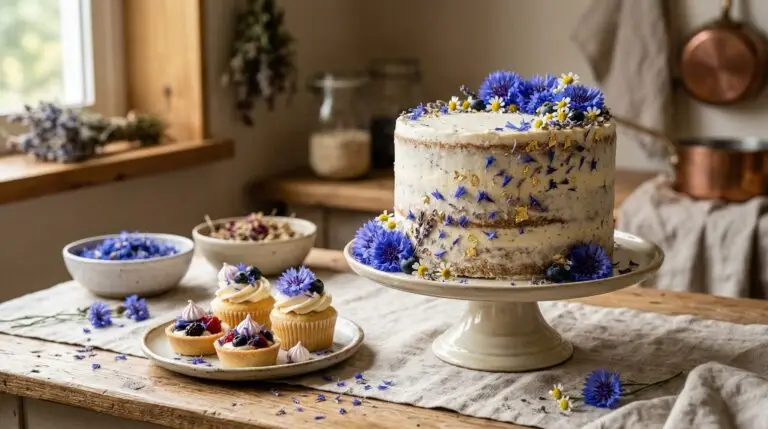
Edible cornflowers for cake decorating cocktails and salad garnishes
Growing cornflowers as cut flowers for charming cottage-style bouquets all summer
How to dry cornflowers for everlasting arrangements and craft projects
Enjoying our flower guides? Add YourFlowersGuide as a preferred source on Google. It helps more readers find us.
Add to Preferred Sources