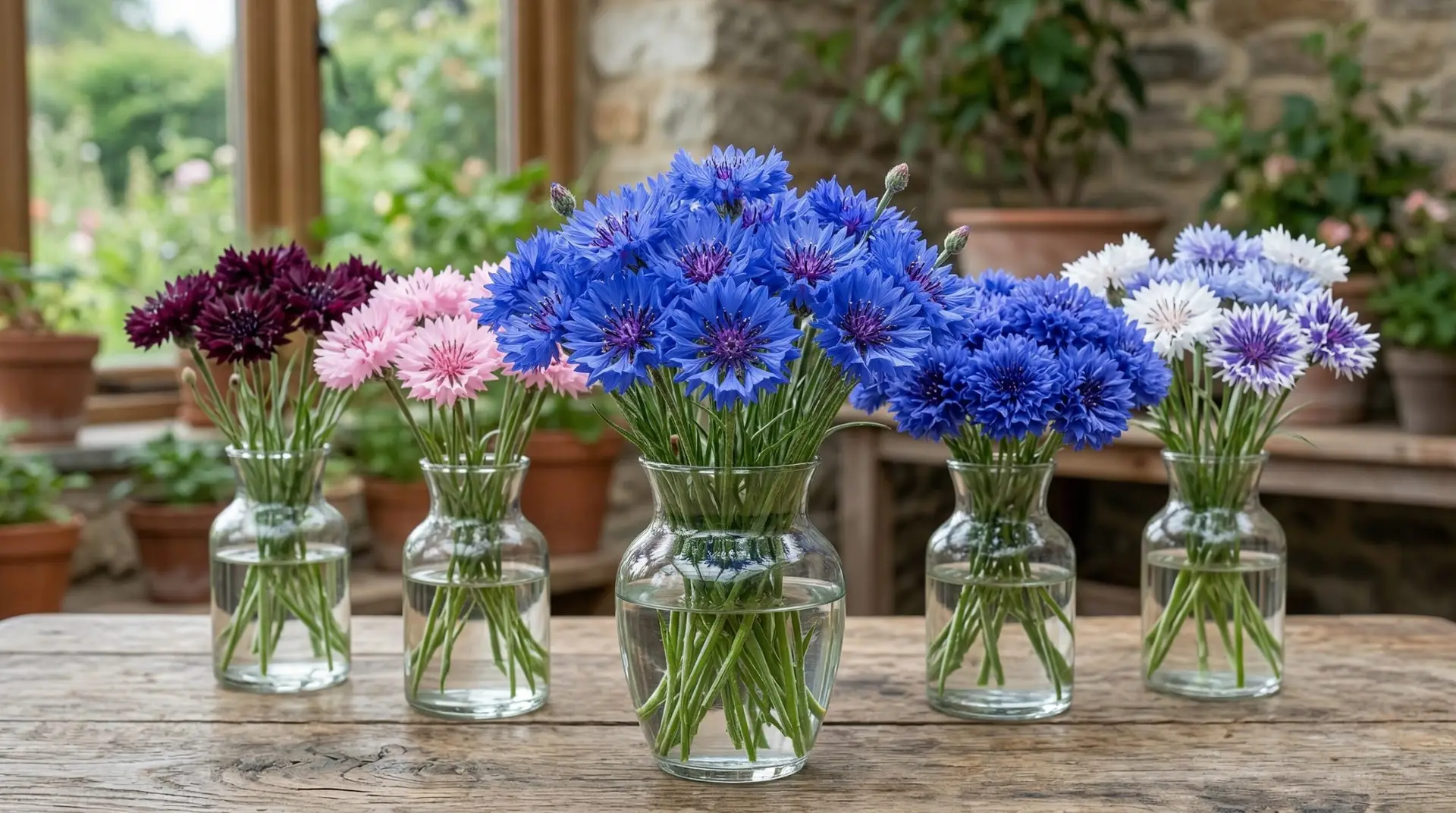
There is a specific shade of blue that exists almost nowhere else in the garden, and it belongs entirely to the classic cornflower. I still remember the first time I scattered a handful of seeds into a bare patch of soil and watched those wiry, gray-green stems push upward a few weeks later. When the buds finally opened, the color was so piercing and clear that it made everything else around it look slightly dull. That effortless transformation from a dry seed to a ruffled, papery bloom is the exact reason I dedicate space to them every single year. They bring a wild, meadow-like energy to cultivated spaces that feels entirely unpretentious. Growing cornflowers is a quiet lesson in trusting the soil, as they ask for almost nothing and return the favor with armloads of blooms.
While many gardeners start with that traditional blue, the sheer range of cornflower colors available now makes them a deeply rewarding obsession for anyone who loves cutting flowers. The papery texture of the petals holds pigment in a way that looks almost painted, shifting beautifully as the light changes from morning to dusk. I spend a lot of time walking down my garden rows just looking at the subtle variations that pop up when you start experimenting with different seed packets. You will find that these plants have a brief but intense peak, pushing out dozens of flowers on branching stems that beg to be brought indoors. They mix effortlessly with other annuals, bringing a delicate, airy quality to arrangements that heavier flowers simply cannot provide. Building a cutting garden around different cornflower varieties guarantees a steady supply of texture and color for those early summer bouquets.
Contents 4 sections
The undeniable appeal of classic blue varieties
If you are going to grow just one type, ‘Blue Boy’ is the standard that every other variety is measured against. The color is a true, saturated azure that seems to glow in the fading light of early evening. I love how the double blooms look like tiny, ragged crowns sitting atop those slender stems. ‘Blue Boy’ grows tall and vigorous, often reaching three feet in good soil, which makes it an absolute workhorse for cutting. You can strip the lower leaves, drop a handful of stems into a simple glass jar, and instantly have an arrangement that feels both rustic and refined. The plants are quick to mature, meaning that first flush of blue is often one of the earliest rewards of the summer garden.
The habit of these tall blue varieties does require a bit of patience and planning. Because they grow so quickly and put so much energy into reaching for the sun, they have a frustrating tendency to flop over after a heavy rain. I have learned the hard way that corralling them with twine or letting them lean on sturdier neighbors is a necessary chore. Even when they do fall over, the tips will curl back upward toward the light, giving you these wonderfully crooked stems that add character to a vase. That resilience is part of their charm, as they refuse to stop blooming just because they lost their upright posture. Watching a patch of ‘Blue Boy’ sway in the breeze alongside a row of tall zinnias is one of the distinct pleasures of a July afternoon.
Exploring dark and dramatic black cornflower varieties
Once you appreciate the classic blue, the deep, moody tones of a black cornflower offer a completely different experience. The variety ‘Black Ball’ is a personal favorite because it produces flowers that look like crushed velvet. They are not truly black, of course, but rather a rich, dark chocolate-maroon that absorbs the light rather than reflecting it. When you pair ‘Black Ball’ with brighter, warmer colors in a bouquet, it becomes an anchor that makes everything else look more sophisticated. I often find myself examining the dark centers of these flowers, marveling at how such a delicate plant can produce something so visually heavy and dramatic. They seem to hold their color exceptionally well even as they age on the stem.
Growing ‘Black Ball’ requires the same straightforward approach as the blue types, but the visual reward is entirely distinct. The dark flowers stand out sharply against the silvery-green foliage, creating a striking contrast before you even cut them. I like to plant them in large drifts where the dark heads look like a flock of small birds resting on the stems. They are slightly more compact than ‘Blue Boy’, but they still provide excellent stem length for arranging. Mixing these dark blooms with the feathery foliage of white cosmos creates a beautiful, high-contrast display in the garden that translates perfectly to a vase. The satisfaction of pulling together an arrangement entirely from seeds you sowed directly in the dirt never really fades.
Softening the palette with pink and bicolor types
If the dark varieties bring drama, the pink cornflower options bring a soft, watercolor quality to the garden. I am particularly drawn to the ‘Frosted Queen’ mix, which produces blooms in shades of rose, pale pink, and white, all tipped with a delicate icy edge. The bicolor effect gives each flower a frosted appearance that looks incredibly detailed when you view it up close. These lighter colors catch the morning dew beautifully and seem to glow softly on overcast days. I always make sure to sow a generous patch of these because they blend so harmoniously with almost any other flower in the cutting patch. The subtle pinks and whites provide a quiet backdrop that allows bolder flowers to shine while adding necessary texture.
The unpredictable nature of a mix like ‘Frosted Queen’ is part of the fun of growing them. You never know exactly which shade is going to open next, and checking the patch each morning becomes a small daily treasure hunt. Sometimes you get a nearly solid magenta flower, and the next day a pale blush bloom with dark pink centers unfurls right beside it. They share the same wiry stems and generous blooming habit as the solid colors, making them just as useful for cutting. I often pair these softer cornflowers with the structured spikes of tall snapdragons to balance the wild, airy feel of the cornflower stems. This combination of rigid spikes and floating, frosted disks creates an arrangement that feels both intentional and wild.
Growing for the vase and managing the messy habits
For a dedicated cutting garden, efficiency and variety are important, which is why the ‘Florence’ mixed series has earned a permanent spot in my seed box. This mix gives you a compact, bushy plant that produces a dense flush of flowers in blue, pink, white, and carmine. The slightly shorter stature makes them a bit more manageable in windy gardens, though they still provide plenty of stem length for standard vases. The ‘Florence’ mix is incredibly generous, pushing out new buds as fast as you can harvest the open ones. Keeping up with the cutting is actually the biggest challenge, as leaving spent flowers on the plant will signal it to set seed and stop blooming entirely. You have to be ruthless with your scissors to keep the show going through the heat of midsummer.
As much as I love these plants, they do have a messy phase that every grower has to accept. By late August, the lower leaves often turn yellow and crisp, and the plants frequently fall victim to powdery mildew when the humidity rises. I usually pull them out once they start looking truly exhausted, rather than trying to nurse them through the end of the season. Before I clear the bed, I always let a few of the strongest plants go to seed and drop their cargo onto the soil. The following spring, the surprise of finding dozens of self-sown seedlings popping up exactly where they want to grow is a deep, quiet joy. Those volunteers are often the strongest plants of the year, reminding me why I will always leave a little room for cornflowers to do exactly as they please.
More About Cornflowers
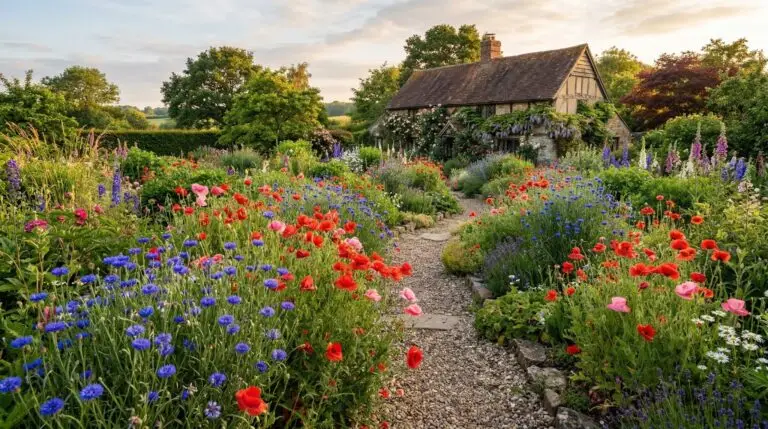
Cornflower companion plants: what to grow, and what to avoid
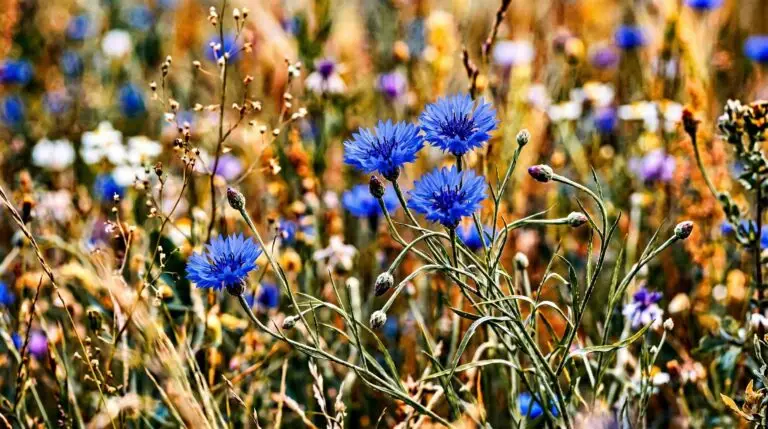
Cornflower meaning and the bachelor button tradition behind the name
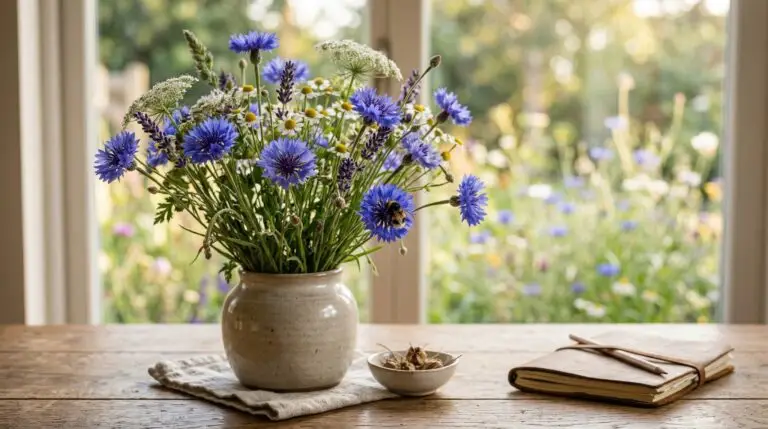
Cornflowers for wildlife gardens attracting bees goldfinches and beneficial insects
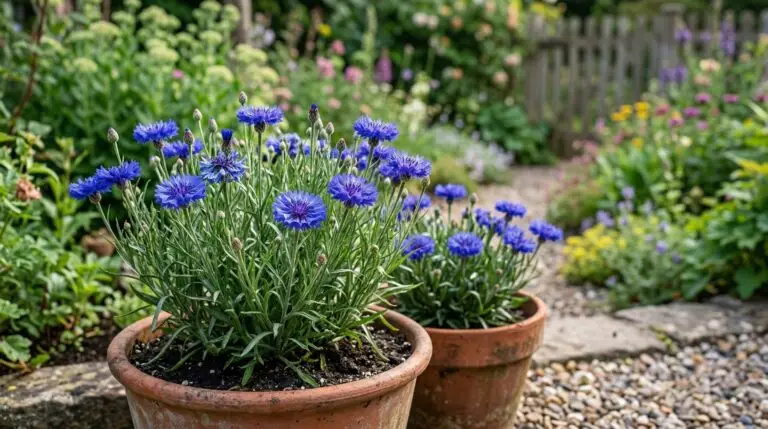
Growing cornflowers in containers for a wildflower look on balconies and patios
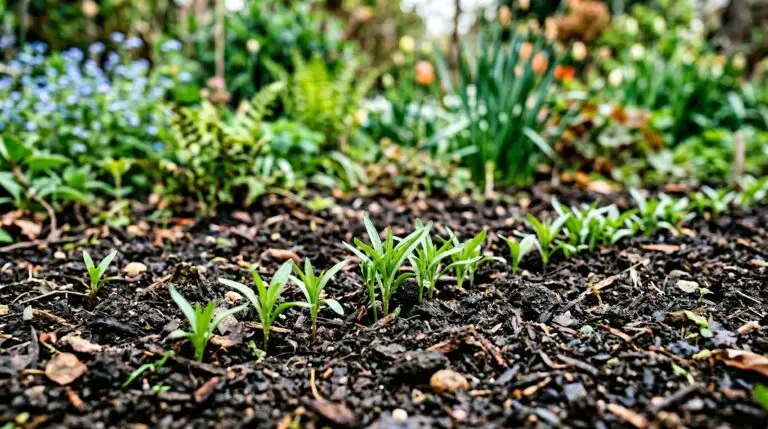
How to grow cornflowers from seed for a wildflower meadow that reseeds every year
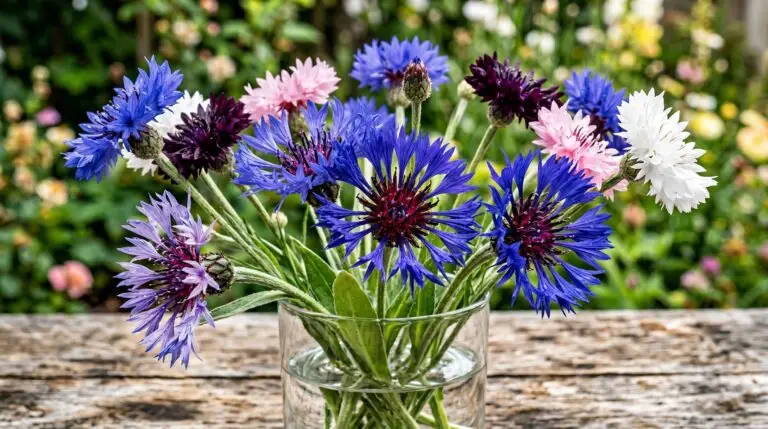
Perennial cornflower species that come back year after year unlike the annual bachelor button
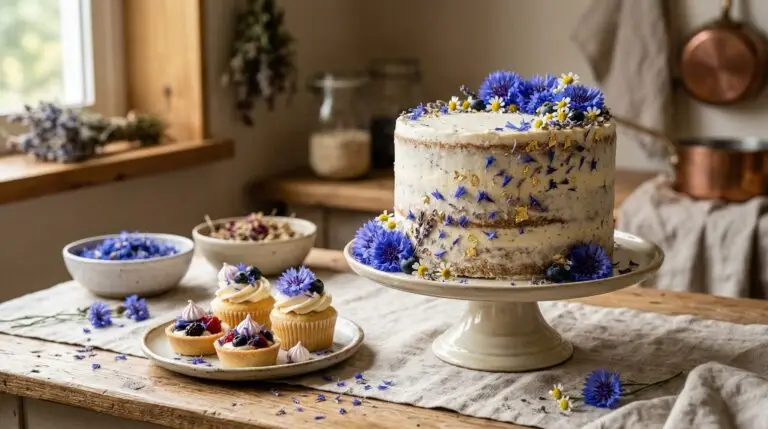
Edible cornflowers for cake decorating cocktails and salad garnishes
Growing cornflowers as cut flowers for charming cottage-style bouquets all summer
How to dry cornflowers for everlasting arrangements and craft projects
Enjoying our flower guides? Add YourFlowersGuide as a preferred source on Google. It helps more readers find us.
Add to Preferred Sources