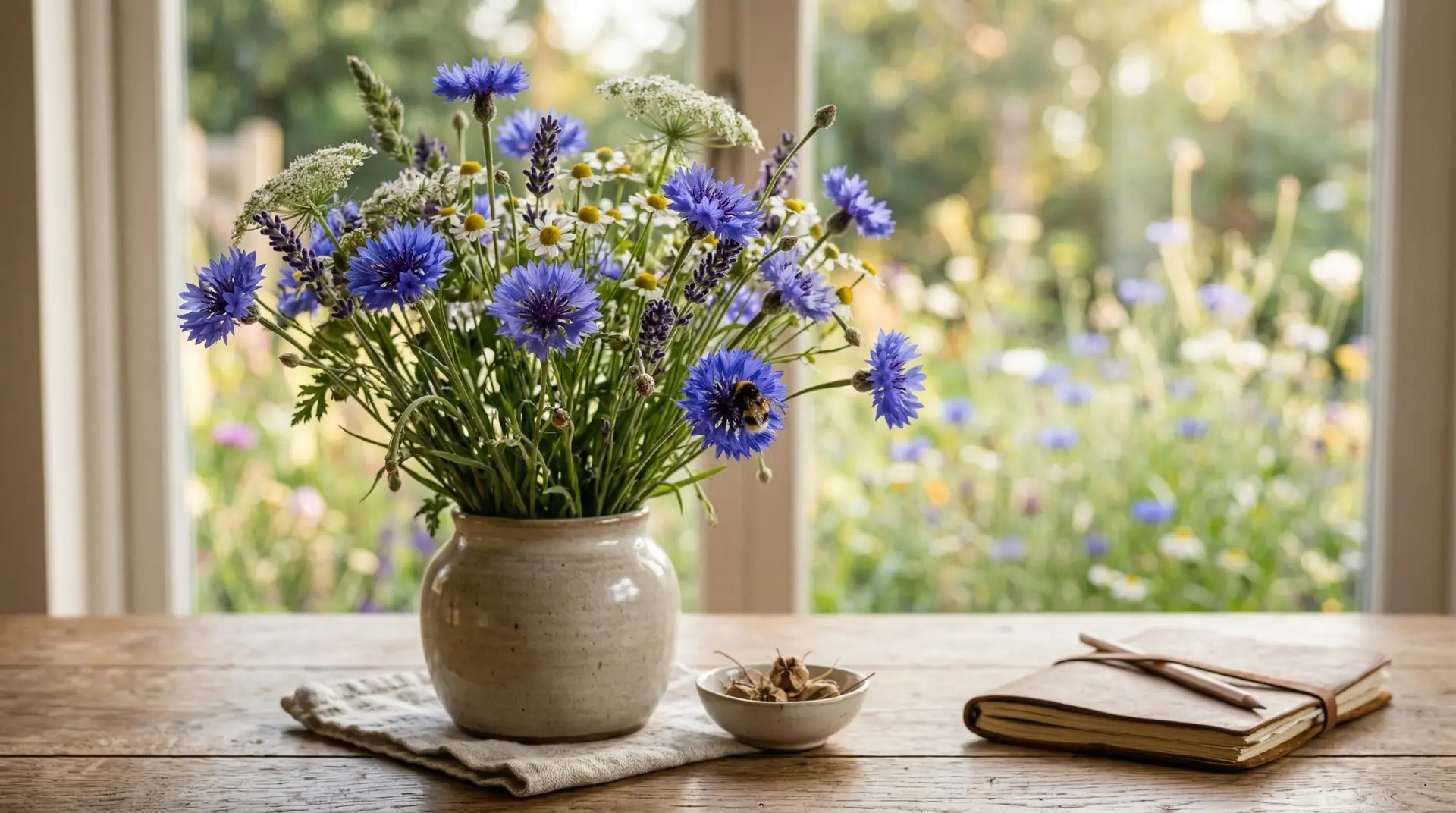
The light hits the back corner of the garden just after six in the morning, catching the dew that settled overnight on the wiry stems. I am watching a single bright blue blossom, a ragged disc of petals that looks like torn paper against the pale sky. Deep inside the center of the bloom, a bumblebee is still sleeping, her velvet back dusted with the night’s moisture. She spent the dark hours sheltered in the architecture of the petals, anchored by her jaws, waiting for the sun to warm her flight muscles. This is the quiet reality of a living space, where a flower is a bed before it is a meal. The cornflower does not exist simply to please the human eye with its vivid color. It is a working part of the morning, a harbor for the creatures that make the garden breathe.
As the air warms, the bee stirs and begins her methodical work across the tubular florets that make up the center of the bloom. Watching cornflower bees go about their foraging reveals the mechanics of pollination, a transaction refined over millennia. The flower yields its nectar easily to the short-tongued visitors, offering a rich supply of sugar when many other spring blooms have faded. Soon, solitary bees join the bumblebee, their smaller bodies vibrating as they collect the pale pollen to provision their nests in the hollow stems nearby. The garden hums with a low, steady frequency that you can feel in your chest if you stand still long enough. In a true cornflower wildlife garden, the air is never empty, and the plants are never solitary objects. They belong to a dense network of relationships, each bloom a node in a system of constant exchange.
Contents 3 sections
The quiet work of beneficial insects
Beyond the visible traffic of the bees, a smaller and more predatory cast of characters patrols the foliage. Hoverflies hover like suspended dust motes above the blue heads before dropping down to lay their eggs near colonies of aphids. When those eggs hatch, the larvae will consume hundreds of the sap-sucking insects, performing the pest control that impatient gardeners often try to buy in a plastic bottle. Planting a diverse pollinator strip that includes these blue blooms alongside scattered cosmos brings a balance to the soil and the leaves. The lace-winged insects and tiny parasitic wasps find refuge in the tangled, branching stems of the cornflowers. Learning to garden for wildlife means learning to tolerate the presence of the consumed alongside the consumers. We accept the chewed leaf and the aphid cluster because they feed the predators that keep the entire system from collapsing.
Bringing these plants into the soil requires a specific kind of attention in the early days of spring. Sowing the seeds directly into the cold earth is an act of trust, dropping dry slivers into the dirt and waiting for the rain to wake them. When the seedlings emerge, they appear as pale green rosettes hugging the ground, often sprouting too close together for their own good. Thinning seedlings feels like a small act of cruelty, pulling up life that just managed to establish itself. Crowded plants compete for light and water until none of them thrives, growing weak and susceptible to powdery mildew. Pulling the excess away gives the remaining roots the space they need to anchor deeply and send up the strong stems that will eventually hold the weight of foraging birds. The gardener must practice this deliberate removal to encourage the abundance that comes later in the season.
Seeds for the autumn travelers
The true measure of a plant’s value extends far beyond its brief window of flowering. By late summer, the blue petals wither and drop, leaving behind swollen, silvery-green calyxes that dry into hard cups of seed. Many gardeners rush to cut these fading stalks down, eager to tidy the beds and maintain an illusion of perpetual spring. Leaving the stalks standing invites a different kind of beauty into the yard as the weather turns cold. Flocks of goldfinches descend on the dry stems, their olive and yellow bodies clinging sideways as they pry the oily seeds from the husks. They work the fading stalks with the same focused energy they apply to the heavy, drooping heads of a sunflower in the neighboring bed. The garden becomes a dining table, loud with the chatter of feeding birds preparing for the winter ahead.
Watching the finches strip the dried heads, you understand that the garden is a place of slow transitions rather than static pictures. The cornflower pollinators have finished their harvest, and now the seed-eaters take their turn. This succession of use mirrors the patterns found in wild meadows, where nothing is wasted and every stage of a plant’s life serves a distinct ecological purpose. Nearby, the dark cones of a fading coneflower offer a similar feast, the two species working together to sustain the local bird population through the lean months. The stems crack and bend under the weight of the birds, turning the once-upright patch into a chaotic tangle of dry vegetation. There is a deep satisfaction in this disorder, a recognition that the space is functioning exactly as it should. The messy autumn garden is a living record of the choices made in the spring.
The cycle of sowing and return
Winter eventually flattens the remaining stalks, pressing the hollow stems into the soil where they will slowly decay and feed the earthworms. A few seeds always escape the beaks of the finches, falling into the leaf litter to wait out the frost. Gardening with an eye toward ecology requires a surrender of absolute control, a willingness to let the plants dictate their own placement in the seasons to come. When the soil warms again, new green rosettes will appear in unexpected corners, the offspring of the plants that fed the bees and the birds the year before. We do not simply grow flowers to possess them for a few fleeting weeks in the summer. We plant them to participate in the ancient, rhythmic turning of the world, offering a patch of ground back to the wild and watching the life that returns to claim it.
More About Cornflowers
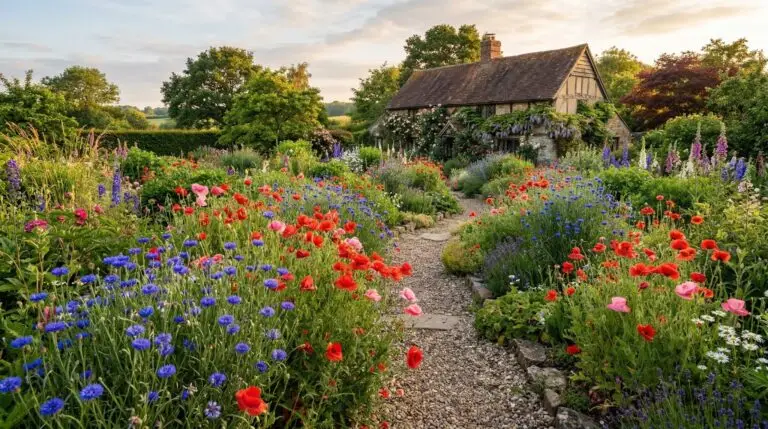
Cornflower companion plants: what to grow, and what to avoid
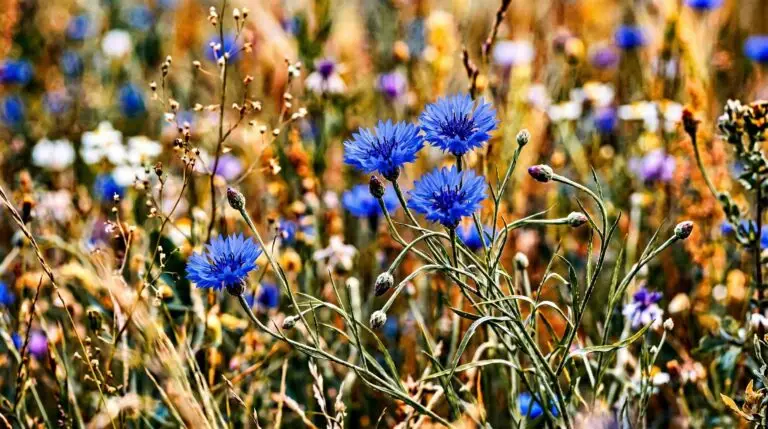
Cornflower meaning and the bachelor button tradition behind the name
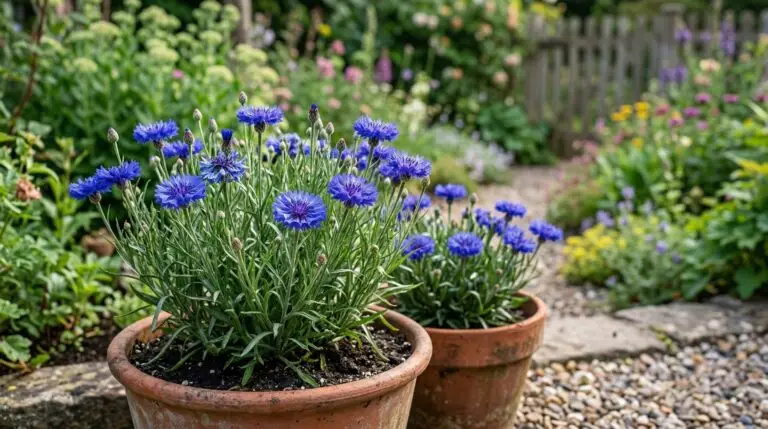
Growing cornflowers in containers for a wildflower look on balconies and patios
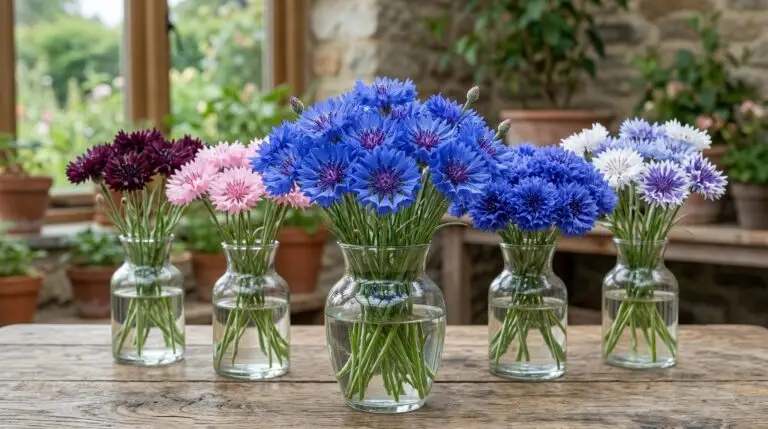
Best cornflower color varieties from classic blue to black and pink for cutting gardens
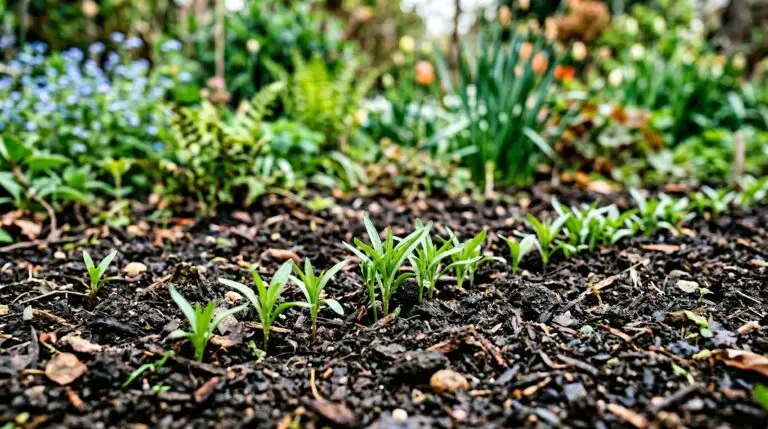
How to grow cornflowers from seed for a wildflower meadow that reseeds every year
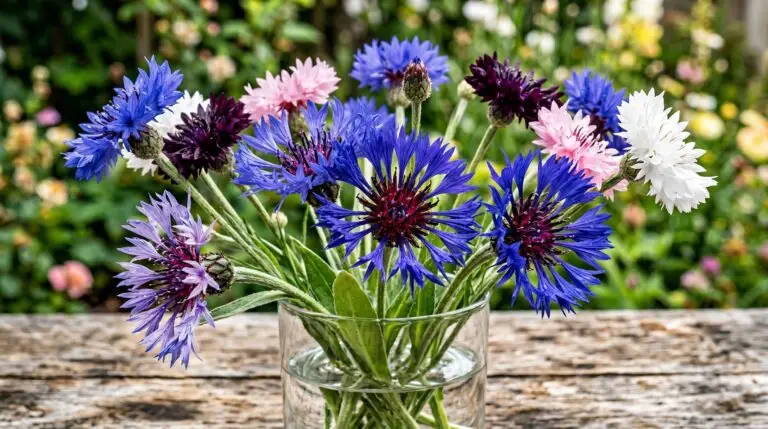
Perennial cornflower species that come back year after year unlike the annual bachelor button
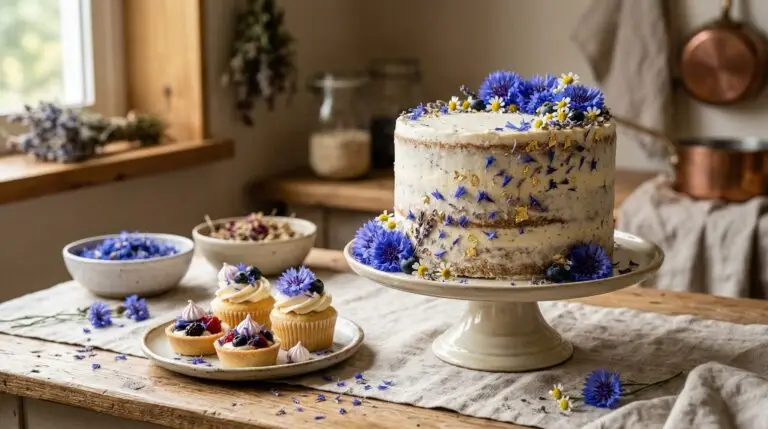
Edible cornflowers for cake decorating cocktails and salad garnishes
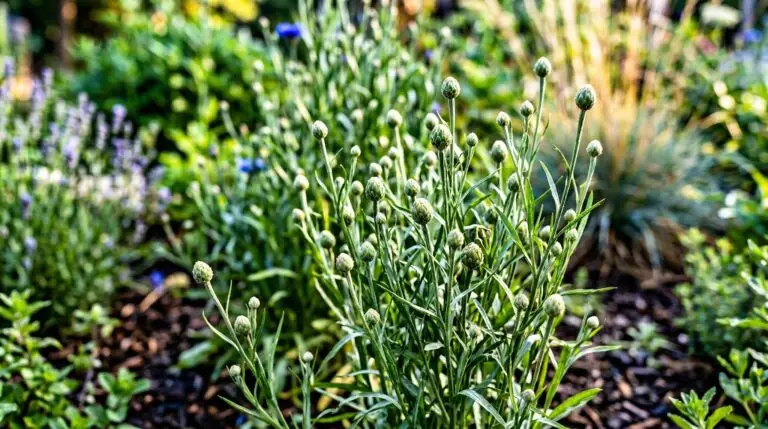
Growing cornflowers as cut flowers for charming cottage-style bouquets all summer
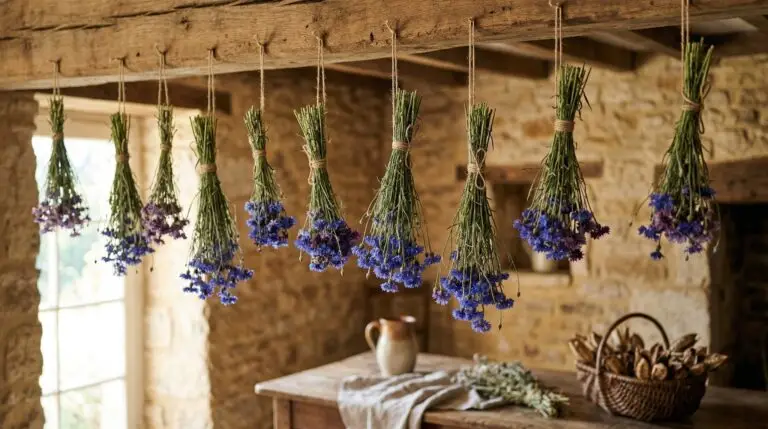
How to dry cornflowers for everlasting arrangements and craft projects
Enjoying our flower guides? Add YourFlowersGuide as a preferred source on Google. It helps more readers find us.
Add to Preferred Sources