The pairing · pick a flower
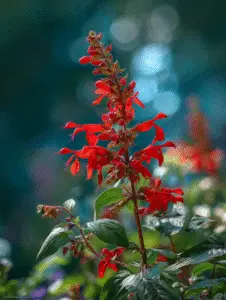 Scarlet Sage+
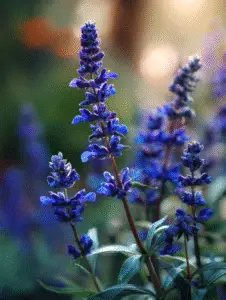 Blue salviaProven
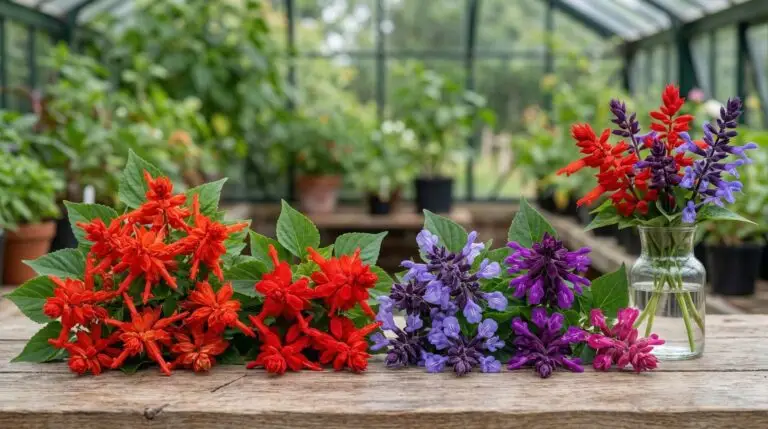
Same genus, same full sun, same drought tolerance, and the same USDA zone range, so nothing about its care fights scarlet sage; its cool blue spikes just repeat the vertical form in a color scarlet sage can't supply itself.
Scarlet Sage+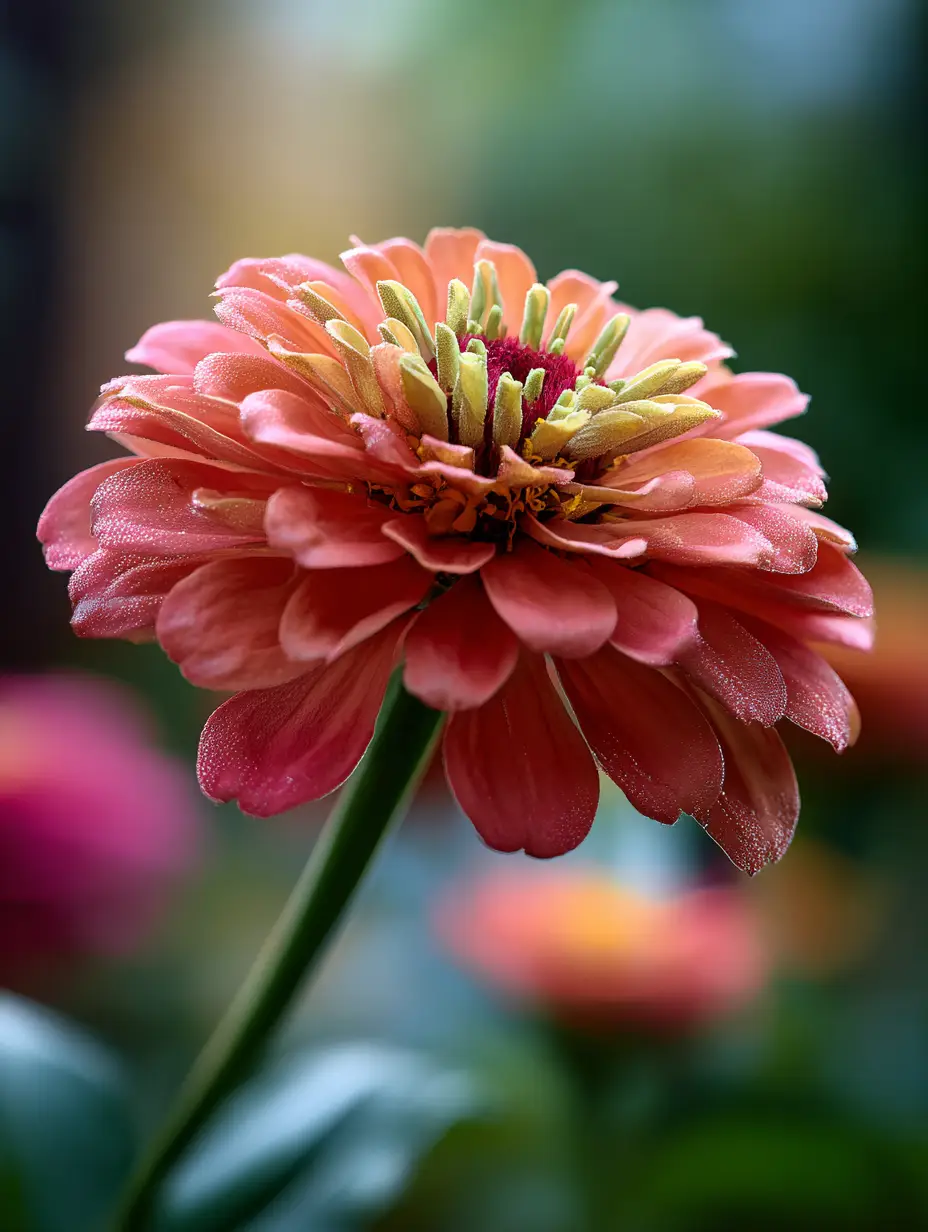 ZinniaPartial
Full sun, drought tolerance, and a soil-pH range as flexible as scarlet sage's own make this an easy match, and its mounding habit fills in the bare lower stems a spike plant always leaves behind.
Scarlet Sage+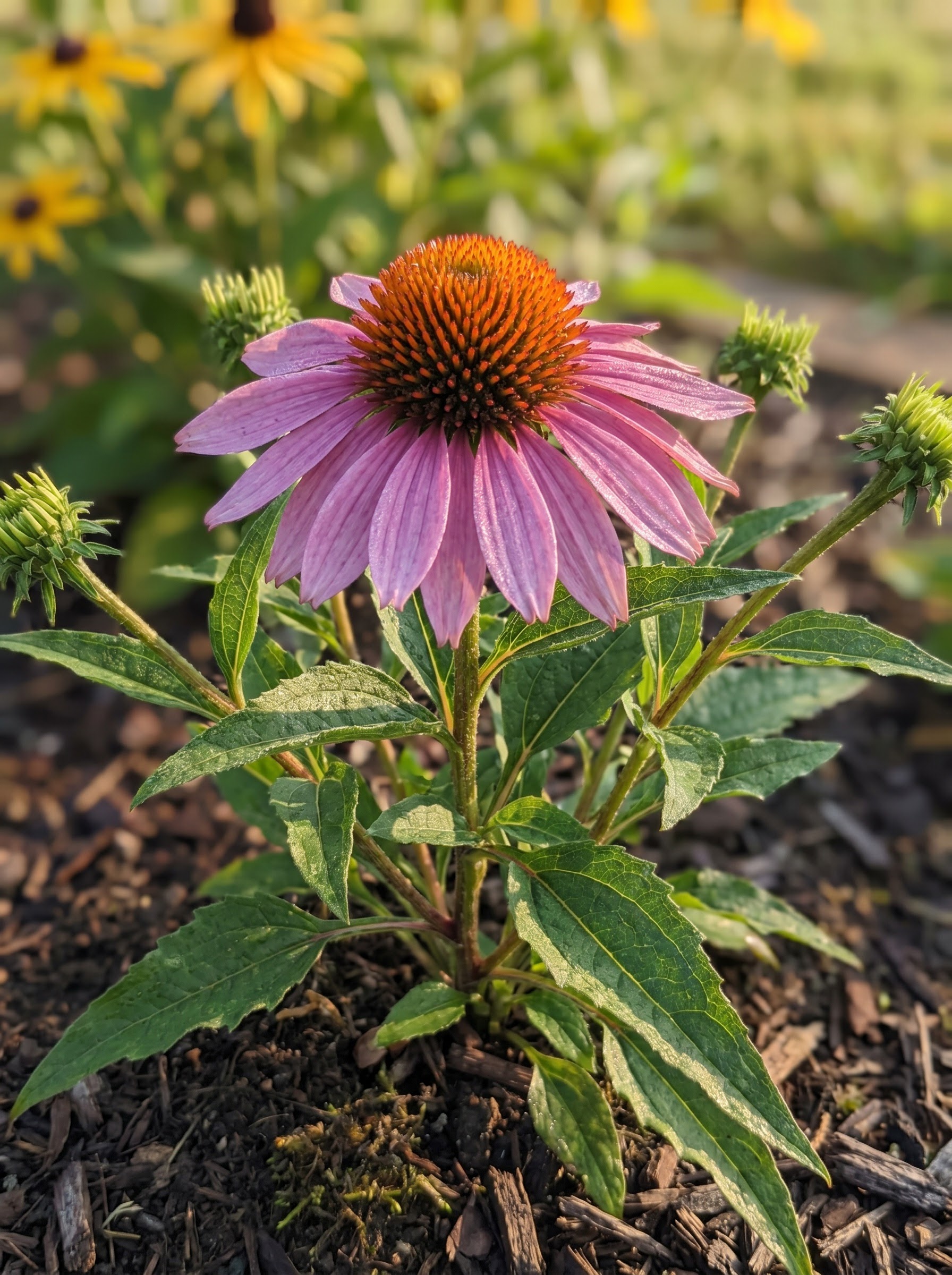 Purple coneflowerProven
A genuinely drought-tolerant, full-sun perennial that pulls its own weight for bees and butterflies, with a bold daisy face that reads as a strong shape contrast against scarlet sage's narrow red spikes.
Scarlet Sage+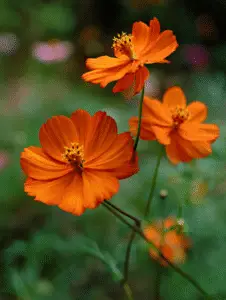 CosmosPartial
Full sun, genuinely drought-tolerant, and happy in poor soil, cosmos brings ferny, airy foliage that echoes scarlet sage's own see-through habit instead of competing with it for visual weight.
Scarlet Sage+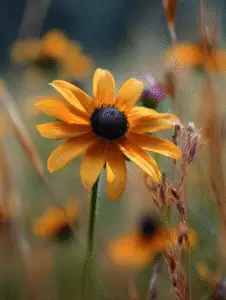 Black-eyed SusanPartial
A heat- and drought-tolerant full-sun bloomer that shares scarlet sage's tolerance for poor soil, and its gold ray petals sit at the warm end of the color wheel for a strong, easy hot-bed contrast with scarlet sage's red.
Scarlet Sage+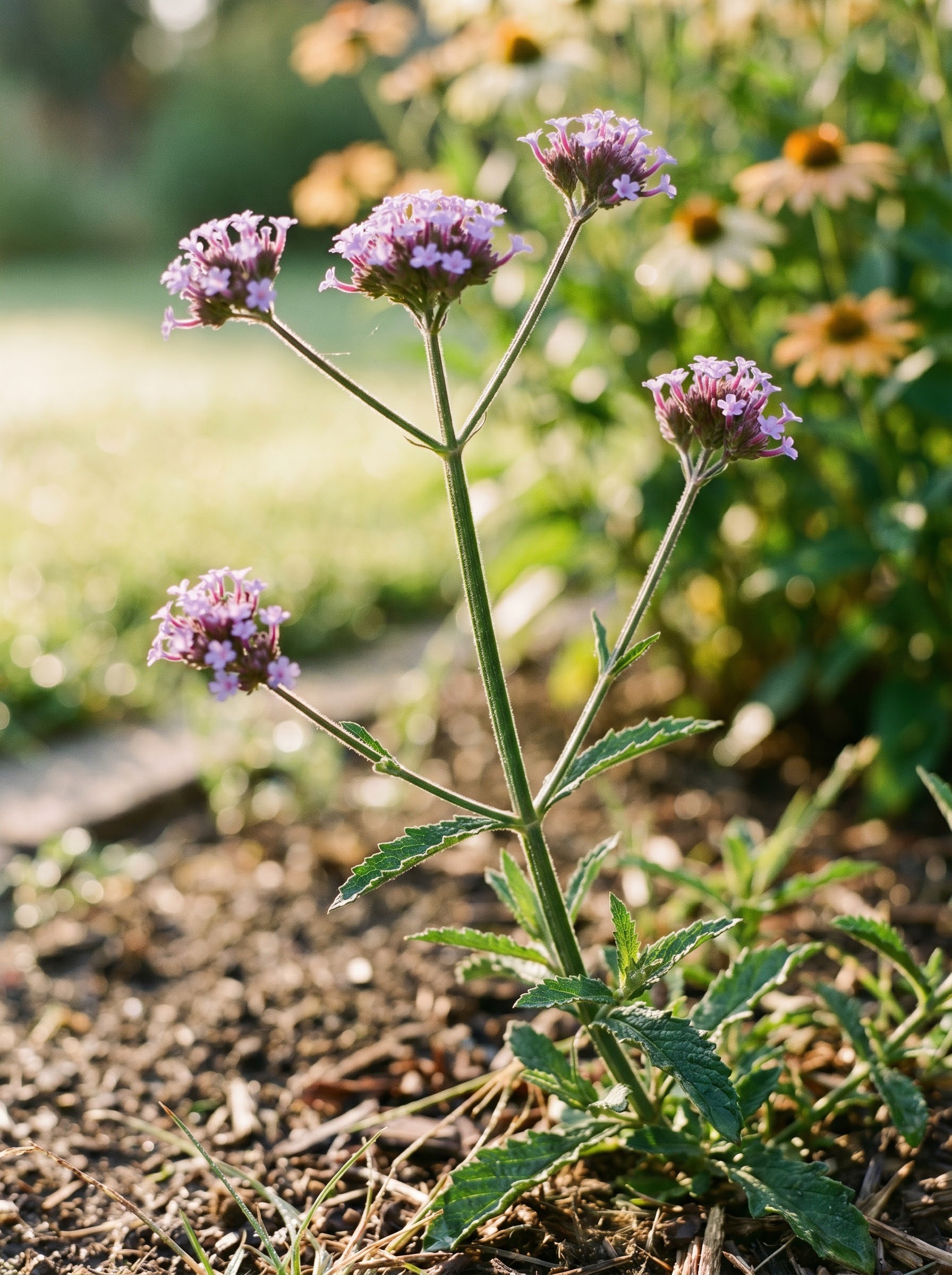 Purpletop vervainPartial
A full-sun, well-drained-soil, genuinely drought-tolerant tall verbena whose airy, see-through stems and small purple flower clusters soften scarlet sage's own bare lower stems without hiding the bloom.
Scarlet Sage+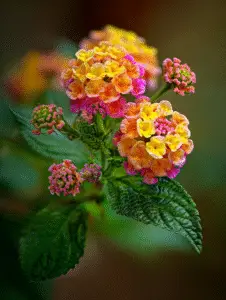 LantanaPartial
The most repeated real-world pairing for scarlet sage: same full sun, same drought tolerance, same long hummingbird and butterfly nectar season, and a mounding habit that plays off scarlet sage's upright spikes.
Scarlet Sage+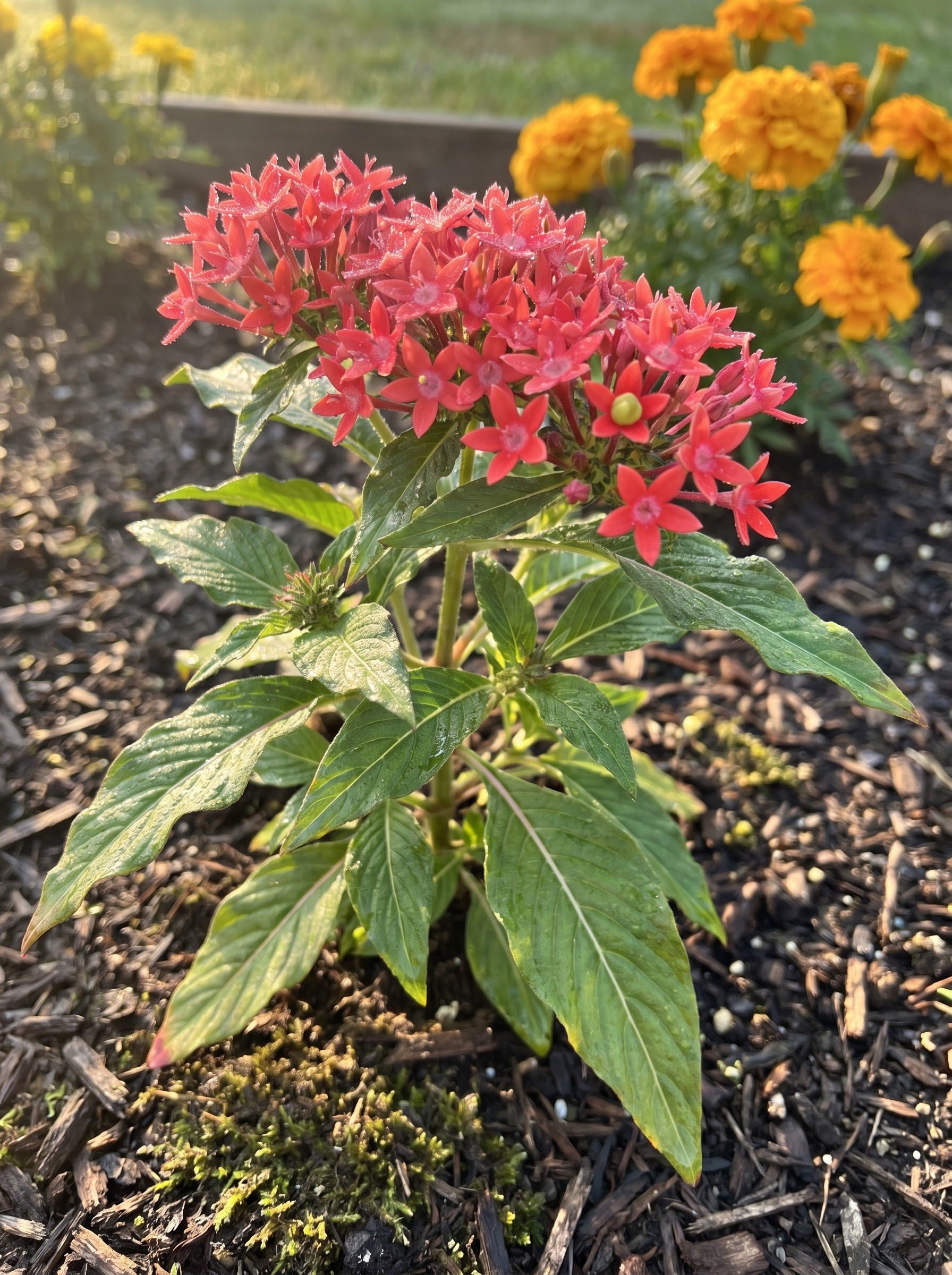 PentasPartial
A nonstop bee and hummingbird magnet that tolerates the same warm-season heat scarlet sage wants, though UF/IFAS notes pentas actually flowers well in part sun as little as 2 to 3 hours a day, unlike scarlet sage's own preference for full sun, and it is reliably perennial only in zones 9 through 11, one zone warmer than scarlet sage's own 8a to 10b range.
All scarlet sage companions
8 flower companions, best match first
What not to plant near scarlet sage
Most bad neighbours are not evil, they just want the opposite light, water or root run. Here is what to keep away, and what to do instead.
Moisture-loving shade plants (most hostas, astilbe, moisture-loving ferns)
Scarlet sage wants to dry out between waterings, and Clemson HGIC warns that excess water and fertilizer raise the whole salvia genus's risk of fungal disease, so a hosta or astilbe bed's constant-moisture regime works directly against it.
Dense shrubs or trees planted too close
Scarlet sage flowers most fully in full sun and gets noticeably leggier with fewer blooms once real shade sets in, so anything tall enough to shade it out over a season or two quietly defeats the point of planting it.
Tightly packed, low-airflow neighbors of any kind
Wisconsin Horticulture Extension names powdery mildew as scarlet sage's main disease risk and ties it directly to poor air circulation, so the danger is crowding itself, not any one plant.
Heavy feeders needing rich, frequently fertilized soil
Scarlet sage tolerates poor, sandy soil and performs well on relatively little feeding, so pairing it with a hungry companion that demands a constantly enriched bed pushes the soil toward a fertility regime scarlet sage doesn't need and didn't ask for.
The best companions for scarlet sage, explained
Scarlet sage’s real identity has nothing to do with formal color schemes. It is a heat-loving, drought-tolerant hummingbird magnet native to the southeastern United States, and every genuinely good companion for it shares that same profile: full sun, soil that dries between waterings, and a long bloom window that keeps nectar coming from early summer to the first frost. The single most reliable pairing is its own cousin, blue salvia (Salvia farinacea), which NC State Extension lists in the identical USDA zone range as scarlet sage and asks for the same sun and drainage down to the letter. Planted together, the two spike forms repeat each other while the cool blue does the one thing scarlet sage’s red can’t do on its own.
From there, the strongest leads are the plants that share scarlet sage’s condition profile and add something it lacks. Purple coneflower and black-eyed Susan bring bold daisy faces that read as a hard shape contrast against scarlet sage’s narrow spikes, and both are genuinely drought-tolerant, full-sun perennials in their own right, not just plants that happen to survive nearby. Cosmos and zinnias fill in lower and rounder, hiding the bare stems a tall spike plant always leaves at its base, while lantana remains the most-repeated real-world pairing across hummingbird gardens, sharing scarlet sage’s exact heat tolerance and extending the nectar season on its own mounding schedule. None of these pairings depend on a hidden chemical benefit. They work because the conditions genuinely match, which is a more honest reason to plant something next to scarlet sage than most of the color-scheme advice floating around online.
What not to plant near scarlet sage
There is no allelopathy story here, no plant that scarlet sage chemically fights or physically smothers. The real risk with this flower is a watering mismatch, not an attack. Scarlet sage wants its soil to dry out somewhat between waterings, and it is vulnerable to root rot when kept as constantly wet as a hosta, an astilbe, or a moisture-loving fern needs to thrive; put those two water regimes in the same bed and one of them loses. That single fact does more to protect a scarlet sage planting than any list of named enemy plants, because the plants that actually hurt it are simply the ones asking for the opposite of what it wants.
The second real risk is light, not soil. Scarlet sage’s bloom drops off hard once real shade sets in, so a shrub or tree canopy that shades it out over a season or two is a siting mistake, not a poison, but the effect on the plant is the same either way: fewer flowers, a leggier stem, a weaker show. The third is airflow. Wisconsin Horticulture Extension names powdery mildew as scarlet sage’s main disease risk and ties it directly to crowding and poor air circulation, which makes density itself, rather than any single bad neighbor, the thing to watch. Worth saying plainly: no source checked for this page named a specific plant that harms scarlet sage on contact. The honest avoid list here is entirely about matching conditions, and that absence of drama is itself useful information, not a gap to paper over with an invented rival.
Do they like the same conditions?
Scarlet sage is more flexible than most of its salvia relatives, which is exactly what makes it easy to pair. NC State Extension lists it tolerant of acidic, neutral, and alkaline soil alike, clay through sand, so pH is a soft constraint here rather than a hard one; you are not managing a picky, acid-obligate plant the way you would with a blueberry or an azalea. Light is the same story: full sun gives the fullest, most compact bloom, but scarlet sage takes partial shade without dying, just with fewer flowers and a leggier habit, especially in hot-summer zones where afternoon shade is a relief rather than a compromise.
Water is where the honesty matters most. Scarlet sage is genuinely drought-tolerant once established, UF/IFAS and NC State both confirm that directly, but it is not a true desert xeric plant either; it flowers more abundantly with occasional water during dry spells, and the real rule is that the soil should dry somewhat between waterings rather than stay bone dry or constantly wet. Every strong companion on this page, from blue salvia to cosmos to coneflower, shares that same moderate-drought profile, which is why the shared-conditions test does most of the real work here. A plant that wants constant moisture will fight scarlet sage’s roots no matter how good it looks next to the red spikes in a catalog photo.
How to plant them together
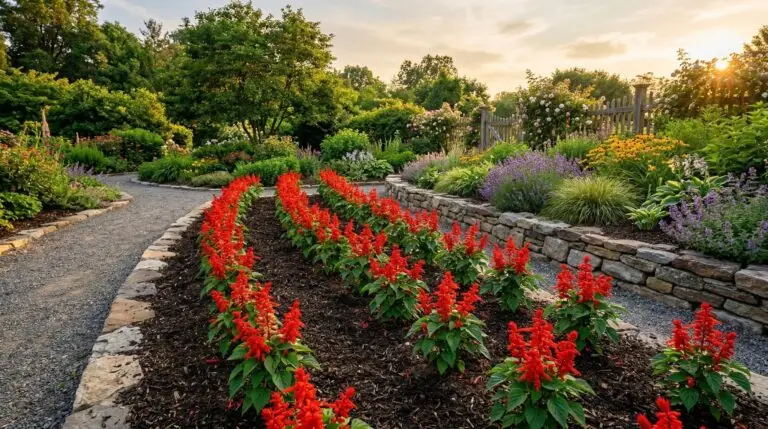
Space most companions 12 to 24 inches from scarlet sage’s base, tighter for low, narrow plants like blue salvia or cosmos, wider for anything with real bulk like lantana or purpletop vervain. Scarlet sage itself grows 2 to 3 feet tall on a fairly narrow, see-through frame, so the practical design move is layering by habit rather than by height alone: put mounding or trailing plants at its feet to cover the bare lower stems, and let taller companions like coneflower or black-eyed Susan stand beside it rather than crowding directly against the crown, where airflow matters most.
In containers, scarlet sage does well as the vertical anchor with a lower, spreading companion like zinnia or a trailing verbena at the rim, following the same drainage logic as an in-ground bed; container soil dries faster than garden soil, which actually plays to scarlet sage’s strength as long as the pot has real drainage holes. Zones matter more here than with many companion pairings, because scarlet sage’s own presence in a bed shifts with USDA zone: it returns reliably as a perennial in zones 8a through 10b, reseeds itself as a returning annual further north in zones 6 through 8, and is grown as a straightforward annual in colder climates. Pentas, by contrast, is reliably perennial only in zones 9 through 11, so in a zone 8 garden, plant it alongside scarlet sage as a summer annual rather than counting on either one to survive winter the same way.
Does companion planting actually work for scarlet sage?
For the shared-conditions matches, yes, and this is easy to verify rather than take on faith: a plant that genuinely shares scarlet sage’s sun, drainage, and drought tolerance will not compete with it for water or light, which is the baseline mechanism behind every real pairing on this page. That much is proven horticulture, not folklore, and it explains why blue salvia, coneflower, and cosmos hold up under scrutiny. The pollinator argument is close behind: scarlet sage is independently confirmed by both NC State and UF/IFAS as a hummingbird and butterfly magnet, and stacking it with other true nectar plants genuinely extends the feeding season across more of the year than any single flower could on its own.
What does not hold up is any claim of a chemical or protective benefit between scarlet sage and a specific neighbor, the kind of "plants X to repel pests from Y" story common in listicle companion-planting content. No source checked for this page supports a mechanism like that for scarlet sage, and the real payoff here is entirely about matched conditions and a longer bloom season, not a hidden defensive alliance. One more myth worth retiring outright: scarlet sage self-seeds readily, especially from zone 8 south, and people who already grow it often ask whether it will take over a bed. Multiple sources agree it is not an aggressive spreader; seedlings pull easily by hand, and the plant is not classified as invasive in its native Southeast range, unlike common lantana, whose own seed-grown form is flagged as weedy by NC State Extension in the exact same warm, humid zones where scarlet sage thrives. That is worth knowing before choosing a lantana cultivar to plant next to it.
Frequently asked questions
What can I plant in front of scarlet sage to hide its bare stems?
Cosmos, zinnia, and lantana all work well as low, front-of-bed companions. All three share scarlet sage’s full-sun, drought-tolerant profile, and their mounding or trailing habits fill in the narrow lower stems that scarlet sage’s own upright, see-through form always leaves exposed.
What should you not plant near scarlet sage?
Nothing poisons or physically smothers it, but anything that needs constantly moist soil, like most hostas, astilbe, or moisture-loving ferns, works directly against scarlet sage’s need to dry out between waterings and raises its risk of root rot.
Does scarlet sage spread aggressively or take over a garden bed?
No. It self-seeds readily, especially in zones 8 through 10, but multiple sources describe the seedlings as easy to spot and remove, and it is not classified as an aggressive or invasive spreader in its native Southeast range.
What causes root rot in scarlet sage, and how do I avoid it?
Soil that stays constantly wet is the cause; Clemson HGIC warns that excess water and fertilizer raise fungal disease risk across the whole salvia genus. Let the soil dry somewhat between waterings, plant in well-drained ground or a pot with real drainage holes, and skip the moisture-loving companions.
Is scarlet sage the same plant as salvia splendens?
No, though the names are often confused. Salvia coccinea, the plant this page covers, is the smaller-flowered, more heat- and drought-tolerant native species; Salvia splendens, sold as bedding "scarlet sage" in nurseries, is a separate, showier species from Brazil with different water needs.
Can I grow scarlet sage in a pot with other flowers?
Yes. It works well as the upright anchor in a container with a lower, spreading companion like zinnia or trailing verbena at the rim, as long as the pot drains freely; container soil dries faster than garden soil, which suits scarlet sage’s drought tolerance well.
Sources
- Salvia coccinea, North Carolina Extension Gardener Plant Toolbox
- Scarlet sage, Salvia coccinea, Wisconsin Horticulture Extension
- Salvia coccinea Scarlet Salvia, Scarlet Sage, UF/IFAS Extension
- Salvia, Home & Garden Information Center, Clemson University Extension
- Salvia farinacea, North Carolina Extension Gardener Plant Toolbox
- Lantana camara, North Carolina Extension Gardener Plant Toolbox
More About Scarlet Sage
How to grow scarlet sage for blazing red spikes that hummingbirds fight over
Scarlet sage as a hummingbird garden essential for non-stop feeder-free attraction
Growing scarlet sage from seed versus buying transplants and which saves money
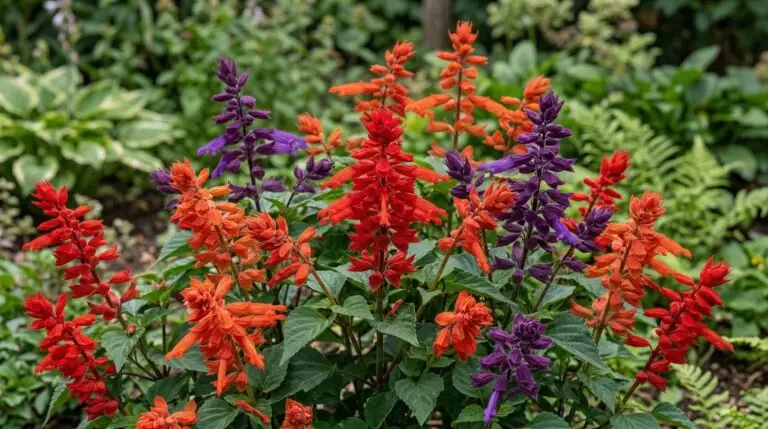
Best scarlet sage varieties beyond basic red including salmon coral and burgundy
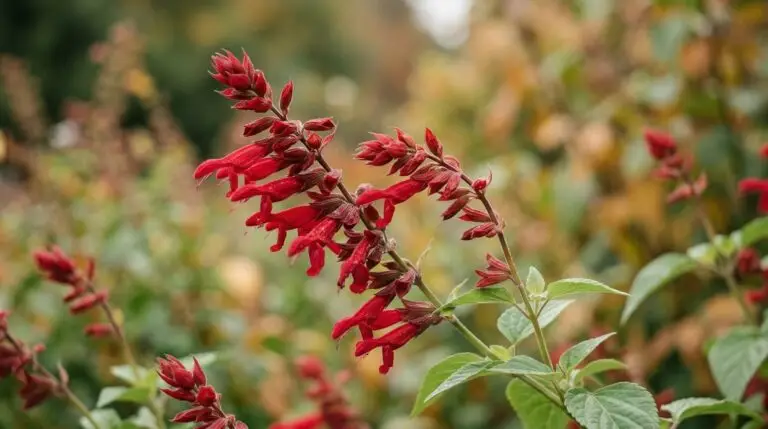
Scarlet sage flower meaning and the fiery passion this red bloom represents
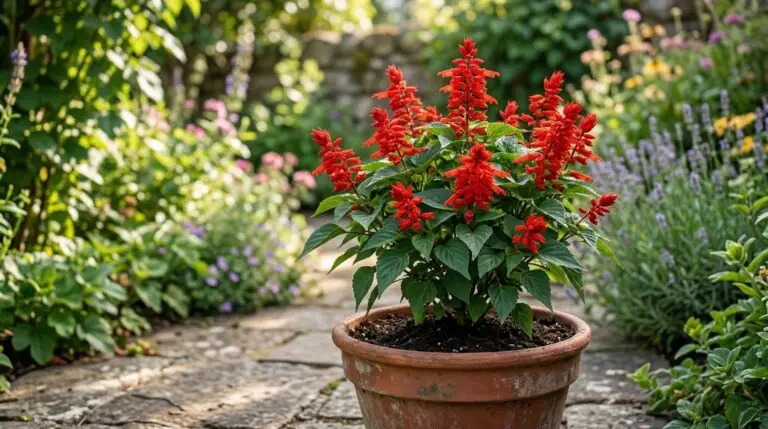
Growing scarlet sage in containers for fiery patio displays and front door drama
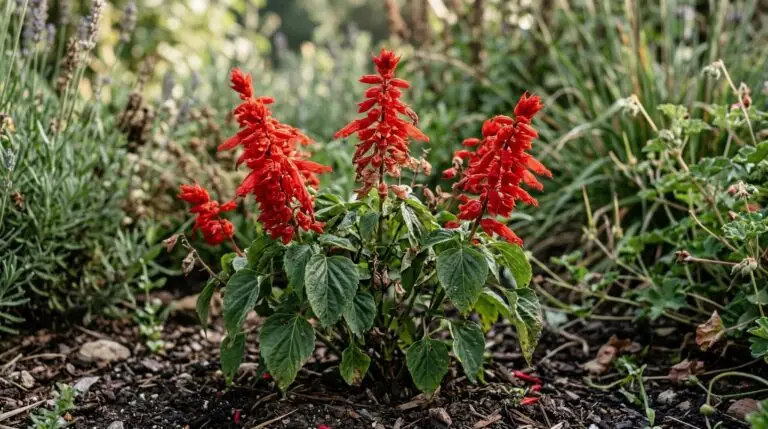
Why scarlet sage gets leggy in midsummer and the pinch-back method for bushy plants
Scarlet sage versus blue salvia and choosing the right salvia for your garden design
Scarlet sage in mass plantings for the dramatic red carpet effect in public gardens