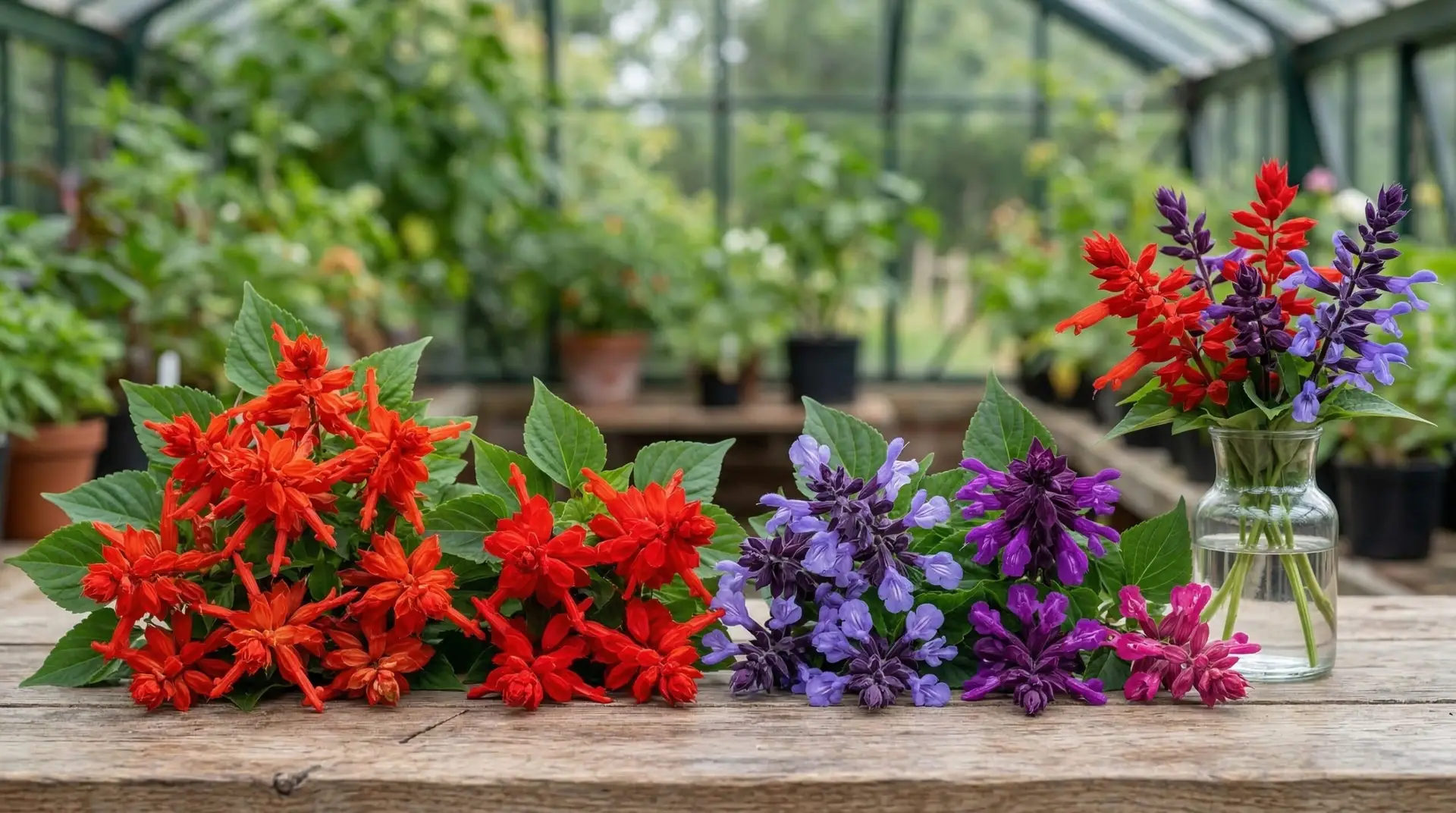
When planning a summer flower bed, gardeners frequently find themselves deciding between the intense heat of scarlet sage and the soothing tones of blue salvia. Both plants belong to the mint family and offer reliable color throughout the growing season. The choice between scarlet sage vs blue salvia goes beyond simple color preference. These two plants behave differently in the ground, attract entirely different types of wildlife, and create opposite moods in a garden design. Understanding the specific traits of Salvia splendens and Salvia farinacea helps you select the plant that actually fits your growing conditions and aesthetic goals.
Contents 5 sections
Evaluating color impact and garden style
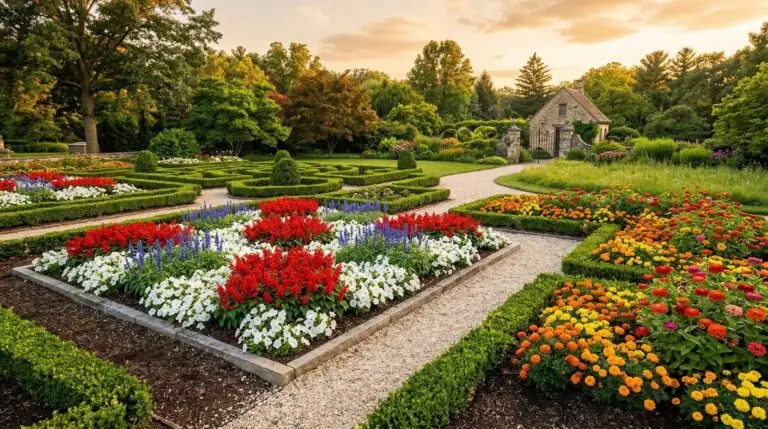
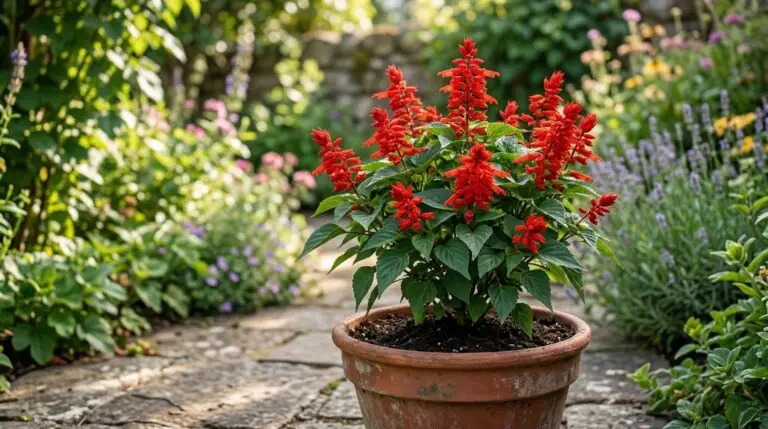
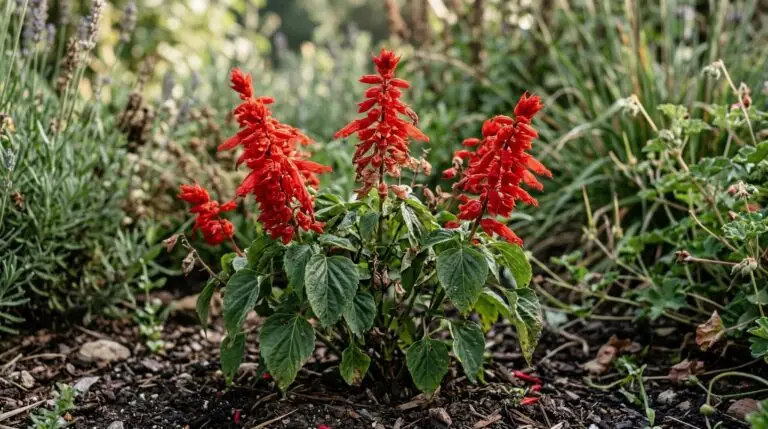
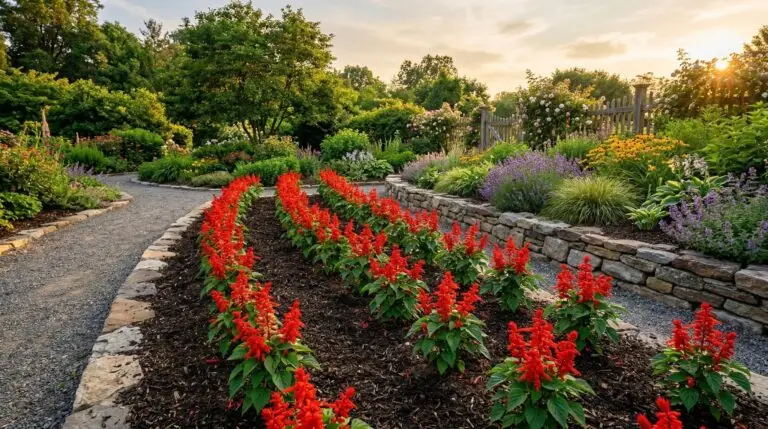
Scarlet sage, scientifically known as Salvia splendens, produces dense spikes of tubular red flowers above dark green, heart-shaped leaves. The color is exceptionally loud and advances toward the viewer, which means it catches the eye immediately from across the yard. This bold visual weight makes scarlet sage highly effective in formal bedding schemes, public parks, and structured borders. The plant maintains a relatively compact, bushy habit that looks tidy when planted in mass groupings. Gardeners often pair it with other strong, warm-colored annuals like traditional marigolds to create high-energy planting beds. The dense growth pattern leaves little empty space, creating a solid block of color that defines edges clearly.
On the other hand, Salvia farinacea offers a completely different structural presence in the garden. Commonly known as blue salvia or mealycup sage, this plant grows with an airy, upright habit characterized by slender, vertical flower spikes. The cool blue and purple tones act as receding colors, which can trick the eye into thinking a small garden space is larger than it actually is. Instead of forming a solid block of color, the slender stems weave easily among other plants, making it a natural fit for loose cottage gardens and meadow-inspired designs. The foliage is typically narrower and lighter green, sometimes with a silvery or mealy dusting on the stems that gives the plant a softer overall appearance.
Wildlife attraction and bloom structure
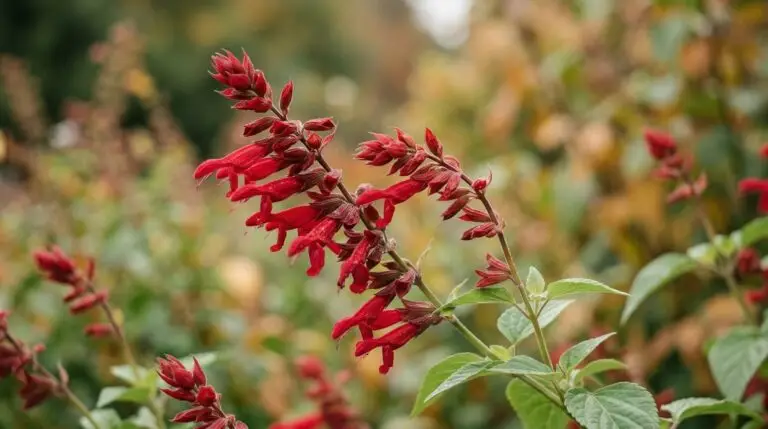
The physical shape of the flowers dictates exactly which pollinators will visit your garden. Scarlet sage produces long, narrow, tubular blooms that are perfectly engineered for hummingbirds. The bright red color draws these birds from a distance, while the deep tubes hold nectar at a depth that only a long beak and tongue can reach. If your primary goal is to bring hummingbirds right up to your patio or window boxes, scarlet sage is the clear winner in this comparison. The tight clusters of long flowers drop off cleanly when they fade, though the red bracts often remain to provide continued color even after the true flower has fallen.
Blue salvia produces much smaller, more open flowers that cluster tightly along the top portion of the stems. This open bloom structure provides easy landing pads and accessible nectar for a wide variety of bees and butterflies. On a warm summer afternoon, a patch of blue salvia will typically hum with the activity of bumblebees, honeybees, and small native solitary bees. The plant grows new flower spikes continuously through the summer, ensuring a steady food source for these insects. Gardeners focused on supporting local bee populations will find that Salvia farinacea draws far more insect traffic than its red counterpart.
Maintenance needs and growing conditions
When it comes to daily care and environmental preferences, these two salvias diverge significantly. Scarlet sage thrives in rich, well-draining soil and requires consistent moisture to look its best. If the soil dries out completely, the large leaves will wilt dramatically, and the lower foliage may yellow and drop off. This plant also benefits from regular deadheading, as removing the spent flower spikes encourages the plant to push out new growth rather than setting seed. In regions with extremely hot, dry summers, scarlet sage often performs better with a bit of afternoon shade to protect the foliage from scorching.
Blue salvia is inherently more rugged and forgiving of neglect. Because it originates from dry regions of Texas and Mexico, it possesses excellent drought tolerance once its root system is established in the ground. You can plant it in leaner, rocky soils where scarlet sage would struggle to survive. The plant rarely requires supplemental watering outside of prolonged dry spells, and it handles full, baking sun without wilting. The slender flower spikes of blue salvia tend to dry neatly on the plant, meaning you can often skip deadheading entirely without sacrificing the plant’s overall appearance or blooming capacity.
Combining red and blue salvia in the garden
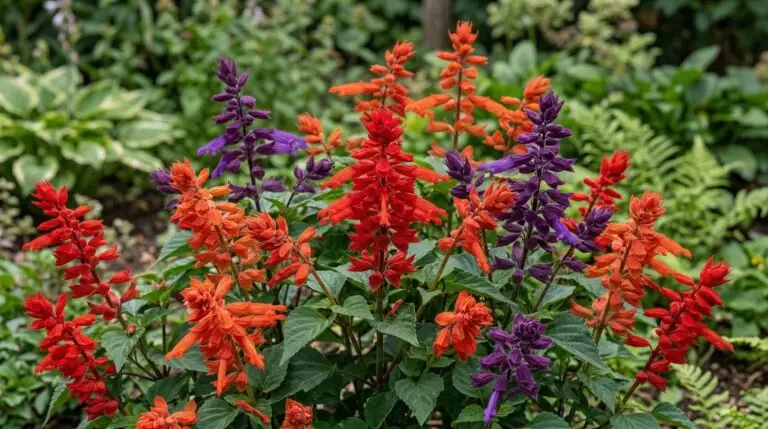
You do not necessarily have to choose just one, as growing red vs blue salvia together creates a highly effective color contrast. The trick to combining them successfully lies in managing their different water requirements and growth habits. You can position the drought-tolerant blue salvia in the sunnier, drier middle section of a border, while placing the scarlet sage closer to the front edge where it is easier to reach with a watering hose. The airy blue spikes provide a cool, textured backdrop that makes the solid red blocks of the scarlet sage pop with even greater intensity. This combination satisfies both hummingbirds and bees while offering a long season of continuous bloom from late spring until the first hard frost.
Choosing the right salvia for your space
Narrowing down your choice ultimately depends on your specific garden conditions and what you want to achieve. If you have a formal garden layout, rich soil, and a desire to attract hummingbirds, scarlet sage provides the bold, reliable color you need. It demands a bit more water and attention, but the visual payoff is immediate and striking. Conversely, if you are planting a low-maintenance, water-wise garden or want to attract a diverse population of bees, blue salvia is the better investment. Its tough nature and airy structure bring a relaxed elegance to the yard that requires very little effort to maintain. Assessing your available time for watering and your preferred garden style will point you directly to the right salvia for your beds.
More About Scarlet Sage
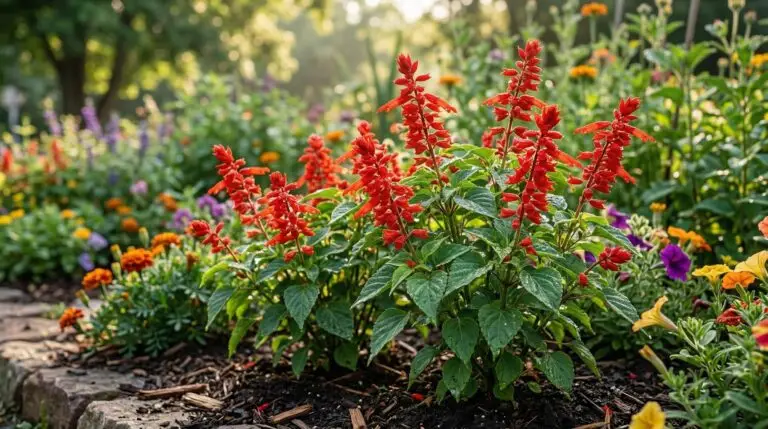
How to grow scarlet sage for blazing red spikes that hummingbirds fight over
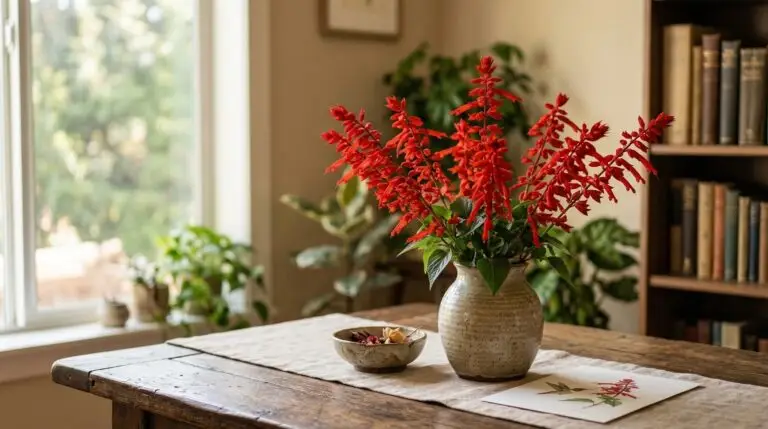
Scarlet sage as a hummingbird garden essential for non-stop feeder-free attraction
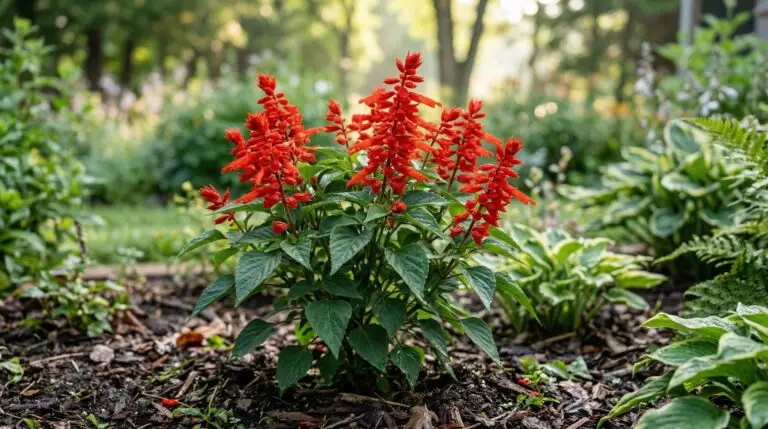
Growing scarlet sage from seed versus buying transplants and which saves money
Companion plants for scarlet sage: what to grow and avoid
Best scarlet sage varieties beyond basic red including salmon coral and burgundy
Scarlet sage flower meaning and the fiery passion this red bloom represents
Growing scarlet sage in containers for fiery patio displays and front door drama
Why scarlet sage gets leggy in midsummer and the pinch-back method for bushy plants
Scarlet sage in mass plantings for the dramatic red carpet effect in public gardens
Enjoying our flower guides? Add YourFlowersGuide as a preferred source on Google. It helps more readers find us.
Add to Preferred Sources