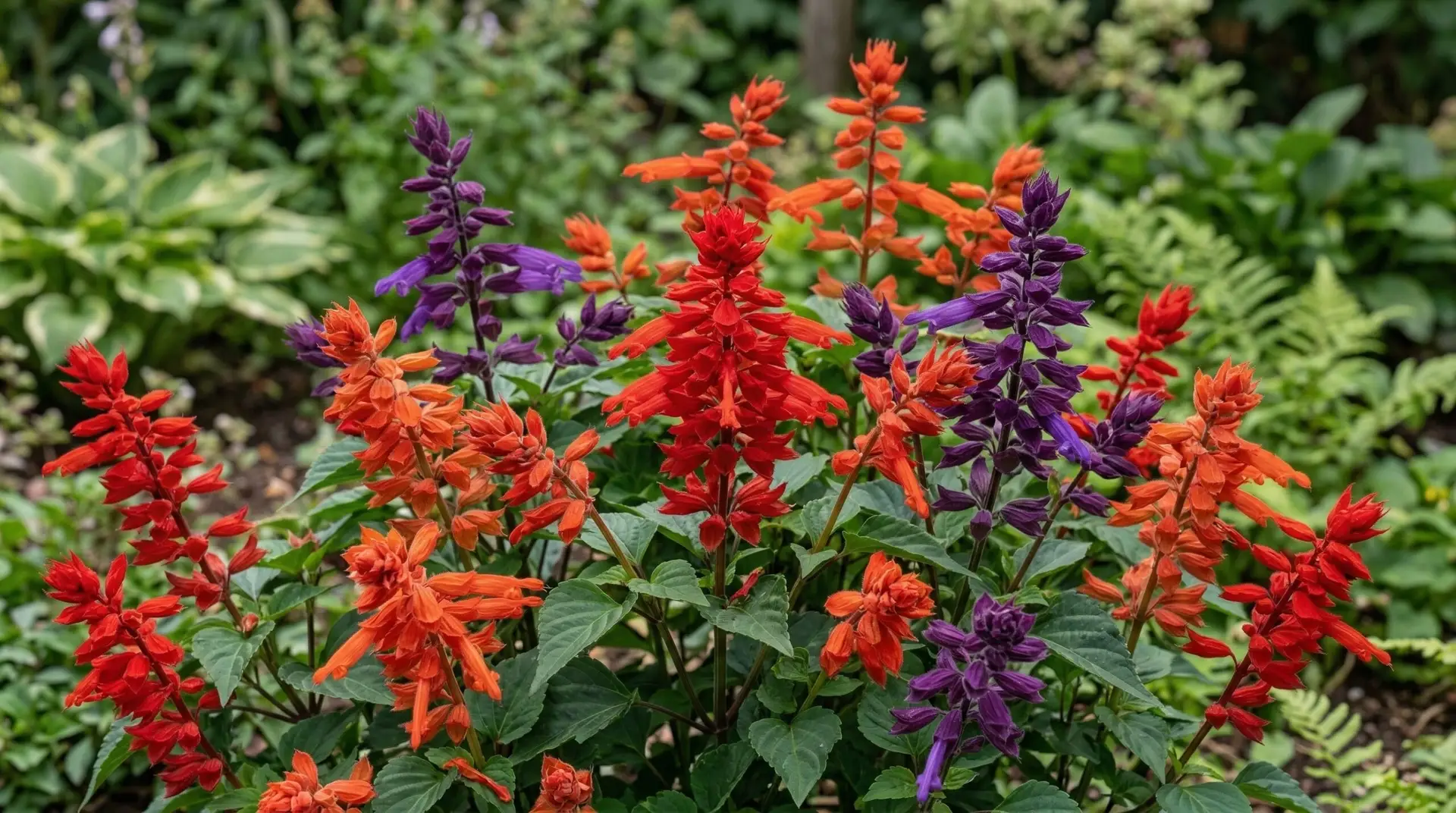
When most gardeners think of Salvia splendens, they picture uniform blocks of bright red planted in municipal traffic islands. This ubiquitous bedding plant has earned a reputation for being somewhat aggressive on the eyes and entirely predictable in garden beds. However, treating all scarlet sage as identical generic filler ignores decades of careful plant breeding. By looking past the unlabeled flats at the garden center, you can find specific scarlet sage varieties that offer superior weather resistance, better growth habits, and entirely unexpected colors. The true value of this species emerges when you select named series bred for specific purposes. From tight container growth to tall architectural presence, there is a specific variety designed to solve almost any garden problem.
The standard garden center offering usually defaults to a harsh, primary red that dominates everything around it. Modern breeding has expanded salvia splendens colors into a much broader and more useful palette. You can now find these vigorous growers in shades of soft salmon, deep burgundy, pale coral, and crisp white. Selecting the right color and growth habit transforms the plant from a municipal cliché into a highly effective garden tool. I have evaluated many of the popular commercial series to separate the truly useful plants from the mediocre ones. Many commonly sold varieties quickly fade or fall apart after a heavy rain, making careful selection absolutely necessary for a successful display.
Contents 4 sections
Compact series for reliable borders
For situations requiring a low, dense carpet of color, the Vista series consistently outperforms older compact varieties. Many dwarf salvias suffer from brittle stems that snap in heavy summer storms, leaving unsightly gaps in a border. The Vista series was bred specifically for dense branching and dark green foliage that holds up well under heat and heavy rain. If you need the classic bright scarlet color, Vista Red is arguably the best red salvia available for edging and container work. The flower spikes remain tight and densely packed, refusing to stretch out and look weedy as the summer progresses. This series rarely exceeds twelve inches in height, making it highly predictable for precise garden designs.
The Sizzler series offers another excellent option for the front of the border, but it brings a slightly different set of characteristics to the garden. These plants bloom earlier than the Vista series, making them useful if you have a short growing season and need immediate color. Sizzler plants also offer some of the most interesting color breaks in the species, particularly their bicolor options. Sizzler Burgundy produces deep, wine-colored flowers that look entirely different from the standard scarlet types. This darker hue requires careful placement so it does not disappear into the shadows, but it pairs beautifully with silver foliage plants. The Sizzler series tends to have slightly lighter green foliage, which contrasts nicely with its deeply saturated flower spikes.
Tall varieties for structural impact
Compact plants have their place, but they often lack the physical presence needed for a mixed perennial border. When you plant dwarf scarlet sage next to robust summer perennials, the salvias quickly become swallowed by the surrounding foliage. To solve this problem, you need older, taller genetics that allow the plant to reach two to three feet in height. These taller varieties behave more like temporary shrubs than low bedding plants, providing substantial vertical lines in the garden. They offer a growth habit somewhat similar to blue salvia, creating strong upright spikes that draw the eye upward rather than anchoring it to the ground. Using these larger varieties allows you to mix annuals directly into established perennial beds without losing them visually.
The Lighthouse series is the definitive choice when you need a tall, structural Salvia splendens. While many older tall varieties tend to get leggy and drop their lower leaves by August, the Lighthouse plants maintain a bushy, well-clothed base beneath their towering flower spikes. Lighthouse Red produces massive, glowing red flower clusters that are visible from across a large yard. Because of their scale, these plants work exceptionally well as the central thriller in large whiskey barrels or as a repeating vertical element at the back of a sunny border. They also hold up well in the intense heat of late summer when many other annuals begin to look tired. This series requires slightly more water than the dwarf types, but the visual payoff is well worth the extra irrigation.
Evaluating the alternative colors
Moving away from standard red opens up entirely new design possibilities for this reliable annual. The salmon and coral varieties are particularly valuable because they bridge the gap between hot and cool color schemes. A variety like Vista Salmon produces soft, peachy-pink flowers that blend smoothly with pastel gardens, avoiding the visual shock of bright scarlet. These softer tones work exceptionally well when planted alongside warm-toned companions like a soft orange marigold, creating a harmonious gradient of color. The salmon varieties also seem to hold their color well in full sun without bleaching out to an unattractive pale yellow. They offer the exact same vigorous growth as their red counterparts but with a much more sophisticated visual impact.
Not all alternative colors in the Salvia splendens family are equally successful in the garden. The pure white varieties often look crisp when they first open, but the older flowers turn a dirty, papery brown as they fade, making the entire plant look unkempt. Deep purple varieties, on the other hand, are highly recommended for their rich, velvety texture. A dark violet or burgundy scarlet sage absorbs light rather than reflecting it, bringing a sense of depth and weight to a mixed container. You must place these dark varieties carefully against light-colored walls or bright companion plants so their subtle beauty is clearly visible. When positioned correctly, a deep purple salvia looks far more expensive and rare than its botanical name would suggest.
The top recommendation
If forced to choose just one variety from the vast array of scarlet sage options, I consistently return to Lighthouse Red. While the alternative colors are interesting, the sheer architectural power of a three-foot-tall, robustly blooming red salvia is unmatched in the late summer garden. It completely redefines what this species can do, elevating it from a cheap border filler to a primary structural element. The Lighthouse series resists the typical late-season decline, maintaining its dark green foliage and massive flower spikes right up until the first hard frost. It is the perfect example of how selecting the right variety can completely change your perception of a common garden plant. By choosing a plant with significant scale and vigor, you guarantee a strong visual anchor for your late summer displays.
More About Scarlet Sage
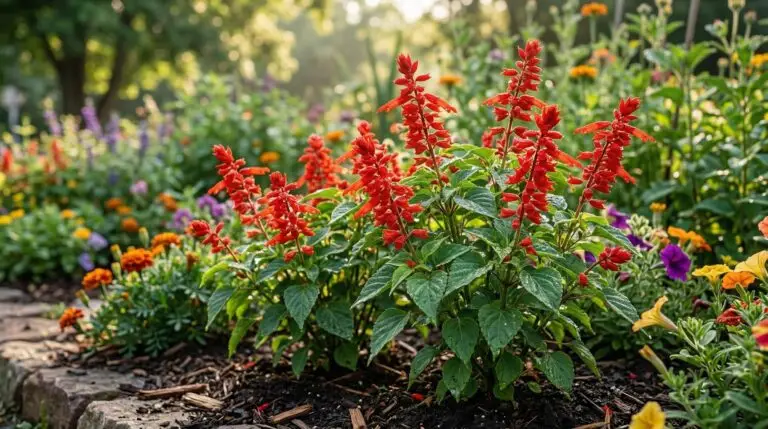
How to grow scarlet sage for blazing red spikes that hummingbirds fight over
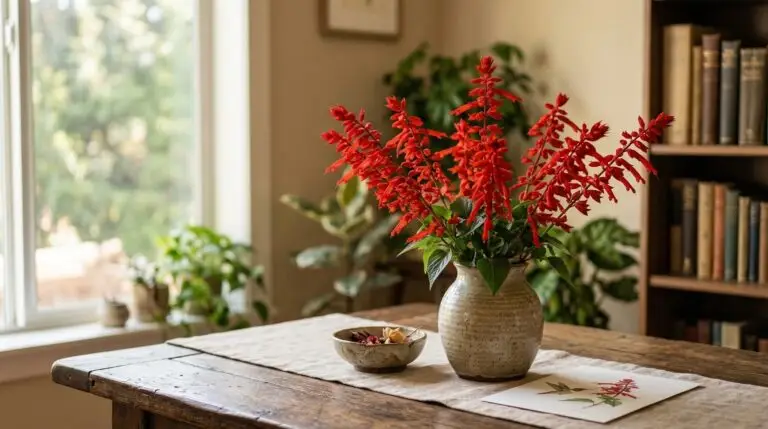
Scarlet sage as a hummingbird garden essential for non-stop feeder-free attraction
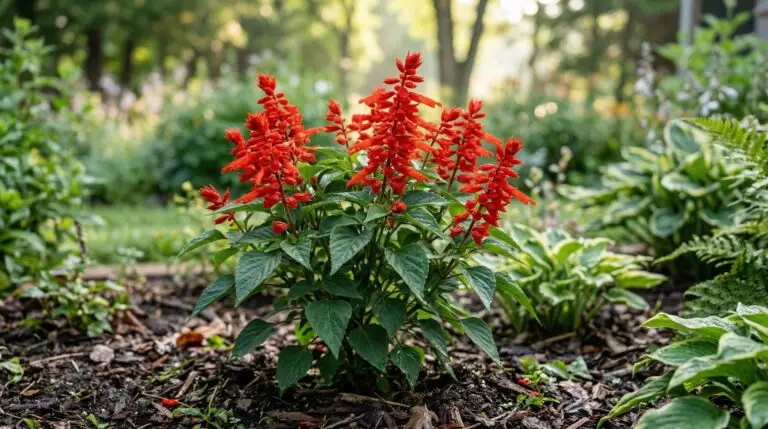
Growing scarlet sage from seed versus buying transplants and which saves money
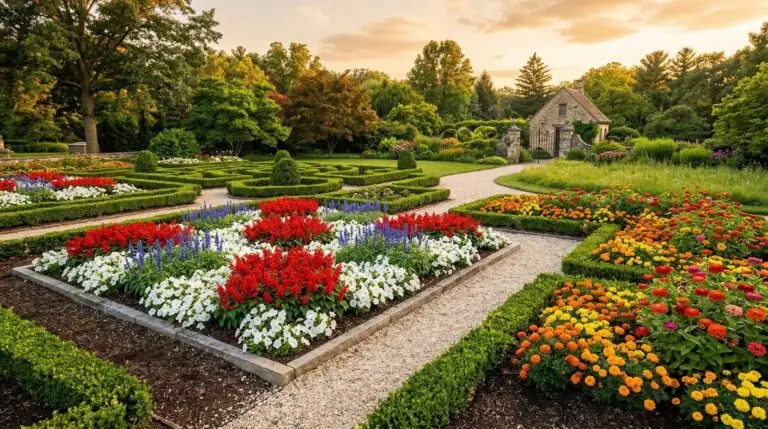
Companion plants for scarlet sage: what to grow and avoid
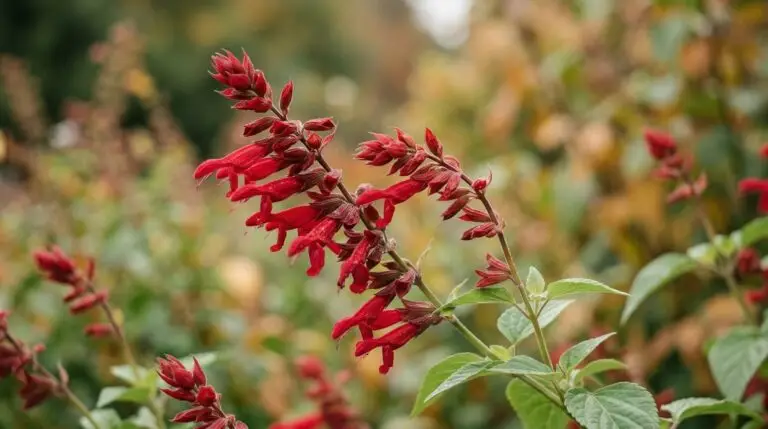
Scarlet sage flower meaning and the fiery passion this red bloom represents
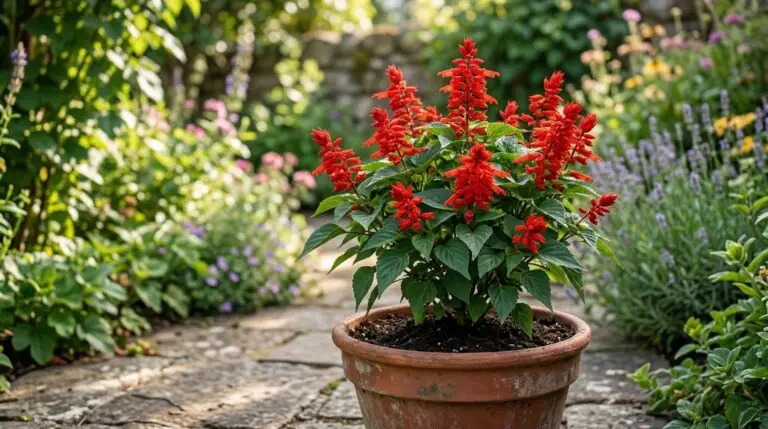
Growing scarlet sage in containers for fiery patio displays and front door drama
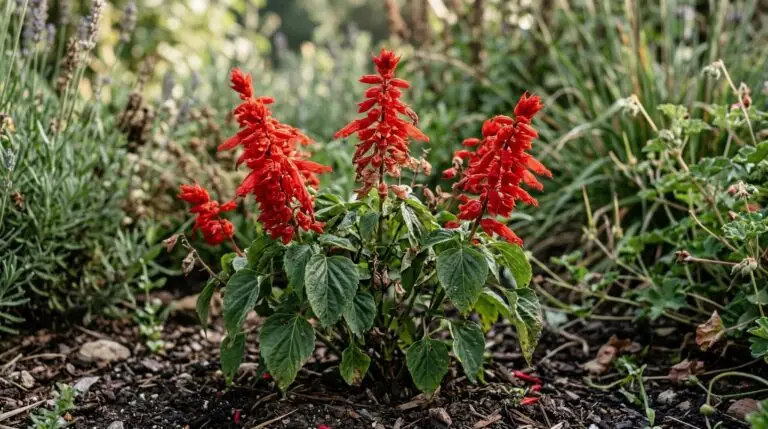
Why scarlet sage gets leggy in midsummer and the pinch-back method for bushy plants
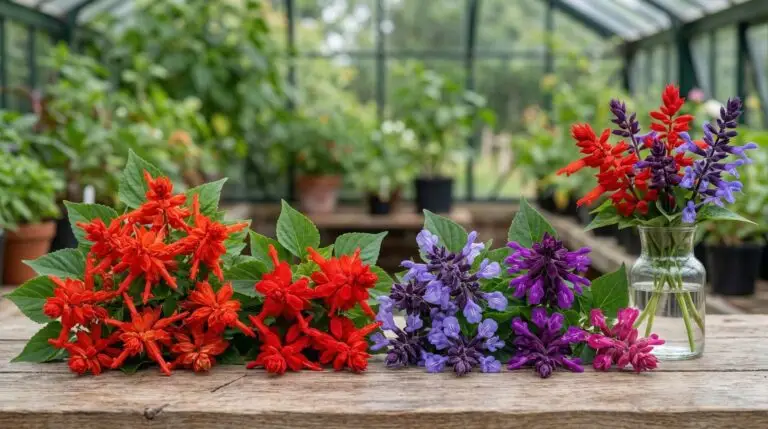
Scarlet sage versus blue salvia and choosing the right salvia for your garden design
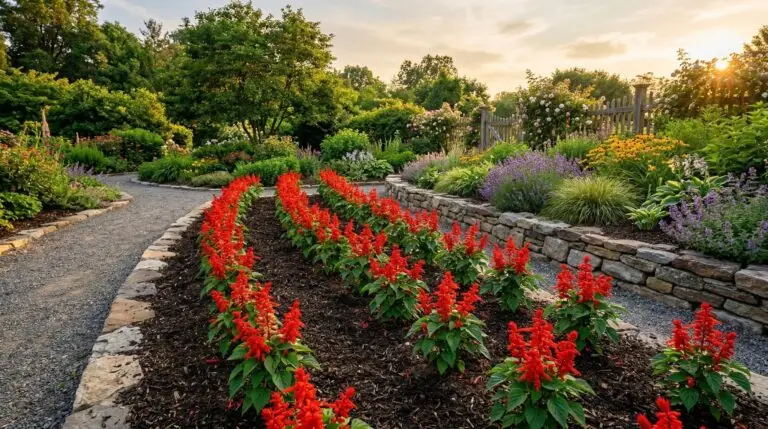
Scarlet sage in mass plantings for the dramatic red carpet effect in public gardens
Enjoying our flower guides? Add YourFlowersGuide as a preferred source on Google. It helps more readers find us.
Add to Preferred Sources