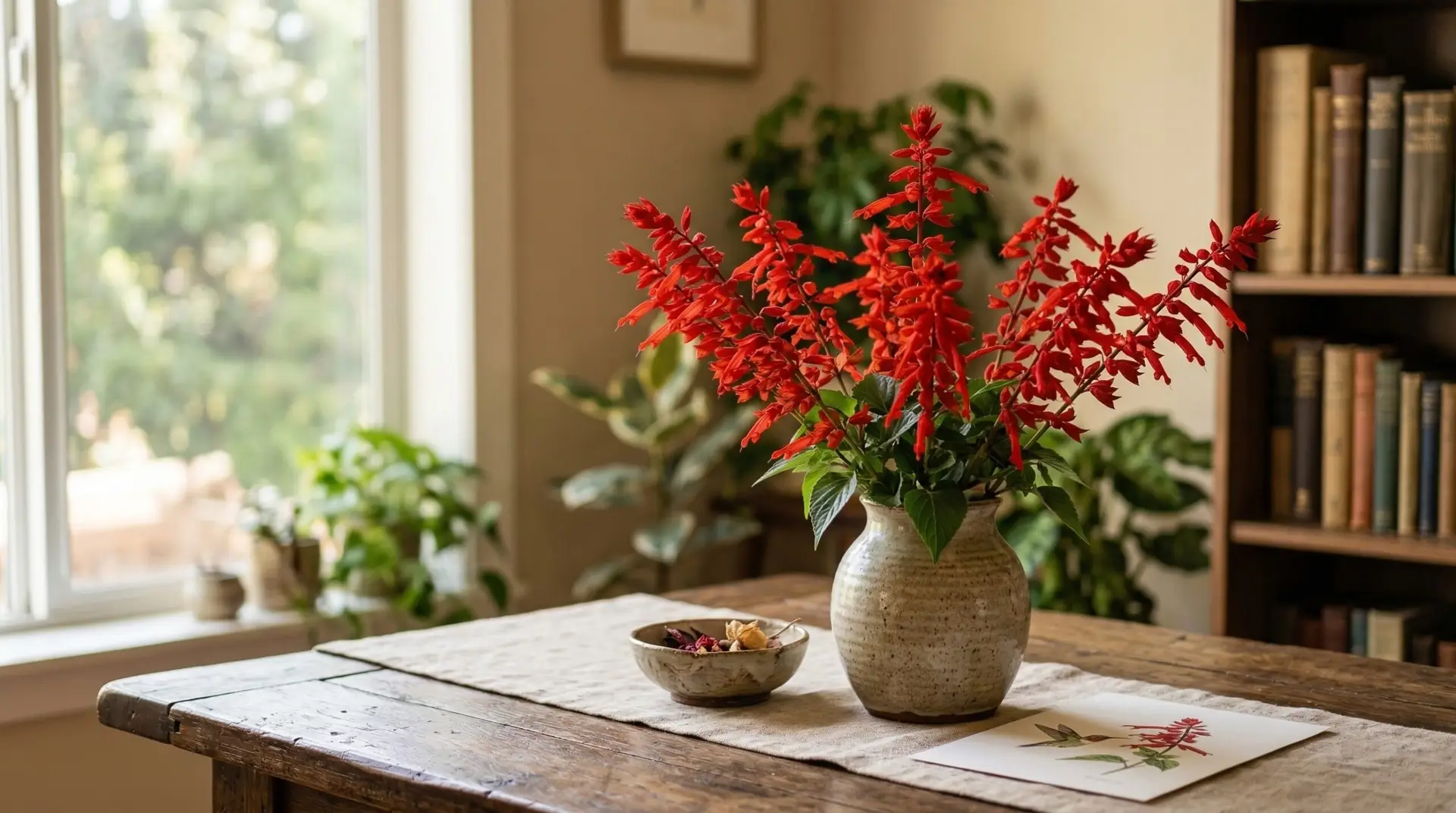
The August morning breaks with a heavy, wet heat that settles over the garden before the sun even clears the tree line. Dew clings to the leaves of the scarlet sage, gathering at the tips until the weight becomes too much and the drops fall to the dark soil below. I am standing with a cup of coffee, watching the light shift across the red spikes, when the air suddenly hums. A ruby-throated hummingbird materializes out of the shadows, hovering with frantic precision before the brightest cluster of blooms. The bird does not land, but rather hangs suspended on invisible wings, probing one flower after another in a systematic harvest. This daily visitation transforms the quiet corner of the yard into a theater of survival and sustenance. The scarlet sage is no longer just a splash of color against the fence, but a vital feeding station for a creature living perpetually on the edge of starvation. It is a moment of pure, wild intention playing out right outside the kitchen window.
To understand the relationship between these two organisms, you only need to look closely at the architecture of the plant. The blossoms of the scarlet sage are long, narrow tubes, the archetypal form of dedicated hummingbird flowers, perfectly shaped to exclude most bees and butterflies while welcoming a needle-like bill. When the bird inserts its beak, its forehead brushes against the anthers, picking up a dusting of pollen to carry to the next plant. This is the quiet bargain struck over millennia of evolution, a mutual agreement where nectar is traded for reproduction. The plant invests immense energy into creating this sugary reward, storing it at the very bottom of the corolla where only specialized foragers can reach it. I often watch the birds work a single stalk upward from the lowest blooms, knowing instinctively which flowers have just opened and which have already been emptied. They are meticulous harvesters, leaving nothing to waste in their endless pursuit of calories.
Contents 3 sections
The mechanics of red flowers
We plant red flowers because they catch the human eye, but the scarlet sage wears this color for an entirely different audience. Hummingbirds have dense concentrations of retinal cones that make them highly sensitive to red and yellow wavelengths, allowing them to spot these colors from incredible distances. Insects, by contrast, generally see poorly in the red spectrum, meaning a bright red flower is effectively invisible to many nectar thieves. This color filtering ensures that the rich nectar reserves are saved for the birds that will actually perform the necessary pollination. I have noticed the birds plotting a deliberate course through the yard, moving from the scarlet sage to the arching stems of bright crocosmia growing near the gate. These crimson and orange beacons are a visual map, guiding the tiny migrants out of the sky and into the understory. The garden becomes a habitat shaped specifically for avian eyes, an environment where human aesthetics are entirely secondary to ecological function.
The true value of the scarlet sage hummingbirds visit daily is its relentless production of nectar. Many spring ephemerals bloom once, offer their pollen, and fade back into the earth, but the scarlet sage is a marathon runner. As long as the days are warm and the soil holds moisture, the plant continues to push up new spikes of tubular flowers, replacing those that wither and drop. This continuous bloom cycle is what makes a salvia hummingbird garden so effective, providing a reliable food source starting in early summer and lasting until the first hard frost. I find myself checking the plants daily, noting how quickly a spent stalk is replaced by fresh buds emerging from the leaf axils. The plant seems to understand the urgency of its visitors, matching their frantic metabolism with an equally aggressive growth habit. It is a tireless provider in a world where food is often scarce and unpredictable.
Cultivating a sanctuary
Building a garden that truly supports these birds requires more than just dropping a single plant into the soil. A thoughtful design mimics the edges of a woodland, offering layers of height and varied textures where birds can feed, rest, and hide from predators. I like to plant scarlet sage in sweeping drifts rather than isolated clumps, creating a mass of color that is impossible for a passing bird to ignore. Behind these mid-sized plants, the broad leaves and towering stalks of a tall canna lily provide an architectural backdrop and another layer of nectar-rich blooms. Down low, spreading out over the warm stones of the path, a sprawling patch of lantana offers smaller clusters of flowers that catch the overflow of pollinators. Arranging these plants is an exercise in anticipation, imagining how the space will function as a living, breathing habitat once the summer heat arrives. The gardener is merely the stagehand, setting the props and stepping back to let the wild actors take over.
There is a specific rhythm to tending these plants, a slow and deliberate practice of observation and maintenance. Pinching back the early growth of the scarlet sage feels counterintuitive, a deliberate delay of gratification, but it forces the plant to branch out and produce twice as many flowering stems. Later in the season, deadheading the spent spikes becomes a meditative chore, a way of keeping my hands in the dirt while encouraging the plant to keep pushing out new blooms. I often find small spiders hiding among the calyxes, waiting for gnats, reminding me that the plant supports an entire microscopic food web alongside the flashy birds. Gardening requires an acceptance of these complex layers, an understanding that every leaf and flower is a shared resource. We do not own the plants we grow, we merely host them for a brief season, facilitating their interactions with the broader world. The dirt under my fingernails is a small price to pay for a front-row seat to this daily ecological drama.
The closing of the season
As September approaches, the light in the garden changes, taking on a golden slant that signals the coming cold. The hummingbirds become frantic, bulking up their fat reserves for the immense journey south across the Gulf of Mexico. During these final weeks, the scarlet sage puts on its most desperate and spectacular show, blooming with a ferocity that borders on panic. I stand by the fence in the cooling evenings, watching the birds fight over the remaining flowers, their angry chitters echoing in the quiet air. Soon the frost will come, the bright red tubes will turn brown and papery, and the air will be empty of that familiar hum. But for now, the connection between the bird and the flower holds strong, a perfect loop of energy and survival playing out in the fading warmth. It is enough to know that the garden provided what was needed, a brief resting place in a vast and difficult world.
More About Scarlet Sage
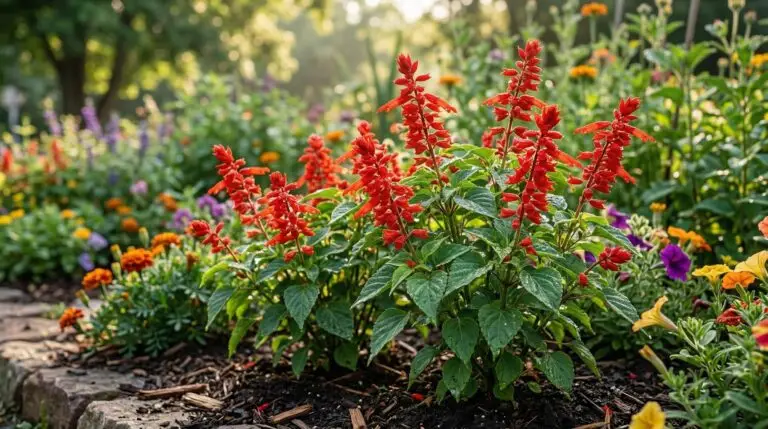
How to grow scarlet sage for blazing red spikes that hummingbirds fight over
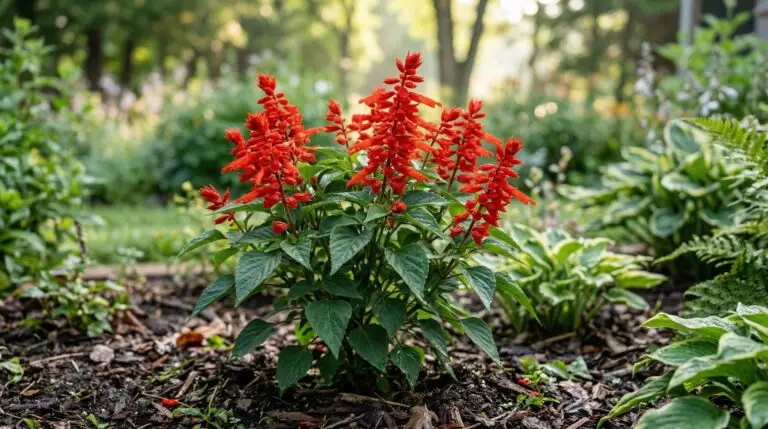
Growing scarlet sage from seed versus buying transplants and which saves money
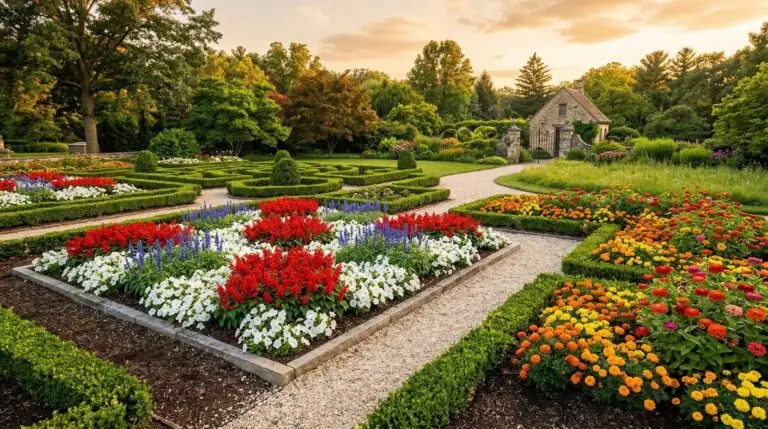
Companion plants for scarlet sage: what to grow and avoid
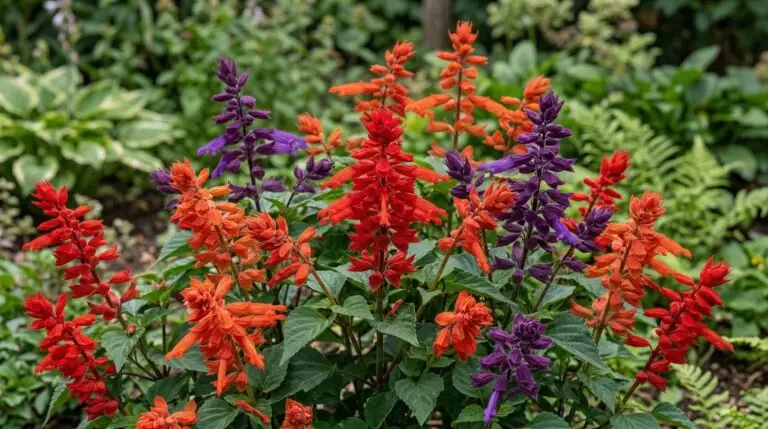
Best scarlet sage varieties beyond basic red including salmon coral and burgundy
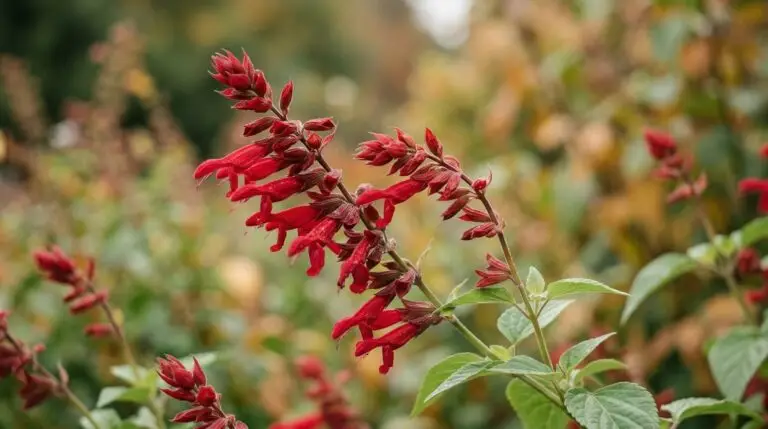
Scarlet sage flower meaning and the fiery passion this red bloom represents
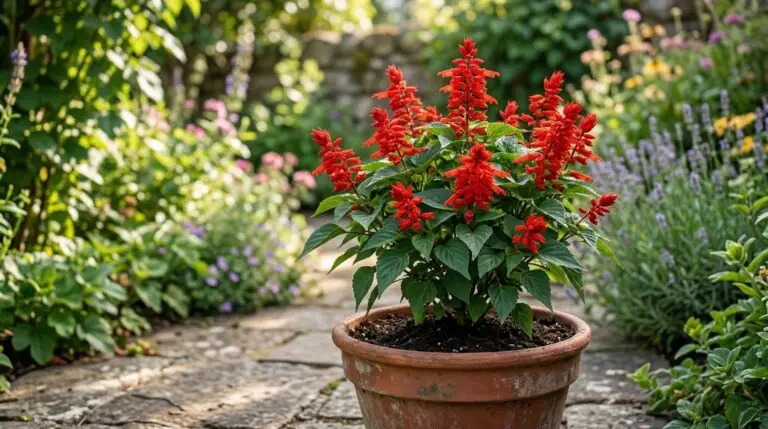
Growing scarlet sage in containers for fiery patio displays and front door drama
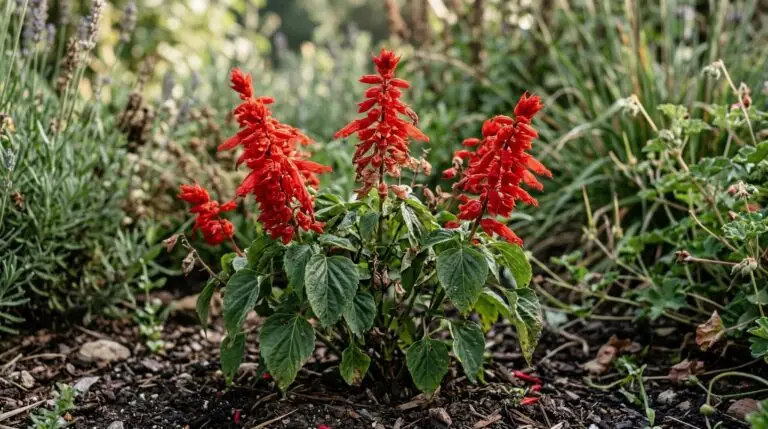
Why scarlet sage gets leggy in midsummer and the pinch-back method for bushy plants
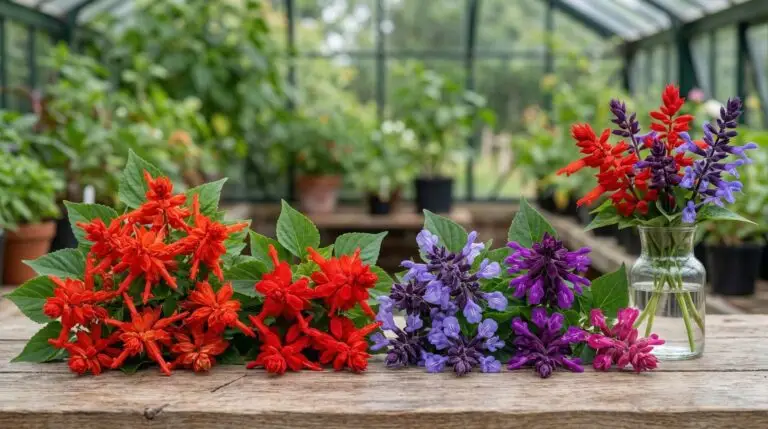
Scarlet sage versus blue salvia and choosing the right salvia for your garden design
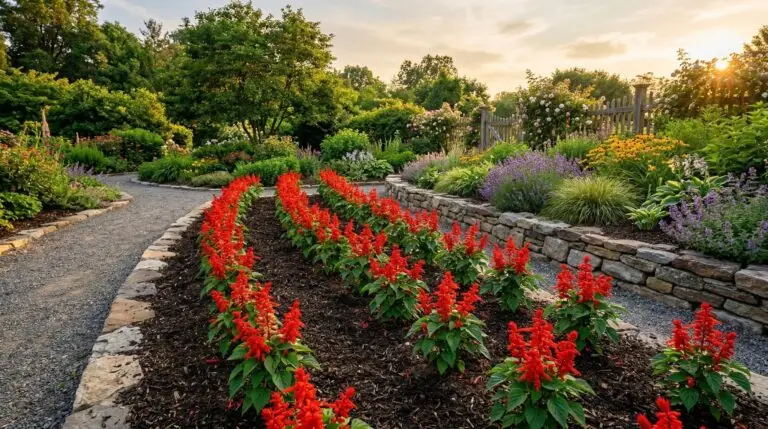
Scarlet sage in mass plantings for the dramatic red carpet effect in public gardens
Enjoying our flower guides? Add YourFlowersGuide as a preferred source on Google. It helps more readers find us.
Add to Preferred Sources