The pairing · pick a flower
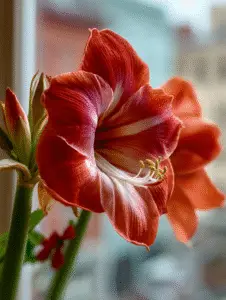 Amaryllis+
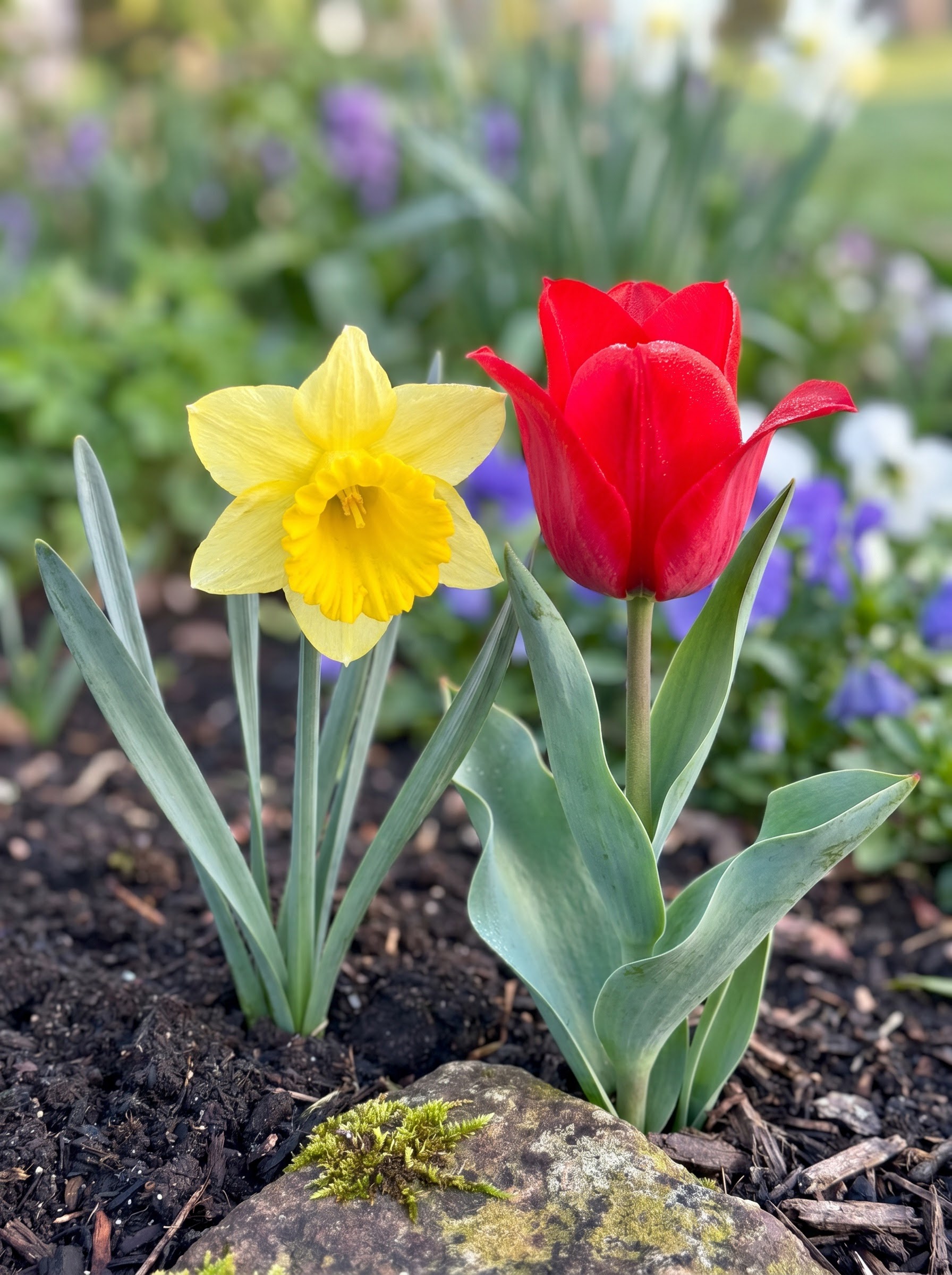 Paperwhite narcissusPartial
The classic gift-bundle pairing: both are sold and forced at the same time in the same bright, cool room, and white paperwhite sprays set off a red or pink amaryllis bloom. Keep them in separate pots.
Amaryllis+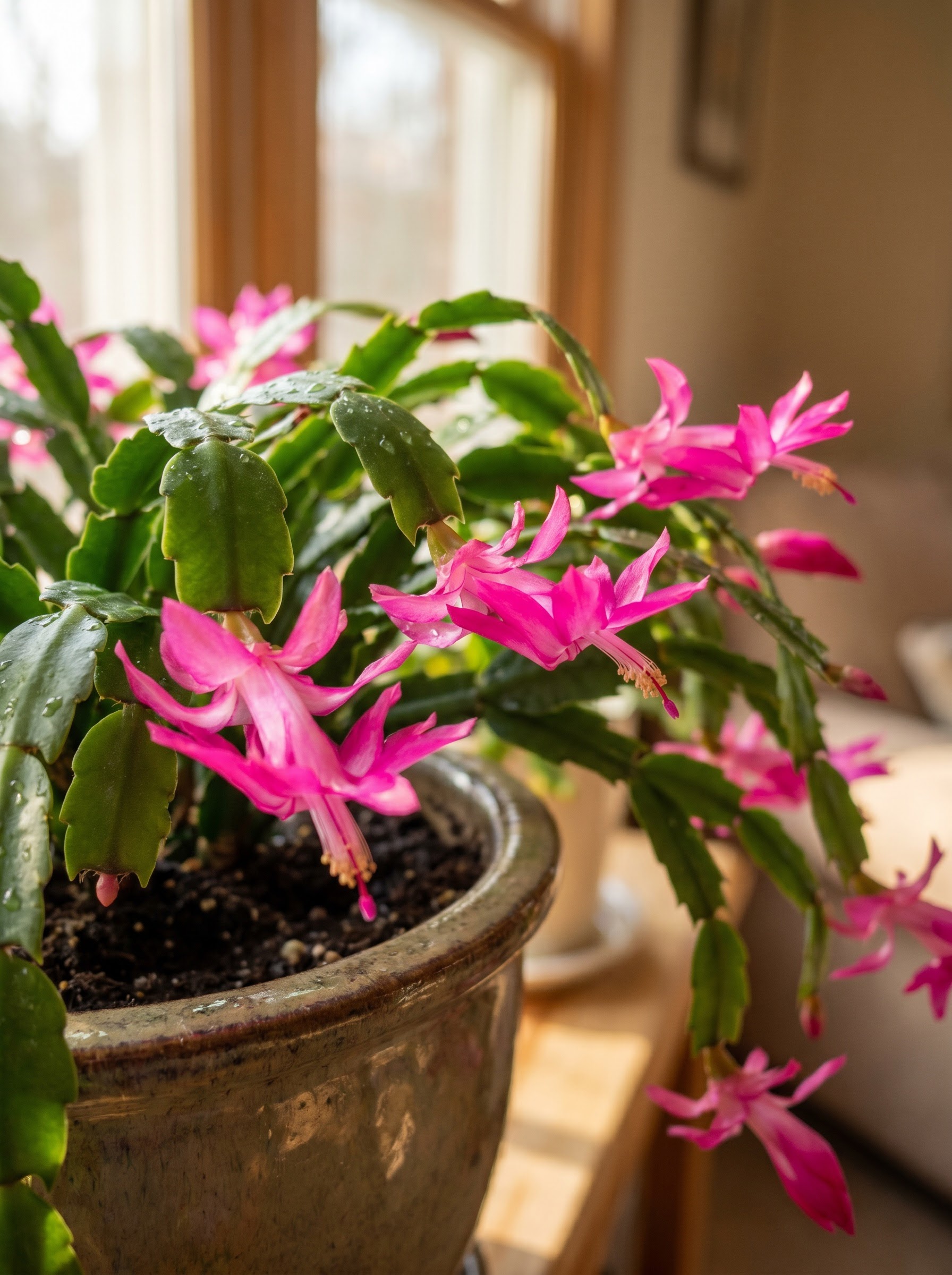 Christmas cactusPartial
Shares amaryllis's bright, indirect light and normal room temperature, so the two can sit on the same shelf, but Christmas cactus wants humidity that amaryllis explicitly does not, so give each its own care routine.
Amaryllis+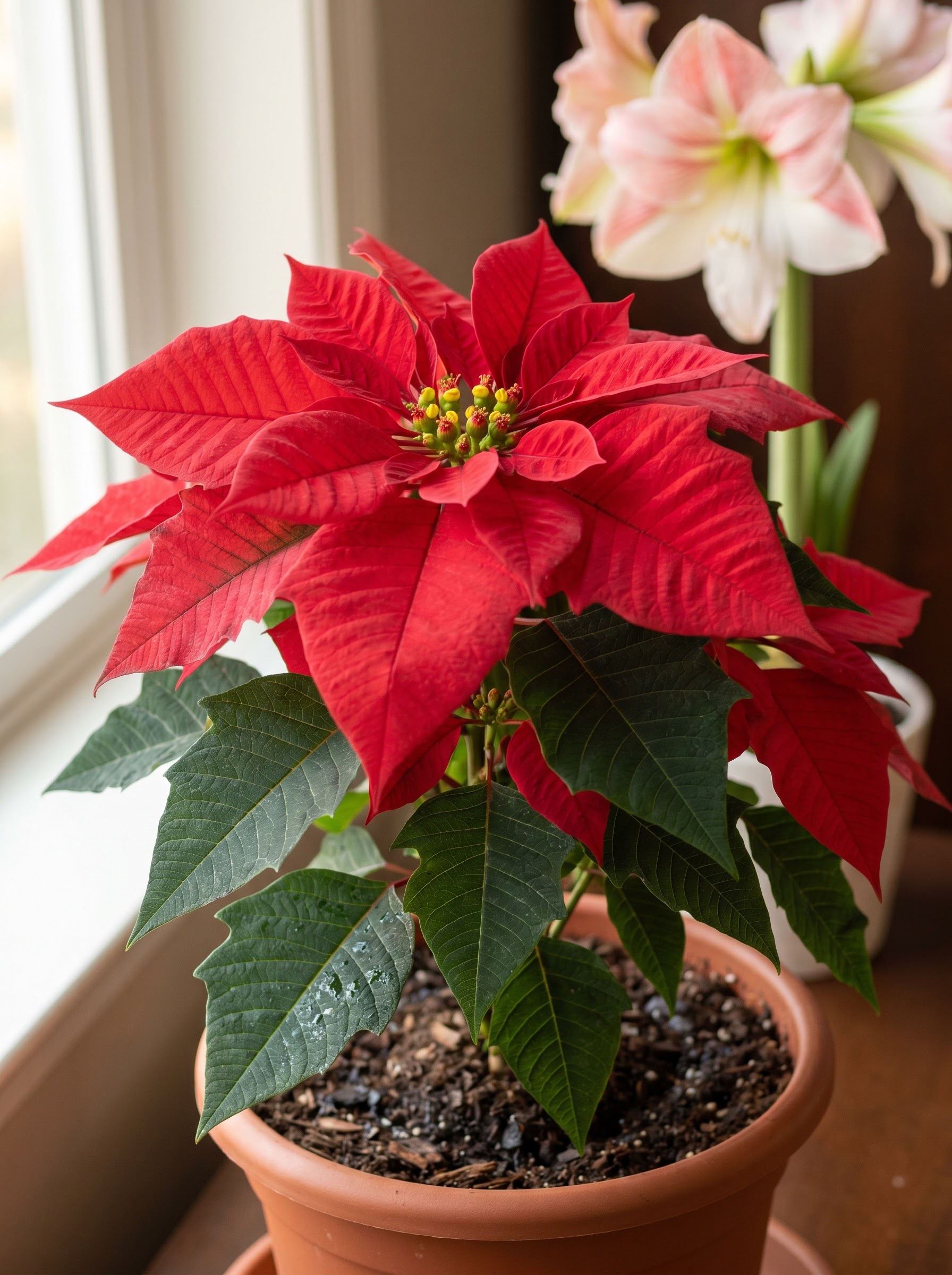 PoinsettiaPartial
The third leg of the classic holiday-plant trio, sharing amaryllis's bright indirect light and comfortable indoor temperature once it is already in bloom and on display.
Amaryllis+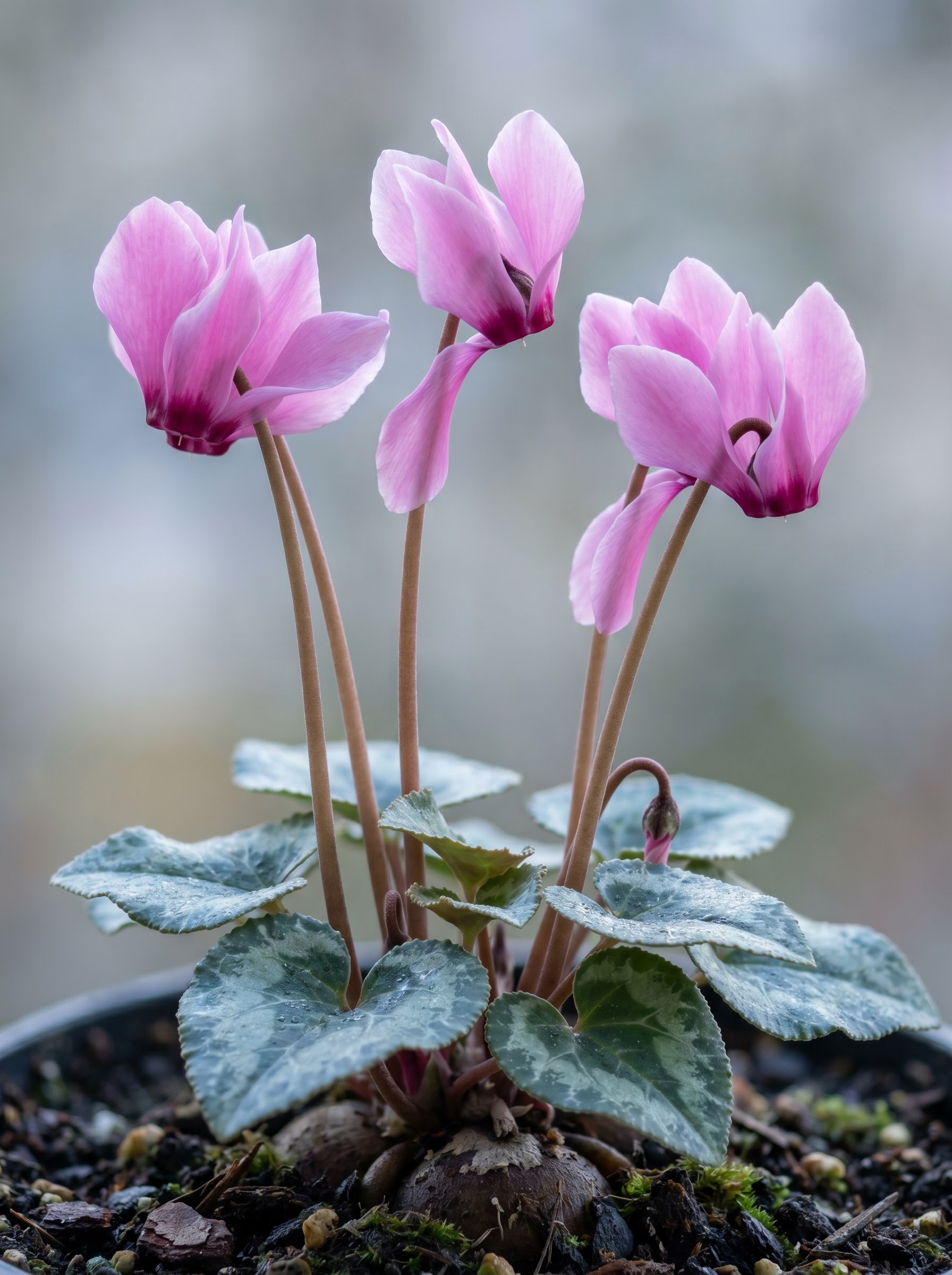 CyclamenPartial
A cool-room, bright-light bloomer on the same winter display timeline as amaryllis, useful for extending color once the amaryllis flowers start to fade.
Amaryllis+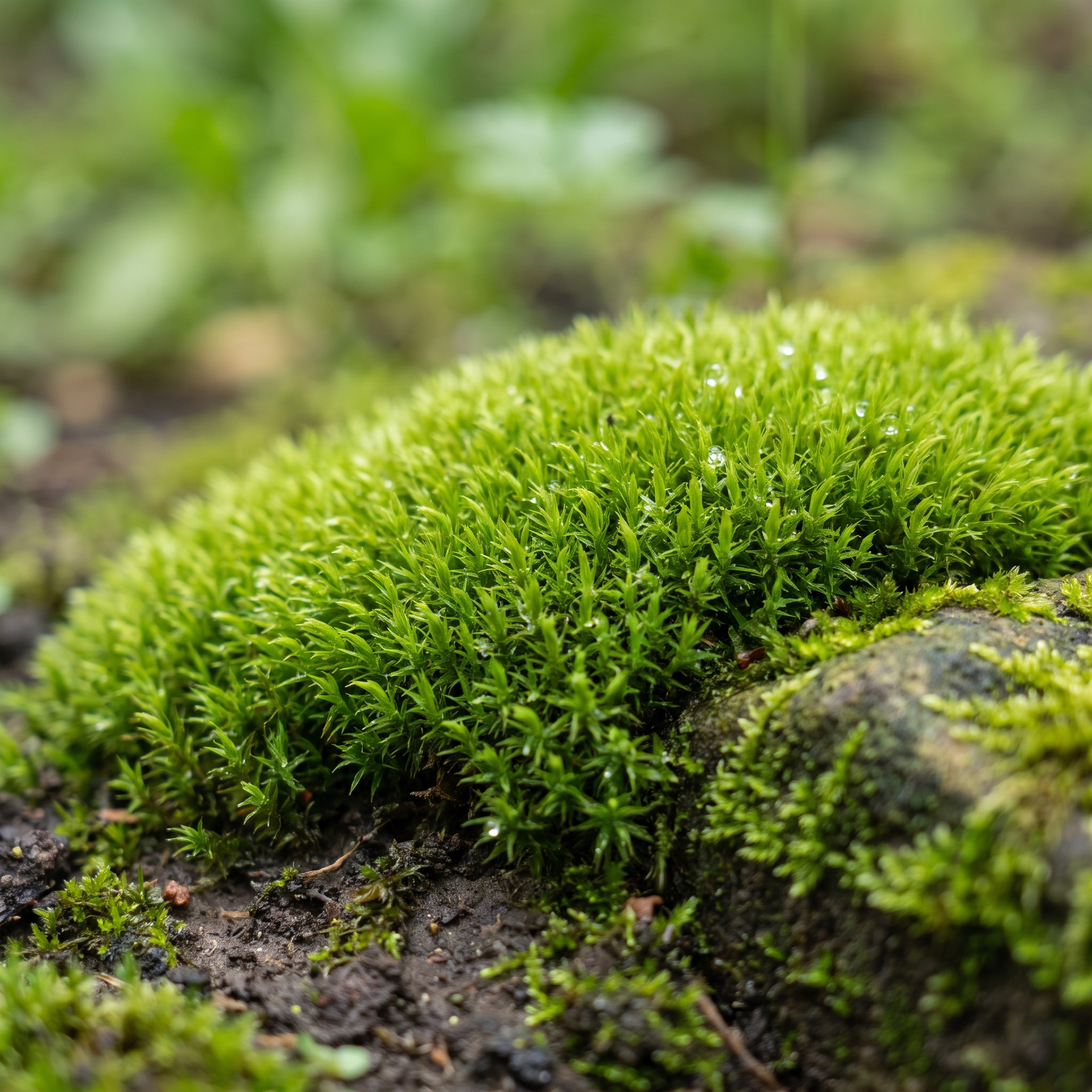 MossFolklore
The one thing that genuinely touches the same container: nurseries tuck moss and greenery around the bulb's base for a finished gift look. This is styling, not a horticultural pairing, and makes no plant-health claim.
All amaryllis companions
5 flower companions, best match first
What not to plant near amaryllis
Most bad neighbours are not evil, they just want the opposite light, water or root run. Here is what to keep away, and what to do instead.
Ripening fruit bowls, gas stoves, and cigarette smoke
Amaryllis has documented high sensitivity to ethylene gas, and wilt is the injury symptom. Ripening fruit, gas appliances, and smoke are all ethylene sources, so a blooming amaryllis kept on the same counter as a fruit bowl can wilt early for no reason the average reader would guess.
Crowding multiple bulbs or mixed forced bulbs into one poorly drained pot
Amaryllis bulbs are already rot-prone in soil that stays wet, and packing several bulbs into one container without real air gaps between them holds moisture right against the bulb shoulders, raising rot risk.
Consistently moist-soil plants in an outdoor bed (zone 9 to 11 only)
Outdoor amaryllis is drought-tolerant once established and needs supplemental water only in extended dry spells, so bedding it next to plants that want regular irrigation, such as impatiens or moisture-loving ferns, sets up a soil that is too wet for the amaryllis bulb.
Cats and dogs near a low holiday display
Amaryllis is toxic to cats, dogs, and horses, with lycorine concentrated most heavily in the bulb; ingestion causes vomiting, hypersalivation, drooling, abdominal pain, and tremors. This is a placement note, not a plant-pairing verdict, but it matters because amaryllis is disproportionately given as a low-table gift during the exact season pets are underfoot.
Deep shade or low-light rooms as a display spot
Spindly, floppy leaves and stalks are the plant's own signal that light is insufficient, and that weakens the bulb and reduces or stops its ability to bloom the following year, so a dim hallway or windowless corner is the wrong home for a display bulb even though it is not a plant-pairing problem in the traditional sense.
The best companions for amaryllis, explained
Most companion-planting pages start from a garden bed. Amaryllis has to start from a windowsill, because that is where almost every reader actually meets this plant: a bulb kit bought or gifted in November, forced into bloom on a table or counter through the darkest weeks of the year. The honest companion strategy for amaryllis is therefore mostly a display strategy, not a bed strategy, and the best pairings are other holiday bulbs and houseplants that share its bright, cool room without ever sharing its pot. Paperwhite narcissus is the pairing almost everyone already owns without asking, since the two are bundled and sold together constantly; both force without a cold treatment, both want a bright, comfortably cool spot, and a white paperwhite spray next to a scarlet amaryllis trumpet is one of the better color contrasts the holiday plant aisle offers. Christmas cactus and poinsettia round out what nursery and extension guides call the big three of winter houseplant care, and all three tolerate the same room temperature and indirect light well enough to sit on one shelf. Cyclamen extends the display season further, since its cool-loving bloom often keeps going after the amaryllis flower fades. None of these plants need to touch the same soil to work together. The pairing lives in the room, not in the root zone, and that is the one honest thing most amaryllis content gets backwards by forcing it into a bed-companion template that does not fit how the plant is actually grown. None of the individual guides that cover poinsettia or Christmas cactus care actually mention amaryllis by name, so treat the shared-shelf pairing as a real, sensible convenience rather than a documented partnership between the three.
A smaller, entirely different story applies if the amaryllis lives outdoors year-round, which only happens reliably in USDA zones 9 to 11. There, it behaves like an actual garden perennial with true bed companions: cordyline, pentas, gardenia, croton, and dwarf azalea, all named together in South Florida landscaping guidance for sharing the same light-shade-to-sun-tolerant, well-drained conditions. This page covers both registers honestly, but weights the larger indoor section first, because that is what the overwhelming majority of readers actually have on the table in front of them.
What not to plant near amaryllis
The single most distinctive, least-covered fact about this flower is not a plant-pairing issue at all: amaryllis is measurably sensitive to ethylene gas, and flower wilt is the documented injury symptom. Ethylene is an invisible ripening hormone given off by fruit as it ages, by gas stoves, and by cigarette smoke, and a blooming amaryllis kept near any of those three things can wilt early for a reason the average reader would never think to check. This is a real postharvest-physiology fact from floral industry research, not a folk warning, and it deserves to lead this section because almost nothing else online frames it clearly. Keep a display bulb off the kitchen counter near the fruit bowl and the range, and it will simply hold its bloom longer.
The closest thing amaryllis has to a classic companion-planting mistake is literal crowding: packing several bulbs, or an amaryllis plus other forced bulbs, into one poorly drained pot cuts the airflow around an already rot-prone bulb and traps moisture right where it does the most damage. Give each bulb its own snug, well-drained container rather than doubling up in one dish. Outdoors, the equivalent mistake is a moisture mismatch rather than a crowding one: amaryllis is drought-tolerant once established and rots in soil that stays consistently wet, so bedding it beside thirsty, regularly irrigated plants like impatiens sets the amaryllis up to fail even though nothing about the pairing looks wrong at a glance. And because amaryllis is disproportionately gifted and displayed at low table height during the exact season pets are underfoot, it is worth stating plainly that the plant is toxic to cats, dogs, and horses, with the toxic alkaloid lycorine concentrated most heavily in the bulb; this is a placement note about where to put the pot, not a verdict on any plant pairing, but it is exactly the kind of honest safety fact this page exists to surface. If pet safety is the main concern driving a holiday plant purchase in the first place, the site’s broader guide to flowers that are actually safe around cats and dogs is the better next stop than amaryllis itself.
Do they like the same conditions?
Amaryllis lives two different lives, and the shared-conditions test has to be run separately for each one. Indoors, it wants bright but indirect light, since intense direct sun through glass can scorch the leaves, along with a comfortable 60 to 70°F room, water withheld at planting until green growth appears, and then only light, even moisture with no standing water in the saucer. It also wants dry foliage and good air circulation rather than the humidity a Christmas cactus enjoys, which is the one real care mismatch between two plants that otherwise share a windowsill perfectly well. Outdoors, in zone 9 to 11 only, the plant flips toward drought tolerance: it wants light, filtered shade or sun-tolerant exposure, well-drained soil that is never soggy, and only supplemental water in extended dry spells, since it is a bulb built for a drier native climate than most bedding perennials expect.
That split is also why the outdoor dormancy period should not be mistaken for a companion-plant problem. A healthy zone 9 to 11 amaryllis dies back for two to four months in mid to late fall, and the yellowing foliage during that stretch is normal biology, not a sign that a neighboring plant is stressing it. Reading a dormant amaryllis as "something nearby killed it" is one of the more common honest misdiagnoses this flower invites, and it is worth naming directly so a reader does not go hunting for a bad companion that was never actually there.
How to plant them together
Indoors, "planting together" almost always means arranging separate pots on the same surface rather than combining root zones, and that distinction is worth keeping literal. Set the amaryllis in its own well-drained container only slightly larger than the bulb, with roughly a third to half of the bulb sitting above the soil line, and give paperwhites, Christmas cactus, poinsettia, or cyclamen their own pots beside it rather than tucking multiple bulbs into one dish. The one place amaryllis actually does share a container is decorative: nurseries commonly nest the bulb in moss with pine sprigs or holly loosely arranged around its shoulders for a finished gift look, and that styling works fine as long as the greenery stays loose enough not to trap moisture against the bulb itself.
Outdoors in zone 9 to 11, true bed planting applies. Amaryllis reads best in clumps of ten or more bulbs of the same color, used as a foundation planting against evergreen shrubbery, which is exactly the role cordyline, gardenia, and croton play in the same regional landscaping guidance: taller, structural plants set 18 to 36 inches behind or beside the low amaryllis clump so they frame it without shading it out. Pentas works at the front edge instead, filling the color gap with nearly continuous bloom while the amaryllis is between flushes or fully dormant, in much the same gap-filling role that low, sun-loving edging plants like sweet alyssum play around other full-sun perennials. In both settings, plant in the fall for a succession of spring bloom, and resist the temptation to crowd the bed the way a forced pot gets crowded, since the drainage math is the same underlying rule in both registers.
Does companion planting actually work for amaryllis?
For most flowers on this site, that question is about whether one plant genuinely helps another through pest deterrence, pollinator draw, or shared culture. Amaryllis does not really have that story. There is no meaningful pest-repellent claim here the way there is for marigold, and no allelopathy case the way there is for black walnut and roses. What amaryllis has instead is a proven physiological sensitivity, ethylene, that most companion content never mentions at all, plus one real crowding-and-drainage mechanism that mirrors the usual rules in miniature. The paperwhite, Christmas cactus, poinsettia, and cyclamen pairings are real and useful, but they are display conveniences backed by shared timing and shared room conditions, not a documented horticultural relationship, so this page tiers them Partial rather than dressing them up as more than they are. The moss-and-greenery styling common on gift bulbs is Folklore in the literal sense that it makes no plant-health claim at all; it simply looks good. The one place this page hands out a confident Proven verdict for a genuine mechanism is the ethylene warning, the ASPCA toxicity listing, and the amaryllis’s own documented drought tolerance once established, all backed by real sources rather than repeated folklore. The crowding-and-rot risk, the light-and-floppy-stalk warning, and the paperwhite and poinsettia display pairings stay tiered Partial, since they rest on sound general horticultural principles and closely on-topic sources rather than a single source naming amaryllis in that exact combination. That mix, mostly honest display convenience with two or three real mechanisms mixed in, is a truer picture of amaryllis than pretending it works like a rose bed.
FAQ
Can you plant amaryllis and paperwhites together in one pot?
They can sit side by side on the same tray or windowsill without any problem, since both are forced holiday bulbs on the same bright, cool-room timeline, but keep them in separate containers. Paperwhites tolerate more consistent moisture and are far less ethylene-sensitive than amaryllis, so sharing one pot’s watering schedule does not suit either bulb well.
What should you never put near a blooming amaryllis?
Ripening fruit, a gas stove, and cigarette smoke are the three genuine ones, because amaryllis is documented as highly sensitive to ethylene gas and wilts early when exposed to it. This is a real, mechanistic warning from floral postharvest research, not folklore, and it is the single most under-covered fact about this flower.
Is amaryllis poisonous to cats and dogs?
Yes. The ASPCA lists amaryllis as toxic to cats, dogs, and horses, with the alkaloid lycorine concentrated most heavily in the bulb; ingestion can cause vomiting, drooling, abdominal pain, and tremors. Keep the pot, and especially the bulb itself, out of reach during the gift-giving season when pets and low table displays are most likely to overlap.
Can I grow amaryllis outdoors with other flowers?
Only reliably in USDA zones 9 to 11, where it behaves as a true perennial. There, cordyline, pentas, gardenia, croton, and dwarf azalea are named together in South Florida landscaping guidance as companions that share its light-shade-to-sun-tolerant, well-drained conditions.
Why did my amaryllis’s leaves die back, and did a companion plant cause it?
Almost certainly not. A two-to-four-month dormancy with yellowing foliage in mid to late fall is normal outdoor biology for this bulb, not a sign that a neighboring plant is competing with or harming it.
Sources
- ASPCA: Amaryllis toxicity
- UF/IFAS EDIS: Amaryllis (Cir-1243/EP060)
- South Florida Plant Guide: Amaryllis
- Wisconsin Horticulture Extension: Amaryllis, Hippeastrum
- Penn State Extension: Poinsettia and Christmas Cactus Care
- UMN Extension: Forcing bulbs for indoor winter color
- University of Maryland Extension: Amaryllis care
- Floralife Research: Avoiding Ethylene Injury on Potted Plants