The pairing · pick a flower
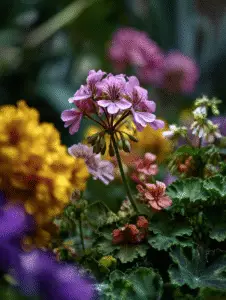 Hardy geranium+
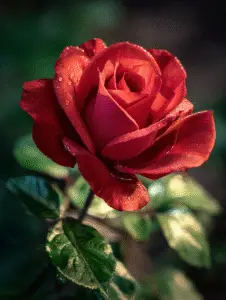 RosesProven
The single most repeated hardy geranium pairing there is: low mounds knit across the rose's bare lower canes, shade and cool the root zone, and the cool blue or pink flowers contrast the rose's usually warmer tones. The Royal Horticultural Society names hardy geraniums directly as good underplanting for rose borders.
Hardy geranium+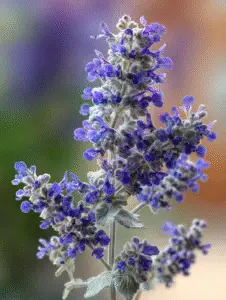 CatmintPartial
A near-identical mounding, billowing habit in the same full sun and well-drained soil, with fine silvery foliage that contrasts geranium's rounder leaves; both plants share the exact growing conditions the Royal Horticultural Society sets out for hardy geranium's own sunny border range, which is why the pairing shows up so often at the front of a rose or herbaceous border.
Hardy geranium+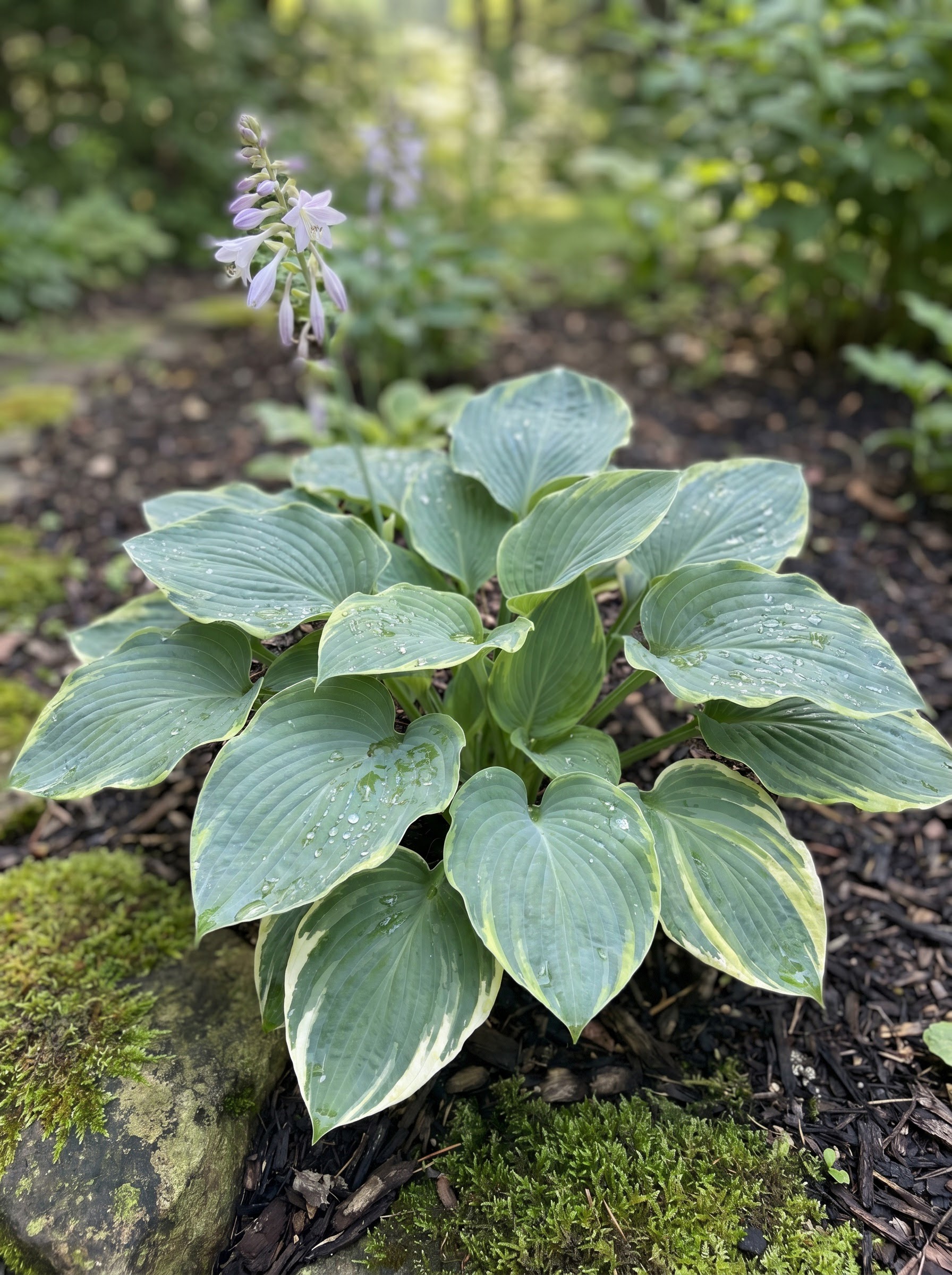 HostaPartial
Shade-tolerant geranium species share hosta's part-to-full shade and steady moisture, and the two foliage forms, broad ribbed leaves against finely cut ones, are named specifically as the textural anchor that keeps a shade bed from reading as flat green.
Hardy geranium+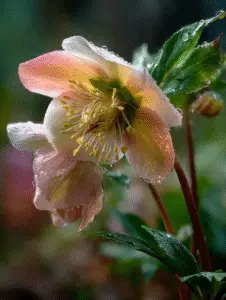 HelleborePartial
Blooms in late winter to early spring before geranium is even up, extending the shade border's season, and shares the same partial shade and evenly moist, well-drained soil the whole rest of the year.
Hardy geranium+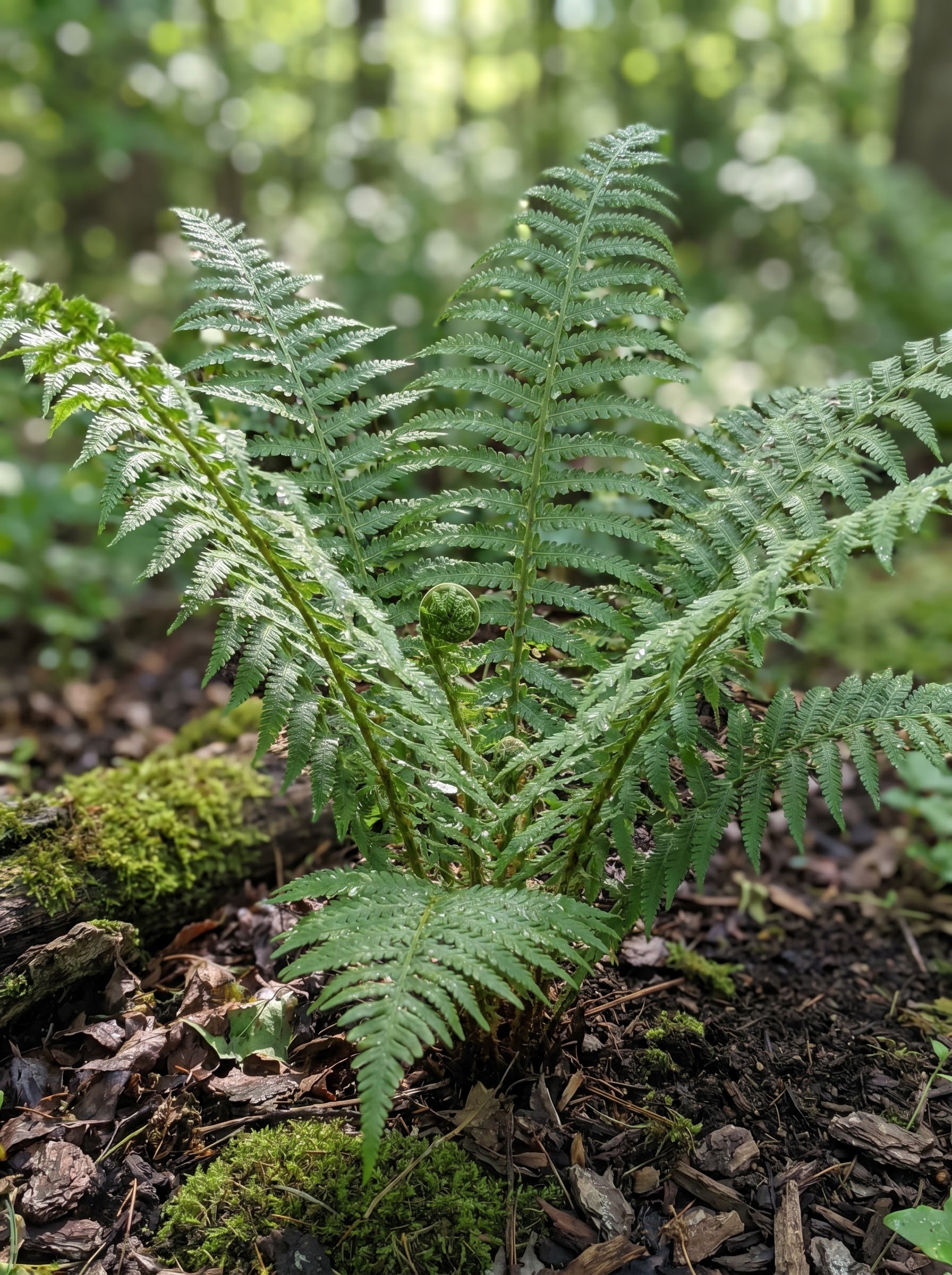 FernPartial
Wants the same part-to-full shade and steady, humus-rich moisture as shade-tolerant geranium species, and its feathery fronds are a repeated texture-contrast pairing against geranium's own cut foliage in woodland-border planting.
Hardy geranium+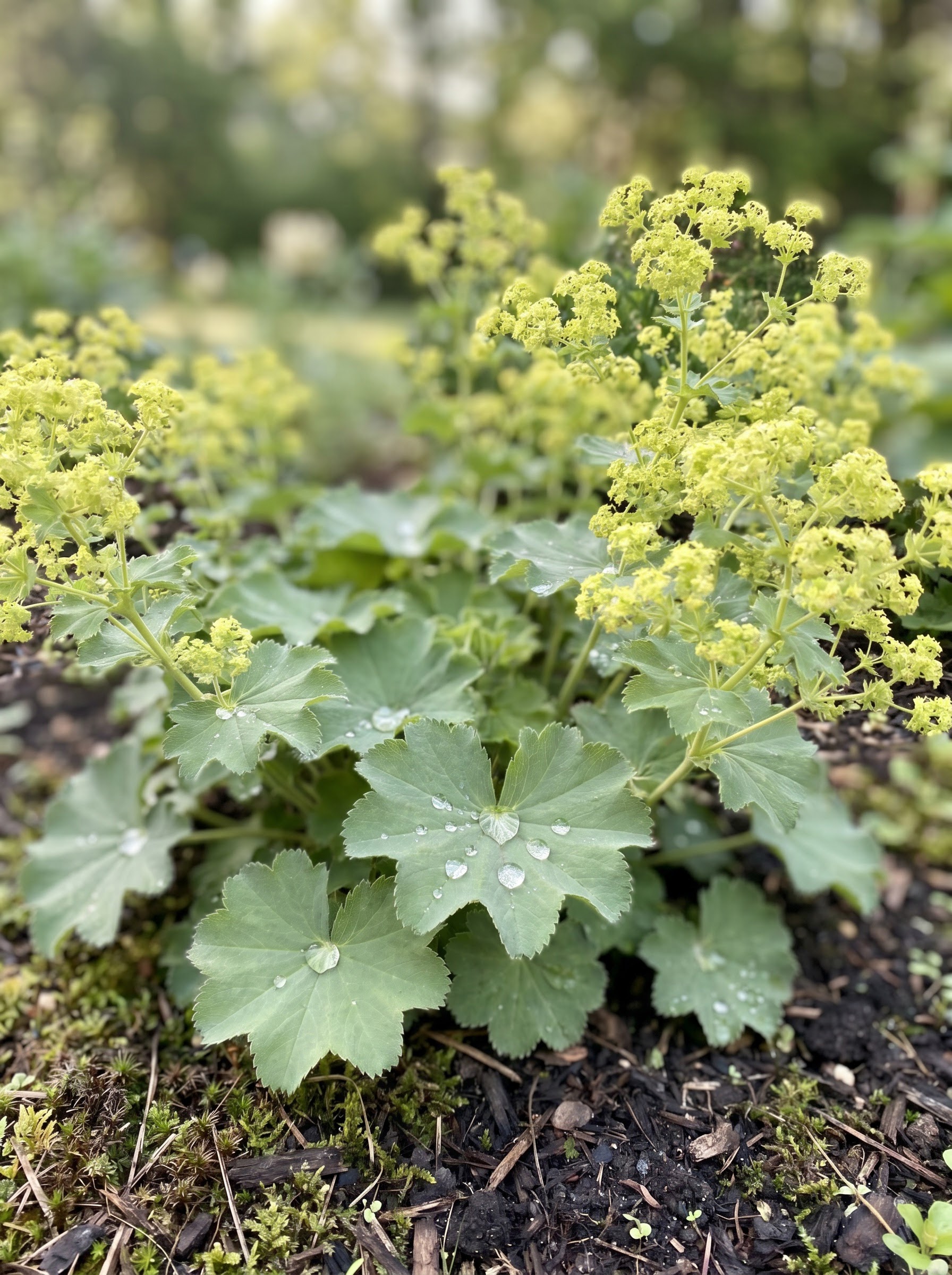 Lady's mantlePartial
Chartreuse foliage and frothy lime flower sprays are a deliberate color mechanic against magenta or pink-toned geraniums, and both tolerate the same part shade to sun range and average, medium-moisture soil.
Hardy geranium+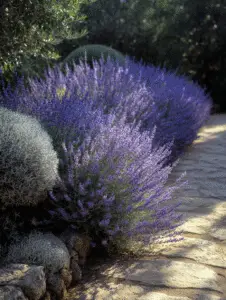 LavenderPartial
Named repeatedly for its vertical, silvery contrast to geranium's low mounding habit, but this only cleanly works with the sunniest, most drought-tolerant geranium types in sharp drainage; lavender wants leaner, drier soil than most border geraniums, and consistently damp ground is a documented route to its decline.
Hardy geranium+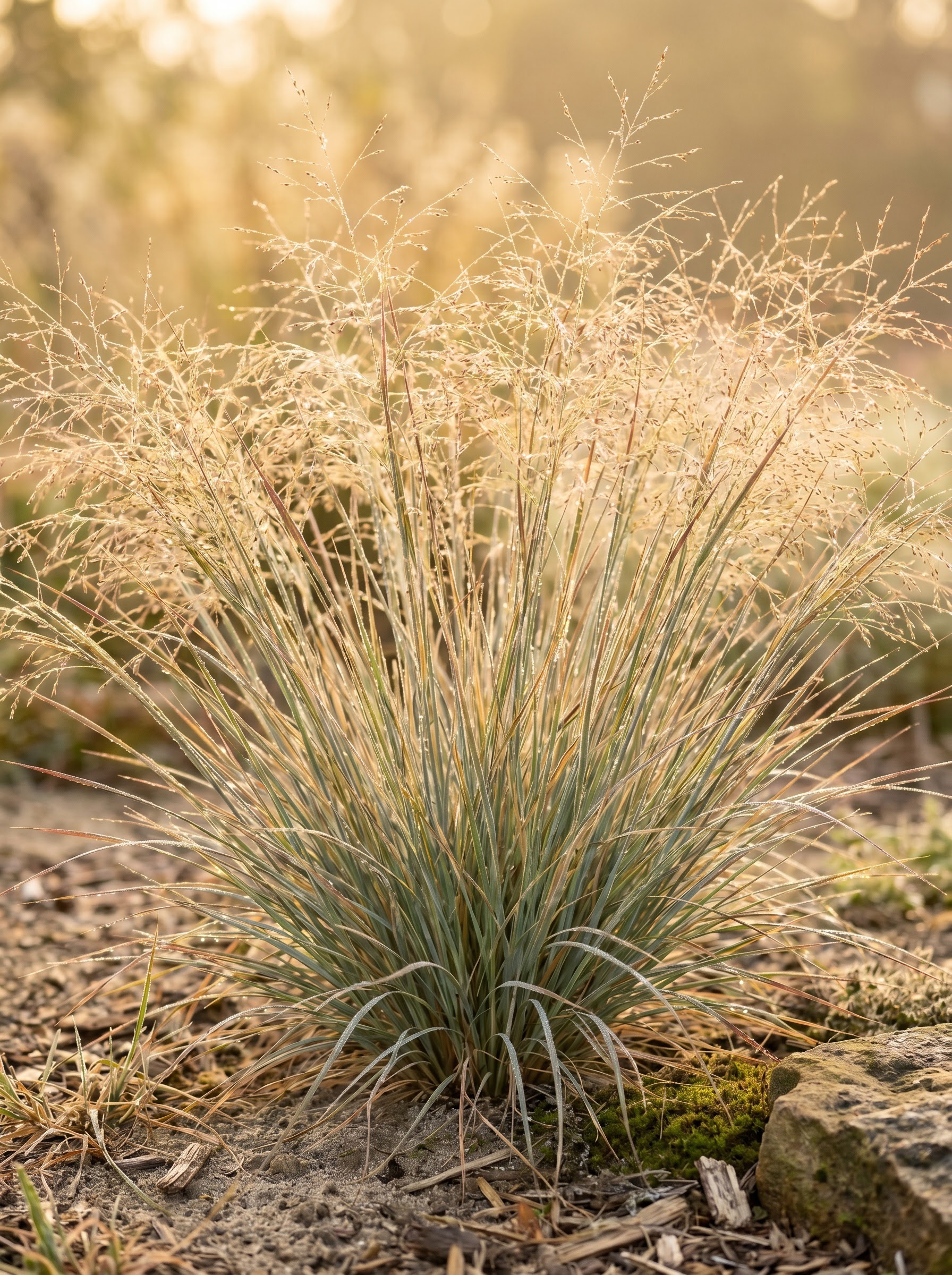 Ornamental grassesPartial
Little bluestem thrives in full sun and poor-to-average, well-drained soil, the same conditions sun-loving geranium species prefer, and extension guidance names it as a border accent alongside sedum, yarrow and coneflower for exactly the kind of vertical, see-through texture geranium's flat mounds lack.
Hardy geranium+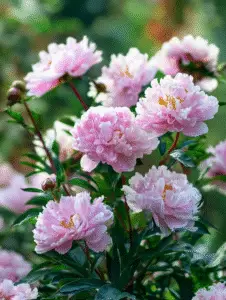 PeonyFolklore
Shares geranium's preference for full sun to light shade and average, well-drained soil, and low geranium mounds at its feet cover the bare stems peony leaves behind once its own bloom is finished.
Hardy geranium+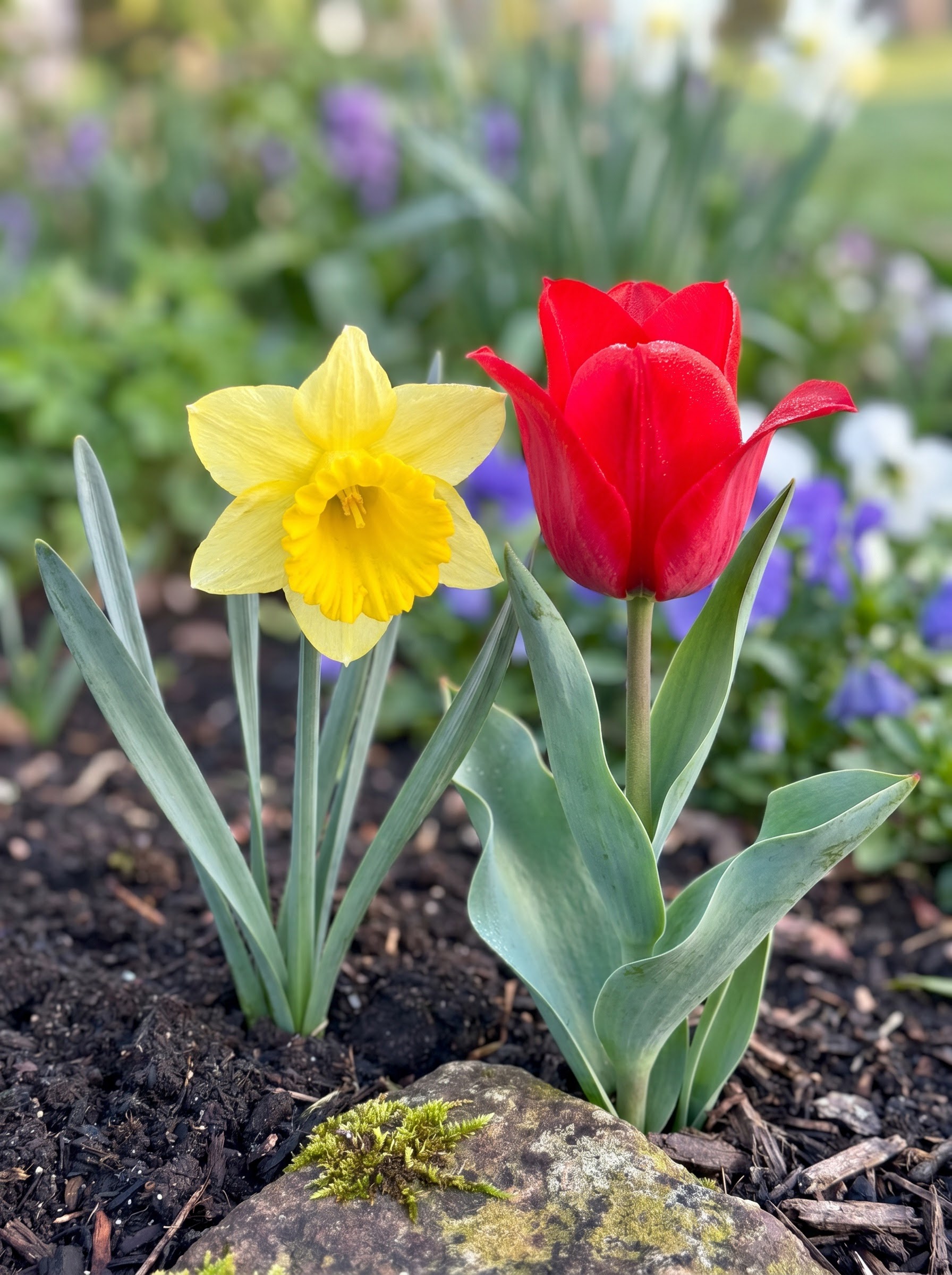 Daffodils andPartial
Geranium's expanding spring foliage grows over spent daffodil and tulip leaves right as they yellow and go dormant, hiding the fading bulb foliage without the two ever competing for light or root space.
Hardy geranium+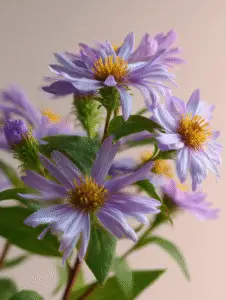 AsterFolklore
Tolerates the same average, well-drained soil and full sun to light shade many border geraniums want, and its fall bloom picks up the color once geranium's main flush is finished for the year.
All geraniums companions
11 flower companions, best match first
What not to plant near geraniums
Most bad neighbours are not evil, they just want the opposite light, water or root run. Here is what to keep away, and what to do instead.
True xeric, full-sun-only specialists in shade or rich, moist beds (most lavender, rosemary, russian sage, many salvia)
These plants need at least 6 hours of direct sun and soil that dries out between waterings; tucked into the shadier, richer conditions many border geraniums are happily planted in, they get leggy, stop flowering, and risk rot from soil kept as evenly moist as geranium prefers. Geranium itself is unaffected either way, so the caution here is about protecting the companion rather than the geranium.
Boggy, waterlogged spots
Geranium tolerates a wide range of soils but not standing water; RHS growing guidance specifically flags waterlogging, especially over winter, as the one condition hardy geranium genuinely dislikes, which rules out pairing it with true bog or marginal pond plants in a shared wet spot.
Small, slow-establishing or delicate plants placed directly in the path of a vigorous spreading species (G. macrorrhizum, G. sanguineum)
Geranium macrorrhizum and G. sanguineum spread steadily by rhizome into a dense, weed-resistant mat; this is well-documented, controllable groundcover behavior rather than invasiveness, but a delicate or slow-establishing neighbor planted right in its path can lose ground to it for light and root space over a season or two.
The best companions for hardy geraniums, explained
A hardy geranium rarely gets planted as the star of a bed. It gets planted as connective tissue, the low mounding drift that unifies whatever taller, showier plant sits around it, which is exactly why the strongest companions are the ones that let that job happen rather than compete for the spotlight. The single most repeated pairing in every source checked is roses: geranium mounds knit across a rose’s bare lower canes, shade and cool the soil at its feet, and set the rose’s usually warm blooms against cool blue, purple, or pink flowers. The Royal Horticultural Society names hardy geraniums directly as good underplanting for sunny rose borders, which tells you this isn’t a design-blog invention but a documented, repeated use. Catmint mirrors geranium’s own billowing, mounding habit almost exactly, just with finer, silvery foliage and the same appetite for full sun and well-drained soil, the same conditions the RHS sets out for hardy geranium’s sunny border range, which is why the two show up together in cottage borders as often as either shows up with roses alone.
Move into shade and the companion set shifts entirely, because shade-tolerant geranium species like Geranium macrorrhizum and G. phaeum thrive under trees where sun-lovers can’t. Hosta is the classic partner here, its broad ribbed leaves reading as a deliberate textural anchor against geranium’s own finely cut foliage, the kind of contrast that keeps a shade bed from collapsing into one undifferentiated patch of green. Ferns, particularly lady fern and Japanese painted fern, do the same job from the opposite direction, their feathery fronds cutting against geranium’s more solid mounds while asking for the same steady, humus-rich moisture. Hellebore rounds out the shade set on a seasonal basis rather than a textural one: it blooms in late winter, well before geranium is even up, so a border built around both never has a gap in interest through the coldest months. Lady’s mantle earns its spot for color rather than shade tolerance alone, its chartreuse foliage and frothy lime flower sprays doing real work against a magenta or deep pink geranium the way a cool color always sharpens a warm one nearby. Further out, geranium’s low mounds also solve a problem gardeners rarely plan for directly: its spring foliage expands right over spent daffodil and tulip leaves as they yellow and go dormant, which makes planting bulbs beneath an established geranium’s crown in fall a genuinely practical trick as well as a pretty one.
What not to plant near hardy geraniums
This is the shortest avoid section on this site, and that’s worth saying plainly rather than padding it out to look more dramatic than the evidence supports. Hardy geranium has no documented allelopathy, no disease it’s known to spread to neighbors, and a reputation across every extension and botanical garden source checked as one of the most forgiving perennials available. What genuinely goes wrong is a conditions mismatch, and it almost always runs one direction: a strict full-sun, dry-soil plant gets tucked into a spot that suits geranium’s shadier, moister range just fine. Lavender, rosemary, russian sage, and most salvia types need at least six hours of direct sun and soil that dries out between waterings; planted where a border geranium is thriving, they go leggy, stop flowering, and risk genuine rot from soil kept as evenly moist as geranium prefers. The geranium itself is not the one at risk here. It tolerates the same spot with no trouble either way, which flips the usual logic of an avoid list: this isn’t a warning about protecting the geranium, it’s a warning about protecting the companion from a spot that geranium’s own flexibility makes easy to misjudge.
The other two real cautions are just as low-drama. Geranium dislikes standing water, particularly through a wet winter, which the Royal Horticultural Society names specifically as the one condition to genuinely avoid, so a true bog or rain-garden pocket built for marginal pond plants is a poor site for it regardless of how well-drained the rest of the bed is. And the rhizomatous spreading species, Geranium macrorrhizum and G. sanguineum especially, form a dense, steadily expanding mat that is well-documented as controllable groundcover rather than invasive, but a small or slow-establishing plant set directly in its path can lose ground over a season or two simply from being outcompeted for light at soil level. Neither of these is a chemical or disease-based threat. Both solve with ordinary garden judgment: keep geranium out of wet ground, and give a delicate neighbor either a head start or a clear boundary against a vigorous spreader. No other candidate surfaced with real evidence behind it, and the honest choice is to say so rather than borrow a generic "aggressive spreader" warning that doesn’t actually apply to this particular plant.
Do they like the same conditions?
The rule that filters this whole list is unusually wide, which is precisely what makes hardy geranium one of the most flexible flowers on this site to plan a bed around. Full sun to partial shade both work, genuinely, and this is a real range rather than a soft-pedaled one: Geranium sanguineum takes six or more hours of direct sun even in northern zones, while macrorrhizum and phaeum are specifically recommended for underplanting trees and shrubs on as little as two to six hours. University of Tennessee’s botanical garden staff highlight hardy geraniums by name as standout performers in exactly those difficult, shaded, under-tree spots most perennials struggle with, which is a genuine differentiator most border plants can’t claim. Water tolerance follows the same pattern. Moderate drought tolerance is typical once established, more so in macrorrhizum and sanguineum than in moisture-loving hybrids like ‘Rozanne’, and the plant adapts to clay, sand, or average garden soil without much complaint. The one hard limit is waterlogging, especially in winter, which is the closest thing to a genuine failure point this plant has.
That width is also where the honest myth-busting lives, and it runs opposite to how most companion pages frame this question. For a plant like hydrangea, the shared-conditions test usually filters out a companion because the companion can’t survive the host’s narrower demands. Here it’s almost always the reverse: geranium can handle nearly any spot you put it in, so the real test is whether the companion’s stricter needs are met, not whether geranium’s are. That’s why lavender earns a caveat rather than an outright avoid. It’s a real, repeatedly named pairing for the vertical, silvery contrast it brings against geranium’s rounded mounds, and it genuinely works, but only where the bed leans sunny and lean-draining enough for lavender’s own comfort, since consistently damp soil is a documented route to its decline. Plant a shade-loving geranium species in a rich, evenly moist border and lavender alongside it is fighting its own conditions, while the geranium itself stays perfectly content.
How to plant them together
Layer by light regime first, then by height and season within it, rather than mixing sun-lovers and shade-lovers into one geranium planting and hoping the geranium’s own flexibility papers over the mismatch. In an open, sunny border, catmint and lavender sit 12 to 24 inches from geranium’s crown, close enough to billow together but far enough that neither is smothering the other’s base; ornamental grasses like little bluestem go slightly further out, 18 to 24 inches, positioned so their upright, see-through form and fall color show once geranium’s earlier bloom has faded. Under a rose, keep geranium 12 to 18 inches from the base, near enough for its mound to reach and cover the bare lower canes without crowding the crown itself or trapping moisture against it.
In a shade bed the spacing tightens slightly, since the plants involved are generally more compact and forgiving of closer quarters. Hosta and fern sit 10 to 18 inches from geranium depending on mature size, hellebore about 12 to 18 inches so its evergreen winter foliage isn’t overrun by geranium’s summer growth, and lady’s mantle at a similar distance wherever the chartreuse-against-magenta contrast will read best from the path. For spring bulbs, the trick is timing rather than spacing: plant daffodil or tulip bulbs directly beneath or just in front of an already-established geranium’s crown in fall, so the geranium’s own expanding spring foliage naturally arrives right as the bulb leaves start to yellow and covers them without either plant needing help. Wherever the bed sits, mulch two to three inches deep, which holds the even moisture nearly every companion here wants and keeps any of geranium’s own vigorous spreading species contained to where you actually want the groundcover.
Does companion planting actually work for hardy geraniums?
Some of it rests on real, documented overlap, and some of it is closer to a repeated design habit worth naming honestly rather than dressing up as horticultural fact. The strongest claim on this page is the rose pairing: it isn’t just a shared-conditions coincidence, it’s a named, deliberate use that shows up in Royal Horticultural Society guidance specifically, which recommends hardy geraniums directly for underplanting sunny rose borders. The mechanism gardeners cite for why it works, hiding bare canes, cooling the root zone, contrasting bloom color, is repeated widely enough across independent growing sources to trust, even though it’s the shared conditions and low habit doing the documented lifting rather than a named RHS explanation of the mechanism itself. The shade-garden pairings, hosta, fern, and hellebore, rest on the same kind of real overlap: all three genuinely want the same part-to-full shade and steady moisture that shade-tolerant geranium species do, which is why extension sources list them for shade borders independent of geranium at all, and the textural or seasonal benefit layers naturally on top of that shared foundation.
Where the evidence thins out is anywhere claiming geranium actively protects or improves a neighboring plant, beyond simply not fighting it for light and water. The pest-repellent claims attached to scented geranium foliage, deterring aphids or deer, show up constantly in gardening folklore and inconsistently in the sources that have actually tested it, which puts them squarely in the same category as most "repels bugs" claims across this site: possible in a minor way, unproven as a real strategy, and no substitute for correct spacing and airflow. The peony and aster pairings are a similar case. Both share geranium’s sun-to-light-shade range and average soil comfortably, and gardeners repeat the pairing often enough that it’s worth listing, but no independent source ties the specific benefit, hiding peony’s post-bloom foliage, echoing aster’s fall color, to geranium by name rather than just to shared growing conditions in general, which is exactly the honest line between a Proven mechanism and a popular, plausible habit. That’s the real verdict here: match the wide sun-to-shade range this plant offers, respect its one hard limit against standing water, and treat anything beyond that as a design choice rather than a rule.
FAQ
What can I plant in front of hardy geraniums?
Lower, front-of-border plants that share the same conditions work best: lady’s mantle for a chartreuse color echo against magenta or pink geranium, or sweet alyssum and pinks in a sunnier bed. In shade, a smaller hosta cultivar or a low fern at the front edge does the same job without shading out the geranium behind it.
What should you not plant near geranium?
There’s genuinely little to avoid. The real caution is planting a strict full-sun, dry-soil plant like lavender or russian sage in the shadier, moister spot a border geranium is happy in, since the geranium tolerates it fine but the companion struggles. Beyond that, keep geranium out of waterlogged ground and give any small, delicate plant a head start against the vigorous spreading species.
Does hardy geranium spread too much?
Geranium macrorrhizum and G. sanguineum spread steadily by rhizome into a dense mat, and Missouri Botanical Garden describes this as vigorous but genuinely controllable groundcover behavior rather than invasive spread. It’s easy to divide or pull back if it presses into a neighbor’s space, and dividing it every few years keeps it in bounds.
Can I plant hardy geranium under a tree?
Yes, and it’s one of the better perennials for exactly that spot. Shade-tolerant species like G. macrorrhizum and G. phaeum are specifically recommended for underplanting trees and shrubs, tolerating as little as two to six hours of light where many border perennials would fail.
Is hardy geranium the same as the geranium I grow in pots?
No, and the mix-up is common enough to name directly. The geranium most people grow in summer containers and window boxes is Pelargonium, a tender, full-sun, thirsty plant treated as an annual outside zones 10 to 11. Hardy garden geranium, the perennial cranesbill this guide covers, is a completely different plant: cold-hardy, shade-tolerant, and built for borders rather than pots.
Sources
- Royal Horticultural Society, Hardy geraniums
- Iowa State University Extension, All About Hostas
- University of Vermont Extension, Growing Hellebores
- North Carolina State Extension Gardener Plant Toolbox, Athyrium filix-femina
- Missouri Botanical Garden Plant Finder, Alchemilla mollis
- Missouri Botanical Garden Plant Finder, Geranium macrorrhizum
- Utah State University Extension, How to Grow English Lavender in Your Garden
- University of Wisconsin-Madison Extension (Horticulture), Little Bluestem
- UT Gardens, The State Botanical Garden of Tennessee, Hardy Geraniums Stand Out Under Trees and Shrubs
More About Geranium
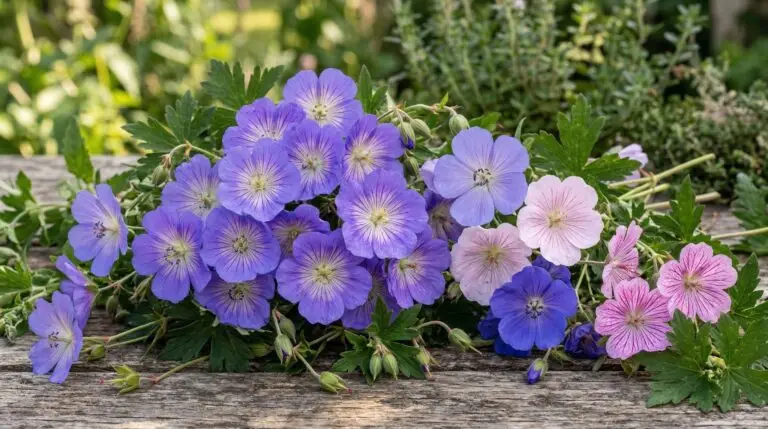
Best hardy geranium varieties from the legendary Rozanne to shade-loving types
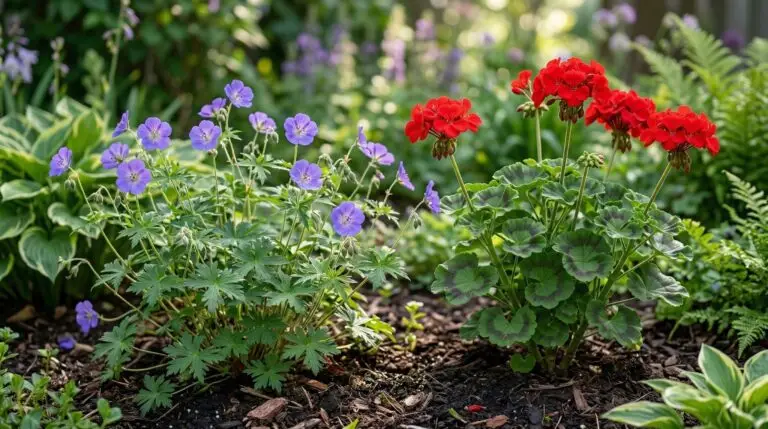
How to grow hardy geraniums for carefree ground cover that blooms for months
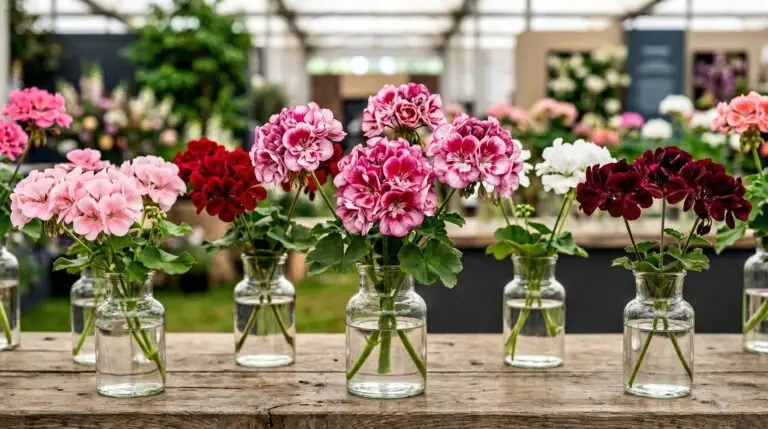
Geranium Rozanne and why one plant became the most popular perennial in the world
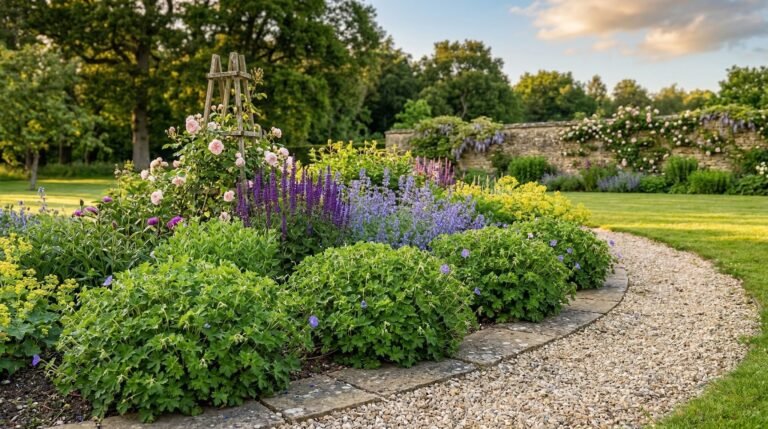
How to cut back hardy geraniums in midsummer for fresh foliage and a second flush
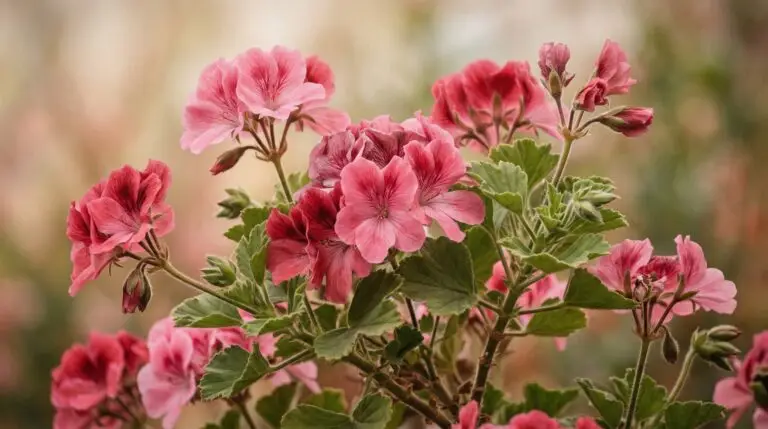
Geranium flower meaning and the Victorian message of comfort and true friendship
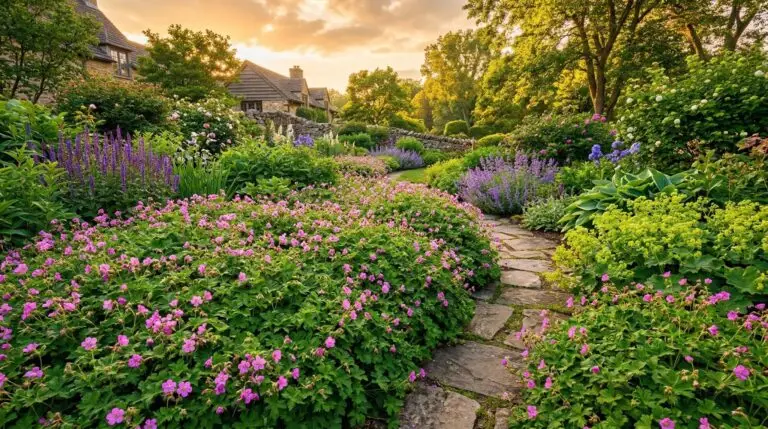
Using hardy geraniums as weed-suppressing ground cover under roses and shrubs
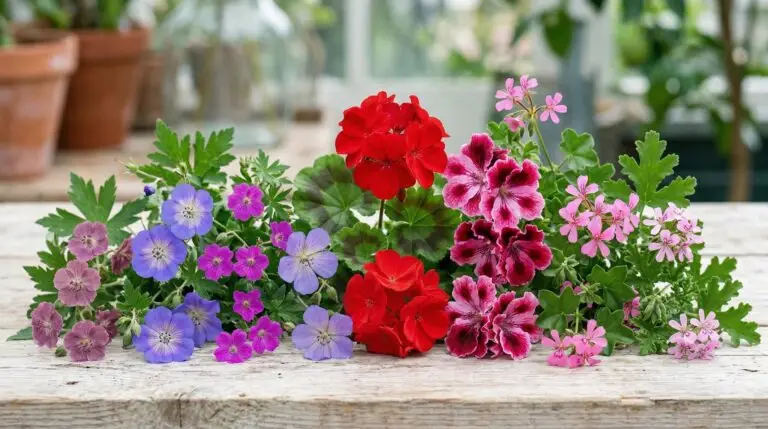
Hardy geraniums versus pelargoniums and why the garden world confuses them
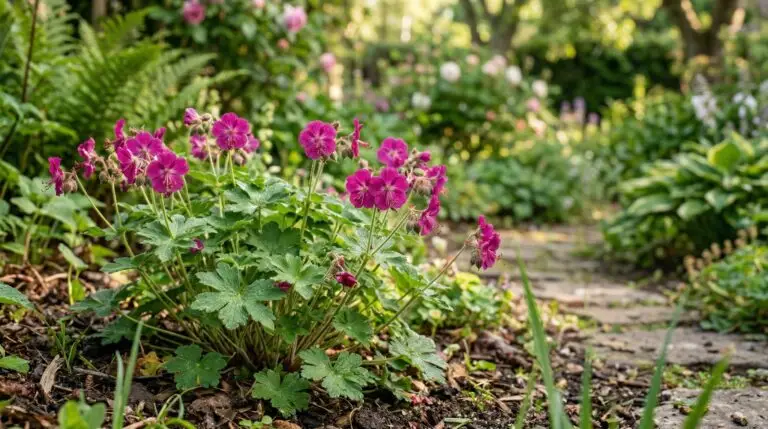
Hardy geraniums for deep shade that bring flowers to the darkest garden corners
Growing scented pelargoniums for fragrant leaves that smell like roses and lemons