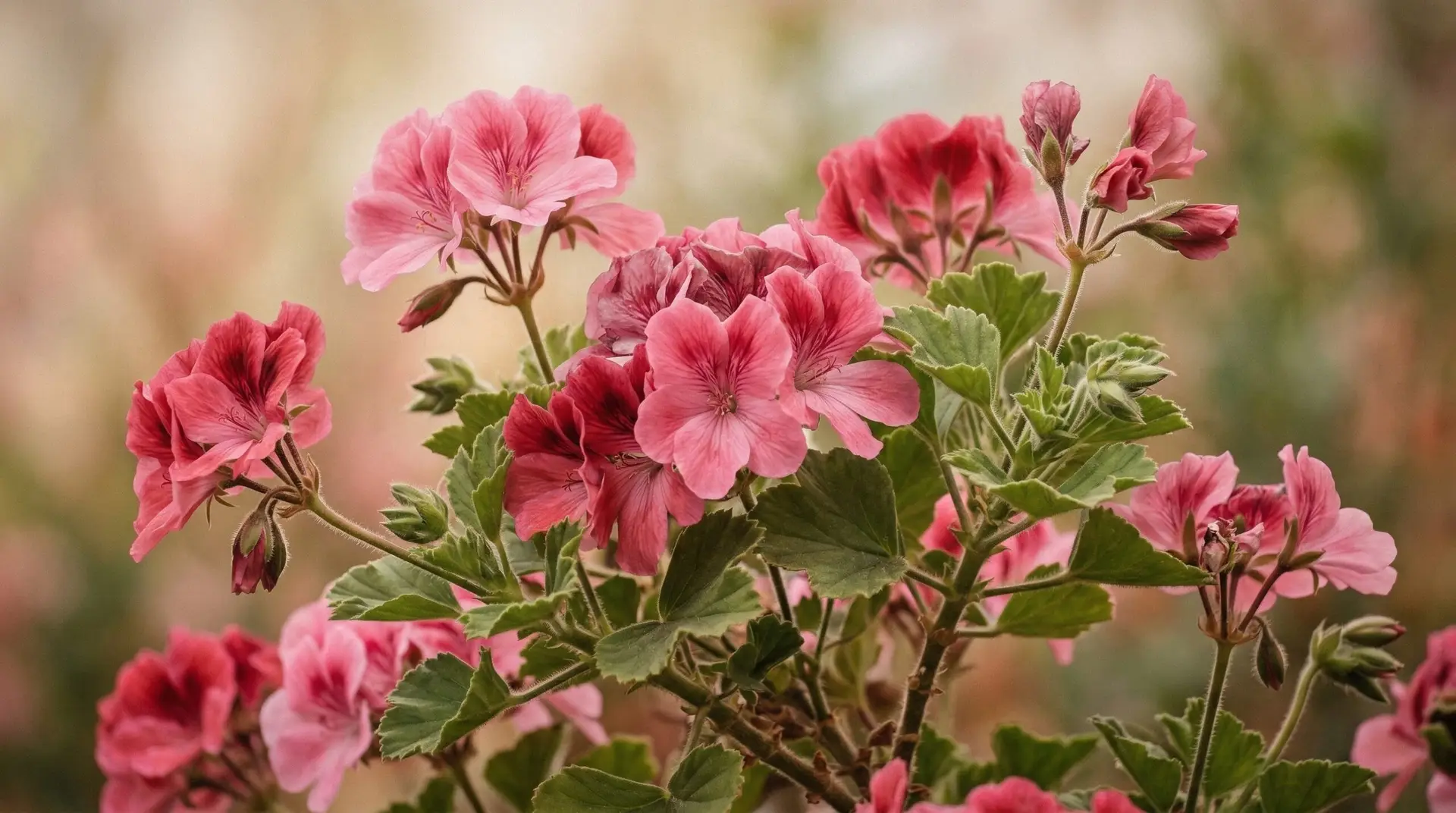
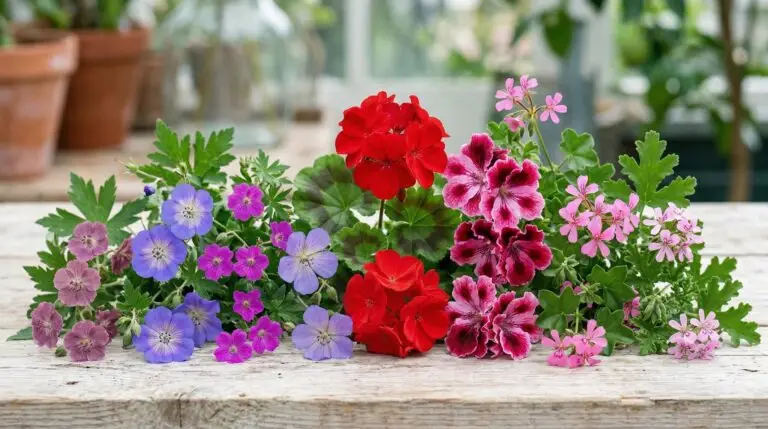
In the late seventeenth century, Dutch traders returning from the Cape of Good Hope brought a peculiar new plant to the botanical gardens of Europe. This specimen possessed thick, fleshy stems and clusters of bright flowers, but its most remarkable feature was the intense, spicy fragrance released whenever someone brushed against its leaves. Botanists initially classified this African import alongside the familiar woodland plants of Europe, creating a naming confusion that persists to this day. We still call these plants geraniums, though science eventually reclassified the South African imports as pelargoniums. Regardless of their scientific designation, these sturdy plants quickly moved from elite glasshouses to the windowsills of ordinary homes across the continent. Along the way, geranium meaning came to signify domestic comfort, gentility, and the quiet reliability of true friendship. By examining how this plant spread through human cultivation, we can understand why it became such a powerful symbol of steadfast human connection.
Contents 4 sections
The botanical confusion of the crane’s bill
Long before the African species arrived in Europe, true geraniums grew wild across the temperate regions of the Northern Hemisphere. The name itself comes from the Greek word “geranos,” which translates directly to crane. Ancient Greek botanists noticed that the plant’s long, pointed seed pods looked exactly like the beak of a crane, leading to the common English name “crane’s bill.” Gardeners today still use this term to distinguish the hardy perennial varieties from the tender greenhouse types. In medieval Europe, these low-growing woodland plants were familiar sights in monastery gardens, where healers valued their astringent roots to treat wounds and soothe inflammation. This early association with healing laid the groundwork for the later geranium symbolism of comfort and protection. Much like the forget-me-not, the native European geranium was a humble plant that carried deep cultural resonance for the people who lived alongside it.
Victorian flower language and scented messages
The nineteenth century brought a massive surge in the popularity of the South African pelargoniums, particularly the scented-leaf varieties. Victorian gardeners cultivated dozens of different cultivars that mimicked the fragrances of other plants, including lemon, peppermint, nutmeg, and apple. During this era, the rigorous social codes of the middle and upper classes made direct communication about emotions difficult, forcing people to rely on the language of flowers to send subtle messages. In this complex botanical vocabulary, geranium flower language was highly specific and depended entirely on the variety presented in a bouquet. An oak-leaved geranium signaled true friendship, offering a message of platonic devotion rather than romantic intent. A nutmeg-scented leaf indicated an expected meeting, while the lemon-scented variety promised unexpected tranquility. If a person wanted to express a clear preference for someone without the heavy romantic implications of a rose, they would send a rose-scented geranium leaf. These subtle distinctions allowed people to navigate complex social relationships using the potted plants growing in their own parlors.
Color symbolism and gentility in the parlor
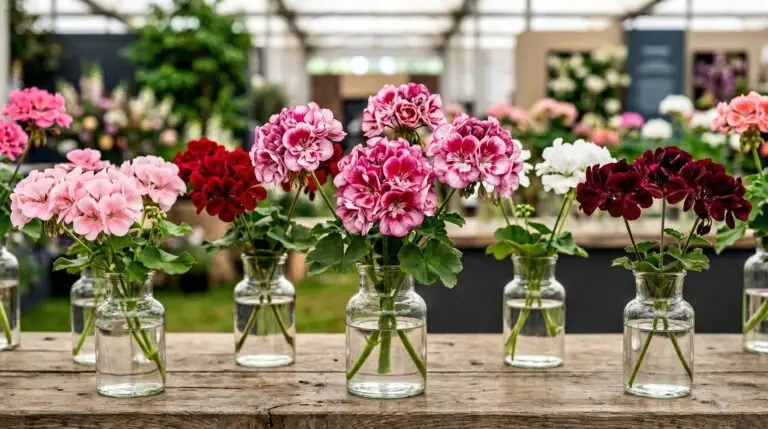
As plant breeders developed varieties with increasingly large and colorful blooms, the visual impact of the flowers began to influence their cultural meaning. Red geraniums became powerful symbols of protection and comfort in many rural communities across Europe and North America. Homeowners frequently planted bright red varieties in pots near their front doors or on window ledges to ward off bad spirits. Pink flowers carried a softer geranium meaning, communicating gentle affection, maternal love, and the quiet domesticity of a well-kept home. White blooms communicated innocence and pure intentions, making them popular additions to bridal bouquets and christening decorations. The plant’s association with comfort went beyond abstract concepts, as the physical presence of a thriving geranium in a window indicated a warm, well-tended home. Working-class families easily cultivated these forgiving plants in small terracotta pots, bringing natural beauty into crowded urban spaces. The sight of these bright blooms against the soot-stained brick of industrial cities offered genuine visual comfort to passersby.
Traditional medicine and practical cultivation
The most practical aspect of growing these plants ultimately cemented their reputation as the ultimate symbol of true friendship. Unlike fussy exotic plants that required specialized knowledge and expensive equipment to reproduce, geraniums grow readily from simple stem cuttings. A gardener only needs to snap off a healthy piece of stem, let it dry for a day, and push it into damp soil to create a completely new plant. Throughout the eighteenth and nineteenth centuries, women shared cuttings over garden fences, traded them at community gatherings, and mailed them to relatives moving westward across the American frontier. This ease of propagation meant that a single plant could become the mother of dozens of others, connecting a network of friends and family members through shared genetic material. When a Victorian writer assigned the meaning of true friendship to the geranium, they were recognizing this literal exchange of living gifts between companions. Modern gardeners continue this exact same tradition today when they pinch off a piece of a favorite plant to share with a neighbor. The historical weight of the geranium lives on in these quiet exchanges, proving that some botanical symbols are earned through centuries of human practice.
More About Geranium
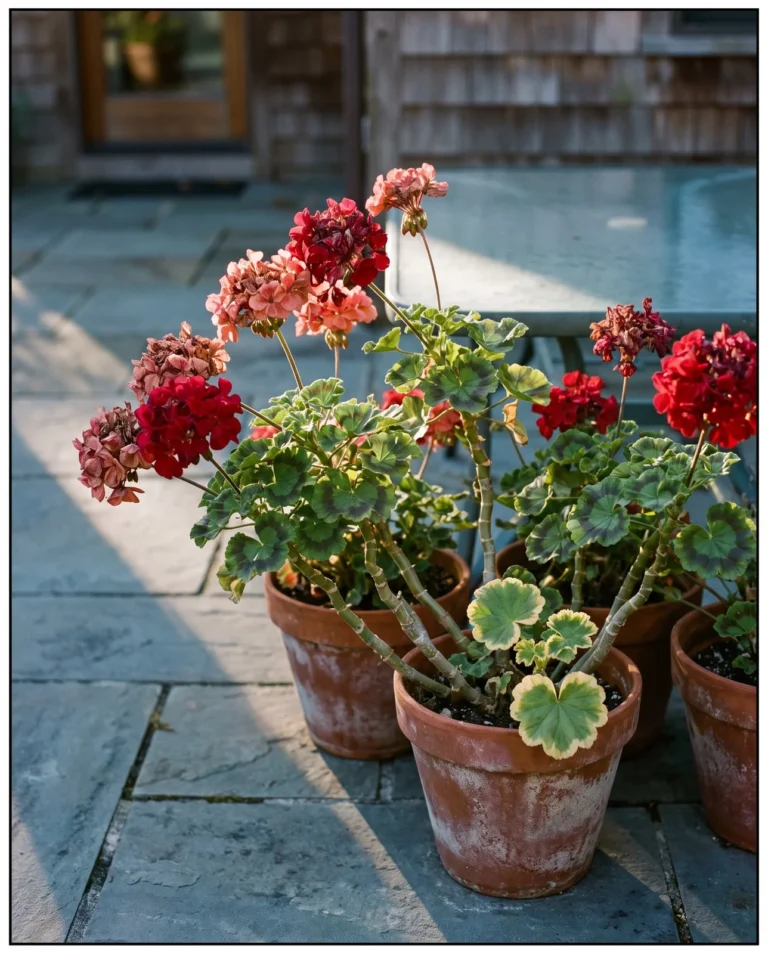
Overwinter geraniums: 3 ways to save them until spring
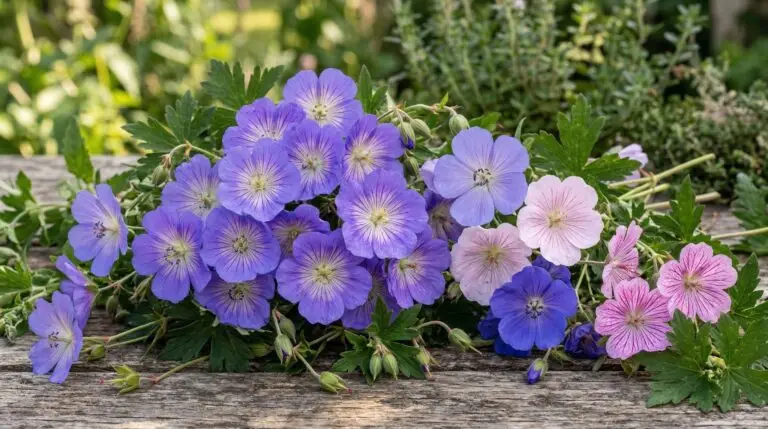
Best hardy geranium varieties from the legendary Rozanne to shade-loving types
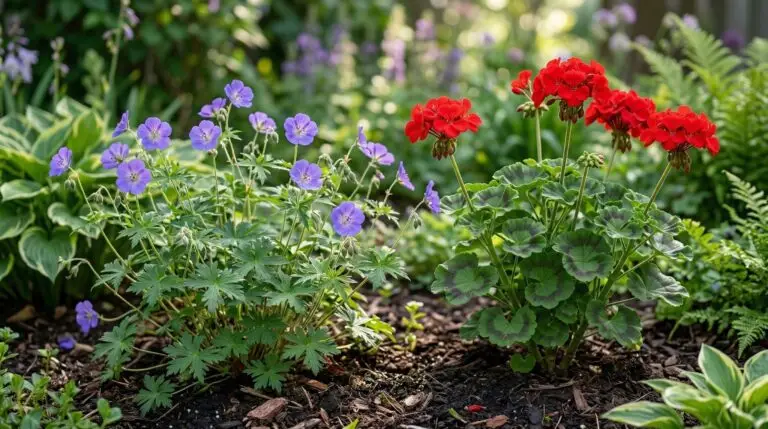
How to grow hardy geraniums for carefree ground cover that blooms for months
Geranium Rozanne and why one plant became the most popular perennial in the world
How to cut back hardy geraniums in midsummer for fresh foliage and a second flush
Using hardy geraniums as weed-suppressing ground cover under roses and shrubs
Hardy geraniums versus pelargoniums and why the garden world confuses them
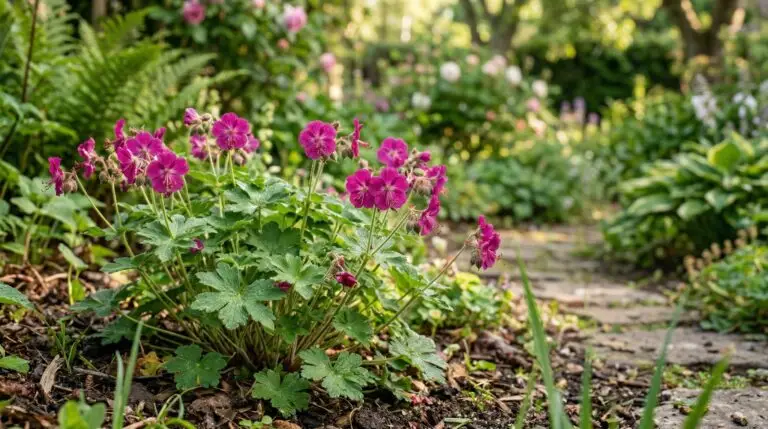
Hardy geraniums for deep shade that bring flowers to the darkest garden corners
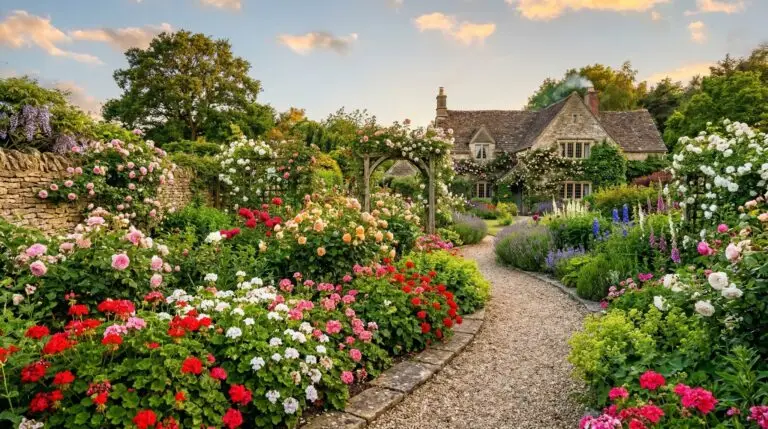
Companion plants for geraniums: what to grow and avoid
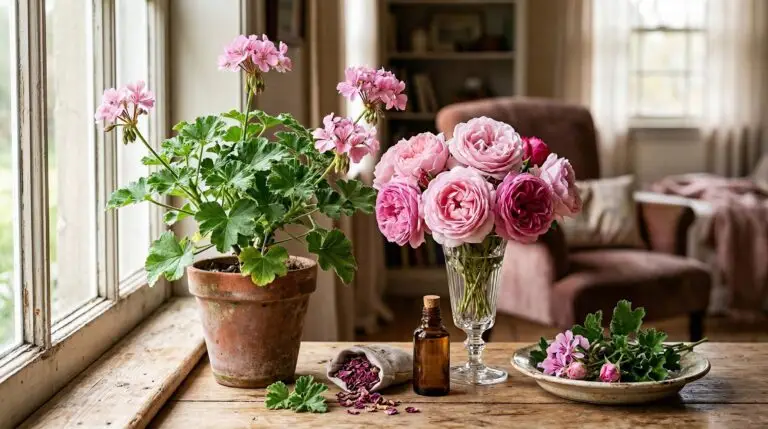
Growing scented pelargoniums for fragrant leaves that smell like roses and lemons
Enjoying our flower guides? Add YourFlowersGuide as a preferred source on Google. It helps more readers find us.
Add to Preferred Sources