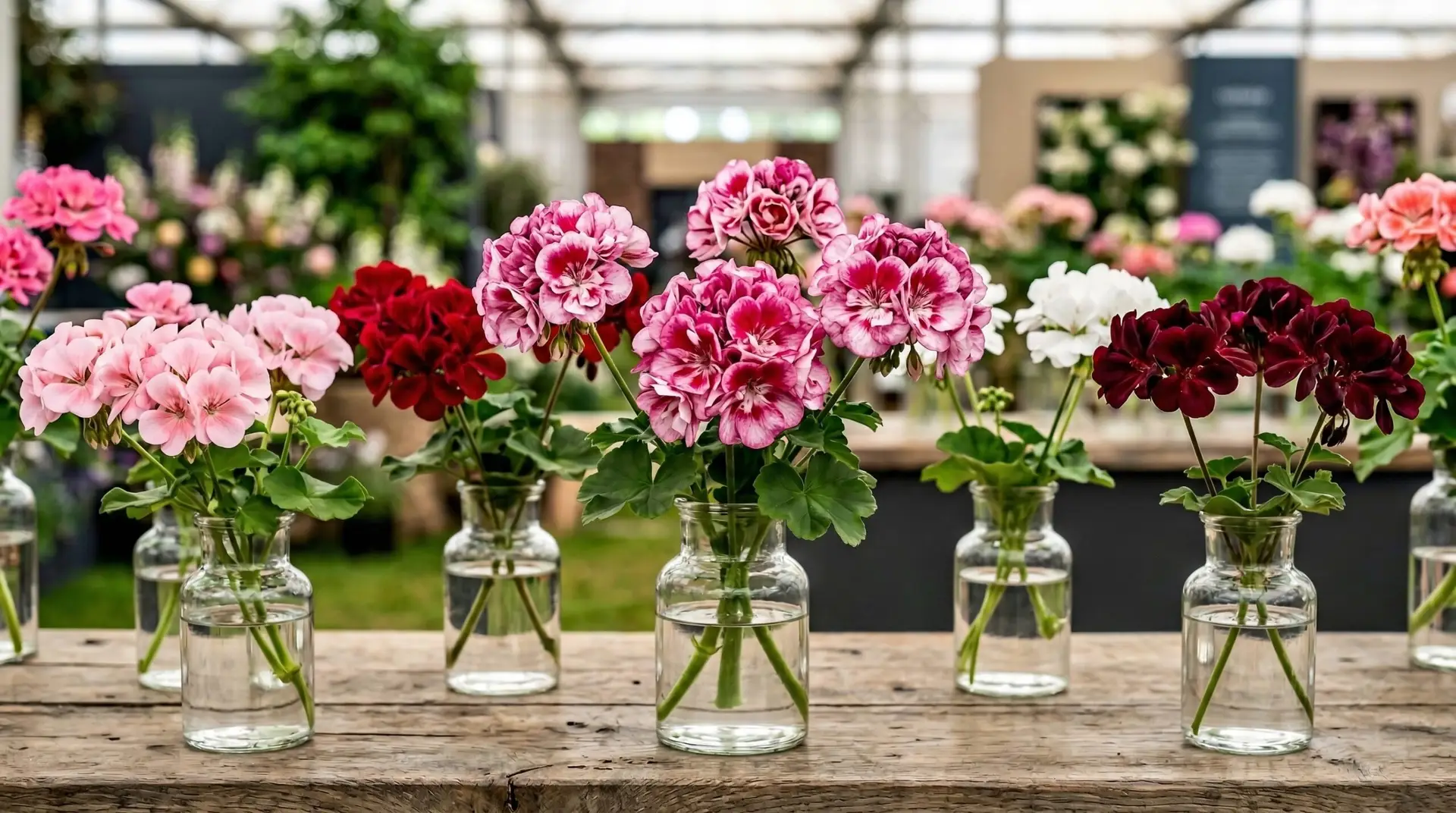
The family Geraniaceae contains hundreds of species scattered across the globe, most of which have a distinct, short window of reproductive activity. In the wild, a plant flowers just long enough to attract pollinators, set seed, and ensure the next generation before conserving its resources for winter. When humans intervene, or sometimes when nature simply takes a lucky turn in a cultivated garden, we see a disruption in this biological imperative. This is exactly what happened in the English garden of Donald and Rozanne Waterer in the late twentieth century. Two distinct species cross-pollinated by chance, creating a sterile hybrid that would eventually be named Geranium ‘Gerwat’ and marketed as geranium Rozanne. The resulting plant possessed such extraordinary biological vigor that the Royal Horticultural Society later voted it the Chelsea Plant of the Centenary.
To understand why geranium Rozanne became the most popular perennial in the world, we have to look closely at its parentage. The plant is a natural hybrid between Geranium himalayense, a species native to the high altitudes of the Himalayas, and Geranium wallichianum, which grows in the mountainous regions of Afghanistan and Kashmir. These two species evolved in harsh, unpredictable climates where robust root systems and efficient photosynthesis were necessary for survival. When their genetics combined in the Waterers’ garden, the offspring inherited the cold tolerance of the Himalayan species and the sprawling, late-season blooming habit of the wallichianum parent. Because the chromosomes of these two species do not match up perfectly, the resulting hybrid is sterile. It produces no viable pollen and sets no seed, which completely alters the energy economy of the plant.
Contents 4 sections
The energy economics of a sterile hybrid
In a typical fertile plant, the act of pollination triggers a hormonal shift that signals the end of flower production. The plant stops directing sugars to petal formation and instead funnels its metabolic energy into developing seeds and fruit. Because the Rozanne perennial is sterile, it never receives this hormonal signal. The plant exists in a state of perpetual reproductive frustration, continually pushing out new buds in a futile attempt to set seed. This biological quirk is the exact reason why it achieves a remarkable five-month bloom period, producing violet-blue flowers from early summer straight through to the first hard frost. For gardeners, this means an unprecedented display of color without the need for deadheading or specialized care.
The flowers themselves offer a fascinating lesson in plant chemistry and environmental response. The petals of the best perennial geranium contain anthocyanins, which are water-soluble pigments that change color based on temperature and light intensity. During the cool days of early summer and autumn, the flowers of geranium Rozanne appear as a clear, piercing blue with distinct white centers and dark magenta veins. These veins are nectar guides, visually directing bees and other pollinators toward the center of the flower. When the intense heat of midsummer arrives, the chemical structure of the anthocyanins shifts slightly, causing the petals to take on a distinctly more violet or pinkish hue. Observing this color shift provides a direct visual indicator of how the plant is metabolizing and responding to its immediate microclimate.
Leaf morphology and chemical defenses
The foliage of this exceptional hybrid is just as biologically functional as its flowers. Each leaf is deeply lobed and slightly marbled, featuring a soft, almost fuzzy texture on the surface. These microscopic hairs, known botanically as trichomes, perform two distinct functions for the plant. They create a boundary layer of still air right above the leaf surface, which slows down the rate of transpiration and helps the plant conserve water during dry spells. Additionally, these trichomes contain essential oils that give the foliage an earthy, slightly spicy scent when crushed or brushed against. This chemical defense mechanism naturally deters browsing herbivores like deer and rabbits, ensuring the plant retains its photosynthetic capacity throughout the growing season.
Root architecture and garden performance
Beneath the soil surface, geranium Rozanne develops a thick, fleshy root system that is a massive storage organ for carbohydrates. Unlike some herbaceous perennials that rely on shallow, fibrous roots, this hybrid pushes its primary roots deep into the soil profile. This deep rooting strategy makes the plant remarkably drought-tolerant once established, as it can access moisture reserves far below the evaporation zone. Understanding this root architecture explains why the plant requires well-draining soil to thrive. If planted in heavy, waterlogged clay, those fleshy roots are deprived of oxygen and become highly susceptible to fungal rot. Providing a loose, aerated soil structure mimics the mountainous scree slopes of its ancestors and allows the root system to function at maximum efficiency.
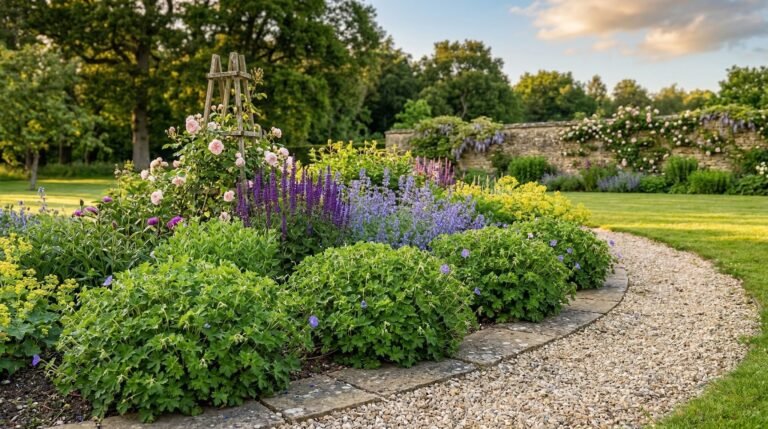
Above ground, the plant exhibits an indeterminate, scrambling growth habit that allows a single specimen to cover an astonishing amount of territory. Rather than forming a stiff, upright clump, the stems weave outward, using neighboring plants for structural support without smothering them. This trailing behavior makes it an ideal companion in the garden, where it can mask the fading foliage of early spring bulbs or fill the gaps between stiffer structural plants. It mingles beautifully with the soft, gray-green foliage of catmint, creating a continuous carpet of cool tones that lasts for months. Similarly, planting it alongside the bright, daisy-like blooms of coreopsis provides a sharp color contrast that highlights the complex veining in the geranium petals.
Maintenance and seasonal cycles
The maintenance requirements of this plant are dictated entirely by its rapid metabolic rate and aggressive growth habit. By midsummer, the sheer volume of vegetative growth can sometimes outpace the root system’s ability to keep the oldest leaves hydrated, leading to a slightly untidy center. Plant scientists and experienced horticulturists often recommend a technique called the “Chelsea chop”, which involves shearing the entire plant back by half during the hottest part of the summer. Because the plant has so much stored energy in its fleshy root system, this severe pruning stimulates dormant buds at the base of the stems. Within weeks, the plant flushes out with fresh, compact foliage and begins a second massive wave of flowering that carries it through the autumn months.
The story of geranium Rozanne is a perfect example of how an accidental genetic anomaly can completely redefine our horticultural expectations. We typically expect a trade-off in the plant world, assuming that large flowers mean fewer blooms, or that a long flowering season requires constant human intervention. This specific hybrid breaks those rules by leveraging its sterility, funneling all the energy it would have spent on reproduction into continuous, relentless growth. The next time you see those violet-blue flowers weaving through a garden bed late in the season, you are observing a botanical engine stuck in overdrive. This plant has entirely bypassed the normal rules of floral economics to become a permanent fixture in the modern garden.
More About Geranium
Overwinter geraniums: 3 ways to save them until spring
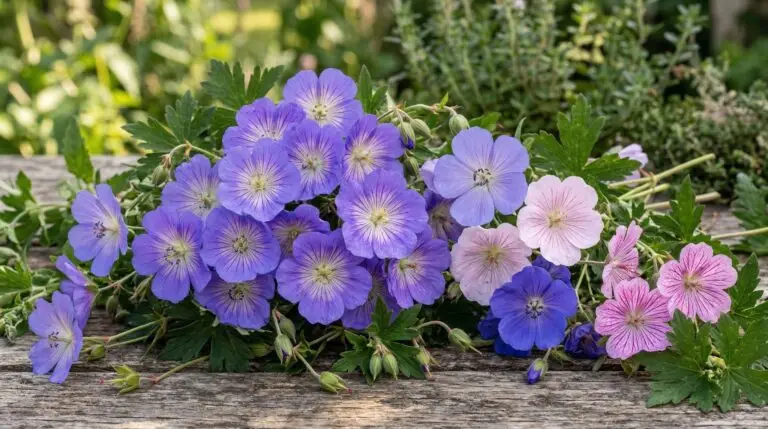
Best hardy geranium varieties from the legendary Rozanne to shade-loving types
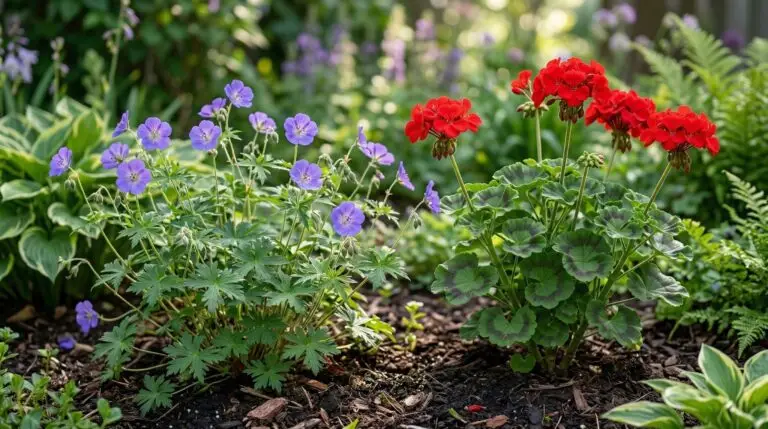
How to grow hardy geraniums for carefree ground cover that blooms for months
How to cut back hardy geraniums in midsummer for fresh foliage and a second flush
Geranium flower meaning and the Victorian message of comfort and true friendship

Using hardy geraniums as weed-suppressing ground cover under roses and shrubs
Hardy geraniums versus pelargoniums and why the garden world confuses them
Hardy geraniums for deep shade that bring flowers to the darkest garden corners
Companion plants for geraniums: what to grow and avoid
Growing scented pelargoniums for fragrant leaves that smell like roses and lemons
Enjoying our flower guides? Add YourFlowersGuide as a preferred source on Google. It helps more readers find us.
Add to Preferred Sources