The pairing · pick a flower
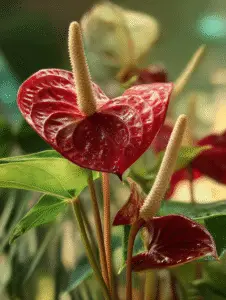 Anthurium+
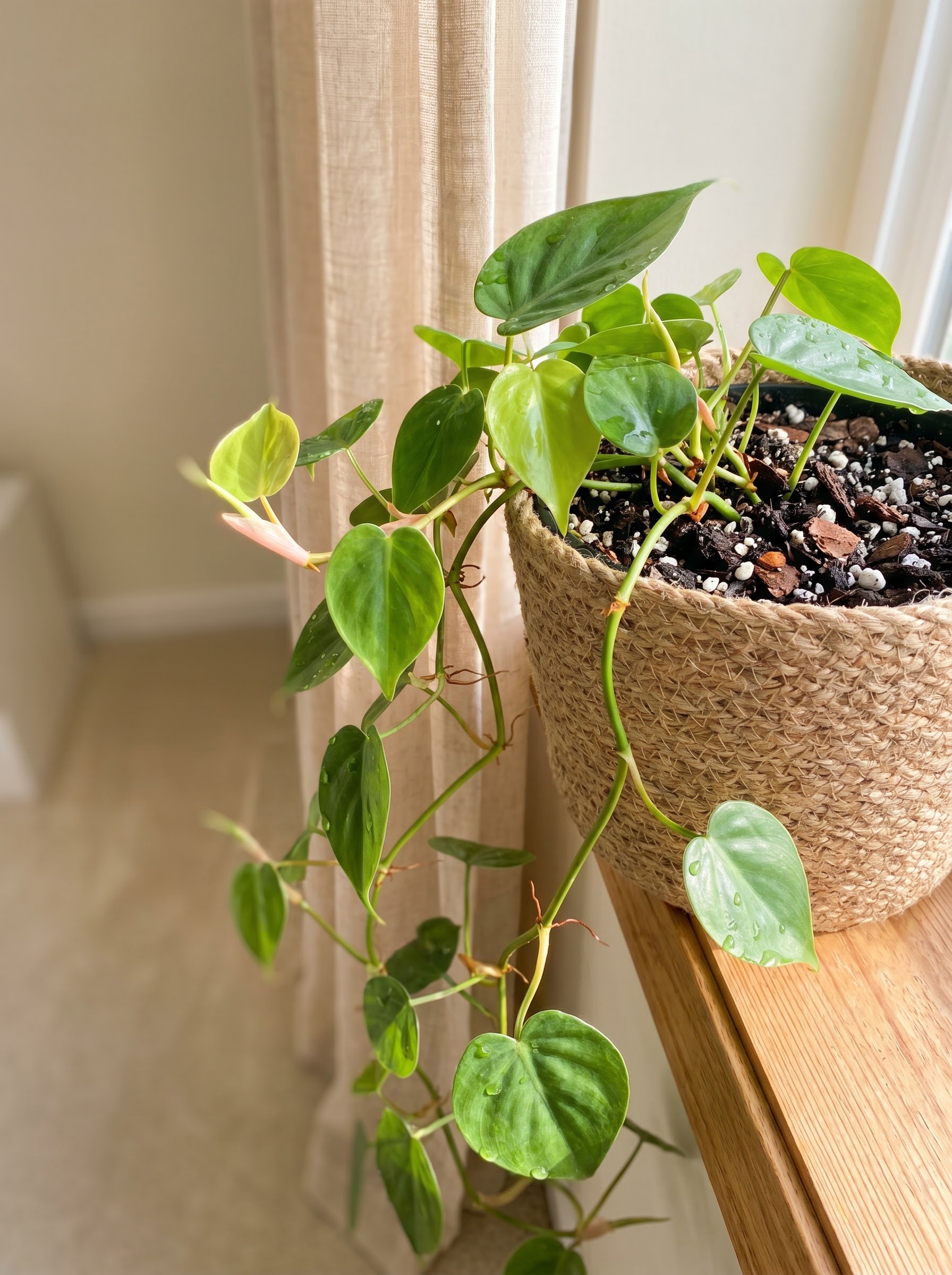 PhilodendronProven
Same aroid family as anthurium, with genuinely matching bright-indirect-light, evenly-moist-not-soggy water, and high-humidity needs, so it groups or even shares a pot without compromise.
Anthurium+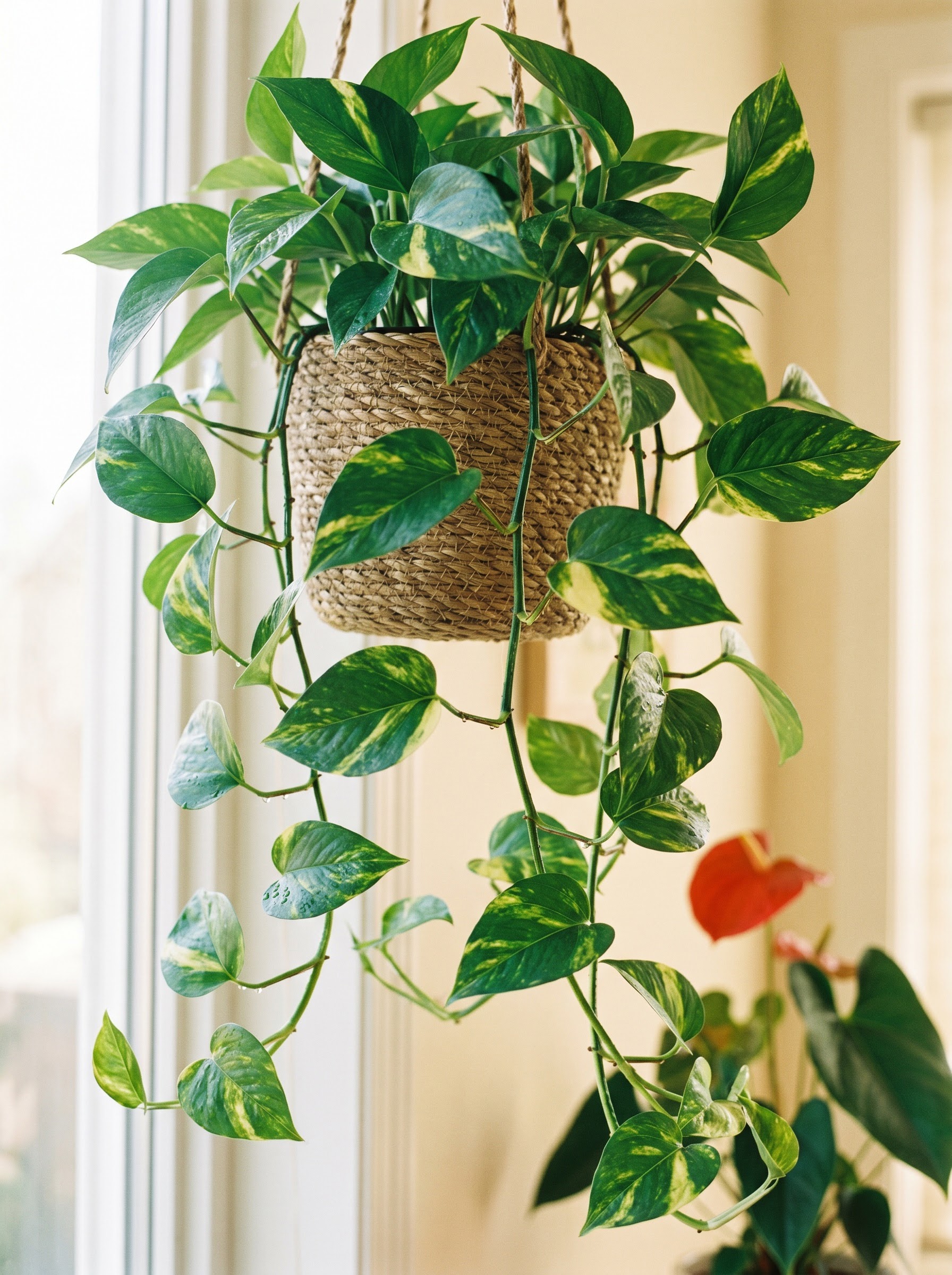 PothosPartial
Shares anthurium's bright-indirect-light range and tolerates a wide watering window, making it a forgiving trailing spiller, though it genuinely prefers lower humidity than anthurium wants.
Anthurium+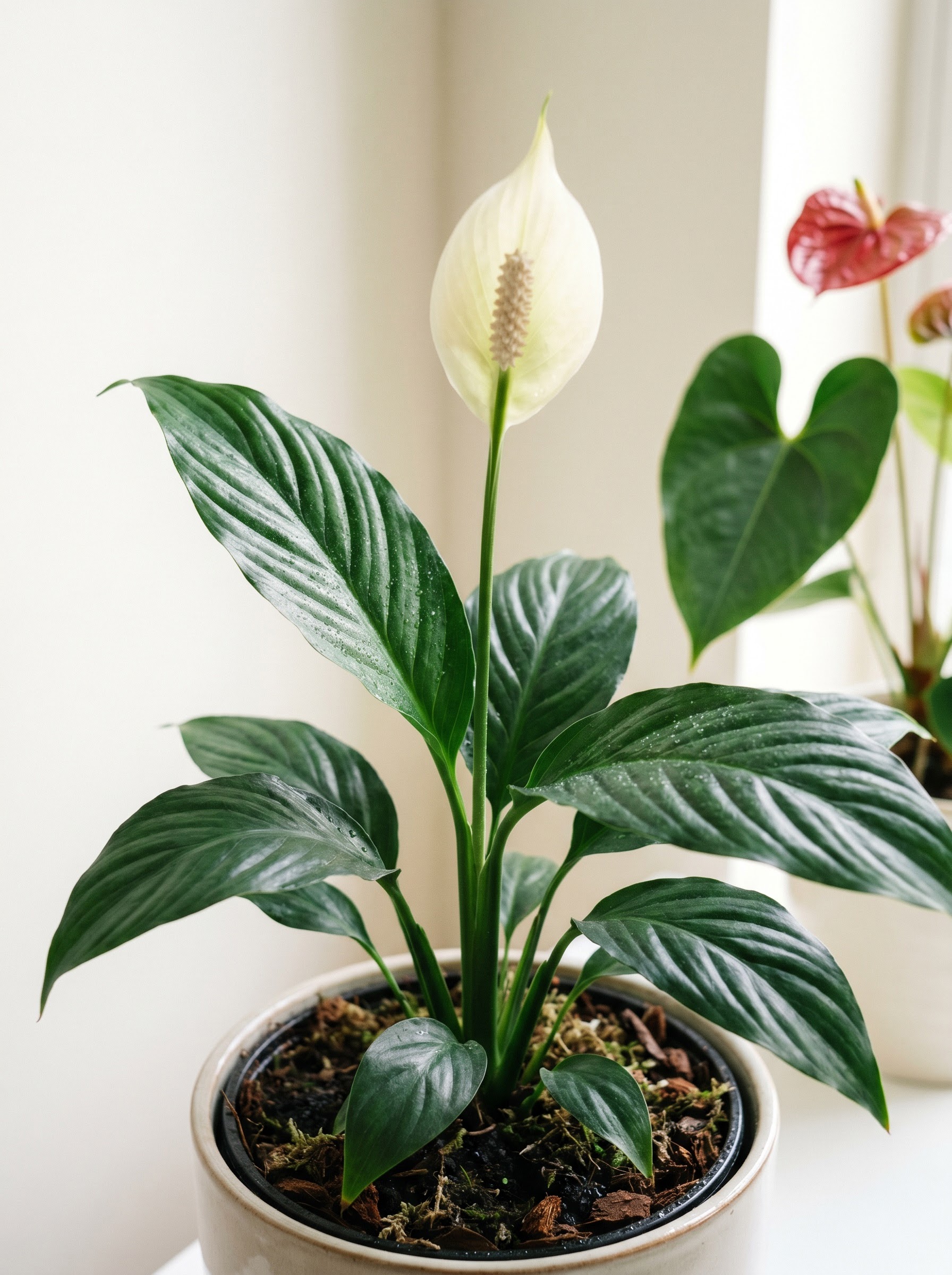 Peace lilyProven
Wants bright indirect light and soil that dries out slightly between waterings, a water rhythm closer to anthurium's own than most leafy houseplants offer, often confused as its substitute but a genuine groupmate too.
Anthurium+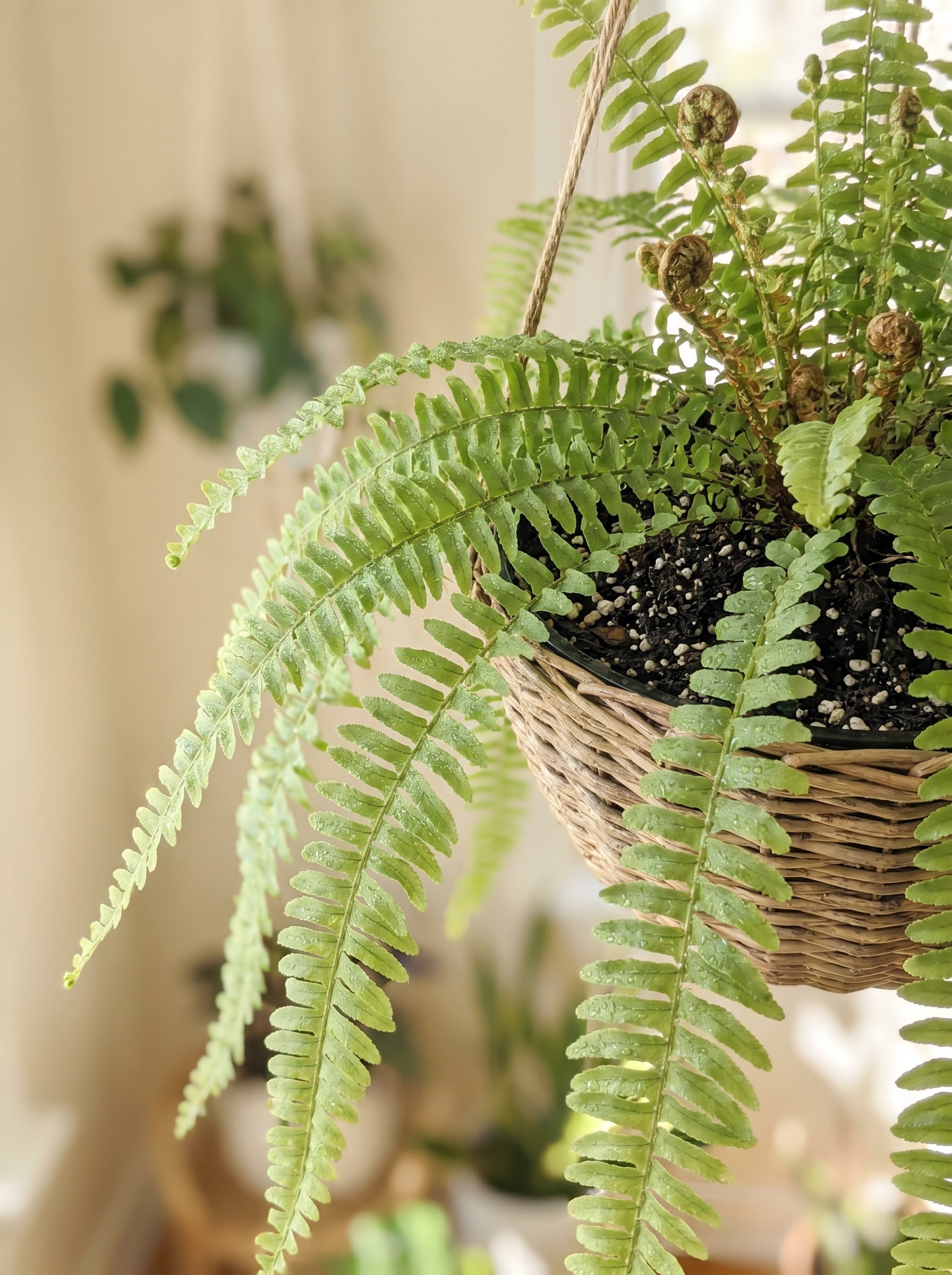 Boston fernProven
A genuine high-humidity match and the strongest textural foil to anthurium's broad glossy leaves, but it wants soil kept more consistently damp, so pair it on a shared tray rather than in the same pot.
Anthurium+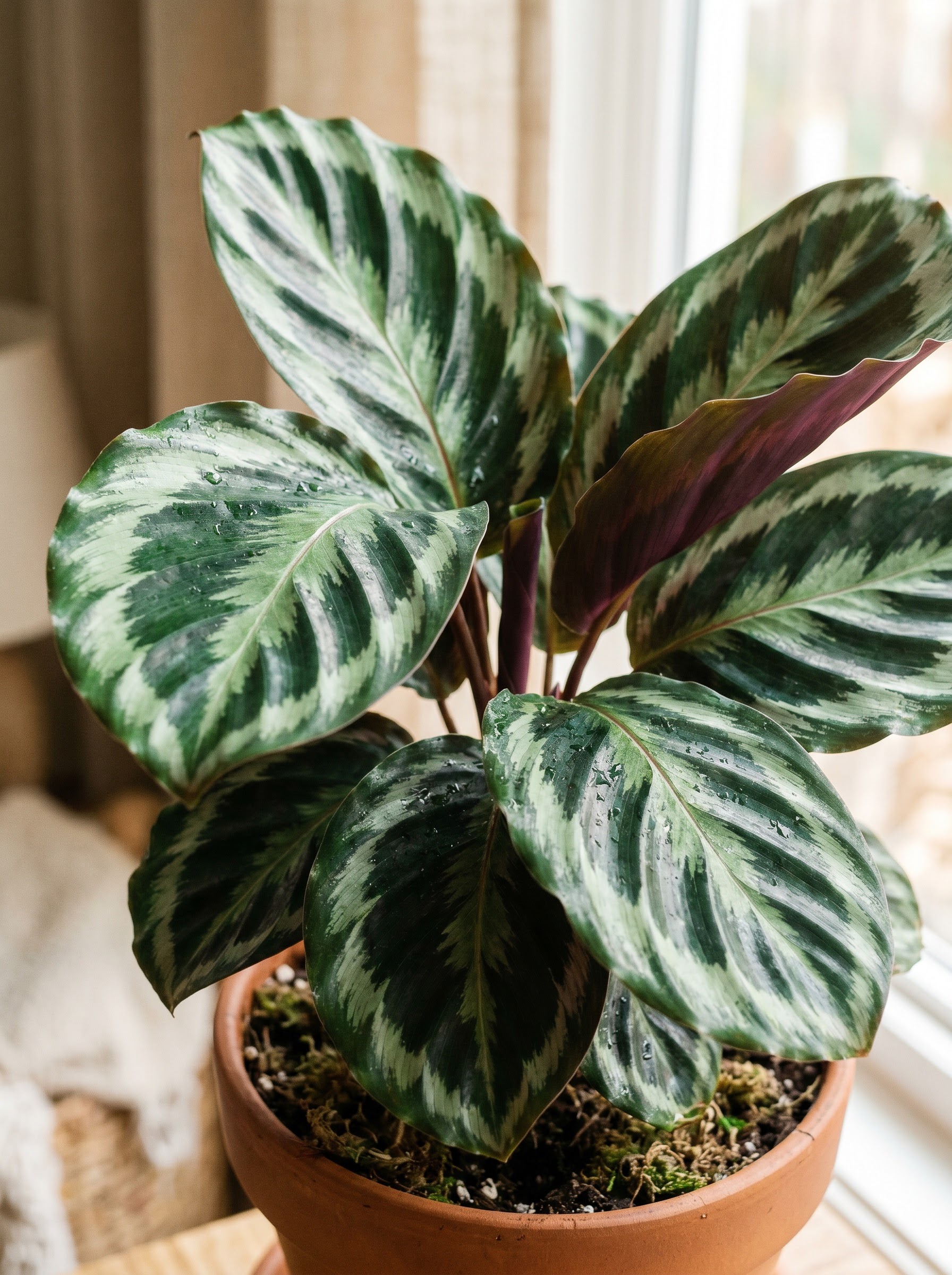 CalatheaPartial
One of the tightest humidity matches available, both are named together as humidity-loving tropicals that benefit from grouped transpiration, though calathea wants water on a stricter, more particular schedule.
Anthurium+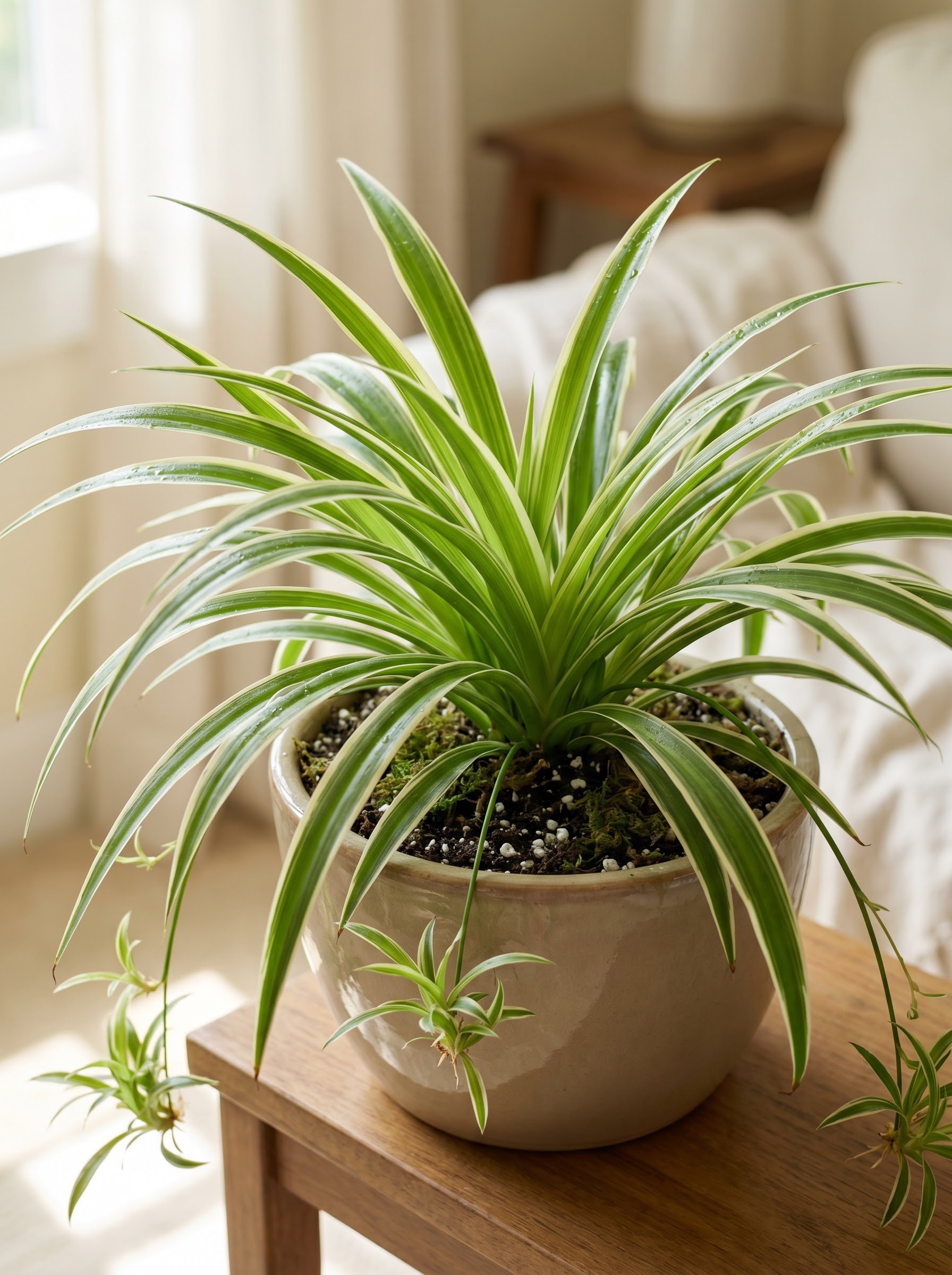 Spider plantProven
More water- and light-flexible than the others here, an easy groupmate with fine arching variegated foliage, and, unlike anthurium itself, non-toxic to cats and dogs per the ASPCA.
Anthurium+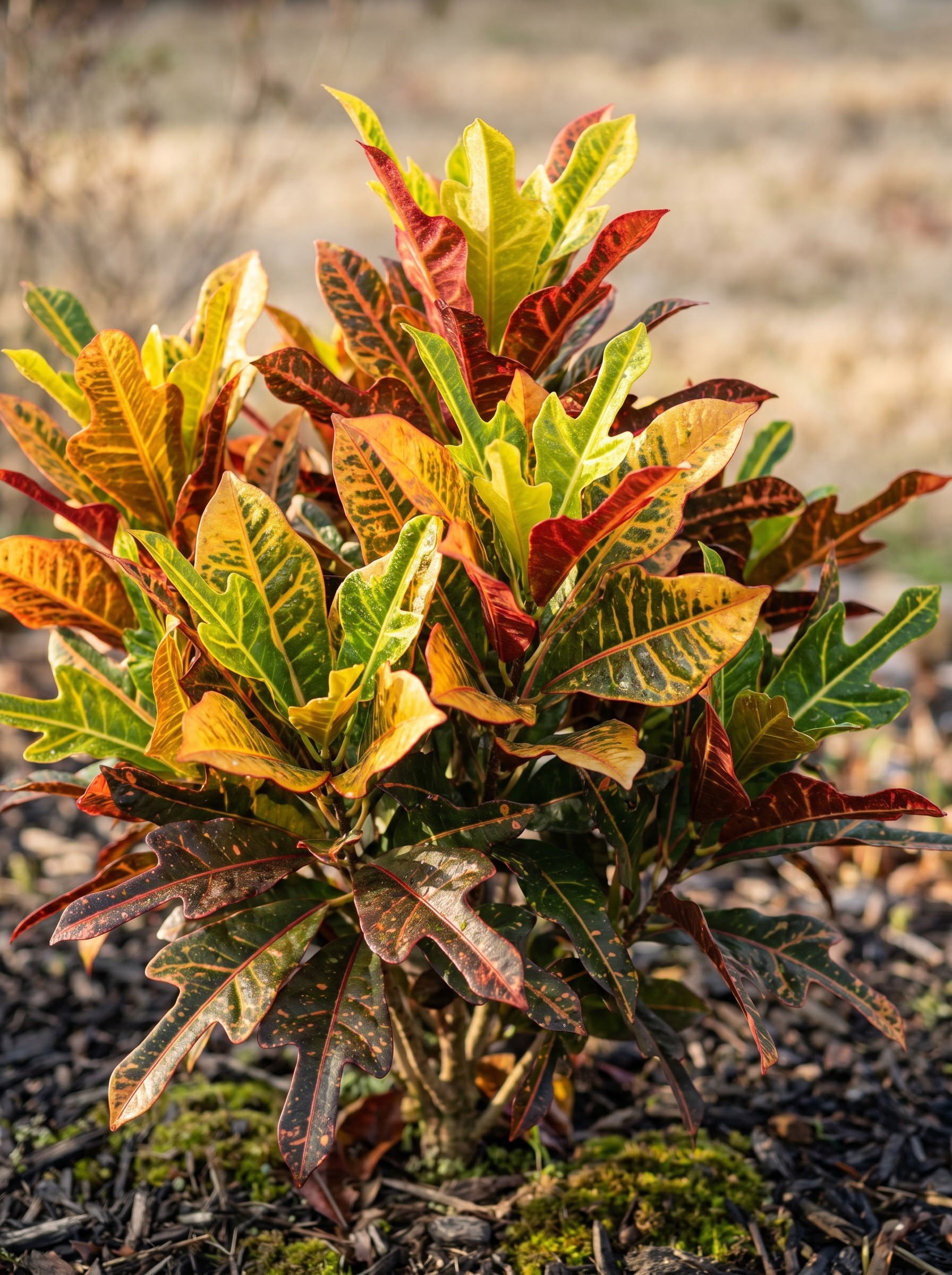 CrotonPartial
Wants the same bright indirect light, moderate-to-high humidity, and a similar dry-down between waterings, and its red, orange and yellow variegation echoes anthurium's own warm spathe colors.
Anthurium+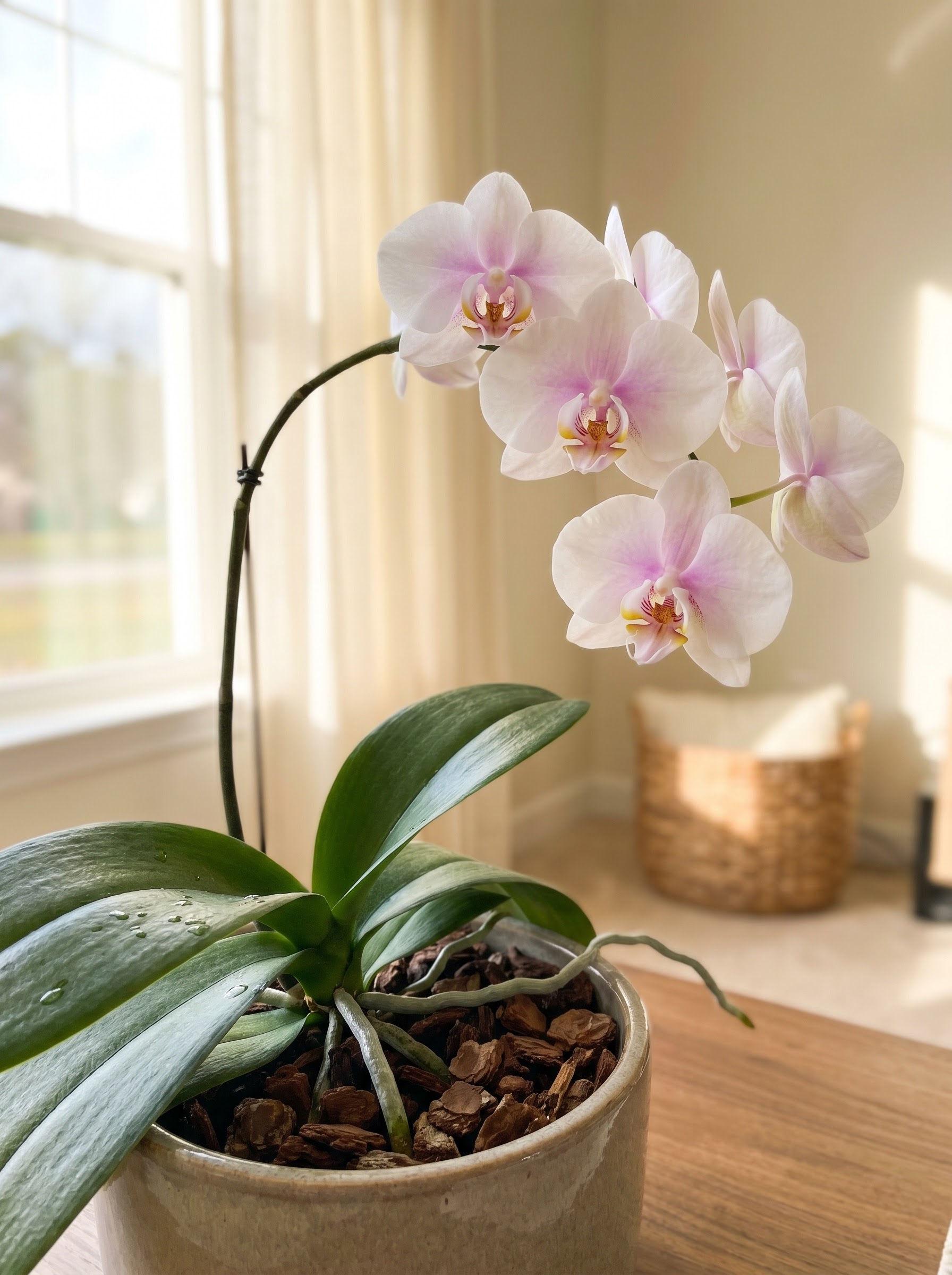 OrchidProven
Both are epiphytes that want the same chunky bark mix and the same water-then-dry rhythm, the closest root-habit match on this list, and both are grown for a single long-lasting showy bloom.
Anthurium+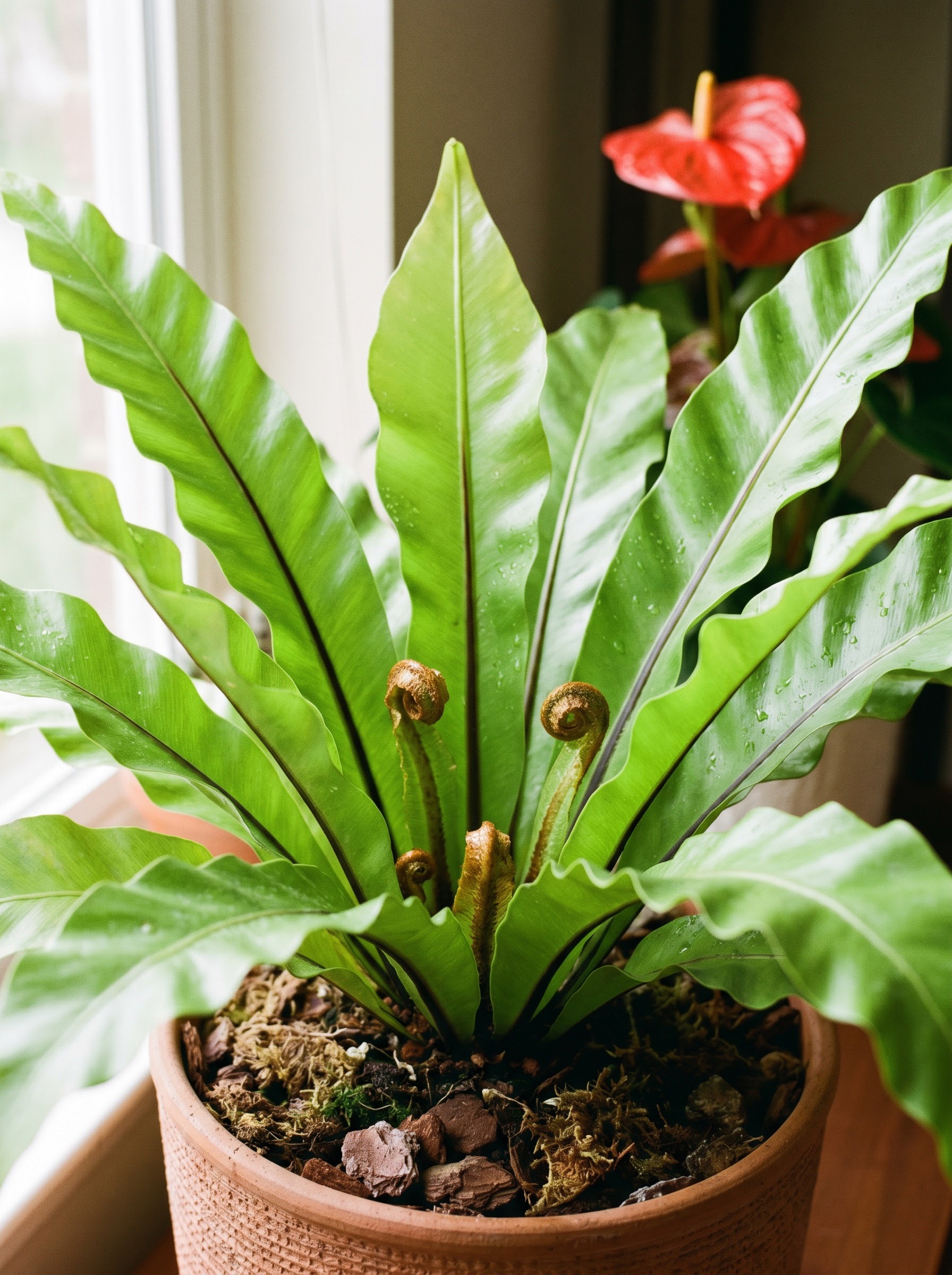 Bird's nestPartial
Another true epiphyte with a genuine high-humidity, indirect-light match, though it tolerates less drying out than anthurium and holds up best in a bathroom or a consistently humid grouping rather than a drier room.
All anthurium companions
9 flower companions, best match first
What not to plant near anthurium
Most bad neighbours are not evil, they just want the opposite light, water or root run. Here is what to keep away, and what to do instead.
Succulents and cacti (jade, echeveria, aloe, most true cacti)
Succulents and cacti are adapted to the low 10 to 30 percent humidity of a dry room and need soil that dries out completely, the near opposite of anthurium's evenly moist mix and 60 percent-plus humidity target; grouped or co-potted, one plant is always being watered wrong.
Regular dense potting soil in a shared planter
Anthurium is epiphytic and needs a well-drained, aerated mix; university production guidelines call for a 1:1:1 peat, perlite and bark blend specifically because it drains well, so filling a shared container with standard dense potting soil to suit a companion removes the airflow those roots depend on and is a documented route to root rot.
Oversized shared containers
A pot much wider than the root ball holds more moisture than anthurium's roots can use between waterings; university growing guidelines for the crop emphasize a well-drained, aerated mix precisely because excess wet substrate around epiphytic roots invites rot, and a large communal planter sized for bigger companions carries that same risk indirectly.
Direct contact with pets and small children
This is a placement and safety note, not a plant-compatibility mechanism: anthurium's leaves, stems, spathe and roots carry calcium oxalate crystals, and chewing any part burns and irritates the mouth and throat of cats, dogs, and small children, per the ASPCA and Pet Poison Helpline. Nothing about this fact affects how anthurium grows next to another plant.
The best companions for anthurium, explained
Anthurium is grown almost entirely as a houseplant, so the question of what to plant with it is really a question about a shelf, a windowsill tray, or a mixed container. The strategy that actually holds up is matching the substrate and the humidity, rather than picking whatever else looks tropical. Philodendron is the tightest match available: it shares anthurium’s family, the same aroid table Iowa State University Extension lists them both on, and its light, water and humidity needs line up closely enough that the two can share a large planter without either one being watered wrong. Pothos earns its reputation as the classic mixed-container spiller for a similar reason, tolerant of a wide watering range and the same bright indirect light, though it genuinely prefers drier air than anthurium wants, a caveat worth knowing before assuming it is a perfect substrate match rather than a forgiving one.
Peace lily deserves a specific mention because it is often searched as anthurium’s stand-in, the plant people ask about instead of one or the other. Grouped together, though, the two make more sense as companions than substitutes: Clemson Cooperative Extension notes peace lily wants soil that dries out slightly between waterings, closer to anthurium’s own rhythm than most leafy houseplants offer, the same steady watering routine covered in how to keep anthurium blooming all year. Orchid is the other standout pairing, and arguably the closest root-habit match of anything on this list, since Phalaenopsis is also an epiphyte that wants the same chunky bark mix and the same soak-then-dry cycle, confirmed by the University of Maryland Extension’s own care guidance. Calathea, ferns and croton round out the list as genuine humidity or light matches with one honest caveat each, calathea and ferns want water on a stricter schedule than anthurium’s own dry-to-the-touch rule, so a shared tray beats a shared pot for any of them.
What not to plant near anthurium
The one clean, mechanically obvious mismatch is succulents and cacti. University of Minnesota Extension notes cacti and succulents are adapted to the low 10 to 30 percent humidity of a typical dry room, while tropical houseplants like anthurium want 70 to 80 percent, and their soil needs sit at the opposite extreme too, bone dry between waterings against anthurium’s evenly moist, never soggy mix. Grouped or co-potted, one of the two is always being watered wrong, and there is no honest compromise spacing that fixes it, only real separation onto a different, drier shelf entirely.
The second avoid is not about a plant at all but about the substrate a well-meaning gardener might swap in to suit a companion. Anthurium’s roots are epiphytic, adapted to grip bark and take in air as much as moisture, and UF/IFAS’s own commercial growing guidelines are direct about the fix: a well-drained blend of roughly equal parts peat, perlite and bark instead of dense potting soil, the same chunky mix that prevents anthurium root rot on its own. Filling a shared container with standard potting soil because a companion plant wants it removes the drainage anthurium’s roots depend on and is a documented, direct route to root rot, and the same drainage logic argues against an oversized shared pot in general, since a container much wider than the root ball holds more moisture than those roots can use between waterings. Neither of these is a plant-to-plant conflict; both are decisions about what goes in the pot, and both trace back to the same yellowing and brown-tip symptoms a soggy shared substrate eventually causes.
Separate from all of that sits a genuinely different kind of avoid, one worth naming plainly so it does not get confused with a growing conflict: anthurium is toxic to pets and small children. The ASPCA lists it as toxic to dogs, cats and horses, and Pet Poison Helpline confirms the mechanism, calcium oxalate crystals throughout the leaves, stems, spathe and roots that burn and irritate the mouth and throat when chewed. This is a placement and safety note, not a companion-planting rule, since nothing about anthurium’s toxicity changes how it grows next to another plant. The honest fix is a high shelf or a room pets and kids cannot reach, and browsing flowers safe to keep around cats and dogs is worth doing before adding more plants to that same shelf; spider plant is both non-toxic per the ASPCA and a genuinely easy match on light and water.
Do they like the same conditions?
Every companion on this page gets tested against the same three-part ruler: bright indirect light, evenly moist but never soggy mix, and high humidity, the profile Iowa State University Extension confirms for the whole aroid family anthurium belongs to. Philodendron, pothos and peace lily are aroids too, and that shared ancestry is not decoration, it shows up directly in the extension’s own guidance that these plants "thrive when allowed to dry out slightly between watering" and prefer the same north- or east-facing light. Where the ruler gets interesting is humidity specifically, because it is not a uniform requirement across every plant that looks tropical. Illinois Extension notes pothos actually prefers low humidity, a genuine mismatch with anthurium’s own 60 percent-plus target that gets glossed over in a lot of consumer plant-pairing lists; it is still a fine groupmate on light and water, just not the tight humidity match some sources imply.
That honesty matters more with the humidity-loving cluster, calathea, ferns and bird’s nest fern, because the shared benefit there is real and mechanically sound, the same grouping logic behind raising humidity for anthurium without a greenhouse. Grouping several humidity-loving tropicals together genuinely raises the local humidity through combined transpiration, water releasing from every leaf surface into one shared pocket of air, a physically real effect distinct from any vague claim about plants helping each other grow. The tradeoff is that these three want water on a stricter schedule than anthurium’s own dry-to-the-touch rule, so the honest recommendation keeps them on a shared tray or a grouped shelf, each in its own soil, rather than crammed into one shared pot where a single watering schedule has to satisfy every root system at once.
How to plant them together
Anthurium’s own pot should stay close to its root mass, with only modest room to grow, since UF/IFAS’s own growing guidelines for the crop call for a well-drained, well-aerated mix precisely because excess wet substrate around epiphytic roots invites rot; that rule does not change just because the pot sits inside a larger decorative grouping. For a genuine mixed-container arrangement, the tightest matches, philodendron, pothos and orchid, can share one large planter with anthurium as long as each gets its own pocket of the same chunky aroid or bark mix rather than one blended substrate; anthurium works as the upright thriller, pothos trails as the spiller, and philodendron fills the middle ground, the classic thriller-filler-spiller layout Penn State Extension describes for container design generally.
Looser matches, peace lily, calathea, croton, spider plant, bird’s nest fern, do better on the same tray or windowsill than in the same pot, close enough to share a humidity boost and a light source without one plant’s stricter watering schedule dictating the other’s. A pebble tray under the whole grouping, water topped up among the stones but never touching the pot bottoms, raises humidity for all of them at once. Wherever anthurium ends up, keep it out of a room’s driest, sunniest corner, the spot a succulent or cactus would actually want, and give it its own separate grouping there instead.
Does companion planting actually work for anthurium?
Some of it, genuinely, once the claim is specific rather than decorative. The strongest evidence here is the shared-family, shared-conditions case for philodendron, pothos, peace lily and orchid: Iowa State University Extension’s own aroid guidance and the University of Maryland’s orchid care sheet both independently confirm the light, water and mix overlaps this page relies on, arrived at through their own care research rather than a companion-planting angle applied after the fact. The humidity-boost claim for calathea, ferns and bird’s nest fern holds up the same way, transpiration genuinely raises local humidity when plants are grouped, a real physical mechanism that works at the tray or room scale, independent of whether two particular species happen to be photographed together well.
Where the evidence runs thinner is any claim that a groupmate actively protects anthurium from pests or disease, and no source found here makes that case, so it stays out of this page entirely rather than getting invented. The succulent and cacti mismatch is about as proven as a compatibility claim gets, basic water-relations physiology confirmed by University of Minnesota Extension’s own humidity figures. Match substrate and humidity first, treat the toxicity note as a placement decision rather than a growing rule, and keep the actual pot count low even inside a good-looking grouping.
FAQ
Can you plant anthurium with pothos or philodendron?
Yes. Both share anthurium’s aroid family and its bright indirect light and evenly moist, chunky-mix preference, and philodendron in particular is the closest overall conditions match on this page, close enough that the two can share one large planter with separate root pockets of the same fast-draining mix.
What should you not put near anthurium?
Succulents and cacti are the clearest mismatch, since they need soil bone dry between waterings and low humidity, the near opposite of anthurium’s own evenly moist mix and 60 percent-plus humidity target. Keep them on a separate, drier shelf rather than grouping or co-potting them.
Is anthurium safe to keep with cats or dogs?
No, and this is a placement decision rather than a plant-pairing one. The ASPCA lists anthurium as toxic to dogs, cats and horses, since calcium oxalate crystals in every part of the plant irritate the mouth and throat if chewed. Set it on a high shelf out of reach, and consider a genuinely pet-safe groupmate like spider plant nearby.
Can anthurium and calathea share the same pot?
Same tray, yes; same pot is more of a stretch. Both are named together repeatedly as humidity-loving tropicals that benefit from grouped transpiration, but calathea wants a stricter, more consistent watering schedule than anthurium’s dry-to-the-touch rule, so one shared soil moisture level tends to shortchange one plant or the other.
Does grouping houseplants together actually raise humidity, or is that just decor talk?
It is real. Plants release water vapor through their leaves as they transpire, and grouping several together creates a small pocket of measurably higher humidity in that immediate space, a mechanism confirmed independently of any companion-planting claim and distinct from folklore ideas about plants helping each other grow.
Can anthurium grow outside with other plants in a garden bed?
Only in USDA zones 10 to 11, roughly south Florida, Hawaii and similarly tropical climates, and even there it wants full-to-part shade and protection from direct afternoon sun. For nearly everyone else, every companion decision for anthurium plays out in a container or on a shelf.
Sources
- Iowa State University Extension, All About Aroids
- UF/IFAS (Ask IFAS), Cultural Guidelines for Commercial Production of Interiorscape Anthurium (EP159)
- University of Minnesota Extension, Cacti and Succulents
- ASPCA, Flamingo Flower (Anthurium) toxic plant listing
- Clemson Cooperative Extension (HGIC), Peace Lily
- University of Maryland Extension, Care of Phalaenopsis Orchids