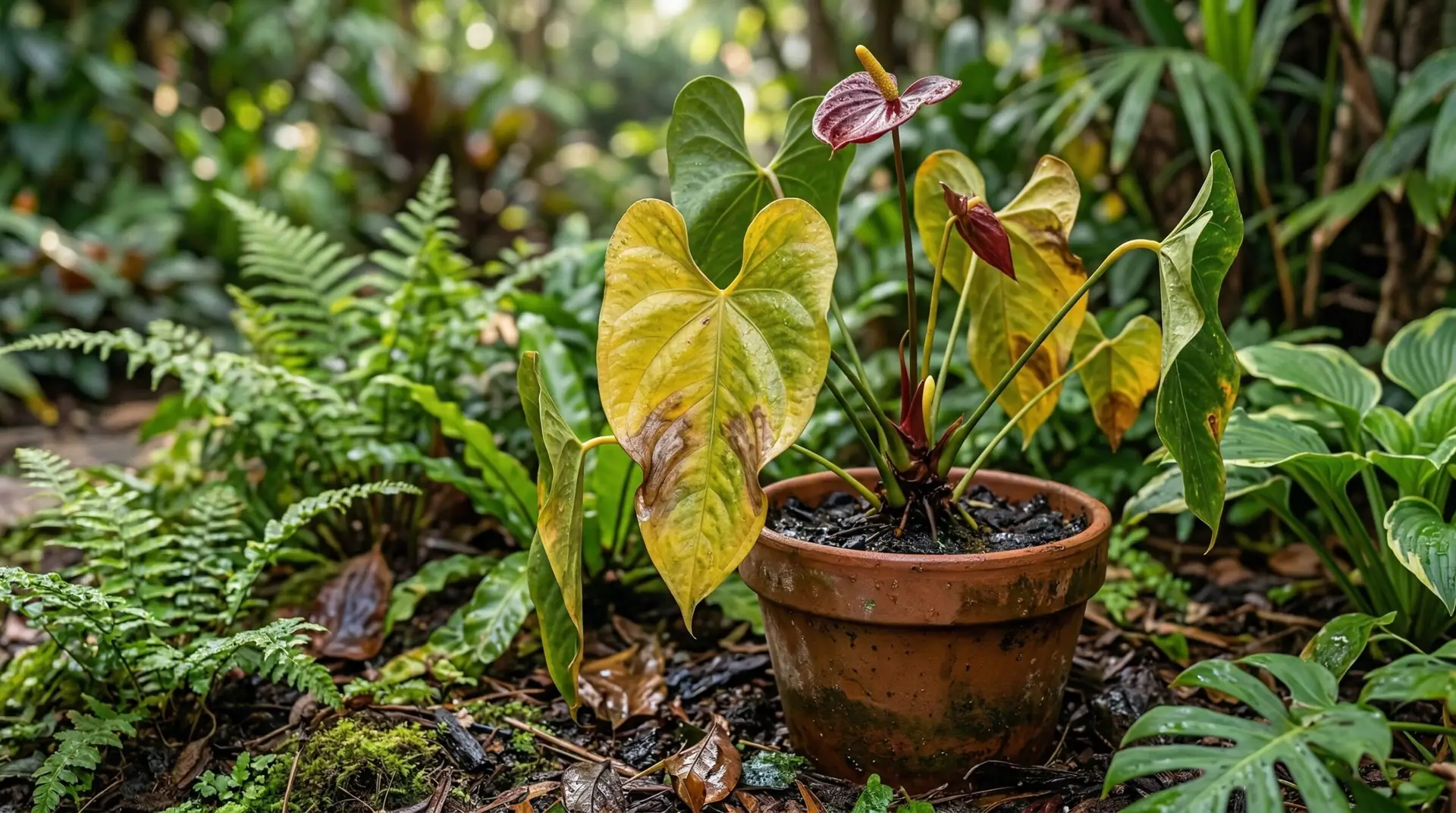
People bring anthuriums home because they want those glossy green leaves and bright waxy flowers, but within a few months, things often start going wrong. I see the same panic all the time when a plant owner notices the lower leaves turning a sickly yellow or developing ugly brown, crispy edges. You might assume the plant is dying and rush to drown it in water or fertilizer, which usually makes the situation worse. The truth is that anthurium leaves act like an early warning system, telling you exactly what is wrong with their environment if you know how to read the signs. Before you throw the plant out or start pouring chemicals into the soil, you need to step back and look at the whole picture. Most anthurium problems come down to basic care mismatches, and they are entirely fixable once you understand what the plant actually needs to survive in a typical home. Learning to read your plant takes a little practice, but it saves you from repeating the same expensive mistakes.
Contents 4 sections
Decoding yellow leaves and watering mistakes
When anthurium leaves turn yellow, your first instinct might be to reach for the watering can, but overwatering is actually the most common killer of these plants. If you see entire leaves turning a soft, pale yellow starting near the bottom of the plant, and the soil feels heavy or wet to the touch, you are dealing with waterlogged roots. Anthuriums are epiphytes in their native habitat, meaning they grow on trees rather than in dense soil, so their roots need air just as much as they need water. When you keep the potting mix constantly wet, the roots suffocate, rot sets in, and the plant drops leaves because it can no longer take up moisture or nutrients. The fix here is to pull the plant out of its pot, trim away any mushy or black roots with clean scissors, and repot it in a very chunky mix of orchid bark, perlite, and a little potting soil. If you have ever cared for a Moth Orchid, you already understand how these thick roots behave and why they demand excellent drainage to stay healthy. On the flip side, if the yellow leaves feel thin, dry, and papery, and the pot feels extremely light when you lift it, you have swung too far in the other direction and are underwatering the plant. To fix severe underwatering, you need to soak the entire pot in a bowl of room-temperature water for twenty minutes so the dried-out bark can actually absorb moisture again.
Fixing brown spots and crispy edges
Brown leaves tell a completely different story than yellow ones, and the exact location of the brown spots gives you the diagnosis. When you see large, bleached-looking brown patches right in the middle of the upper leaves, your plant is getting scorched by direct sunlight. People often place their anthuriums right against a south-facing window, assuming tropical plants want maximum sun, but these plants naturally grow under the shade of taller trees. You need to move the plant back a few feet from the glass or put a sheer curtain between the plant and the window to soften the light. If the brown parts are strictly along the very edges and tips of the leaves, and they feel brittle to the touch, you are usually dealing with a severe lack of humidity or a buildup of minerals in the soil. Homes with central heating or air conditioning pull a massive amount of moisture out of the air, causing the edges of thin tropical leaves to dry out faster than the roots can supply water. You can group your anthurium with other humidity-loving plants like a Begonia to create a small microclimate, or place the pot on a wide tray filled with pebbles and water. If humidity is not the issue, those crispy tips might be chemical burns from using tap water heavy in chlorine and salts, so switching to rainwater or distilled water for a few weeks will show you if the water quality was the culprit.
Addressing slow decline and nutrient issues
Sometimes the leaf damage is less dramatic but still frustrating, like when the leaves turn a pale, mottled green with darker veins, or the new growth comes in unusually small. When a plant pushes out stunted, pale growth while the old leaves slowly fade, it usually means a nutrient deficiency, and the fix is adjusting the soil conditions. Anthuriums are not heavy feeders, but if your plant has been sitting in the exact same soil for three years, it has exhausted every bit of available nutrition in that pot. The organic matter in the potting mix also breaks down over time, turning from a chunky, airy medium into a dense sludge that chokes the roots and traps fertilizer salts. You might be tempted to pour a heavy dose of liquid fertilizer over the plant to green it up quickly, but doing that to a stressed root system will only burn the remaining healthy roots. Instead, flush the pot thoroughly with plain water to wash away old salt buildup, wait a week, and then apply a heavily diluted, balanced houseplant fertilizer. If the soil has completely collapsed into a dense mud, skip the fertilizer entirely and repot the plant into fresh materials so it can actually access the food you give it.
Preventing future leaf problems
Fixing anthurium problems takes patience because damaged leaves will never turn green again, and you simply have to wait for the plant to push out healthy new growth. You should use clean, sharp scissors to cut off the entirely yellow or brown leaves at the base of their stems so the plant stops wasting energy trying to keep them alive. To prevent these issues from coming back, you need to establish a watering routine based on feeling the soil rather than following a strict calendar. Stick your finger about two inches down into the potting mix, and only add water when that top layer feels completely dry to the touch. Give the plant a thorough soaking until water runs freely out the bottom drainage holes, and then empty the saucer immediately so the pot never sits in a puddle. The single most useful piece of advice I can give anyone growing anthuriums is to treat them more like orchids than regular houseplants. When you focus on giving the roots plenty of air and keeping the light bright but gentle, the leaves will naturally stay glossy, green, and problem-free for years.
More About Anthurium
Anthurium versus peace lily and which tropical houseplant suits your home better
Anthurium flower meaning and why it is the perfect gift for lasting love
How to repot anthurium plants and when to know it is time for a bigger pot
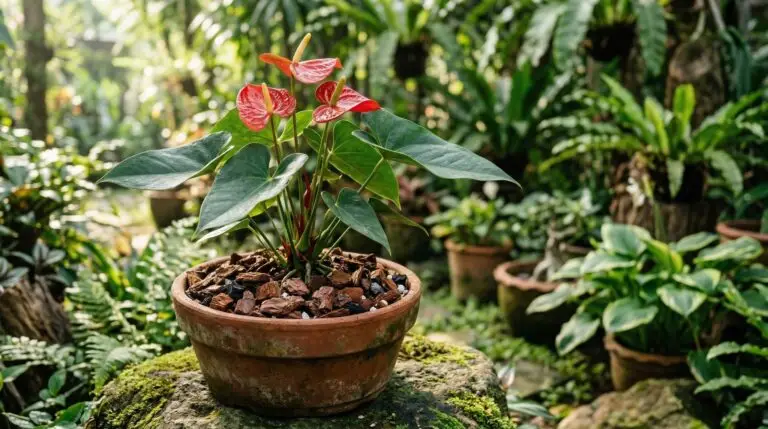
Best soil mix for anthurium plants that prevents root rot and promotes growth
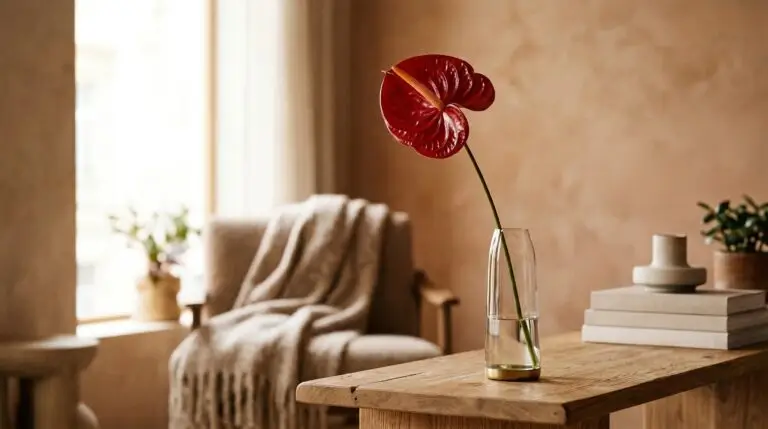
Using anthurium flowers in modern minimalist home decor and arrangements
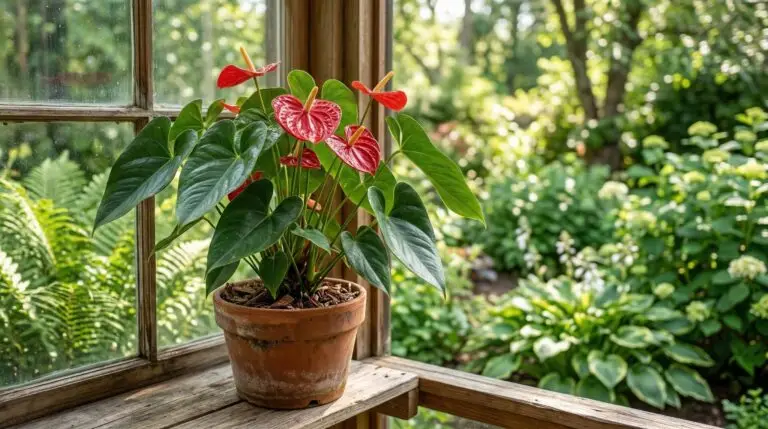
How to care for anthurium houseplants so they bloom all year long
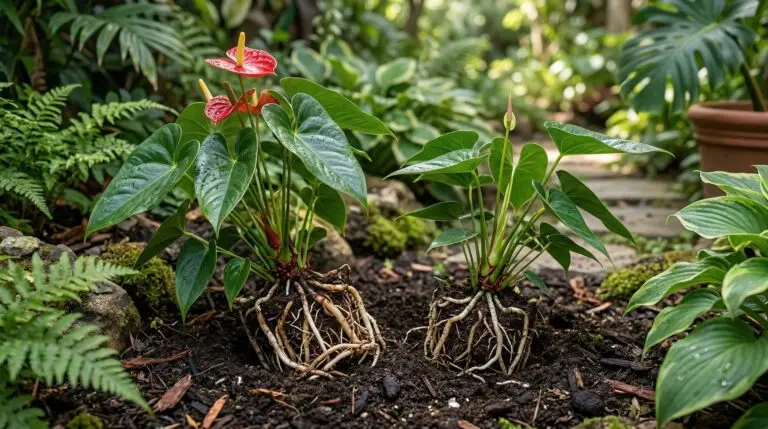
How to propagate anthurium by division and stem cuttings for more plants
How to increase humidity for anthurium plants without a greenhouse
Enjoying our flower guides? Add YourFlowersGuide as a preferred source on Google. It helps more readers find us.
Add to Preferred Sources