The pairing · pick a flower
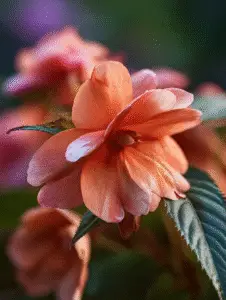 Busy Lizzie (Garden Impatiens)+
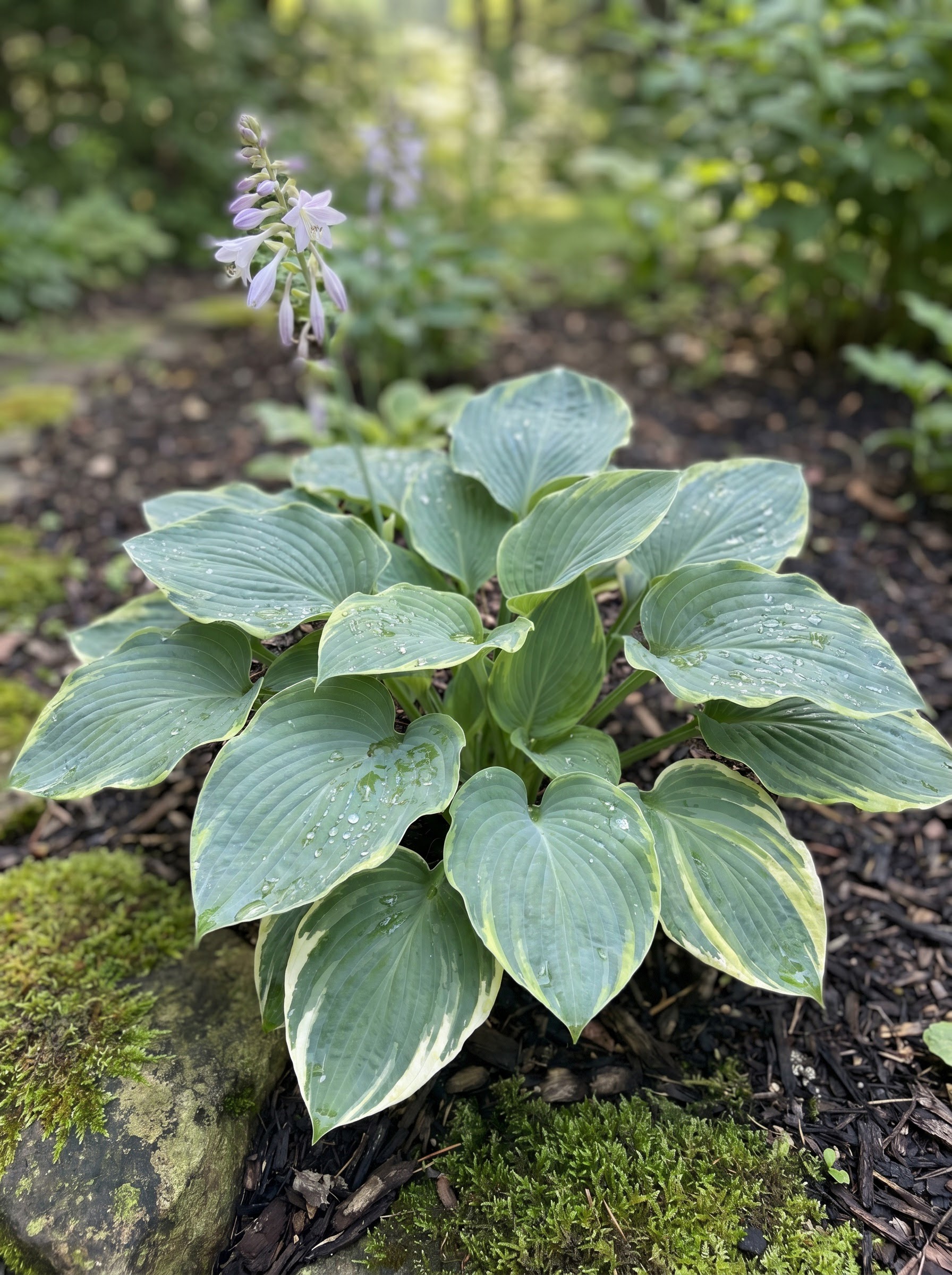 HostaProven
Broad, ribbed leaves give the strongest structural and textural contrast to impatiens' small, uniform mound, and both plants want the same shade, moisture and rich, organic soil.
Busy Lizzie (Garden Impatiens)+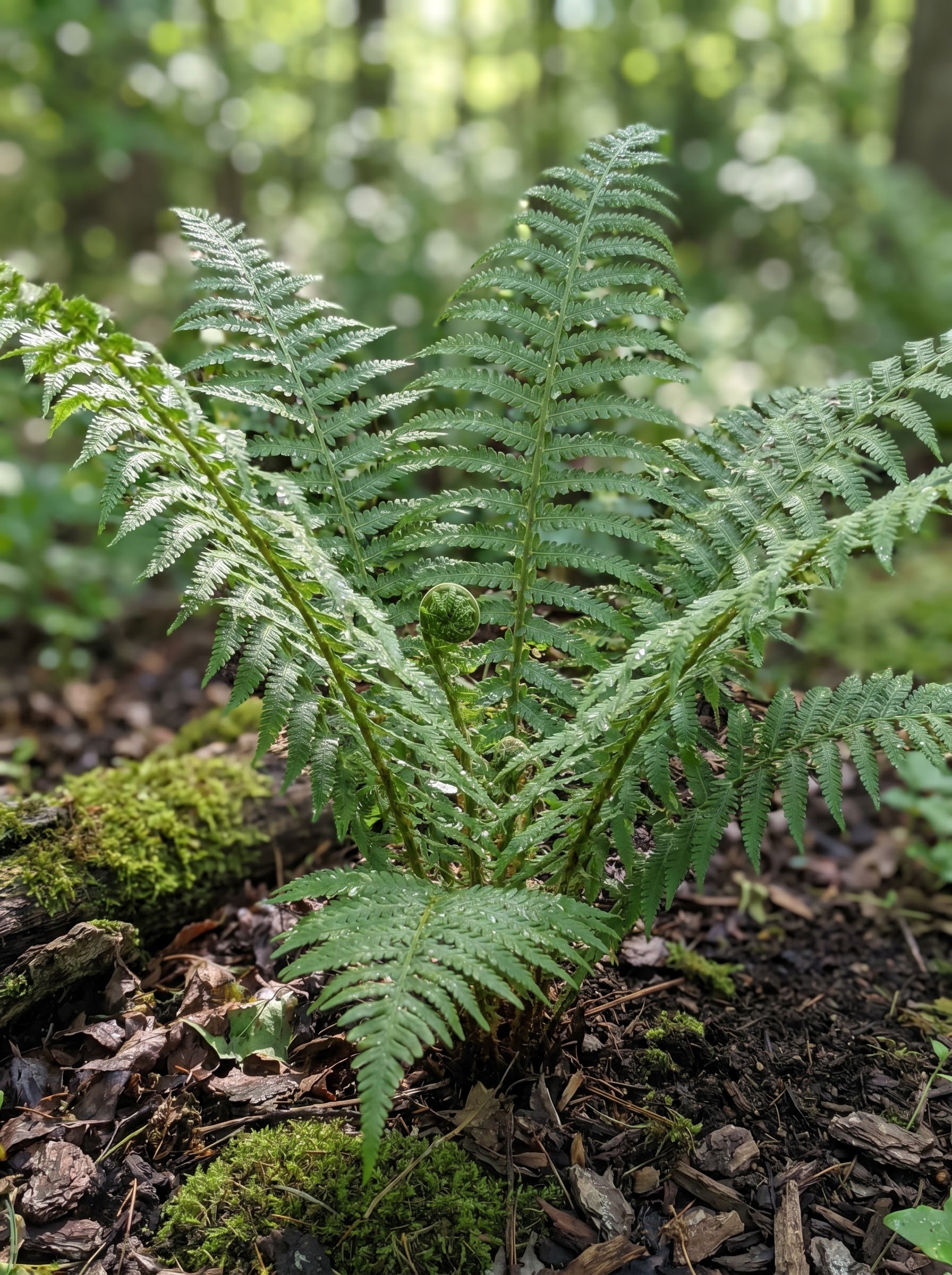 FernPartial
Fine, feathery fronds are the clearest textural foil to impatiens' simple round leaves, and ferns share the same deep shade and constant moisture without competing for light.
Busy Lizzie (Garden Impatiens)+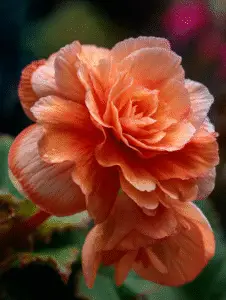 BegoniaProven
Wax begonia shares impatiens' shade tolerance, moisture needs and role as a color-forward bedding filler, and university extension lists it as a reliable alternative if downy mildew ever takes out impatiens for a season.
Busy Lizzie (Garden Impatiens)+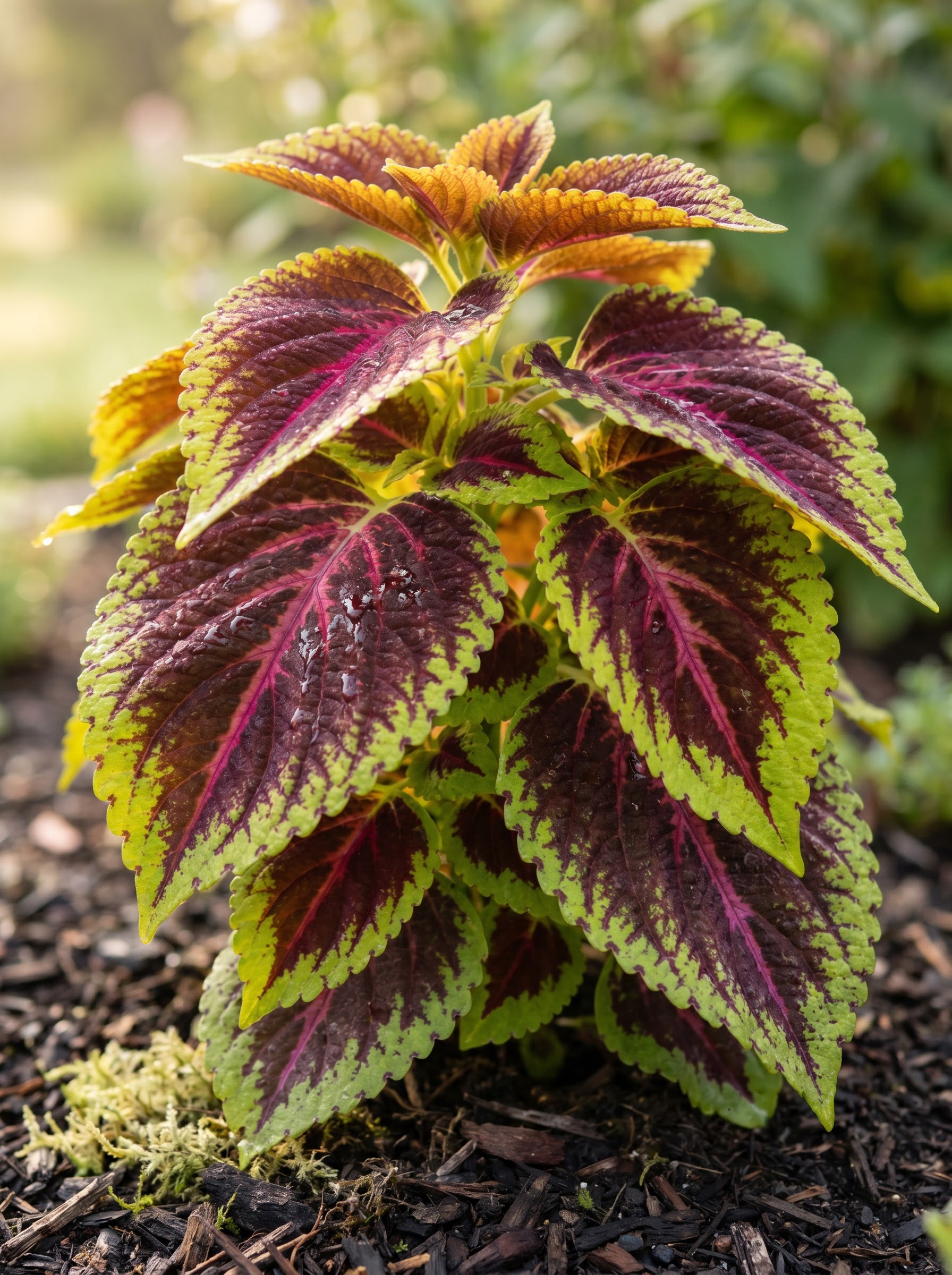 ColeusProven
Coleus tolerates the same shade-to-part-shade range and evenly moist soil as impatiens, and its patterned foliage supplies a completely different visual register than impatiens' bloom-forward look.
Busy Lizzie (Garden Impatiens)+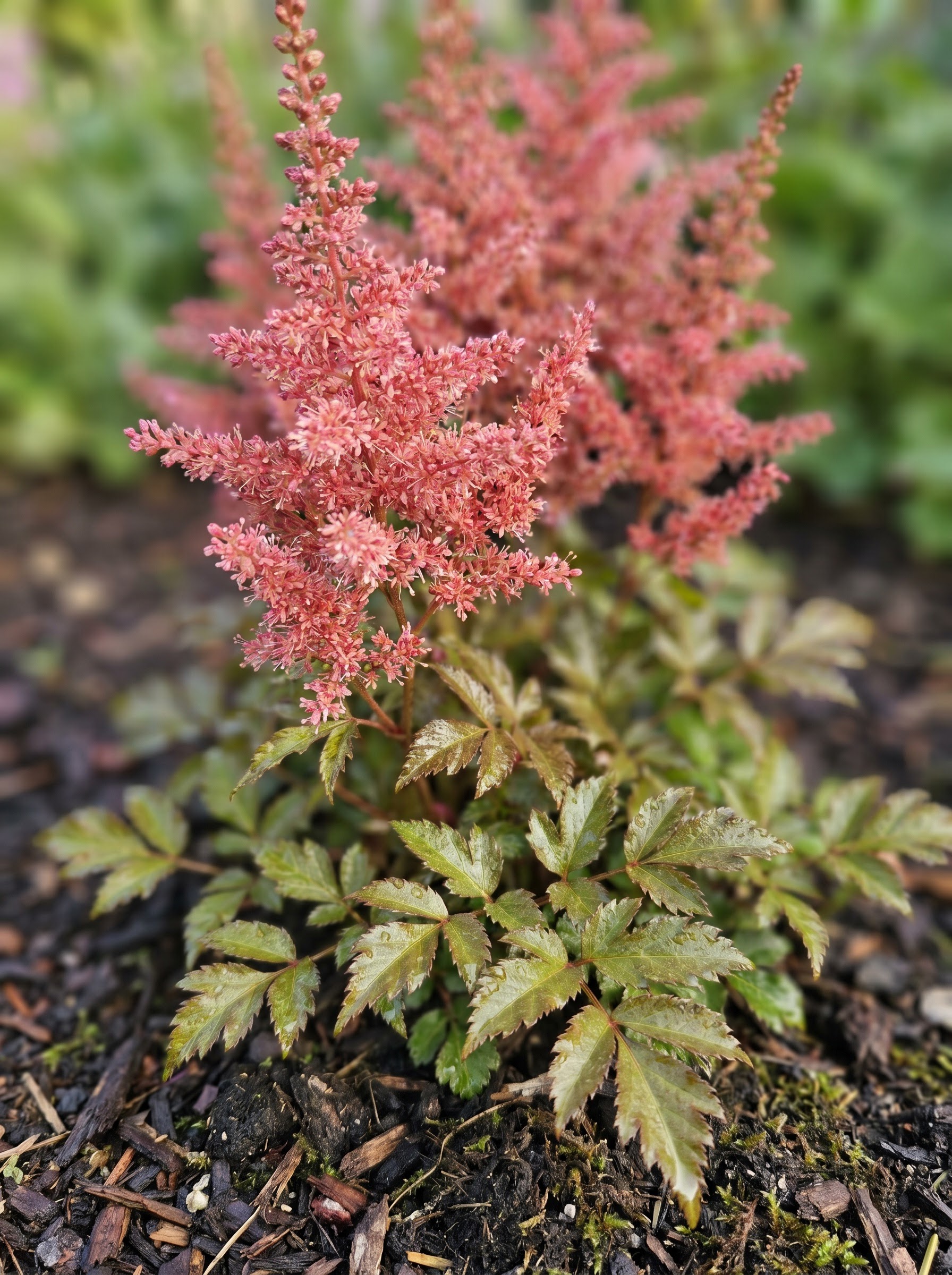 AstilbePartial
Astilbe needs the same fertile, moisture-rich soil impatiens does and browns quickly if that soil dries out, so it adds the upright plume impatiens' low mound lacks without asking for a different watering routine.
Busy Lizzie (Garden Impatiens)+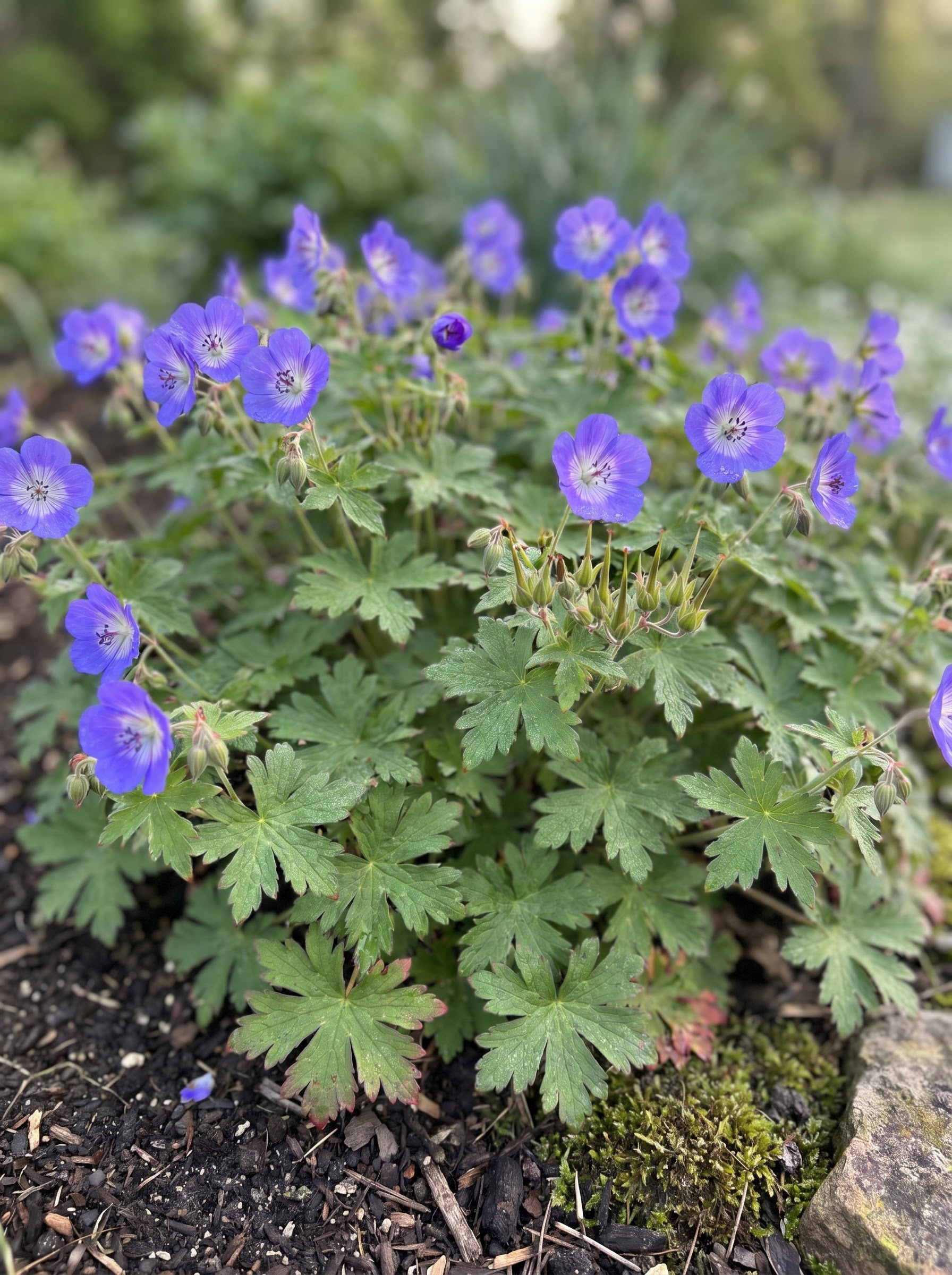 Hardy geraniumPartial
True hardy geranium, the perennial genus Geranium and not the sun-loving bedding Pelargonium sold under the same common name, tolerates part shade and moderate moisture well enough to knit around impatiens without a light mismatch.
Busy Lizzie (Garden Impatiens)+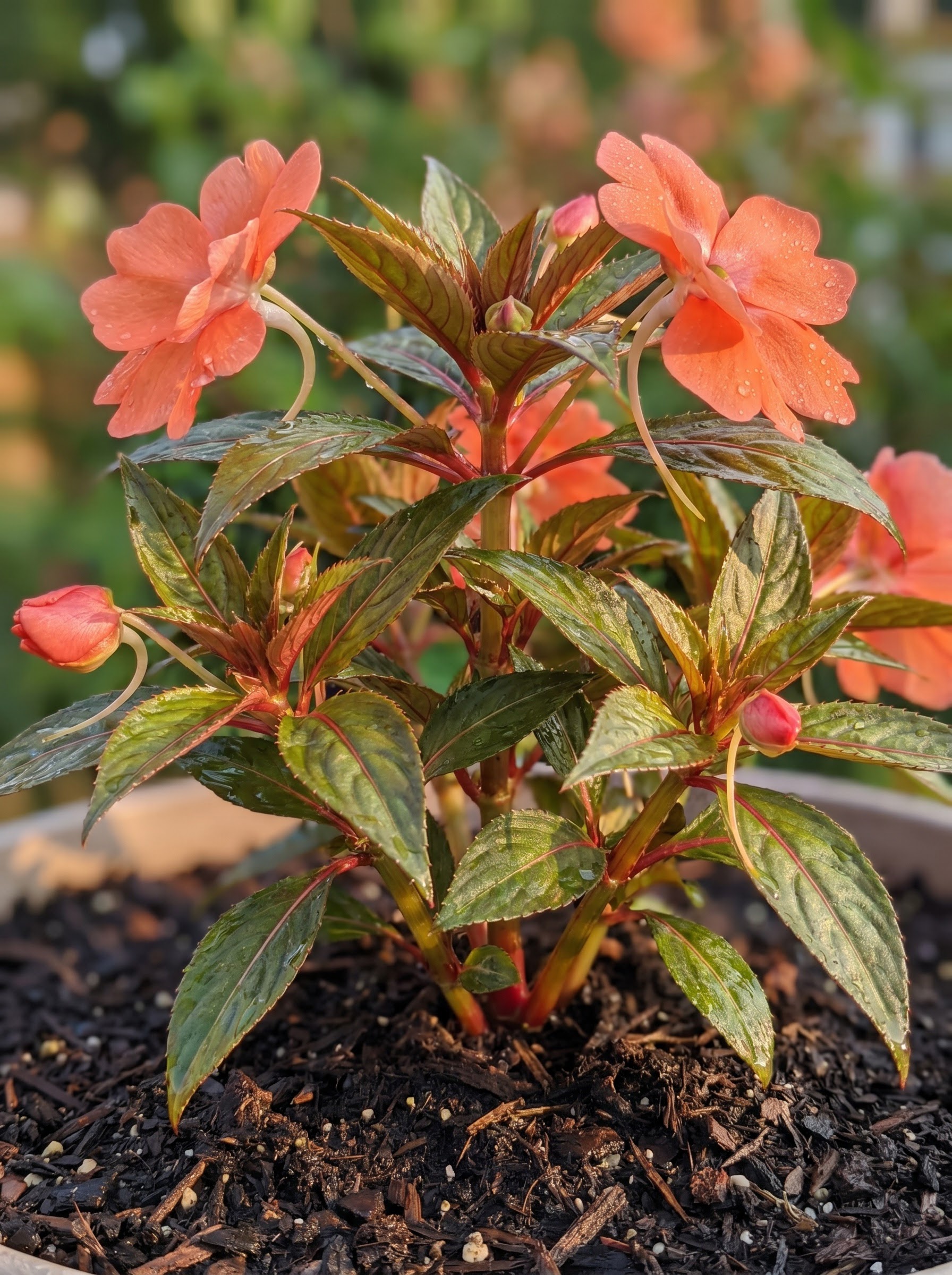 New GuineaProven
A closer relative than a true companion, New Guinea impatiens tolerates more sun and resists the downy mildew that only threatens walleriana types, making it a common substitute or thriller partner in mixed containers.
Busy Lizzie (Garden Impatiens)+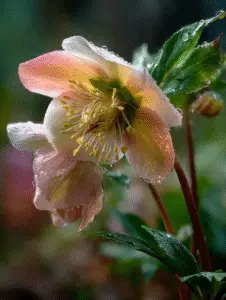 HelleborePartial
Hellebore blooms in late winter and early spring, well before impatiens is even planted for the season, and its evergreen foliage holds the bed's shape through the months impatiens is dormant or absent entirely.
Busy Lizzie (Garden Impatiens)+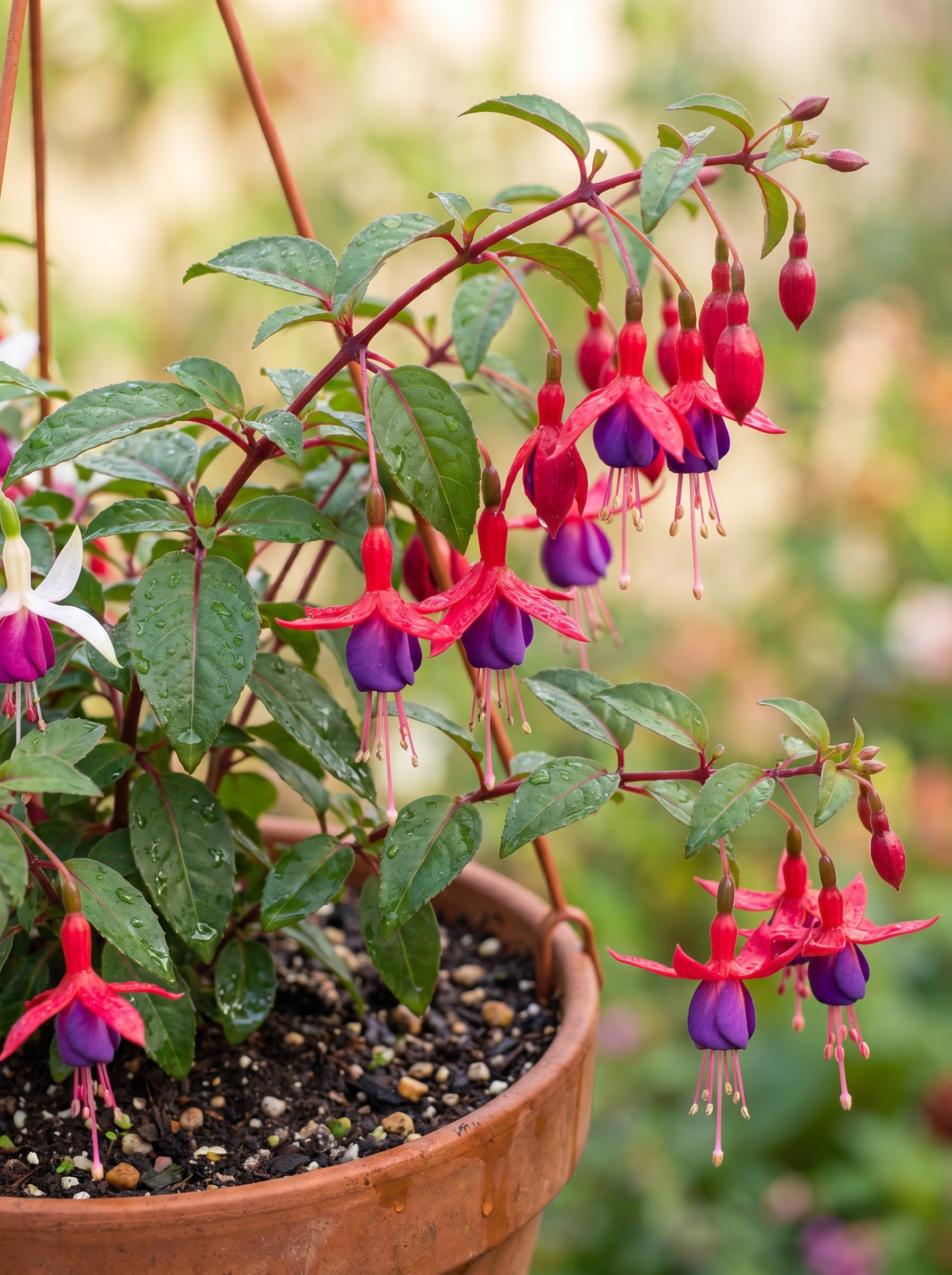 FuchsiaProven
Fuchsia shares impatiens' part-shade preference and constant-moisture need, and university extension names it specifically as a shade annual that performs well in the same hanging baskets impatiens fills.
Busy Lizzie (Garden Impatiens)+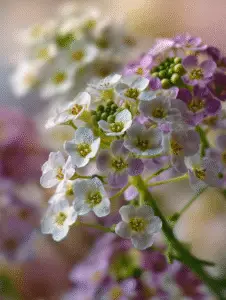 Sweet alyssumPartial
Sweet alyssum's own preferred range runs full sun to partial shade, brighter than the deep shade impatiens tolerates, so it earns its classic spiller role only at the brighter edge of a container, not tucked into the shadiest pocket.
All impatiens companions
10 flower companions, best match first
What not to plant near impatiens
Most bad neighbours are not evil, they just want the opposite light, water or root run. Here is what to keep away, and what to do instead.
Full-sun, dry-soil plants (lavender, rosemary, sage, Russian sage, most zonal Pelargonium 'geraniums')
These plants need 6 or more hours of direct sun and soil that dries between waterings; planted next to impatiens they turn leggy and thin in the shade while rotting in soil kept moist enough for impatiens to survive.
Aggressive mint-family spreaders (mint, oregano, catnip and relatives)
These herbs spread by rhizomes that colonize soil fast and shade out anything small nearby, and impatiens has a shallow, non-competitive root system with no way to push back against a running mint patch.
Oversized hosta cultivars planted directly against the crown
A large hosta cultivar spreading 3 to 4 ft can physically shade out and rain-shadow a low impatiens mound planted too close beneath its leaves, even though hosta is otherwise one of impatiens' best-matched companions.
The best companions for busy Lizzie, explained
Busy Lizzie asks for less than almost anything else in a shade bed, which is exactly why the plants beside it matter so much. It is a low, soft-leaved mound with no thorns, no height and no textural interest of its own, so every companion you choose is doing design work the impatiens can’t do for itself. Hosta earns the anchor spot for a reason independent sources keep repeating: its broad, ribbed leaves are the single strongest contrast available to impatiens’ small round foliage, and the two plants want identical shade, moisture and rich organic soil, so there is no siting tension to manage beyond keeping oversized cultivars a little further back. Fern fills the gap hosta leaves open, supplying fine, feathery texture where hosta is bold and impatiens is plain, and it asks for nothing impatiens isn’t already getting. Begonia deserves equal billing with hosta rather than a supporting role: it shares impatiens’ shade tolerance and moisture needs so closely that University of Illinois Extension lists it as a direct, reliable alternative for the years impatiens itself struggles, which says something about how tightly matched the two plants really are. Coleus brings a different kind of value again, trading impatiens’ bloom-forward color for foliage color and pattern that holds all season regardless of flowering, and astilbe adds the one thing this bed genuinely lacks on its own: an upright plume above the low mounds, grown in the same fertile, constantly moist soil impatiens needs, since astilbe is just as unforgiving of a dry spell and browns quickly once its soil dries out. None of this is decorative flattery. Every plant on this list either matches impatiens’ conditions outright or earns its place with a benefit specific enough to name, and the ranking above reflects how directly each pairing has been confirmed rather than how often it shows up on a plant tag.
What not to plant near busy Lizzie
The clearest mistake is a light and water mismatch, and it runs in both directions. Lavender, rosemary, sage, Russian sage and most of the sun-loving bedding plants sold as "geraniums" (technically Pelargonium, not the hardy perennial Geranium, a mix-up worth sorting out before you plant either one) all need six or more hours of direct sun and soil that dries out between waterings. Set any of them next to impatiens and you get a lose-lose: the sun lovers turn leggy and thin in the shade while rotting in soil kept damp enough to keep impatiens alive, and impatiens itself would need to be under-watered to suit them, which it tolerates badly. NC State Extension’s growing guide for rosemary describes the plant’s preference for dry, well-drained soil in full sun in terms that line up almost exactly opposite to impatiens’ own profile, and that gap is the whole mechanism: nothing exotic, just two plants asking for opposite resources in the same six square feet. A second, more specific risk comes from aggressive mint-family spreaders: mint, oregano, catnip and their relatives travel by rhizome fast enough to colonize open soil in a season, and impatiens has no defense against that. Its root system is shallow, fibrous and genuinely non-competitive, built to fill space quietly rather than fight for it, so a running mint patch will shade and crowd it out well before the impatiens has any chance to hold ground. The third case is subtler and worth stating honestly, because hosta is simultaneously one of impatiens’ best companions and, at the wrong scale, a hazard: a hosta cultivar spreading three to four feet across can physically shade and rain-shadow a low impatiens mound planted directly beneath its leaves. This is not a reason to avoid hosta, only a reason to match cultivar size to the space, or give a big one real clearance. What does not belong on this list, despite showing up on plenty of consumer roundups, is roses, petunias or marigolds "competing for nutrients" or "transferring fungal issues." Those claims read as manufactured filler once you know the one real disease fear specific to impatiens is genus-limited (see below), and petunias and marigolds are themselves widely recommended full-sun bedding partners elsewhere on this site, which contradicts any special nutrient-competition story tied to impatiens alone. If those plants clash with impatiens at all, it is the same sun-mismatch mechanism above, not a separate mechanism worth its own warning.
Do they like the same conditions?
Impatiens walleriana wants part shade to full shade, with two to four hours of filtered morning sun and afternoon shade sitting at the exact center of its comfort zone. NC State Extension’s plant profile is specific that the species "may grow in partly sunny areas when they have adequate water, but too much sun may scorch the leaves," which is a narrower tolerance than most other shade companion flowers on this site carry, so when in doubt, err toward the deeper end of shade rather than the sunnier end of "part shade." Water follows the same logic in reverse: the soil needs to stay consistently moist without ever sitting wet, because impatiens wilts visibly within hours of drying out and rebounds just as fast once watered, yet overwatering or poor drainage causes rot on the same short timescale. That double requirement, moisture-retentive and well-drained at once, is why organic-matter-rich soil gets emphasized so consistently in extension guidance: compost does the job neither straight garden loam nor straight sand can do alone. Soil pH runs slightly acidic, though the exact figure is not treated as a hard gate the way it is for an acid-obligate plant like azalea, so a companion that prefers neutral soil is not automatically disqualified. The genuinely honest myth to bust here concerns disease, not soil chemistry. Gardeners who remember impatiens walleriana’s well-documented downy mildew collapse in the early 2010s, which briefly pushed the plant out of nursery inventory across parts of the US and Canada, sometimes worry that planting anything near a spot where impatiens struggled will "catch" or "spread" the disease. Iowa State University Extension answers this directly: the pathogen, a species-specific water mold, infects only Impatiens species and their hybrids, and its FAQ states plainly that "no other annuals are infected by this pathogen." Hosta, fern, begonia, coleus and every other companion on this page are entirely outside its reach. The disease does matter for replanting impatiens itself in the same soil the following year, since spores can overwinter there, but it has zero bearing on which companions you choose now.
How to plant them together
Start with the tallest or broadest companion and work down, since impatiens’ own six-to-twelve-inch mound reads best as the low layer in a border rather than the anchor. Place hosta or astilbe first, giving small-to-medium hosta cultivars twelve to eighteen inches of clearance and reserving eighteen to twenty-four inches for anything larger, then tuck ferns in as a backdrop where their fronds won’t be crowded out by broader leaves. Begonia and coleus can go in almost anywhere impatiens itself would go, since both share its size, its shade tolerance and its non-aggressive habit closely enough that the three can be freely interplanted for color variation without any spacing gymnastics. Hellebore is worth planting a season ahead of the others if you’re starting a bed from scratch, since it blooms in late winter and early spring before impatiens is even in the ground for the year, and its evergreen foliage holds the bed’s shape through the entire stretch impatiens is absent. In containers, the thriller-filler-spiller framework maps onto impatiens more literally than onto most flowers, because impatiens usually plays filler rather than thriller. New Guinea impatiens, which tolerates more sun and resists the same downy mildew that only threatens walleriana types, works well as the taller centerpiece, or fuchsia can take that role in a hanging basket where both plants want the same part shade and constant moisture. Sweet alyssum makes a classic spiller at a container’s edge, but give it the brightest side of the pot rather than the deepest shade, since its own preferred range runs full sun to partial shade, brighter than impatiens’ comfort zone. Water the whole grouping as a unit rather than by individual plant, since a shared watering rhythm only works if every companion in the pot or bed genuinely wants the same moisture, which is the entire premise behind matching on impatiens’ conditions in the first place.
Does companion planting actually work for busy Lizzie?
Some of it, yes, with real mechanism behind it. The shade-and-moisture match between impatiens, hosta, fern, begonia and astilbe is not folklore dressed up as science: every one of those plants is independently confirmed by university extension sources to want the same light, the same water and the same rich, well-drained soil impatiens needs, and matching conditions this closely is the single most reliable predictor of a bed that thrives without babying. The disease-safety fact is even more solidly proven than the design pairings, since it comes from a direct extension FAQ answering the exact question gardeners ask. Where the evidence gets thinner is the design-only reasoning: fern’s textural contrast with impatiens, or coleus’s color-echo role, are real and useful ideas, but they’re aesthetic judgments confirmed by repeated, independent sourcing rather than a measured horticultural benefit like pollination or pest suppression. That distinction matters here more than on most companion pages, because impatiens itself contributes no pollinator or pest-management value to a pairing. It is a design flower first, and its companion logic is honestly a design logic: hosta and fern give it structure it lacks, and impatiens gives them color they lack. Nothing on this page claims impatiens repels pests, fixes soil or does anything beyond look good beside the right neighbor, and that plain description is more useful than an inflated one.
FAQ
What can I plant in front of busy Lizzie?
Very little needs to go in front of it, since impatiens is already one of the lowest plants in a typical shade border and functions as its own front edge. If you want something even lower or trailing, sweet alyssum works at a container’s bright edge, though in a ground bed impatiens itself usually is the front layer.
What should you not plant near impatiens?
Avoid full-sun, dry-soil plants like lavender, rosemary and sage, which clash on both light and water, and keep aggressive mint-family spreaders like mint and oregano well away, since impatiens’ shallow, non-competitive roots have no defense against a running patch. Oversized hosta cultivars planted directly against the crown are a spacing risk worth respecting too.
Is it safe to plant impatiens again after downy mildew wiped it out in my area?
Yes, as far as your other plants are concerned. The pathogen that causes impatiens downy mildew infects only Impatiens species, per Iowa State University Extension, so hosta, fern, begonia and coleus were never at risk and aren’t now. The only real caution applies to replanting impatiens itself in the exact same soil, since spores can overwinter there.
What’s the difference between regular impatiens and New Guinea impatiens for companion planting?
Regular impatiens walleriana needs true shade and is more vulnerable to downy mildew, while New Guinea impatiens (Impatiens hawkeri) tolerates meaningfully more sun and resists that disease. That makes New Guinea types a better fit for a brighter spot or as a sturdier substitute where walleriana has struggled before.
Can I plant impatiens with hardy geraniums?
Yes, but confirm the plant tag says Geranium and not Pelargonium first. True hardy geranium tolerates part shade well enough to sit beside impatiens, while the sun-loving bedding plant commonly sold under the same "geranium" name is botanically a Pelargonium and wants the opposite conditions entirely.
Sources
- Which plants are susceptible to impatiens downy mildew? (Iowa State University Extension)
- Impatiens walleriana (NC State Extension Gardener Plant Toolbox)
- Impatiens hawkeri, New Guinea Impatiens (NC State Extension Gardener Plant Toolbox)
- Going Beyond Impatiens for the Shade (University of Illinois Extension)
- All About Hostas (Iowa State University Extension)
- Osmunda claytoniana, Interrupted Fern (NC State Extension Gardener Plant Toolbox)
- Salvia rosmarinus, Rosemary (NC State Extension Gardener Plant Toolbox)
- Growing Astilbe in Iowa (Iowa State University Extension)
- Geranium maculatum, Wild Geranium (NC State Extension Gardener Plant Toolbox)
- Lobularia maritima, Sweet Alyssum (NC State Extension Gardener Plant Toolbox)
More About Impatiens
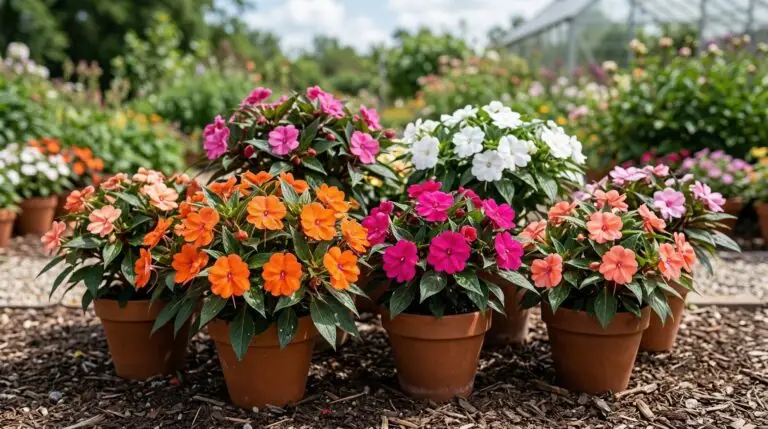
SunPatiens versus regular impatiens and which one handles sun and heat
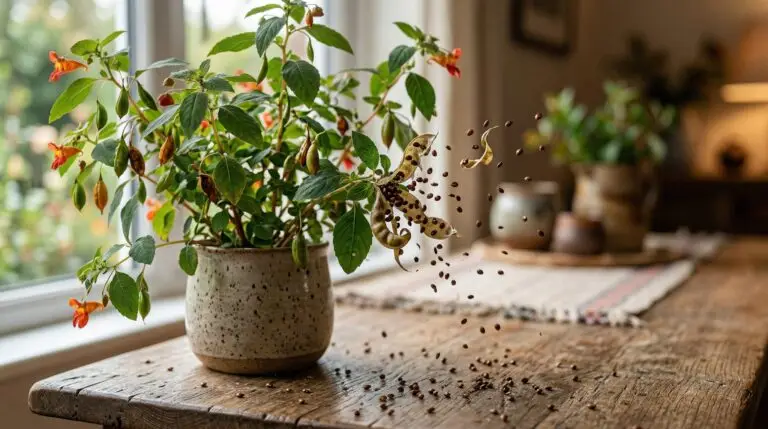
How impatiens seed pods explode and the fun of growing touch-me-nots from seed
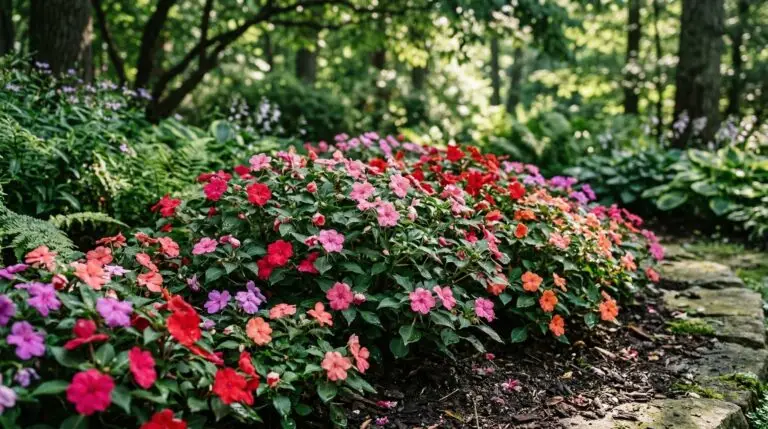
How to grow impatiens for non-stop color in shady spots where nothing else blooms

Mass planting impatiens for dramatic sweeps of color under trees and along walkways
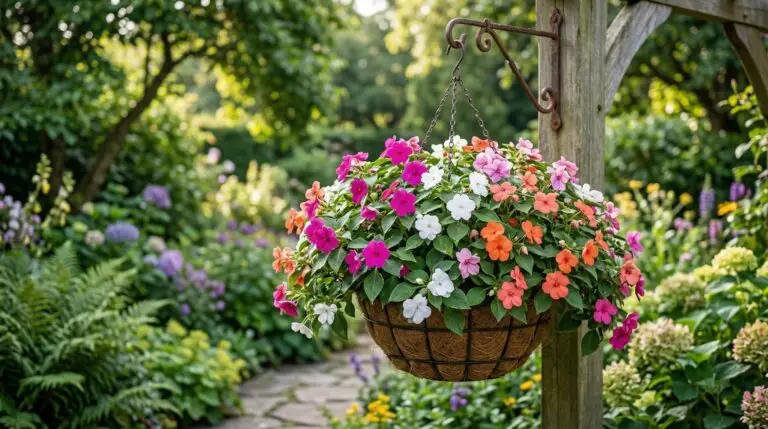
Growing impatiens in hanging baskets for cascading color on porches and patios
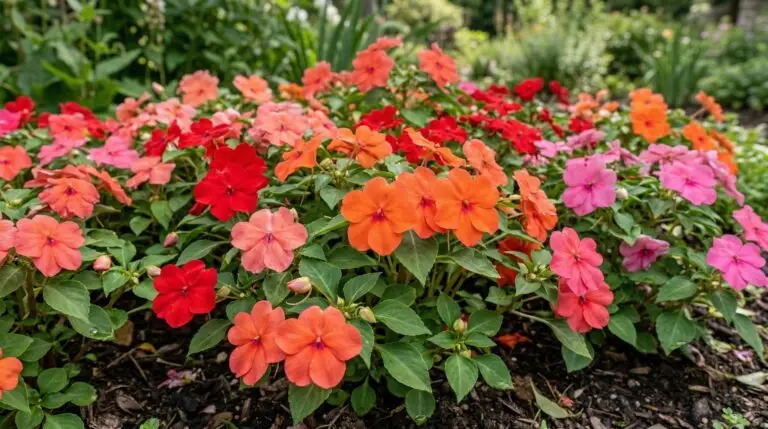
Best impatiens varieties from classic walleriana to exotic New Guinea hybrids
New Guinea impatiens for bigger bolder flowers with colorful foliage in partial shade
Impatiens downy mildew disease and the new resistant varieties that saved this flower
Double impatiens that look like tiny roses for an unexpected twist in shade gardens