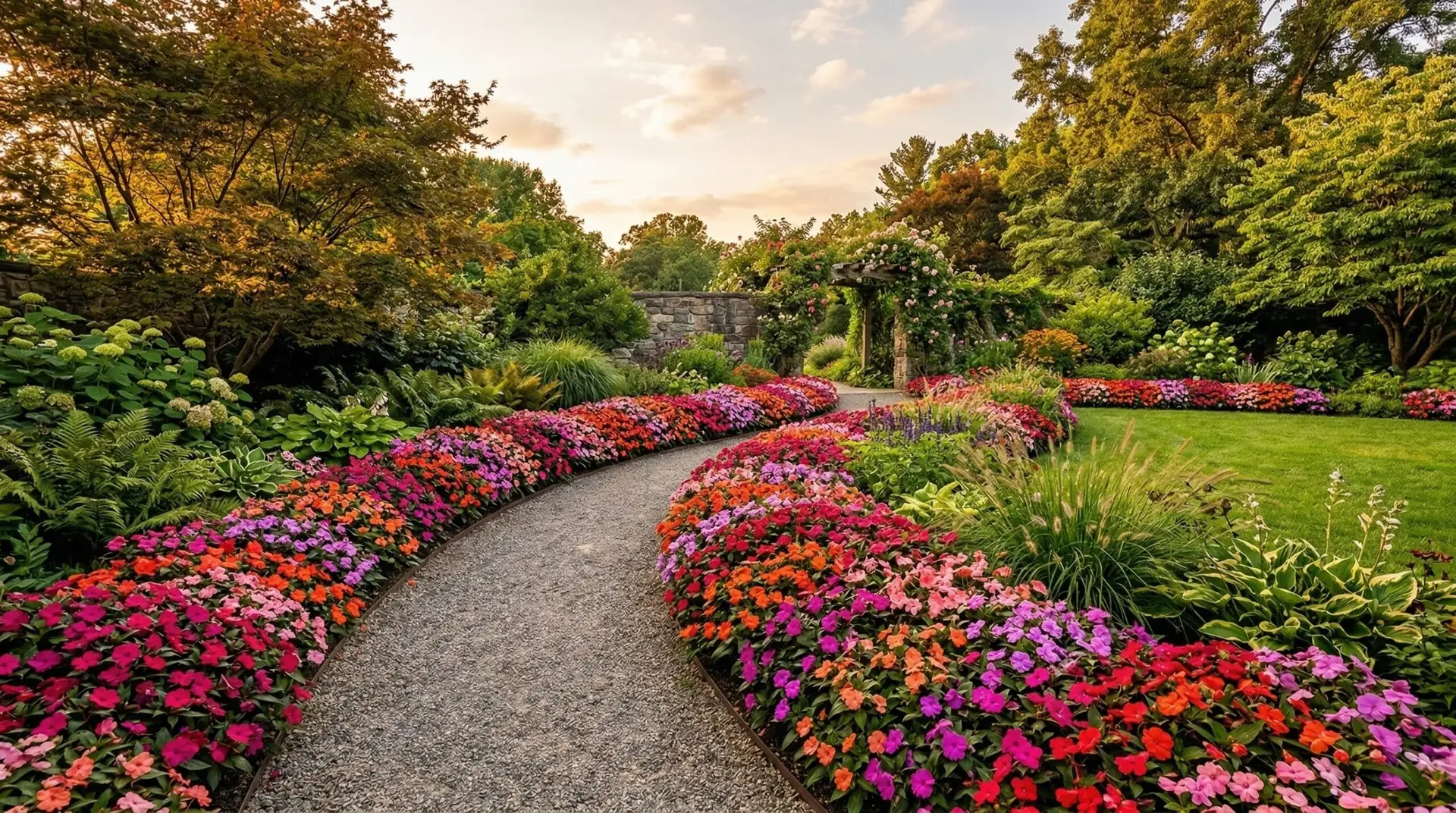
Long before the soil is warm enough to dig, the bare ground under mature trees invites a quiet kind of planning. In late winter, the garden is a study in gray and brown wood. You walk along the dormant paths and look at the empty spaces where the shadows will soon be deepest. This is the time to visualize an impatiens mass planting. When you plant impatiens in sweeping, single-color drifts, they bring light to the darkest corners of the yard. A solid block of white or pale pink flowers will define a space much better than a chaotic mix of different colors. You can almost see the bright swaths of blooms hugging the curves of the walkways while the snow is still melting into the mud.
Contents 5 sections
Preparing the ground as the earth thaws
As the spring thaw arrives, the smell of damp earth fills the air and signals the start of the physical work. The trees above are just beginning to show swollen buds at the tips of their branches. You must rake away the matted layer of last year’s fallen leaves to expose the soil below. Growing impatiens under trees requires rich, loose soil to support their shallow root systems. Working a thick layer of compost into the top few inches of dirt gives them the foundation they require. The air remains sharp and cold, but the physical labor of turning the soil keeps you warm. You are setting the stage for the summer display long before the frost has truly left the region.
The wait for the right planting temperature requires a steady sort of patience. When you hear the spring peepers calling from the wet woods at night, you know the season is shifting. However, you cannot rush impatiens into the cold ground. If you plant them too early, the chilly soil will stunt their growth and turn their leaves a sickly yellow. You must wait until the night temperatures stay reliably above fifty degrees.
Spacing and planting the summer drifts
The day of planting usually arrives in mid-spring when the oak leaves are the size of a mouse’s ear. You bring out the flats of young plants and set them along the edges of the prepared beds. Creating a true impatiens landscape requires a specific approach to spacing. You need to place each small plant about ten to twelve inches apart. This spacing looks entirely too wide when the plants are young and fragile. You might be tempted to crowd them together to get immediate color. Trust the process and give them the room they need to stretch their roots. If you want a different texture in the shade, you might mix in a begonia or two, but a pure sweep of impatiens provides a singular, unbroken visual impact.
Once the plants are in the ground, the bed looks mostly like bare dirt dotted with small green tufts. The stems are translucent and easily bruised by rough handling. You water them in gently, using a soft spray to settle the compost around their delicate roots. The canopy overhead is now pushing out its foliage, casting a dappled, moving shadow over the new bed. The plants will spend their first few weeks simply anchoring themselves in the dark earth. You watch them closely during this time, checking the soil moisture with your bare hands.
As late spring gives way to early summer, the environment under the trees changes completely. The canopy closes overhead, creating a deep and permanent shade. The soil holds moisture differently now, protected from the direct, baking rays of the sun. The impatiens respond to the rising heat and the gentle, filtered light by pushing out rapid new growth.
The canopy closes and the plants unite
By midsummer, the stems have thickened and the first buds appear as tight green balls. The empty spaces between the individual plants begin to disappear entirely. The leaves reach out and touch, forming a continuous green carpet over the soil. This is the exact moment a mass planting starts to work its magic. The individual plants lose their distinct shapes and become a single living organism flowing along the ground. Their roots are now deeply established in the compost-rich earth. They drink up the summer humidity and transform it into heavy, fleshy foliage.
Then comes the explosion of bloom that lasts for months. Sweeps of pure white or soft salmon flowers light up the heavy shade beneath the oaks and maples. The visual impact of a single-color drift creates a calm, unified look that guides the eye along a shady path. The monoculture works perfectly here, turning a difficult, dark growing space into a river of soft color. Sometimes, where the shade breaks at the very edge of the path, you might plant a border of sweet alyssum to catch the morning sun. In the deep shadows, though, the impatiens rule the space completely. They open new flowers every day, creating an unbroken sheet of color.
The rhythm of the late summer garden
The rhythm of late summer care settles into a predictable, quiet routine. You water the beds deeply during dry spells, standing in the shade while the hose runs. The smell of wet earth and bruised stems rises up in the heavy August air. The plants are often knee-high by this point, forming a solid, impenetrable block of foliage and flowers. They drop their spent petals continually, making a soft, colorful mulch on the dark soil below. Walking past them in the early morning, you see the heavy dew clinging to the edges of their flat green leaves.
Eventually, the subtle shift in the autumn light signals the beginning of the end. The shadows grow longer and deeper by mid-afternoon. The crickets start their slow, rhythmic song in the fading warmth of the evening. The impatiens continue blooming heavily, almost frantically, as the nights begin to cool down.
The final frost and the resting earth
The arrival of autumn brings a different kind of beauty to the shade garden. Dry leaves from the trees above begin to drift down, landing softly on the bright impatiens flowers. The contrast of the brown, brittle oak leaves against the soft, watery stems of the flowers marks the changing of the season. The days grow noticeably shorter, and the angle of the sun drops lower in the sky. The plants slow their growth, putting out fewer new buds as the soil temperature begins to drop. You know their time is limited, so you appreciate the remaining sweeps of color even more.
The end always comes suddenly with the first hard frost of the year. You wake up to a heavy white rime on the grass, and by noon, the physical change in the shade bed is absolute. The water-filled stems of the impatiens turn translucent, freeze, and then collapse entirely into a dark, ruined mass. The season of color is officially over. You pull the blackened plants from the loose soil and carry them to the compost pile. The ground under the trees is bare once again, soon to be covered by a thick blanket of falling autumn leaves. The roots below the surface are quiet, and the earth rests, holding the memory of the summer and waiting for the cycle to begin again.
More About Impatiens
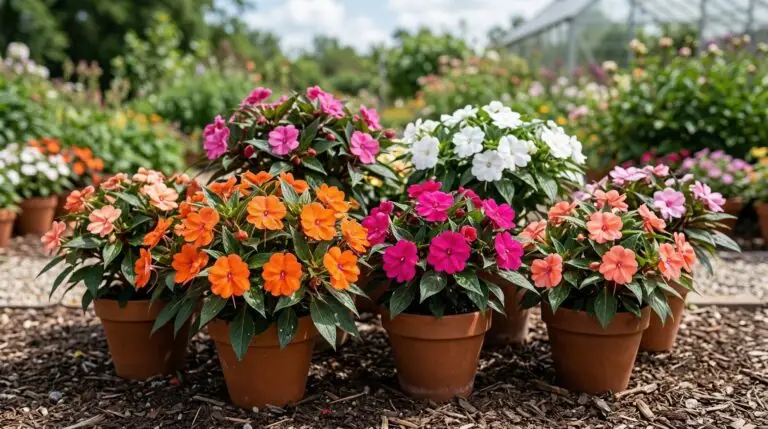
SunPatiens versus regular impatiens and which one handles sun and heat
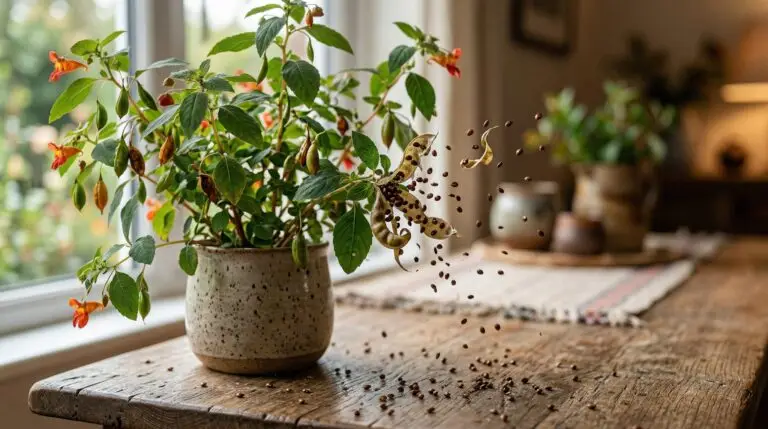
How impatiens seed pods explode and the fun of growing touch-me-nots from seed
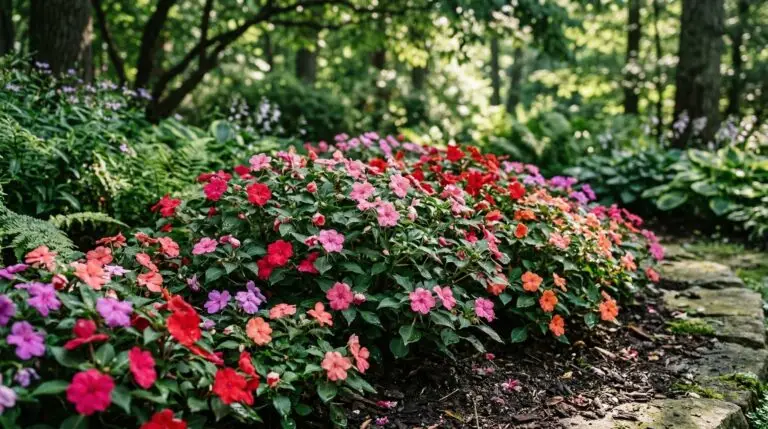
How to grow impatiens for non-stop color in shady spots where nothing else blooms
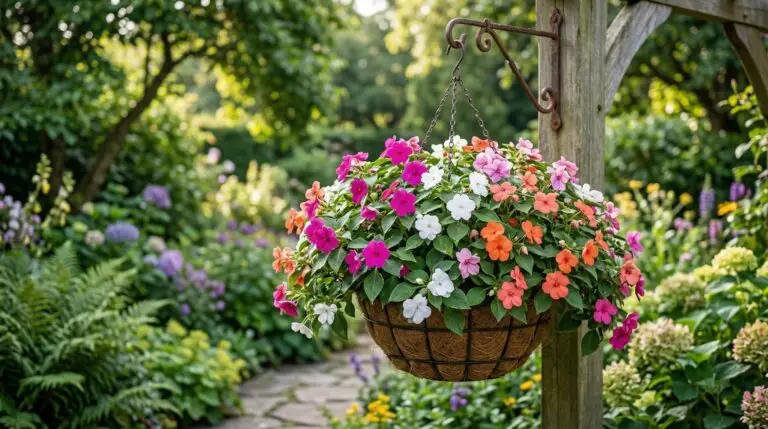
Growing impatiens in hanging baskets for cascading color on porches and patios
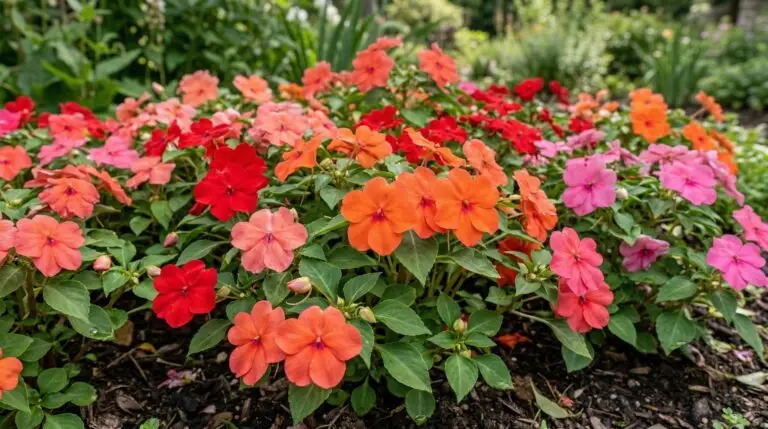
Best impatiens varieties from classic walleriana to exotic New Guinea hybrids
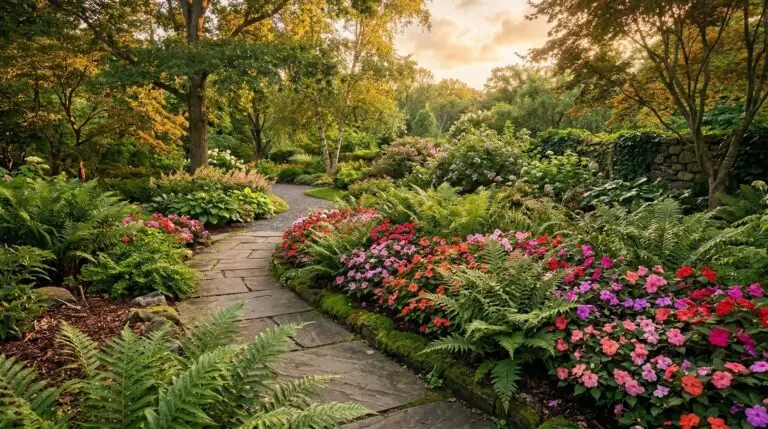
Companion plants for impatiens: what to grow, what to avoid
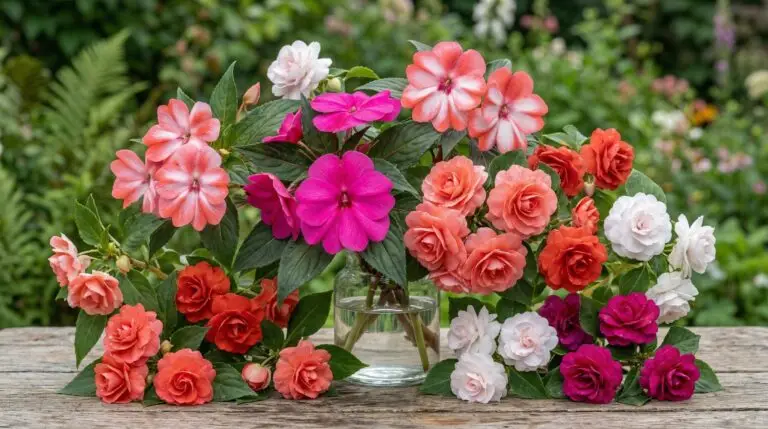
New Guinea impatiens for bigger bolder flowers with colorful foliage in partial shade
Impatiens downy mildew disease and the new resistant varieties that saved this flower
Double impatiens that look like tiny roses for an unexpected twist in shade gardens
Enjoying our flower guides? Add YourFlowersGuide as a preferred source on Google. It helps more readers find us.
Add to Preferred Sources