Taxonomy and origin
Genus: Campanula. Family: Campanulaceae. The genus includes roughly 300 species native to the temperate Northern Hemisphere, with the center of diversity in Europe and the Mediterranean region. Natural habitats span alpine screes, rocky walls, meadows, open woodlands, and steppe like grasslands. The botanical name derives from the Latin for little bell, a reference to the characteristic corolla shape. Many garden favorites were selected from European species, while a few North American wildflowers such as Campanula rotundifolia, known as harebell, also find their way into gardens. Cultivars and seed strains expand the palette with compact habits, larger flowers, and extended bloom. Knowing the original habitat helps guide placement. Alpine and Dalmatian types favor excellent drainage, while tall border species appreciate deeper soils and even moisture.
Bloom time
Most campanulas flower from late spring to mid summer, typically May to July depending on climate and elevation. Deadheading after the first flush can prompt a lighter repeat through late summer. Biennial forms like Canterbury bells concentrate their show in early summer of the second year. In hotter regions, bloom may be earlier and briefer, while in cooler northern gardens the display can last longer. Planting in morning sun and afternoon shade helps prolong color where summers run warm. A balanced fertilizer in early spring and steady moisture during bud formation support abundant blossoms. Avoid heavy nitrogen late in the season which encourages soft growth at the expense of flowers.
Height and spread
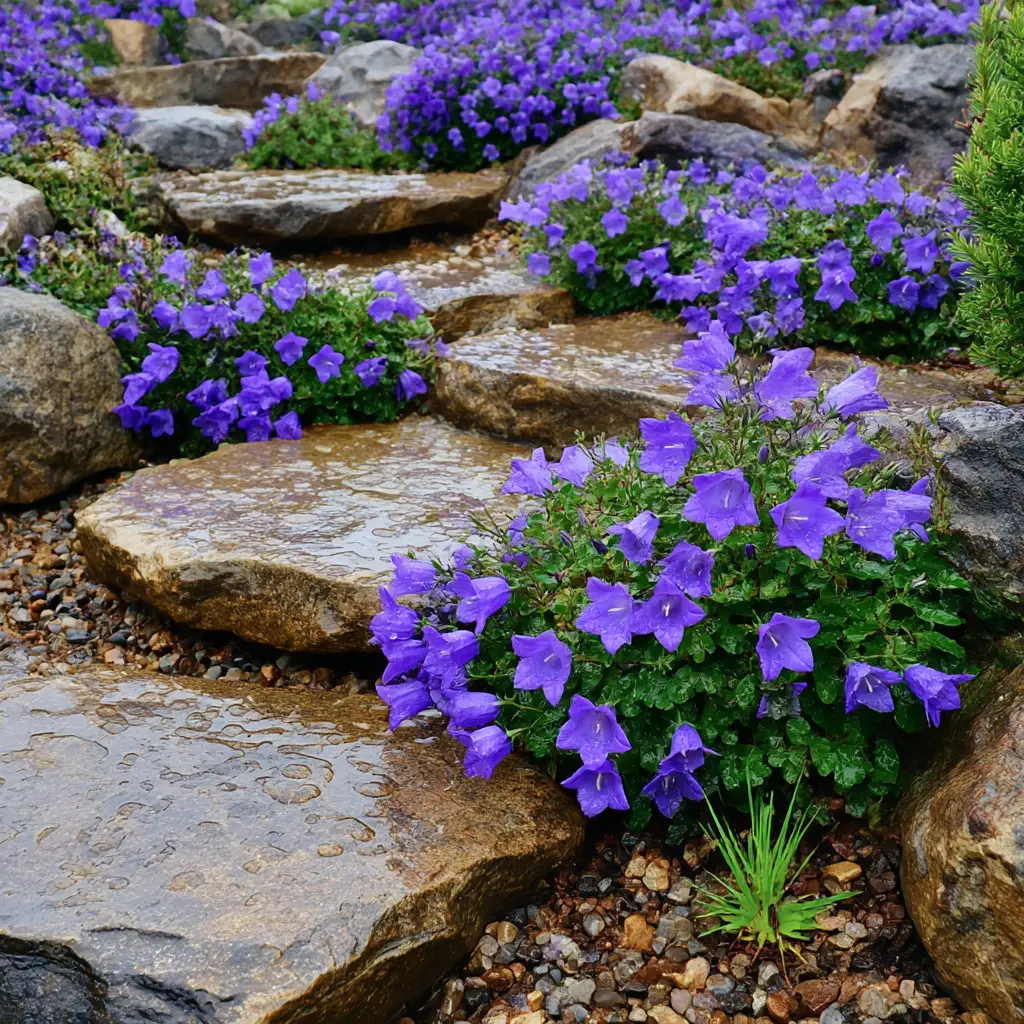
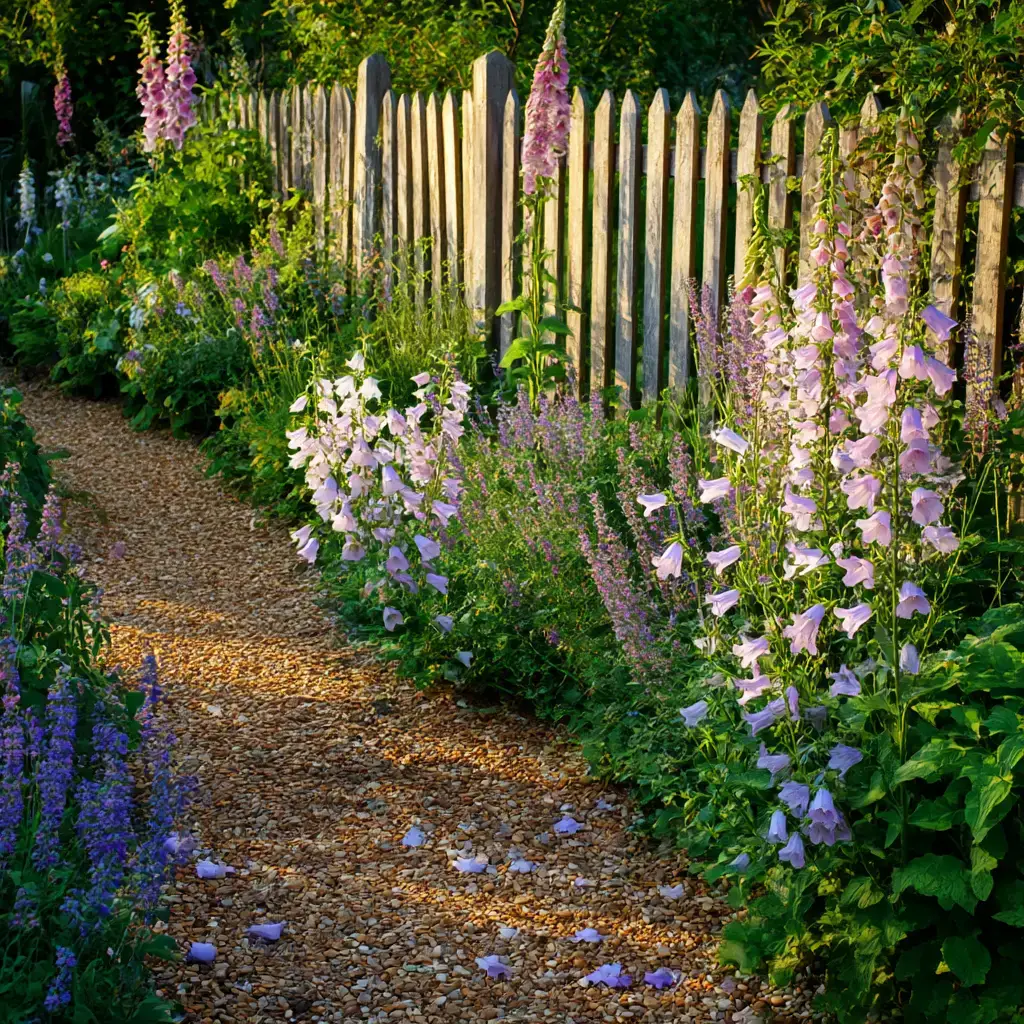
Sizes vary widely by species and cultivar. Rock garden and edging types such as Campanula carpatica form tidy cushions four to eight inches tall with a spread of eight to twelve inches. Spreading Dalmatian forms like Campanula portenschlagiana and C. poscharskyana creep ten to fifteen inches wide while keeping a low four to six inch profile. Upright border species including Campanula persicifolia and C. lactiflora grow two to four feet tall with a spread of twelve to twenty four inches, creating vertical accents among roses and grasses. Always check the mature size on the plant label and provide space for airflow. Crowding encourages foliar disease and reduces flowering.
Light
Full sun to partial shade is ideal for most garden campanulas. In regions with hot afternoons, provide dappled shade after midday to prevent leaf scorch and to extend bloom. Alpine and rock garden types often prefer brighter exposures with sharp drainage, while tall border selections tolerate a little more shade if soils are rich and moisture retentive. In deep shade, stems may elongate and flowering declines. Observe the plant the first season and adjust by moving or thinning nearby vegetation so the crown receives several hours of direct morning light through the growing season.
Water
Keep soils evenly moist but never waterlogged. Campanulas have fibrous root systems that appreciate regular moisture during active growth and bud set. Once established, many low growing types show moderate drought tolerance, especially where soils are well drained and lightly mulched. Avoid overhead irrigation late in the day which leaves foliage wet overnight. A soaker hose or drip line delivers steady moisture at the root zone and reduces foliar disease. In containers, check daily during warm spells, as pots dry quickly. Allow the top inch of potting mix to dry slightly between waterings to discourage root rot.
Soil and pH
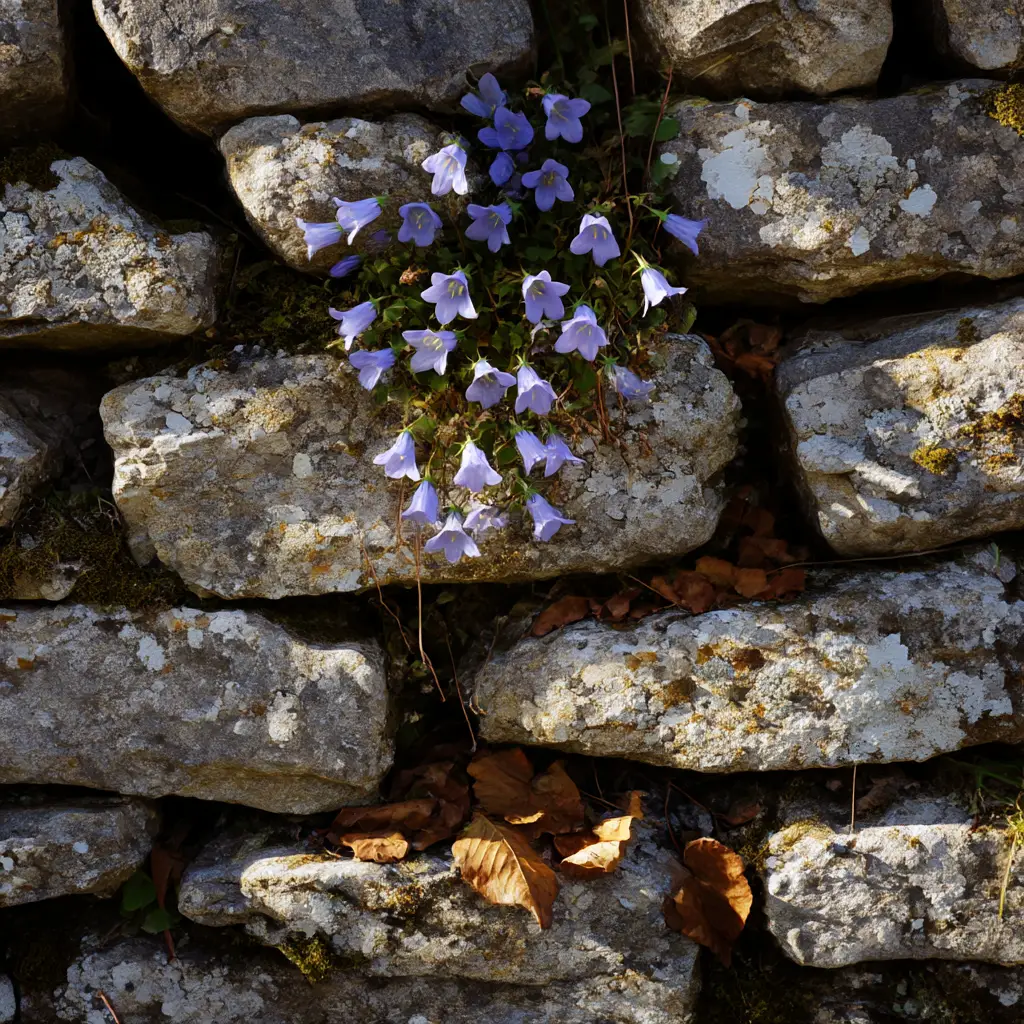
Provide well drained loam or sandy loam enriched with organic matter. Heavy clay can be improved with coarse compost and fine gravel to enhance aeration. Most campanulas prefer a neutral to slightly alkaline pH, roughly 6.5 to 7.5, though they are adaptable in ordinary garden soils. Alpine and Dalmatian species benefit from sharp drainage and a gritty mineral fraction that mimics their native limestone ledges. Incorporate a slow release balanced fertilizer in early spring and top dress with compost after flowering. Avoid thick mulches pressed against the crown, which can trap moisture and invite rot.
USDA hardiness
Hardiness varies by species, but many popular campanulas are reliable from USDA Zones 3 to 8. Alpine and rock garden species often excel in colder zones with dry winters, while Dalmatian and peach leaved forms handle Zones 4 to 8 and sometimes Zone 9 where summers are not excessively humid. Canterbury bells, which are biennial, are typically grown in Zones 5 to 8 and complete their cycle over two seasons. Local microclimate matters. Good winter drainage and a protective mulch after the ground freezes help crowns overwinter in colder areas.
Propagation and longevity
Campanulas propagate readily from seed, basal cuttings, or division. Sow seed indoors eight to ten weeks before the last frost for first year growth or direct sow in late spring. Many cultivars come true from seed, while named selections should be increased by division or cuttings to preserve traits. Take four inch basal cuttings in late spring from non flowering shoots and root them in a free draining mix. Clump forming perennials benefit from division every three to five years to maintain vigor. Biennial Canterbury bells complete their lifecycle in two seasons and may self sow modestly if spent stalks are left to mature.
Fragrance
Most campanulas are not strongly fragrant and are grown for their clear colors and graceful bell forms rather than scent. Some gardeners detect a light, fresh sweetness on warm days when blooms are abundant, especially in sheltered sites. If fragrance is a priority for a planting scheme, combine campanulas with scented companions such as dianthus or lavender so the border offers both color and perfume across the season.
Toxicity and pet safety
Campanula species are generally considered non toxic to pets and people when grown ornamentally, and serious problems are uncommon in home gardens. As with any plant, individual sensitivities are possible and ingesting non food plants is not recommended. If you keep curious pets or small children, position new plantings where leaves and flowers are less likely to be chewed. For specific guidance on a particular species or cultivar, consult a regional poison control resource or your veterinarian.
Vase life
Bellflowers make charming, airy cut flowers. Harvest when one third to one half of the bells on each stem are open. Strip lower leaves, recut stems under water, and place them in clean vases with fresh preservative. Most species offer a five to seven day vase life in cool rooms, with Campanula medium often lasting toward the upper end when handled carefully. Change water every other day and keep arrangements away from heat sources and direct sun to prolong freshness. Shorter edging types shine in posies, while tall border forms provide graceful vertical lines in mixed bouquets.
Pests and diseases
Common pests include slugs and snails that chew young foliage, especially in spring. Floating row covers or iron phosphate baits can protect tender shoots. Aphids may colonize stems and buds during warm weather and can be reduced by a firm water spray or insecticidal soap. Diseases arise mainly from poor airflow and excess moisture. Watch for powdery mildew, leaf spots, rust, and crown rot in saturated soils. Space plants properly, water at the base, and remove spent stems to keep crowns tidy. Deer and rabbits may browse new growth in some areas, so use deterrents where pressure is high.
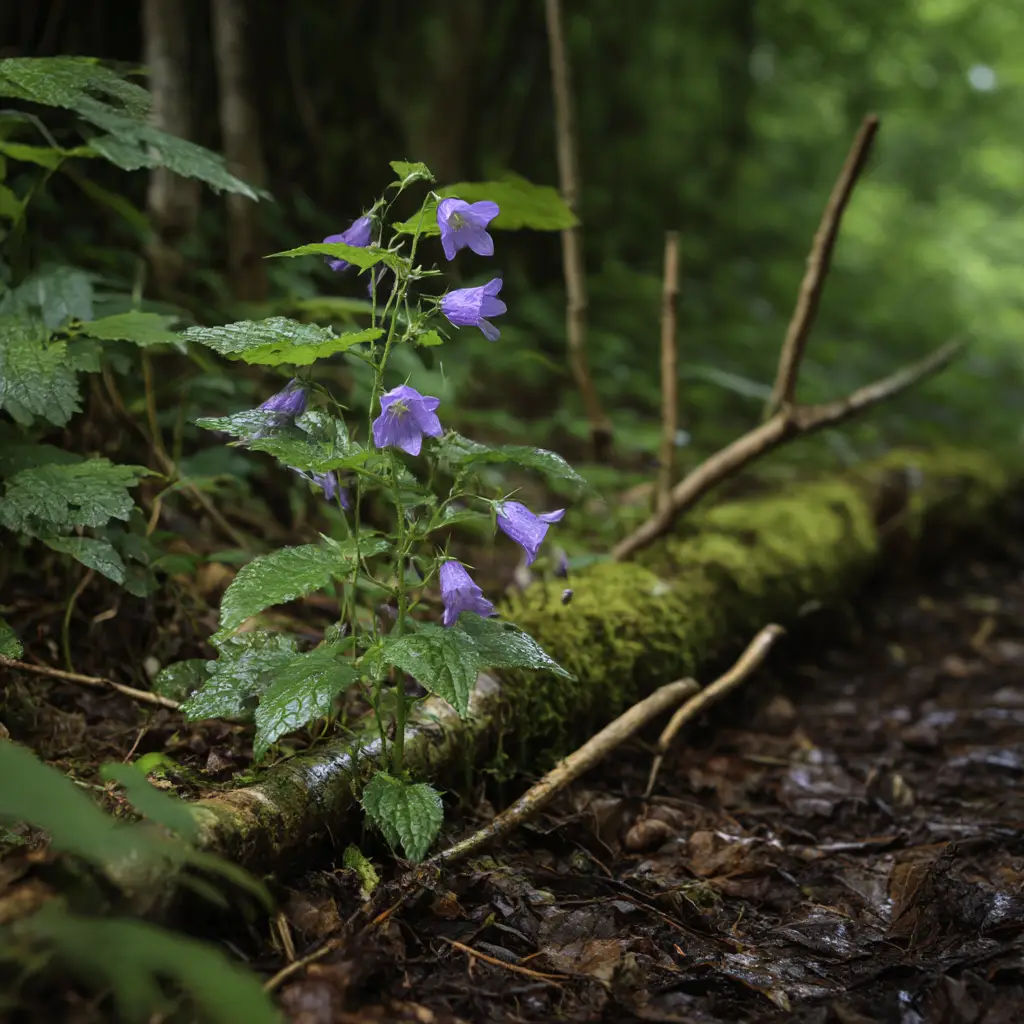
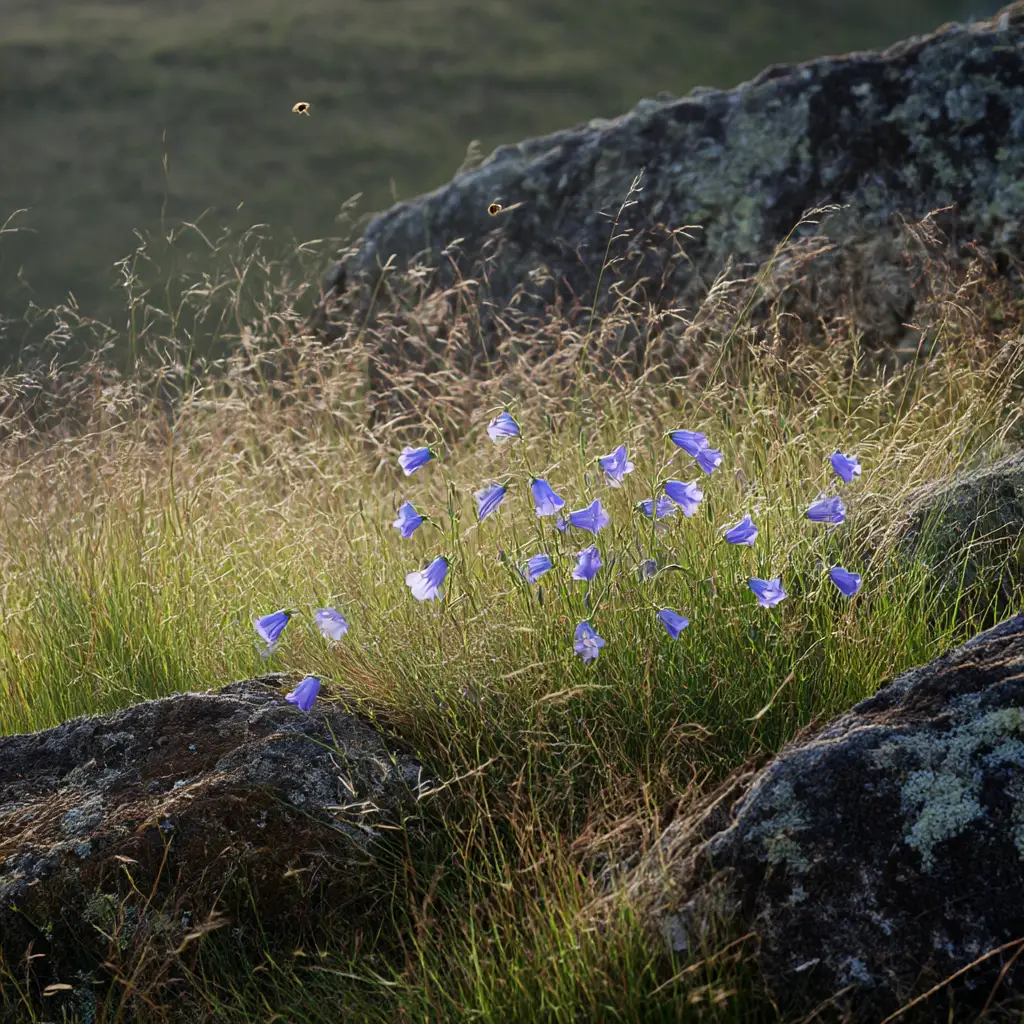
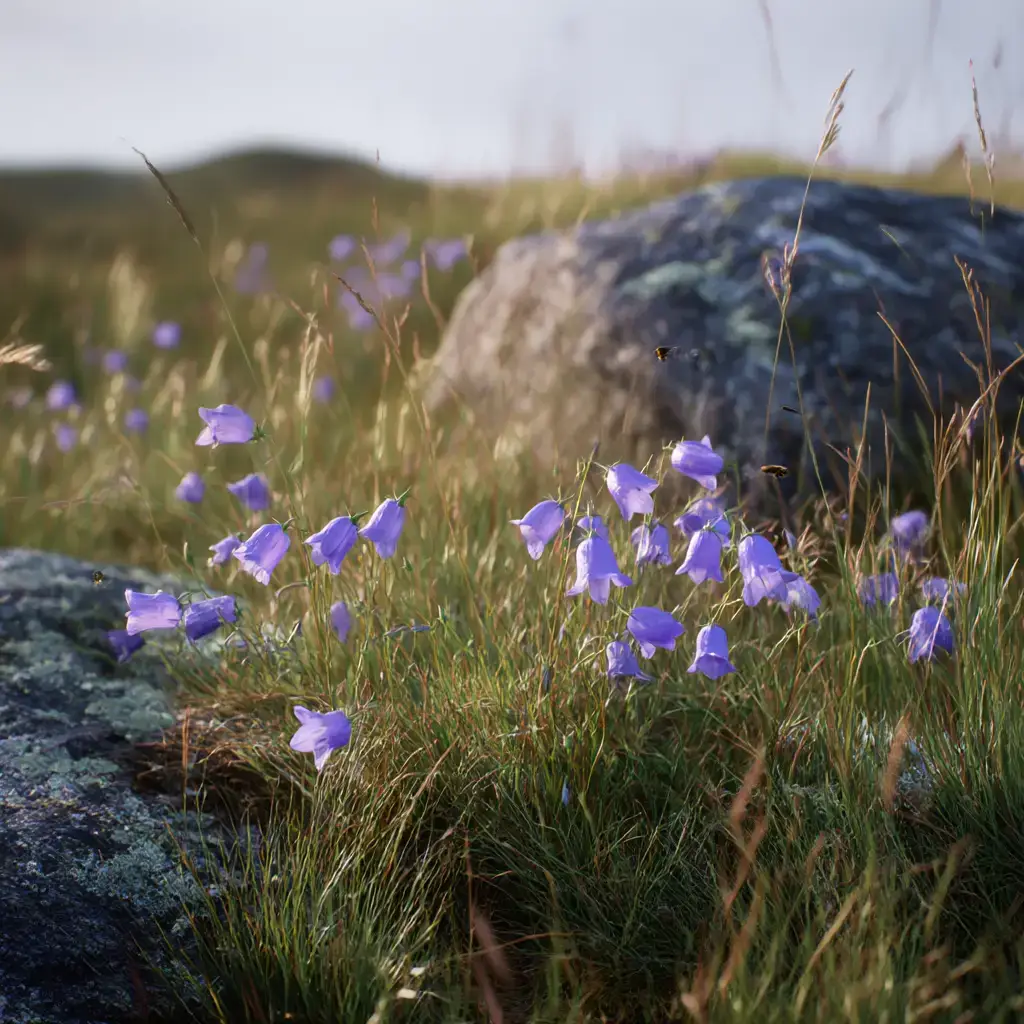
Campanula Flower photos
Campanula FAQs
Are campanulas perennials or annuals?
The genus includes perennials, biennials, and a few annuals. In gardens you will most often encounter hardy perennials such as Campanula carpatica and Campanula persicifolia, along with the biennial Campanula medium known as Canterbury bells.
Do campanulas bloom the first year from seed?
Perennial species may produce a modest first season show if started early indoors, but the best display usually begins in the second year. Biennial Canterbury bells typically flower in their second season after a rosette year.
Will campanulas rebloom if I deadhead?
Yes. Removing spent stems after the first flush often encourages a lighter repeat later in summer. Leave a few stalks to mature if you want gentle self sowing.
Are campanulas invasive?
Most garden species are well behaved. A few spreading forms can creep into cracks and edges over time. Provide edging where you need strict boundaries and divide clumps every few years to keep plantings in place.
How much sun do campanulas need in hot climates?
Aim for morning sun with protection from harsh afternoon rays. In warm regions, dappled shade after midday helps prevent stress and extends the bloom season.
Are campanulas safe around pets?
They are generally regarded as non toxic. Even so, discourage pets from chewing ornamental plants and consult your veterinarian if a large quantity is eaten.
What companions look good with bellflowers?
Try airy grasses, salvias, dianthus, coreopsis, roses, and spring bulbs. The cool blue to purple palette of campanulas blends easily with whites and pastels.
Interesting tips
- Deadhead by cutting flowering stems back to a strong basal rosette to tidy plants and prompt a lighter second flush.
- Provide gritty drainage for rock garden and Dalmatian types by mixing fine gravel into the top six inches of soil.
- Divide clumps every three to five years to maintain vigor and create new plants for other parts of the garden.
- For containers, choose compact cultivars and use a free draining potting mix. Water consistently during warm spells.
- Stake tall border species early with unobtrusive supports to keep stems upright during summer storms.
Related Articles
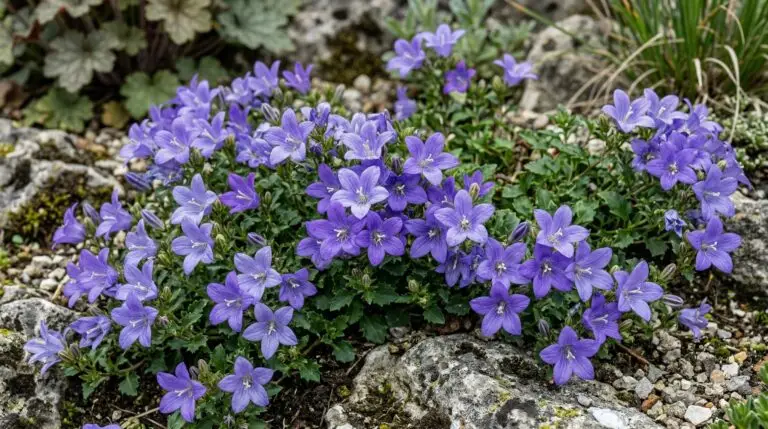
A guide to campanula species for rock gardens alpine troughs and stone walls
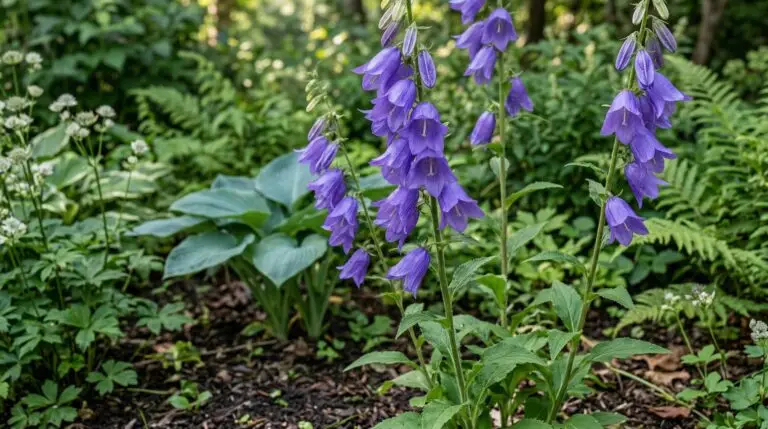
Campanula for shady garden spots where color is hard to find
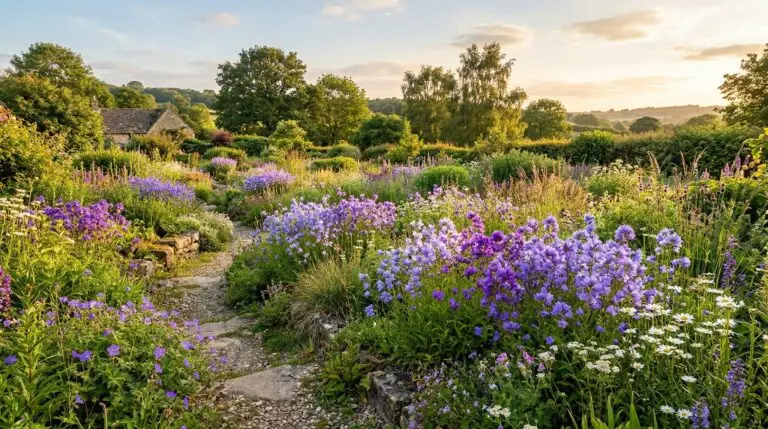
Campanula in European wildflower meadows and how to recreate the look at home
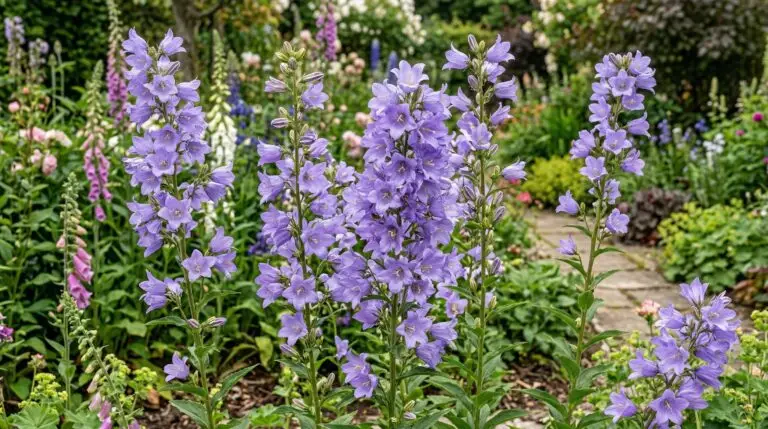
Campanula lactiflora and the tall milky bellflowers for the back of the border
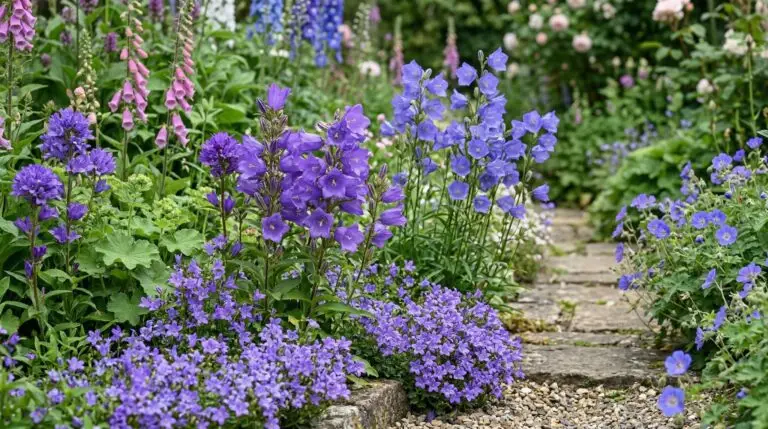
Campanula persicifolia the elegant peach-leaved bellflower for cottage gardens
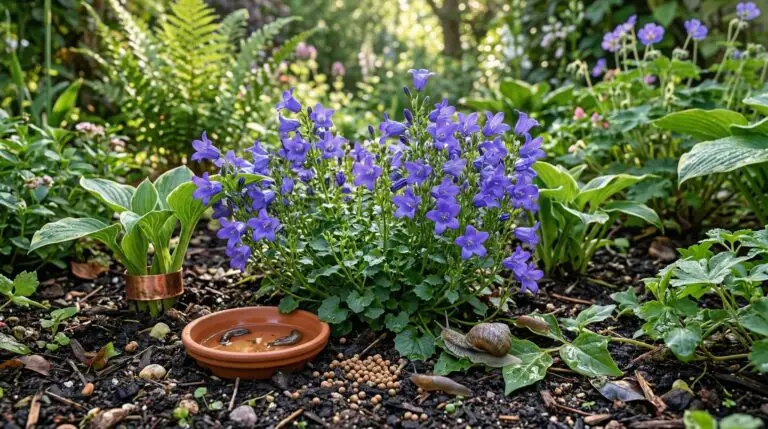
Campanula pests including slugs and rust and organic prevention methods
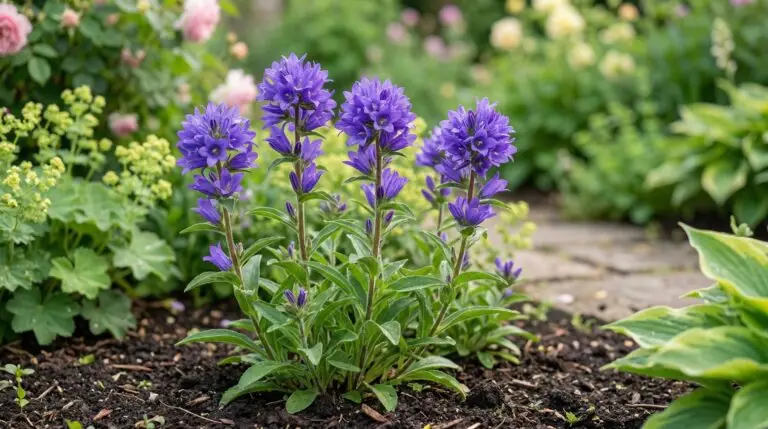
Growing campanula glomerata for intense purple clusters in summer borders
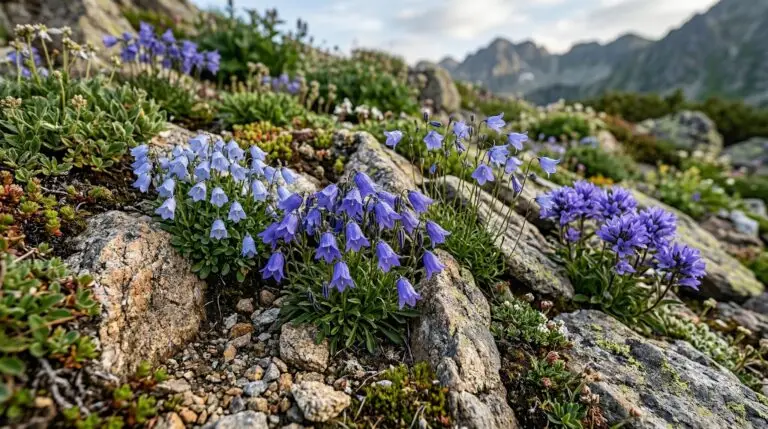
How campanula adapts to different growing conditions from mountains to meadows
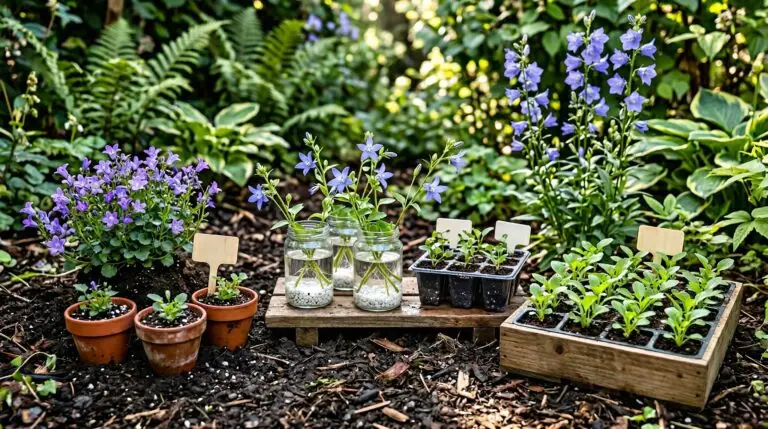
How to propagate campanula from stem cuttings root division and seed
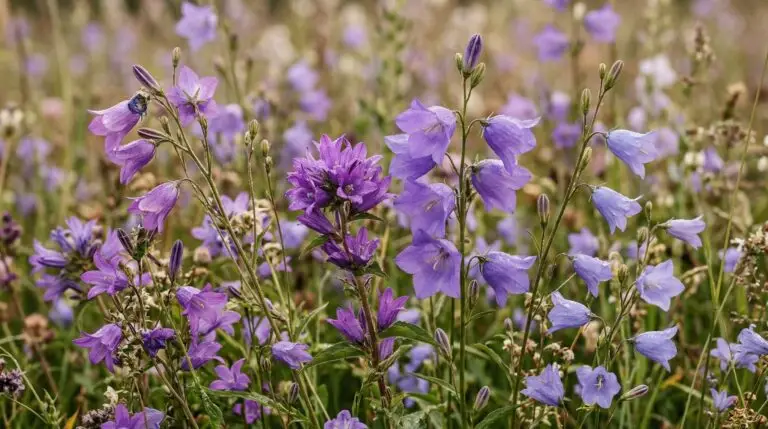
The botanical diversity of campanula with over 500 species across the world
Enjoying our flower guides? Add YourFlowersGuide as a preferred source on Google. It helps more readers find us.
Add to Preferred Sources