Yellow Iris
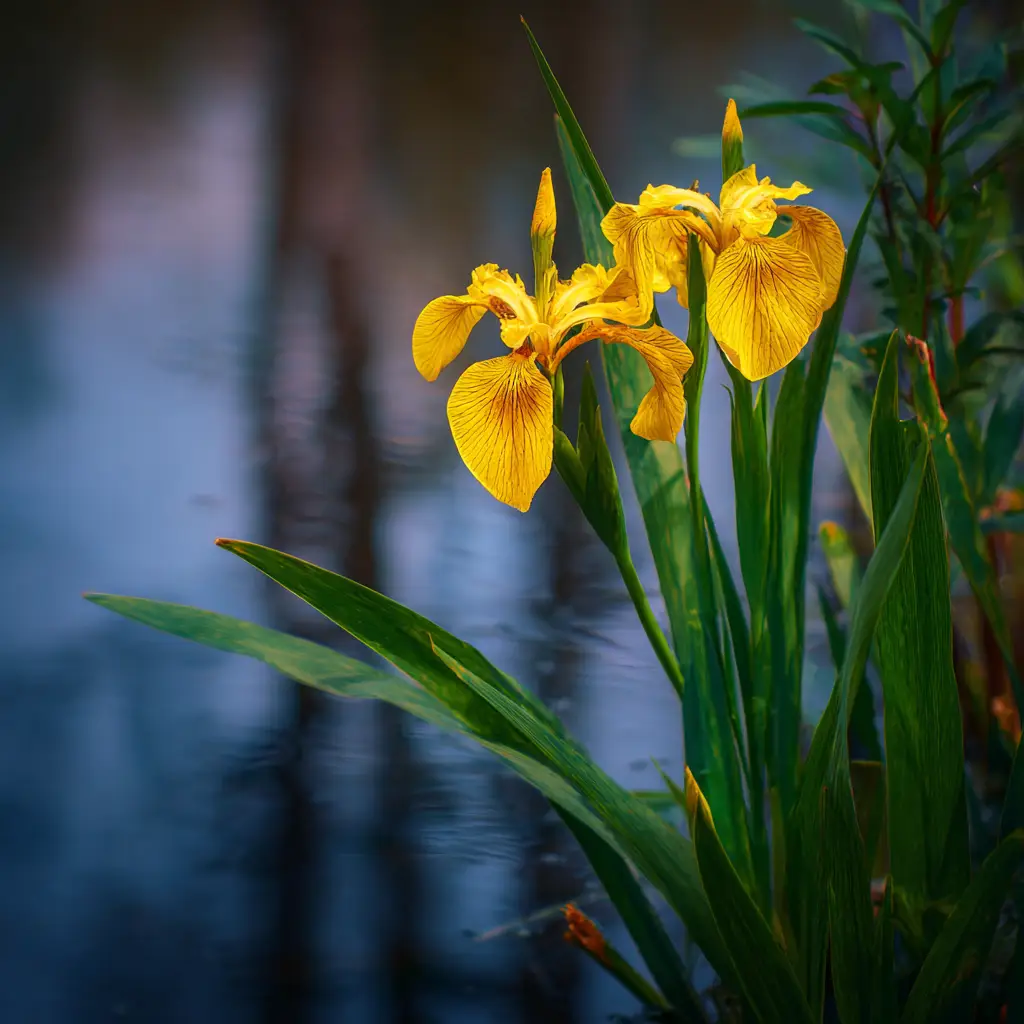
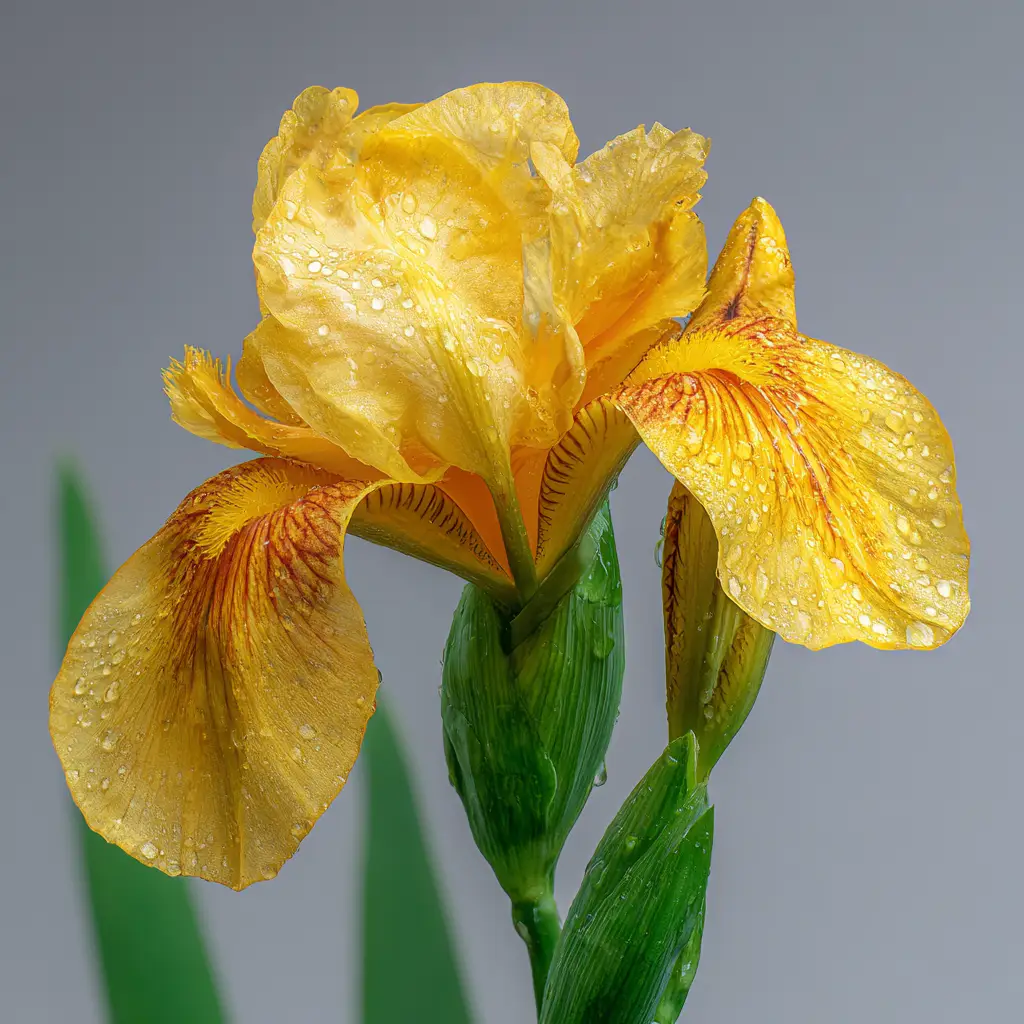
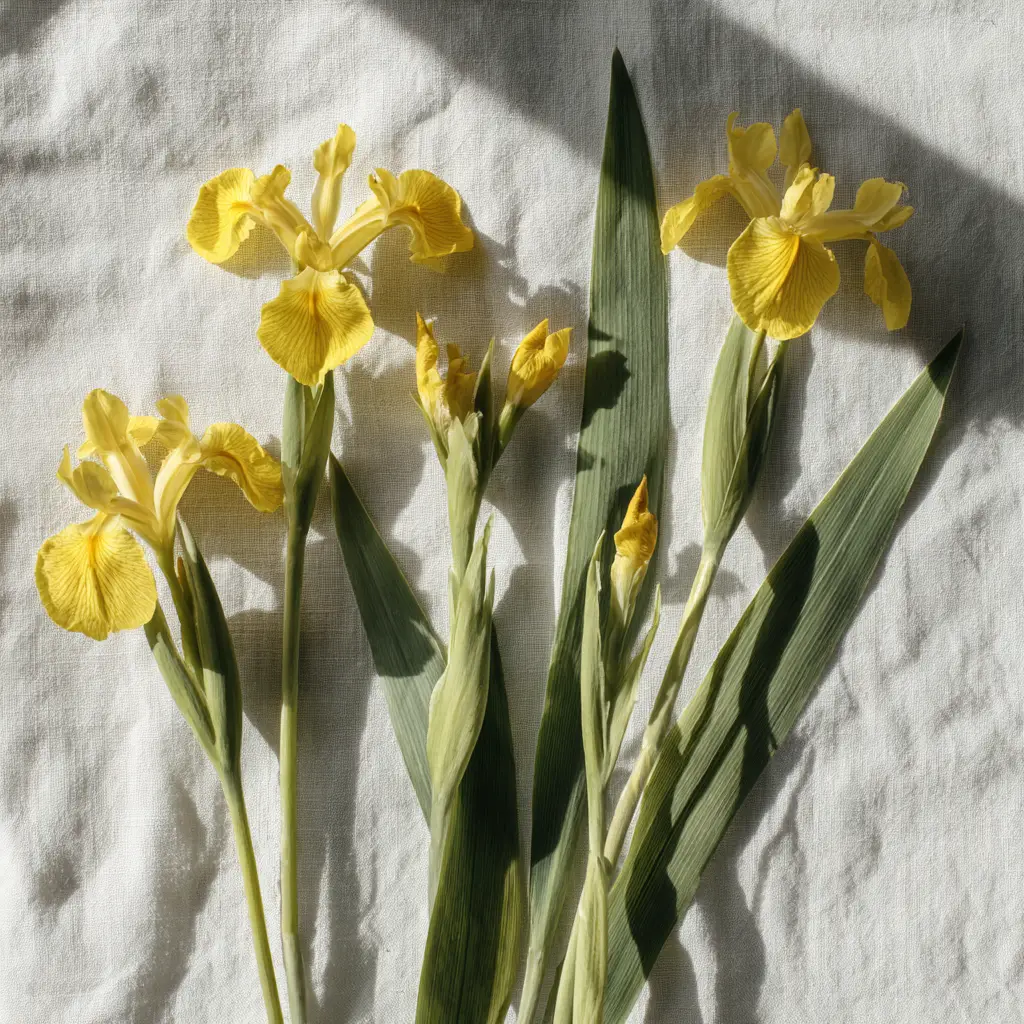
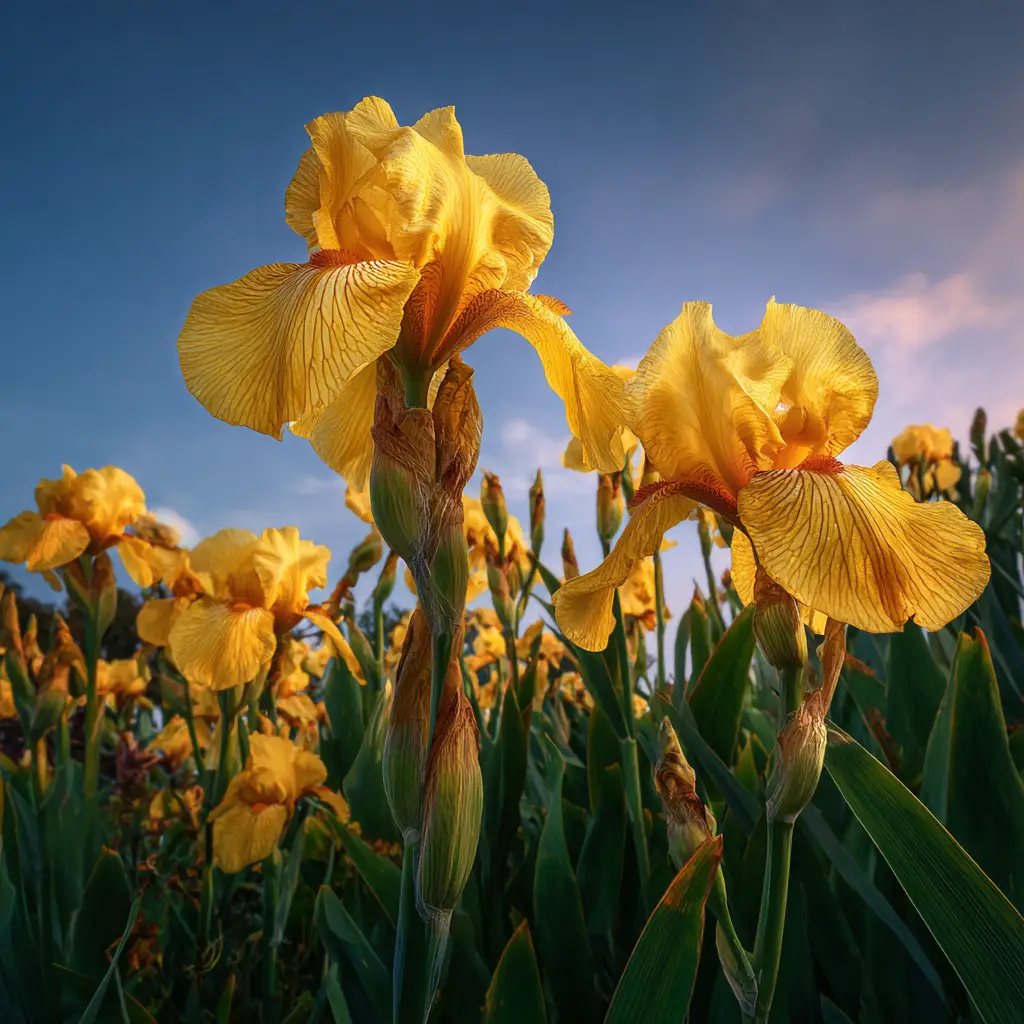
Yellow iris most often refers to Yellow flag iris, *Iris pseudacorus*. This rhizomatous perennial thrives in wet soils and even in shallow water, producing clear yellow flowers in late spring to early summer. It is a reliable plant for ponds, rain gardens, and naturalized wet areas, and it tolerates a wide range of soils and pH. In the U.S., it is considered invasive in several states, so always check local rules before planting. Gardeners sometimes call any yellow-flowering iris a “yellow iris,” including bearded and Siberian irises that come in yellow cultivars; those prefer regular garden soil rather than standing water.
🌱 Taxonomy and origin
Family: Iridaceae. Genus: *Iris*. Species: *Iris pseudacorus*. Common names: Yellow flag, Yellow flag iris. Native range: Europe, North Africa, and western Asia along streams, marshes, and wet meadows. Introduced widely in North America as a water-garden ornamental and for erosion control.
🌸 Bloom time
Late spring to early summer, typically May to June depending on climate. Flowers last several weeks, with individual blooms opening sequentially on branched stems.
📏 Height and spread
Foliage stands 24 to 48 inches tall (60 to 120 cm). Flowering stems often reach 36 to 48 inches (90 to 120 cm). Clumps spread by thick rhizomes to 24 to 36 inches wide (60 to 90 cm) over time.
☀️ Light
Best bloom in full sun. Tolerates light shade, especially in hotter regions.
💧 Water
Moist to wet soil at all times. Thrives at pond edges and in shallow water 0 to 4 inches deep (0 to 10 cm). Do not allow established plants to dry out.
🌍 Soil and pH
Adaptable to loam or clay. Performs in organic mucky soils and tolerates occasional flooding. Handles acidic to alkaline conditions roughly pH 5.5 to 8.0.
❄️ USDA hardiness
Hardy in USDA Zones 4 to 9, occasionally Zone 10 in mild coastal climates. Cold-hardy rhizomes overwinter under ice in ponds when crowns are below the freeze line.
🌼 Propagation and longevity
Divide rhizomes after flowering or in early fall every 3 to 5 years to maintain vigor and control spread. Seeds germinate readily but can encourage invasive spread; division is preferred. Long-lived in suitable sites.
👃 Fragrance
Flowers are lightly fragrant to neutral; scent is typically less pronounced than many bearded irises.
⚠️ Toxicity and pet safety
All parts of *Iris* species, including *Iris pseudacorus*, contain irritating compounds (e.g., iridin). Ingestion may cause vomiting, diarrhea, and drooling in pets and gastrointestinal upset in people. Sap can irritate skin in sensitive individuals. Wear gloves when dividing and keep pets from chewing rhizomes.
🌿 Vase life
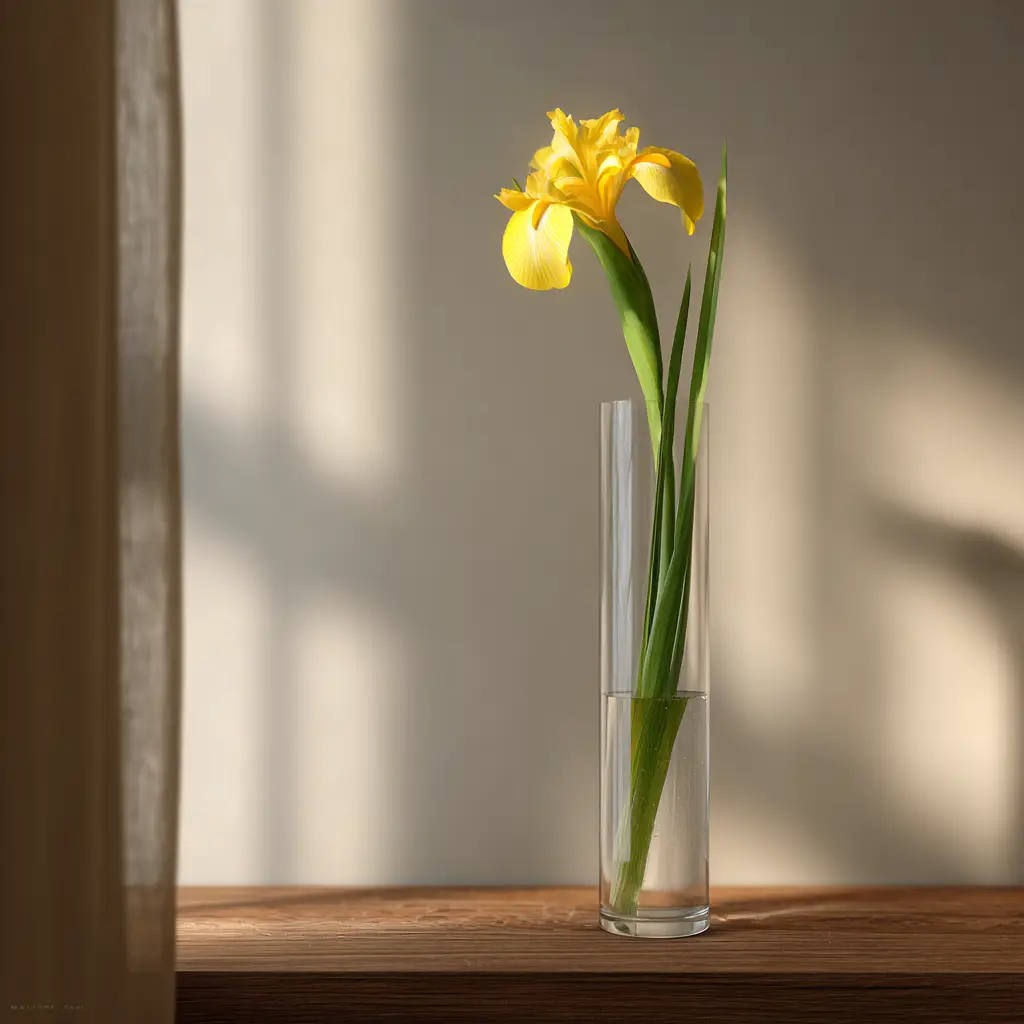
Yellow flag iris is not a common cut flower. If used, cut when the first bud just starts to open. Condition in clean water and recut stems after a few hours. Expect 2 to 4 days of display.
🐛 Pests and diseases
Generally trouble-free in water gardens. In regular beds, watch for leaf spot in humid weather and slugs on young growth. Iris borer is less of an issue in aquatic settings than with bearded irises but remove dead foliage in fall to reduce risk.
Yellow Iris Flower FAQs
Is yellow iris the same as bearded iris?
No. “Yellow iris” usually means the aquatic Yellow flag iris (*Iris pseudacorus*). Bearded irises are different species and hybrids that include many yellow-flowering cultivars but prefer well-drained garden soil.
Can I grow yellow iris in a container?
Yes. Use a wide, heavy container without drainage holes, fill with heavy loam, plant the rhizome near the surface, and submerge so 1 to 3 inches of water covers the soil. Top up water during hot spells.
Is yellow iris invasive?
It can be invasive and is restricted in parts of the U.S. Avoid planting near natural waterways unless permitted, and always remove seed pods. Check your state and county regulations before purchase.
How fast does yellow iris spread?
Rhizomes enlarge and form new fans each season. In rich wet soils, a clump can expand to several feet across within a few years. Divide to control size.
Will yellow iris grow without standing water?
It tolerates consistently moist soil and seasonal wetness, but best vigor and bloom occur at pond edges or in shallow water. Do not allow long dry periods.
Is it safe around fish and wildlife?
The plant provides bank stabilization and cover, but it can displace native wetland species. In managed ponds, keep it contained and remove seed heads to prevent spread downstream.
Why are the leaves yellowing in midsummer?
Possible causes include underwatering or hot, stagnant water lacking oxygen. Ensure constant moisture, provide some afternoon shade in very hot climates, and remove spent foliage to refresh the clump.
Can I grow a yellow-flowering iris in a regular border instead?
Yes—choose yellow forms of Siberian iris (*I. sibirica*) or bearded iris cultivars. They offer yellow blooms in typical garden soils without standing water.
My pond freezes in winter. Will yellow iris survive?
Yes. In Zones 4 to 7 it usually overwinters if the crown stays below the ice level. Plant deeper or in a protected cove so ice does not heave the rhizomes.
Can I plant yellow iris to control erosion on a stream bank?
It has been used that way, but because it self-seeds and spreads, many regions discourage or regulate it. Prefer native wetland alternatives if your area lists it as invasive.
What spacing should I use when planting divisions?
Space fans 18 to 24 inches apart. Set rhizomes horizontally with the upper surface just at or slightly below the soil level, then water thoroughly.
Do I need fertilizer?
In ponds with nutrient-rich water, fertilizing is rarely necessary. In low-nutrient setups, apply a balanced slow-release aquatic fertilizer in spring.
Are there dwarf yellow iris options for small tubs?
Look for compact selections or plant a single fan in a 12 to 16 inch wide container to limit size. Regular division keeps growth in check.
How do I dispose of extra rhizomes responsibly?
Do not dump into waterways or compost if seeding. Bag and trash, or check local green-waste rules. Clean tools to avoid moving fragments to natural areas.
Interesting tips
- Contain plants in bottomless tubs sunk at pond edges to keep rhizomes from creeping.
- Deadhead after bloom to prevent seeding and to focus energy on rhizomes.
- Wear gloves when dividing to avoid skin irritation from sap.
- Mix with pickerel rush, marsh marigold, and swamp milkweed for a pollinator-friendly wet border.
- For a yellow iris in dry beds, choose bearded or Siberian irises in yellow cultivars instead of *I. pseudacorus*.