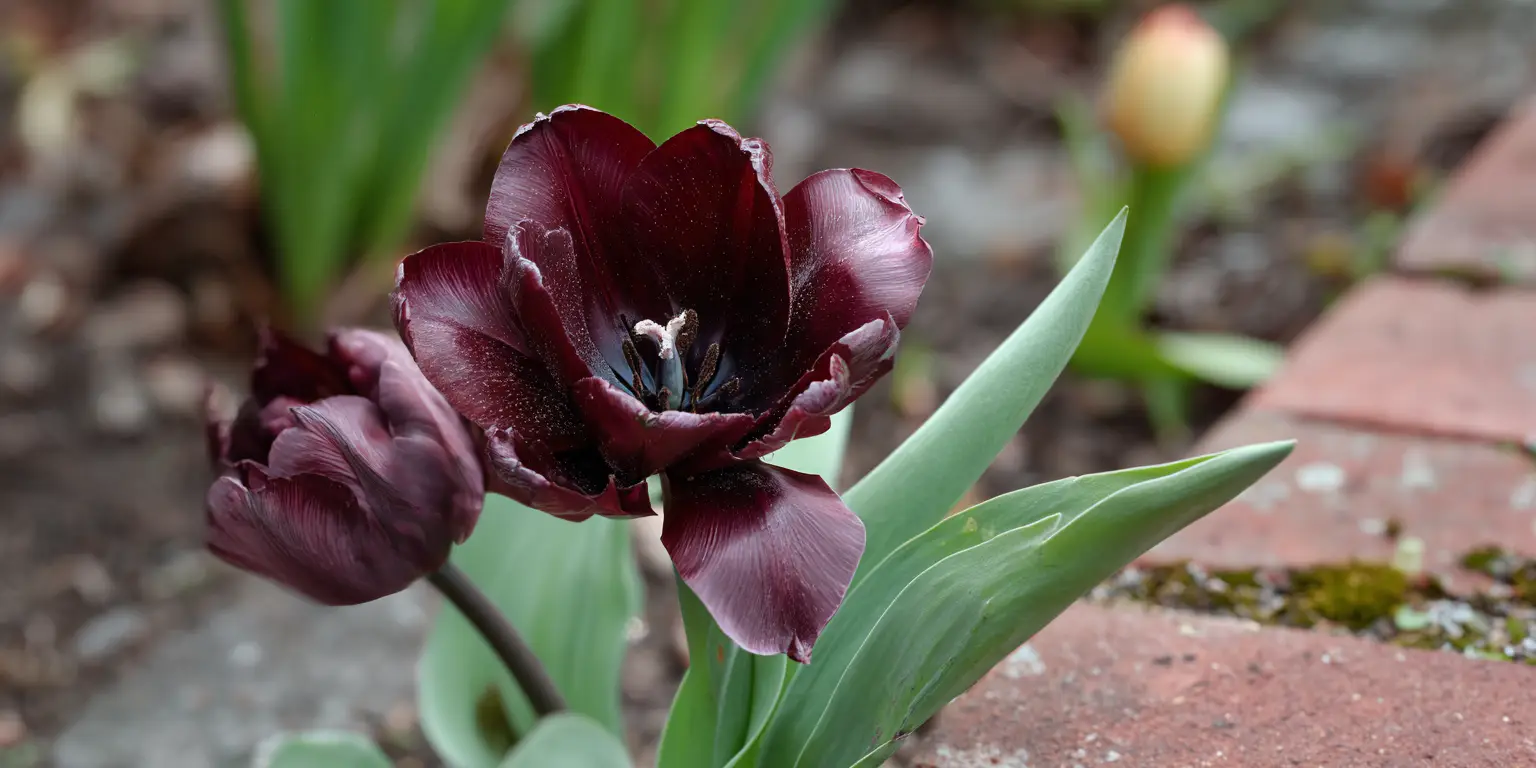
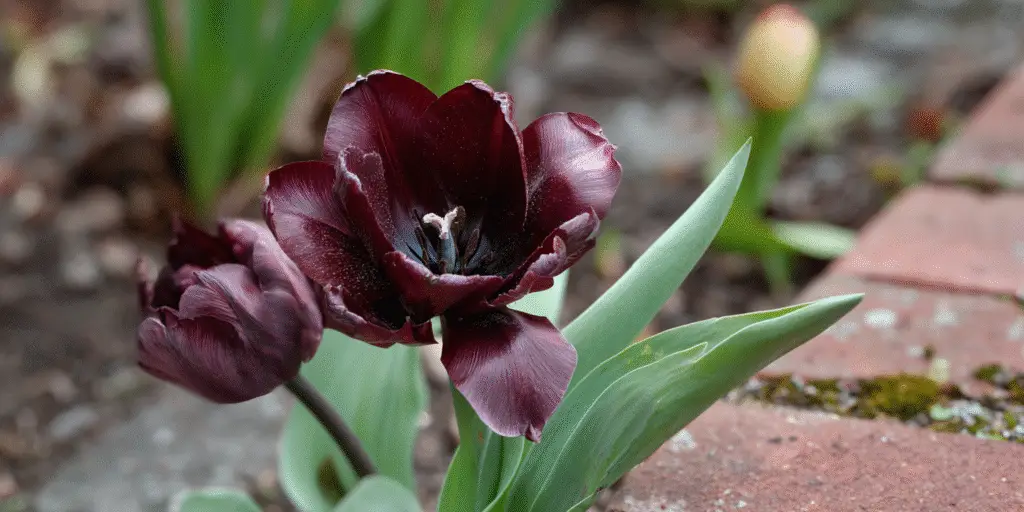
A Single Late tulip with very deep maroon to near black flowers. Blooms late in spring and reads darkest in cool light. Tall, upright stems suit borders and cutting. Performs best in USDA zones 3 to 8; in warmer winter areas treat as annual after pre‑chilling. Grow in full sun and well‑drained soil for best results.
At‑a‑glance
Group/Class: Single Late
Height × spread: 22–26 in (55–65 cm) × 4–6 in (10–15 cm)
Bloom window: late spring
Color & flower form: very deep maroon‑purple; single cup
Fragrance: 0 none
USDA hardiness: zones 3 to 8
Breeder / Year / Origin: unknown
Awards/registration: RHS Award of Garden Merit
Cut‑flower notes: sturdy stems; about 5–7 days in vase when conditioned; up to a week if cut at first color
Pet safety: avoid
How it differs
Near‑black bloom color deeper than typical tulips.
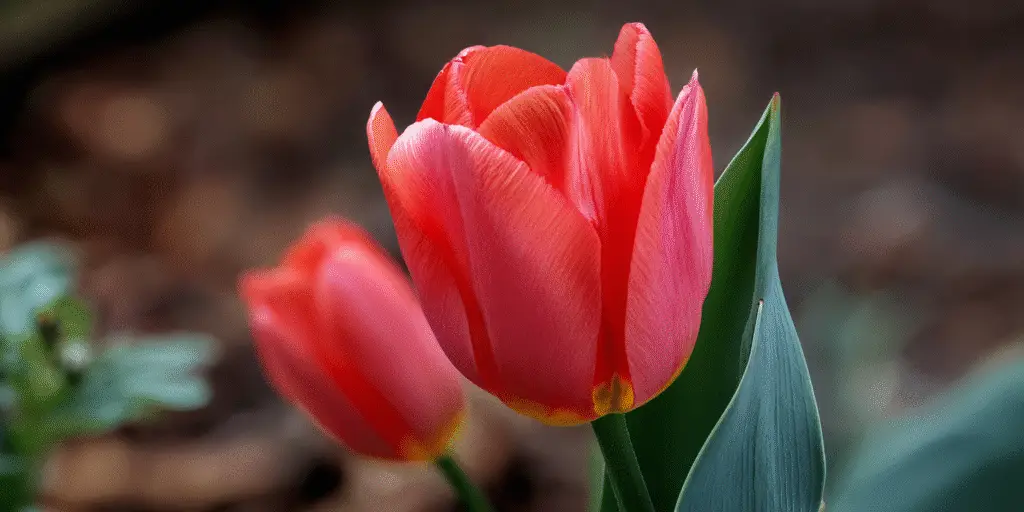
Later flowering than many Triumph and Darwin Hybrids.
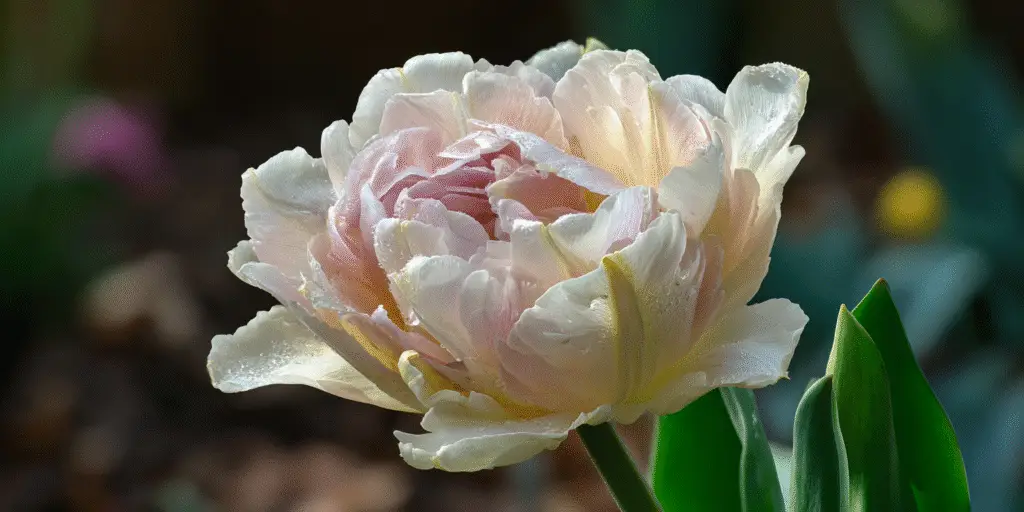
Taller stems than many double tulips.
Non‑fragrant compared with scented cultivars.
Strengths
Dramatic contrast color.
Good cutting quality when conditioned.
Consistent late‑season display.
Care in one minute
Full sun; light afternoon shade in hot climates.
Fertile, neutral to slightly alkaline, well‑drained soil.
Plant 6–8 in deep and 4–6 in apart; water to settle.
Feed lightly at planting and as shoots emerge.
Deadhead after bloom; allow foliage to yellow before lifting.
Zones 8–10: pre‑chill bulbs 12–14 weeks; grow as annuals.
Watch‑outs
Color appears more purple in strong sun.
Perennializing is unreliable in warm or wet summers.
Susceptible to tulip fire in prolonged wet springs.
Best uses (tags)
cutting, borders, mass planting, containers, contrast plantings
Provenance note
Long‑cultivated Single Late selection noted for near‑black color.
Recognized by the Royal Horticultural Society with the Award of Garden Merit.
Written by: Your Flowers Guide editorial team We are a small independent group of flower lovers who research and review each guide using trusted horticultural and educational sources. Learn more about us