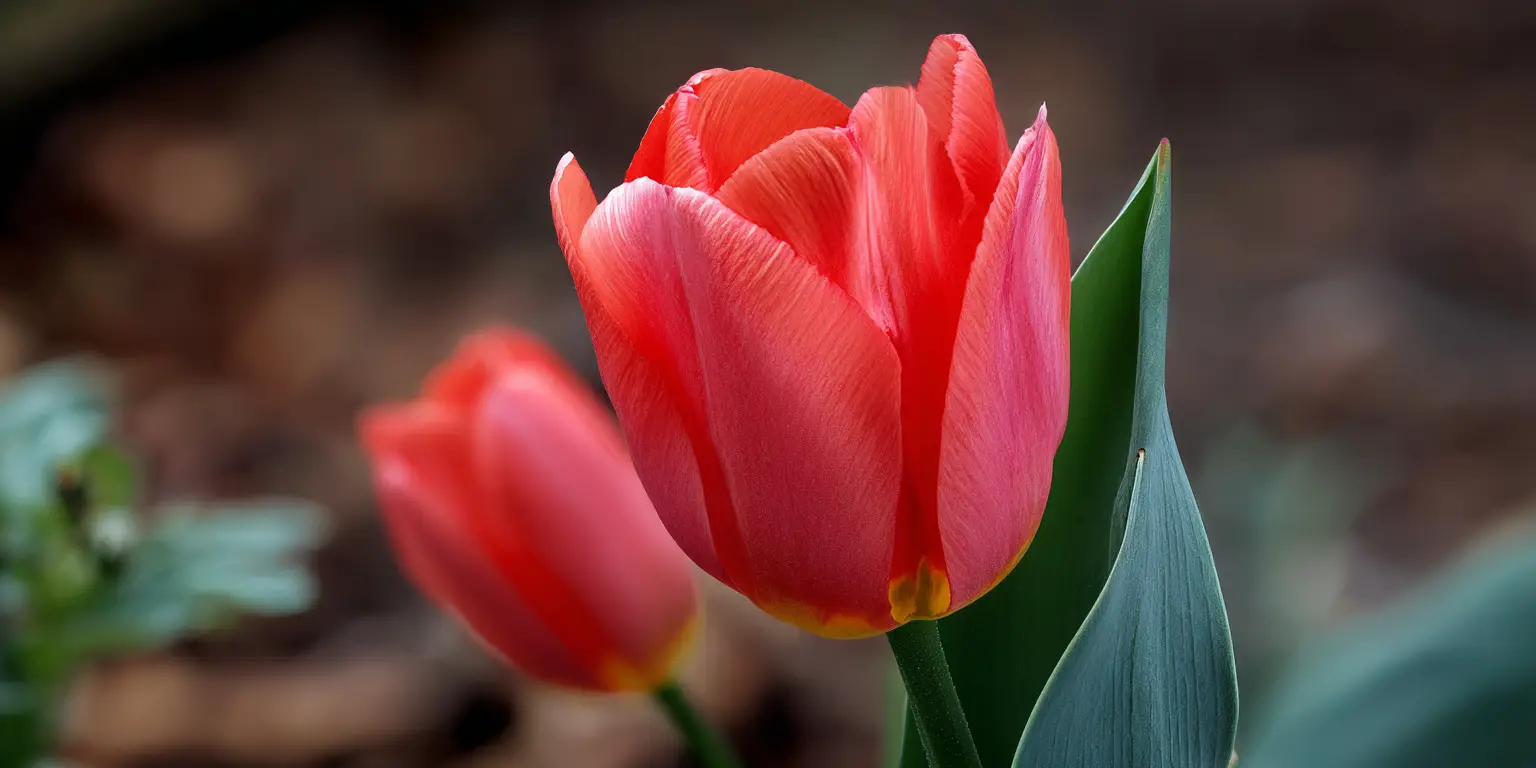
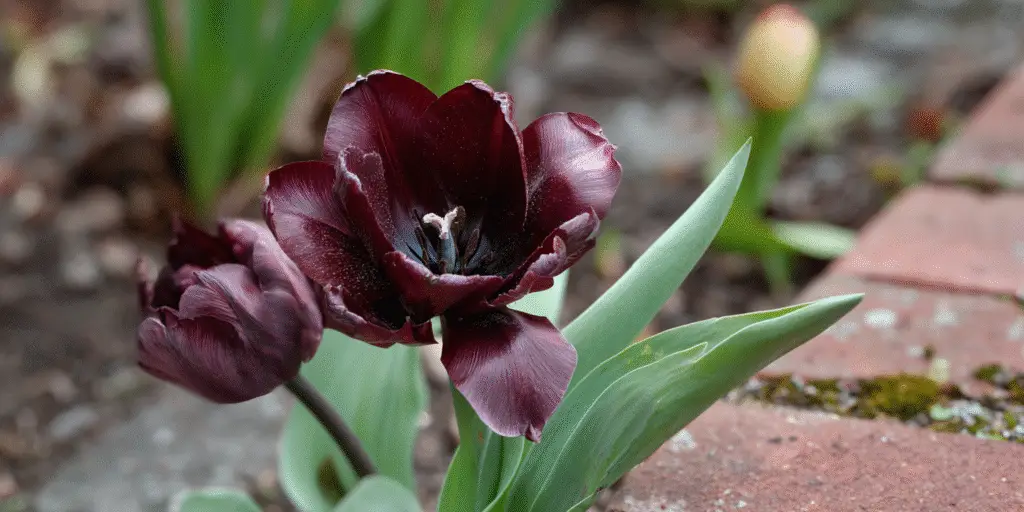
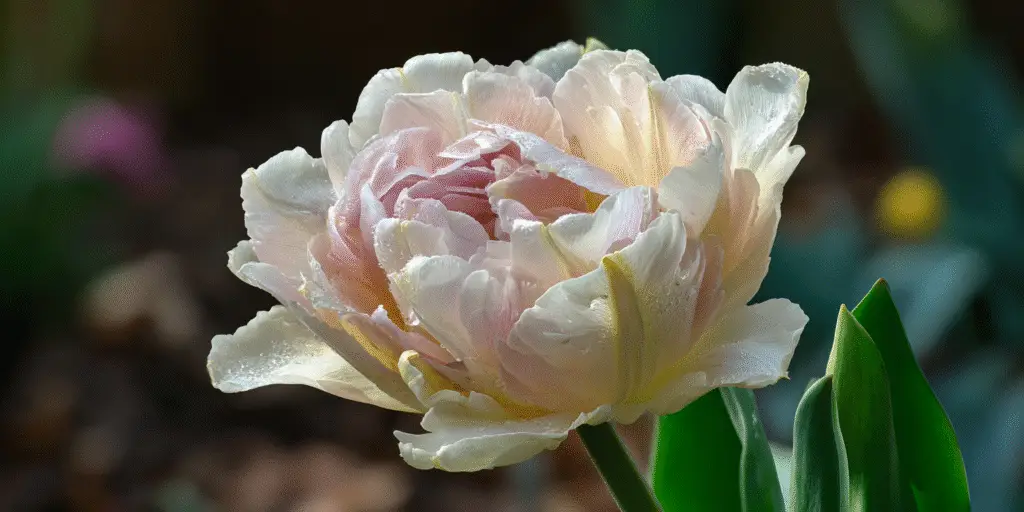
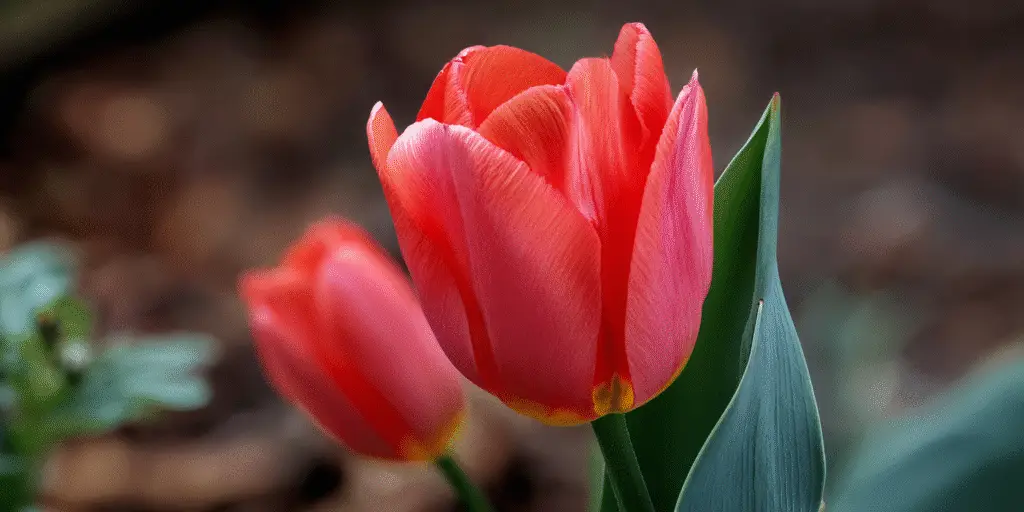
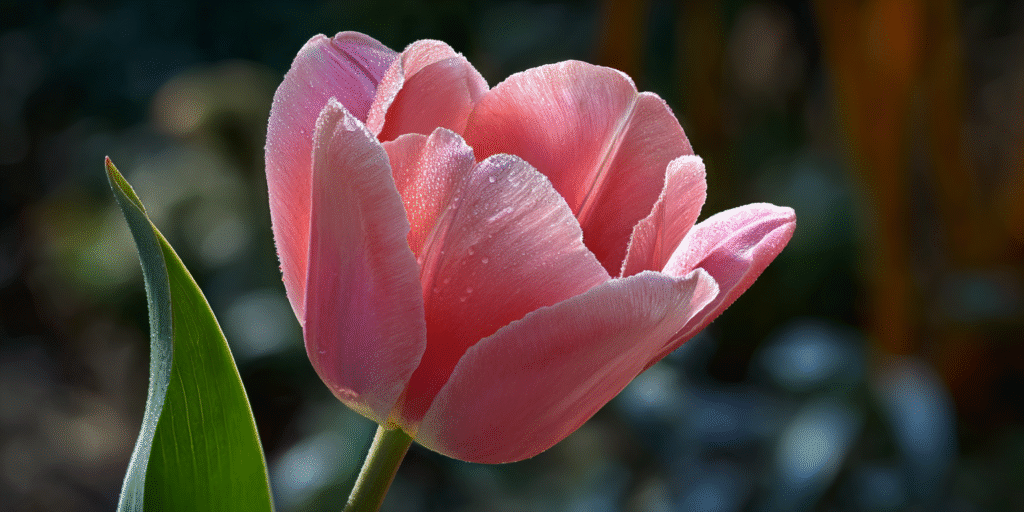
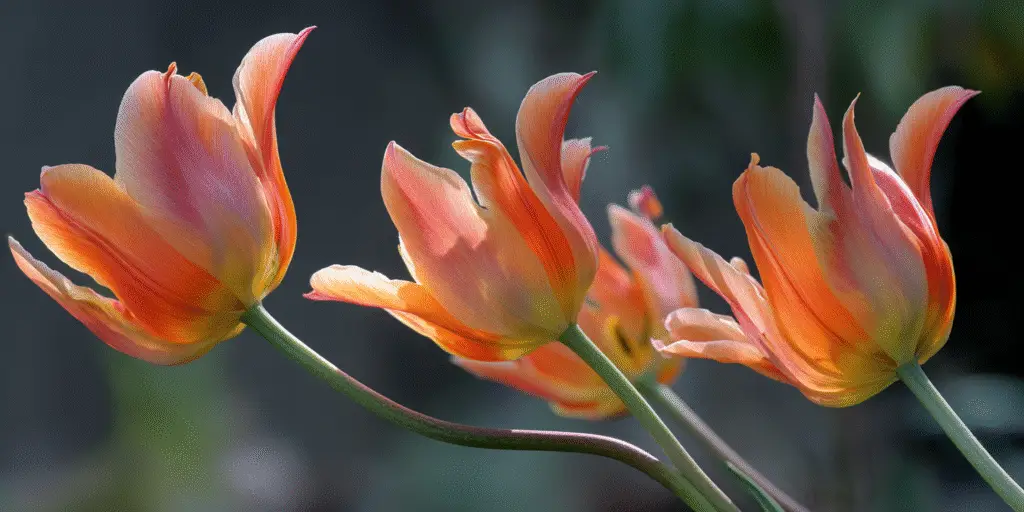
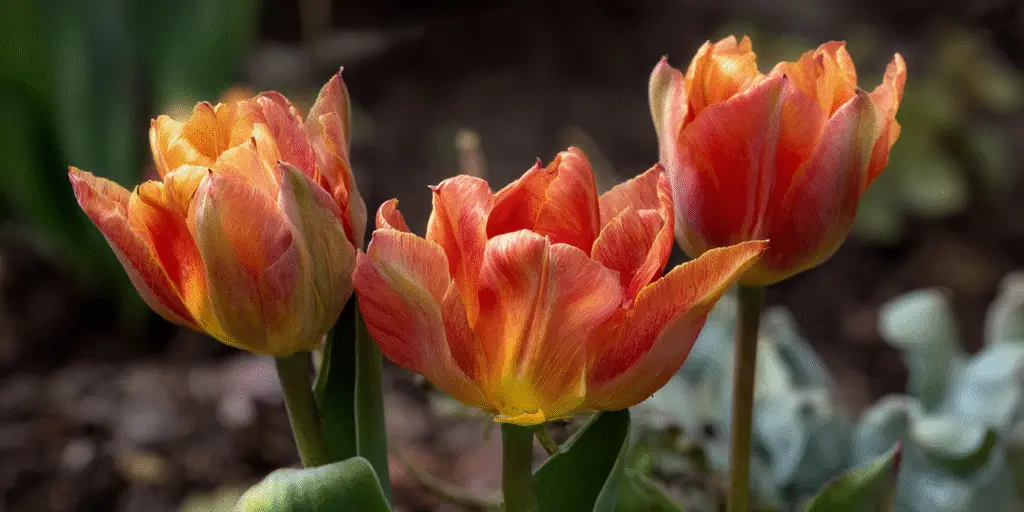
A classic red Darwin Hybrid with large, ovoid flowers and strong stems. Blooms in mid spring and is often selected to perennialize in cold regions. Performs best in USDA zones 3 to 7; in warmer zones it is commonly replanted annually. Well suited to mass plantings and cutting.
At‑a‑glance
Group/Class: Darwin Hybrid
Height × spread: 20–24 in (50–60 cm) × 4–6 in (10–15 cm)
Bloom window: mid spring
Color & flower form: vivid red; single cup
Fragrance: 0 none
USDA hardiness: zones 3 to 8 (best perennializing in cooler zones)
Breeder / Year / Origin: unknown
Cut‑flower notes: tall, sturdy stems; about 5–7 days in vase when conditioned
Pet safety: avoid
How it differs
Larger flowers and taller stems than many Triumph tulips.
More likely to return for several years in cold climates.
Mid‑season timing between early species and late singles.
Strengths
Bold color with large blooms.
Suitable for naturalizing in cold regions.
Strong stems for cutting and public plantings.
Care in one minute
Full sun and well‑drained, fertile soil.
Plant 6–8 in deep; space 4–6 in.
Keep spring soil evenly moist; avoid summer irrigation over bulbs.
Light fertilizer as shoots emerge; do not cut leaves until yellow.
Lift and store only if summer soils are warm and wet.
Watch‑outs
Declines faster in hot, humid, or wet summers.
Needs sharp drainage to avoid bulb rot and tulip fire.
Rodents and deer may eat bulbs and foliage.
Best uses (tags)
borders, mass planting, cutting, naturalizing in cold regions
Provenance note
Placed in the Darwin Hybrid Group by the RHS with mid to late spring bloom.
Widely used in public and private landscapes for durable color.
Written by: Your Flowers Guide editorial team We are a small independent group of flower lovers who research and review each guide using trusted horticultural and educational sources. Learn more about us