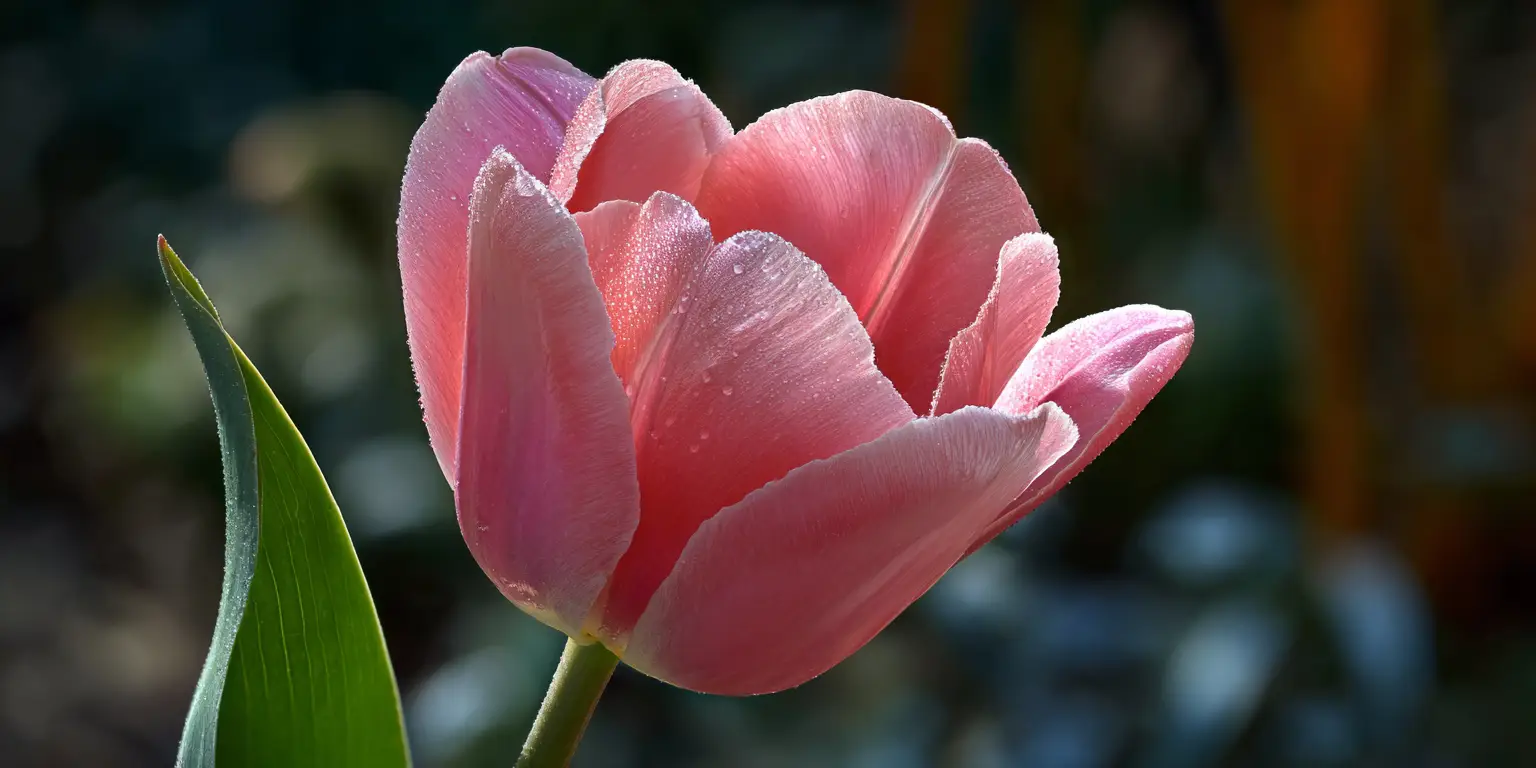
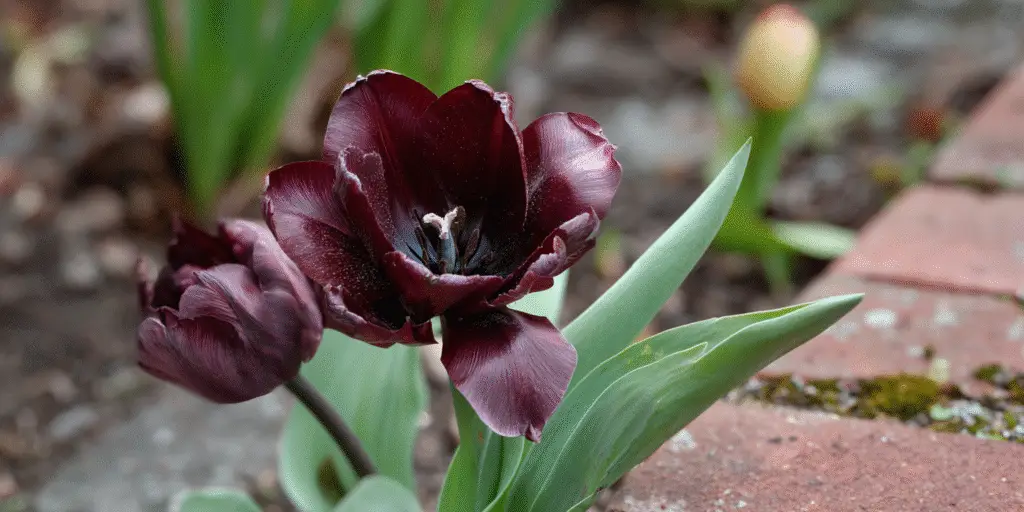
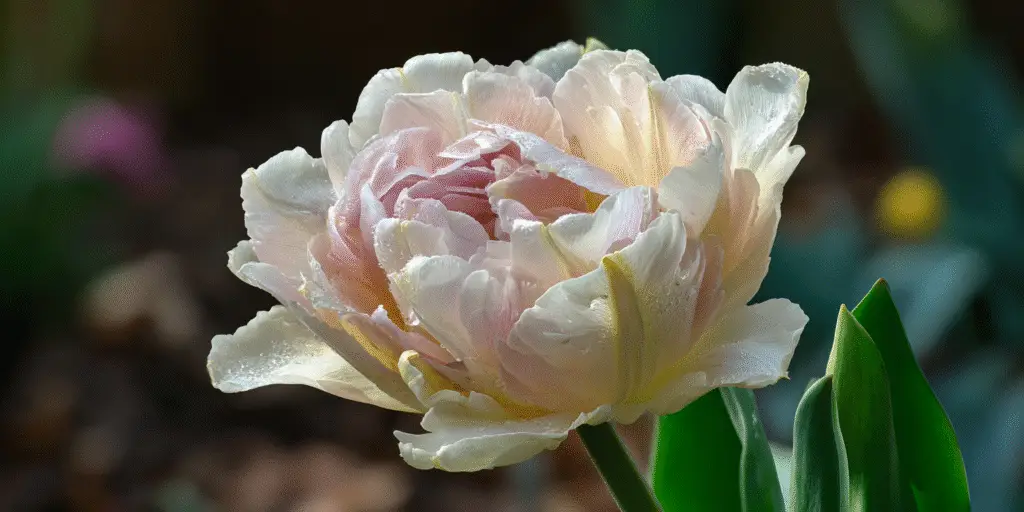
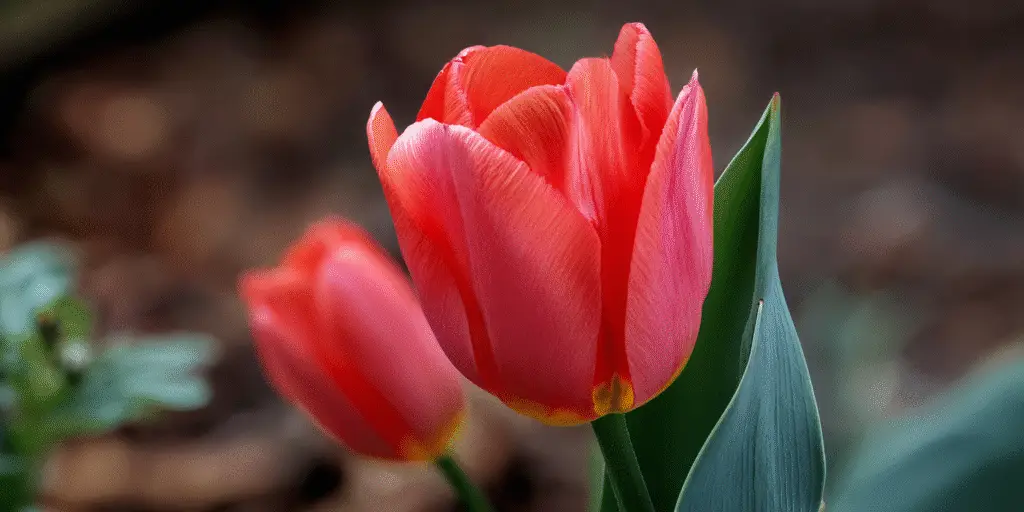
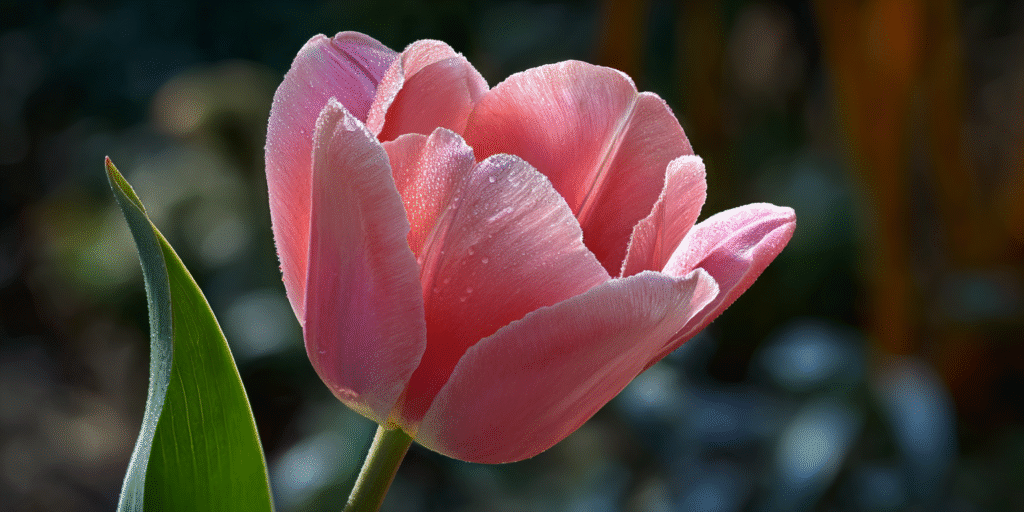
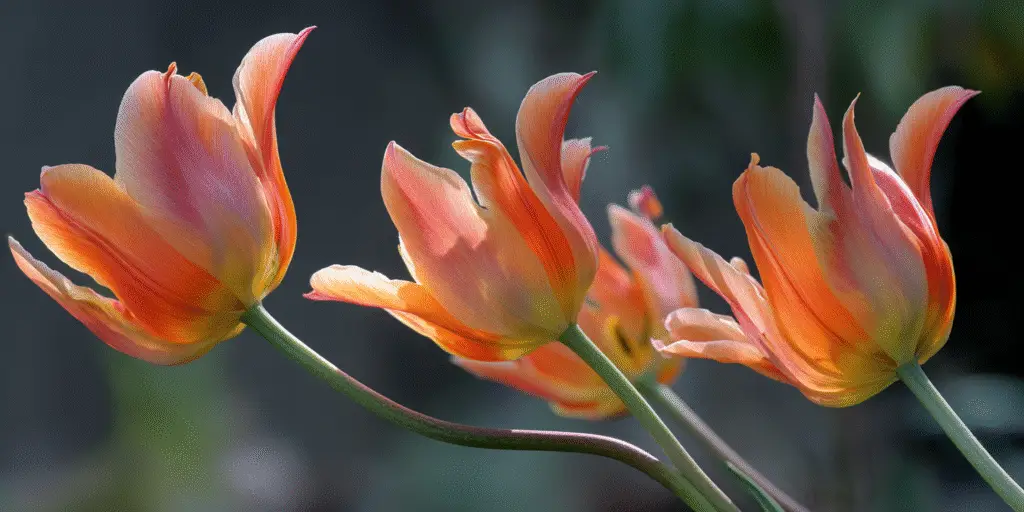
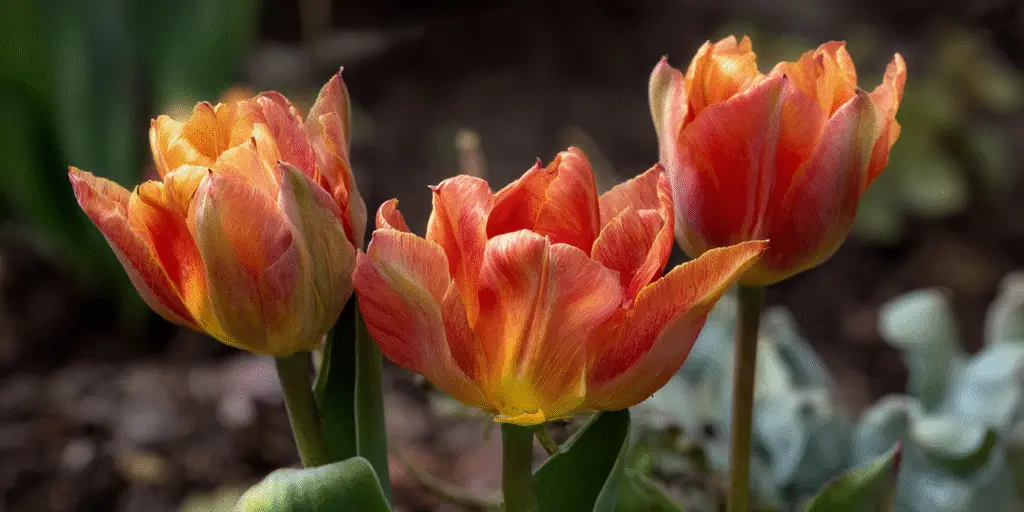
A tall Darwin Hybrid with large, rose‑pink flowers that often deepen as they age. Blooms from mid to late spring on sturdy stems. Performs in USDA zones 3 to 8; best displays come in cooler summer areas. Popular for cutting and mass plantings.
At‑a‑glance
Group/Class: Darwin Hybrid
Height × spread: 20–22 in (50–55 cm) × 4–6 in (10–15 cm)
Bloom window: mid to late spring
Color & flower form: deep rose‑pink; single cup
Fragrance: 0 none
USDA hardiness: zones 3 to 8
Breeder / Year / Origin: unknown
Awards/registration: RHS Award of Garden Merit
Cut‑flower notes: tall stems for cutting; about 5–7 days in vase when conditioned
Pet safety: avoid
How it differs
Larger flowers and taller stature than typical tulips.
Color can deepen as petals mature.
Good perennial performance in cold climates compared to many hybrids.
Strengths
Showy, uniform display in mass plantings.
Reliable stems for cutting.
Late‑season color bridge to alliums and bearded iris.
Care in one minute
Full sun; average to fertile, well‑drained soil.
Plant 6 in deep and 5–6 in apart; water after planting.
Light feeding at planting and at shoot‑emergence.
Deadhead after bloom; allow leaves to ripen naturally.
Lift only if soils stay wet in summer; otherwise leave to rest dry.
Watch‑outs
Declines in hot, humid climates.
Requires drainage to reduce bulb rot and tulip fire.
Susceptible to animal browsing and bulb digging.
Best uses (tags)
cutting, borders, mass planting, late season
Provenance note
Darwin Hybrid widely grown in North America; listed with the RHS Award of Garden Merit.
Often used in public plantings for its uniform habit.
Written by: Your Flowers Guide editorial team We are a small independent group of flower lovers who research and review each guide using trusted horticultural and educational sources. Learn more about us