
How to Grow and Care for Moonflower
Contents
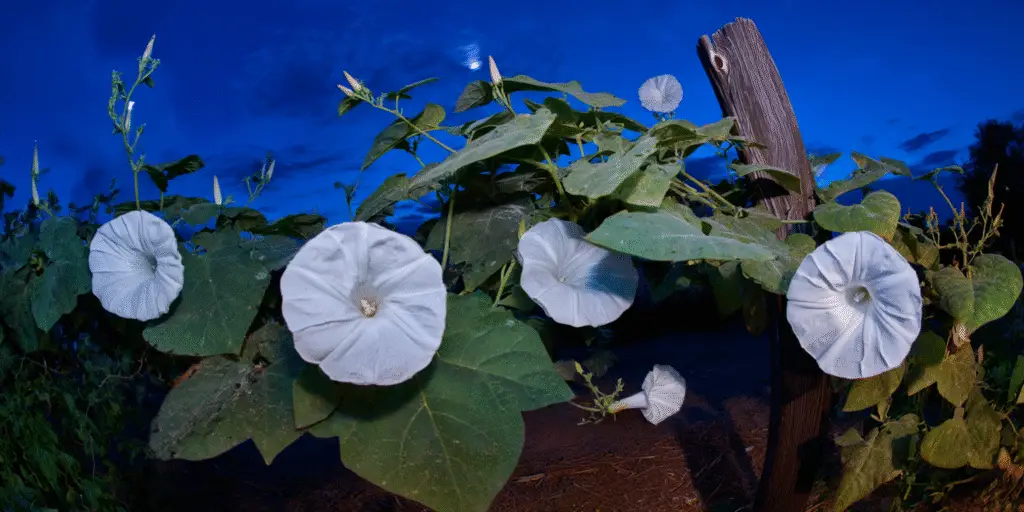
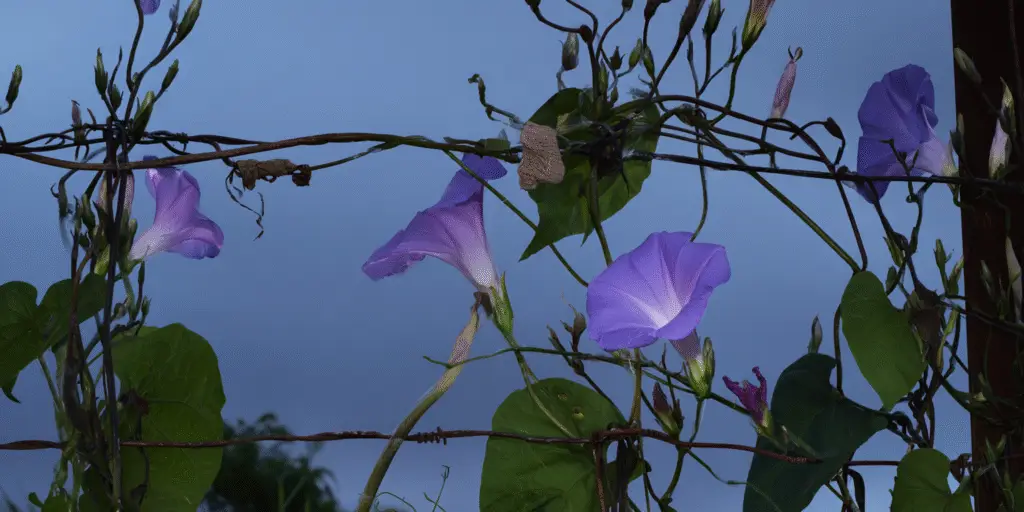
Moonflower care is all about giving a warm season twining vine the sun, heat, and support it needs to race upward and bloom when evening arrives. Moonflower, botanically Ipomoea alba (synonyms historically include Calonyction aculeatum), is a tropical morning glory relative that opens large white trumpets at dusk and closes them by dawn. The scent is sweet, and the flowers are sized for sphinx and hawk moths, which are common night pollinators in many U.S. regions. In frost free areas moonflower is a perennial; in most of the United States it is grown as a fast annual from seed. For best results provide full sun, evenly moist but well drained soil, and a sturdy trellis or fence the vines can twine around. A long warm season is the key to abundant bloom, so start seeds early indoors where the growing season is short.
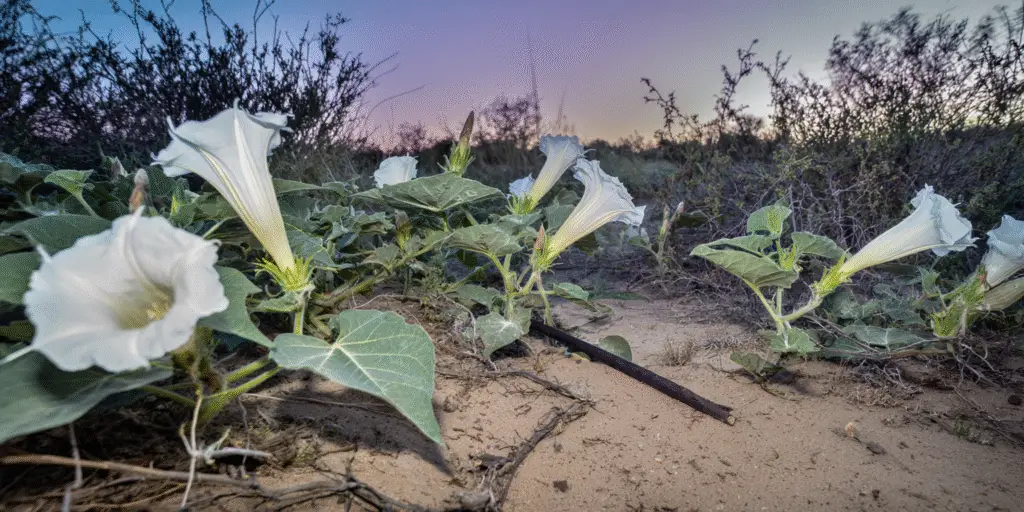
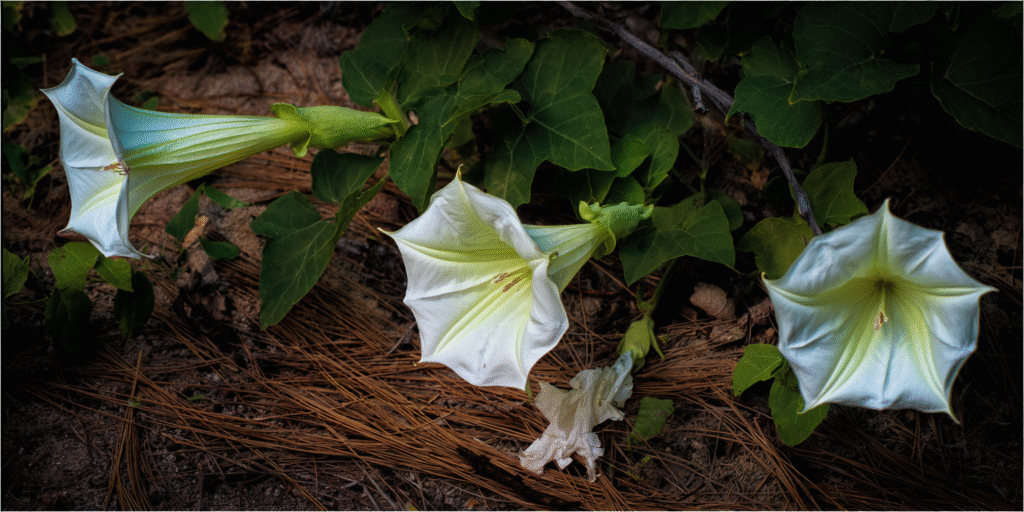
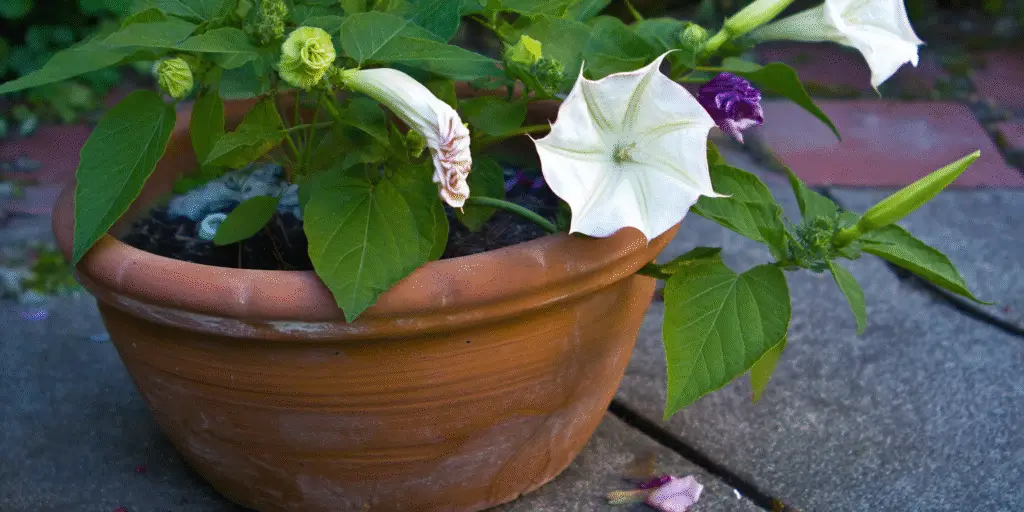
A note on names helps avoid confusion. Another plant called moonflower in some regions is Datura species, a shrubby nightshade with upright flowers that is not a vine and is highly poisonous. The moonflower covered here is Ipomoea alba, in the morning glory family, and it grows by twining its stems. Treat the seeds with care around children and pets, since seeds of Ipomoea species can be harmful if eaten in quantity. Moonflower thrives in U.S. climates that offer warm nights and a summer with sustained heat, though it can still be rewarding farther north if you start early and give the vine a warm, reflective site.
Think of moonflower as a dramatic accent for evening patios, porches, arbors, and fences. Height in a single season commonly reaches 10 to 15 feet (3.0 to 4.6 m) with adequate heat, and width can reach several feet if the support allows. Place it where you will walk in the evening or where a bedroom or living room window can be opened to catch the fragrance. Use the vine as a vertical counterpart to established shrubs or perennials and as a night garden anchor among white flowers and other light colored blooms that glow after sunset.
Soil & Bed Preparation
Moonflower is not fussy about soil texture. It grows in sandy, loamy, or clay loam soils as long as drainage is good. Before planting, loosen the top 6 to 10 inches (15 to 25 cm) of soil and fold in 2 to 3 inches (5 to 8 cm) of compost to improve tilth. This helps seedlings establish quickly and reduces watering stress during hot spells. Avoid heavy applications of fresh manure, which can drive excessive foliage at the expense of bloom. In compacted areas, broadforking or double digging before you add compost can speed root penetration and warm the bed more quickly in spring. Raised beds are helpful in poorly drained or heavy soils because they warm earlier and shed excess water.
Drainage and raised beds.
Consistent drainage is essential. If water puddles for many hours after rain or irrigation, install a simple French drain, raise the bed 6 to 8 inches (15 to 20 cm), or shift to large containers with free draining potting mix. In climates with summer cloudbursts, mulch helps moderate splash and temperature but should not trap water against stems. Keep mulch pulled back an inch or two from tender crowns and avoid piling mulch against trellis posts where water can stagnate. If your site is windy, place the trellis on the leeward side of a fence or structure to give the young vines calmer air as they climb.
Drainage Test and pH Targets.
To test drainage, dig a hole 12 inches deep and about 12 inches wide. Fill it with water and let it drain, then fill it again and measure the drop in water after 15 minutes. Multiply the drop by four to estimate inches per hour. Aim for roughly 1 to 3 inches per hour. If water remains after 8 to 24 hours the site is too tight and needs amendment or a raised bed. For pH, most annual flowering vines, including morning glory relatives, are at their best from about pH 6.0 to 7.5. If you garden on calcareous soils and vinegar fizz tests show free lime, lowering pH substantially is impractical; instead choose tolerant plants and feed lightly. Where soils are acidic, a soil test will tell you exactly how much lime to add to nudge pH toward the neutral range for flowering vines.
Correcting problems.
In heavy clay, blend in coarse compost or fine pine bark to open pore space and create more oxygen around roots. In very sandy soils, add compost or peat to boost water holding. If percolation is too fast, a deeper mulch layer and more organic matter help slow evaporation. Where percolation is too slow, raise the bed, add coarse organic matter, and avoid overwatering. These simple steps will prevent the root stress that often delays flowering on moonflower vines and encourage steady vegetative growth followed by strong bloom.
Planting Calendar by USDA Zone
Zones 3 to 6: last frost based.
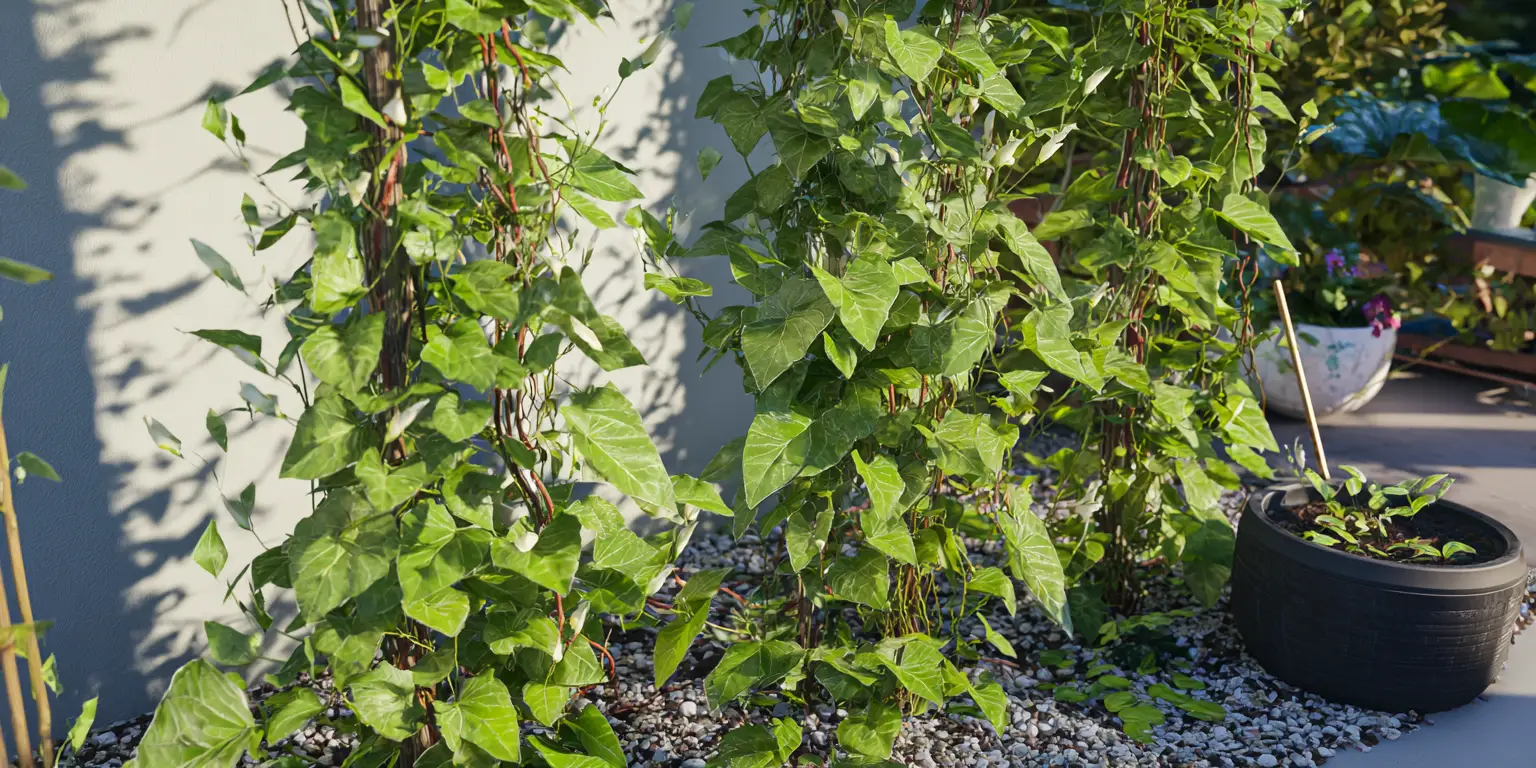
Moonflower is a heat lover. Start seeds indoors 6 to 8 weeks before your average last frost and set out hardened plants 1 to 2 weeks after frost when nights consistently remain above 55 to 60°F (13 to 16°C). Direct sowing is possible once the soil is at least 60°F (16°C), but blooming may come quite late if the season is short. To compensate for the shorter summer, place plants against south facing masonry, gravel, or light colored walls that reflect heat, and use black ground fabric or dark mulch early in the season to warm soil. In high elevation areas, consider training vines on a warm patio railing or along the protected side of a shed rather than in an exposed open bed.
Zones 7 to 8: spring to early summer.
Sow indoors 4 to 6 weeks before last frost and transplant 1 to 2 weeks after last frost when soils are warm. Direct sowing after the last frost also works well, since summer is usually long enough for bloom. Where spring turns hot and dry quickly, water deeply during establishment and consider light afternoon shade on the hottest sites. Coastal Zone 8 gardeners with cool maritime summers should start early under protection and use reflective hardscape for extra warmth. Fall frost often arrives late, so deadheading seed pods can stretch flowering well into the season.
Zones 9 to 10: warm season or nearly all season.
In warm interior Zone 9, direct sow from late spring through early summer once nights are reliably warm. In coastal or low desert areas, sow in spring and again in late summer for a fall show if you can keep irrigation steady. In Zone 10, moonflower may overwinter in sheltered microclimates and behave as a tender perennial. Where winters are mild but soils are alkaline and calcareous, prioritize raised beds and organic matter to maintain even moisture and adequate nutrient availability for flowering.
Zones 11 to 12: perennial behavior.
In frost free climates moonflower can be perennial. Plant at almost any time, avoiding the coolest or very dry periods. Trim lightly after main bloom flushes to keep growth tidy and to encourage fresh flowering wood. Where nights stay warm, vines can exceed 15 feet (4.6 m), so provide a robust support from the start and site away from gutters and rooflines. In tropical summer rainfall climates, ensure excellent drainage and airflow to avoid crown and root problems during prolonged wet spells.
Planting: Depth & Spacing
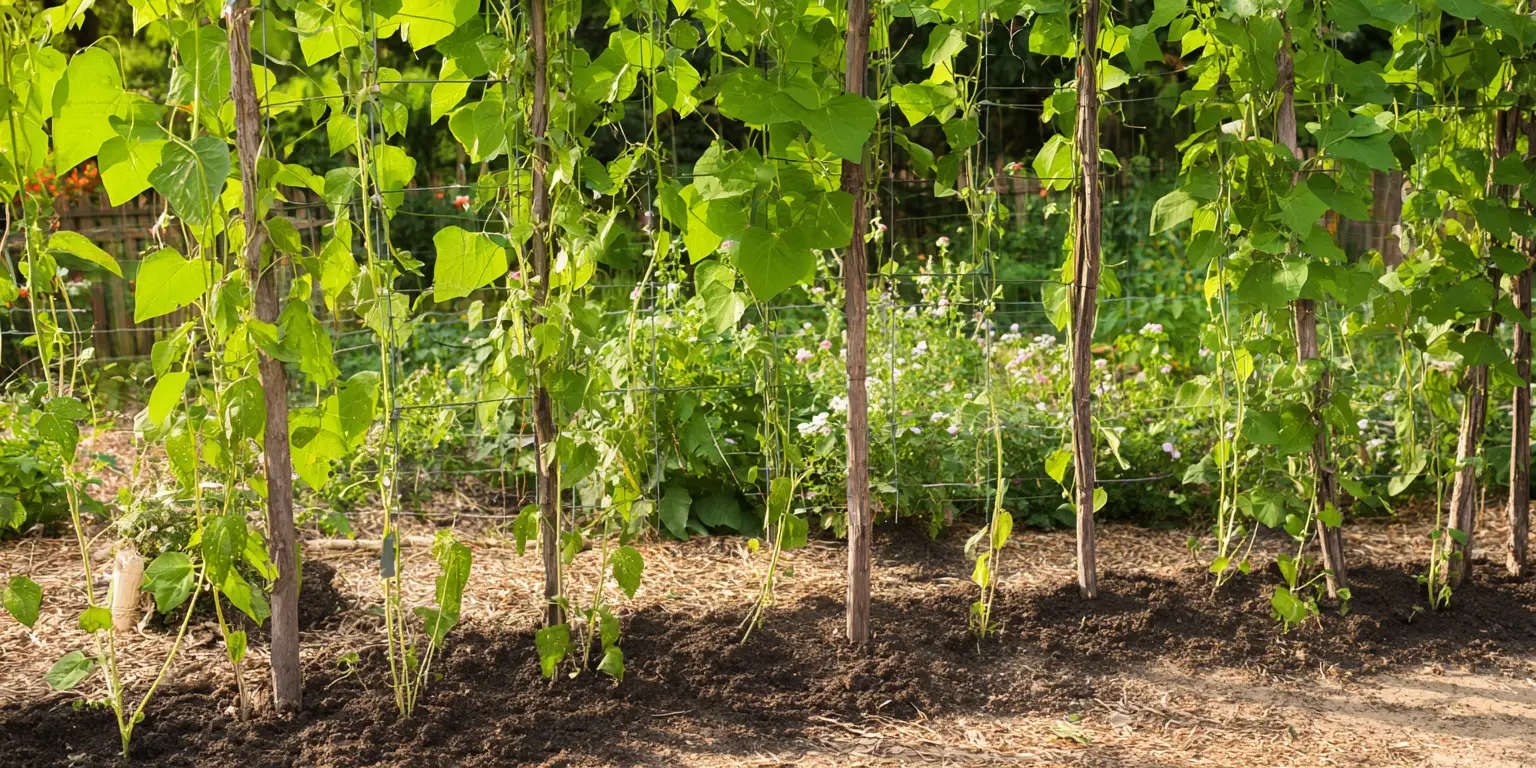
For moonflower care from seed outdoors, soak seeds overnight in warm water or lightly nick the seed coat, then plant one quarter to one half inch deep, spaced along your support. Keep soil evenly moist until emergence. Where you want a dense screen, plant clumps of two seeds every 12 to 18 inches (30 to 46 cm) along the base of the trellis or fence. Thin to the stronger seedling in each clump after establishment. A single vigorous plant can cover several feet of trellis by late summer in warm regions, so adjust spacing to the coverage you want. Always install the trellis before sowing to avoid disturbing young roots later.
Indoor starts and transplanting.
In short season regions, start seeds indoors in biodegradable pots 4 to 8 weeks before the last frost date. Use a warm seedling heat mat if room temperatures are cool, and give bright light the moment seedlings emerge. Transplant with minimal root disturbance 1 to 2 weeks after danger of frost, and only once nights are mild. Harden plants for a week outdoors in bright shade, then morning sun, gradually extending time and light. Set transplants at the same depth they grew in the pots and water deeply to settle soil. Because the vines twine, loosely tie the first 12 inches (30 cm) of growth to the support so they find their footing quickly and resist wind.
Container grown plants.
If you purchase or raise container starts, plant at the original soil line and firm the soil around the root ball. For coverage of an arch or tall trellis, one plant per side is often enough by season’s end in warm zones; two per side produce faster early coverage in cooler summers. Leave 12 to 24 inches (30 to 61 cm) between plants along a fence depending on how quickly you want a solid screen. After transplanting, provide shade cloth or a temporary board during the first few afternoons if a heat wave arrives, since soft greenhouse grown leaves scorch easily until cuticle thickens. Keep soil evenly moist during the first two weeks to prevent transplant shock.
Watering & Mulching
After planting or emergence, water deeply to wet the top 6 to 8 inches (15 to 20 cm) of soil, then allow the surface to dry slightly before watering again. For in ground vines, a target of roughly 1 inch of water per week from rain and irrigation combined is a useful starting point during average summer weather. In heat waves or sandy soils you may need two thorough waterings per week. Containers dry faster and often need daily checks in midsummer; water until you see flow from drainage holes and never let pots sit in saucers for long periods. Early morning watering allows foliage to dry and reduces disease pressure.
Mulch types and thickness.
After the soil has warmed, apply 2 to 3 inches (5 to 8 cm) of organic mulch such as shredded leaves, pine bark fines, or clean straw to conserve moisture and moderate temperature. Pull mulch back an inch or two from stems to avoid crown rot. In very hot interiors, a light colored mulch can reflect heat and keep roots cooler; in cool summer climates, a darker mulch warms the root zone. Avoid piling mulch deeper than 3 inches in flower beds since thick mats can trap excess moisture and favor root rots. Top up a thin layer midseason if the mulch has broken down and the soil surface is exposed.
Stress management and rot prevention.
During heat spikes above the mid 90s°F (mid 30s°C), more frequent deep irrigation and a temporary shade cloth over the root zone can prevent leaf scorch and bud drop. In prolonged drought, accept some wilting at midday but water before leaves remain limp in the evening. If your water is hard or alkaline, focus on building organic matter and keeping pH within the target range rather than adding acidifying products without a soil test. Good drainage is the best protection against crown and root rot. Avoid soggy conditions by amending heavy soils, watering early, and keeping mulch depth moderate.
Feeding
Moonflower is not a heavy feeder. In average garden soil, work a balanced granular fertilizer with a phosphorus content equal to or slightly higher than nitrogen, such as 5–10–5 or 10–10–10, into the top 4 to 6 inches (10 to 15 cm) of soil before planting, following labeled rates. For gardeners who prefer numeric guidance, five pounds of a 5–10–10 per 100 square feet is a traditional bed preparation rate for annual flowers. After that, a light side dressing 6 to 8 weeks later or a single application of a slow release balanced fertilizer at planting is usually enough. Excess nitrogen encourages lush leaves at the expense of flowers, so keep nitrogen modest once vines begin to run.
Organic and slow release options.
Compost and well balanced organic blends provide steady nutrition and improve soil biology. In containers, use a high quality potting mix that contains a controlled release fertilizer or supplement with a dilute balanced liquid feed every 3 to 4 weeks until buds form, then back off to avoid excess nitrogen. Where soil tests show low phosphorus, a one time application according to lab recommendations can improve flowering in subsequent seasons. Always water before and after applying granular fertilizers to prevent root burn and to move nutrients into the root zone.
When to skip fertilizer and when to retest.
If vines are a deep healthy green and flowering well, do not add fertilizer. Skip feeding during heat stress, drought, or when plants are flagging for reasons unrelated to nutrients. Retest soil every 2 to 3 years in in ground beds to confirm pH and phosphorus levels. In alkaline regions where free lime is present, rely on organic matter and correct irrigation rather than repeated attempts to acidify the entire bed. In containers, refresh the top third of the mix and renew slow release fertilizer at the start of each warm season.
Pruning & Support
Provide a secure support before sowing. Moonflower climbs by twining, so string, wire mesh, lattices, and fences all work. Gently guide young shoots to the support and tie loosely with soft ties until they coil by themselves. Regularly remove spent flowers and developing seed pods if you want to prolong bloom and reduce self seeding. A light midsummer tidy of tangled growth keeps air moving through the vine. At season’s end in cold zones, cut vines at the base after frost and compost the debris if disease free. In frost free zones, trim lightly after flushes to maintain form and encourage new flowering wood.
Tool hygiene and disease caution.
Keep pruners clean to limit spread of pathogens. If you prune plants that show any sign of rot, sanitize blades by wiping with 70 percent alcohol or dipping in a 10 percent bleach solution for at least 30 seconds, then rinse and dry to prevent corrosion. Discard any obviously infected tissue in the trash rather than the compost. Good airflow, clean tools, and watering at the soil line rather than overhead are simple steps that help moonflower stay healthy through summer.
Overwintering
In zones where frost arrives, treat moonflower as an annual. Collect mature seeds once pods dry and split, and store them cool and dry for next spring’s sowing. If you grew vines in large containers, you can experiment with moving a pot indoors before frost to a bright sunroom or south window and cutting the plant back by one third. Keep the pot just moist and watch for spider mites in warm dry air. Not all plants make a graceful transition to indoor conditions, so most gardeners resow each spring for best vigor and bloom.
Frost free or very mild winter regions.
In zones 10 to 12 and some warm Zone 9 microclimates, moonflower can overwinter as a tender perennial. After the main bloom season, trim and tidy the vine, apply a light layer of compost around the root zone, and maintain a 2 to 3 inch (5 to 8 cm) mulch blanket to buffer soil temperatures. In areas with winter rainfall, inspect supports after storms and prune wind tattered growth to prevent breakage. Resume light feeding when new growth begins as temperatures rise. Where rodents are a nuisance, use wire mesh guards at the base of wood trellises and keep mulch pulled back from posts.
Growing Environments
Moonflower grows well in containers when you provide room for roots and a sturdy climbing frame. As a practical minimum, use containers that hold at least 2 gallons of potting mix, with larger volumes offering better moisture buffering in hot weather. A pot 12 to 16 inches wide and deep often performs well for a single vine. Ensure multiple drainage holes and use a high quality, peat or bark based soilless mix rather than garden soil, which compacts and drains poorly in pots. Place the container where it receives full sun and anchor the trellis or obelisk securely within the pot or behind it.
Potting mix and drainage.
Use a fresh, well draining container mix and blend in a modest amount of slow release balanced fertilizer at planting. Top dress with compost later in the season if the mix settles. In desert and high wind regions, consider wide, heavier planters that resist tipping. Check moisture daily in midsummer. Water until excess runs from the drain holes and allow the top inch of mix to dry slightly between waterings. A thin layer of mulch on the pot surface helps reduce evaporation; avoid thick layers that keep the crown constantly wet.
Microclimates: shade, wind, reflected heat.
In humid regions with intense afternoon sun, a site with morning sun and light afternoon shade can reduce leaf scorch and conserve moisture without reducing bloom. In arid regions, place containers near masonry or on warm patios that store heat and extend evening fragrance, but keep the root zone shaded with mulch to avoid hot soil. On exposed balconies or rooftops, windbreaks such as lattice panels help young shoots grab the support. In coastal gardens with salty wind, position vines with some shelter from direct spray and keep foliage clean with fresh water after storms.
Companion Planting & Design
Pair moonflower with other night or evening friendly plants that draw moths and glow at dusk. Good companions include flowering tobacco (Nicotiana sylvestris), night phlox, and evening primrose, plus pale border perennials like white phlox or shasta daisies. Low mounding herbs such as lavender and silver foliage plants keep the base cool and tidy. For a luminous palette, intermix with other white flowers and silvery leaves so the moonflower trumpets become dramatic focal points as the light fades.
Hiding die back and planning airflow.
In cold winter regions, moonflower vines blacken after frost. Tuck the base behind evergreen shrubs, ornamental grasses, or compact perennials so the structure looks composed when the vine is cut back. Maintain at least 12 to 18 inches (30 to 46 cm) of lateral space from large shrubs to preserve airflow around the vine. Where evening dew is heavy, avoid crowding to reduce leaf wetness. Underplant with tough, drought tolerant annuals to cover bare soil while the vine climbs.
References
- North Carolina Cooperative Extension. Ipomoea alba plant profile.
- University of Illinois Extension. Moonflower.
- UF/IFAS Gardening Solutions. Moonflower.
Written by: Your Flowers Guide editorial team
We are a small independent group of flower lovers who research and review each guide using trusted horticultural and educational sources. Learn more about us