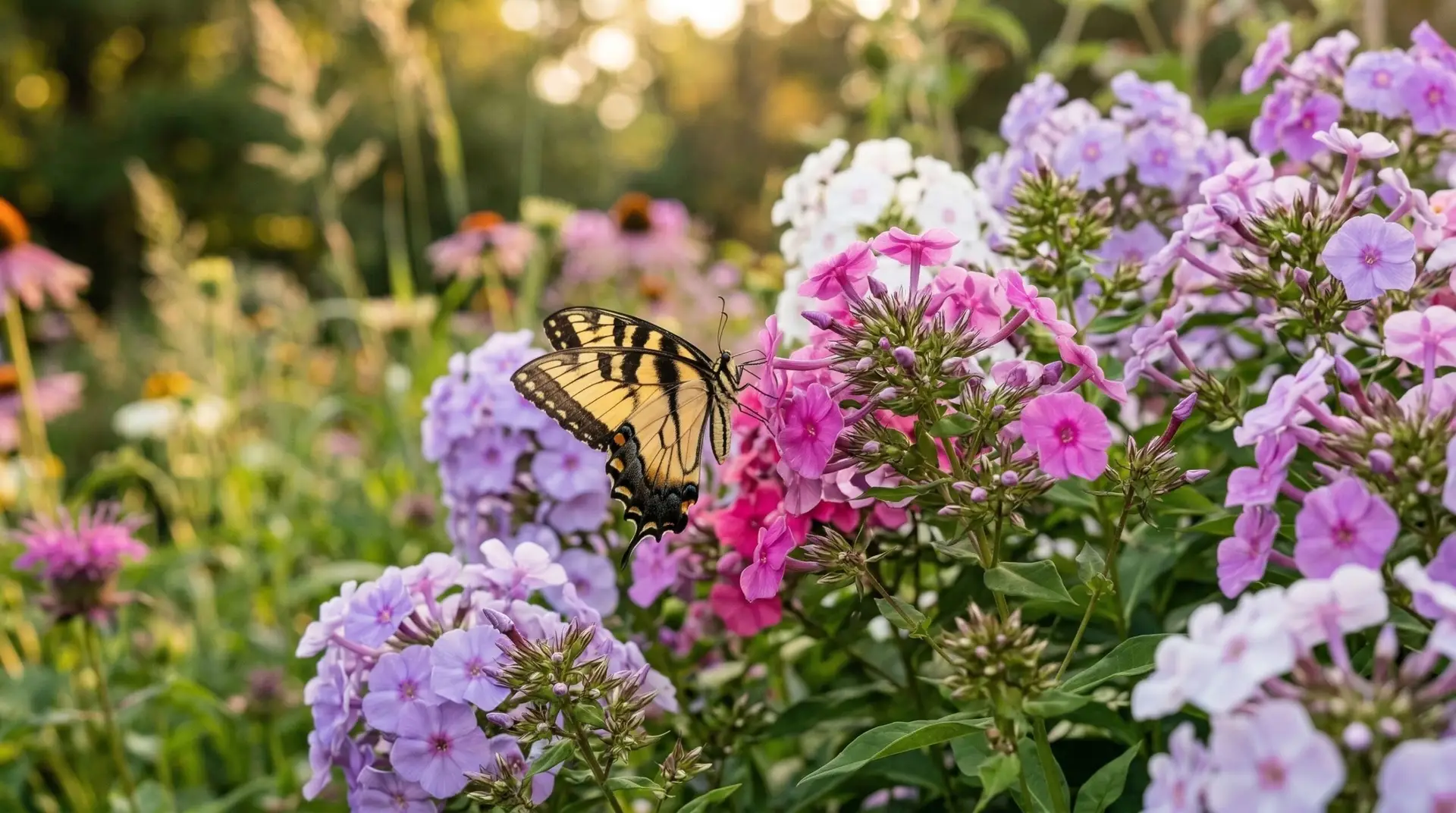
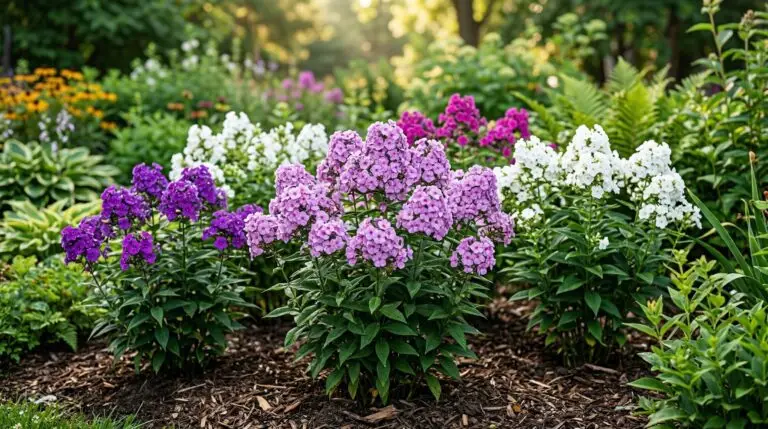
Late afternoon in late July brings a heavy heat, but the light is just beginning to slant through the oak leaves. I stand quietly beside the driveway, watching a tall stand of garden phlox swaying in the faint breeze. A tiger swallowtail descends from the tree canopy, a broad kite of yellow and black against the green foliage. It lands gently on the dome of magenta flowers, uncoiling a delicate proboscis to probe the center of a single bloom. This specific interaction transforms a static garden plant into a living, breathing intersection of ecology.
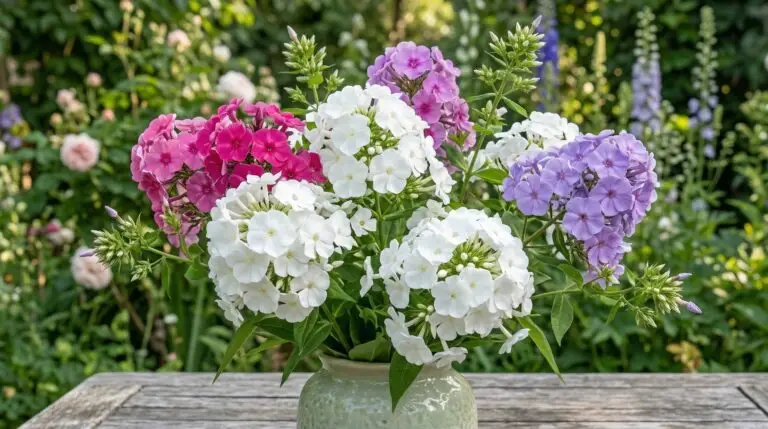
The butterfly moves methodically from floret to floret, entirely consumed by the task of feeding. Phlox is not a single blossom, but a constellation of dozens of small flowers gathered into a dense panicle. This structure provides a wide, stable landing pad for large insects that need a place to rest their heavy wings while they eat. The relationship between phlox butterflies and the plant itself is an ancient, quiet transaction happening right in the front yard. The flower offers a rich drop of nectar, and in exchange, the butterfly carries pollen to the next patch down the road.
The physical architecture of the flower dictates exactly who gets to participate in this exchange. Each individual bloom features a long, narrow corolla tube that keeps short-tongued bees away from the sugary reward hidden at the base. This deep reservoir ensures that phlox pollinators are mostly specialists equipped with long mouthparts. As gardeners, our job is to keep that nectar flowing by providing rich soil and steady moisture during the dry weeks of late summer. When we carry a watering can to the base of these plants, we are quite literally pouring drinks for the swallowtails.
Hummingbirds and the summer sun
The tubular design of the flower is perfectly legible to the birds that frequent our summer gardens. Ruby-throated hummingbirds understand this shape immediately, recognizing the pink and purple clusters as reliable food sources. A male hummingbird arrives with a sudden whir, a blur of iridescent green and copper hovering just inches from the petals. He dips his long bill into the center of each bloom, feeding rapidly before darting to the next stem. Watching phlox hummingbirds work the perimeter of the yard requires stillness, as they are fiercely territorial creatures. They will claim a healthy patch of flowers as their own, chasing away rivals with sharp, chattering calls that echo across the lawn.
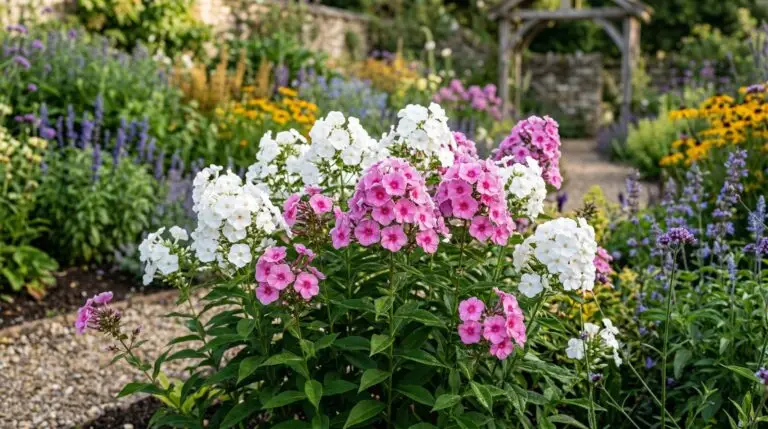
Supporting these energetic avian visitors means giving the plants enough room to breathe and grow. Crowded stems invite powdery mildew, a white fungal film that suffocates the leaves long before the season ends. Thinning seedlings feels like a small act of cruelty in the brisk days of early spring, but crowded plants compete for light and water until none of them thrives. Removing the weakest shoots allows the summer wind to move freely through the remaining stalks. Good airflow keeps the foliage green and ensures the flowers remain abundant enough to sustain the birds until autumn.
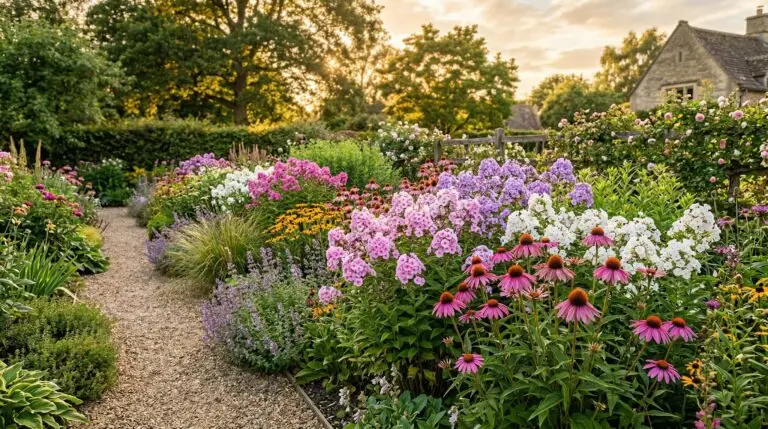
In a thoughtful mixed border, this tall perennial rarely stands alone. It shares the soil with other reliable native and adapted plants that draw completely different crowds. While the shallow, open disks of coneflower invite solitary bees and seed-eating finches, the phlox commands the attention of the long-tongued specialists. Planting these different flower shapes together creates a complete feeding ground that sustains a wide variety of life. The garden becomes a layered habitat, providing continuous nourishment from the peak of midsummer until the first heavy frost.
Evening fragrance and the moth watch
As the sun drops below the tree line, the garden changes hands and the daytime visitors retreat. The hummingbirds return to their hidden roosts, and the swallowtails fold their wings tightly beneath the broad leaves of nearby shrubs. Now the phlox begins its second act, releasing a heavy, sweet fragrance into the cooling evening air. This scent is a deliberate signal sent out into the dusk, meant to attract the night shift of the insect world. It smells faintly of cloves and sugar, a perfume that grows stronger as the darkness deepens.
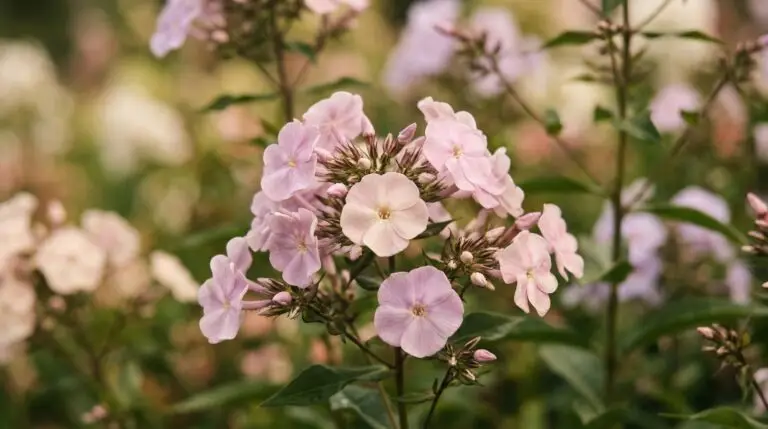
White and pale pink varieties become particularly luminous in the twilight, catching the ambient moonlight. They shine as beacons for sphinx moths and hummingbird moths searching for food in the dark. These large, heavy-bodied insects hover gracefully over the blooms, unspooling tongues that are sometimes longer than their entire bodies. They drink deeply from the tubular flowers, their wings beating so fast they create a soft, audible hum in the quiet air. Standing near the plants at night, you can feel the wind from their wings before you even see them.
Planting for these nocturnal visitors requires a shift in how we view our cultivated spaces. We usually design our yards for our own daylight hours, filling the beds with the bright, sun-loving faces of cosmos or the sprawling clusters of lantana. These are beautiful and necessary for the daytime ecology, but they sleep when we sleep. A garden that includes fragrant evening bloomers invites us to step outside after dinner, perhaps with a flashlight, to witness a different crew of workers. It asks us to stand still in the dark and listen to the rustle of life that continues long after we have gone inside.
Seasons of sustenance
The blooming period of tall garden phlox spans the hottest, most exhausted weeks of the year. When the delicate spring ephemerals have long since vanished and the early summer perennials have gone to seed, these sturdy stalks remain thick with blooms. They bridge the difficult gap between the easy abundance of June and the goldenrod of September. This specific timing provides essential fuel for migratory butterflies that need consistent calories for their long flights south. The garden gives them a place to rest and refuel before they continue their journey across the continent.
Maintaining this late-summer feast requires a quiet, observant kind of attention from the gardener. Snapping off the faded flower heads prevents the plant from spending its energy on seed production too early in the season. This practice of deadheading encourages secondary, smaller blooms to emerge from the leaf axils lower down the main stem. It is a repetitive, meditative task that leaves your hands sticky with sap and smelling of the sweet flowers. It teaches patience and an appreciation for the slow, continuous work of tending a living space.
Eventually, the autumn nights grow too cold for moths, and the last hummingbirds depart for the tropics. The phlox drops its final petals, leaving behind small, hard seed capsules that rattle softly in the November wind. The tall stems turn brown and hollow, offering vital winter shelter for native insects that will emerge when the soil warms again next spring. The garden finally rests under a layer of frost and snow, quiet and still. Yet the memory of the heavy summer air, thick with fragrance and the beating of tiny wings, remains safely anchored in the dormant roots.
More About Phlox
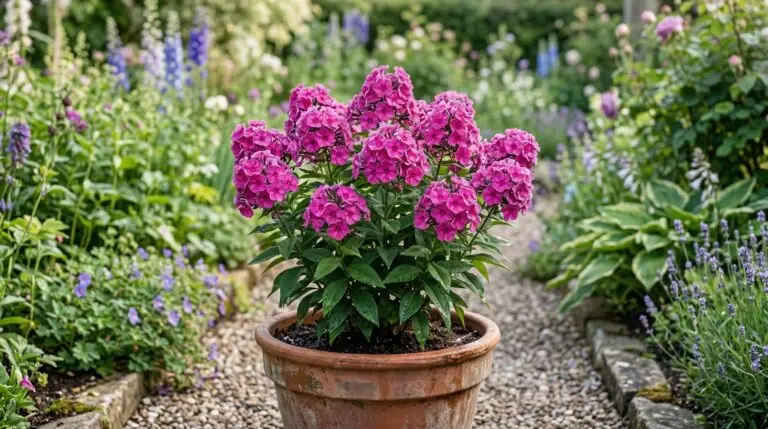
Growing phlox in containers for fragrant summer displays on patios and balconies
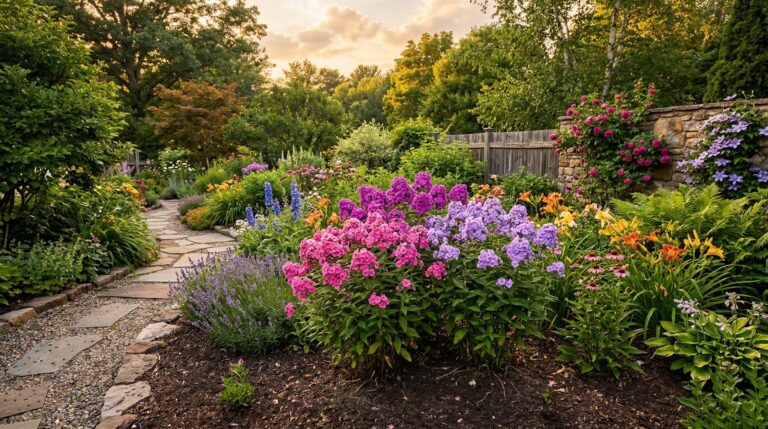
Dividing tall garden phlox every few years for stronger plants and more flowers
Best phlox varieties from mildew-resistant David to brilliant Starfire
How to grow garden phlox for fragrant flower clusters that dominate the midsummer border
Companion plants for phlox: what to grow and what to avoid
Phlox flower meaning and the sweet agreement this bloom represents in the language of flowers
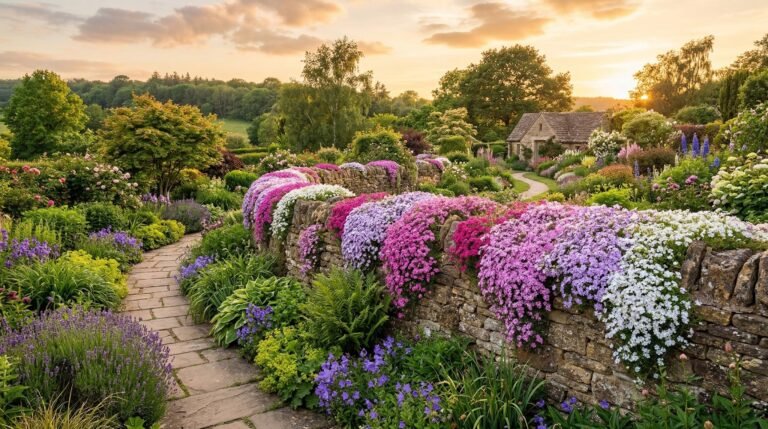
Creeping phlox for spring ground cover that turns slopes into rivers of color
Phlox powdery mildew and how to finally beat this persistent fungal problem