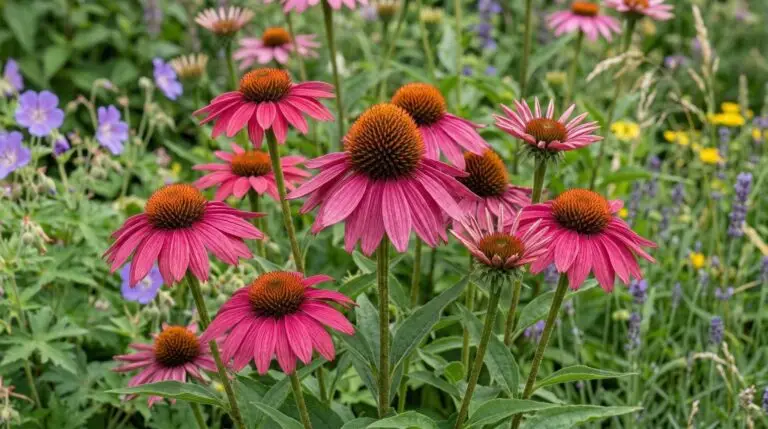
When you look at a blooming coneflower, you are not actually looking at a single flower. The prominent, spiky central cone that gives the genus Echinacea its name is a dense cluster of hundreds of individual, fertile florets. The colorful petals drooping from the base are sterile ray florets that function entirely as a visual beacon for passing insects. This composite structure is a brilliant evolutionary strategy that allows a single pollinator to fertilize dozens of seeds in one visit. Native to central and eastern North America, these plants evolved alongside the insects and birds of the tallgrass prairie and open woodlands. The stiff, spiny bracts that protect those central florets act as armor against grazing herbivores while providing a secure grip for heavy-bodied insects.
There are nine recognized Echinacea species, all of which are entirely endemic to North America. Botanists and ecologists value these plants because they offer a masterclass in regional adaptation. Over thousands of years, different populations of native echinacea adjusted their root structures, leaf shapes, and bloom times to survive in highly specific environments. Some developed deep taproots to survive the scorching droughts of the Great Plains, while others evolved fibrous root systems suited to the loamy soils of woodland edges. Recognizing these biological differences changes how we understand their survival strategies and explains exactly what they need to thrive in a cultivated space.
The biological design of native echinacea
The underground life of a native coneflower dictates everything about its above-ground health. Species adapted to harsh, dry prairies invest an enormous amount of energy into developing a thick, fleshy taproot during their first few years of life. This taproot acts as an underground storage organ, holding water and carbohydrates that allow the plant to survive both extended droughts and the historical wildfires that frequently swept across the plains. Understanding this root biology explains why many native coneflower species struggle in compacted clay or poorly draining soils. When a taproot sits in waterlogged earth, it rapidly succumbs to fungal rot.
Above ground, the flower architecture is specifically engineered to support the weight of large, native pollinators. Unlike delicate woodland blossoms that flutter in the breeze, the thick stems and stiff ray florets of Echinacea provide a sturdy landing pad for bumblebees, monarch butterflies, and swallowtails. As a bee walks across the central cone, it presses against the spiky bracts, picking up pollen from the male anthers and transferring it to the female stigmas of neighboring florets. The nectar is hidden deep within the floral tubes, requiring insects to have a sufficiently long proboscis to reach the reward. This mechanical relationship ensures that pollen is carried away by strong, capable flyers that will travel long distances between plant populations.
Regional distribution of echinacea species
The most widely recognized species in cultivation is Echinacea purpurea, commonly known as the eastern purple coneflower. Unlike its prairie-dwelling cousins, this species naturally occurs in open woods and moist thickets where the soil is richer and retains more moisture. It utilizes a fibrous root system rather than a deep taproot, making it highly adaptable to standard garden conditions and frequent division. The broad, dark green leaves are designed to capture filtered sunlight in these partially shaded environments. Because it evolved in less extreme conditions, Echinacea purpurea is generally the easiest species to grow, though it requires more consistent water than the true prairie natives.
Moving west into the drier, open plains, the physical traits of the plants shift dramatically to conserve moisture. Echinacea pallida, the pale purple coneflower, has long, narrow leaves covered in fine, stiff hairs that reduce water loss from wind evaporation. Its ray florets are incredibly thin and droop almost vertically from the central cone, a trait that may help shed heavy prairie rains or reduce the surface area exposed to the midday sun. Further west and north, Echinacea angustifolia dominates the rocky, shallow soils of the Great Plains. This compact species rarely grows taller than two feet, keeping a low profile to avoid the relentless winds while relying on a massive taproot to draw moisture from deep within the rocky subsoil.
One of the most biologically fascinating variations occurs in the Ozark Mountains with Echinacea paradoxa, the yellow coneflower. The specific epithet “paradoxa” refers to the fact that this plant produces bright yellow ray florets, completely breaking the typical pink and purple color palette of the genus. Botanists believe this yellow coloration evolved as an adaptation to attract specific local pollinators or to compete for attention in environments dominated by yellow composites. This species often shares its native range with other sun-loving prairie plants like Black Eyed Susan, creating a bright, highly visible target for passing insects. The genetic traits of Echinacea paradoxa are frequently used by plant breeders to introduce yellow and orange hues into modern horticultural hybrids.
Conservation status and specialized adaptations
While some species are widespread, others have evolved to occupy incredibly narrow ecological niches, making them vulnerable to habitat loss. Echinacea tennesseensis, the Tennessee coneflower, is a prime example of an extreme specialist. This rare species is found naturally only in the cedar glades of central Tennessee, where the soil is essentially a thin layer of gravel over solid limestone bedrock. The limestone environment creates highly alkaline soil that bakes in the summer and freezes solid in the winter. To survive here, the Tennessee coneflower developed a unique floral structure where the ray florets point outward or slightly upward, rather than drooping downward like other species, possibly to maximize sun exposure in its specific microclimate.
The conservation of these wild populations is a major priority for plant ecologists. When native habitats are paved over or converted to agriculture, we lose the deep genetic diversity that allows these plants to resist diseases and adapt to changing climates. Protecting wild Echinacea populations also supports the complex food webs that depend on them. Late in the season, the dried seed heads become essential foraging grounds for overwintering birds like American goldfinches. These birds possess specialized beaks capable of extracting the nutrient-dense seeds from between the sharp, protective bracts of the cone. Preserving a prairie ecosystem requires protecting the entire community, from the deep-rooted coneflowers to the late-blooming Goldenrod that provides autumn nectar.
Integrating native coneflower into the garden
Bringing these wild species into a cultivated garden requires matching the biology of the plant to the conditions of the site. If you have sandy, rocky, or dry soil that bakes in the afternoon sun, the taprooted species like Echinacea pallida and Echinacea angustifolia will thrive where other plants wither. They need very little supplemental water once established and will actively suffer if given rich compost or chemical fertilizers. Conversely, if your garden has heavier, moisture-retentive soil, Echinacea purpurea is the biologically appropriate choice. Paying attention to these native soil preferences eliminates the need for soil amendments and creates a self-sustaining planting that mimics natural ecology.
When you plant a native echinacea, you are participating in a biological relationship that has been playing out for millennia. The flowers we see as solid pink or purple actually display distinct ultraviolet patterns invisible to the human eye but glowing like neon signs to the compound eyes of bees. These UV nectar guides point directly to the center of the cone, directing the insect exactly where it needs to go to facilitate pollination. Leaving the stalks standing through the winter allows you to witness the final stage of the plant’s life cycle. As the snow falls, those dark, spiky cones remain upright, holding tightly to their seeds until a foraging bird lands on the stiff stem, completing a process that began with a single bee visit in the heat of July.
More About Coneflower
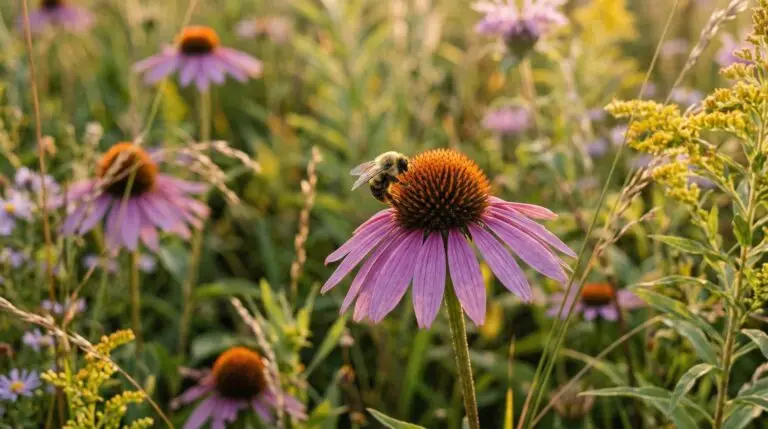
Coneflowers as the backbone of pollinator gardens attracting bees butterflies and birds
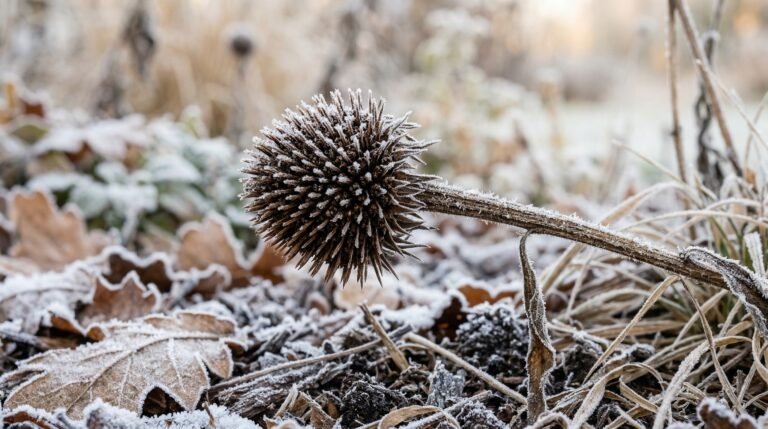
How to grow coneflowers from seed for a naturalistic wildflower garden
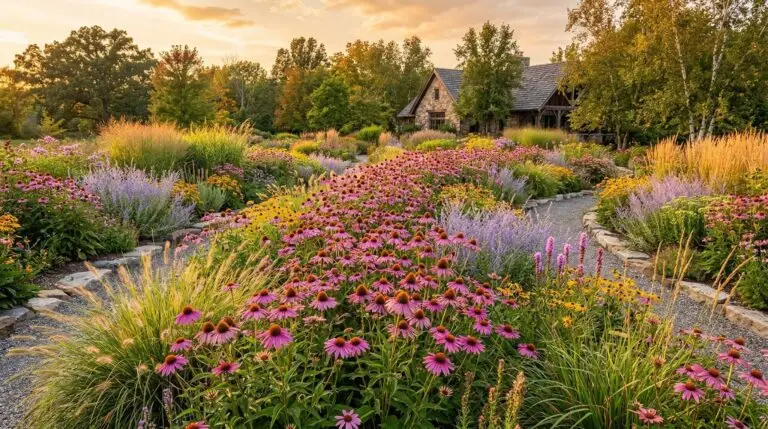
Coneflower and ornamental grass combinations for a modern prairie garden design
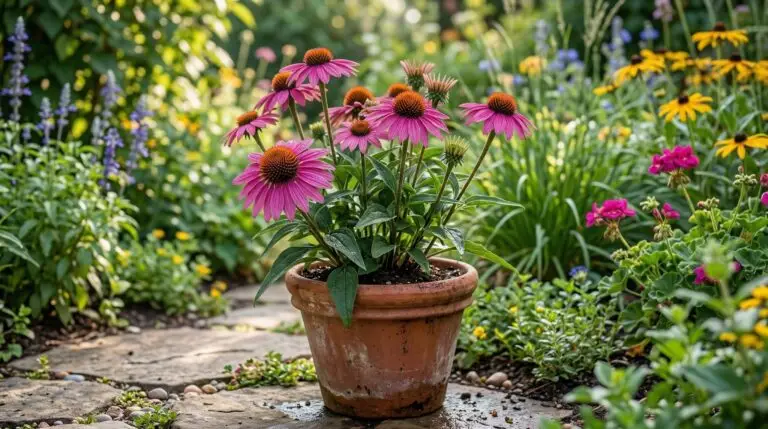
Growing coneflowers in containers for sunny balconies and apartment gardens
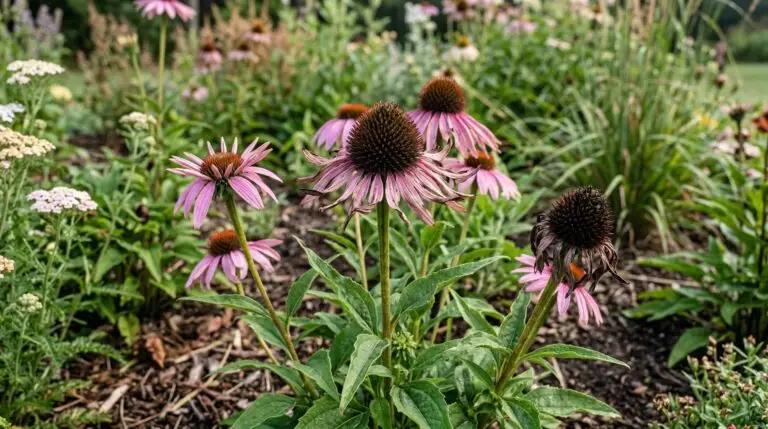
Using coneflowers as long-lasting cut flowers in summer and fall bouquets
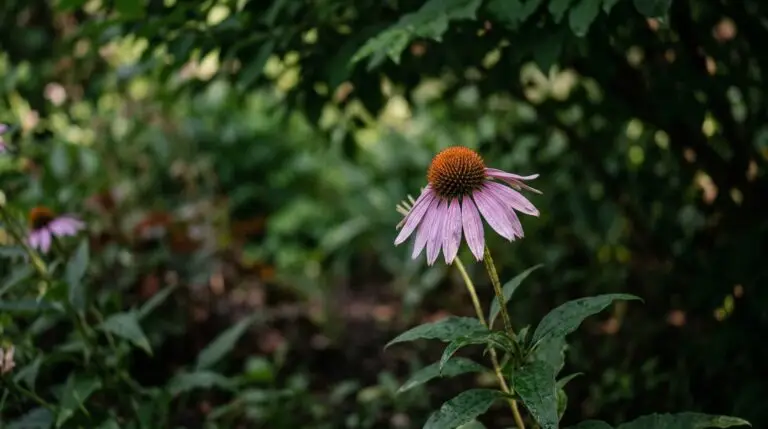
Why coneflowers flop over and how to grow sturdy upright plants without staking