Garden Roses
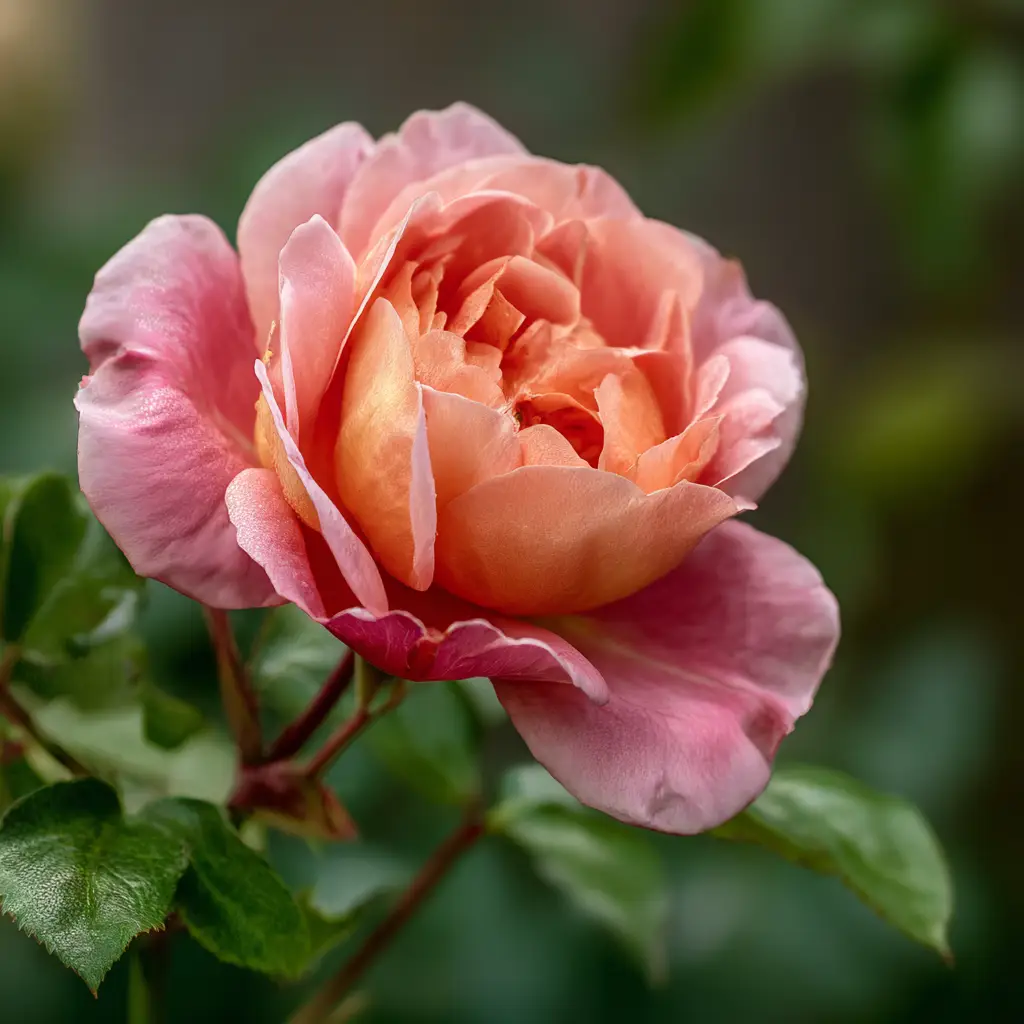
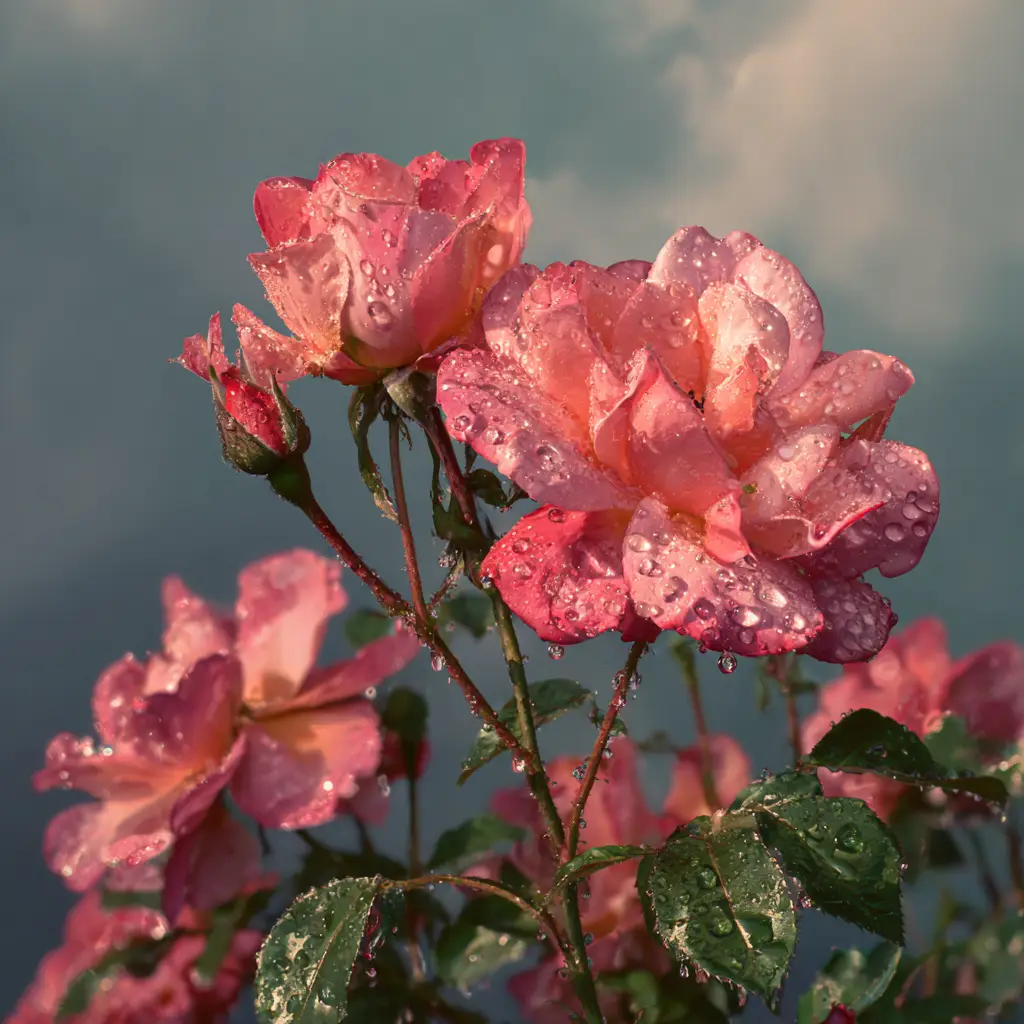
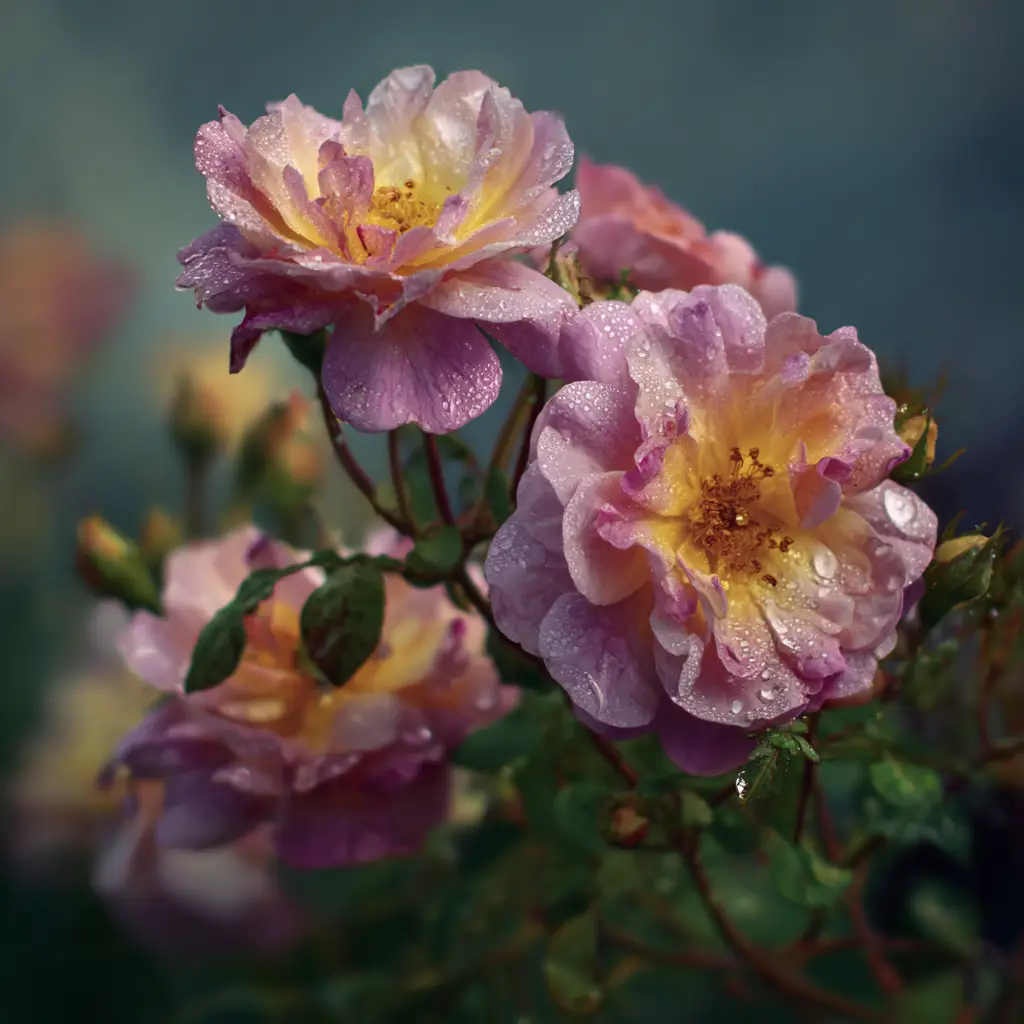
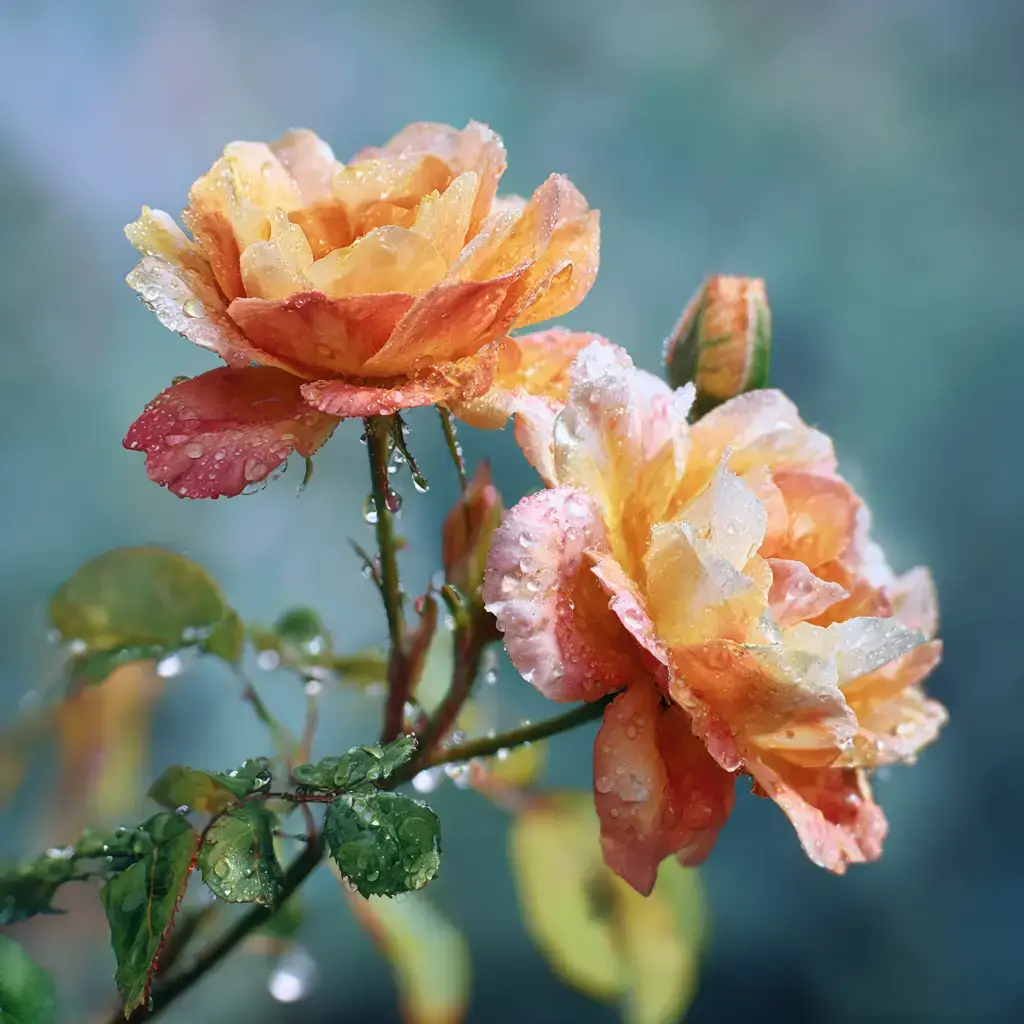
Garden roses are the cultivated members of the rose genus grown for landscape beauty and cut flowers. They range from compact groundcovers to climbers and long‑lived shrubs, valued for repeat bloom, fragrance, and classic, high‑centered buds. Modern classes such as hybrid tea, floribunda, grandiflora, and landscape shrub roses sit alongside old garden roses, species roses, and English‑style selections. Most thrive in full sun with well‑drained, fertile soil and regular moisture. With sound sanitation and resistant cultivars, roses are reliable performers in many U.S. climates.

🌱 Taxonomy and origin
Family: Rosaceae. Genus: Rosa. Thousands of cultivars exist across modern and heritage groups. Old garden roses trace largely to Europe and the Middle East, while the repeat‑flowering trait in many modern roses comes from Chinese roses introduced to Europe in the 18th and 19th centuries. Today’s garden roses are complex hybrids, typically designated as Rosa cultivars without a species epithet.
🌸 Bloom time
Repeat‑blooming modern roses flower from late spring to frost in most regions, cycling every four to six weeks with good care. Many old garden types and some species are once‑blooming, producing a heavy display in late spring to early summer. Bloom period length varies by class, cultivar, climate, and pruning timing.
📏 Height and spread
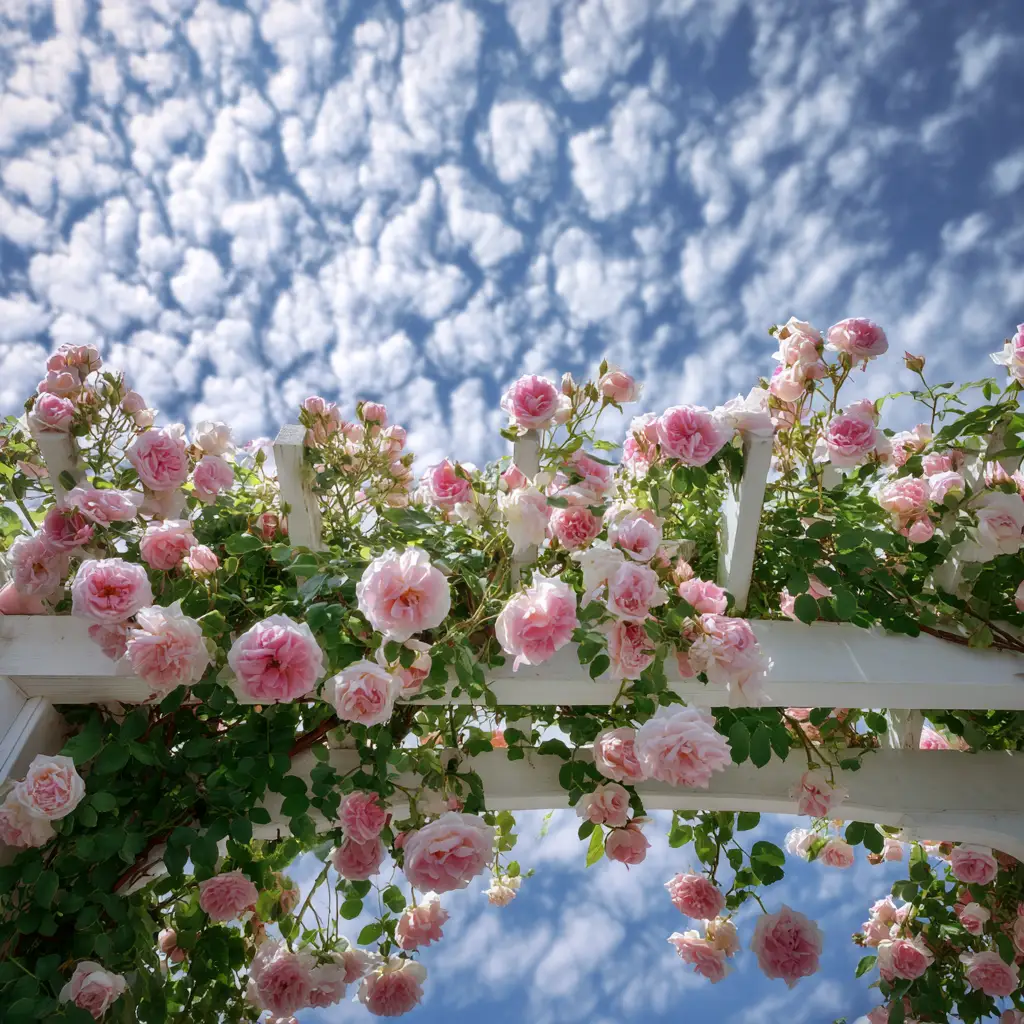
Size varies widely. Groundcover and miniature roses are about 1 to 3 ft tall (30 to 90 cm). Floribunda and hybrid tea shrubs usually reach 3 to 5 ft tall (0.9 to 1.5 m) and 2 to 4 ft wide (0.6 to 1.2 m). Large landscape shrub roses grow 4 to 6 ft tall (1.2 to 1.8 m) or more. Climbing roses develop 8 to 20 ft long canes (2.4 to 6.1 m) that are trained on trellises, fences, or arches.
☀️ Light
Full sun is best: aim for 6 or more hours daily. In hot southern or interior climates, light afternoon shade can reduce stress and petal scorch. Good air movement reduces disease pressure; avoid tight, shaded corners.
💧 Water
Provide deep, regular watering—about 1 inch per week (25 mm), more during heat or sandy soils. Drip or soaker hoses keep foliage dry and help prevent leaf diseases. Water at the base early in the day. Mulch 2 to 3 inches (5 to 7.5 cm) to conserve moisture and moderate soil temperature.
🌍 Soil and pH
Roses prefer a fertile, well‑drained loam enriched with organic matter. A slightly acidic pH of 6.0 to 6.5 is ideal. Avoid waterlogged sites; raised beds improve drainage in heavy clay. Feed modestly during active growth using a balanced or rose‑specific fertilizer, and stop fertilizing 6 to 8 weeks before expected frost.
❄️ USDA hardiness
Hardiness depends on class and cultivar. Many shrub and landscape roses succeed in USDA Zones 5 to 9. Hardiest species such as Rosa rugosa and some Canadian-bred shrubs tolerate Zones 3 to 4. Tender tea and some old Noisette types prefer Zones 7 to 10. In cold winters, mound soil or mulch over the crown for protection.
🌼 Propagation and longevity
Home gardeners commonly propagate roses from softwood or semi‑ripe cuttings in early summer, or hardwood cuttings in late fall. Nursery production often uses budding or grafting onto hardy rootstocks for vigor and uniformity. Own‑root shrubs may live for decades with proper care; grafted plants can also be long‑lived if the graft union is set 1 to 2 inches (2.5 to 5 cm) below soil in cold regions and protected in winter. Renew aging shrubs by removing a few of the oldest canes annually.
👃 Fragrance
Scent ranges from light to intensely perfumed, with classic damask and tea notes plus fruit, myrrh, and musk in certain groups. Fragrance is typically strongest in the morning, in cool weather, and when flowers are freshly opened. Choose cultivars specifically noted for strong fragrance if scent is a priority.
⚠️ Toxicity and pet safety
Rose flowers and foliage are generally considered non‑toxic to people and to common pets such as cats and dogs. The main hazards are thorns, which can puncture skin, and any pesticides applied to the plant. Rose hips are edible when cleaned and prepared, but remove irritating seeds and hairs before use.
🌿 Vase life
Cut roses typically last 5 to 10 days. Harvest in the cool morning when outer petals have just loosened for hybrid teas, or when clusters show several open blooms for floribundas. Recut stems at an angle, strip foliage below the waterline, use a clean vase with floral preservative, and change the solution every one to two days. Keep arrangements cool and out of direct sun.
🐛 Pests and diseases
Common foliar diseases include black spot, powdery mildew, and rust. Good spacing, morning sun, and drip irrigation reduce issues. Select resistant cultivars when possible. Typical pests are aphids, thrips, Japanese beetles, and spider mites. Use integrated pest management: hand removal, hard water sprays, beneficial insects, targeted traps, and least‑toxic treatments only when needed.

Garden rosa FAQs
Are garden roses difficult to grow?
They are manageable with the right site and routine care. Full sun, good airflow, clean pruning, and resistant cultivars reduce maintenance dramatically.
How much sun do roses need?
Aim for at least six hours of direct sun. In hot climates, provide light afternoon shade to reduce stress.
What is the best soil pH for roses?
A slightly acidic pH of 6.0 to 6.5 supports nutrient uptake and healthy growth.
When should I prune roses?
In most temperate areas prune in late winter to very early spring as buds swell. Remove dead and crossing wood, then shape lightly after major bloom flushes.
Do all roses have strong fragrance?
Fragrance varies by cultivar. Look for varieties specifically noted as fragrant if scent is important.
Can roses grow in containers?
Yes. Choose compact cultivars, use a large, well‑drained potting mix, water consistently, and feed during active growth.
What is the difference between hybrid tea and floribunda roses?
Hybrid teas produce long stems with single, classic buds, ideal for cutting. Floribundas make clusters of blooms for continuous color in the landscape.
Why are my rose leaves yellowing?
Possible causes include over‑ or under‑watering, poor drainage, nutrient deficiency, or natural aging of older leaves. Check soil moisture and adjust; feed only if needed.
How can I reduce black spot without harsh sprays?
Plant resistant cultivars, water at the base, improve airflow, and remove infected leaves. A regular sanitation routine often keeps disease below damaging levels.
Do climbing roses cling by themselves?
No. They make long canes that must be tied to a support. Fan canes horizontally to encourage more flowering shoots.
Should I deadhead roses?
Yes for modern repeat‑bloomers, as it encourages another flush. Some shrub roses are self‑cleaning and need little to no deadheading.
Can I plant roses near other shrubs or perennials?
Yes. Provide at least 2 to 3 ft of spacing for airflow and access. Companion plants that do not crowd the crown help with soil cooling and aesthetics.
Interesting tips
- Train climbing rose canes as close to horizontal as possible to stimulate more flowering laterals.
- Water early in the day so foliage dries quickly; this small habit sharply reduces disease pressure.
- Renew old shrubs by removing one or two oldest canes at the base each year rather than hard‑cutting all at once.
- Plant the graft union 1 to 2 inches (2.5 to 5 cm) below soil in cold regions to improve winter survival.
- Choose disease‑resistant, own‑root shrub roses for low‑maintenance, mass color in public‑facing areas.