How to Grow and Care for Amaryllis
Contents
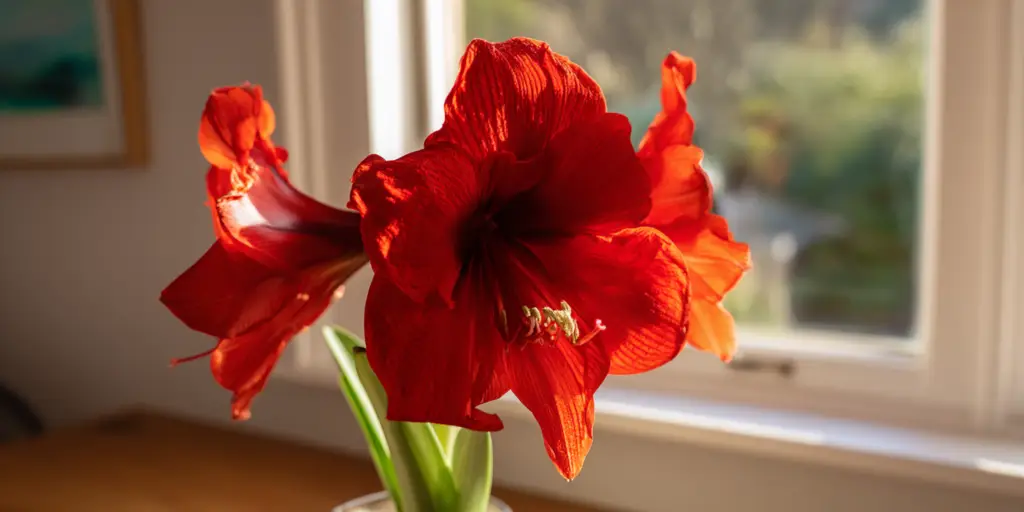
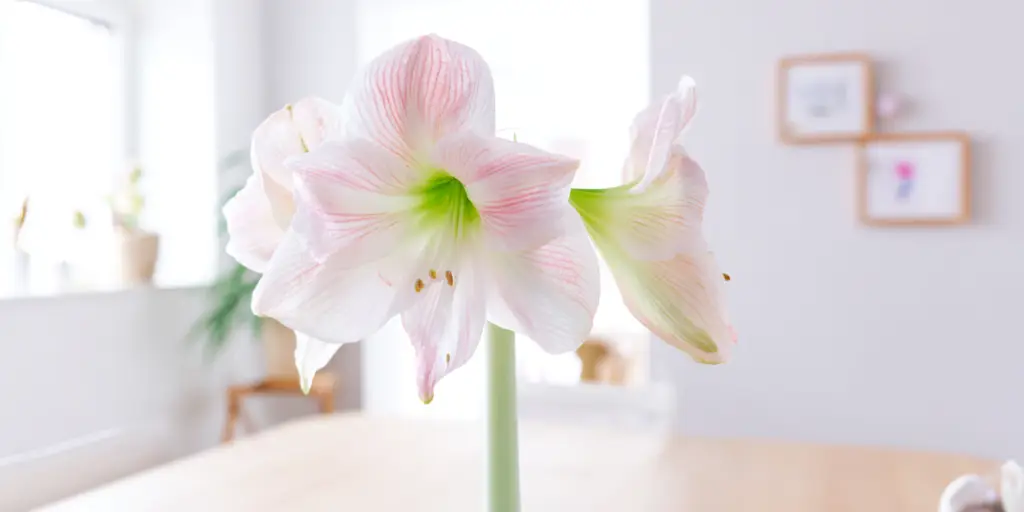
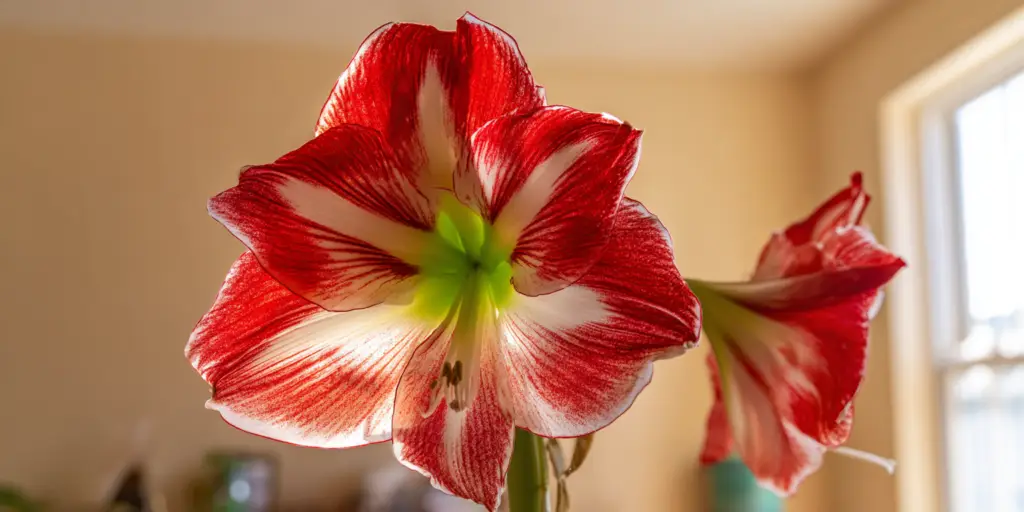
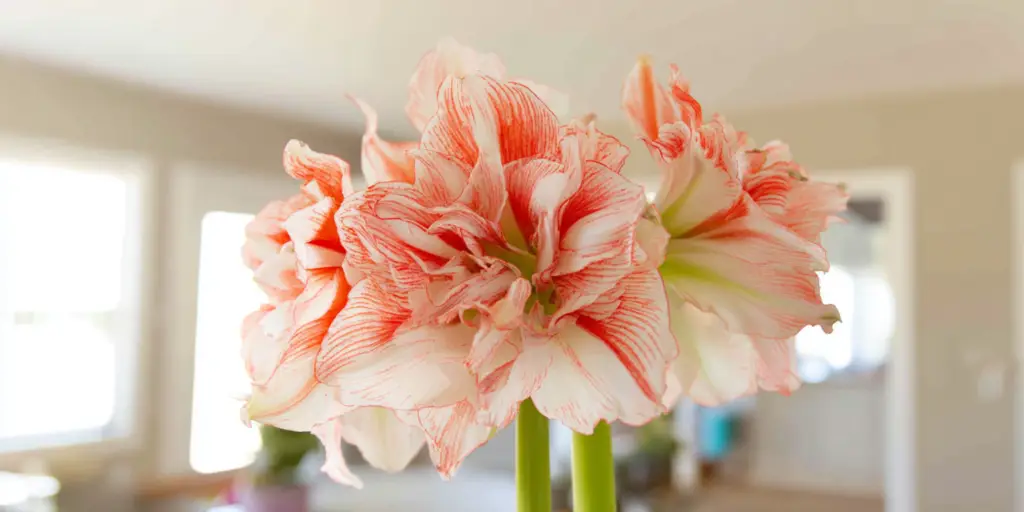
Hippeastrum are tender, bulb‑forming perennials from the Americas, best known for huge, trumpet flowers on tall scapes and broad, straplike leaves. Holiday bulbs are sold dormant and bloom indoors six to ten weeks after planting under household conditions. Amaryllis belladonna is a separate South African species that blooms on leafless stalks late summer to early fall outdoors in dry‑summer regions. Hippeastrum grown outdoors is generally hardy in USDA Zones 8 to 10, with best performance in frost‑free or nearly frost‑free gardens. In colder zones, grow it in containers and overwinter inside before frost. Amaryllis belladonna succeeds where summers are dry and winters are mild, typically Zones 8 to 10, and is widely naturalized along parts of the California coast. Indoors, provide bright light near a sunny window with some direct morning sun. Outdoors, site Hippeastrum in bright shade or morning sun with afternoon shade, especially in the Southeast and Gulf Coast. In very hot or reflective exposures, give dappled light to protect leaves from scorch.
Soil & Bed Preparation
These bulbs demand quick drainage. For containers, use a quality soilless mix that includes ingredients like pine bark fines, peat or coir, and perlite to keep pore space open. For beds, loosen the top 12 inches (30 cm), blend in two to three inches (5 to 7.5 cm) of compost, and avoid compacted spots. If your native soil stays wet after rain, plant on mounds or in raised beds. Slightly acidic to neutral soils support nutrient uptake for most bulbs. Aim for a garden pH near 6.0 to 6.8. If you have not tested recently, send a soil sample before planting and adjust with lime or sulfur only when your lab recommends it. In containers, most commercial mixes are already in a suitable range.
Planting Calendar by USDA Zone
Zones 3 to 7. Treat Hippeastrum as a container plant. Pot from October to April for indoor bloom. Expect flowers six to ten weeks after planting depending on temperature and cultivar. After your last spring frost, you can move the potted plant outdoors to grow strong leaves, then bring it back inside before first frost in fall to rest or continue growing under bright light.
Zone 8. Outdoors is feasible where hard freezes are brief and soil drains well. Plant established bulbs late winter to early spring after the risk of hard freezes. Mulch two inches to moderate soil temperature and moisture, but keep mulch pulled back from the bulb neck.
Zones 9 to 10. Plant in the landscape from fall through winter when heat breaks. Set necks at or slightly above the final soil line. Outdoor clumps often bloom in spring. Indoors, you can still pot bulbs anytime from fall to late winter to stage a show.
Amaryllis belladonna outdoors. In Mediterranean climates with dry summers and mild, wet winters, plant belladonna bulbs in fall with the top of the bulb just above the soil. This species wants summer dryness, so avoid irrigation once leaves die back.
Regional caveats.
- Hot humid coasts. Favor sites with morning sun and afternoon shade, good airflow, and impeccable drainage.
- High elevation or arid regions. Intense sun and thin air call for afternoon shade and steady moisture through active growth, balanced with fast drainage.
Planting: Depth & Spacing
Bulbs or Tubers.
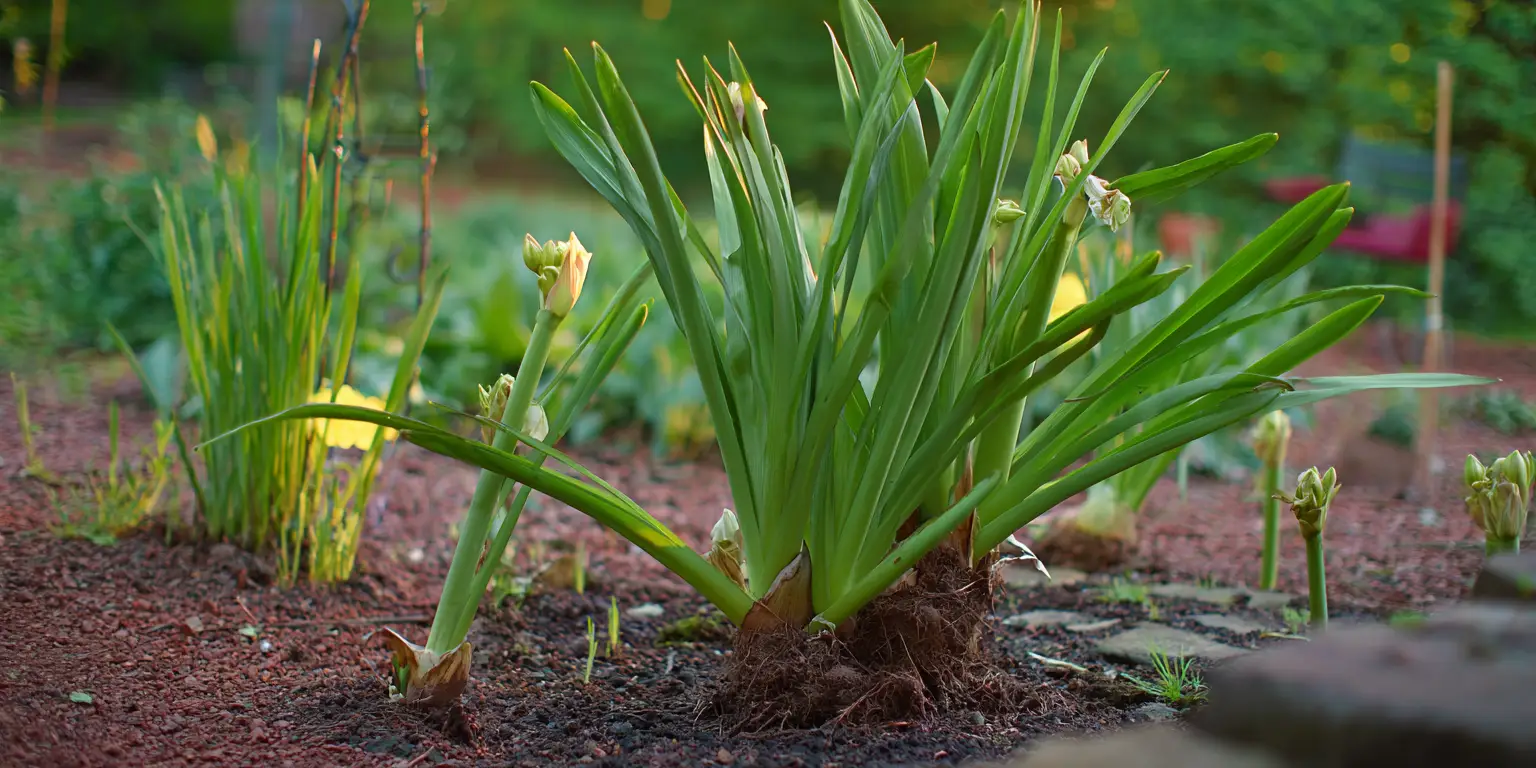
- Containers. Choose a pot with a drain hole, six to eight inches wide (15 to 20 cm) for one large bulb. A heavier clay pot resists tipping. Place fresh mix in the bottom so the bulb sits on a cushion of media with two to three inches (5 to 7.5 cm) under the basal plate. Set the bulb with roots spread and backfill so the top one third of the bulb remains above the mix. Leave about one inch (2.5 cm) of headspace for watering.
- In the ground. Space Hippeastrum bulbs about twelve to fifteen inches apart (30 to 38 cm). Set the bulb so the neck is at or slightly above the surrounding soil. In heavy soils, plant on slight mounds or ridges. For belladonna lily, set bulbs with the top just above the soil line and give six to twelve inches (15 to 30 cm) between bulbs.
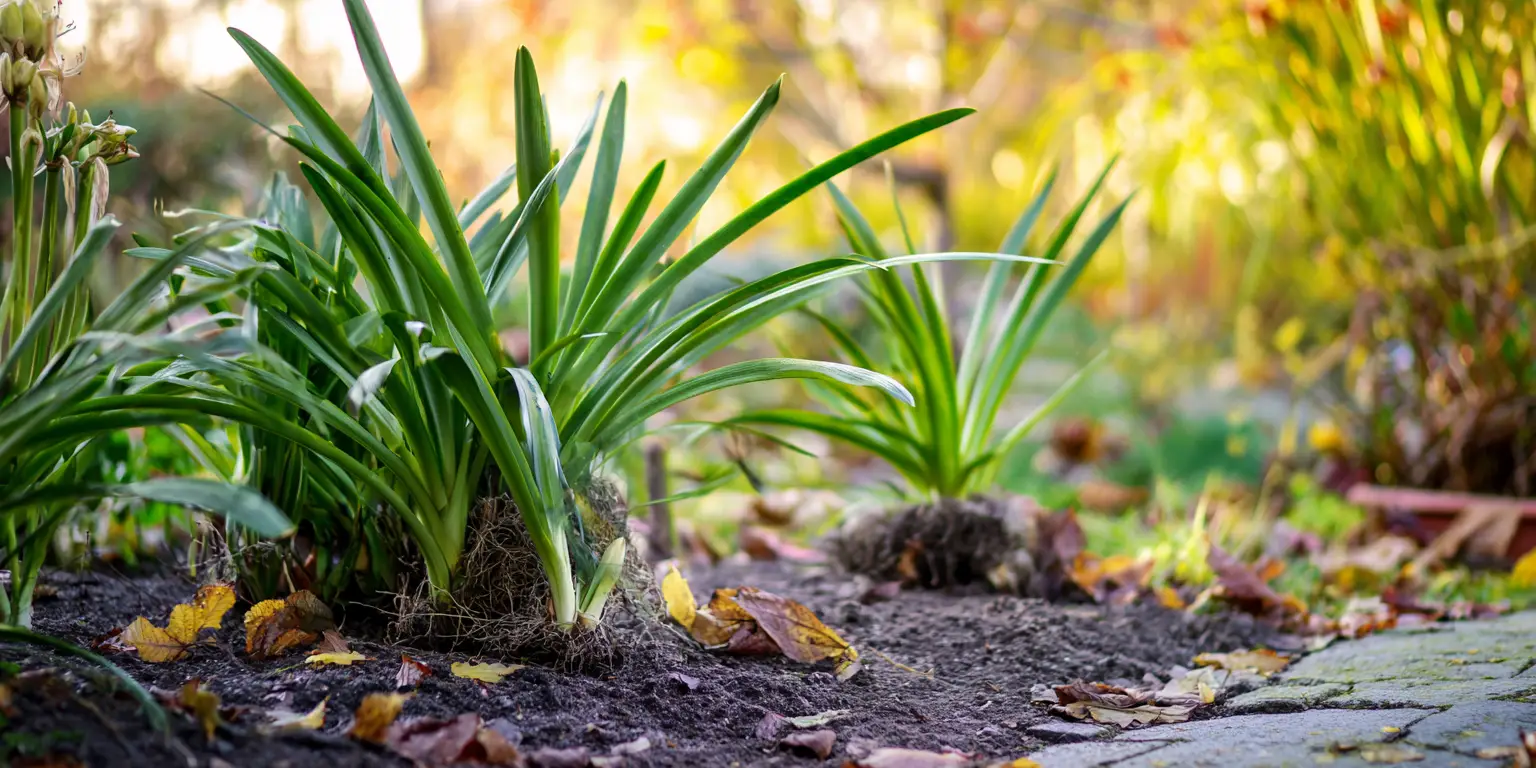
Bare‑root or divisions. Garden clumps can be lifted and divided once flowering declines from crowding. Replant offsets with roots fanned and the neck at the correct height. Water to settle soil and minimize gaps around roots.
Container‑grown plants. If buying a potted plant, transplant by sliding the root ball out intact. Use a pot only one to two inches (2.5 to 5 cm) wider than the bulb’s girth to keep bloom reliable. Set at the same depth, firm gently, and water once to settle.
Minimizing shock and acclimation. After indoor bloom, bulbs pushed in winter are hungry for light. Move containers outdoors after danger of frost. Harden off for seven to ten days starting in bright shade and increasing morning sun. Reverse the process before bringing them back in autumn so leaves are not shocked by the lower indoor light.
Watering & Mulching
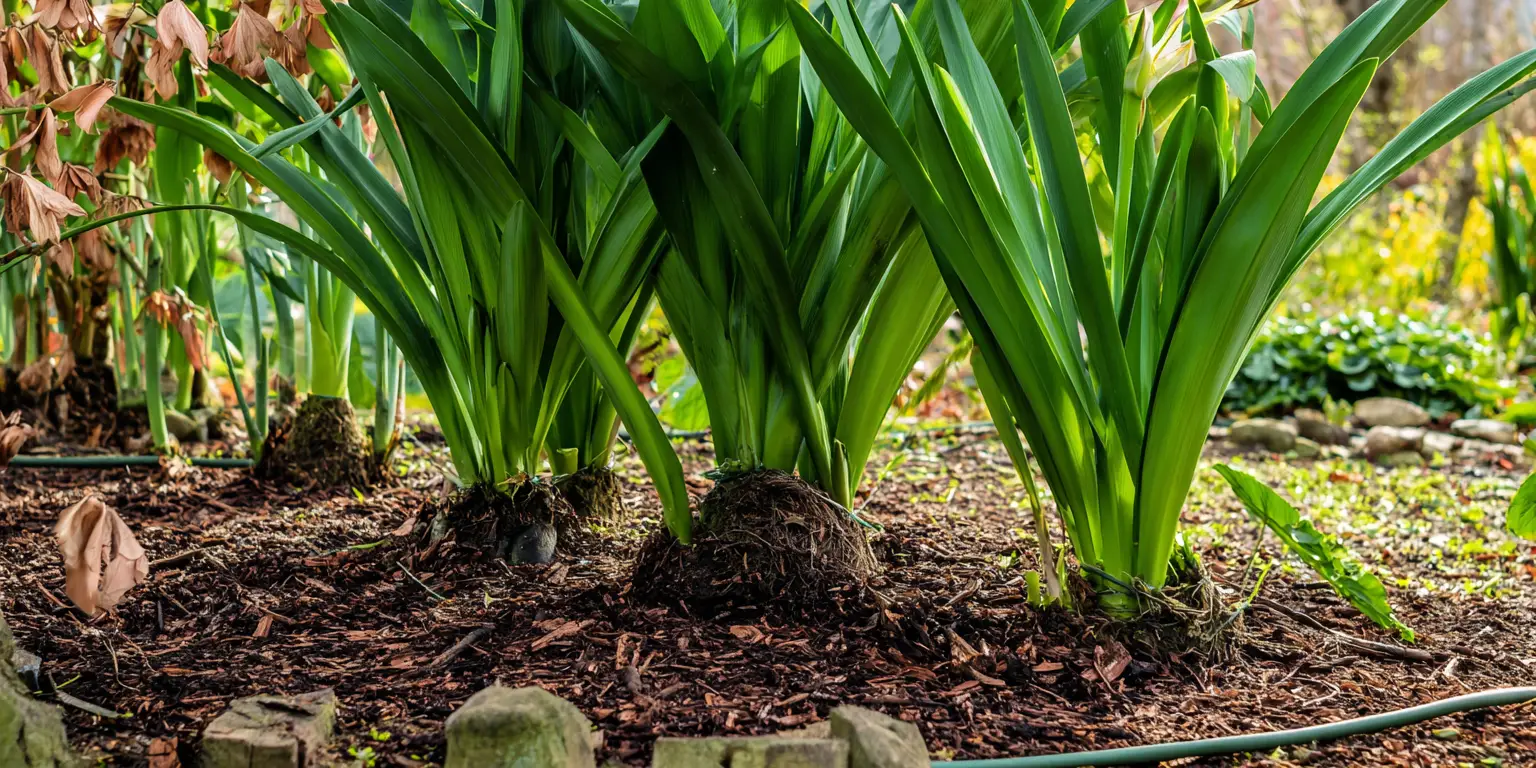
After planting, water once to settle soil. Then water sparingly until a flower bud or leaf emerges. Once actively growing, keep the mix or bed evenly moist, not wet. Allow the top inch of potting mix to dry before watering again. Never leave pots standing in saucers of water. In beds, apply two to three inches (5 to 7.5 cm) of leaf mold, pine straw, or fine bark to moderate moisture and temperature. Keep mulch two to three inches away from the bulb necks to discourage rot. In very cold snaps at the edge of hardiness, top up mulch to three inches for short periods to buffer freeze and thaw, then thin back in spring. During heat waves, move containers a few feet back from hot glass or reflective walls. Water early morning, then check again in late afternoon. In dry climates, deeper but less frequent soakings encourage roots without waterlogging. Salts build up in containers from tap water and fertilizer. Every few months, leach containers by running clean water through the pot until it flows freely out the bottom. If you see a white crust on the media or pot rim, scrape it off and leach, or repot in fresh mix.
Feeding
For landscape plantings, use a fertilizer analysis with lower nitrogen relative to phosphorus and potassium, such as 5‑10‑10, as new growth begins and again when the flower stalk is several inches tall. In containers, begin feeding after bloom or when new leaves are expanding, using a balanced houseplant fertilizer at label rate every two to four weeks while the plant is actively growing. Do not fertilize dormant bulbs or mixes that are dry. Pause feeding when leaves begin to yellow naturally at the end of the growth cycle. Overfeeding in low light leads to soft, floppy growth. Target two to three inches of organic matter blended into planting beds before bulbs go in. Healthy microbial activity improves structure and drainage. Retest garden soil every two to four years, or sooner after major amendments, to track pH and nutrients and adjust rates instead of guessing.
Pruning & Support
As flowers fade, remove each spent bloom to keep the plant from forming seeds, which drains energy. When the flower stalk begins to yellow, cut it off near the base without damaging the leaves. Leave all leaves intact and growing as long as they stay green since they recharge the bulb. In beds, remove winter‑damaged leaves in spring once new growth emerges. In containers, trim only truly yellow or broken leaves. Avoid removing healthy foliage for the sake of appearance. Some cultivars produce tall scapes that may lean. Insert a slim cane and secure the stalk loosely with soft ties. Rotate indoor pots a quarter turn each watering so stems grow straight toward even light. Wipe pruners clean, then sanitize between plants or after removing diseased tissue using 70 percent isopropyl alcohol or a fresh 10 percent bleach solution. Rinse bleach off metal parts and oil hinges to prevent corrosion.
Overwintering
In Zone 8 and marginal Zone 7 sites with shelter, a light, even layer of two to three inches of mulch helps buffer temperature swings and prevent heaving. Keep mulch pulled back from the neck, which should not be buried. In late winter, thin heavy mulch to avoid smothering new shoots. Raised beds and excellent drainage reduce ice damage around the basal plate. Avoid foot traffic over frozen beds that contain bulbs. Cold water sitting at the neck is the easiest path to rot. Where voles or gophers raid bulbs, line planting holes or beds with wire mesh baskets made from hardware cloth with small openings. Good sanitation around beds also reduces vole pressure. In cold zones, bring pots indoors before the first frost. You can either keep plants in bright light with regular water to maintain slow growth, or induce a rest period by moving them to a cool, dark space around 50 to 55°F (10 to 13°C) for eight to ten weeks with no water. After the rest, move to bright light, water once, and resume normal care to initiate a new bloom cycle.
Growing Environments
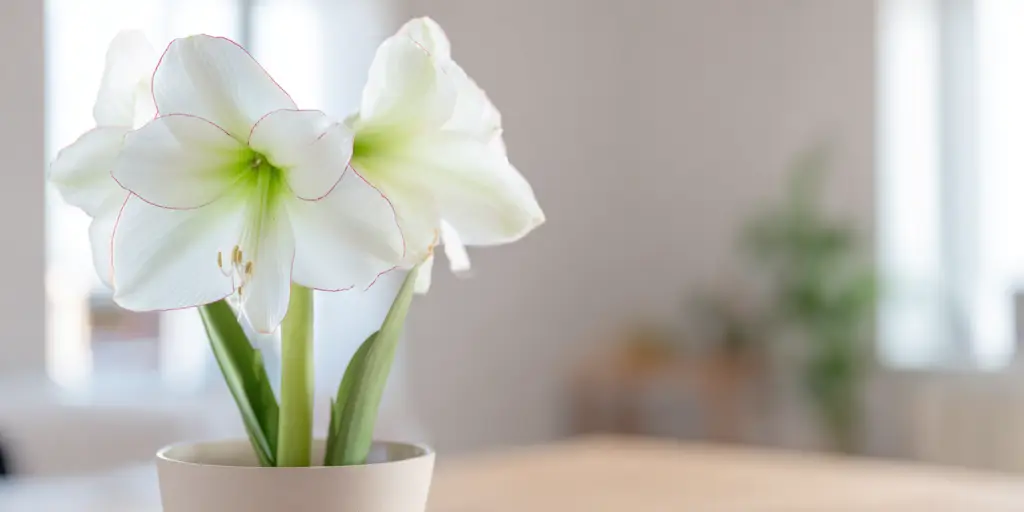
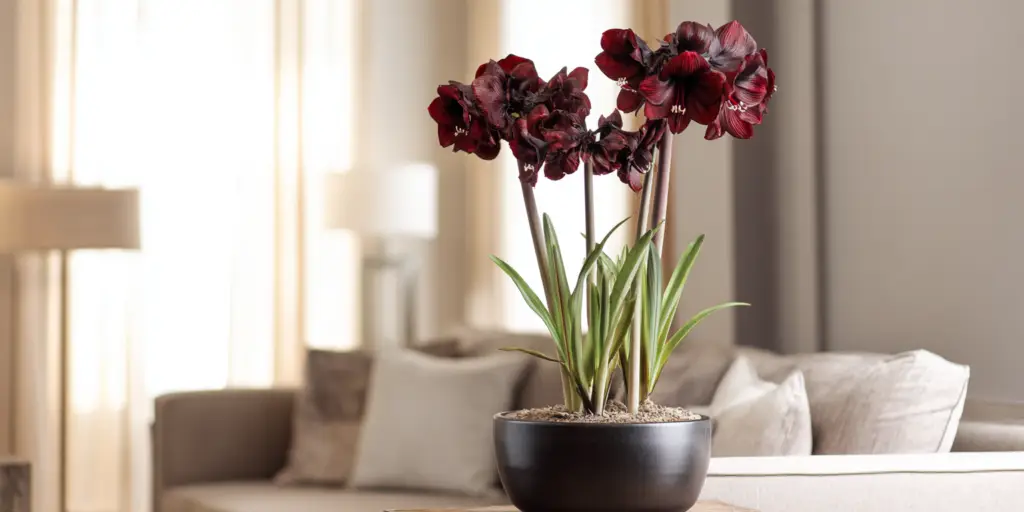
One large Hippeastrum bulb thrives in a pot about six to eight inches wide and at least as deep as twice the bulb’s height. Heavy clay pots reduce tipping. For bowl plantings, set two or three bulbs in a ten to twelve inch container, keeping a small gap between shoulders and leaving the top one third exposed. Choose a mix labeled for containers or houseplants. If blending your own, combine two parts high‑quality potting mix with one part fine bark or perlite for extra air space. Refresh the top inch of mix every spring, and repot only every three to four years or when the bulb has visibly outgrown the container. Indoors, south or west windows are ideal if you can temper hot afternoon sun with a sheer curtain. Outdoors, seek early sun and filtered shade after midday, especially in the Southeast and Gulf Coast. In arid regions, shield from hot wind with a nearby shrub or wall that still allows airflow. If your municipal water is very hard, you may see a white crust on soil or terracotta. Leach regularly and, if possible, alternate with collected rainwater to prevent salt buildup.
Companion Planting & Design
In warm zones where Hippeastrum grows in the ground, pair clumps with evergreen groundcovers or low shrubs so the space looks full when bulbs are resting. In mixed borders, place bulbs among perennials that leaf out as scapes fade. The late summer display of Amaryllis belladonna pairs well with dry‑garden companions that do not need irrigation during summer rest. In warm gardens, nearby salvias and other nectar plants draw hummingbirds that also visit Hippeastrum blossoms. In containers, underplant with short annuals once flowering finishes to cover soil and reduce splash. For seasonal themed displays, surround a potted bulb with small pots from tulips or daffodils earlier in the year, then swap for summer accents after the bloom cycle. Outdoors, space Hippeastrum bulbs twelve inches apart or more so leaves dry quickly. In containers with multiple bulbs, leave a finger’s width between bulb shoulders to reduce rot risk. Coordinate color harmonies by exploring our galleries of pink, white, and purple flowers.
References
- University of Minnesota Extension. “Growing and caring for amaryllis.”
- Clemson Cooperative Extension, HGIC. “Amaryllis | Home & Garden Information Center.”
- Clemson Cooperative Extension, HGIC. “Forcing Amaryllis.”
- UF IFAS Extension, EDIS. “Amaryllis – EP060.”
- UF IFAS Extension, EDIS. “Hippeastrum x hybridum, Amaryllis – FP255.”
- Missouri Botanical Garden, Plant Finder. “Hippeastrum (group).”
- North Carolina State Extension, Plant Toolbox. “Hippeastrum (Amaryllis).”
- North Carolina State Extension, Plant Toolbox. “Amaryllis belladonna.”
- UC ANR Master Gardeners, Sonoma County. “Amaryllis belladonna – Naked‑lady lily.”
Written by: Your Flowers Guide editorial team
We are a small independent group of flower lovers who research and review each guide using trusted horticultural and educational sources. Learn more about us