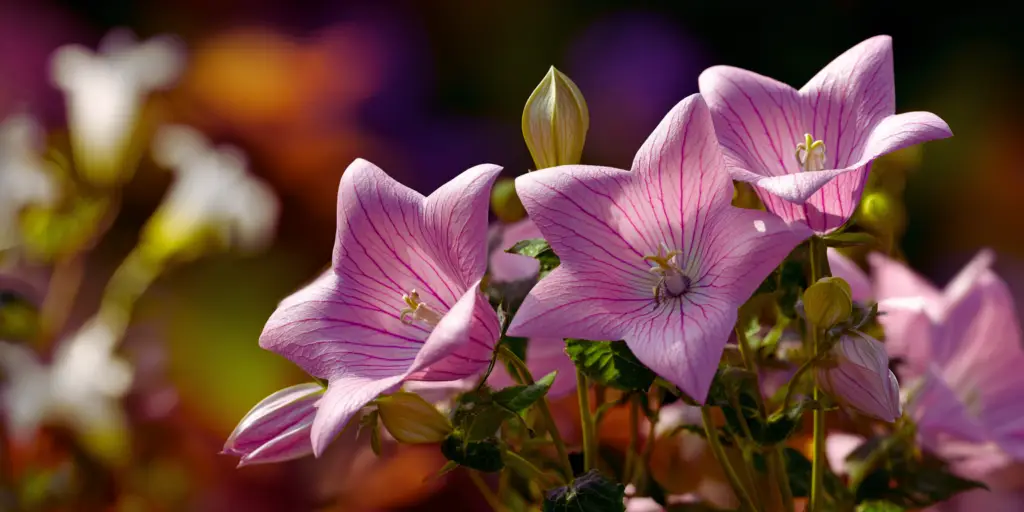
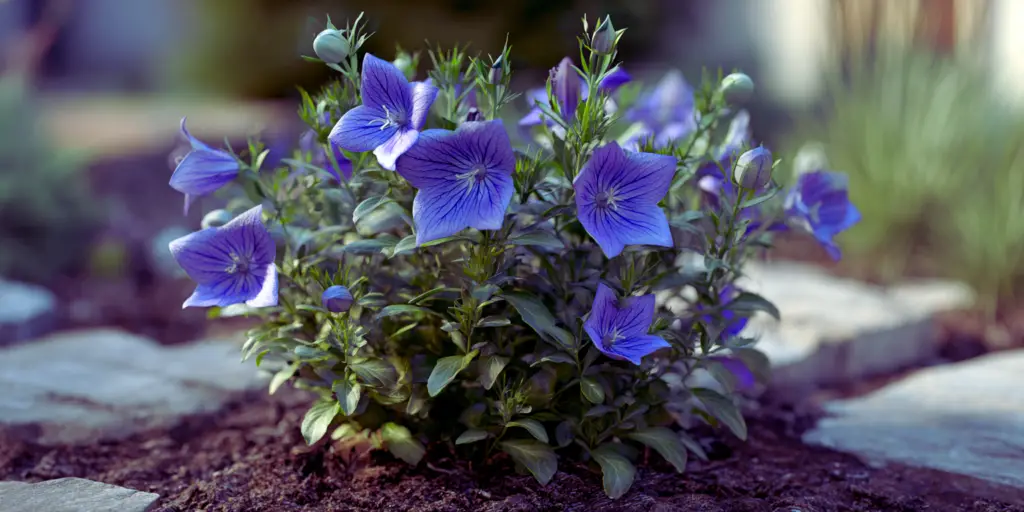
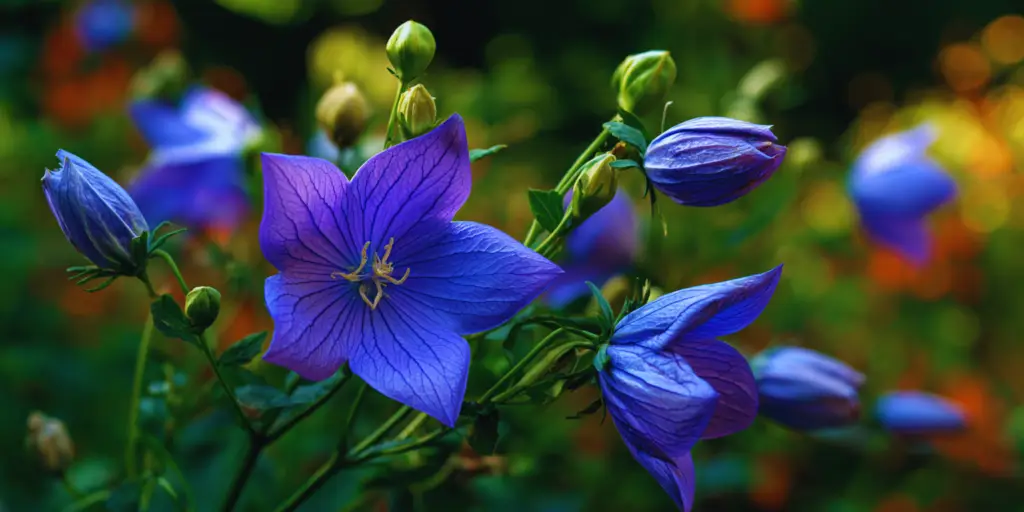
Astra Pink is a dwarf selection of Platycodon grandiflorus valued for soft pink, star-shaped blooms that open from inflated buds. It fits well at the front of beds and in patio containers. Plants grow best in full sun to light shade with fertile, well-drained soil. Like other Astra types, flowering runs through mid to late summer in North America. Seed-grown strains can differ in ultimate height and width.
At‑a‑glance
Group/Class: Astra Series; dwarf selection
Height × spread: 8-18 in (20-45 cm) × 10-20 in (25-50 cm)
Bloom window: mid July to early September
Color & flower form: soft pink; single, star-shaped from balloon buds
Fragrance: 0 none
USDA hardiness: zones 3-8
Breeder / Year / Origin: unknown
Cut-flower notes: short stems suit small arrangements; sear cut ends to prevent sap bleed
Pet safety: unknown
How it differs
More compact than typical balloon flower.
Pink color rather than the usual violet-blue tones.
Seed-strain variability can alter final plant size.
Generally less need for staking than tall strains.
Strengths
Neat mound habit for edging and pots.
Consistent midsummer bloom with deadheading.
Cold hardy in northern climates.
Low maintenance under average conditions.
Care in one minute
Light: full sun to light shade; afternoon shade helps in hot summers.
Soil: well-drained loam; slightly acidic to neutral pH.
Water: regular moisture; avoid prolonged wetness.
Feeding: light spring fertilizer only.
Grooming: deadhead spent blooms; a light late-spring trim can keep plants compact.
Overwintering: mulch after hard frost in colder zones; do not disturb fleshy roots.
Watch‑outs
Can stretch in shade and become lax.
Crowns resent division and transplanting.
Late to emerge in spring; mark the planting spot.
Best uses (tags)
containers, edging, borders, cutting, rock gardens
Provenance note
Astra cultivars were selected as compact seed lines for pot and garden use. Performance and final size can differ among seed lots.
Written by: Your Flowers Guide editorial team We are a small independent group of flower lovers who research and review each guide using trusted horticultural and educational sources. Learn more about us