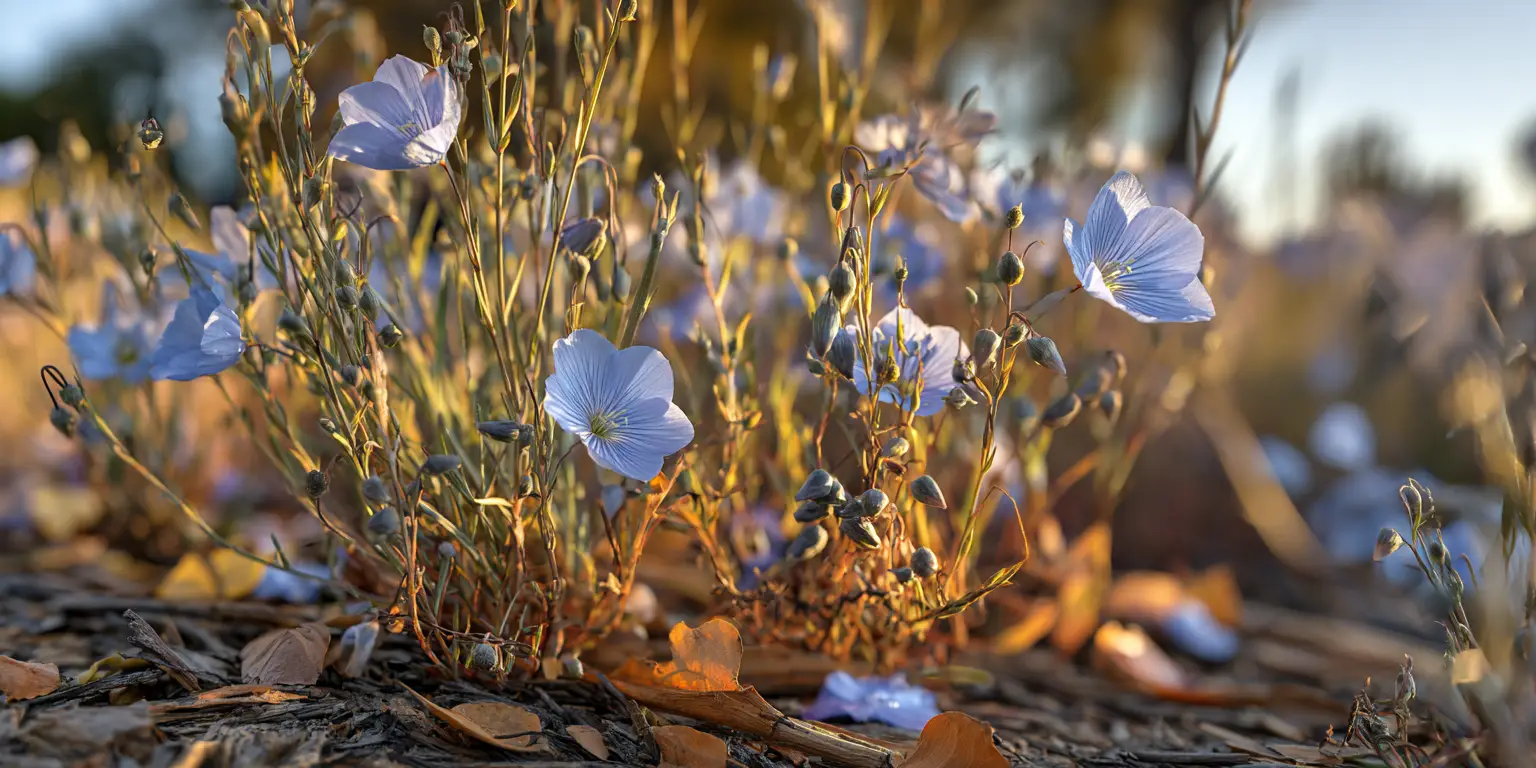
How to Grow and Care for Blue flax
Contents
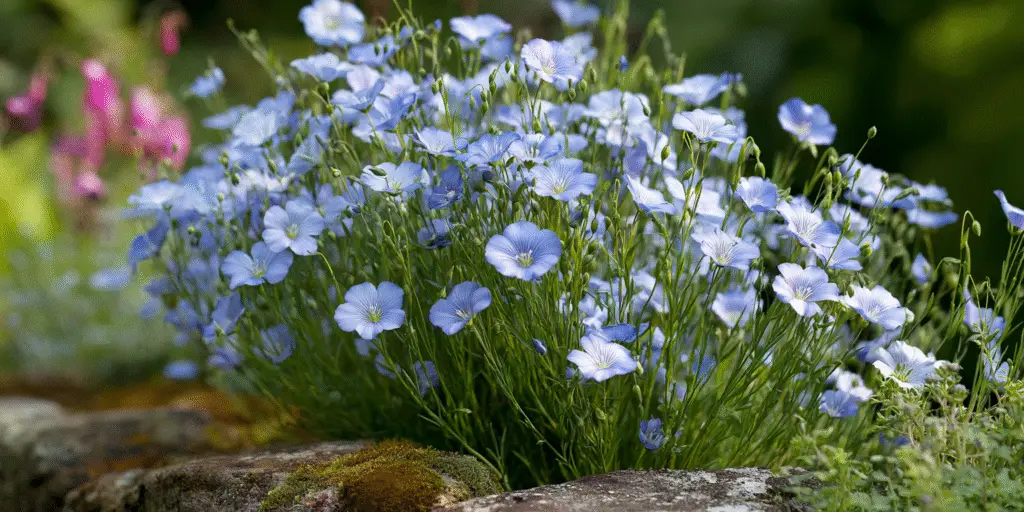
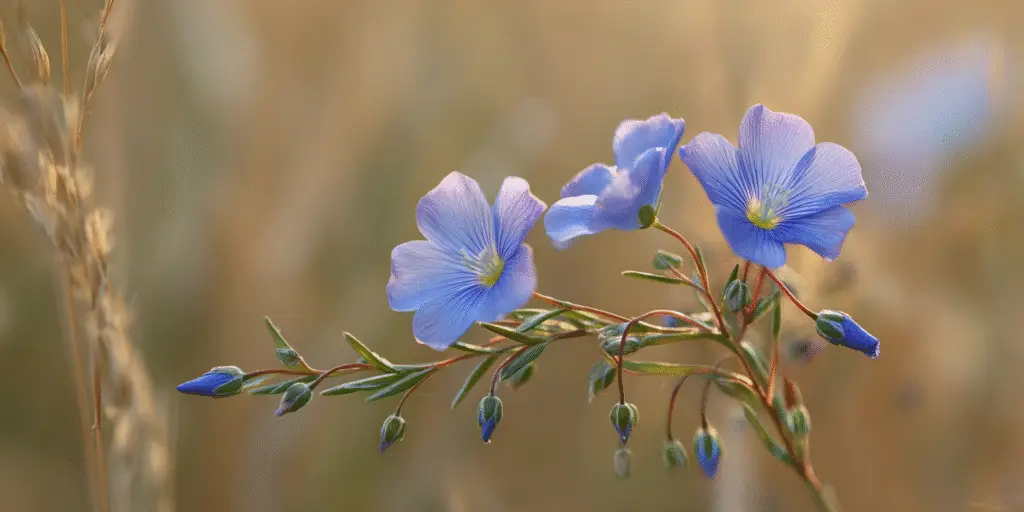
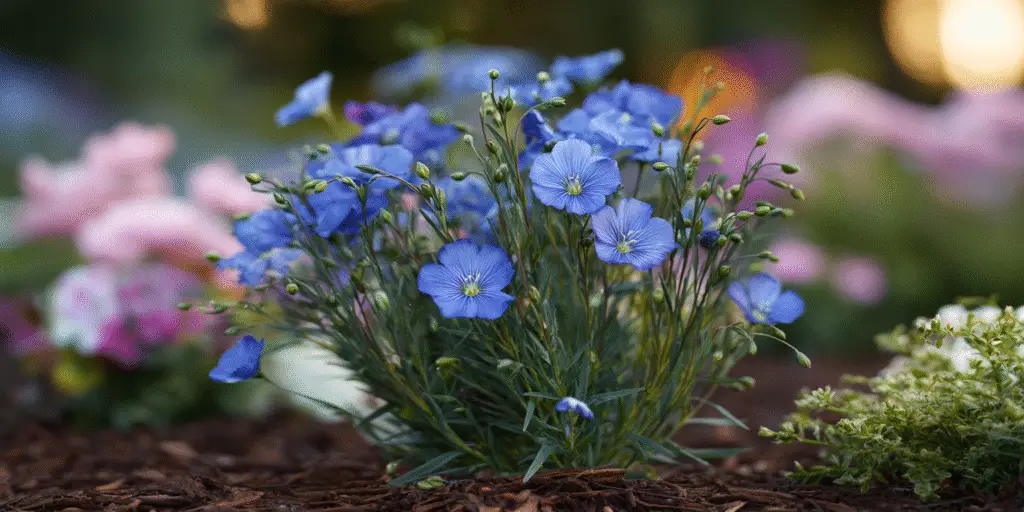
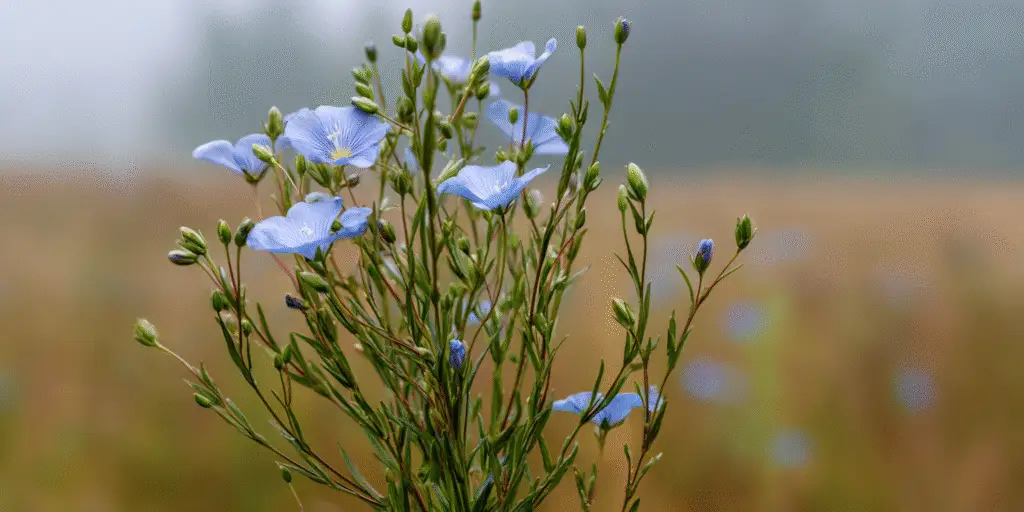
Blue flax is a graceful, short‑lived perennial that produces a long stream of sky‑blue saucers each morning, then closes by afternoon. The accepted botanical name is Linum perenne. It is also sold as perennial flax or alpine flax. Garden centers sometimes label the native look‑alike Linum lewisii as blue flax. Care is nearly the same for both.
Blue flax thrives in full sun and lean, well drained soil. Most gardeners succeed in USDA hardiness zones 5 to 8 for Linum perenne. The native L. lewisii performs in a wider range and tolerates colder winters in many interior regions. Expect plants to flower from late spring into early summer, then flush again if you clip spent stems. Blue flax is easy to start from seed, dislikes heavy clay, and resents deep disturbance to its taproot. Follow the steps in this guide for reliable Blue flax care from seed to full bloom. To explore related color palettes and plant groups on this site, see blue flowers and types of flowers.
Soil & Bed Preparation
Texture and drainage. Blue flax is adapted to thin, rocky, or sandy soils where water runs through quickly. In heavier loam, amend for drainage. The goal is a bed that drains well within several hours after a soaking. If you garden in compacted clay, consider a raised bed.
pH range. A neutral to slightly alkaline pH is welcome. Aim for 6.5 to 7.5. The plant tolerates poorer soils so long as they are not waterlogged.
Organic matter. A thin layer of fine compost improves structure in sandy or silty beds, but avoid rich, nitrogen‑heavy soils that push floppy growth. A target of roughly 3 to 5 percent organic matter is enough for this lean grower.
Raised beds vs in‑ground. Use raised beds where native soil holds water or freezes wet. In most average gardens, in‑ground beds perform nicely if you correct drainage.
Special root notes. Blue flax forms a taproot with sparse fibrous side roots. Disturb it as little as possible. Avoid deep digging once established.
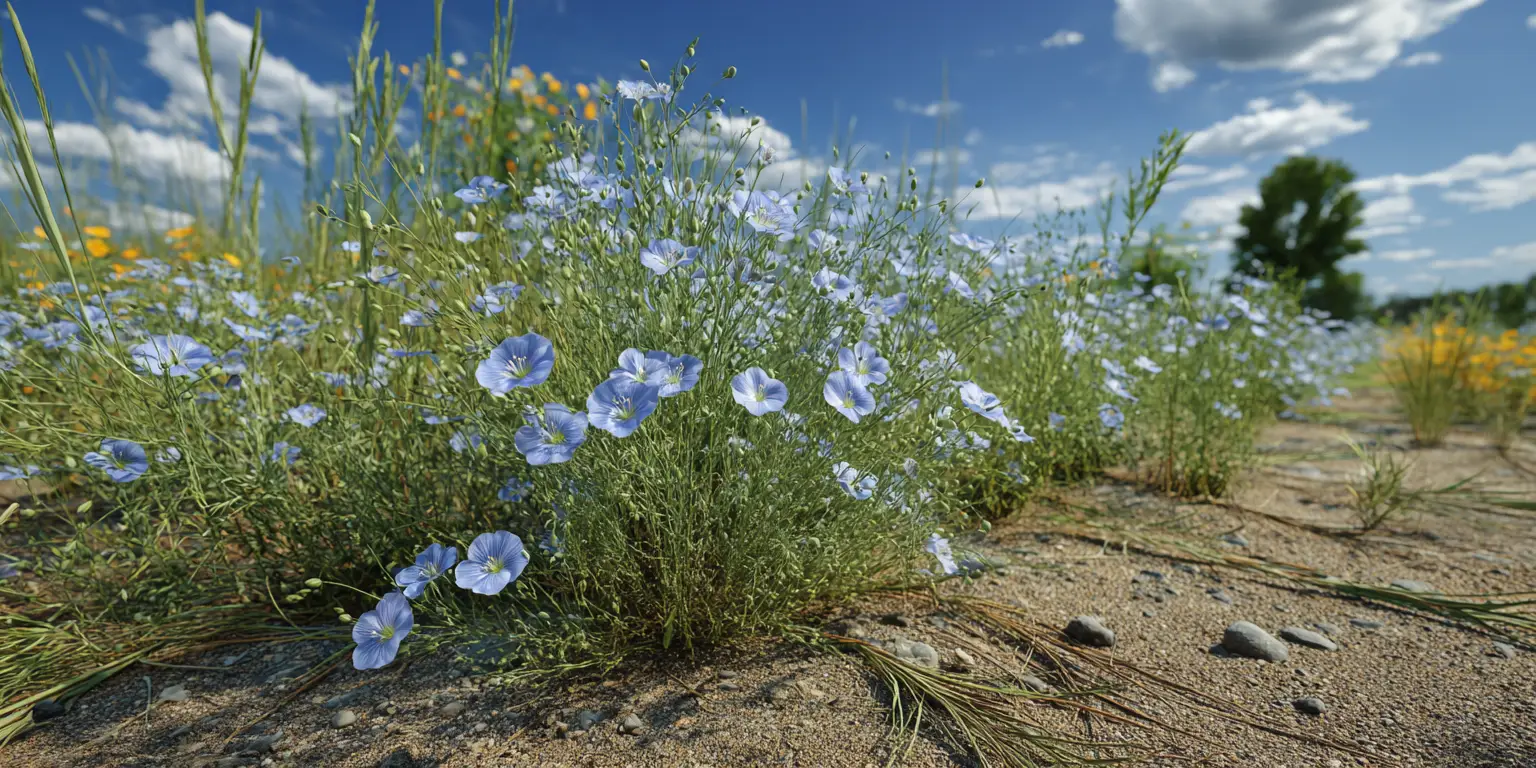
Planting Calendar by USDA Zone
Blue flax is best established during cool weather so that roots grow deep before summer heat. Adjust timing by your zone and local patterns.
Zones 3 to 4
- Direct seed outdoors: As soon as soil is workable in spring. The cool period helps germination.
- Transplant container starts: Two to four weeks before the last expected spring frost, provided the plants are hardened off.
- Fall sowing: In late September to mid‑October for spring bloom. Useful in high, cold interiors.
Zones 5 to 6
- Direct seed outdoors: Mid‑March to mid‑April, or in late September for fall sowing that sprouts in spring.
- Transplant container starts: Early to mid‑spring when soils warm to 50 to 55°F (10 to 13°C).
- Bare‑root or divisions: Early spring only. Fall divisions risk heaving during freeze to thaw.
Zones 7 to 8
- Direct seed outdoors: Late fall to winter. The natural chill and moisture improve germination.
- Transplant container starts: Late fall or very early spring to avoid hot, wet summers.
- Caveats: In humid Southeast and Gulf Coast climates, prioritize excellent drainage and good air movement. Afternoon shade protects plants from long heat waves.
Zones 9 to warm inland 10
- Direct seed outdoors: Late fall through winter during the cool season.
- Transplant container starts: Mid‑winter to early spring at higher elevations or in inland valleys.
- Caveats: Blue flax struggles in prolonged hot, humid summers and in very mild, wet winters. Grow it as a cool‑season perennial or short‑lived spring display. In frost‑free coastal areas, treat it as a reseeding annual.
Planting: Depth & Spacing
From Seed
- Depth. Sow seeds 1⁄8 to 1⁄4 inch deep (3 to 6 mm). A shallow covering of fine soil or vermiculite is enough. Light aids germination.
- Spacing. Thin or space seedlings 10 to 12 inches apart (25 to 30 cm). For meadow strips or cutting rows, use rows 18 inches apart (45 cm).
- Germination window. Expect sprouts in 14 to 21 days in cool soil at 60 to 70°F (16 to 21°C).
- Tips. Keep topsoil lightly moist until seedlings have several true leaves, then reduce watering to match conditions.
Bare‑Root or Divisions
- Reality check. Blue flax dislikes division because of its taproot. Divide only young clumps and only if necessary to move or share plants.
- When and how. Early spring while new growth is under 1 inch tall (2.5 cm). Lift carefully, split into large pieces with as much root as possible, and replant immediately. Expect some losses even with careful work.
- Depth. Replant at the same crown level the plant held in its previous spot. Never bury the crown.
Container‑Grown Plants
- Acclimation. Harden off for 7 to 10 days before planting. Set plants outdoors in a protected bright spot, increasing sun a little each day.
- Depth. Plant so that the crown sits level with surrounding soil.
- Spacing. Set 12 inches apart (30 cm) for airy drifts or 8 inches (20 cm) for a tighter ribbon that still breathes.
- Minimizing shock. Water the nursery pot well before planting. Slide the root ball out in one piece. Tease only the outermost circling roots and keep the main taproot intact. Water in thoroughly to settle soil.
Watering & Mulching
Establishment phase. After sowing or transplanting, keep the top 2 inches of soil (5 cm) lightly moist for two to three weeks. Water once or twice per week depending on spring weather, delivering roughly 1 inch of water per week total from rain and irrigation.
Mature schedule. Once roots are established, reduce irrigation. Water every 10 to 14 days in dry climates with no rain, applying a deep soak that reaches 6 to 8 inches down (15 to 20 cm). In humid climates, water only during long dry spells. Blue flax will tolerate brief drought and returns with the next cool spell.
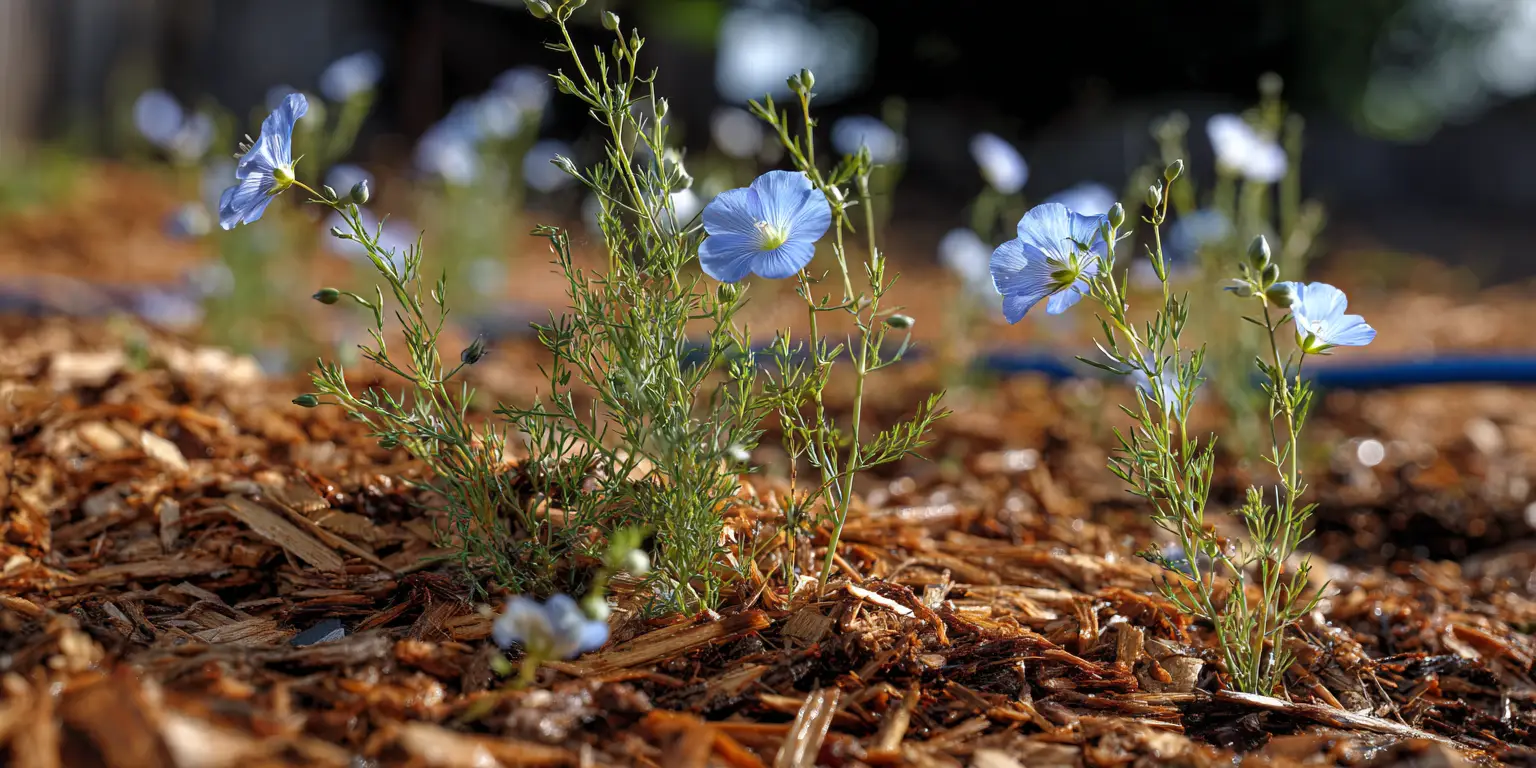
Mulch types and thickness. Use a mineral mulch such as 1 to 2 inches of pea gravel (2.5 to 5 cm) or a thin layer of shredded bark. Mineral mulch matches the plant’s preference for sharper drainage and keeps crowns dry. Pull mulch back 2 inches from the stems to prevent rot.
Avoiding crown or root rot. Do not pile mulch against the crown. Do not use heavy drip emitters near the base. Water at the soil level in the morning so foliage dries quickly. If you garden on clay, position plants on slight mounds and mulch with gravel.
Heat spikes and long droughts. During sudden heat that reaches the high 90s°F (35°C), provide a deep morning soak and temporary afternoon shade from a mesh screen. In long droughts, prioritize less frequent but deeper watering rather than frequent light sprinkles.
Salinity and hard water notes. Blue flax tolerates slightly alkaline water but does not enjoy saline soils or sea spray. Rinse leaves occasionally if irrigation water leaves mineral deposits.
Feeding
A light hand wins. Blue flax thrives in modest conditions. If your soil is average or better, skip fertilizer entirely. In very poor soils, a single spring feeding is enough.
N‑P‑K ranges. Use a low nitrogen formula in the range of 3‑5‑5 to 5‑10‑10. Apply at half label rate in early spring just as growth resumes. Overfeeding leads to tall, lax stems and fewer flowers.
Slow‑release vs organic. Slow‑release synthetics offer steady nutrition. Organic options such as a thin top‑dress of fine compost or a small amount of bone meal provide gentle phosphorus. Keep amendments light so drainage remains sharp.
Soil biology pointers. Maintain 3 to 5 percent organic matter. Re‑test soil every two to three years if plants seem weak or if you have adjusted pH. In most gardens, improving structure and drainage gives better results than adding fertilizer.
Pruning & Support
Deadheading specifics. Individual flowers last a day but open in succession. Snip the spent bloom clusters every week to extend color. After the main spring flush, shear stems back by one third to one half to encourage a tidy second bloom.
Seasonal clean‑ups. In late winter or very early spring, cut old stems to 2 inches (5 cm) before new growth emerges. Remove any matted thatch so the crown breathes.
Structural support. Blue flax has wiry stems that sway in wind. Staking is seldom needed in full sun and lean soil. If plants lean in fertile beds, use discreet twiggy pea sticks to prop stems without binding them.
Tool hygiene. Clean pruners before and after work to limit disease spread. Wipe blades with 70 percent isopropyl alcohol. Allow tools to dry before storage.
Overwintering
Mulch strategy. In cold winter regions, apply a light mulch after the ground freezes. Use 1 to 2 inches of shredded leaves or pine needles. In spring, pull mulch back gradually as soil thaws. In warm winter regions, a gravel mulch is usually enough.
Freeze to thaw management. Avoid late fall divisions or deep soil disturbance. Blue flax crowns can heave in freeze to thaw cycles. A light winter mulch helps pin roots.
Rodent protection. Voles sometimes tunnel in mulched beds. Keep mulch thin and avoid piling materials against stems. Maintain clean edges along paths to reduce cover.
Containers. Overwinter potted blue flax in a sheltered spot with sun and excellent drainage. Use pot feet to lift containers off wet surfaces. Water only during long dry spells when the potting mix is completely dry.
Growing Environments
Containers and minimum volume. Blue flax can grow in containers for two to three seasons if the pot is deep and drains very well. Choose at least a 12 inch diameter pot that is 12 to 14 inches deep (30 to 35 cm). A deeper vessel is better than a wider one to accommodate the taproot.
Potting mix and drainage. Use a gritty mix. Combine regular potting mix with coarse perlite or pumice in a ratio of roughly 2 to 1. Add a small amount of fine compost if your mix is very light. Always provide several open drainage holes.
Microclimate tips. Full sun produces the strongest stems and best bloom. In hot Southwest or Southeast summers, protect plants with light afternoon shade from 2 to 5 p.m. Place plantings where morning sun dries dew quickly. Shelter from constant sprinkler overspray. In windy sites, plant in front of low rocks or airy grasses that diffuse gusts. Rocks or gravel mulch reflect beneficial warmth in spring yet keep crowns dry.
Shade, wind, and reflected heat. Light shade is tolerated in the afternoon. Constant deep shade reduces flowering and makes plants floppy. Wind usually is fine if the soil is lean and the site drains well. Avoid walls that reflect extreme heat without airflow.
Companion Planting & Design
Color play and textures. Blue flax reads as a soft, cool blue in morning light. Pair it with golden daisies, sulfur buckwheats, or yarrow to heighten contrast. Mix with silvery foliage such as Artemisia or lamb’s ear for a low water border. Its fine stems weave well through clumping grasses like blue fescue and little bluestem.
Plants that extend bloom. Combine with spring into summer stalwarts such as catmint, salvias, penstemons, coreopsis, and gaillardia. These partners keep the border bright when flax takes a rest during hot spells.
Hiding die‑back. As summer heat sets in, blue flax may slow or go semi‑dormant. Tuck plants near mounding perennials that leaf out in early summer so foliage hides gaps. Good choices include dwarf lavender, low yarrows, or compact daylilies.
Pollinator support. The simple saucer blooms provide easy nectar access for bees and small native pollinators. Avoid pesticides on or near flowering stems.
Spacing for airflow. Keep 10 to 12 inches between plants in the border. In humid regions, widen to 14 inches to improve drying. Good air circulation is the cheapest insurance against disease.
Meadow and path uses. Blue flax belongs in wildflower drifts and naturalistic edges. Sow in curving ribbons or irregular patches rather than straight rows. For a cottage feel, weave it through spring bulbs. The fine stems thread around tulips and daffodils without smothering emerging foliage. For event settings, its soft color fits the casual look described in our wedding flowers guide. For broader palette planning see yellow, white flowers, and lavender.
Written by: Your Flowers Guide editorial team
We are a small independent group of flower lovers who research and review each guide using trusted horticultural and educational sources. Learn more about us